Cornwall and Devon
England's south-west: Dartmoor moor, St Ives and the cliffs of Land's End, the Minack Theatre, St Michael's Mount and the fishing villages.
- Exeter
- Dartmoor
- Fowey
- St Ives
- Land's End
- Minack
- St Michael's Mount
- Padstow
Day by day
- Day 1
Exeter and its cathedral
This trip goes to south west England, the long peninsula ending at Land's End, between the English Channel and the Atlantic. Devon and Cornwall are the wildest and brightest part of the country: granite moors with wild ponies, fishing harbours with colourful houses, sheer cliffs, golden sand beaches and turquoise water, a coastal path running for hundreds of kilometres, and a culture of its own, with a Celtic language, Cornish, and dishes such as the pasty and the cream tea.
To enter the United Kingdom you need a passport and an ETA, the electronic travel authorisation, which costs 20 pounds and must be applied for online before departure. You fly into Exeter, or into London and then take the train to Exeter, about two and a half hours. Hire a car, remembering that in the United Kingdom you drive on the left.
Exeter is the county town of Devon, a university city with a long history going back to Roman times. On the first day visit the cathedral, a masterpiece of fourteenth century English Gothic, with a very long stone fan vault, one of the longest in the world, and a facade covered in statues of kings, angels and saints.
Then walk around the old city, with its Roman and medieval walls, and go down to the quayside on the River Exe, with old warehouses turned into shops and cafés.
In the evening have dinner with an English dish in a historic pub.
Spend the night in Exeter.
Practical tip: the best time is May to September. In July and August the roads and beaches of Cornwall are very crowded and accommodation must be booked well ahead.
- Day 2
Dartmoor: wild ponies and granite villages
Today discover Dartmoor National Park, about half an hour west of Exeter, a great moorland of rolling hills covered in heather, bracken and grass, with granite outcrops called tors, streams, woods and grey stone villages.
Dartmoor ponies roam no-cost on the moor, small sturdy horses grazing among the rocks and along the roads, together with sheep and cattle.
In the morning climb one of the tors, such as Haytor, a great granite rock on a hill with views reaching to the sea. Nearby are the remains of an old granite tramway, built in the nineteenth century with stone rails to carry blocks from the quarries.
Then visit one of the park's prettiest villages, such as Widecombe in the Moor, with a church whose very tall tower has earned it the name cathedral of the moor, or Lustleigh, with thatched cottages.
In the afternoon walk along the River Dart through the woods, or visit Dartmoor's prehistoric remains, such as stone circles and Bronze Age villages, among the most numerous in Britain. Dartmoor inspired Arthur Conan Doyle's The Hound of the Baskervilles.
In the evening, in the village, try a cream tea, tea with scones, clotted cream and jam: in Devon the cream goes on first, then the jam.
Spend the night on Dartmoor or in Exeter.
Practical tip: do not feed the ponies and drive slowly on moorland roads. The weather changes quickly: bring a waterproof jacket and hiking boots.
- Day 3
The south coast: Fowey, Polperro and Mevagissey
Today enter Cornwall, crossing the River Tamar, the border with Devon, and follow the south coast, about two hours from Exeter.
Cornwall's south coast is made of green estuaries, sheltered coves and fishing villages squeezed between the hills.
The first stop is Polperro, one of the most photographed villages in Cornwall: white and colourful houses built one above another around a small harbour, narrow lanes and little bridges, where smuggling was practised for centuries. There is a small museum of smuggling and fishing. Cars are left at the top and you walk down.
Then go to Fowey, an elegant town on the estuary of the River Fowey, with colourful houses climbing the hill, sailing boats and a ferry to Polruan on the far bank. The writer Daphne du Maurier, author of Rebecca, lived here, inspired by this coast. A stretch of the coastal path leads to Readymoney Cove, a small beach with the ruins of a castle.
In the afternoon continue to Mevagissey, a working fishing harbour with colourful boats and lanes. Nearby are the Lost Gardens of Heligan, Victorian gardens abandoned and then rediscovered and restored in the 1990s, with a subtropical jungle.
In the evening have dinner with fish and seafood on the harbour.
Spend the night in Fowey or Mevagissey.
Practical tip: Cornwall's country lanes are extremely narrow, between high hedges, often single track: drive slowly and pull into passing places to let cars by.
- Day 4
St Ives: the Tate and the beaches
Today go to St Ives, on Cornwall's north coast, about an hour and a half from Fowey.
St Ives is a fishing town that became an artists' colony, with cobbled lanes, granite houses, a harbour with colourful boats and several golden sand beaches with turquoise water, such as Porthmeor, Porthminster and Porthgwidden. The light of St Ives, clear and reflected off the sea, attracted many painters and sculptors from the 1920s onwards.
In the morning visit Tate St Ives, the modern art museum overlooking Porthmeor beach, with works by the artists who worked here, and temporary exhibitions.
Then visit the Barbara Hepworth Museum and Sculpture Garden, home of the sculptor who lived and worked in St Ives for more than thirty years: in the studio and small garden her bronze and stone sculptures stand among palms and flowers.
In the afternoon relax on the beach, or take a surf lesson at Porthmeor.
In the evening walk on Smeaton's Pier and up the Island, a headland with a small seamen's chapel, to watch the sunset over the sea.
For dinner try a Cornish pasty, a pastry parcel filled with beef, potato, swede and onion, originally a miners' lunch, or freshly caught fish.
Spend the night in St Ives.
Practical tip: parking in central St Ives is almost impossible: leave the car in the car parks above town or outside and use the very scenic branch line train from St Erth. Beware of the gulls: they snatch food from your hands.
- Day 5
The coast path from St Ives to Zennor
Today take one of Cornwall's finest walks, on the South West Coast Path, the coastal path that runs right around the peninsula, more than a thousand kilometres long, the longest National Trail in England.
The stretch from St Ives to Zennor is about ten kilometres and takes about four hours. It is considered one of the most beautiful and also one of the most demanding: the path climbs and drops constantly along the cliffs, among granite rocks, heather, gorse and bracken, with sections over boulders and streams. There are no villages or facilities along the way.
From the path you see the turquoise sea, small inaccessible coves, grey seals resting on the rocks, seabirds such as gannets and cormorants and, in summer, sometimes dolphins and basking sharks, the huge harmless fish that feed on plankton.
You reach Zennor, a small granite village surrounded by fields divided by prehistoric drystone walls. In the church is the mermaid chair, a carved wooden bench with a mermaid, linked to the legend of a mermaid who fell in love with a village singer. The writer D. H. Lawrence lived in Zennor for a time.
To return to St Ives there is a local bus, or you can walk back by an inland route.
Spend the night in St Ives.
Practical tip: the path is exposed and slippery in rain: you need hiking boots, water and food. Check the bus times for the return before setting off.
- Day 6
Land's End, the Minack Theatre and St Michael's Mount
Today discover the far tip of Cornwall, the Penwith peninsula.
In the morning go to Land's End, the most westerly point of England, about half an hour from St Ives, with high granite cliffs pounded by the ocean, a lighthouse on a rock offshore and, on clear days, the Isles of Scilly on the horizon. The visitor complex is commercial, but a few minutes' walk along the coast path brings you to wild scenery.
Then go to the Minack Theatre at Porthcurno, a few kilometres away: an open air theatre carved into the cliff above the sea, built by hand from the 1930s by a woman, Rowena Cade, with her gardener. The stone terraces look down on a stage backed by turquoise sea. In summer there are evening performances. Below the theatre is Porthcurno beach, with white sand and clear water.
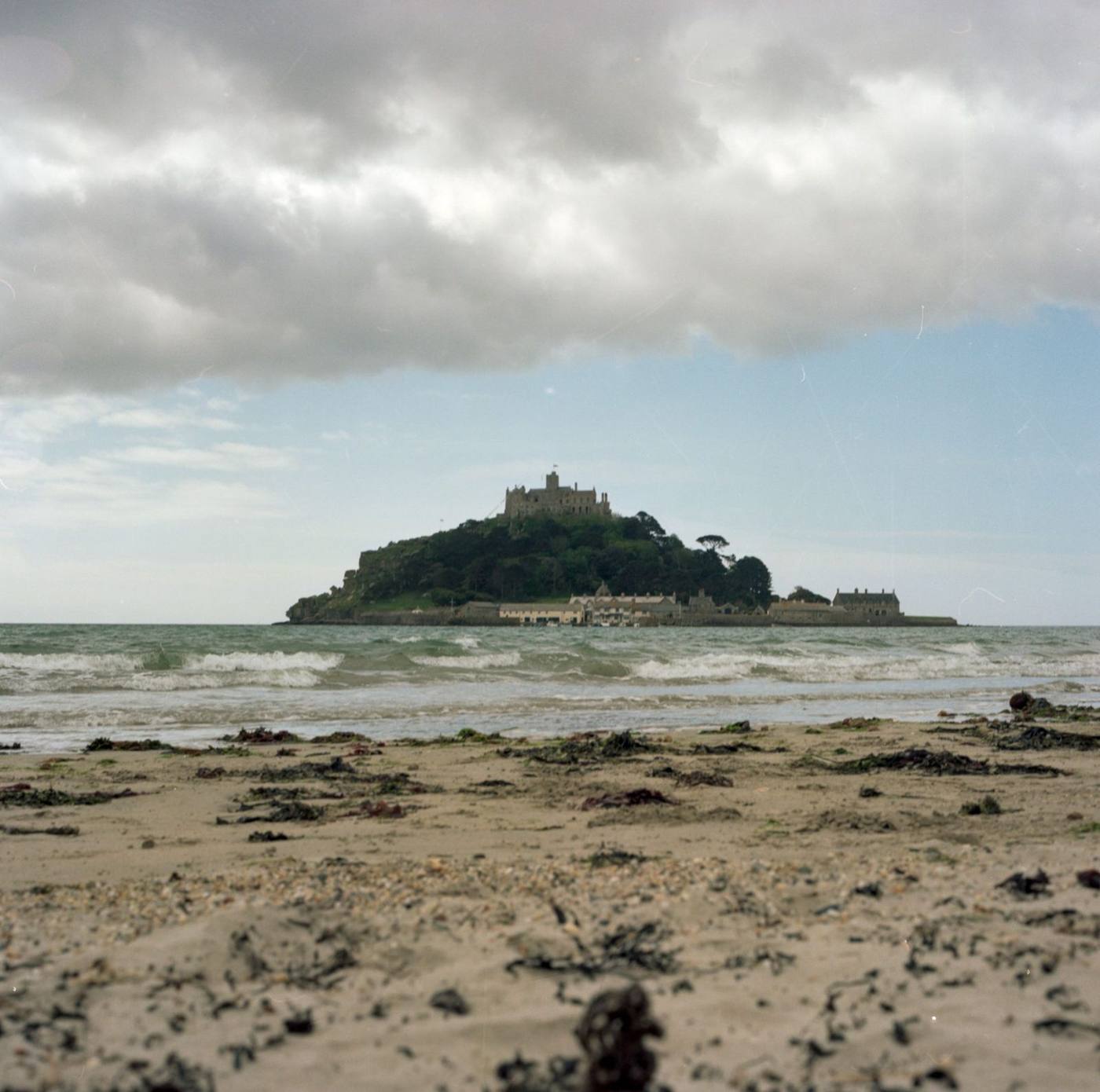
In the afternoon go to Marazion, about half an hour away, facing St Michael's Mount, a rocky island in the bay with a castle and church on top, once a Benedictine priory. At low tide you walk across on an ancient cobbled causeway emerging from the sea; at high tide you go by boat.
In the evening head back towards St Ives or stay in Penzance.
Spend the night in Penzance or St Ives.
Practical tip: the Minack Theatre and St Michael's Mount charge entry and the castle has closing days: check. Tide times decide when you can walk across: check them.
- Day 7
The north coast: Padstow and Tintagel
Today head up Cornwall's north coast to Padstow and Tintagel.
In the morning go to Padstow, about an hour from St Ives, a fishing port on the Camel estuary that has become famous across the United Kingdom for seafood: there are fishmongers, restaurants and cookery schools. Walk around the harbour, among the boats and stone houses. Padstow is also the start of the Camel Trail, a cycle path on a former railway along the estuary, perfect on a hired bike.
Not far away are some of the north coast's finest beaches, such as Bedruthan Steps, a long beach with great rock stacks that, according to legend, were a giant's stepping stones.
In the afternoon continue to Tintagel, about forty minutes away, on a wild, windswept headland. Here are the ruins of a thirteenth century castle on a rocky island linked to the mainland by a modern footbridge suspended over the void. According to legend, Tintagel is where King Arthur was conceived. On the island you also see remains of an early medieval settlement, a bronze statue inspired by Arthur and, below, Merlin's Cave.
At sunset walk on the nearby cliffs.
Spend the night in Tintagel or Padstow.
Practical tip: Tintagel Castle charges entry and requires a timed booking in high season: check. The route has many steep steps.
- Day 8
Back to Exeter and departure
On the last day head back towards Exeter, about an hour and a half from Tintagel, crossing Bodmin Moor, another granite plateau with ponies, tors and Dozmary Pool, where according to legend the sword Excalibur was returned.
On the way, if you have time, stop at Launceston Castle on the border between Cornwall and Devon, with a round tower on a hill, or at Lydford Gorge, a deep wooded gorge with a waterfall on the edge of Dartmoor.
If you prefer the sea, take a detour to the south Devon coast, the Jurassic Coast, a UNESCO World Heritage Site that begins just east of Exeter, with red cliffs and fossils of dinosaurs and marine animals hundreds of millions of years old.
Before leaving buy some Cornish and Devon produce: tea and biscuits, clotted cream, fudge, cheddar and other local cheeses, apple cider, Cornish gin, and ceramics and paintings by St Ives artists.
From Exeter there are flights to some European cities, and trains to London in about two and a half hours, from where you continue.
Practical tip: return the car with plenty of time: the roads can be slow, especially on summer Saturdays when tourists arrive and leave. Check your ETA before travelling.
England's gentlest region, with the finest coastline in the country. Roads are very narrow between high hedges and parking is scarce, so take a small car and allow time. In August, during British school holidays, it is packed and expensive. The South West Coast Path offers the best days.
Before you go
- Documents and visa
- You need a passport: identity cards are no longer accepted. Before leaving you apply online for an ETA, the electronic travel authorisation: it costs 20 pounds and is valid for two years.
- Health and vaccines
- No vaccines required. EU citizens should carry the European Health Insurance Card for necessary treatment. Emergencies: 999 or 112.
- Money and payments
- Pound sterling. Contactless cards are used everywhere, including on London public transport.
- Power sockets
- Type G, 230 volts: you need an adapter for British three-pin plugs.
- Time zone
- UTC in winter and UTC+1 in summer.
- Safety
- The United States rates the United Kingdom level 2 for terrorism. In big cities watch out for pickpockets; in Scotland and Wales the main risks are weather and mountains. Driving is on the left. ETA: GOV.UK.
Information checked in November 2026 for Italian and EU citizens. Rules change: always check before you travel.
Variations
In 5 days: Cornwall only, with St Ives, Land's End and Tintagel.
In 11 days: add the Isles of Scilly by ferry or plane, or the Jurassic Coast in Dorset.
Frequently asked questions
What documents do I need?
A passport and an ETA, the electronic travel authorisation, which costs 20 pounds and must be applied for online before departure.
When is the best time to go?
May to September. July and August are very crowded: May, June and September are quieter.
Do I need a car?
It is very useful. Alternatively there are trains to Penzance, St Ives and Falmouth and buses along the coast, though less frequent.
Indicative itinerary written by World Atlas. Before booking, check timetables, seasonal openings, documents and safety.
 5 daysModerate
The Lake District
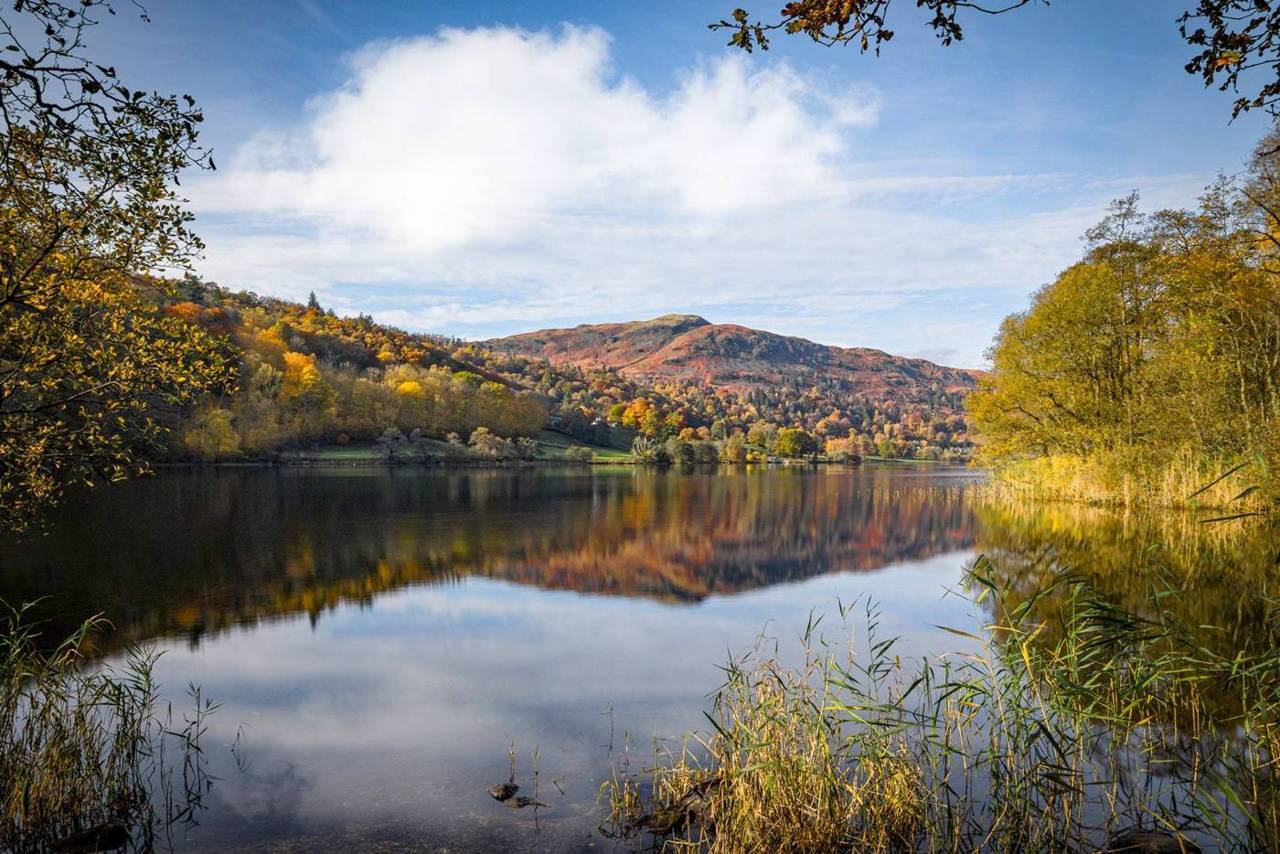
Lakes and fells of northern England: Windermere, Grasmere and Wordsworth's house, the climb up Helvellyn and Scafell Pike.
 6 daysEasy
The Cotswolds, Oxford, Bath and Stonehenge
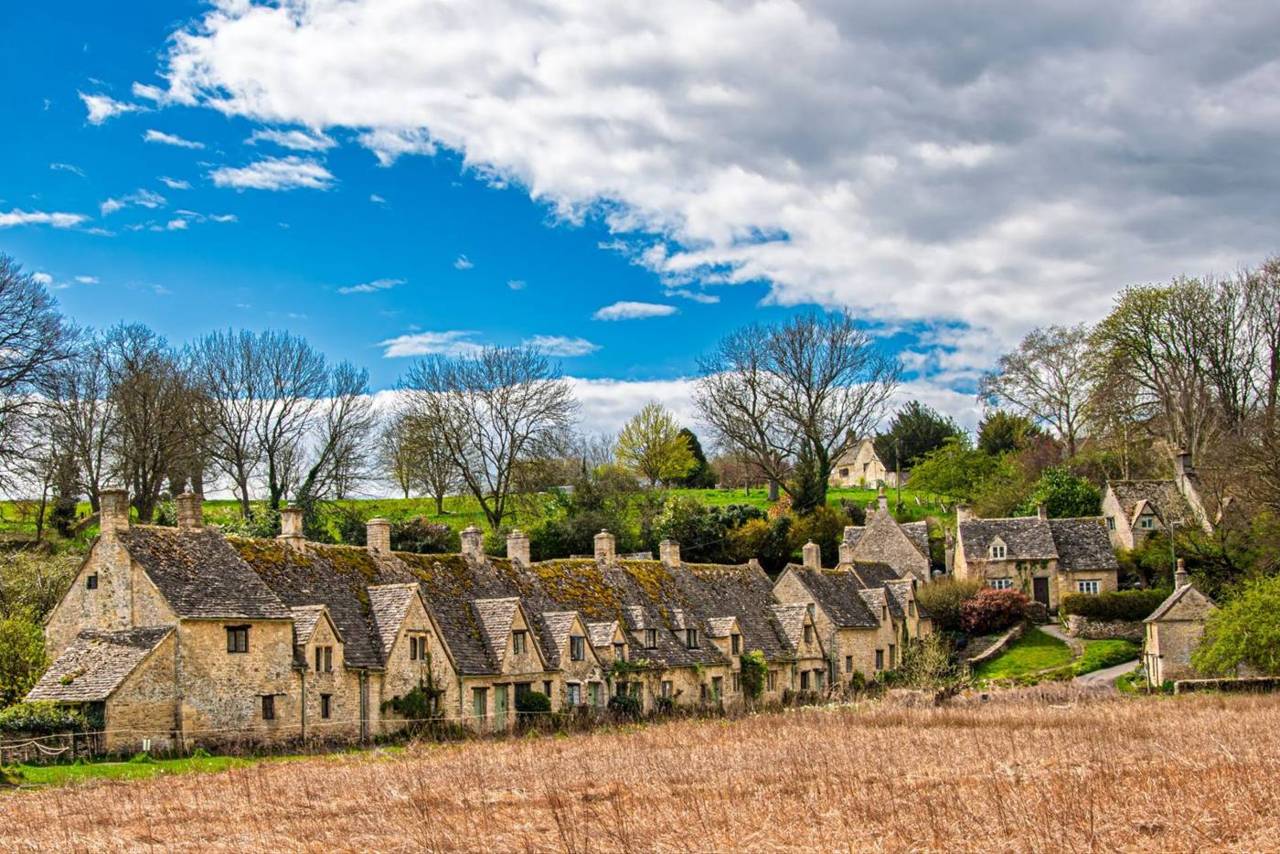
The colleges of Oxford, the golden-stone villages of the Cotswolds, the Roman baths and Georgian architecture of Bath, Stonehenge and Avebury.
 7 daysModerate
Wales: Snowdonia and Pembrokeshire
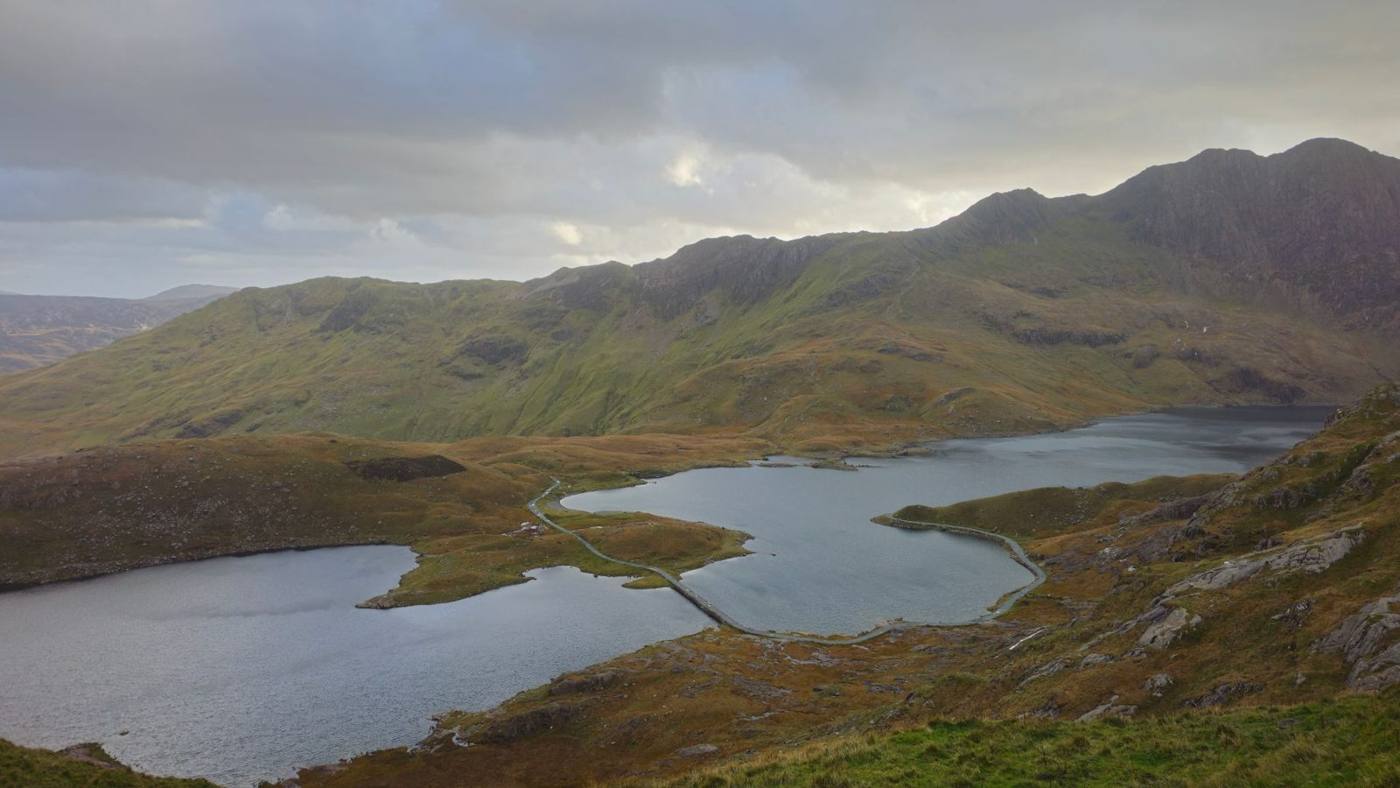
The castles of Conwy and Caernarfon, the climb up Snowdon, the Llŷn Peninsula and the Pembrokeshire cliffs with the Skomer puffins.