The Cotswolds, Oxford, Bath and Stonehenge
The colleges of Oxford, the golden-stone villages of the Cotswolds, the Roman baths and Georgian architecture of Bath, Stonehenge and Avebury.
- Oxford
- Blenheim
- Cotswolds
- Bath
- Avebury
- Stonehenge
Day by day
- Day 1
Oxford: the colleges, the Bodleian Library and the Radcliffe Camera
West of London, between the Thames and the Bristol Channel, lie some of England's most famous places: Oxford, the oldest university city in the English-speaking world, Blenheim Palace, the Cotswold hills with their honey-coloured stone villages, Bath with its Roman baths and Georgian terraces, and the stone circles of Avebury and Stonehenge. In six days you see Oxford, Blenheim, the Cotswolds, Bath, Avebury and Stonehenge.
You reach Oxford by train or coach from London in about an hour. For the Cotswolds a car is best, hired in Oxford.
Oxford is a city of colleges, the communities of students and teachers that make up the university, founded in the twelfth century. Each college has its own quadrangles, chapels, dining halls and gardens, and some can be visited with a ticket. Visit Christ Church, the largest college, with its cathedral and great dining hall, or New College, with its cloister and garden inside the medieval walls.
In the afternoon, go to the Bodleian Library, one of the oldest libraries in Europe, with the Gothic Duke Humfrey's Library and the Divinity School with its fan-vaulted stone ceiling, visited on guided tours. Next door is the Radcliffe Camera, a round domed reading room, the symbol of the city. Climb the tower of the University Church of St Mary the Virgin for the view over the college spires.
In the evening, sleep in Oxford.
Practical tip: to enter the United Kingdom, Italian citizens need a passport and the ETA electronic travel authorisation, which costs 20 pounds and is requested online before departure.
- Day 2
Blenheim Palace, where Churchill was born
In the morning, visit the Ashmolean, the university's museum of art and archaeology, opened in 1683, one of the oldest public museums in the world, with Egyptian, Greek and Roman collections and paintings by great masters.
Then drive to Woodstock, about twenty minutes north of Oxford, to visit Blenheim Palace, one of the largest country houses in England, a UNESCO World Heritage Site since 1987. It was built in the early eighteenth century as the nation's gift to the first Duke of Marlborough, after the victory at the Battle of Blenheim in 1704 against the French and Bavarians. It is the only non-royal, non-episcopal country house in England to be called a palace.
Here, in 1874, Winston Churchill was born, the British prime minister during the Second World War: the room where he was born and an exhibition on his life are part of the visit. Inside the palace are baroque state rooms, tapestries, portraits and a great library.
In the afternoon, walk in the landscape park designed in the eighteenth century by Capability Brown, with its lake, grand bridge, lawns and ancient trees, and the formal gardens with fountains.
In the evening, continue to the Cotswolds and sleep in one of the villages, such as Burford or Stow-on-the-Wold.
Practical tip: Blenheim is very large and the visit takes half a day. Check opening hours and closing days, which change during the year.
- Day 3
Cotswolds: Bibury, Bourton-on-the-Water and Stow
The Cotswolds are an area of gentle hills in south-central England, protected as a National Landscape, famous for villages of houses built from the local limestone, a warm golden colour. In the Middle Ages the area grew rich on the wool trade, and merchants built the great churches called wool churches and the stone houses still seen today.
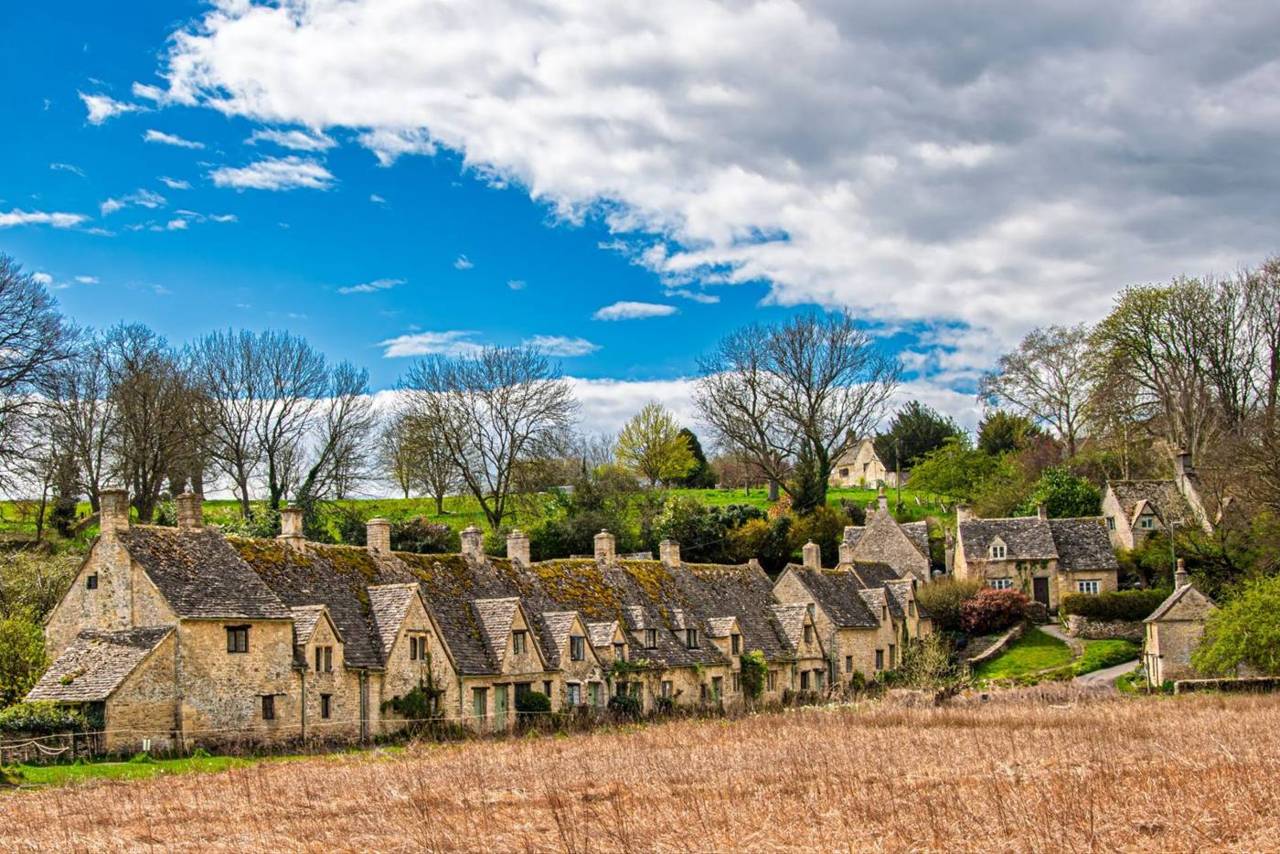
In the morning, go to Bibury, a small village on the river Coln, with Arlington Row, a row of fourteenth-century stone cottages built as a wool store and later turned into weavers' homes, considered one of the most photographed streets in England.
Then continue to Bourton-on-the-Water, called the Venice of the Cotswolds, with the shallow river Windrush running through the village under little stone bridges and lawns along the water. At summer weekends it is very crowded.
In the afternoon, go to Stow-on-the-Wold, a market town on a hilltop, with its large square, stone houses, antique shops and St Edward's church, whose north door is flanked by two old yew trees that seem to grow into the stone.
In the evening, taste country pub food, with lamb, savoury pies and local beer.
In the evening, sleep in Stow-on-the-Wold or a nearby village.
Practical tip: Cotswold roads are narrow, with stone walls and little room to park. Use the pay car parks on the edges of the villages.
- Day 4
Cotswolds: a walk between villages and Chipping Campden
Today, walk between villages, the best way to get to know the Cotswolds. A classic walk goes from Bourton-on-the-Water or Stow to the twin villages of Lower Slaughter and Upper Slaughter, along paths through meadows, hedges and the river Eye, in about two or three hours. Lower Slaughter has an old watermill with its wheel and stone houses along the stream; Upper Slaughter is even smaller and quieter, with its manor and church.
In the afternoon, drive north to Chipping Campden, one of the most beautiful market towns in the Cotswolds, with its curving high street of stone houses from different periods, the seventeenth-century arched market hall and the great wool church of St James. From here the Cotswold Way starts, a path of about one hundred and sixty kilometres running all the way to Bath.
If you have time, climb Broadway Tower, a castle-like folly built in the eighteenth century on a hill above the village of Broadway, one of the highest points in the Cotswolds, with views that on clear days reach as far as Wales.
At sunset, watch the light make the villages' stone even more golden.
In the evening, sleep in Chipping Campden or Broadway.
Practical tip: many paths cross private land with sheep and cows. Close gates behind you and keep dogs on a lead.
- Day 5
Bath: the Roman Baths, the Royal Crescent and the modern spa
In the morning, drive south-west to Bath, about an hour and a half away, through the southern Cotswolds. Bath is one of England's most elegant cities, a UNESCO World Heritage Site, famous for its hot springs, the only naturally hot springs in the country, and its eighteenth-century Georgian architecture in cream-coloured stone.
Visit the Roman Baths, built by the Romans around AD 70 around the spring sacred to the goddess Sulis Minerva. You see the great bath with its green, steaming water surrounded by columns, the remains of the temple, the saunas and the objects thrown into the water as offerings, including small lead tablets with curses written against thieves. Next door is Bath Abbey, with its great windows and fan-vaulted ceiling.
In the afternoon, walk to the Circus, a round square of Georgian houses, and the Royal Crescent, a great half-moon of thirty houses with columns overlooking a lawn. Then cross Pulteney Bridge, lined with shops above the river, like the Ponte Vecchio in Florence. The writer Jane Austen also lived in the city.
At sunset, bathe in the city's modern spa, with its rooftop pool filled with hot spring water and views of the abbey towers.
In the evening, sleep in Bath.
Practical tip: for the Roman Baths and the modern spa it is best to book ahead, especially at weekends. You cannot bathe in the Roman Baths.
- Day 6
Avebury and Stonehenge, then back to London
In the morning, drive to Avebury, about an hour from Bath, home to the largest stone circle in Europe, built about 4,500 years ago. Unlike Stonehenge, here you walk freely among the stones, some more than four metres tall, arranged in a great circle with a ditch and bank, inside which there is even part of the village, with its pub and houses. Nearby are Silbury Hill, the largest prehistoric man-made mound in Europe, and the West Kennet long barrow.
Then continue to Stonehenge, about forty minutes away, the most famous prehistoric monument in Europe, a UNESCO World Heritage Site together with Avebury. The circle of great stones, some brought from Wales over two hundred kilometres away, was built in several phases between about 3000 and 1500 BC and is aligned with the sun at the summer and winter solstices. The visitor centre tells the story of the site and shows reconstructions of the builders' houses. From the centre a shuttle takes you to the stones, which you view from a path around the circle.
In the afternoon, continue to London, about two hours away, or to Heathrow airport.
This trip combines well with London, with Cornwall and Devon to the south-west, or with Wales and the Brecon Beacons.
Practical tip: Stonehenge entry is by timed ticket, best bought online in advance. In England you drive on the left.
Picture-postcard England, easy to reach from London. The most famous Cotswold villages fill with coaches at midday, so go early or in the evening. At Stonehenge you view the circle from a distance; Avebury is less famous but you can walk among the stones. Without a car, use organised tours.
Before you go
- Documents and visa
- You need a passport: identity cards are no longer accepted. Before leaving you apply online for an ETA, the electronic travel authorisation: it costs 20 pounds and is valid for two years.
- Health and vaccines
- No vaccines required. EU citizens should carry the European Health Insurance Card for necessary treatment. Emergencies: 999 or 112.
- Money and payments
- Pound sterling. Contactless cards are used everywhere, including on London public transport.
- Power sockets
- Type G, 230 volts: you need an adapter for British three-pin plugs.
- Time zone
- UTC in winter and UTC+1 in summer.
- Safety
- The United States rates the United Kingdom level 2 for terrorism. In big cities watch out for pickpockets; in Scotland and Wales the main risks are weather and mountains. Driving is on the left. ETA: GOV.UK.
Information checked in November 2026 for Italian and EU citizens. Rules change: always check before you travel.
Variations
In 3 days: Oxford, one day in the Cotswolds and Bath.
In 10 days: add Cornwall and Devon.
Frequently asked questions
When is the best time to go?
From May to September, with gardens in flower and long days. Spring and autumn are less crowded; in winter many places have reduced hours.
What documents do I need?
A passport and the ETA electronic travel authorisation, which costs 20 pounds and is requested online before departure.
Do I need a car?
For the Cotswolds and Stonehenge yes, as buses are few. Oxford and Bath are walkable and linked to London by train.
Indicative itinerary written by World Atlas. Before booking, check timetables, seasonal openings, documents and safety.
 7 daysModerate
Wales: Snowdonia and Pembrokeshire
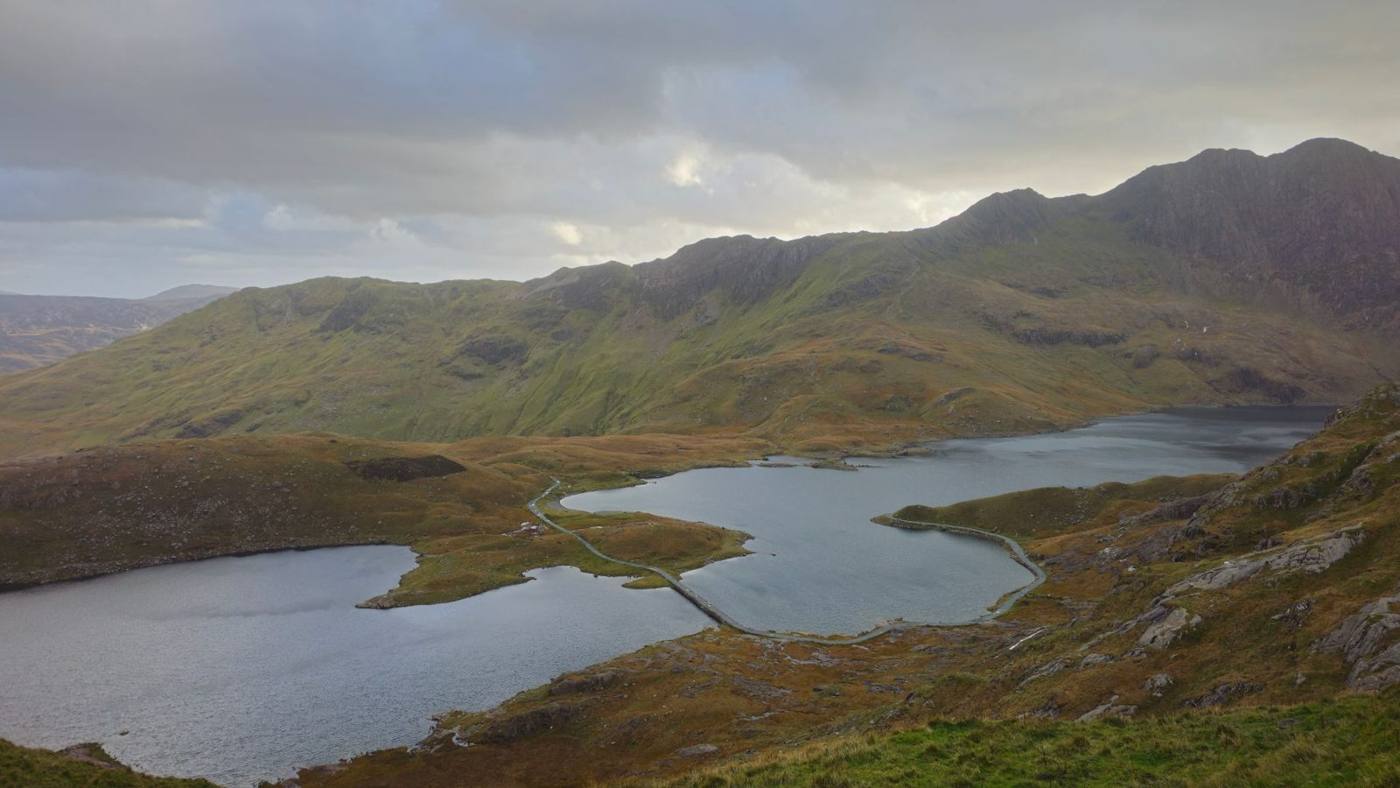
The castles of Conwy and Caernarfon, the climb up Snowdon, the Llŷn Peninsula and the Pembrokeshire cliffs with the Skomer puffins.
 9 daysChallenging
The West Highland Way
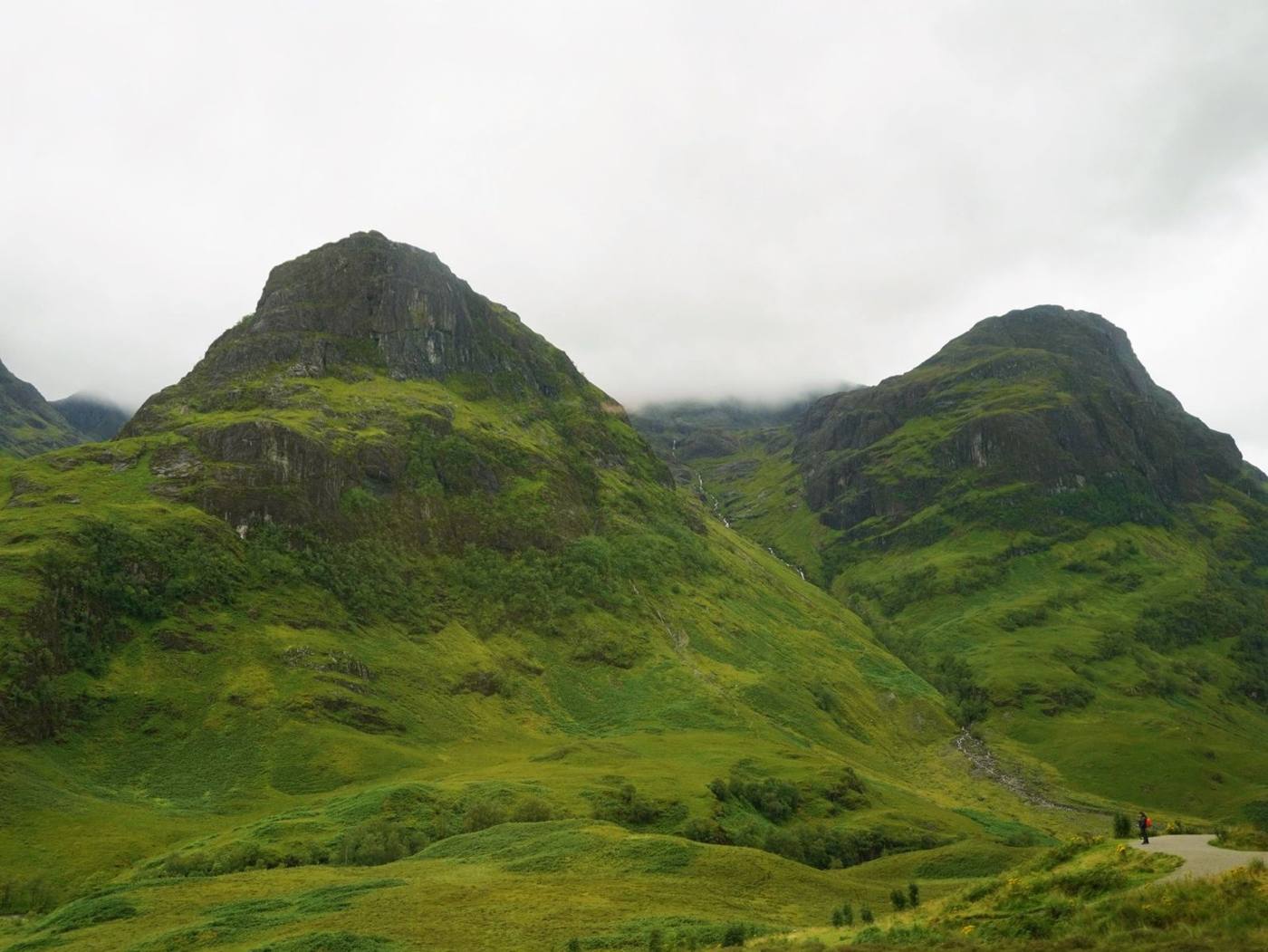
Scotland's most famous long-distance walk: 154 km from Milngavie to Fort William along Loch Lomond, across Rannoch Moor and Glencoe, to the foot of Ben Nevis.
 8 daysEasy
Orkney and the Outer Hebrides
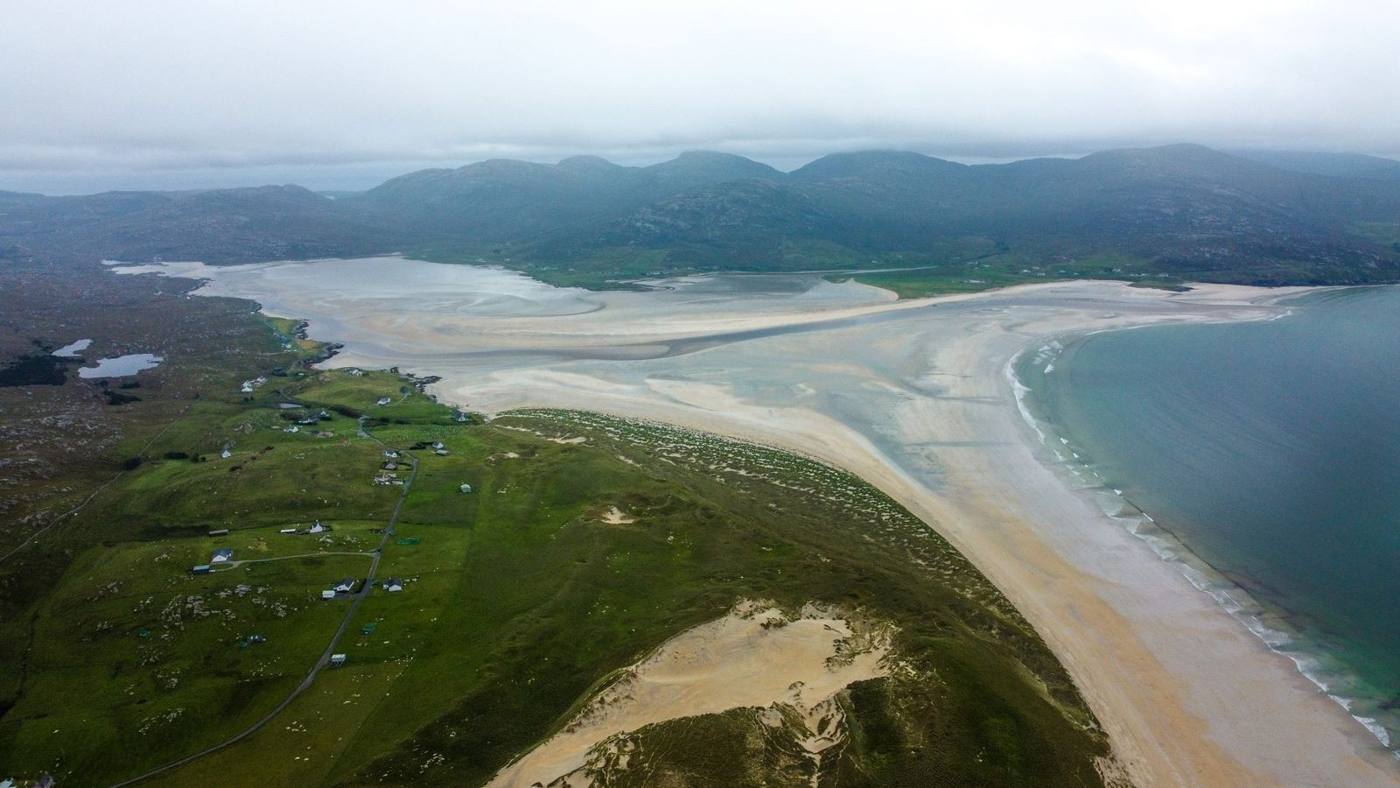
Scotland's northern islands: the Neolithic village of Skara Brae and the Ring of Brodgar on Orkney, the white beaches of Harris and the Callanish Stones on Lewis.