London in five days
Westminster and the Tower, the great no-cost museums, Borough and Camden markets, Greenwich by boat and an evening in a West End theatre.
- Westminster
- South Bank
- Tower of London
- Greenwich
- Camden
- Notting Hill
Day by day
- Day 1
Westminster, Buckingham Palace and the National Gallery
To enter the United Kingdom EU citizens need a passport, because identity cards are no longer accepted, and an ETA, the electronic travel authorisation, applied for online on the official British government website or through the official app: it costs 20 pounds and is valid for two years. Beware of sites charging more.
From London's airports you reach the centre by train: from Heathrow by Underground or the Elizabeth line, from Gatwick and Stansted by fast trains. On public transport you simply tap your contactless card or phone on the reader, with a maximum daily charge.
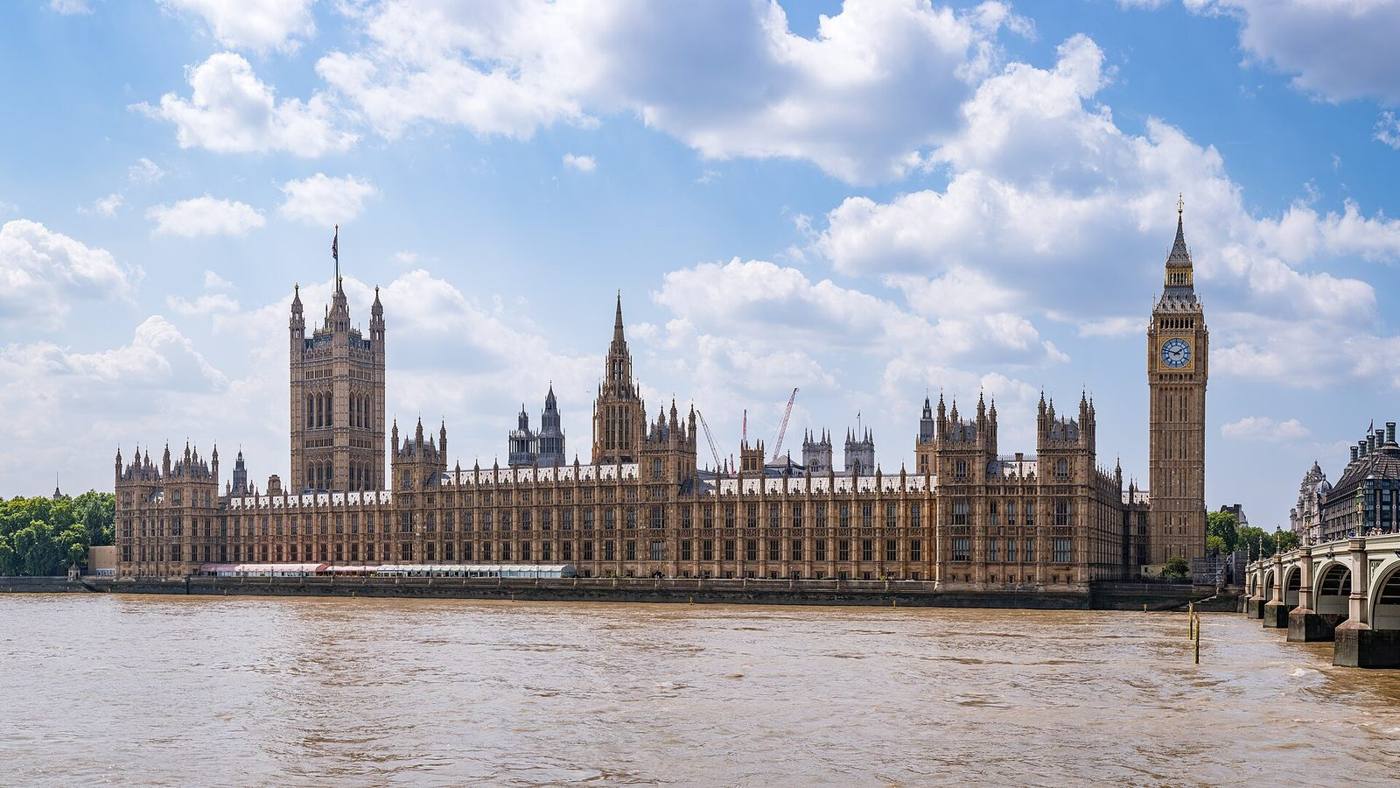
In the afternoon start at Westminster: the neo-Gothic Houses of Parliament, with the clock tower called the Elizabeth Tower, which houses the bell known as Big Ben, and Westminster Abbey, where monarchs are crowned and where kings, writers and scientists are buried. On Sundays the abbey is open only for services.
Cross St James's Park, with its lake, pelicans and views of Buckingham Palace, the King's official London residence. The Changing of the Guard takes place on some days of the week: check the calendar on the official website.
Finish at Trafalgar Square with the National Gallery, no-cost to enter, with masterpieces from Leonardo to Van Gogh.
Practical tip: in London traffic drives on the left; when crossing, look right first, as painted on the road.
- Day 2
The South Bank, Tate Modern, the Tower and Tower Bridge
Today is a long walk along the Thames on the south bank, the South Bank. Start at the London Eye, the great 135-metre observation wheel, with glass capsules turning slowly in about half an hour, and continue along the river among street performers, open-air bookstalls under the bridges and the Southbank Centre.
Reach Tate Modern, a museum of modern and contemporary art in an old power station, no-cost for the permanent collections, with works by Picasso, Rothko and Warhol. From the top floor you see St Paul's Cathedral across the river, linked by the pedestrian Millennium Bridge. A little further on is Shakespeare's Globe, a reconstruction of Shakespeare's theatre.
At midday stop at Borough Market, one of London's oldest food markets, with stalls of British cheeses, bread and street food from all over the world.
In the afternoon cross London Bridge and visit the Tower of London, the fortress founded by William the Conqueror in 1066, a UNESCO World Heritage site, with the guards called Beefeaters, the ravens and the Crown Jewels. Book online.
At sunset walk across Tower Bridge, the Victorian bascule bridge with two Gothic towers, the symbol of London.
Practical tip: at the Tower arrive at opening time and head straight to the Crown Jewels, before the queue builds up.
- Day 3
The British Museum, Covent Garden and the West End
In the morning visit the British Museum, one of the world's most important museums, no-cost to enter, in the Bloomsbury district. Covering two million years of human history, its most famous works include the Rosetta Stone, which made it possible to decipher Egyptian hieroglyphs, the Parthenon sculptures, Egyptian mummies, the Sutton Hoo treasure and the moai of Easter Island. The Great Court, the covered courtyard, has a glass and steel roof. Choose two or three sections: it is impossible to see everything in a day.
In the afternoon walk to Covent Garden, the old fruit and flower market turned into a covered square with shops, street performers and the Royal Opera House. Continue to Seven Dials and Soho, with narrow streets, independent shops and Chinatown.
In the evening see a show in the West End, the theatre district, with dozens of musicals and plays. Tickets are bought online or, for same-day shows, at the official TKTS booth in Leicester Square at reduced prices.
Before or after the theatre, have dinner nearby with London's food, among the most varied in the world: Indian, Chinese and modern British.
Practical tip: no-cost museums ask for an optional donation and some temporary exhibitions are paid; on busy days it is worth booking a no-cost timed entry online.
- Day 4
Greenwich, the meridian and Shoreditch
In the morning take the riverboat east on the Thames from the central piers to Greenwich, about an hour, passing under the bridges and in front of the Tower and the skyscrapers of the City and Canary Wharf. Riverboats are part of public transport and can be paid by contactless card.
Greenwich, a UNESCO World Heritage site, is the heart of British maritime history. Visit the Cutty Sark, the last surviving fast tea clipper; the Old Royal Naval College, with the Painted Hall, called the Sistine Chapel of the United Kingdom; and the National Maritime Museum, no-cost to enter.
Climb through Greenwich Park to the Royal Observatory on the hill: here runs the Greenwich Meridian, the zero line of longitude, from which time is measured around the world. You can stand with one foot in the eastern hemisphere and one in the western. From the hill you see the whole London skyline.
In the late afternoon head back towards the centre and reach Shoreditch in the East End, once an industrial district and now full of murals, galleries, markets and bars. On Sundays Columbia Road market is full of flowers, and Brick Lane is famous for Bangladeshi restaurants and bagels.
In the evening stay in Shoreditch for dinner.
Practical tip: contactless fares stop at a maximum daily cap; always use the same card for all journeys.
- Day 5
The Natural History Museum, Hyde Park and Notting Hill
The last day is for the museums and parks of west London. In the morning, in South Kensington, choose between the Natural History Museum, in a Victorian Romanesque building, with a blue whale skeleton suspended in the main hall and the dinosaur gallery, and the Victoria and Albert Museum, the world's largest museum of decorative arts and design, with fashion, jewellery, sculpture and Asian art. Both are at no cost, like the nearby Science Museum.
Then walk north into Hyde Park, the great royal park, with the Serpentine lake, where you can hire a boat, and Speakers' Corner, where anyone can speak in public. In Kensington Gardens stands Kensington Palace, a royal residence.
In the early afternoon reach Notting Hill, with pastel-coloured houses and the Portobello Road market, famous above all on Saturdays for its antique dealers.
Then leave for the airport by Underground or fast train.
Things to take home: tea, shortbread biscuits, bitter orange marmalade, second-hand books and items from museum shops.
Practical tip: the United States rates the United Kingdom level 2 for the risk of terrorism; in London normal big-city precautions apply, and watch out for pickpockets in crowded areas. Allow at least an hour from the centre to Heathrow, and check for engineering works on the lines at weekends.
One of the world's great capitals, with its main museums no-cost. Lodging and restaurants are very expensive: staying near a tube stop outside the centre saves a lot. You pay everywhere by contactless card, including on the tube. Since 2025 EU citizens must apply for an ETA before travelling.
Before you go
- Documents and visa
- You need a passport: identity cards are no longer accepted. Before leaving you apply online for an ETA, the electronic travel authorisation: it costs 20 pounds and is valid for two years.
- Health and vaccines
- No vaccines required. EU citizens should carry the European Health Insurance Card for necessary treatment. Emergencies: 999 or 112.
- Money and payments
- Pound sterling. Contactless cards are used everywhere, including on London public transport.
- Power sockets
- Type G, 230 volts: you need an adapter for British three-pin plugs.
- Time zone
- UTC in winter and UTC+1 in summer.
- Safety
- The United States rates the United Kingdom level 2 for terrorism. In big cities watch out for pickpockets; in Scotland and Wales the main risks are weather and mountains. Driving is on the left. ETA: GOV.UK.
Information checked in November 2026 for Italian and EU citizens. Rules change: always check before you travel.
Variations
In 3 days: Westminster and the National Gallery, the South Bank with Tate Modern and the Tower, the British Museum and the West End.
In 8 days: add day trips to Oxford, Cambridge or Windsor, or Bath and Stonehenge.
Frequently asked questions
What do I need to enter the United Kingdom?
A passport, because identity cards are no longer enough, and an ETA, the electronic travel authorisation, applied for online on the official website: it costs 20 pounds and is valid for two years.
Are London's museums no-cost?
Many are: the British Museum, National Gallery, Tate Modern, Natural History Museum and Victoria and Albert have no-cost entry to their permanent collections. Temporary exhibitions are paid.
How do I pay for the Underground?
With a contactless card or phone, tapping the reader on entry and exit. There is a maximum daily and weekly charge.
Indicative itinerary written by World Atlas. Before booking, check timetables, seasonal openings, documents and safety.
 10 daysEasy
Scotland: Edinburgh, the Highlands and Skye
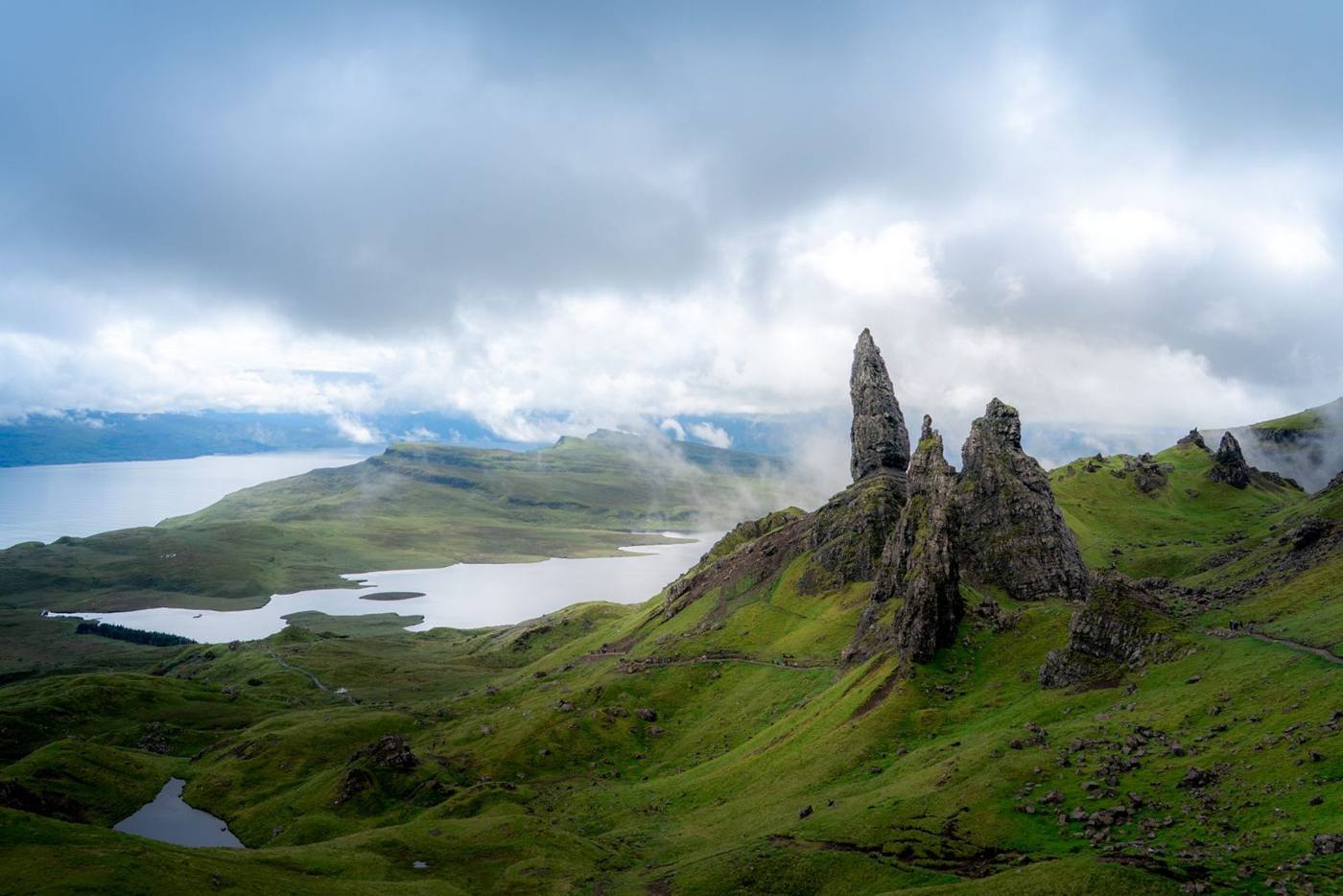
Edinburgh and its castle, Glencoe, Loch Ness, the Isle of Skye with the Old Man of Storr and the Speyside whisky region.
 8 daysEasy
Cornwall and Devon
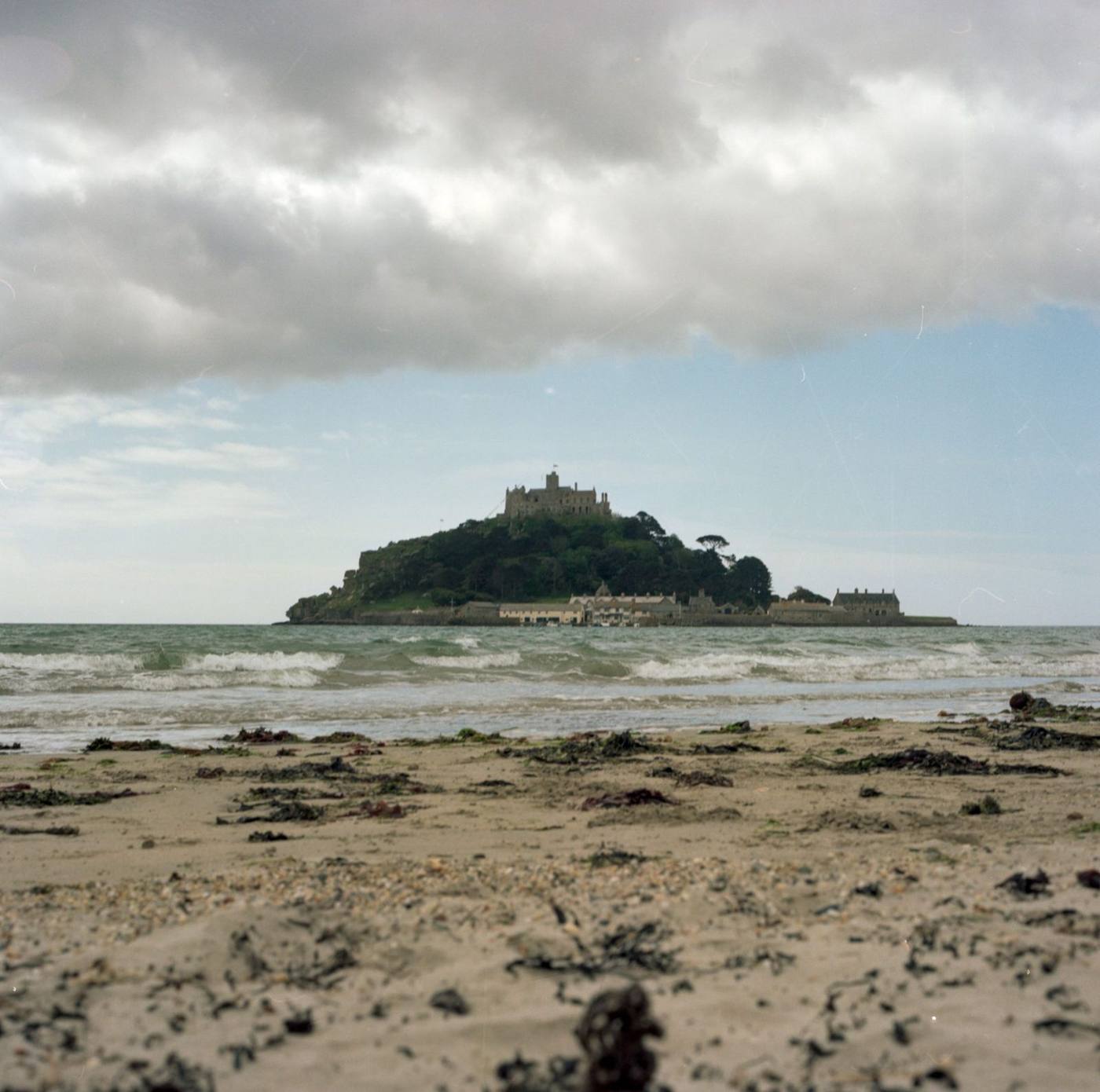
England's south-west: Dartmoor moor, St Ives and the cliffs of Land's End, the Minack Theatre, St Michael's Mount and the fishing villages.
 5 daysModerate
The Lake District
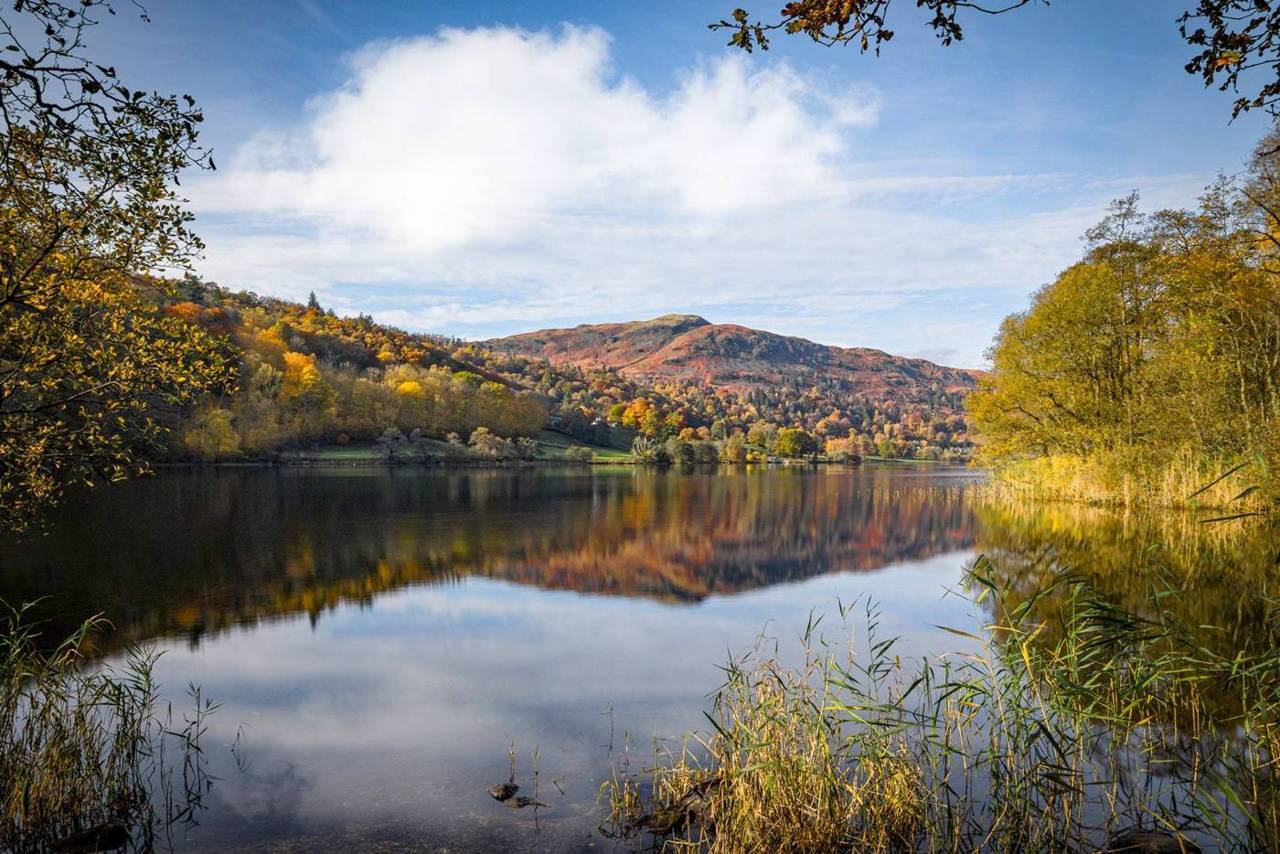
Lakes and fells of northern England: Windermere, Grasmere and Wordsworth's house, the climb up Helvellyn and Scafell Pike.