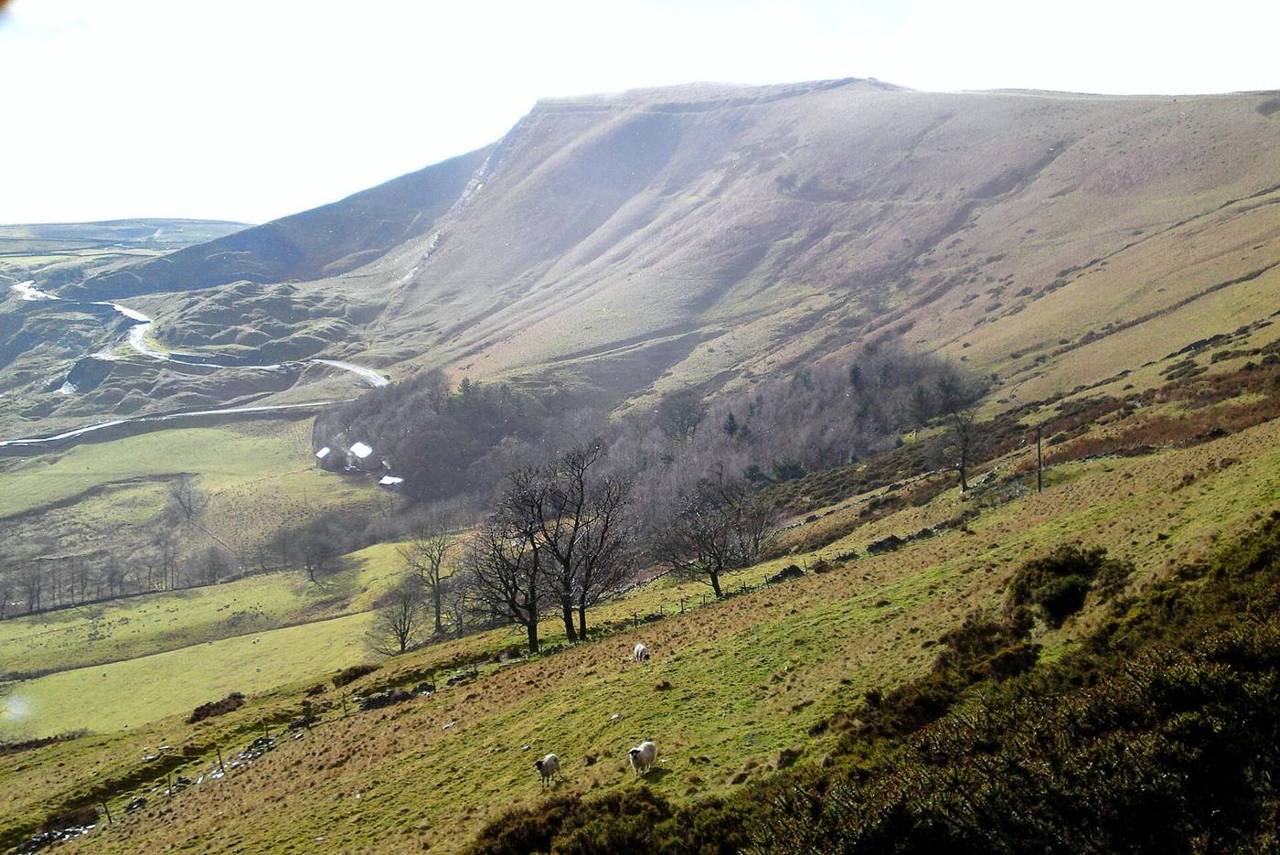
The Peak District, Manchester and Liverpool
The industrial and green North: Liverpool with its historic port, the Albert Dock museums and the Beatles sites, Manchester with its museums of the Industrial Revolution and football, and the Peak District park with its moors and Chatsworth.
- Liverpool
- Manchester
- Castleton
- Chatsworth
- Bakewell
Day by day
- Day 1
Liverpool: the Albert Dock and the Beatles museum
North-west England combines two great cities born of the Industrial Revolution and trade, Liverpool and Manchester, with their music, football, museums and converted warehouses, and Britain's first national park, the Peak District, with green hills, moorland, stone villages and one of the most famous country houses in the country. In five days you see Liverpool, Manchester, Castleton, Mam Tor, Chatsworth and Bakewell.
You arrive by air in Manchester or Liverpool, or by train from London, in about two and a quarter hours.
Liverpool is a great port on the river Mersey, from which millions of emigrants left for America in the nineteenth century. Start at the Albert Dock, a complex of red-brick and cast-iron dock warehouses from 1846, now full of museums, shops and bars on the water.
Visit the Beatles museum, which tells the story of the band born in Liverpool in the 1960s, with reconstructions of the clubs where they played, instruments, clothes and photographs. Then visit the Maritime Museum and the International Slavery Museum, which tells of Liverpool's role in the African slave trade.
At sunset, walk along the river to the Pier Head, with the three great early twentieth-century buildings known as the Three Graces, with the Liver Birds on their towers.
In the evening, sleep in Liverpool.
Practical tip: to enter the United Kingdom, Italian citizens need a passport and an ETA, the electronic travel authorisation, which costs 20 pounds.
- Day 2
The cathedrals and the Cavern Quarter, then the train to Manchester
In the morning, visit Liverpool's two cathedrals, at either end of Hope Street. The Anglican cathedral is the largest in the United Kingdom, an enormous Gothic building in red sandstone, begun in 1904 and finished only in 1978. Climb the tower for the view over the city, the river and the sea.
At the other end of the street is the Catholic cathedral, modern, from the 1960s, round in plan, with a crown-shaped tower and stained glass that fills the interior with blue and red light. Liverpudlians jokingly call it Paddy's Wigwam.
In the afternoon, go to the Cavern Quarter, around Mathew Street, where the Beatles played almost three hundred times early in their career, in a small underground club that was later demolished and rebuilt. The streets are full of statues, murals and live music.
If you like football, visit one of the city's two stadiums, Liverpool's or Everton's, with guided tours and museums.
In the late afternoon, take the train to Manchester, in about fifty minutes, on one of the first passenger railways in the world, opened in 1830.
In the evening, sleep in Manchester.
Practical tip: on match days the city fills up and hotels raise their prices. Check the fixture list before booking.
- Day 3
Manchester: the Science and Industry Museum and the Northern Quarter
Manchester was the world's first industrial city, the city of cotton, factories and canals. Ideas and inventions that changed the world were born here, from the first stored-program computer to the movement for women's votes.
In the morning, visit the Science and Industry Museum, in the old Liverpool Road station, the oldest passenger railway station in the world. The museum tells the story of textile machines, locomotives, energy and computers.
Then walk around the centre, with the Victorian neo-Gothic town hall, and visit the John Rylands Library, a nineteenth-century Gothic building with a reading room like a cathedral, full of old books and precious manuscripts.
In the afternoon, explore the Northern Quarter, the district of old cotton warehouses, now full of murals, record shops, vintage clothing stores, cafés and bars. Part of Manchester's great music scene of the 1980s and 1990s was born here.
If you love football, visit the National Football Museum or one of the city's two big stadiums.
In the evening, go out in Manchester, one of the liveliest cities in Britain for nightlife.
In the evening, sleep in Manchester.
Practical tip: some galleries at the Science and Industry Museum have been closed for work in recent years. Check which are open before you go.
- Day 4
The Peak District: Castleton and Mam Tor
In the morning, take the train or drive south-east to the Peak District, about an hour from Manchester. The Peak District was Britain's first national park, created in 1951 after years of campaigning by workers from the industrial cities who demanded the right to walk on the moors, then private.
You reach Castleton, a stone village in a green valley below the ruins of Peveril Castle, built by the Normans after 1066 on a hill above the village.
Around Castleton there are several caves, some open with guides: natural caves with underground pools and old lead and Blue John mines, a rare stone with blue and yellow veins found only here and used for jewellery.
In the afternoon, climb Mam Tor, the hill dominating the valley, at over five hundred metres, called the shivering mountain because of the constant landslides on its face. The path is easy and at the top are the remains of an Iron Age fort. Then walk along the Great Ridge, the long grassy ridge to Lose Hill, with views over the Edale and Hope valleys, in about three hours.
In the evening, sleep in Castleton or in the valley.
Practical tip: in the Peak District the weather changes quickly and the wind blows on the ridges. Bring a waterproof jacket and walking boots, even for short walks.
- Day 5
Chatsworth and Bakewell, then the return
In the morning, drive south to Chatsworth, in about half an hour. Chatsworth is one of the most famous country houses in England, home of the Dukes of Devonshire for almost five centuries, in a large park on the river Derwent.
Visit the rooms, with painted ceilings, art collections, sculpture, antique furniture and the great staircase. Then walk in the gardens, with the early eighteenth-century stepped cascade, fountains, maze, glasshouses and modern sculptures, and in the park, where deer and sheep graze.
In the afternoon, go to Bakewell, a market town a few kilometres away, with its medieval bridge over the river Wye, stone houses and church on the hill. Taste a Bakewell pudding, a puff pastry dessert with jam and a filling of egg and almond, born here by mistake in the nineteenth century, according to local legend, when a cook got a tart recipe wrong.
If you have time, walk the Monsal Trail, a cycling and walking path on the route of an old railway, with tunnels and the great viaduct at Monsal Head across the valley.
Then return to Manchester for your flight, or take the train to London from Sheffield.
This trip combines well with York and Yorkshire, or with the Lake District to the north.
Practical tip: Chatsworth closes for a few weeks in winter, and visits to the house use timed tickets. Check the dates and book online.
A different England from London, with lively cities and nature close by. On football match days hotels and trains fill up. The weather on the moors changes fast. A passport is needed (identity cards are no longer accepted) and, for EU citizens, the Electronic Travel Authorisation (ETA), applied for online before travelling: since 8 April 2026 it costs £20 and is valid for two years.
Before you go
- Documents and visa
- You need a passport: identity cards are no longer accepted. Before leaving you apply online for an ETA, the electronic travel authorisation: it costs 20 pounds and is valid for two years.
- Health and vaccines
- No vaccines required. EU citizens should carry the European Health Insurance Card for necessary treatment. Emergencies: 999 or 112.
- Money and payments
- Pound sterling. Contactless cards are used everywhere, including on London public transport.
- Power sockets
- Type G, 230 volts: you need an adapter for British three-pin plugs.
- Time zone
- UTC in winter and UTC+1 in summer.
- Safety
- The United States rates the United Kingdom level 2 for terrorism. In big cities watch out for pickpockets; in Scotland and Wales the main risks are weather and mountains. Driving is on the left. ETA: GOV.UK.
Information checked in November 2026 for Italian and EU citizens. Rules change: always check before you travel.
Variations
In 3 days: Liverpool and Manchester, or Manchester and the Peak District.
In 9 days: add York and the Lake District.
Frequently asked questions
When is the best time to go?
From May to September for walking in the Peak District. The cities can be visited all year; in December there are Manchester's Christmas markets.
Do I need a car?
Not for the cities, as trains are frequent. For the Peak District it is useful, but there are trains to Edale and Hope and buses to the villages.
Do I need a passport?
Yes, to enter the United Kingdom you need a passport and the 20-pound ETA.
Indicative itinerary written by World Atlas. Before booking, check timetables, seasonal openings, documents and safety.
 5 daysEasy
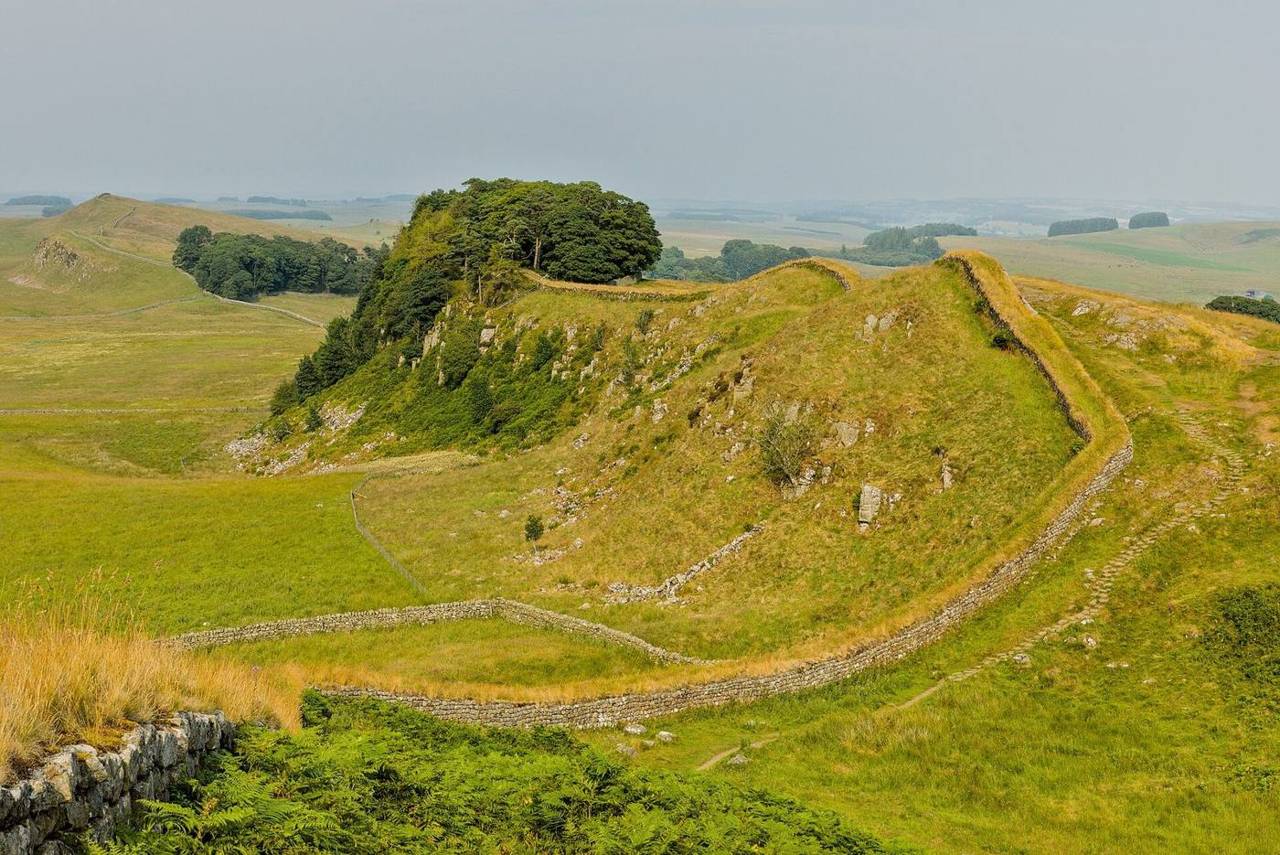
Northumberland and Hadrian's Wall
The border with Scotland: Hadrian's Wall, a UNESCO World Heritage site, with the Roman forts of Housesteads and Vindolanda, Durham Cathedral, the castles of Bamburgh and Alnwick by the sea and the holy island of Lindisfarne, reachable only at low tide.
 4 daysEasy
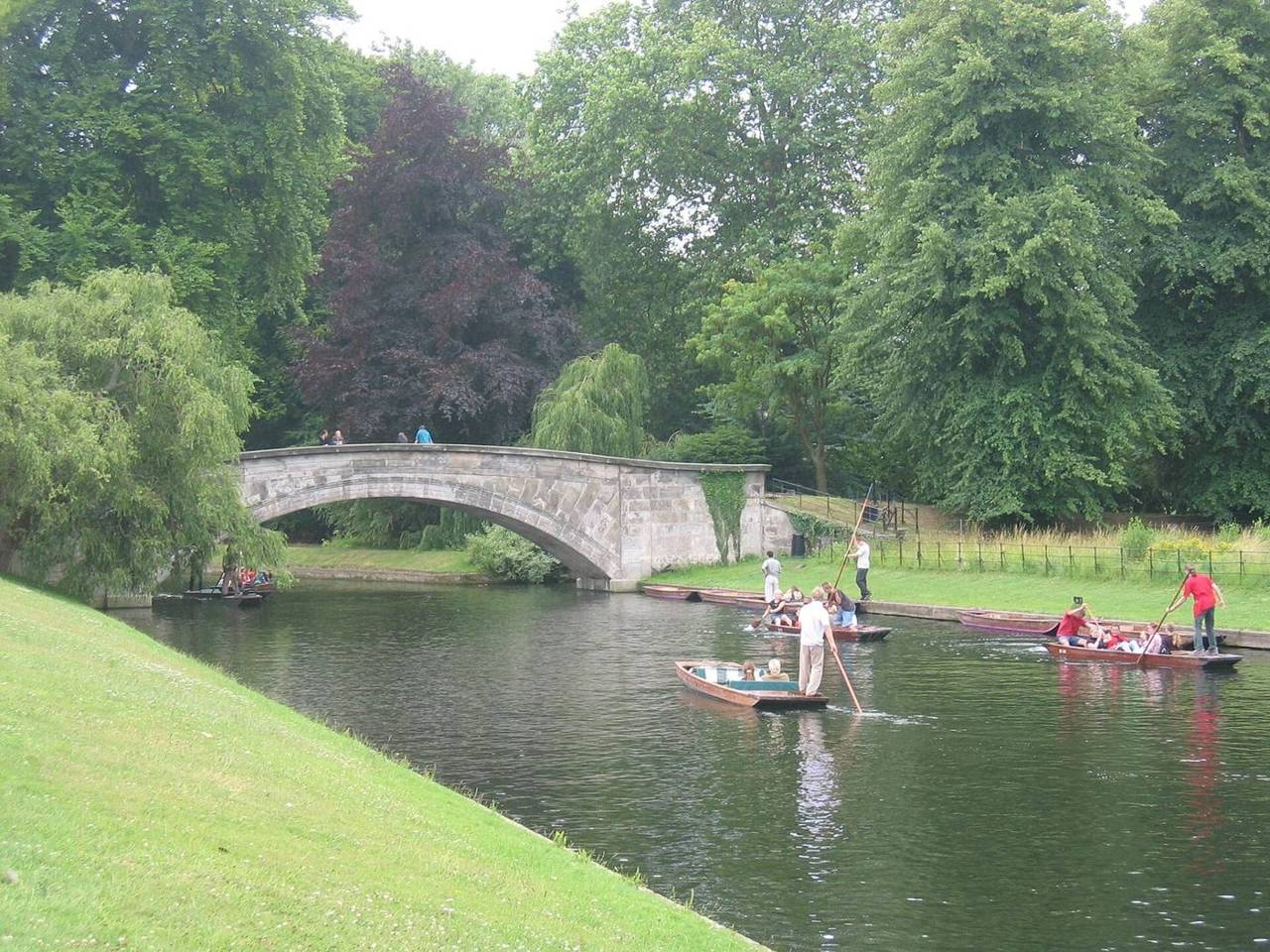
Cambridge and the Norfolk coast
Eastern England: the Cambridge colleges and punting on the River Cam, Ely Cathedral, medieval Norwich, the Broads with their waterways, and the Norfolk coast with the grey seals of Blakeney and the beaches of Holkham.
 5 daysEasy
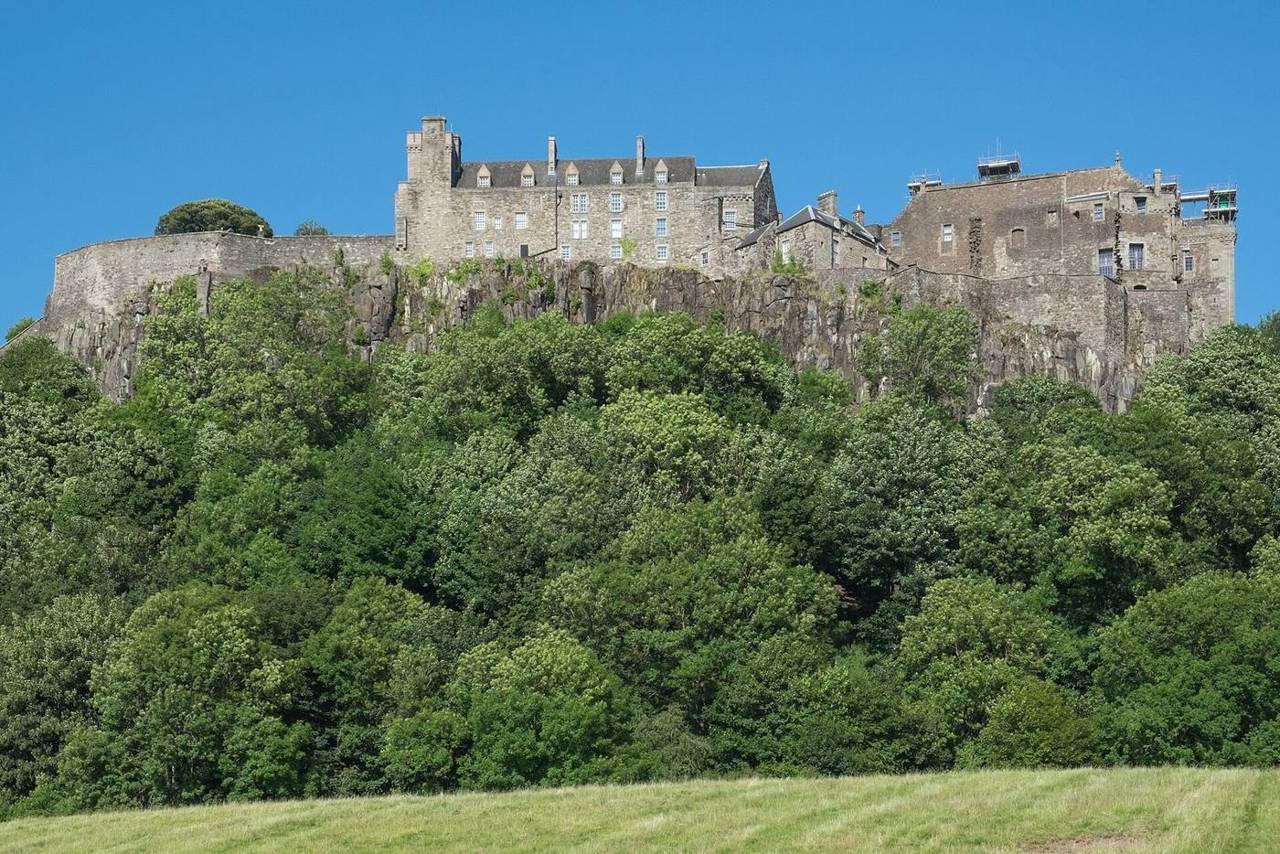
Glasgow, Stirling and St Andrews
Scotland of cities and history: Glasgow with Kelvingrove, Mackintosh's architecture and the cathedral, Stirling Castle and the Wallace Monument, Loch Lomond, Fife with the fishing villages of the East Neuk and St Andrews, the home of golf.