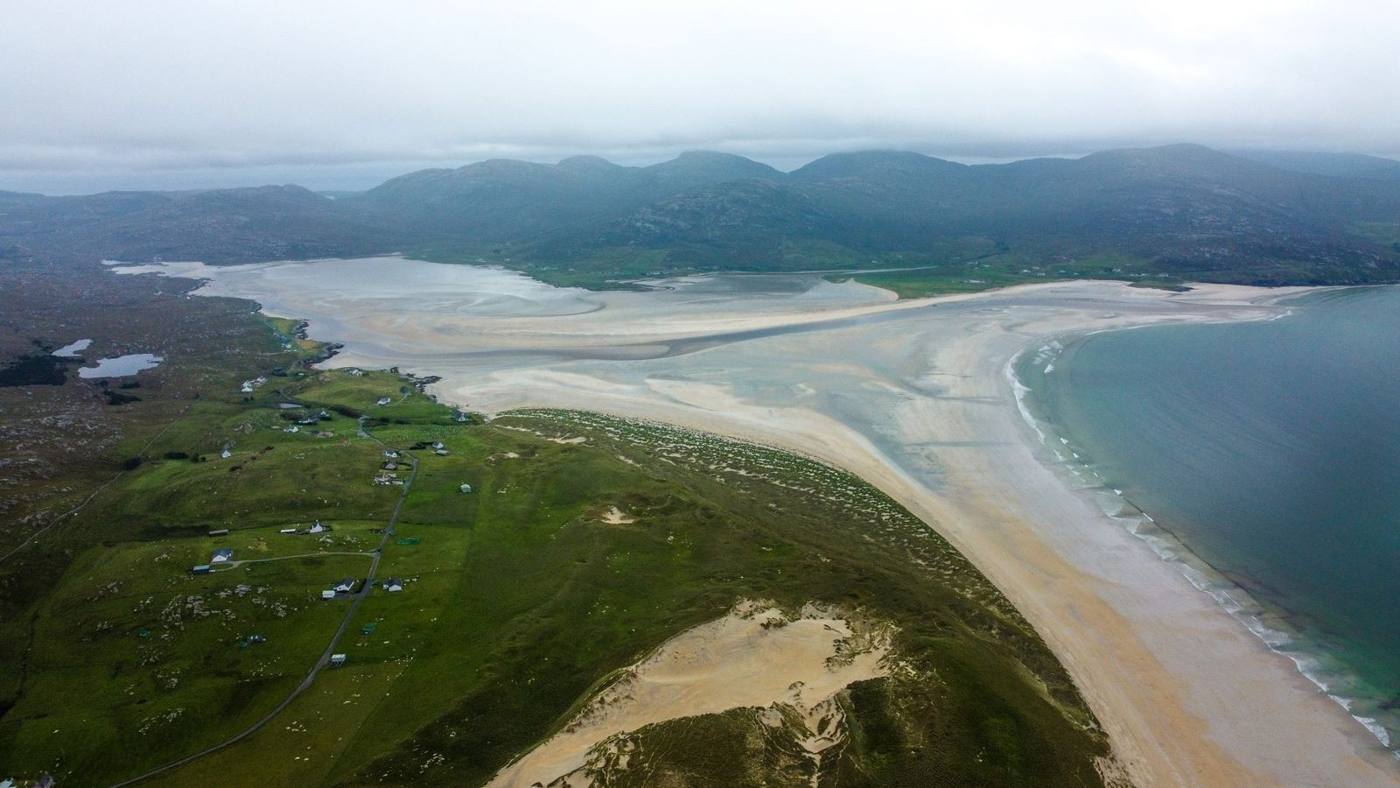
Orkney and the Outer Hebrides
Scotland's northern islands: the Neolithic village of Skara Brae and the Ring of Brodgar on Orkney, the white beaches of Harris and the Callanish Stones on Lewis.
- Inverness
- Thurso
- Orcadi
- Ullapool
- Lewis
- Harris
- Skye
Day by day
- Day 1
From Inverness to Thurso and the ferry to Orkney
This trip goes to Scotland's most remote islands: Orkney, off the north coast, with some of the most important prehistoric monuments in Europe, and the Outer Hebrides to the west, with the Callanish stones, the blackhouses and the white beaches of Harris. It is a journey of ferries, fishing villages, cliffs, seabirds, strong winds and ever changing light.
To enter the United Kingdom, EU citizens need a passport, an identity card is not enough, and an ETA, the electronic travel authorisation, costing 20 pounds and valid for two years. You need a car, which travels with you on the ferries; in Scotland you drive on the left.
You fly into Inverness. On the first day drive north along the east coast of the Highlands, through Sutherland and Caithness, to Thurso or Scrabster, the port from which the ferry leaves for Stromness in Orkney, in about an hour and a half.
During the crossing the ferry passes the island of Hoy and the Old Man of Hoy, a red sandstone stack about 137 metres high rising from the sea beside the cliffs.
In the late afternoon you reach Stromness, a small harbour town with a flagstoned main street and stone houses by the sea, from which the Hudson's Bay Company ships once sailed for Canada.
Spend the night in Stromness or Kirkwall.
Practical tip: the best time is May to September. Island ferries must be booked in advance, especially with a car in summer, and may be cancelled in bad weather: check.
- Day 2
Orkney: Skara Brae, Maeshowe and the Ring of Brodgar
Today discover the Neolithic heart of Orkney, a UNESCO World Heritage Site, a group of monuments about five thousand years old, older than the pyramids of Egypt and Stonehenge.
In the morning go to Skara Brae on the west coast, a Neolithic village inhabited around 3000 BC, uncovered in 1850 after a storm stripped away the sand that covered it. You see eight stone houses linked by covered passages, with stone beds, hearths, dressers and shelves still in place: one of the best preserved prehistoric villages in Europe. Next door is Skaill House, a seventeenth century manor house.
In the afternoon visit the Ring of Brodgar, a great circle of standing stones on a strip of land between two lochs, of which about thirty stones still stand, and the nearby Stones of Stenness, even older. Not far away is the archaeological site of the Ness of Brodgar, where excavations have uncovered large Neolithic buildings.
Then visit Maeshowe, a Neolithic chambered tomb under a grassy mound, with a long, low passage leading to a great stone chamber. At the winter solstice the setting sun lights up the back wall. Inside are runic inscriptions left by Vikings in the twelfth century.
Spend the night in Kirkwall or Stromness.
Practical tip: Maeshowe can be visited only on guided tours at set times, booked in advance, and is closed at certain periods: check. Skara Brae charges entry.
- Day 3
Orkney: Kirkwall cathedral and the Italian Chapel
Today discover Orkney's main town and its Viking and wartime history.
In the morning visit Kirkwall, the main town, with St Magnus Cathedral, begun in 1137 by the Viking earls of Orkney, built of red and yellow sandstone, the most northerly cathedral in Britain. Inside are the relics of St Magnus, an earl of Orkney killed in the twelfth century. Next to it are the ruins of the Bishop's Palace and the Earl's Palace.
Also visit the Orkney Museum, which tells the islands' story from prehistory to the Vikings.
In the afternoon head south across the Churchill Barriers, concrete causeways built during the Second World War to seal the approaches to Scapa Flow, the great base of the British fleet, after a German submarine sank a battleship there in 1939. The barriers were built partly by Italian prisoners of war.
On the islet of Lamb Holm visit the Italian Chapel, built by Italian prisoners in 1943 and 1944 from two military Nissen huts joined together and decorated inside with paintings imitating brick, marble and stained glass. It is a symbol of peace and friendship.
Spend the night in Kirkwall.
Practical tip: the Italian Chapel is open to visitors for a small ticket or donation: check opening times. Scapa Flow still holds wrecks of the German fleet scuttled in 1919, famous among divers.
- Day 4
Back to the mainland and the north coast to Ullapool
Today leave Orkney and return to the mainland.
In the morning take the ferry from Stromness to Scrabster, or from St Margaret's Hope to Gills Bay, on the Caithness coast.
Then drive west along Scotland's north coast, one of the most spectacular stretches of the North Coast 500, with bays, white sand beaches, cliffs and deep lochs. Go via Bettyhill and Farr beach, then round Loch Eriboll, a deep fjord, to Durness.
At Durness stop at Smoo Cave, a great sea cave with a waterfall in a second chamber, and at Balnakeil beach.
In the afternoon continue south along the west coast, through Sutherland and Assynt, a region of isolated sandstone mountains such as Suilven and Stac Pollaidh, rising above a moorland full of lochans. Stop at Ardvreck Castle, a sixteenth century ruin on a small peninsula in Loch Assynt, once a stronghold of the MacLeods.
Towards evening you reach Ullapool, a fishing village on Loch Broom, with white houses and the harbour from which the ferry leaves for Stornoway on Lewis.
Spend the night in Ullapool.
Practical tip: the north coast and Assynt roads are mostly single track with passing places: allow plenty of time. Fill up with fuel when you can: stations are rare.
- Day 5
Lewis: the Callanish stones and the Gearrannan blackhouses
Today go to the Outer Hebrides, a chain of islands off Scotland's west coast where Scottish Gaelic is still spoken.
In the morning take the ferry from Ullapool to Stornoway on the Isle of Lewis, about two and a half hours. Crossing the Minch you often see dolphins, porpoises and seabirds.
Stornoway is the main town of the Outer Hebrides, with a harbour and Lews Castle, a nineteenth century castle housing a museum on the history and culture of the islands.
In the afternoon drive to the west coast of Lewis to the Callanish stones, one of the most spectacular stone circles in Britain, raised about five thousand years ago: tall slabs of Lewisian gneiss, a grey, banded rock among the oldest on Earth, set in a circle with avenues of stones running towards the four points of the compass, forming a cross.
Then visit the Gearrannan blackhouse village, a small village of blackhouses, the traditional Hebridean houses with thick dry stone walls and thatched roofs held down with ropes, restored as a museum and accommodation. Nearby is Dun Carloway broch, a stone tower about two thousand years old.
Spend the night on Lewis.
Practical tip: on Sundays, in many parts of Lewis and Harris, shops, restaurants and fuel stations are closed by religious tradition: plan ahead on Saturday. The ferry must be booked in advance.
- Day 6
Harris and the beaches of Luskentyre
Today head south to Harris, which is in fact joined to Lewis by land and forms a single island with it.
In the morning the road crosses the mountains of North Harris, the highest in the Outer Hebrides, with bare rock, lochs and moorland, to Tarbert, the small main harbour of Harris. Harris Tweed is made here, the famous woollen cloth handwoven in islanders' homes, the only fabric protected by an Act of the British Parliament. In workshops and shops you can see how it is woven.
In the afternoon go to the west coast of South Harris, with some of the most beautiful beaches in Europe: Luskentyre, a long stretch of very white sand, dunes and turquoise water that looks Caribbean but is cold, facing the mountains and the island of Taransay; Seilebost, Horgabost and Scarista, more spectacular beaches.
Then drive the east coast road, called the Golden Road, a narrow, winding road among lunar rocks, small lochs and bays, home to the communities moved here during the Highland Clearances.
At sunset walk on one of the beaches, with golden light on the sand.
Spend the night on Harris.
Practical tip: even in sunshine the water is cold and the wind strong: bring a waterproof jacket and warm layers. Do not drive on the sand and park only in marked places.
- Day 7
The ferry from Tarbert to Skye
Today leave the Outer Hebrides for the Isle of Skye, the largest and best known of the Inner Hebrides.
In the morning take the ferry from Tarbert to Uig in the north of Skye, about an hour and forty minutes across the Little Minch.
In the afternoon discover the Trotternish peninsula in the north of Skye, with some of the most spectacular scenery in Scotland. The Quiraing is a great ancient landslip that has created a landscape of pinnacles, plateaus and rock walls, with a scenic path. The Old Man of Storr is a black rock pinnacle about fifty metres high on a hillside, reached by a path of about an hour's climb. Along the coast are the Kilt Rock and Mealt falls, dropping straight into the sea from a basalt cliff shaped like a pleated kilt.
Towards evening you reach Portree, Skye's main town, with colourful houses on the harbour.
In the evening have dinner with fish and seafood, such as scallops, crab and langoustines.
Spend the night in Portree.
Practical tip: Skye is very busy in summer: book accommodation well ahead. The car parks at the Quiraing and the Old Man of Storr charge fees and fill up early: arrive in the morning.
- Day 8
Back to Inverness and departure
On the last day return to Inverness, about two and a half hours from Portree, over the Skye Bridge and across the Highlands.
In the morning leave Skye by the bridge that links it to the mainland at Kyle of Lochalsh. Shortly afterwards stop at Eilean Donan Castle, one of the most photographed castles in Scotland, on an islet where three lochs meet, joined to the shore by a stone bridge. The castle was destroyed in the eighteenth century during the Jacobite risings and rebuilt in the early twentieth century.
Then cross the Highlands through Glen Shiel, a deep valley between steep mountains, and along Loch Ness, the long, deep loch famous for the legend of its monster. Stop at the ruins of Urquhart Castle on the shore, with a view over the dark water.
Before leaving, in Inverness, buy some souvenirs: whisky, Harris Tweed, woollens, shortbread or a piece of silver inspired by Celtic and Norse designs.
From Inverness airport there are flights to London and other British cities, with connections to Europe.
If you have a few more days, you can add the southern Outer Hebrides, North Uist, Benbecula, South Uist and Barra, or the Shetland Islands, further north than Orkney.
Practical tip: Eilean Donan and Urquhart castles charge entry and are very busy: arrive early. Return the car well before your flight.
Remote islands with some of Europe's most important prehistoric sites and beaches that look tropical, though the water is icy. CalMac ferries must be booked with a car and are cancelled in rough seas. On the Hebrides many services close on Sundays by religious tradition. The weather changes constantly.
Before you go
- Documents and visa
- You need a passport: identity cards are no longer accepted. Before leaving you apply online for an ETA, the electronic travel authorisation: it costs 20 pounds and is valid for two years.
- Health and vaccines
- No vaccines required. EU citizens should carry the European Health Insurance Card for necessary treatment. Emergencies: 999 or 112.
- Money and payments
- Pound sterling. Contactless cards are used everywhere, including on London public transport.
- Power sockets
- Type G, 230 volts: you need an adapter for British three-pin plugs.
- Time zone
- UTC in winter and UTC+1 in summer.
- Safety
- The United States rates the United Kingdom level 2 for terrorism. In big cities watch out for pickpockets; in Scotland and Wales the main risks are weather and mountains. Driving is on the left. ETA: GOV.UK.
Information checked in November 2026 for Italian and EU citizens. Rules change: always check before you travel.
Variations
In 5 days: Orkney only, with Inverness and the north coast.
In 11 days: add the southern Outer Hebrides down to Barra, or Shetland.
Frequently asked questions
What documents do I need?
EU citizens need a passport for the United Kingdom, an identity card is not enough, and an ETA, costing 20 pounds and valid for two years.
Do the ferries need booking?
Yes, especially with a car in summer. They may be cancelled or changed in bad weather: leave some slack in your plans.
When is the best time to go?
May to September. In May and June the days are very long and seabirds nest on the cliffs.
Indicative itinerary written by World Atlas. Before booking, check timetables, seasonal openings, documents and safety.
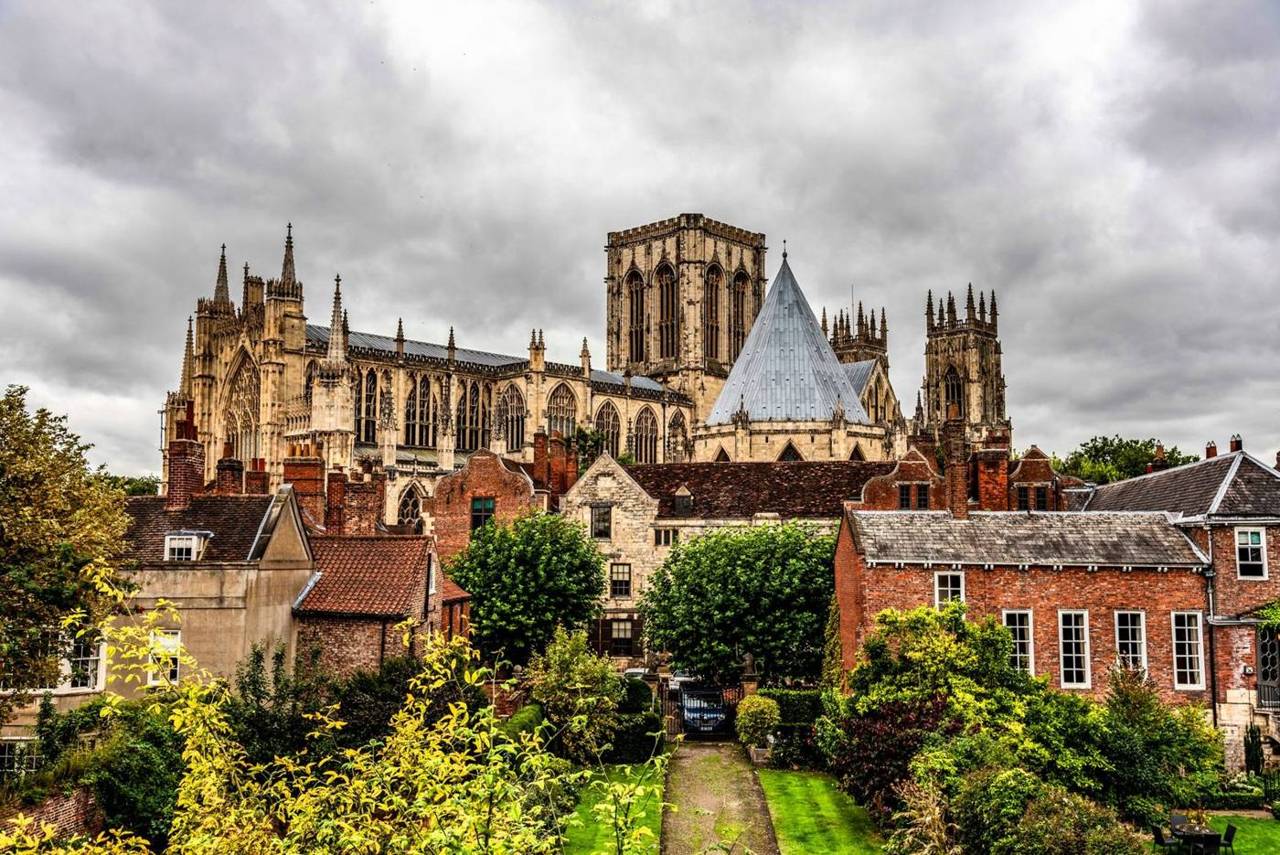 6 daysEasy
York and Yorkshire
The walled city of York and its minster, the Yorkshire Dales, Fountains Abbey and the harbour of Whitby on the coast.
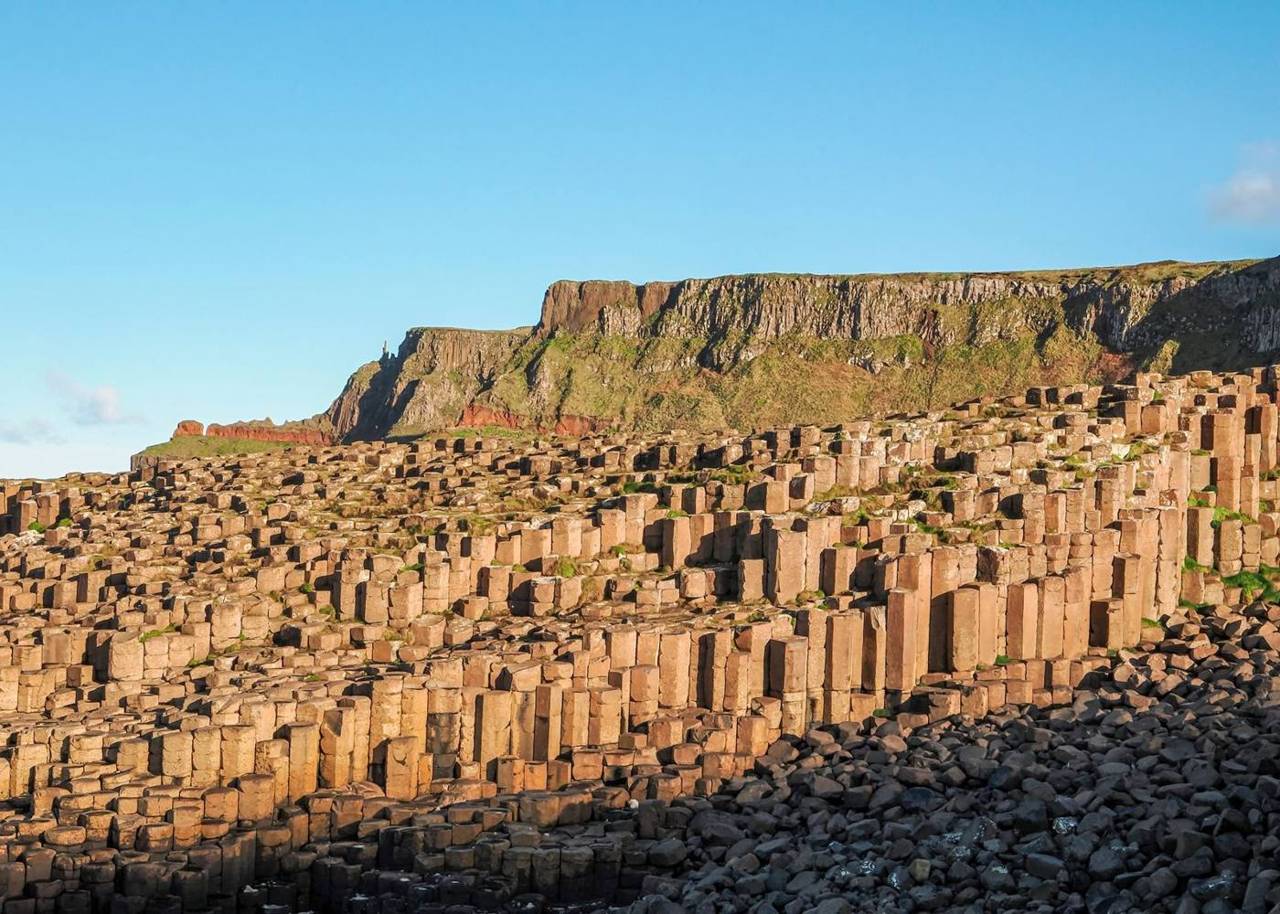 4 daysEasy
Belfast and the Causeway Coast
Northern Ireland: the Titanic museum and the murals of Belfast, the Antrim coast with the Giant's Causeway and Dunluce Castle.
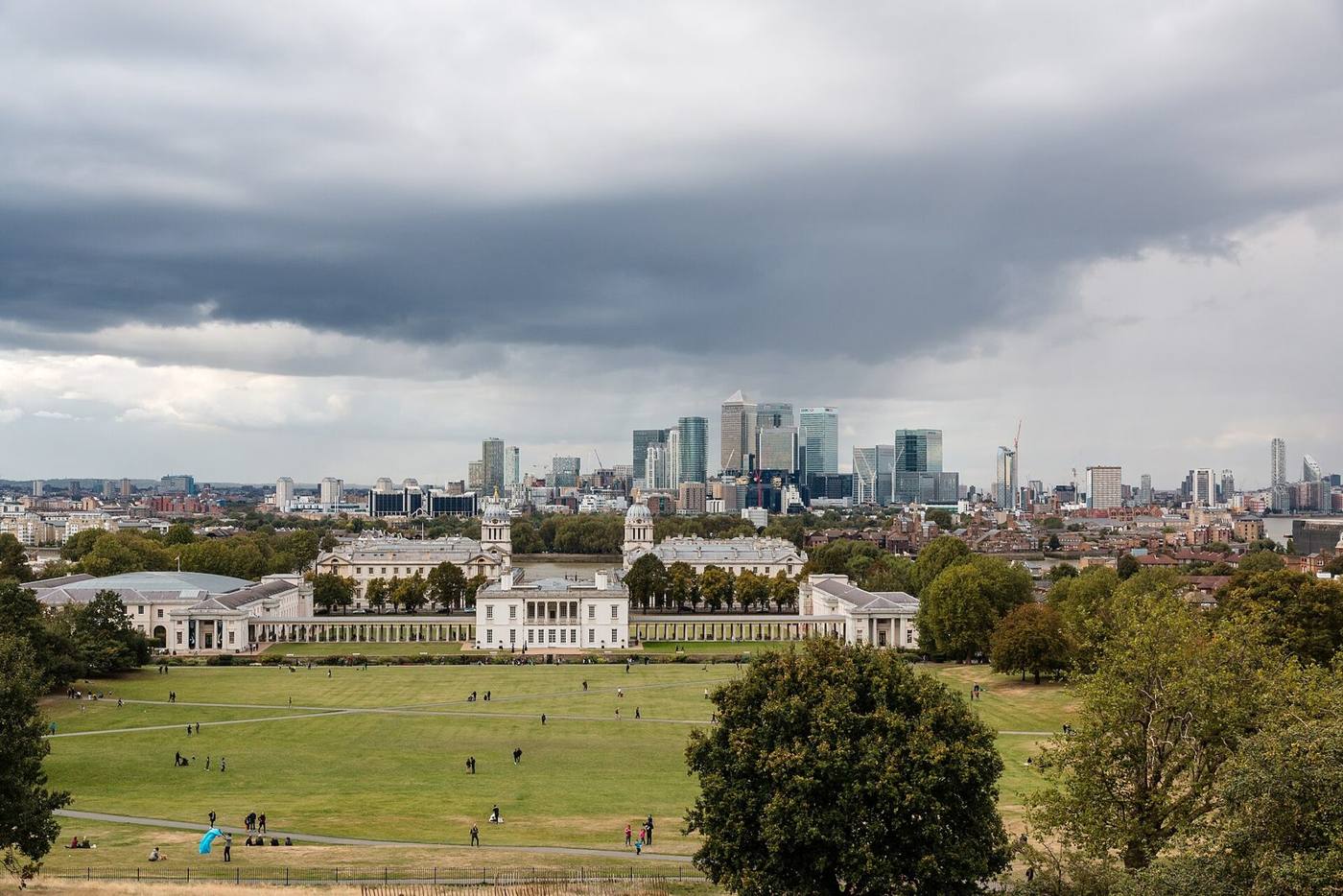 4 daysEasy
London beyond the classics
Londoners' London: Greenwich with the observatory and the meridian, Kew Gardens, Hampstead Heath and the view from Parliament Hill, the East End around Spitalfields, Shoreditch and Brick Lane, the canals of Little Venice and Camden and the weekend markets.