Gaziantep, Şanlıurfa and Göbekli Tepe
Turkey's oldest past and its food: Gaziantep, capital of pistachios and baklava, with the Zeugma mosaic museum; Şanlıurfa with Abraham's pool of sacred fish; Göbekli Tepe and Karahan Tepe, stone temples from about 11,000 years ago, a UNESCO World Heritage site.
- Gaziantep
- Şanlıurfa
- Göbekli Tepe
- Karahan Tepe
Day by day
- Day 1
Gaziantep and the Zeugma mosaic museum
This five-day trip takes you to south-eastern Turkey, the oldest land in the country and home to one of its best cuisines: Gaziantep, capital of pistachios and baklava, with the Zeugma mosaic museum; Şanlıurfa with its pool of sacred fish; Göbekli Tepe and Karahan Tepe, stone temples about 11,000 years old.
Before you go: Italian citizens can enter Turkey with an electronic identity card or a passport. Other nationalities should check their own rules.
Some areas on this trip are close to borders or places where the situation changes often: check your government's travel advice before booking and again before you leave.
You fly into Gaziantep from Istanbul or Ankara. Drop your bags and go straight to the Zeugma mosaic museum, one of the largest mosaic museums in the world. It holds the floors of the Roman villas of Zeugma, an ancient city on the Euphrates, partly flooded by the waters of a dam. Walk among scenes of gods, heroes and animals, and look for the famous Gypsy Girl, a woman's face with an intense gaze that has become the symbol of the city. Check prices and times.
In the evening try the food of Gaziantep, recognised by UNESCO as a creative city of gastronomy: aubergine kebab, thin lahmacun, spicy köfte and herb salads with pomegranate molasses. Sleep in Gaziantep.
Practical tip: get around by domestic flights and with local drivers or guides, stay on the main roads and do not head towards the border areas, even if they look close on the map.
- Day 2
The castle, the copper bazaar and baklava
Today you explore the historic centre of Gaziantep on foot.
In the morning climb to the castle, on the hill in the middle of the city. It is an ancient fortress, enlarged in Byzantine times and later by the sultans, badly damaged by the 2023 earthquake and then restored. Walk along the moat and among the walls, and look down over the rooftops of the city. Check prices and times.
Then go down into the copper bazaar, the Bakırcılar Çarşısı, where craftsmen still make pots, trays and coffee pots by hand. You hear the sound of hammers, and in the workshops you see how the metal is engraved. Carry on into the covered Zincirli bazaar and the streets around it, full of spices, dried chillies, dried fruit, soaps and leather slippers.
In the middle of the morning stop for Gaziantep baklava, the most famous in Turkey, made with very thin pastry, butter and the green pistachios of the area. People eat it even at breakfast, with a glass of tea or a Turkish coffee. Also try katmer, a warm pastry with pistachios and cream.
In the afternoon visit one of the restored caravanserais in the centre and the lanes with their pale stone houses. In the evening have dinner with dishes of meat and yogurt, such as yuvalama. Sleep in Gaziantep.
Practical tip: buy pistachios and baklava in the shops of the centre and ask for a vacuum pack, so you can take them home in your luggage without spoiling them.
- Day 3
Şanlıurfa, the pool of sacred fish and the museum
Today you head to the city of the prophets.
In the morning leave Gaziantep and take the main road east, about two hours, with a local driver. You reach Şanlıurfa, ancient Edessa, a city where according to tradition the prophet Abraham was born, revered by Jews, Christians and Muslims.
Start at Balıklıgöl, the pool of sacred fish, a long pool of water among gardens, mosques and arcades, full of carp. According to legend, King Nimrod had Abraham thrown into the fire, but God turned the fire into water and the firewood into fish. The fish are never caught and you can feed them with food sold on the spot. Then visit the cave linked to the birth of Abraham, a place of pilgrimage: go in with covered clothing and, if you are a woman, with a headscarf.
In the afternoon go into the Şanlıurfa archaeological museum, one of the largest in Turkey. Here you find the Urfa Man, a stone statue about 11,000 years old, considered among the oldest known life-size statues, and finds from Göbekli Tepe and other nearby sites. Next door, the Haleplibahçe mosaic museum displays Roman mosaics with the Amazon queens. Check prices and times.
Sleep in Şanlıurfa.
Practical tip: Şanlıurfa is a religious and traditional city; dress modestly even outside the mosques and always ask before photographing people.
- Day 4
Göbekli Tepe and Karahan Tepe
Today you visit the oldest temples in the world.
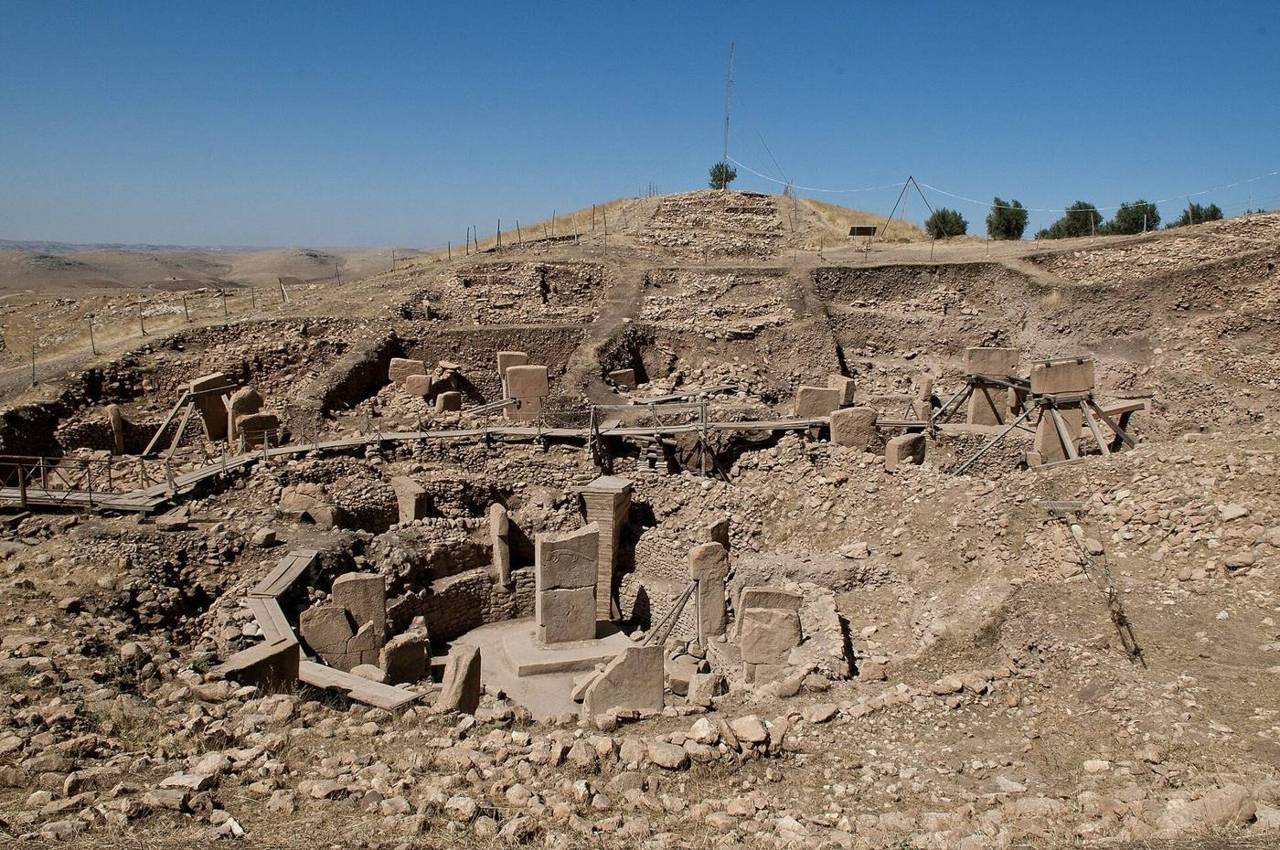
Early in the morning set off for Göbekli Tepe, on a hill north-east of Şanlıurfa, a short drive away. It is a large complex of circular stone enclosures, built about 11,000 years ago by hunter-gatherers, before farming and writing. It has been a UNESCO World Heritage Site since 2018. In the visitor centre watch the film and look at the models, then walk along the walkway above the excavations.
Look at the great T-shaped pillars, several metres tall, which may represent stylised human figures, with arms and hands carved on them. Many pillars carry animals in relief: foxes, wild boar, snakes, vultures and scorpions. Nobody knows for sure what this place was used for, and that is exactly what makes it so fascinating. Check prices and times.
In the afternoon carry on east to Karahan Tepe, in the Tektek hills, another site from the same period discovered more recently. Here you see a room cut into the rock with a row of pillars rising from the ground and a large human head carved into the wall. The site is part of the Taş Tepeler project, the stone hills, which brings together many prehistoric settlements in the region.
Return to Şanlıurfa for the evening. Stay on the marked routes and do not carry on south, towards the border. Sleep in Şanlıurfa.
Practical tip: there is very little shade at Göbekli Tepe and Karahan Tepe; arrive at opening time, with water, a hat and sun cream, especially in late spring and in autumn.
- Day 5
The Şanlıurfa bazaar and the flight home
Today you say goodbye to the south-east with a morning among the markets.
In the morning walk through the covered bazaar of Şanlıurfa, a maze of lanes and courtyards with shops selling copper, fabrics, spices and isot, the dark, smoky chilli typical of the city. Stop in the courtyard of Gümrük Han, an old caravanserai, where men play tavla and drink tea or bitter coffee, mırra, served in tiny cups.
Before you leave try çiğ köfte, made with bulgur, tomato and chilli, or a last Urfa kebab, milder than the one from Adana. Then take the flight home from Şanlıurfa, or drive back to Gaziantep and fly from there, towards Istanbul or Ankara.
Over these five days you have seen the oldest Turkey: the Zeugma mosaics, the castle and bazaars of Gaziantep with its baklava, the pool of sacred fish and the Şanlıurfa museum with the Urfa Man, and the stone temples of Göbekli Tepe and Karahan Tepe, among the oldest monuments built by humans.
When to go: the best periods are from March to May and from October to November, when the climate is mild and the hills are green or golden. Summer is extremely hot, often above 40 degrees in Şanlıurfa. In winter it is cold and it can rain.
Practical tip: check domestic flight times a few days before, because connections with the south-east are less frequent and can change at short notice.
Only to be done following current advice. In November 2026 the United States and the United Kingdom advise against all travel within 10 km of the borders with Syria and Iraq: this itinerary stays outside that strip (do not add Harran, Kilis or Hatay province near the border), but the whole region is affected by the nearby wars. Travel by air from Istanbul or Ankara, with local guides. The 2023 earthquake areas are still being rebuilt. Italian and most EU citizens need no visa for short tourist stays.
Before you go
- Documents and visa
- Passport, or for some EU citizens a national identity card; no visa for tourism up to 90 days in 180 for most EU nationalities.
- Health and vaccines
- No compulsory vaccines. Drink bottled water. Emergencies: 112.
- Money and payments
- Turkish lira. Cards work almost everywhere; state site tickets are set in euros but paid in lira at the day's rate.
- Power sockets
- Types C and F, 230 volts: the same round-pin sockets as much of Europe.
- Time zone
- UTC+3 all year: Turkey does not use daylight saving time.
- Safety
- The United States rates Turkey level 2, with level 4 within 10 km of the Syrian and Iraqi borders. Tourist areas are busy and calm. Official advice: GOV.UK.
Information checked in November 2026 for Italian and EU citizens. Rules change: always check before you travel.
Variations
In 4 days: a day and a half in Gaziantep, then Şanlıurfa and Göbekli Tepe, without Karahan Tepe.
In 7 days: add two days for Nemrut Dağı and its colossal statues, north of Şanlıurfa.
Frequently asked questions
How old is Göbekli Tepe?
The oldest stone enclosures date back about 11,000 years, before the birth of farming. The site has been a UNESCO World Heritage Site since 2018.
Was Gaziantep hit by the 2023 earthquake?
Yes, the region was hit hard and some areas are still being rebuilt. The castle has been restored: check prices and times before you go.
Do I need a visa for this trip?
No, for a short tourist stay Italian citizens enter with an electronic identity card or a passport. Other nationalities should check their own rules.
Indicative itinerary written by World Atlas. Before booking, check timetables, seasonal openings, documents and safety.
 5 daysEasy
Datça, Bozburun and Knidos
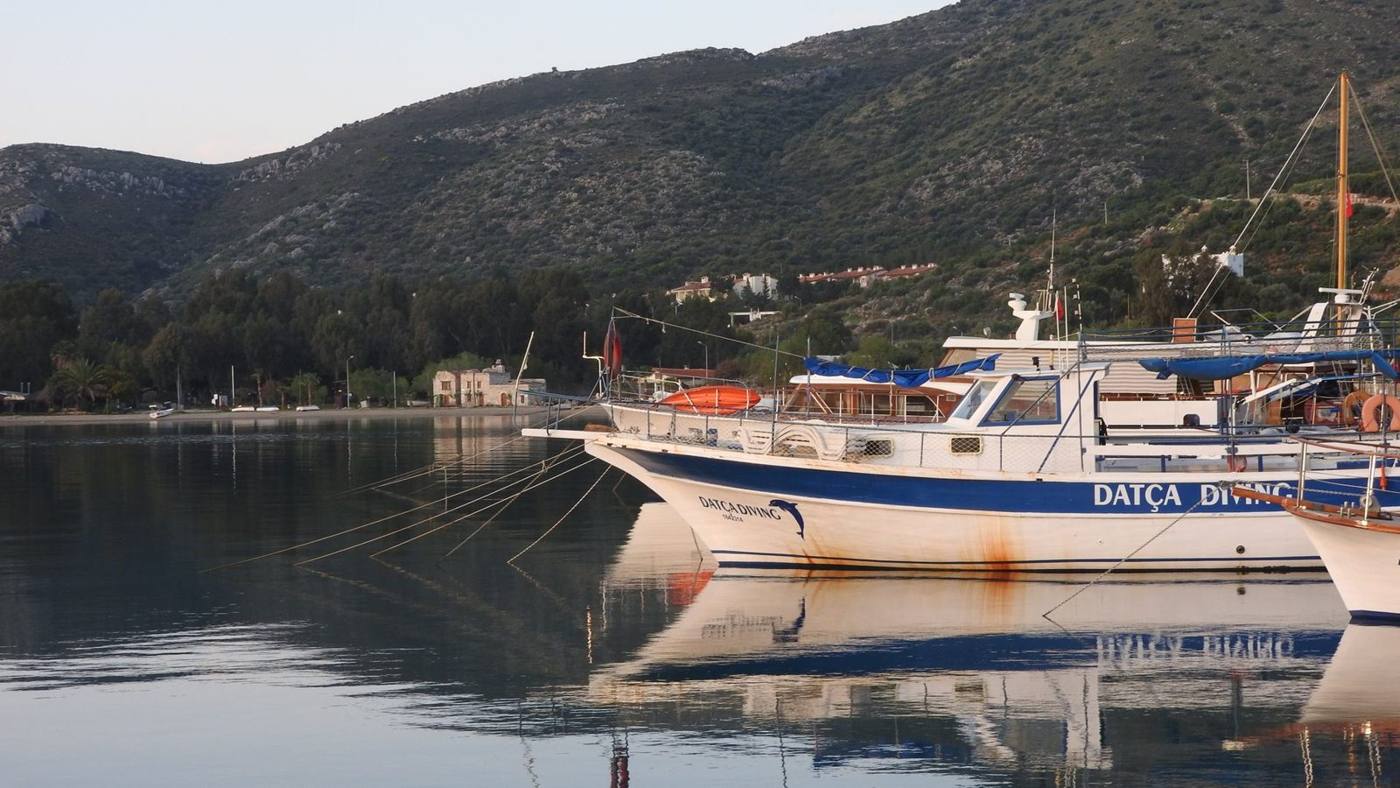
The quietest peninsulas of the Turkish Aegean: Datça with the stone houses of Eski Datça and its almonds, the ruins of Knidos on the tip between two seas, the bays of Bozburun and Selimiye reached by boat, and Marmaris as the gateway.
 5 daysEasy
Bodrum and its peninsula
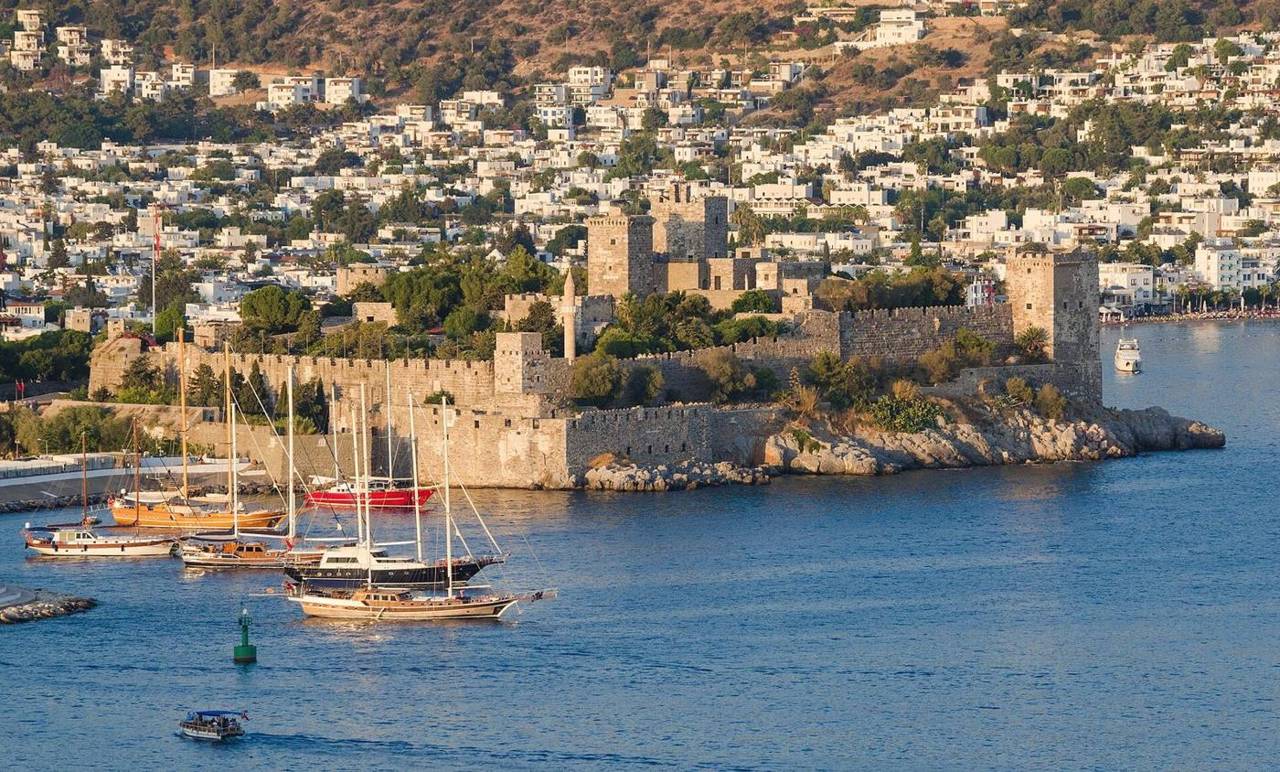
Ancient Halicarnassus between sea and history: the Castle of the Knights of St John with its underwater archaeology museum, the remains of the Mausoleum, one of the seven wonders of the ancient world, the windmills, the white villages of Gümüşlük and Yalıkavak, and a trip to Didyma and Miletus.
 5 daysEasy
Safranbolu, Amasra and the Western Black Sea
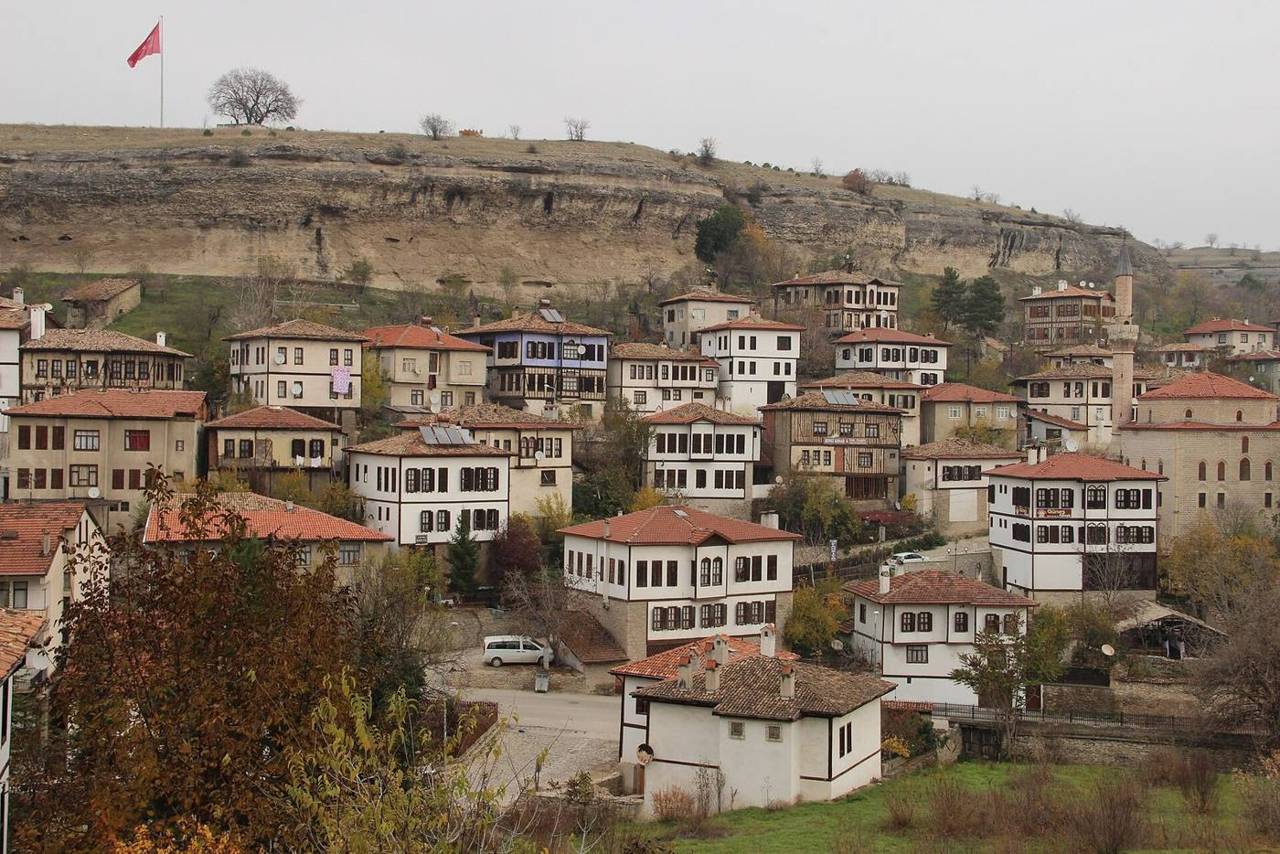
A Turkey of Ottoman houses and forests: Safranbolu with its wooden mansions and caravanserais, a UNESCO World Heritage site, the Incekaya canyon, the Genoese port of Amasra with its sea castle, and the green Black Sea coast as far as Cide.