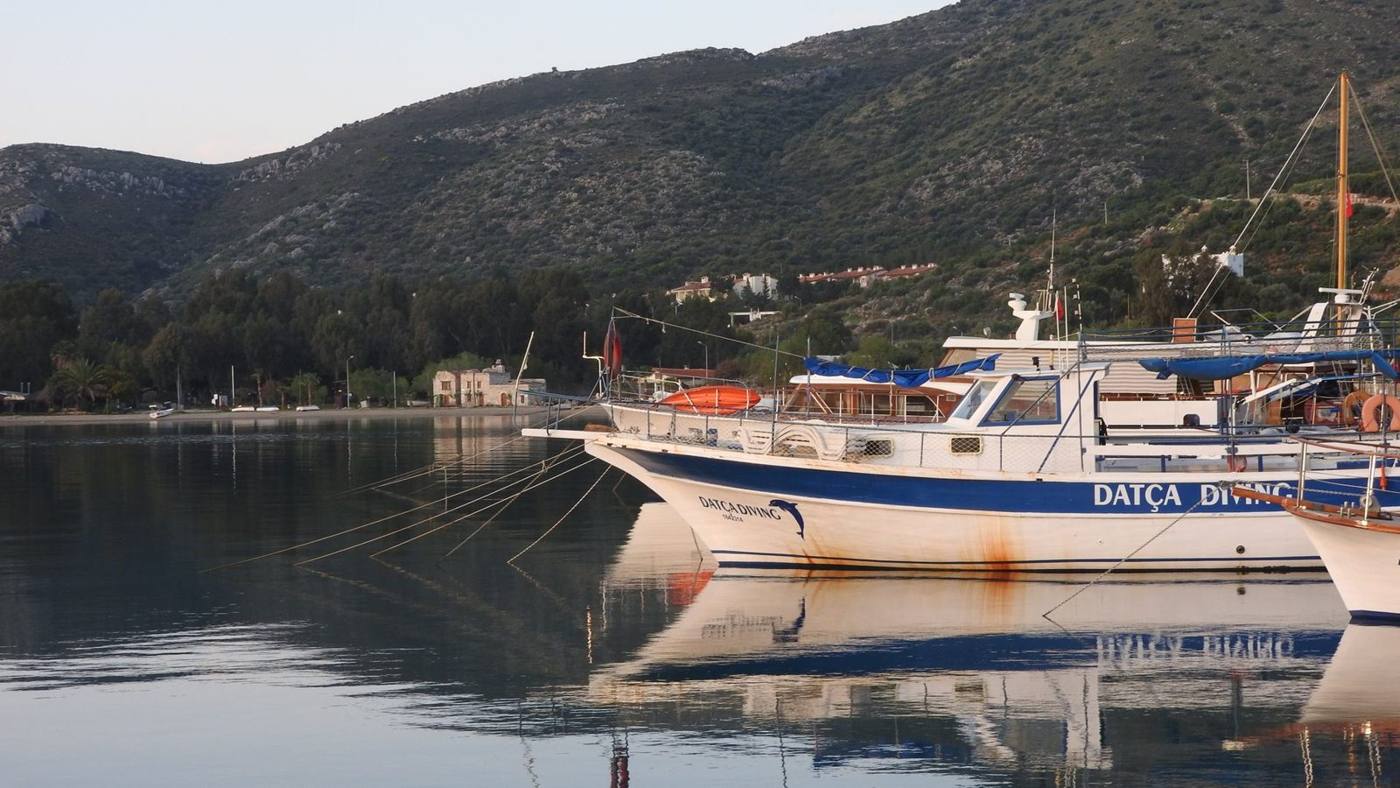
Datça, Bozburun and Knidos
The quietest peninsulas of the Turkish Aegean: Datça with the stone houses of Eski Datça and its almonds, the ruins of Knidos on the tip between two seas, the bays of Bozburun and Selimiye reached by boat, and Marmaris as the gateway.
- Dalaman
- Marmaris
- Selimiye
- Bozburun
- Datça
- Knidos
Day by day
- Day 1
Arrival in Dalaman and Selimiye
The Bozburun and Datça peninsulas, in south-western Turkey, stretch into the sea between the Aegean and the Mediterranean like two narrow, mountainous fingers, facing the Greek islands of Rhodes, Symi and Kos. They are covered in pines, olive and almond trees, with deep clear bays, fishing villages, wooden boatyards and the ruins of Knidos, one of the most famous cities of ancient Greece. They are much quieter than Bodrum or Fethiye. In five days you see the bays by boat, the villages and the site of Knidos.
You arrive at Dalaman airport, with flights from Istanbul and, in summer, direct flights from some European cities. From here you drive west, through Marmaris, then take the narrow, winding road down the Bozburun peninsula. In about two hours you reach Selimiye.
Selimiye is a small fishing village at the head of a sheltered bay, with white houses on the waterfront, moored boats and pine-covered hills all around. On the hill above the village are the ruins of an ancient castle. It is one of the prettiest villages on the coast, and many sailing boats stop here for the night.
In the afternoon, relax on the waterfront, swim in the calm water of the bay and walk up to the castle for the view.
In the evening, have dinner at one of the seaside restaurants, with mezes, small dishes of vegetables and yoghurt, and the day's grilled fish.
Practical tip: the peninsula roads are narrow, steep and winding. Drive slowly and avoid travelling at night.
- Day 2
By boat around the Bozburun bays
In the morning, go to Bozburun, about twenty minutes from Selimiye, a village famous for its yards where gulets are still built, the large traditional wooden boats used for cruises along the Turkish coast. Walking along the harbour, you see the hulls under construction, with their wooden ribs and craftsmen at work.
From the harbour, a day boat trip leaves to explore the peninsula's bays. The coast is deeply indented, with dozens of coves reachable only by sea, where the water is clear and every shade of blue and green. The boat stops at three or four bays for swimming and snorkelling, among rocks, pines and small pebble beaches. You sometimes see sea turtles and, with luck, dolphins.
At midday the crew prepares lunch on board, with salads, grilled fish or chicken, rice and fruit.
Some bays keep remains of ancient settlements, such as walls, cisterns and rock-cut tombs, because the peninsula was already inhabited in Greek times, when it was part of Caria.
In the late afternoon, return to Bozburun or Selimiye. At sunset the golden light colours the hills and the sea.
In the evening, try grilled fish and octopus, and a glass of rakı, the Turkish aniseed spirit, served with water and ice.
Practical tip: outside July and August many boats only leave with a minimum number of people. Book the day before and check the weather: in strong wind the trip may be cancelled.
- Day 3
The scenic road to Datça and Eski Datça
In the morning, leave the Bozburun peninsula and head back towards Marmaris, then take the road along the Datça peninsula westwards. It is one of the most scenic roads in Turkey: it climbs and drops over the mountains, with continuous views over the Gulf of Gökova to the north and the Gulf of Hisarönü to the south, among pine woods, olive groves and almond orchards. The whole drive takes about two and a half hours.
Halfway along, the peninsula becomes very narrow: at one point, at Balıkaşıran, the two seas are less than a kilometre apart. In antiquity the people of Knidos tried to dig a canal here to cut the peninsula off from the mainland and defend themselves against the Persians, but the oracle of Delphi stopped them.
You reach Datça, the main town of the peninsula, with a harbour, a seafront and beaches. Datça is famous for almonds, honey, thyme and olive oil, found in the markets.
In the afternoon, visit Eski Datça, the old village, a few kilometres away, with stone houses with coloured doors and windows, cobbled lanes, bougainvillea and cats. It was the centre of the peninsula before the population moved to the coast. Today some houses have been restored by Turkish artists and writers.
At sunset, return to the Datça seafront, or climb to a viewpoint above the harbour.
In the evening, sleep in Datça.
Practical tip: in Datça you can find locally produced almonds, honey and olive oil. The weekly market is the best place to buy them directly from the producers.
- Day 4
Knidos and the beaches of Palamutbükü
In the morning, head to the western tip of the peninsula, about an hour's drive, to the archaeological site of Knidos, in a spectacular setting between two natural harbours, on the cape where the Aegean meets the Mediterranean.
Knidos was one of the richest and most famous cities of ancient Greece, with an important school of medicine, rival to that of Kos, and great astronomers and architects. It was celebrated above all for the statue of the Aphrodite of Knidos, carved by Praxiteles in the fourth century BC, the first great statue of a naked goddess, so beautiful that travellers came from afar to see it. The statue has been lost, but many Roman copies are known.
At the site you visit the ruins of the temples, including the base of the round temple of Aphrodite, the two theatres, the terraced streets, houses, ancient harbours and the sundial. From the hill you see the open sea and, on clear days, the Greek islands.
In the afternoon, on the way back, stop at Palamutbükü, a long pebble beach with clear, cool water, surrounded by hills, with a small fishing village. The sea here is cooler because of the currents off the cape. Swim and relax until sunset.
In the evening, have dinner at Palamutbükü, with grilled fish, or return to Datça.
Practical tip: there is little shade at Knidos. Visit the site early in the morning or in the late afternoon, with water, a hat and comfortable shoes.
- Day 5
Back to Dalaman
On your last morning, take a last swim at one of the beaches near Datça, such as Kargı or Hayıtbükü, or stroll through the old village of Eski Datça before the heat arrives.
Then head back to Dalaman, along the peninsula's scenic road and through Marmaris, in about three hours. If you have time, stop at one of the viewpoints over the Gulf of Gökova, or in the village of Orhaniye on the Bozburun peninsula, home to Kız Kumu, a thin tongue of sand reaching hundreds of metres into the sea, which you can walk along with water up to your ankles.
If your flight is in the afternoon, you can also stop in Marmaris, a large resort with a castle and bazaar, or, near Dalaman, in the village of Dalyan, with the tombs of the Lycian kings cut into the rock above the river and İztuzu beach, where loggerhead turtles nest.
This trip combines well with other parts of the Turkish coast: Bodrum, with its castle and peninsula, Fethiye and Lycia, with rock tombs and the Lycian Way, or Ephesus and Pamukkale further north. In some seasons ferries also leave Datça for the Greek island of Symi or for Rhodes.
Practical tip: outside July and August many places in the bays and villages are closed or open shorter hours. Italian citizens can enter Turkey without a visa for short tourist stays, with a passport or an electronic identity card valid for travel.
Clear sea and fewer crowds than Bodrum or Fethiye. Roads are narrow and winding. Outside July and August many bay restaurants close or work little. Italian and most EU citizens need no visa for short tourist stays.
Before you go
- Documents and visa
- Passport, or for some EU citizens a national identity card; no visa for tourism up to 90 days in 180 for most EU nationalities.
- Health and vaccines
- No compulsory vaccines. Drink bottled water. Emergencies: 112.
- Money and payments
- Turkish lira. Cards work almost everywhere; state site tickets are set in euros but paid in lira at the day's rate.
- Power sockets
- Types C and F, 230 volts: the same round-pin sockets as much of Europe.
- Time zone
- UTC+3 all year: Turkey does not use daylight saving time.
- Safety
- The United States rates Turkey level 2, with level 4 within 10 km of the Syrian and Iraqi borders. Tourist areas are busy and calm. Official advice: GOV.UK.
Information checked in November 2026 for Italian and EU citizens. Rules change: always check before you travel.
Variations
In 3 days: Selimiye and the boat trip from Bozburun, without Datça.
In 8 days: after Datça, continue to Dalyan, Fethiye and the first stretch of the Lycian Way.
Frequently asked questions
When is the best time to go?
From May to October for the sea, with June and September quieter. July and August are hot and busier, but much less so than Bodrum.
Do I need a car?
Yes: buses between villages are few and the bays and Knidos are best reached by car. The roads are narrow and winding.
What documents do I need?
Italian citizens only need a passport or an electronic identity card valid for travel, with no visa for short tourist stays.
Indicative itinerary written by World Atlas. Before booking, check timetables, seasonal openings, documents and safety.
 5 daysEasy
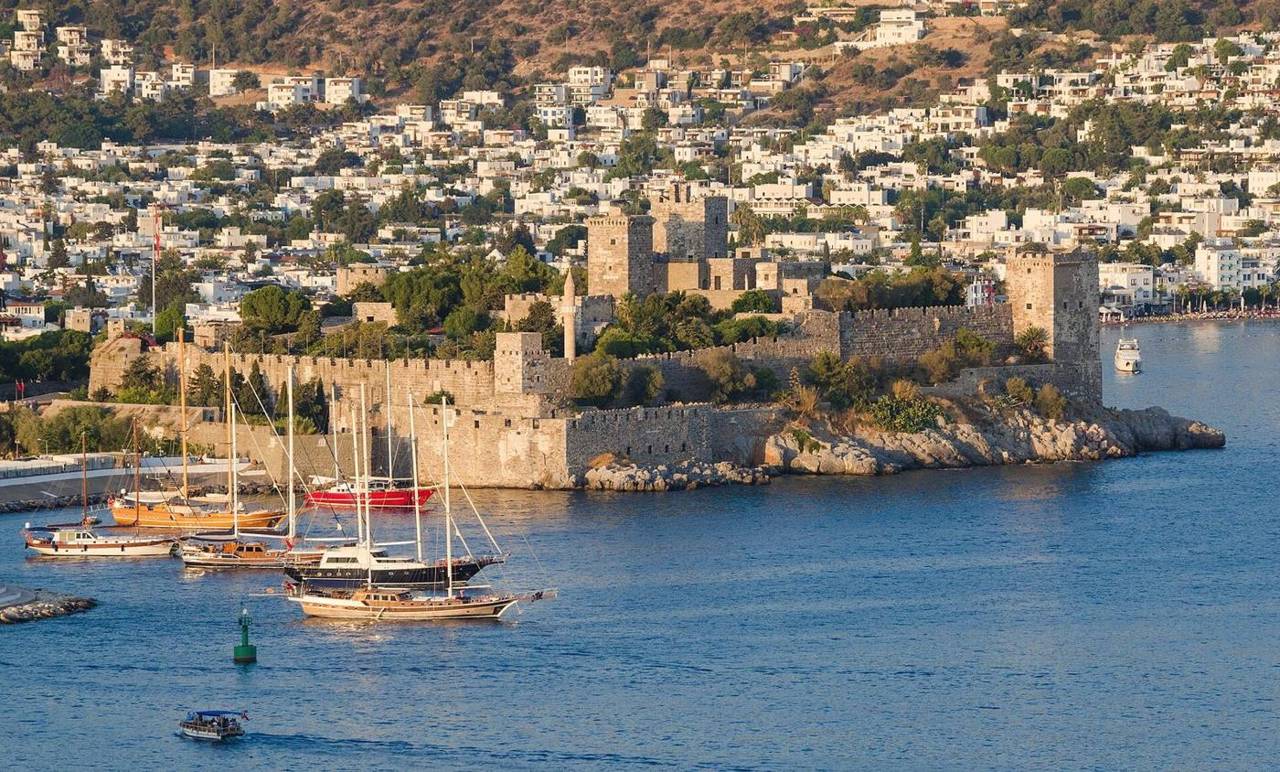
Bodrum and its peninsula
Ancient Halicarnassus between sea and history: the Castle of the Knights of St John with its underwater archaeology museum, the remains of the Mausoleum, one of the seven wonders of the ancient world, the windmills, the white villages of Gümüşlük and Yalıkavak, and a trip to Didyma and Miletus.
 5 daysEasy
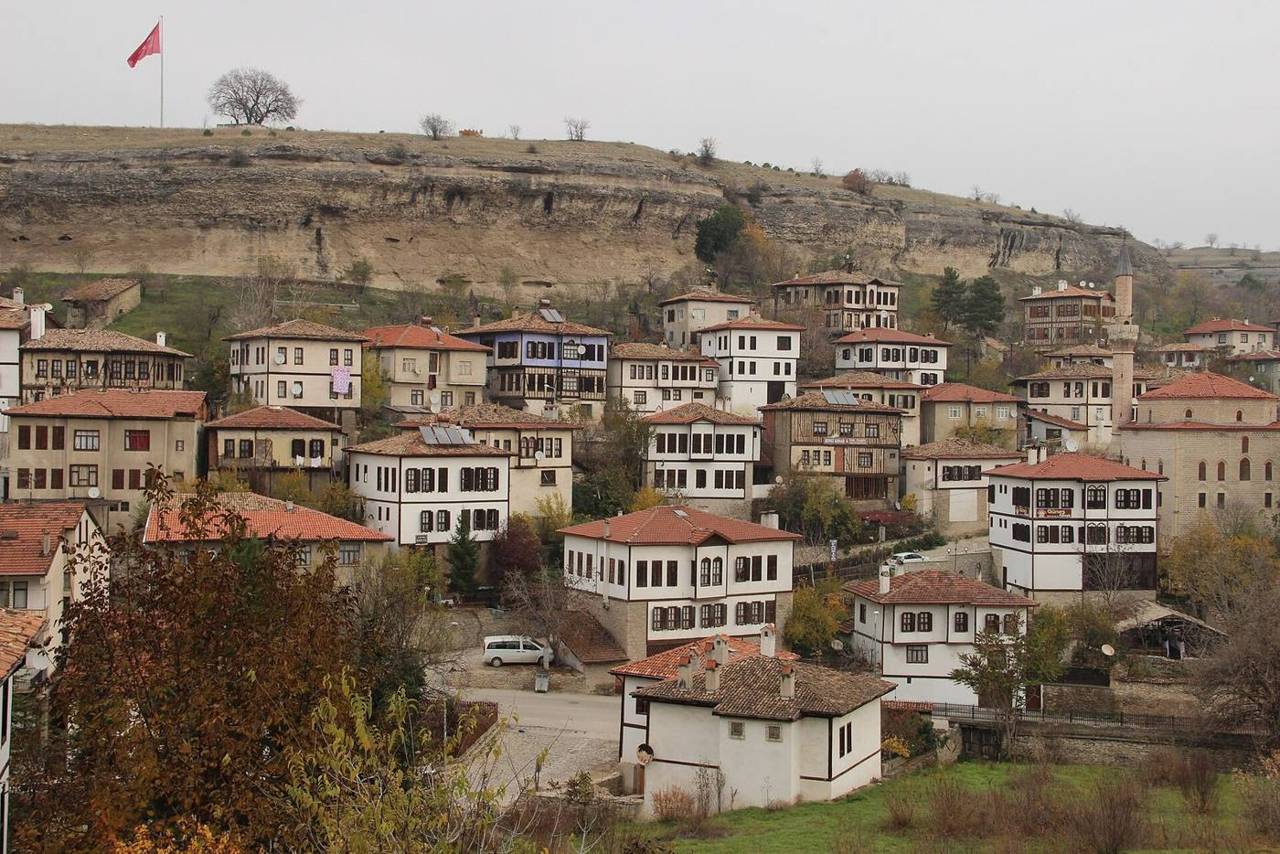
Safranbolu, Amasra and the Western Black Sea
A Turkey of Ottoman houses and forests: Safranbolu with its wooden mansions and caravanserais, a UNESCO World Heritage site, the Incekaya canyon, the Genoese port of Amasra with its sea castle, and the green Black Sea coast as far as Cide.
 5 daysModerate
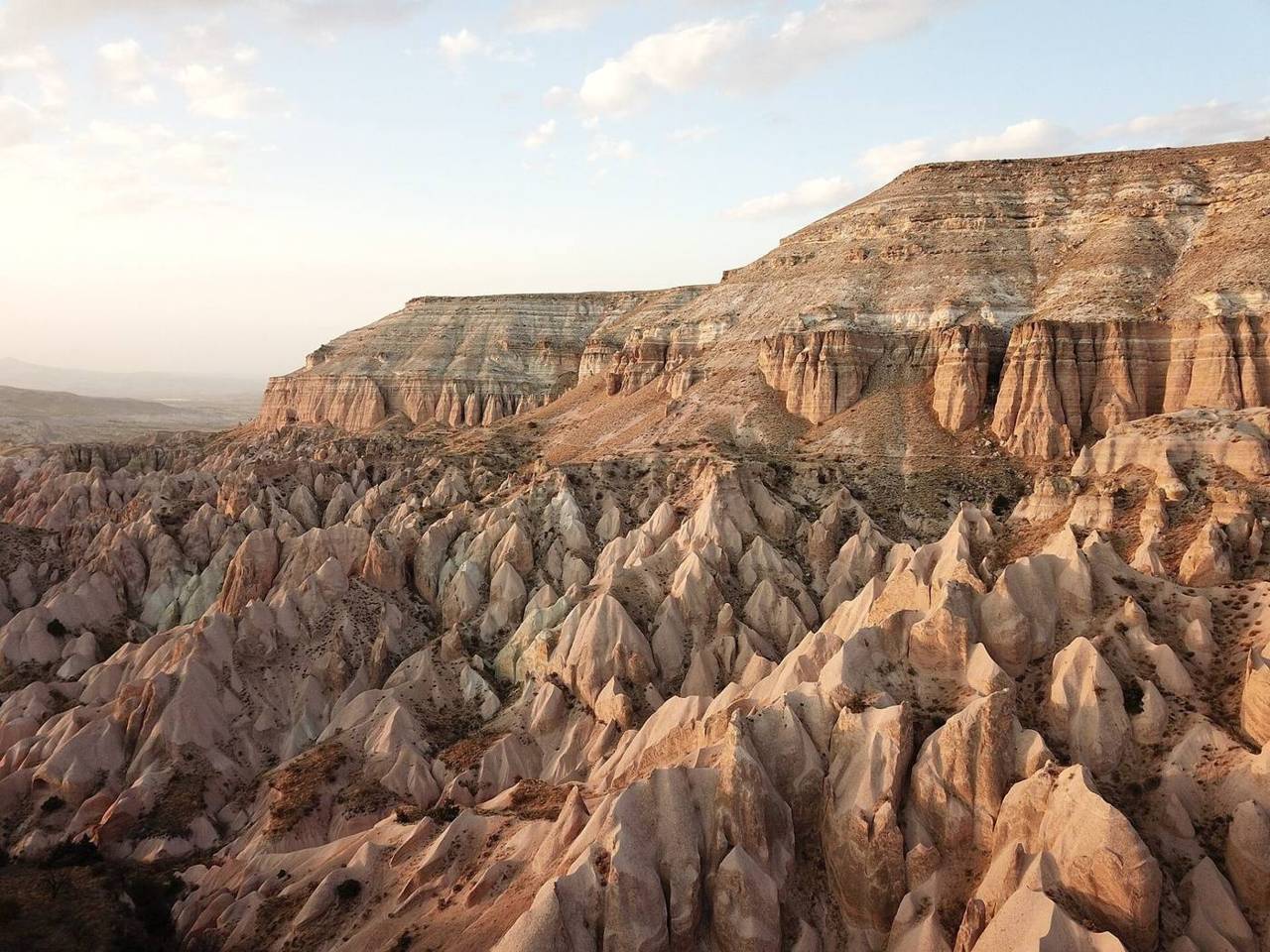
Cappadocia on foot
Cappadocia away from the coaches: the Red and Rose valleys at sunset, Pigeon Valley, the painted rock churches of Soğanlı, the Greek village of Mustafapaşa, the Ihlara valley along the river and Mount Erciyes in the background.