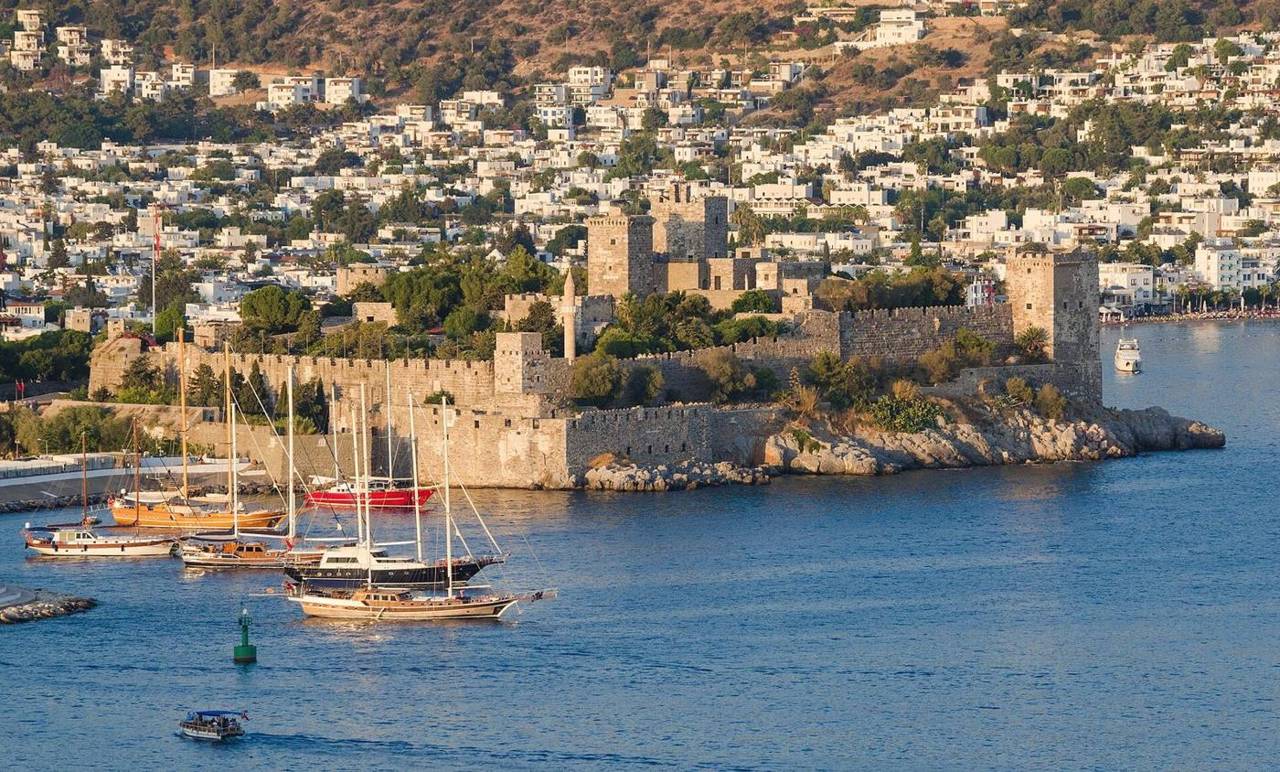
Bodrum and its peninsula
Ancient Halicarnassus between sea and history: the Castle of the Knights of St John with its underwater archaeology museum, the remains of the Mausoleum, one of the seven wonders of the ancient world, the windmills, the white villages of Gümüşlük and Yalıkavak, and a trip to Didyma and Miletus.
- Bodrum
- Gümüşlük
- Yalıkavak
- Didyma
- Miletus
Day by day
- Day 1
Bodrum: the castle and the Museum of Underwater Archaeology
Bodrum lies on a peninsula in south-western Turkey, on the Aegean Sea, opposite the Greek island of Kos. In antiquity it was Halicarnassus, the city of Herodotus, the father of history, and of King Mausolus, whose tomb was one of the seven wonders of the ancient world. Today it is one of Turkey's most famous seaside resorts, with white houses, harbours full of wooden boats and a lively nightlife. Around it, the peninsula hides quiet villages, bays and ruins. In five days you see the town, the sea and two great ancient sites of the coast.
You arrive at Bodrum airport, about half an hour from town, with flights from Istanbul and, in summer, direct flights from several European cities.
In the morning, visit the Castle of Saint Peter, which dominates the harbour. It was built in the fifteenth century by the Knights of Saint John, the order that ruled Rhodes, partly using the stones and sculptures of the Mausoleum, already in ruins. The towers bear the names of the knights' nations: there is an English tower, a French one, a German one and an Italian one.
Inside the castle is the Museum of Underwater Archaeology, one of the most important of its kind in the world. It displays the cargoes of ancient ships wrecked along the Turkish coast, including the Uluburun wreck from the late Bronze Age, with copper ingots, ivory, glass and jewellery, and a Byzantine wreck with its cargo of glass.
In the afternoon, stroll along the seafront and through the lanes of the old town, with white houses and bougainvillea.
Practical tip: the castle is large, with many stairs. Bring water and a hat: in summer it is very hot.
- Day 2
The Mausoleum, the ancient theatre, the windmills and the islands
In the morning, visit the remains of the Mausoleum of Halicarnassus, the tomb of King Mausolus, built in the fourth century BC, so large and richly decorated that its name became the word for any great tomb. It was destroyed by earthquakes in the Middle Ages and the knights used its stones for the castle. Today the foundations, a few columns and fragments remain, with a small museum and a model showing what it looked like. Many original sculptures are now in the British Museum in London.
Then climb to the ancient theatre on the hill above town, built in the time of Mausolus and enlarged by the Romans, with a view over the whole harbour and the castle. Continue to the old stone windmills on the hill between Bodrum and Gümbet, with one of the finest views over the two bays.
In the afternoon, take a trip in a wooden boat, one of the traditional Turkish boats called gulets, to the nearby islands and bays. There are stops for swimming in clear turquoise water, for example at Orak island or near the small island of Karaada, where there is a cave with warm thermal water and sulphurous mud.
At sunset, return to the harbour.
In the evening, try Turkish mezes, small dishes of vegetables, yoghurt, pulses and fish, with grilled fish and rakı, the Turkish aniseed spirit.
Practical tip: in summer Bodrum is very crowded and expensive. Book the boat and accommodation ahead, or come in June or September.
- Day 3
Gümüşlük and Myndos at sunset
Today you explore the western part of the peninsula, quieter and less built up. In the morning, head towards the village of Turgutreis and the beaches of the south-west coast, with shallow water and small fishing villages. Here you can swim or hire a sunshade.
In the afternoon, continue to Gümüşlük, about forty minutes from Bodrum, a small fishing village on a sheltered bay. It is built on the ruins of ancient Myndos, a Greek and Roman city, part of which now lies underwater. Snorkelling in the bay, you see the ancient walls and the remains of houses on the bottom.
Opposite the village is the small Rabbit Island. When the water is low you can walk there, on an ancient submerged road, with water up to your waist. On the island are remains of ancient walls and houses.
The Gümüşlük waterfront is famous for its fish restaurants with tables on the sand, almost in the water. At sunset the sun goes down behind the Greek islands and the bay turns red and gold: it is one of the finest sunsets on the Turkish coast.
After dinner, stroll through the village lanes, where buildings are low and construction is limited to protect the archaeological site.
In the evening, return to Bodrum.
Practical tip: in Gümüşlük cars are left at the car park at the entrance to the village. In summer arrive early to find a place before sunset.
- Day 4
Didyma and Miletus
In the morning, set off early northwards for a day devoted to two great ancient sites of the Ionian coast. The drive, going round the gulf, takes about an hour and a half to two hours.
The first stop is Didyma, with the Temple of Apollo, one of the largest temples of the Greek world. It was the seat of a famous oracle, linked to the city of Miletus by a sacred way. The temple was begun in the fourth century BC but never finished. Some very tall columns still stand, along with the great staircase and the inner courtyard, where the sacred spring was. Among the ruins you see a famous carved head of Medusa, the symbol of the site.
Then continue for about half an hour to Miletus, one of the most important cities of ancient Greece, home of the first philosophers, such as Thales, and of the first town planner, Hippodamus. It was once a port on the sea, but the River Maeander, with its deposits, has moved the coast kilometres away, and today the city stands in the middle of the plain. The best-preserved monument is the great theatre, which could hold about fifteen thousand spectators. You also see the Roman baths and the remains of streets and markets.
In the afternoon, if you have time, also visit Priene, nearby, a small Greek city on a hill, with streets laid out on a grid.
In the evening, return to Bodrum.
Practical tip: the ancient sites are very exposed to the sun with no shade. In summer, visit them early in the morning, with water and a hat.
- Day 5
Yalıkavak and departure
On your last morning, go to Yalıkavak, on the peninsula's north coast, about half an hour from Bodrum. It was once a village of sponge divers; today it has a large marina used by yachts, but it keeps a centre with narrow lanes, white houses, a small mosque and windmills on the hill above the village.
Spend the morning on the seafront, or at one of the nearby beaches, such as those of Gündoğan or Türkbükü bays, with calm, clear water. The north coast of the peninsula is greener and windier than the south, and is popular with windsurfers.
If you prefer, visit the weekly market in one of the peninsula's villages, with fruit, vegetables, cheeses, olives and fabrics.
In the early afternoon, head back to the airport for your flight.
Bodrum combines well with other parts of Turkey's Aegean and Mediterranean coast: Ephesus and Pamukkale to the north, or the Datça peninsula and Lycia to the south. Ferries also leave Bodrum harbour for the Greek island of Kos, in under an hour, for those who want to combine the two coasts in one trip.
Practical tip: Italian citizens can enter Turkey without a visa for short tourist stays, with a passport or an electronic identity card valid for travel. If you go to Kos, remember that you are re-entering the Schengen area.
Easy and complete, but in July and August Bodrum is very expensive and crowded, with noisy nightlife. There are direct flights from Italy in summer. Ferries to Kos (Greece) for those who want to combine both coasts. Italian and most EU citizens need no visa for short tourist stays.
Before you go
- Documents and visa
- Passport, or for some EU citizens a national identity card; no visa for tourism up to 90 days in 180 for most EU nationalities.
- Health and vaccines
- No compulsory vaccines. Drink bottled water. Emergencies: 112.
- Money and payments
- Turkish lira. Cards work almost everywhere; state site tickets are set in euros but paid in lira at the day's rate.
- Power sockets
- Types C and F, 230 volts: the same round-pin sockets as much of Europe.
- Time zone
- UTC+3 all year: Turkey does not use daylight saving time.
- Safety
- The United States rates Turkey level 2, with level 4 within 10 km of the Syrian and Iraqi borders. Tourist areas are busy and calm. Official advice: GOV.UK.
Information checked in November 2026 for Italian and EU citizens. Rules change: always check before you travel.
Variations
In 3 days: Bodrum with the castle, the boat trip and sunset at Gümüşlük.
In 8 days: after Bodrum, head north to Ephesus, Pamukkale and Izmir.
Frequently asked questions
When is the best time to go?
May, June, September and October: warm sea, fewer crowds and lower prices. July and August are very hot, crowded and expensive.
Do I need a car?
For the peninsula, local minibuses, the dolmuş, run frequently. For Didyma and Miletus a car is much more convenient, or you can join an organised trip.
What documents do I need?
Italian citizens only need a passport or an electronic identity card valid for travel, with no visa for short tourist stays.
Indicative itinerary written by World Atlas. Before booking, check timetables, seasonal openings, documents and safety.
 5 daysEasy
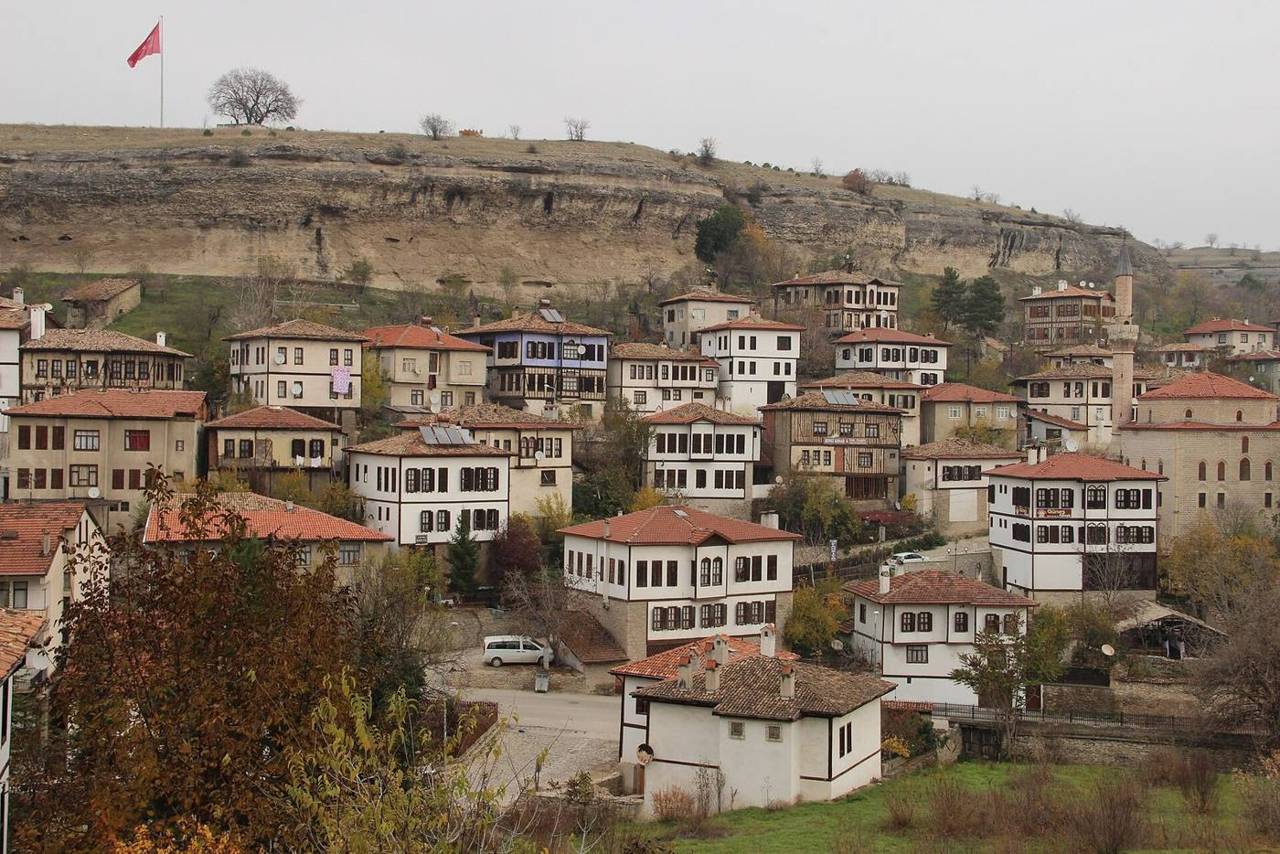
Safranbolu, Amasra and the Western Black Sea
A Turkey of Ottoman houses and forests: Safranbolu with its wooden mansions and caravanserais, a UNESCO World Heritage site, the Incekaya canyon, the Genoese port of Amasra with its sea castle, and the green Black Sea coast as far as Cide.
 5 daysModerate
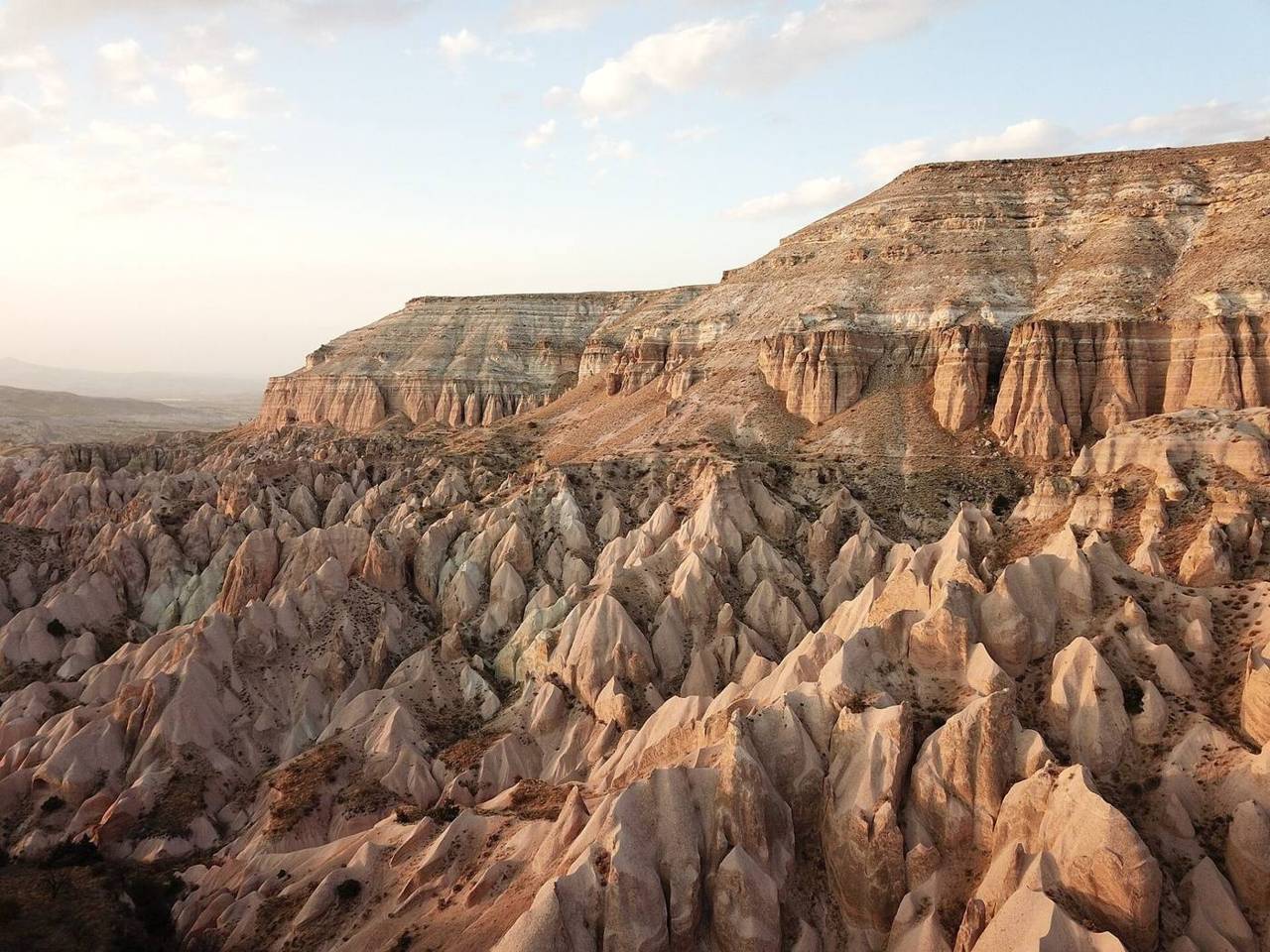
Cappadocia on foot
Cappadocia away from the coaches: the Red and Rose valleys at sunset, Pigeon Valley, the painted rock churches of Soğanlı, the Greek village of Mustafapaşa, the Ihlara valley along the river and Mount Erciyes in the background.
 5 daysEasy
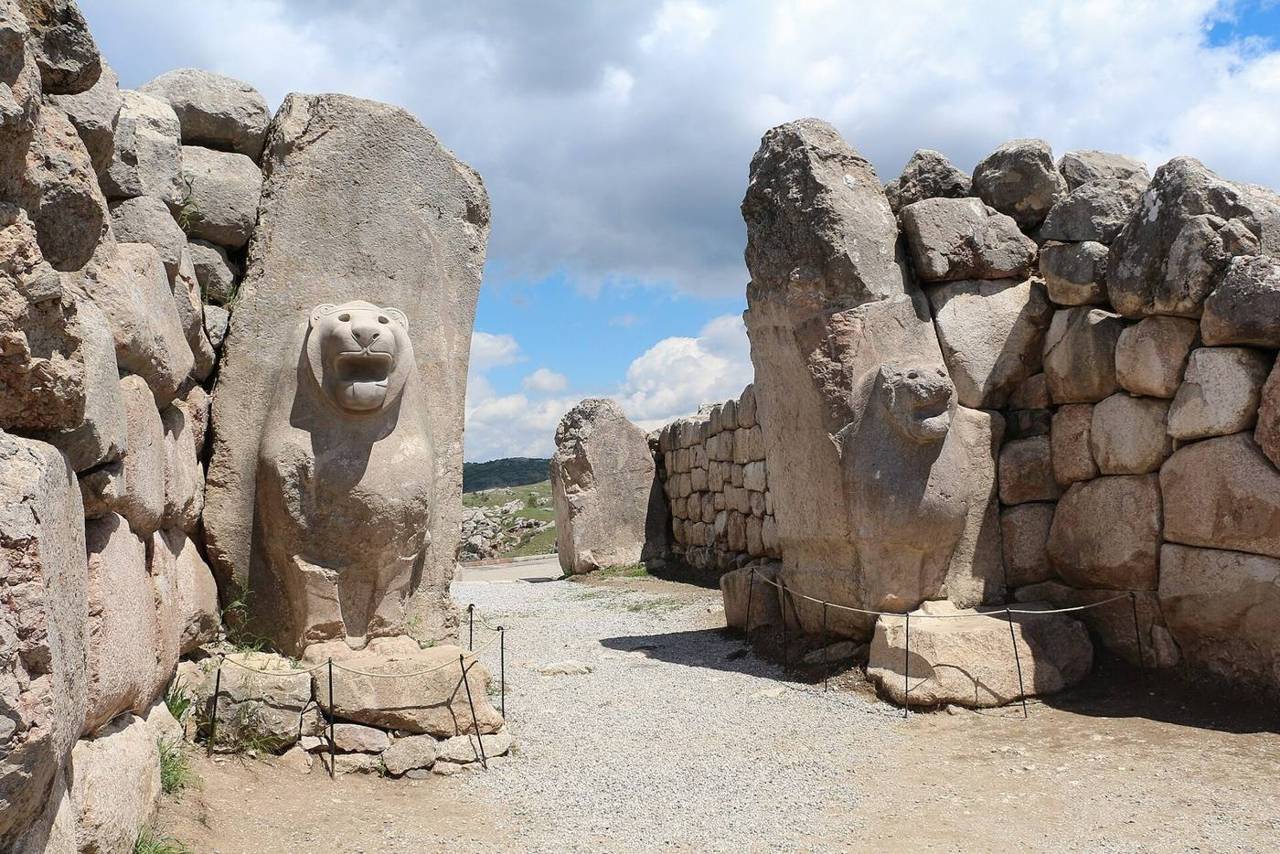
Ankara, Hattusa and Amasya
Anatolia of the Hittites and the kings of Pontus: the Museum of Anatolian Civilisations and Atatürk's mausoleum in Ankara, Hattusa, the Hittite capital and a UNESCO World Heritage site, with the Lion Gate and the rock sanctuary of Yazılıkaya, and Amasya with its royal tombs carved into the cliff above the river.