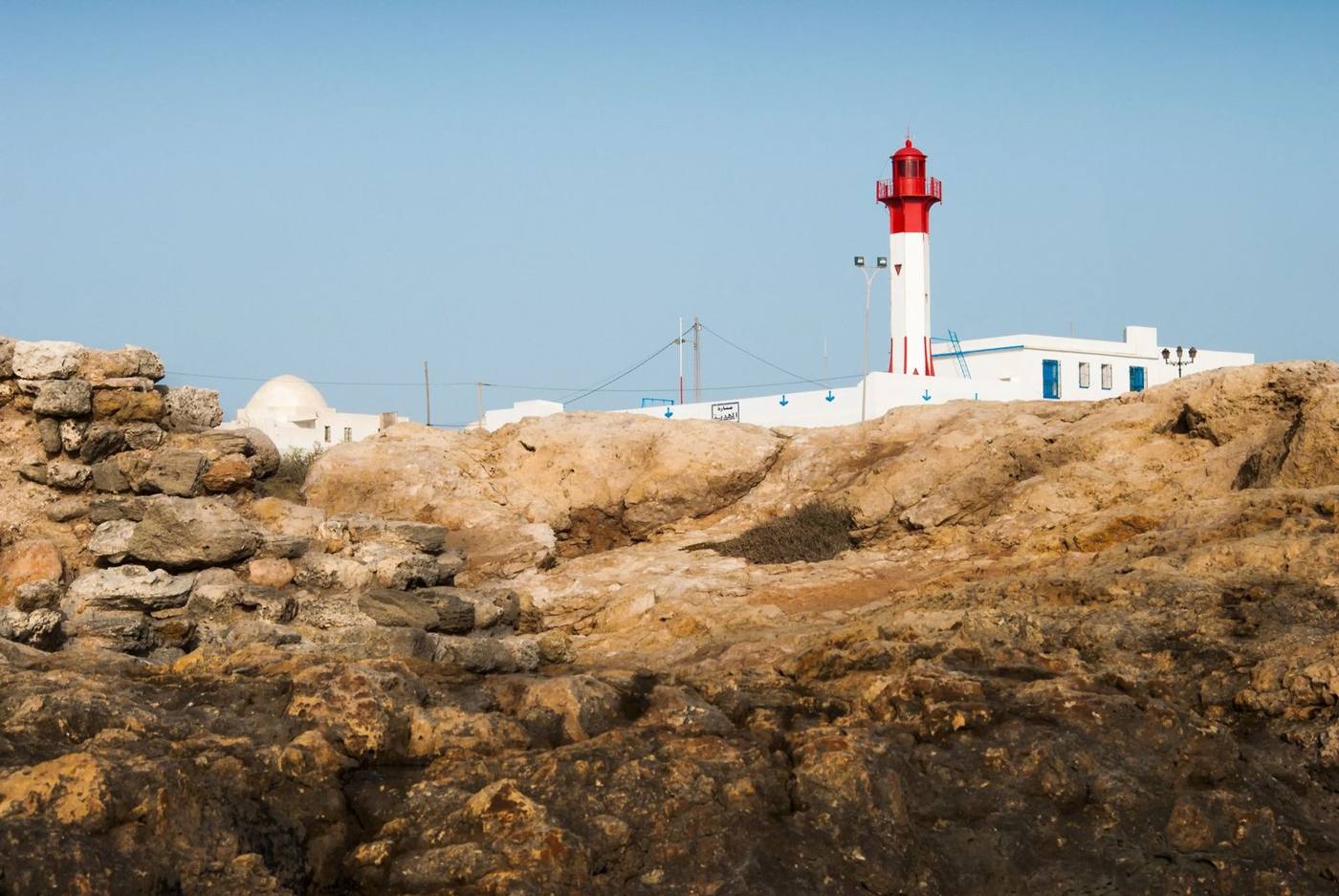
Mahdia and Monastir
The Sahel coast: the Mahdia peninsula with its white seaside cemetery and Fatimid gate, the ribat of Monastir and the long beaches between the two towns.
- Monastir
- Mahdia
Day by day
- Day 1
The ribat and the Bourguiba mausoleum in Monastir
This four-day trip takes you to the Sahel coast, Tunisia's central shoreline: Monastir, with its ribat by the sea and the Bourguiba mausoleum, the long beaches between the two towns and Mahdia, on its peninsula, with the Fatimid gate and the white cemetery by the sea. You travel by car, by taxi or on the local train that links the two towns.
Before you go: Italian citizens can enter Tunisia only with a passport, with at least three months' remaining validity: an identity card is no longer enough. Tourist stays of up to 90 days need no visa. The Tunisian dinar cannot be exported: change a little at a time and keep the receipts. Other nationalities should check their own rules. Official advice warns against the areas near the borders with Algeria and Libya, far from this route.
You land at Monastir airport, a few kilometres from the centre. In summer there are direct flights from Italy.
In the afternoon visit the ribat, a fortress by the sea founded at the end of the eighth century, where warrior monks lived and defended the coast. Climb the watchtower for the view over the town, the port and the small islands off the coast. The ribat has been used as a set for several films. Check prices and times.
Then walk to the mausoleum of Habib Bourguiba, the first president of independent Tunisia, who was born in Monastir. The building has a golden dome and two minarets, and is reached along an avenue with the cemetery around it. Inside, objects and mementoes of his life are on display.
In the evening stroll around the marina and have grilled fish for dinner.
Sleep in Monastir, for two nights.
Practical tip: visit the ribat in the late afternoon, when it is cooler and the light on the stone is at its best.
- Day 2
A day at the beach
Today is a day of rest on the beaches of the coast between Monastir and Mahdia.
The Sahel coast has long beaches of pale sand and shallow sea, perfect for swimming and for children. Near Monastir there are beaches with facilities, umbrellas and water sports, while heading south you find quieter stretches with more open sand.
In the morning choose a beach and swim at your own pace. If you like an active day at sea, try kayaking or snorkelling near the rocks. The small islands off Monastir can also be seen on a boat trip from the port.
For lunch try a brik, the crispy pastry with egg and tuna, and a méchouia salad, with grilled peppers and tomatoes, garlic and olive oil.
In the afternoon, if you want a change, visit the medina of Monastir, small and quiet, with the great mosque and a few craft shops. Or stay on the beach until sunset, when the light turns orange over the sea.
In the evening try Tunisian pastries with honey and almonds, with mint tea or Turkish coffee.
Sleep in Monastir.
Practical tip: in summer bring water and high-factor sunscreen, and use an umbrella in the middle of the day; the sun on the pale sand is very strong, even with the sea breeze. Keep valuables out of sight while you swim, or leave them at your accommodation.
- Day 3
Mahdia: the medina, the gate and Cap Afrique
Today you move to Mahdia, the town on the peninsula south of Monastir.
In about an hour, by car or local train, you reach Mahdia. The town was founded at the beginning of the tenth century by the Fatimids, a dynasty that later conquered Egypt and founded Cairo. For a time it was their capital.
Enter the medina through the Skifa el Kahla, the black gate, a long vaulted passage that was the only land entrance to the old town. Inside you find quiet white lanes, small squares with shaded cafés and the workshops of the weavers, who work silk for traditional wedding dresses. Visit the great mosque, rebuilt on the Fatimid model, with its monumental portal.
In the afternoon walk to the tip of the peninsula, Cap Afrique. Here lies the large marine cemetery, with white tombs stretching down to the water, one of the most beautiful and silent places on the coast. Just above rises the Borj el Kebir, the Ottoman-era fortress, from which the view takes in the peninsula and the sea. Check prices and times.
At sunset sit in one of the cafés on the square or on the cliffs and watch the fishing boats.
Sleep in Mahdia, for one night.
Practical tip: at the marine cemetery walk respectfully, without stepping on the tombs, and ask before photographing people who are visiting. Dress modestly in the medina and at the mosque.
- Day 4
The Friday market and the return
Today is the last day. If it is a Friday, visit Mahdia's weekly market, one of the liveliest on the coast.
In the morning the market fills the streets outside the medina: farmers and herders from the villages sell fruit, vegetables, olives, spices, sheep and chickens, next to stalls of clothes, fabrics, ceramics and tools. It is an excellent place to see the daily life of the region. If it is not Friday, walk around the fish market near the port, where the boats come in during the morning.
Then take a last swim on the beach north of Mahdia, long and with clear water.
In the afternoon head back towards Monastir for your flight.
In four days you have seen a Sahel coast with more character than the large hotels of Sousse: the ribat and the Bourguiba mausoleum in Monastir, the long beaches, the Mahdia peninsula with its black gate, the silk weavers, the white cemetery by the sea and the fortress. Mahdia is quiet and authentic, and easy to explore on foot.
When to go: the best period is from May to October, for the sea. June and September are ideal, with warm water and fewer people. In August the beaches are crowded and it is very hot.
Practical tip: go to the Friday market early, before ten, when there is more choice and it is cooler; keep your wallet in a closed pocket.
A beach holiday with more character than the Sousse resorts. Mahdia is quiet and authentic. Direct summer flights to Monastir from Italy.
Before you go
- Documents and visa
- You need a passport with at least three months' remaining validity: an identity card is no longer enough. Tourist stays of up to 90 days need no visa for Italian citizens; other nationalities should check their own rules.
- Health and vaccines
- No compulsory vaccinations for travellers arriving from Europe. Rabies is increasing: keep away from stray dogs and cats and see a doctor at once if you are bitten or scratched. Drink bottled water. Emergencies: 190 ambulance, 197 police, 198 fire brigade.
- Money and payments
- Tunisian dinar, which cannot be exported: change a little at a time and keep your exchange receipts. Cards work in cities and large hotels; in souks and villages you need cash.
- Power sockets
- Type C and E, 230 volts: you need an adapter for British plugs.
- Time zone
- UTC+1 all year.
- Safety
- The UK and Italy advise against the areas close to the borders with Algeria and Libya, the mountain areas of Kasserine, El Kef and Sidi Bouzid governorates, where there are military operations, and the military zone in the southern Sahara. In the desert, go only on organised trips, with a 4x4 and a guide. Official advice: GOV.UK.
Information checked in November 2026 for Italian and EU citizens. Rules change: always check before you travel.
Variations
In three days you can do Monastir and Mahdia without the beach-only day.
In six days you can add El Jem, about an hour from Mahdia, and Kairouan.
Frequently asked questions
Are there direct flights to Monastir from Italy?
In summer, yes, there are direct flights. The rest of the year you often arrive via Tunis.
How do I get between Monastir and Mahdia?
By car, by taxi or on the local train that links the two towns in about an hour.
What is the Skifa el Kahla?
Mahdia's black gate, a long vaulted passage that was the only land entrance to the Fatimid town.
Indicative itinerary written by World Atlas. Before booking, check timetables, seasonal openings, documents and safety.
 2 daysEasy
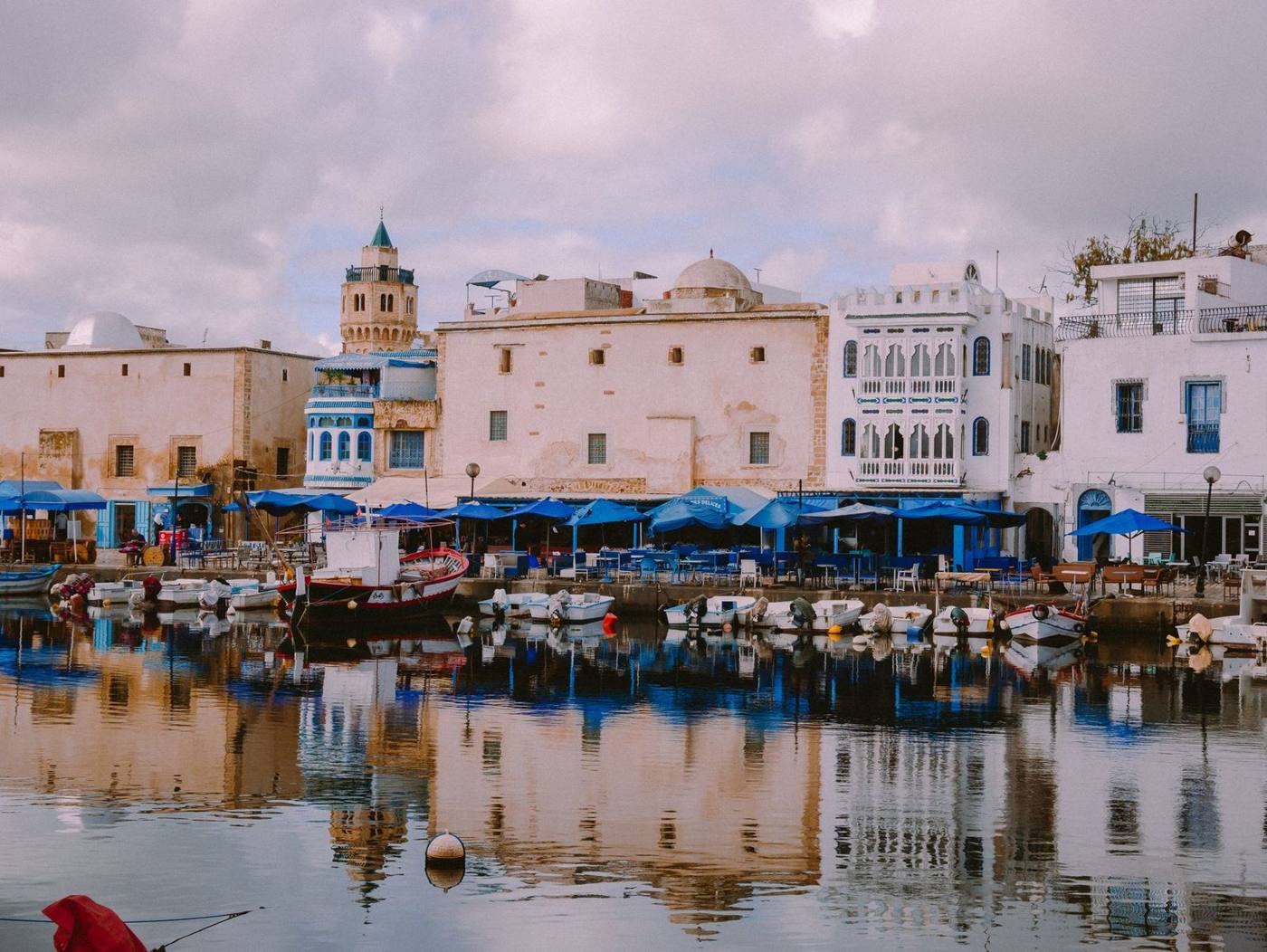
Bizerte and Ichkeul
Bizerte's old port with its colourful houses and kasbah, and Ichkeul National Park, a UNESCO lake and marsh where thousands of migratory birds arrive in winter.
 5 daysEasy
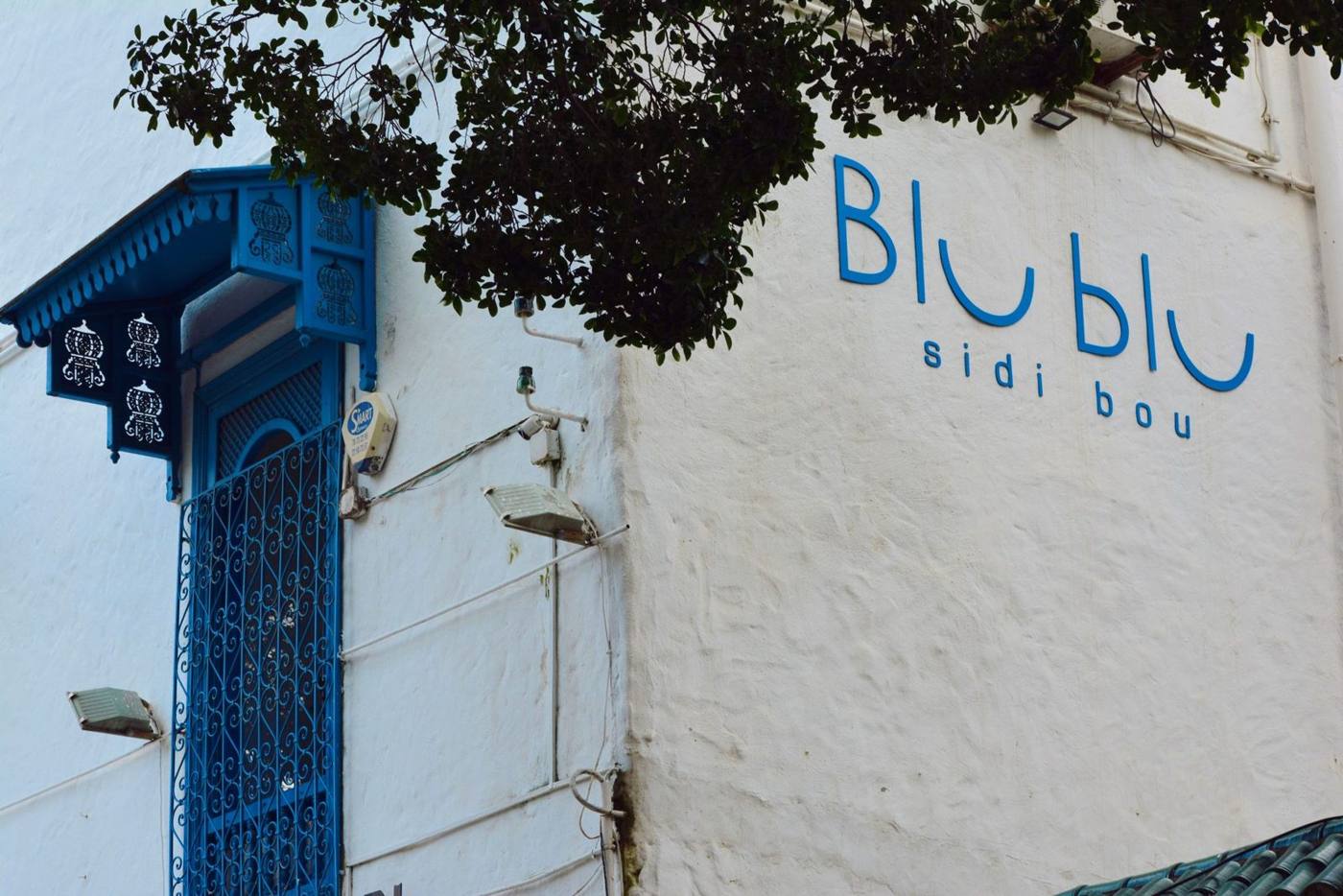
Tunis, Carthage and Sidi Bou Said
Tunis's UNESCO medina, the mosaics of the Bardo museum, the ruins of Carthage, the blue-and-white village of Sidi Bou Said and the Roman city of Dougga.
 7 daysEasy
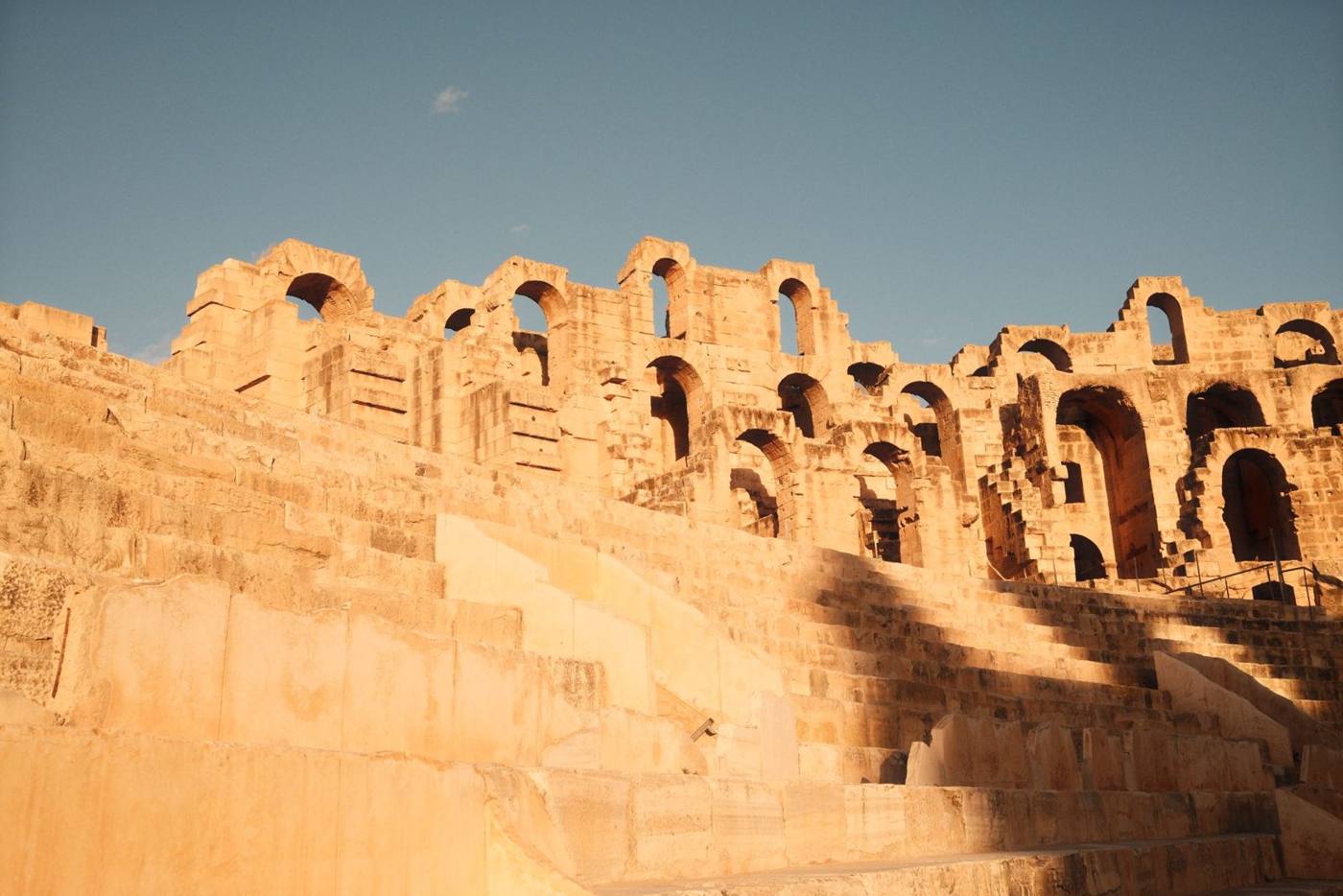
The Sahara and the oases
El Jem amphitheatre, Kairouan, the troglodyte houses of Matmata, the Chott el-Jerid salt lake, the mountain oases of Chebika and Tamerza and the dunes of Douz.