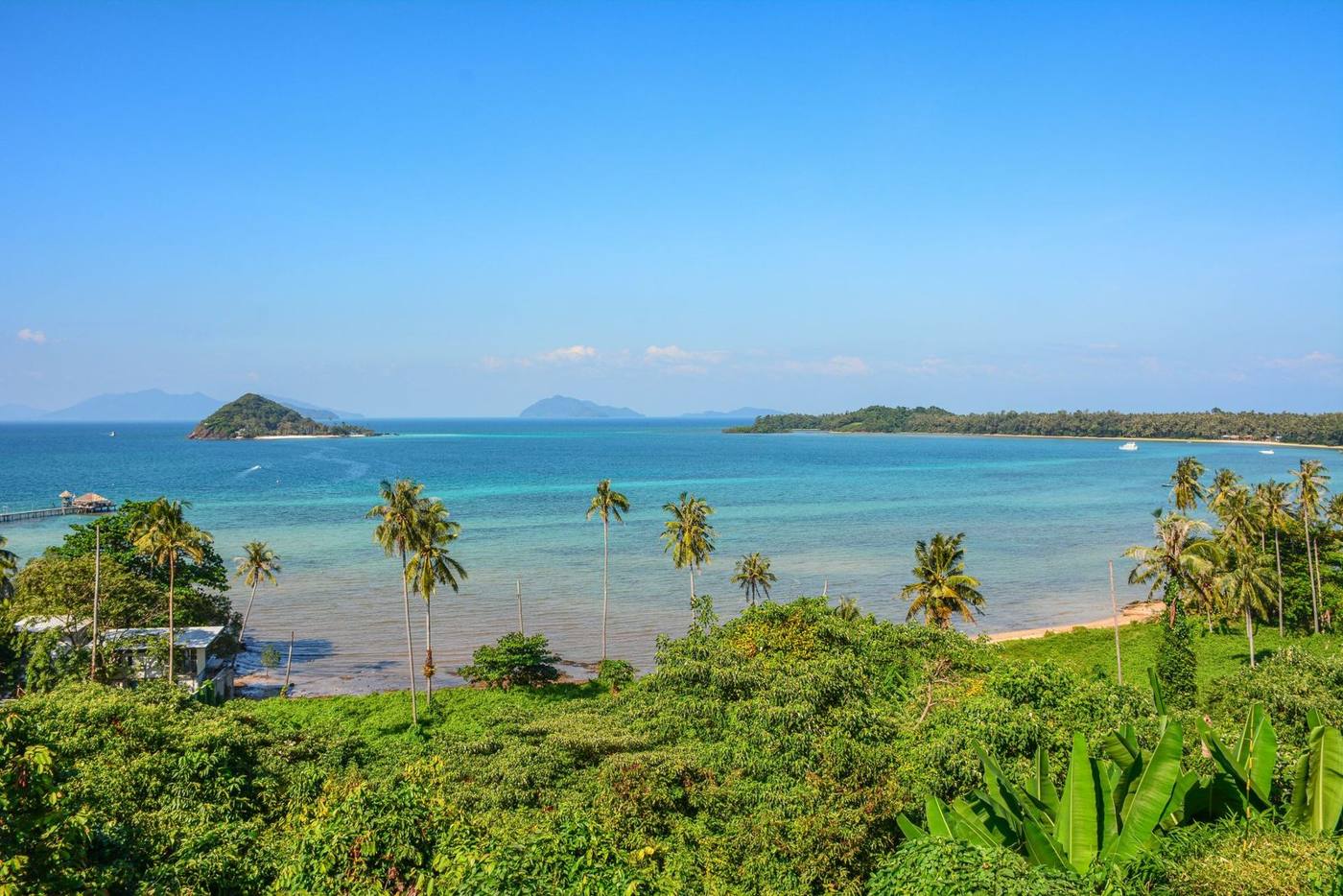
The Trat Islands: Koh Chang, Koh Mak and Koh Kood
The eastern archipelago near Cambodia: forested hills on Koh Chang, calm closed to cars on Koh Mak, the beaches of Koh Kood, with a stop at the Chanthaburi gem market.
- Bangkok
- Chanthaburi
- Trat
- Koh Chang
- Bang Bao
- Koh Mak
- Koh Kood
Day by day
- Day 1
Arrival in Bangkok
This trip takes you to the Trat archipelago, at the far eastern end of the Thai coast, close to Cambodia. It is the Thai sea that Italian travellers know least: islands covered in forest, fishing villages on stilts, quiet beaches and little nightlife. You begin with a stop in Chanthaburi, the city of gemstones, then spend three nights on Koh Chang, two on Koh Mak and two on Koh Kood, moving by ferry and speedboat. The pace is slow and easy, suitable for families too.
Before you go: since 15 September 2026 Italian citizens can enter Thailand without a visa for a tourist stay of up to 30 days, with a passport valid for at least six months. In the three days before arrival you must fill in the digital arrival card online, the TDAC, on the official website. Other nationalities should check their own rules.
Some areas on this trip are close to borders or places where the situation changes often: check your government's travel advice before booking and again before you leave.
You land at Suvarnabhumi airport. With the airport rail link you are in the city in about half an hour. In the afternoon rest after the journey, then take a trip on the Chao Phraya river on a public boat. In the evening have dinner at a night market with noodles, skewers and mango with sticky rice.
Sleep in Bangkok, one night.
Practical tip: withdraw or change cash while you are still in Bangkok. On Koh Mak and Koh Kood there are few cash machines and many places accept only cash.
- Day 2
Chanthaburi and the road to Trat
In the morning you leave Bangkok heading south east along the Gulf coast. In about three and a half hours you reach Chanthaburi, a provincial city full of orchards and famous for centuries for its trade in gemstones, above all rubies and sapphires.
Walk through the riverside community, the oldest quarter, with two storey wooden houses, family workshops, small Chinese shrines and cafés. Many houses have been restored by the residents and now hold small exhibitions about the history of the city, where Thai, Chinese and Vietnamese people lived side by side.
On the other bank stands the Cathedral of the Immaculate Conception, in neo Gothic style, with two tall towers. It is one of the largest Catholic churches in Thailand and is linked to the Christian community of Vietnamese origin.
If you arrive at the weekend, visit the gem market, in the streets near the river. Traders sit at small tables with lenses and tweezers and study the stones against the light. It is a fascinating sight, but it is not the place to buy without experience.
In the afternoon continue for about an hour and a half to Trat, a small town from which ferries leave for the islands. In the evening eat at the night market.
Sleep in Trat, one night.
Practical tip: from May to July Chanthaburi is full of seasonal fruit, such as durian, mangosteen and rambutan. Taste them at the roadside stalls, at prices far lower than in Bangkok.
- Day 3
Koh Chang and Klong Plu waterfall
In the morning go to the Laem Ngop pier, near Trat, and take the car ferry to Koh Chang. The crossing takes less than an hour. Koh Chang is one of the largest islands in Thailand and is almost entirely national park: the centre is covered by forested hills, while roads and villages lie along the coast.
A road runs almost all the way round the island, with very steep stretches and tight bends. If you are not experienced, do not ride a scooter: use the songthaews, the pick ups with two benches that work as shared taxis, or a car with a driver.
Settle on the west coast, where the longest beaches are. In the afternoon, with a guide, walk to Klong Plu waterfall, in the national park. The path climbs into the forest along a stream, and at the end you find a waterfall dropping into a wide pool where you can swim. It is at its best in the months just after the rains, when there is plenty of water.
In the evening watch the sunset on the beach, with the green hills behind and the smaller islands on the horizon, and have grilled fish for dinner.
Sleep on Koh Chang, for three nights.
Practical tip: for the waterfall you pay the national park entrance fee: check prices and times. Wear closed shoes and use repellent, because there are roots and mosquitoes along the path.
- Day 4
The forest and the mangroves of Salak Kok
Today you explore the interior and the east coast of Koh Chang. Early in the morning, with a local guide, go trekking in the hill forest. The path climbs among tall trees, lianas and streams. The guide shows you medicinal plants, wild fruit trees, animal tracks and birds, such as hornbills. With a little luck you hear the calls of monkeys.
At midday head down to the east coast, much quieter than the west. Here there are no big beaches, but sheltered bays, mangroves and fishing villages.
In the afternoon go to Salak Kok bay, where the village community runs a tourism project that protects the mangroves. You can hire a kayak and paddle gently through the channels among the aerial roots of the trees, home to crabs, mudskippers and water birds. The water is calm and kayaking here suits beginners too.
Return to the west coast before dark. In the evening try the local cooking: crab curry, grilled squid and spicy seafood salads.
Sleep on Koh Chang.
Practical tip: for the trek wear light long trousers and carry at least two litres of water. The forest is humid and hot even in the morning. Do not go into the forest alone: the paths are not always marked, and it is easy to lose your way.
- Day 5
Salak Phet and Koh Rang
Early in the morning go to the south east of the island, to the fishing village of Salak Phet. The houses are built on stilts above the water and linked by long wooden walkways. Walk among the colourful boats, the nets laid out to dry and the cages where fish and crabs are raised. Greet people, but remember that this is where they live and work.
Then take a boat for a day of snorkelling around Koh Rang, a group of small islands in the marine park south of Koh Chang. The water is clearer than near the coast, and in the shallows you see hard corals, parrotfish, butterflyfish and shoals of colourful fish. The boat usually stops at two or three different spots.
The coral here is poorer than in other parts of Thailand, but for snorkelling in calm water it is pleasant. If you are an experienced diver, do not expect the diving of the Andaman Sea.
In the late afternoon you return to Koh Chang. Rest and pack your bag: tomorrow you change island.
Practical tip: use a reef friendly sun cream and wear a long sleeved top in the water. Do not touch or stand on the coral, and do not feed the fish. For the marine park, check prices and times.
- Day 6
Speedboat to Koh Mak
In the morning go to the Bang Bao pier, in the south of Koh Chang, a fishing village built on a long wooden jetty, with shops and fish stalls. From here, in the dry season, speedboats leave for the southern islands. In about an hour you reach Koh Mak.
Koh Mak is a small, flat island, covered in coconut palms and rubber plantations. There are no big roads and no traffic, and much of the island has belonged for generations to a few local families, who have chosen a quiet kind of tourism.
The best way to get around is by bicycle. Ride along the narrow concrete lanes between the plantations, where you see the scored trees and the cups that collect the latex. Stop at the beaches on the north and west coasts: pale sand, shallow water and few people.
In the afternoon swim and rest under the palms. At sunset the light on the sea is pink and orange, and in the evening the island is silent: you eat early and look at the stars.
Sleep on Koh Mak, for two nights.
Practical tip: the speedboats between the islands run mainly from November to April. In the rainy season some routes stop and the sea can be rough: check the timetable the day before you travel.
- Day 7
By kayak to Koh Kham
Today is a day at sea on Koh Mak. In the morning, when the sea is calmest, hire a kayak and paddle to the islet of Koh Kham, off the north coast of Koh Mak. The crossing is short, but always check the wind and currents before you set off.
Koh Kham is an islet with a white sand beach and clear water. Around the island you can snorkel over shallow seabeds, among fish and small corals. You may need a ticket to land: ask first and check prices and times.
Return to Koh Mak for lunch. In the afternoon take a different bike ride: towards the east coast, with the fishermen's bays, or towards the centre of the island, where there is a small temple and coconut groves. Stop to drink a fresh coconut, just opened.
If you enjoy fishing, some of the island's fishermen take visitors out in their boats in the evening to fish with hand lines. Ask where you are staying.
In the evening have dinner with squid, prawns or the catch of the day, cooked simply.
Sleep on Koh Mak.
Practical tip: in a kayak always wear a life jacket, bring water and a hat, and set off when the sea is calm. If the wind picks up, stay close to the shore and head back early.
- Day 8
Koh Kood and Klong Chao waterfall
In the morning take the speedboat from Koh Mak to Koh Kood, which takes less than an hour. Koh Kood is a large island covered in forest, with quiet roads, fine sand beaches and clear water. It has some of the most beautiful beaches in Thailand, and it has stayed calm.
Once you have dropped your bags, go to Klong Chao waterfall, the most famous on the island. A short forest path leads to a waterfall that drops in several steps into a deep green pool. You can swim, and local youngsters dive from the rocks. Take great care if you want to jump: check the depth and never dive where you do not know the bottom.
The Klong Chao river then flows down to the sea through mangroves. You can paddle up it by kayak from the mouth, in calm water, almost as far as the waterfall.
In the afternoon rest on the beach. To get around the island you can hire a scooter, but only if you are experienced, because some roads are steep. Otherwise ask for a lift in a pick up.
In the evening have dinner overlooking the sea and watch the sunset from the west coast.
Sleep on Koh Kood, for two nights.
Practical tip: do not ride a motorbike after dark. The roads are unlit, there are bends and sometimes animals on the road.
- Day 9
Ao Tapao, Ao Noi and the village of Ao Salad
Today is the day of Koh Kood's beaches. In the morning go to Ao Tapao, a long bay of pale sand with palms and shallow, clear water, perfect for swimming. Then move on to Ao Noi, a smaller, more sheltered bay, with a little river flowing into the sea.
In the middle of the day cross the island to the north east, to the fishing village of Ao Salad. Here the houses and fish stores stand on stilts over the water, and the fishing boats come in to the jetty with their catch. It is the best place on the island to eat fresh fish, crab and prawns, cooked simply.
In the afternoon, if you want a last walk in the forest, visit one of the island's giant trees, very old trees with enormous buttress roots, reached on a short path. They are among the most photographed places on the island: go in the morning, when there are fewer people.
It is your last evening on the islands. Sit on the beach, listen to the sea and, if you are lucky, watch the fireflies among the mangroves.
Sleep on Koh Kood.
Practical tip: Koh Kood is close to Cambodian waters. Do not join boat trips that head towards the border and do not use unlicensed boats: choose only trips with regular departures and life jackets on board.
- Day 10
Back to the mainland and departure
In the morning take the speedboat from Koh Kood to the mainland, which arrives at one of the piers near Trat. The crossing takes more than an hour, depending on the sea. From the pier go to Trat airport for the flight to Bangkok, or continue by car or minibus to Bangkok, about five hours on the road. From there you continue on your flight home.
Do not head towards the Hat Lek border and stay on the main road to Trat. Leave plenty of time between the boat and your international flight: if the sea is rough, departures can be postponed.
What to take home: dried fruit and preserves from Chanthaburi, coconut oil from Koh Mak, pepper, spices and Thai fabrics.
This trip has shown you the quietest side of the Thai sea, with more forest and fewer parties than the Gulf and the Andaman coast. You have walked through the old quarter of Chanthaburi, gone into the forest of Koh Chang, paddled among the mangroves of Salak Kok, cycled round Koh Mak and swum in the bays and the waterfall of Koh Kood.
When to go: the best period is from November to April, with calm seas, clear skies and regular boats between the islands. From May to October the monsoon arrives: it rains often, the sea is rough and many speedboats stop running.
Practical tip: book the flight from Trat well in advance, because it is a small airport with few flights and in the high season seats sell out quickly.
The Thai coast Italians know least, with more forest and fewer parties than the Gulf or the Andaman side. Koh Kood has some of the finest beaches in the country and has stayed quiet. The drawback is the reef, poorer than at Koh Tao or the Similans: divers will be disappointed. Bring cash: ATMs are scarce on Koh Mak and Koh Kood.
Before you go
- Documents and visa
- Passport valid for at least six months. Since 15 September 2026 many nationalities, including most EU citizens, enter without a visa for tourism for up to 30 days. Before each entry, within the three days beforehand, the no-cost Thailand Digital Arrival Card (TDAC) must be completed online on the official website.
- Health and vaccines
- No vaccines required arriving from Europe; ask your doctor about hepatitis A and typhoid. Dengue is present: use repellent. Do not drink tap water. Health insurance recommended. Emergencies: 191 police, 1669 ambulance, 1155 tourist police.
- Money and payments
- Baht. Cards accepted in cities and hotels; markets and small places need cash. ATMs charge a flat fee for withdrawals with foreign cards.
- Power sockets
- Types A, B, C and O, 220 volts: bring a universal adapter.
- Time zone
- UTC+7, no daylight saving time.
- Safety
- A safe country for travellers. Avoid the southernmost provinces near Malaysia and the border strip with Cambodia. Beware of tuk-tuk and gem scams, and of scooter traffic. Official advice: GOV.UK.
Information checked in November 2026 for Italian and EU citizens. Rules change: always check before you travel.
Variations
In 7 days: Chanthaburi, then Koh Chang and Koh Kood, returning to Bangkok from Trat.
In 13 days: add Koh Wai and two more nights on Koh Kood, then the beach of Koh Samet on the way back.
Frequently asked questions
Which island is the quietest?
Koh Mak is the quietest, small, flat and without traffic, best explored by bicycle. Koh Kood is larger, with beautiful, calm beaches. Koh Chang is the largest and has more services and more going on.
Can you snorkel and dive?
Yes, especially around Koh Rang and the islets near Koh Mak. The coral, however, is poorer than at Koh Tao or the Similans, so anyone travelling mainly to dive may be disappointed.
The islands are close to Cambodia: are there precautions?
Stay on the islands and the main roads, do not approach the land border and do not take boat trips towards Cambodian waters. Check your government's travel advice before booking and again before you leave.
Indicative itinerary written by World Atlas. Before booking, check timetables, seasonal openings, documents and safety.
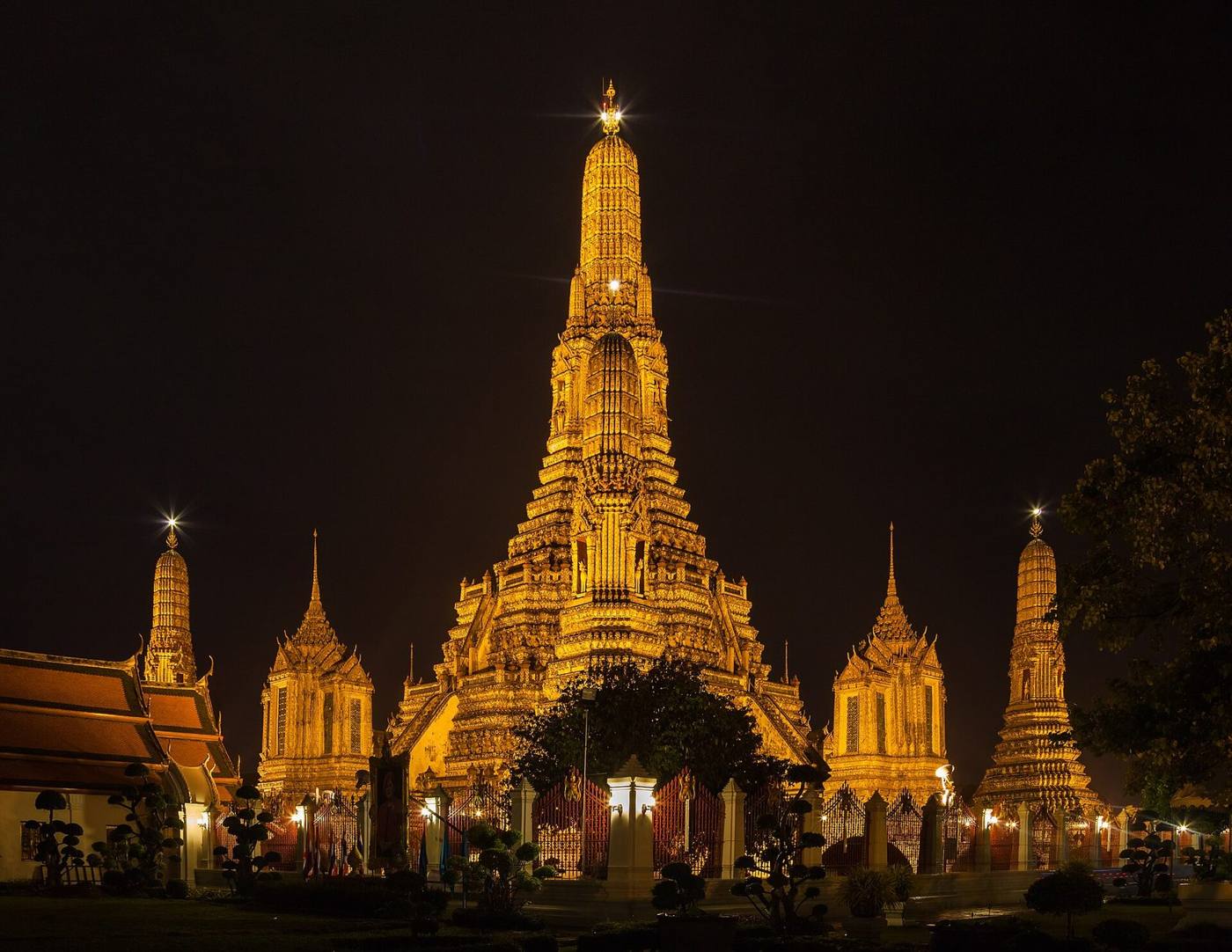 5 daysEasy
Bangkok in depth
The capital at a gentle pace: the Grand Palace and the Emerald Buddha, Wat Pho and Wat Arun on the river, Chinatown and its street food, the Thonburi canals by boat, the Jim Thompson House, markets and rooftop terraces.
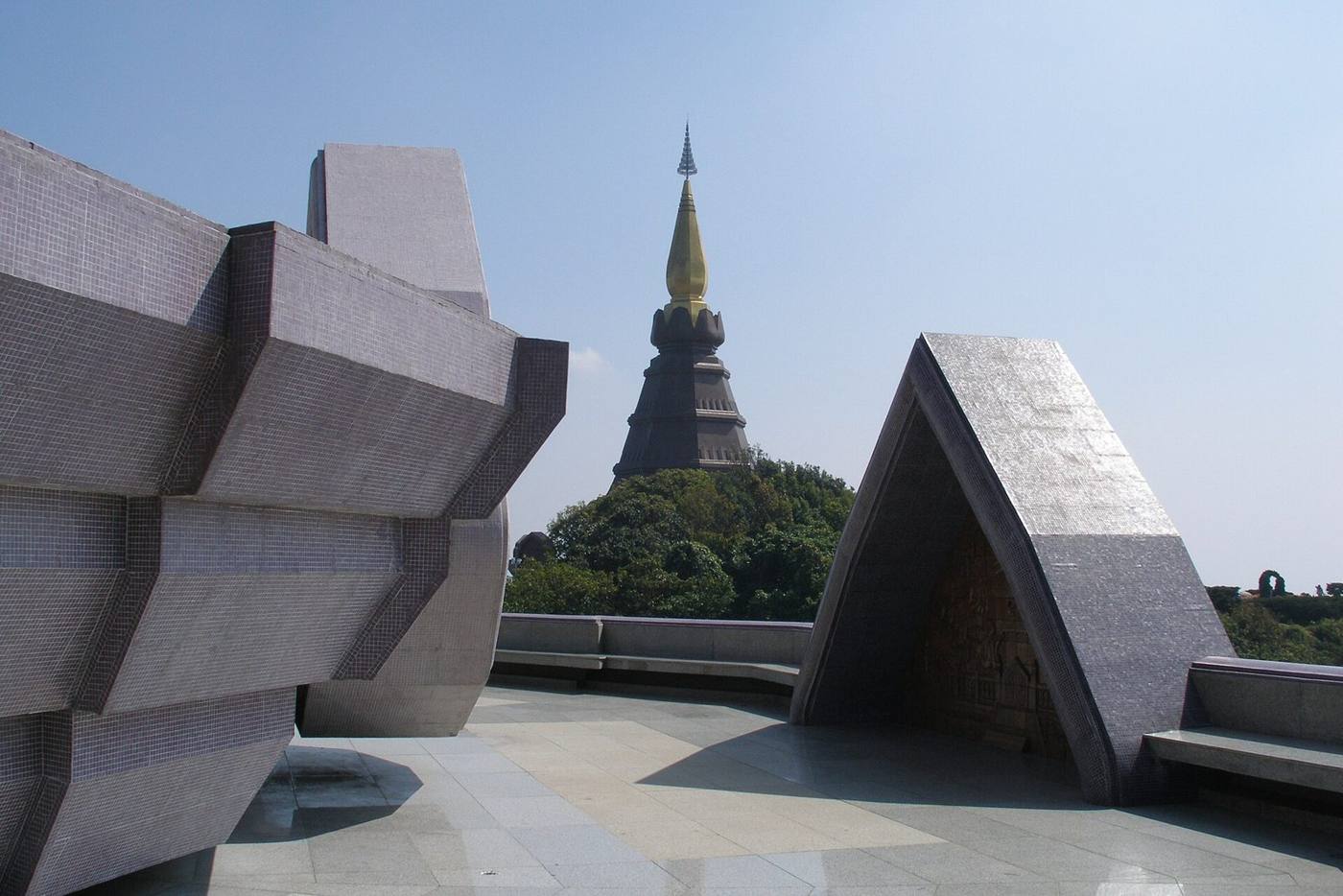 5 daysEasy
Chiang Mai in depth and Doi Inthanon
The northern capital: the walled old city and the temples of Wat Chedi Luang and Wat Phra Singh, Doi Suthep on the hill, night markets, a Thai cooking class and Doi Inthanon, the country's highest mountain, with waterfalls and royal pagodas.
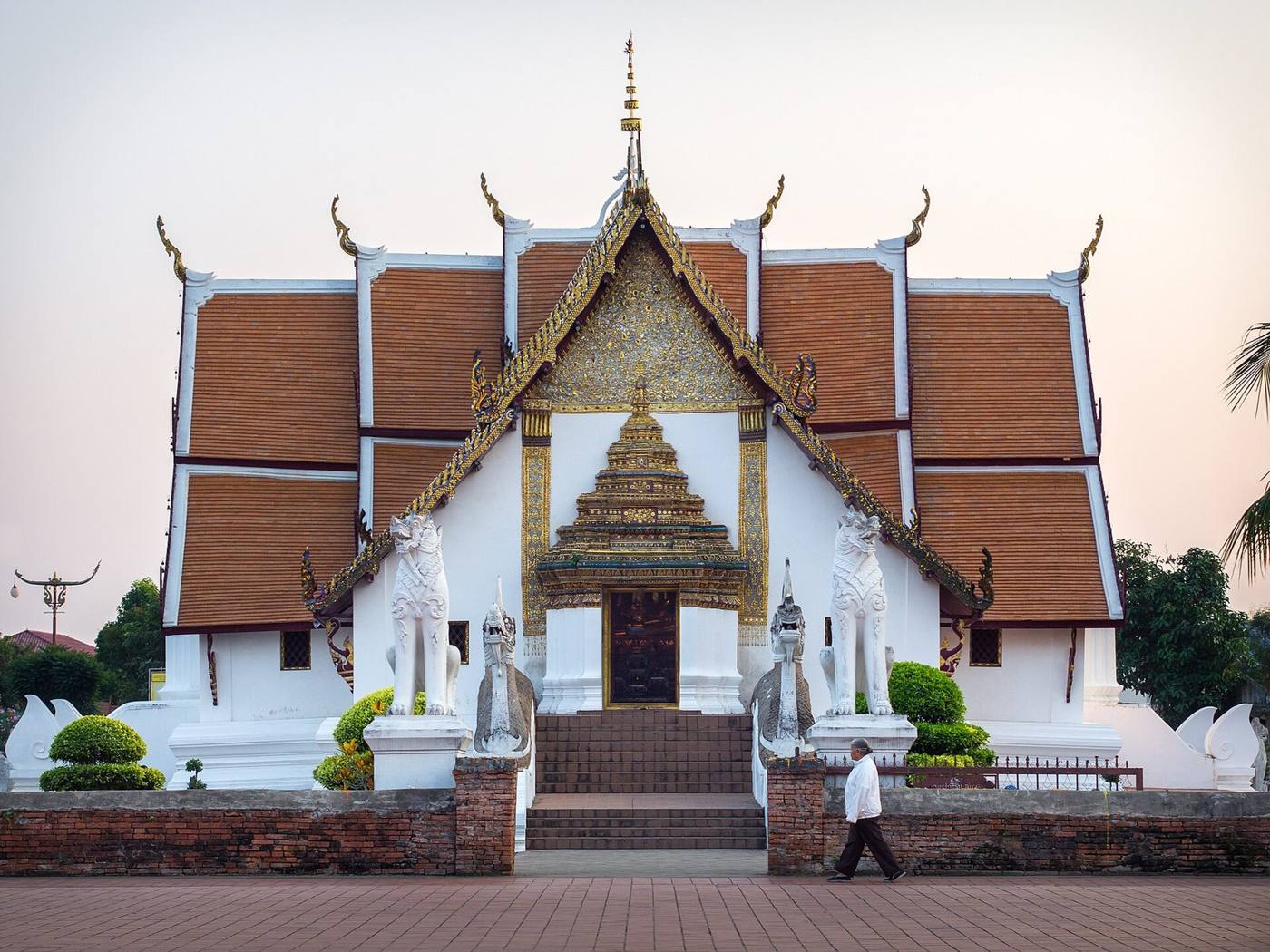 5 daysEasy
Nan and Phrae
Northern Thailand off the beaten track: Nan with Wat Phumin and its murals, the mountains of Doi Phu Kha and the salt village of Bo Kluea, Phrae with its teak houses and Burmese-style temples.