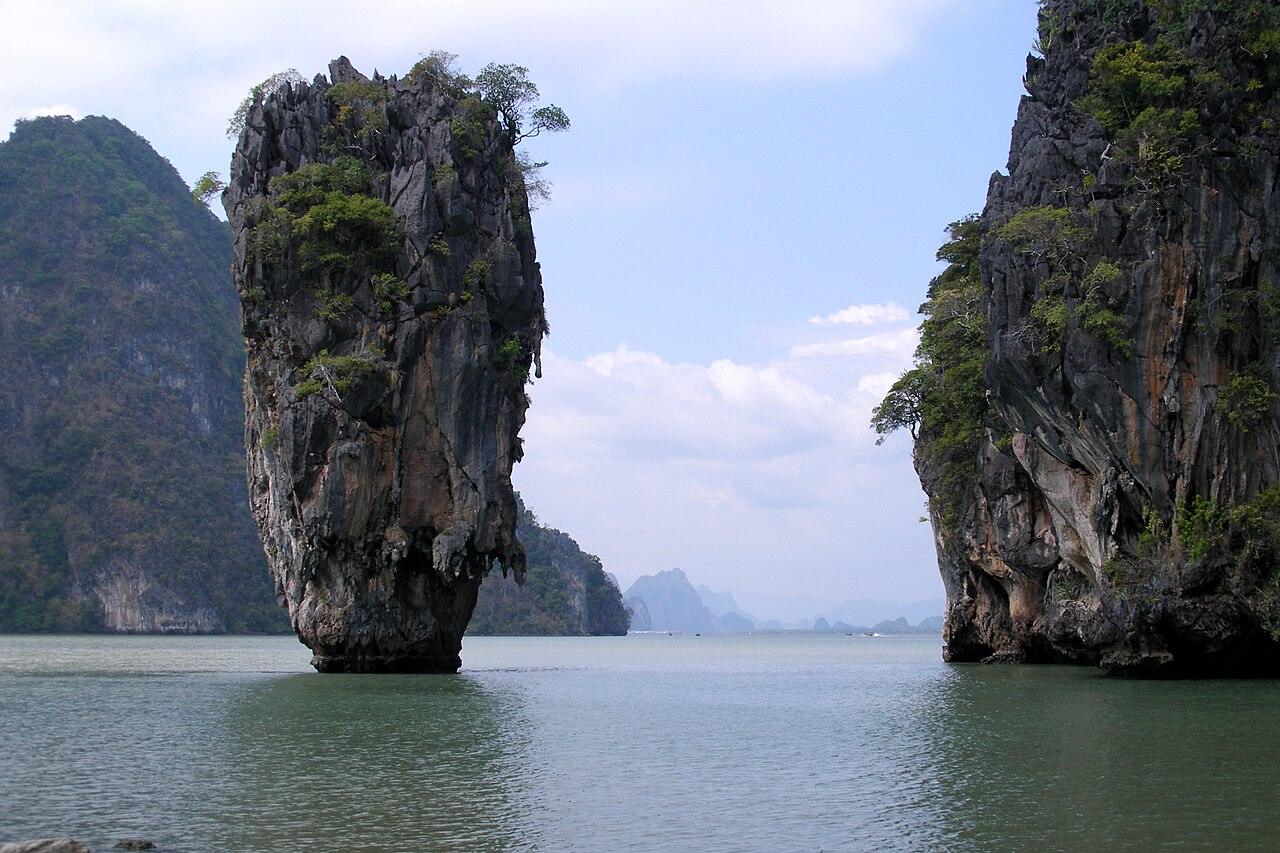
Bangkok and the Andaman Sea islands
A few days in the city and the rest among Krabi, Phi Phi, Koh Lanta and Koh Lipe.
- Bangkok
- Krabi
- Railay
- Phi Phi
- Koh Lanta
- Koh Lipe
Day by day
- Day 1
Arrival in Bangkok
This trip is the great classic of the sea in Asia: three days in Bangkok among temples, markets and street food, then the islands of the Andaman Sea, from Krabi to the cliffs of Railay, from Koh Phi Phi and Maya Bay to quiet Koh Lanta, and on to Koh Lipe, on the edge of Tarutao marine park. You travel with one domestic flight and then by boat from island to island.
Before you go: since 15 September 2026 Italian citizens can enter Thailand without a visa for a tourist stay of up to 30 days, with a passport valid for at least six months. In the three days before arrival you must fill in the digital arrival card online, the TDAC, on the official website. Other nationalities should check their own rules. The British Foreign Office advises against all but essential travel to the provinces of Yala, Pattani and Narathiwat, to some districts in the south of Songkhla province and to within 20 kilometres of the border with Cambodia. This trip does not touch these areas: Koh Lipe is in Satun province.
You arrive at Suvarnabhumi airport after a long flight. The airport rail link takes you into the city in about half an hour; by taxi it takes longer, depending on traffic.
In the afternoon rest, then board a public boat on the Chao Phraya river, the great waterway of the city, and watch the temples, skyscrapers and old wooden houses go by.
In the evening have dinner with a pad thai or a tom yum, the hot and sour soup with prawns, at a night market.
Sleep in Bangkok, for three nights, near the river or a Skytrain station.
Practical tip: buy a local SIM card with data at the airport. Ride hailing apps save you from arguing about prices with taxi drivers.
- Day 2
The Grand Palace, Wat Pho and Wat Arun
Today you visit the three most famous places in old Bangkok, on the island of Rattanakosin.
In the morning arrive at opening time at the Grand Palace, built from 1782, when Bangkok became the capital of the kingdom. Inside the walls stands Wat Phra Kaew, the most sacred temple in Thailand, with the Emerald Buddha, a small statue of green jade dressed in golden robes that the king changes each season. Around it you will see golden stupas, giant guardian demons and walls painted with the stories of the Ramakien, the Thai version of the Ramayana. You need covered clothing, with shoulders and legs hidden. Check prices and times.
A few steps away visit Wat Pho, the temple of the reclining Buddha, about 46 metres long and covered in gold, with feet inlaid with mother of pearl. Wat Pho is also the birthplace of traditional Thai massage, and still has a school inside the temple.
In the afternoon take the small ferry across the river to Wat Arun, the Temple of Dawn, with its tall tower decorated with coloured porcelain. Climb the steep steps of the base to see the river from above. Check prices and times.
At sunset watch Wat Arun lit up from the opposite bank.
In the evening have dinner in the Banglamphu district, near Khao San Road, with street food.
Sleep in Bangkok.
Practical tip: if someone in front of the palace tells you it is closed today and offers you a tuk-tuk tour, it is a well known scam. Always go to the official entrance.
- Day 3
Markets and street food
Today you discover the Bangkok of markets and food.
If it is Saturday or Sunday, in the morning go to Chatuchak market, one of the largest open air markets in the world, with thousands of stalls of clothes, ceramics, plants, design objects and food. Arrive early, before the heat. On other days, visit Or Tor Kor market, the cleanest in the city, with the finest tropical fruit: mango, durian, mangosteen, rambutan.
At midday go to the Pak Khlong Talat flower market, near the river, with mountains of orchids, jasmine and garlands for temple offerings.
In the afternoon walk through the Talat Noi district, with its old Chinese houses, workshops selling engine parts and painted walls, then visit the temple of Wat Traimit, with the solid gold Buddha, weighing more than five tonnes. Check prices and times.
To rest, stroll in Lumphini Park, the green lung of the centre, where large monitor lizards swim in the ponds.
In the evening go to Chinatown, along Yaowarat Road, under the neon signs. After dark the stalls fill the pavements: try grilled fish, noodle soup, fried oysters and sweets of mango and sticky rice.
Sleep in Bangkok.
Practical tip: for street food choose stalls with lots of local people and food cooked in front of you. Say mai phet if you do not want it spicy.
- Day 4
Flight to Krabi
Today you leave the city for the Andaman Sea.
In the morning take a flight from Bangkok to Krabi, about an hour and twenty minutes. From the plane you see the first towers of limestone, covered in forest, rising from the sea and the rice fields: it is the typical landscape of this coast.
From the airport go to the Ao Nang area or to Krabi town, about half an hour away. Ao Nang is the departure point for boats to the islands and to Railay; Krabi town, on the river, is more authentic and quiet.
In the afternoon visit Wat Tham Suea, the Tiger Cave temple, a few kilometres from town. The temple lies in an area of caves and forest, but the most famous part is the staircase of more than a thousand steps that climbs to the top of a mountain, with a large statue of the Buddha and a huge view over the cliffs, the rice fields and the sea. Climb in the late afternoon, with plenty of water: the climb is hard and it is hot. Cover your shoulders and legs.
At sunset head back towards the coast and walk along the seafront.
In the evening, if it is the weekend, visit the night market in Krabi town, with live music and street food. Try massaman, the mild southern curry with potatoes and peanuts, and roti with banana.
Sleep in Krabi or Ao Nang.
Practical tip: there are many monkeys at the Tiger Cave temple. Do not carry food or plastic bags in sight, and keep your rucksack closed.
- Day 5
Railay, among the cliffs
Today you reach Railay, a peninsula that feels like an island.
In the morning take a longtail boat from Ao Nang, about a quarter of an hour. Railay is attached to the mainland, but high limestone walls cut it off from the rest of the coast, so you can only arrive by boat. There are no roads and no cars.
Railay has two sides: Railay West, with a white sand beach and turquoise water between the cliffs, and Railay East, with mangroves and the pier. A ten minute path links them.
Late in the morning walk to Phra Nang beach, one of the most beautiful in Thailand, beneath a rock wall with stalactites. At the end of the beach is the Princess Cave, where fishermen leave offerings of coloured wood to ask for protection at sea.
In the afternoon, if you are fit, climb to the Railay viewpoint and down to the hidden lagoon. The path is very steep, muddy and fitted with ropes: you need suitable shoes, strong arms and no heavy bags. If you do not feel up to it, stay on the beach and swim.
At sunset return to Railay West: the sun sets among the islands and the longtail boats.
In the evening have a simple dinner of green curry and grilled fish.
Sleep in Railay, for two nights.
Practical tip: at low tide the boats cannot reach the pier and you step into water up to your knees. Bring small, light rucksacks instead of wheeled suitcases.
- Day 6
Climbing, caves and kayaking at Railay
Today you enjoy Railay slowly, between rock and sea.
Railay is one of the most famous sport climbing destinations in Asia, with hundreds of routes on the limestone walls above the beaches. In the morning, while the rock is still in the shade, try a half day course for beginners with a qualified guide. You will learn to use the harness and the rope, and you will climb easy walls with a view of the sea. Check that the school uses equipment in good condition.
If you do not want to climb, visit Diamond Cave, near Railay East, with wooden walkways among stalactites and stalagmites. Check prices and times.
In the afternoon rent a kayak and paddle along the cliffs to the sea caves and the small nearby beaches, or take the four islands tour by longtail boat: Koh Poda, Koh Kai, Chicken Island, and Koh Tup, joined by a strip of sand that appears at low tide. They lie within Hat Noppharat Thara and Mu Ko Phi Phi National Park: check prices and times.
Towards evening walk on Tonsai beach, next to Railay, reachable on foot at low tide, simpler and popular with climbers.
At sunset sit on the sand of Railay West with a fresh coconut.
Sleep in Railay.
Practical tip: between ten and three the sun is fierce. Climb and do your excursions early in the morning or in the late afternoon.
- Day 7
Koh Phi Phi Don
Today you reach the Phi Phi archipelago.
In the morning take the ferry from Railay or Ao Nang to Koh Phi Phi Don, about two hours. There are two Phi Phi islands: Phi Phi Don, the larger and the only inhabited one, and Phi Phi Leh, smaller, made of sheer walls, with Maya Bay.
Phi Phi Don is shaped like two islands joined by a thin sandy isthmus, with a bay on each side. In the village of Tonsai, on the isthmus, there are alleys full of shops and bars. On 26 December 2004 the Indian Ocean tsunami struck the isthmus from both sides and destroyed almost everything. Today the village has been rebuilt, and along the streets you see the evacuation route signs.
In the afternoon climb to the Phi Phi viewpoint, about half an hour of steps in the heat. From above you see the two bays of Tonsai and Loh Dalum, separated by the strip of sand, among green hills: it is one of the most beautiful views in Thailand.
Then go down to Loh Dalum bay for a swim, or take a longtail boat to Long Beach, with a coral reef close to the shore.
In the evening the village is very noisy, with music until late. If you are looking for calm, stay in a more distant bay, reached by boat.
Sleep on Koh Phi Phi Don, for two nights.
Practical tip: on arrival at the pier you pay a small contribution for cleaning the island. Have cash in baht ready.
- Day 8
Maya Bay and Phi Phi Leh
Today you visit Phi Phi Leh, the most spectacular island of the archipelago.
Set off very early, before seven, with a private longtail boat or a small group, to reach Maya Bay before the big boats from Phuket. The bay, enclosed by high vertical rock walls, became famous in 2000 with the film The Beach. Mass tourism ruined it: in 2018 the authorities closed it for several years to let the corals recover and the blacktip sharks return.
Today the bay is open again, with strict rules. Boats dock at the back of the island and you walk along a boardwalk to the beach. Swimming in the bay is forbidden, and anyone who enters the water is fined. Every year Maya Bay closes for two months, in August and September. Check the national park prices and times.
After Maya Bay the boat enters Pileh lagoon, a natural pool of emerald green water surrounded by cliffs, where you can swim. Then it passes the Viking Cave, where swiftlet nests are collected, seen only from outside.
In mid morning go snorkelling in a nearby bay, with colourful fish and corals. If you have time, go to Bamboo Island, with a white beach and shallow water.
In the afternoon rest on Phi Phi Don.
Sleep on Koh Phi Phi Don.
Practical tip: do not feed the fish and do not touch the corals. Park rangers check and the fines are high.
- Day 9
Koh Lanta, the quietest
Today you move to the calmest of the large Andaman islands.
In the morning take the ferry from Phi Phi to Koh Lanta, about an hour and a half. Koh Lanta Yai is a long, narrow island, with a west coast of long golden beaches and an east coast of mangroves and fishing villages. The interior is covered in hills with forest and rubber plantations.
On Koh Lanta Muslim families, Buddhists of Chinese origin and the Urak Lawoi community, the sea nomads, who for centuries lived from fishing among these islands, live side by side. That is why the atmosphere is different from Phi Phi: fewer parties, more villages and a simple life.
In the afternoon settle on one of the beaches of the west coast: Klong Dao, the most convenient and good for families, Long Beach, long and wide, or Kantiang, further south, in a bay enclosed by hills.
Have a long swim and walk on the sand until sunset, which here is spectacular, with the sun setting straight into the sea.
In the evening have dinner at a seafood place on the beach, with a yellow crab curry or a whole steamed fish with lime and chilli.
Sleep on Koh Lanta, for three nights.
Practical tip: the island is about thirty kilometres long and has no public transport. Rent a scooter only if you are experienced, with a helmet, or use the island tuk-tuks.
- Day 10
The old town and Mu Ko Lanta National Park
Today you discover the soul of Koh Lanta, away from the beaches.
In the morning go to the east coast, to Lanta Old Town, the historic port of the island. Here wooden houses on stilts look out over the sea, with spice shops, workshops and small cafés overlooking the water. For centuries the port was a stopping point for Chinese and Arab traders sailing between Penang and Phuket.
Near the village you can visit an Urak Lawoi community, with their colourful boats and simple houses. Respect their way of life: always ask before photographing people.
In the afternoon go to the southern tip of the island, in Mu Ko Lanta National Park. At Tanod cape there is a white lighthouse on a rocky headland, with a wide view over the sea and the islands. Follow the nature trail into the forest, where you can see monkeys, monitor lizards and birds. Check prices and times.
If you prefer, take a kayak trip through the mangroves of the east coast, where the roots rise out of the water like legs and crabs, mudskippers and herons live.
At sunset return to the west coast and stop at a viewpoint in the hills.
Sleep on Koh Lanta.
Practical tip: in the park there are many monkeys used to tourists. Do not leave bags or food unattended on the beach and lock your scooter carefully.
- Day 11
The Trang islands and the Emerald Cave
Today you take a boat trip among the islands south of Lanta.
In the morning set off by speedboat on the four islands tour, in Trang province. The first stop is often Koh Mook, with Morakot cave, the Emerald Cave. With the right tide, you swim with a life jacket for about eighty metres through a dark tunnel in the rock, following the guide's torch, until you come out on a small hidden beach, enclosed by vertical walls, with a circle of sky above your head. According to legend, pirates once hid their treasure there.
Then the boat stops at Koh Kradan, with one of the whitest beaches in Thailand and a coral reef in front of the shore, perfect for snorkelling. The other stops are Koh Ngai, with shallow clear water, and Koh Chueak, with rock walls and colourful fish.
Alternatively, in the dry season you can go to Koh Rok, two twin islands in the open sea, inside Mu Ko Lanta National Park, with white sand and turquoise water. Check prices and times.
In the late afternoon you return to Koh Lanta. Have a last swim and pack your bags for tomorrow's crossing.
Sleep on Koh Lanta.
Practical tip: the Emerald Cave can only be visited at the right tide and with a calm sea. Listen to the guide, keep your life jacket on and do not go in if you are afraid of the dark.
- Day 12
By boat to Koh Lipe
Today you reach the furthest point of the trip, close to the border with Malaysia.
In the morning take the speedboat from Koh Lanta to Koh Lipe, about four hours, with stops at the Trang islands. This route usually runs only in the dry season, from November to April: check the times. Out of season you travel overland to the port of Pak Bara, in Satun province.
Koh Lipe is a small island of white sand, on the edge of Tarutao Marine National Park, which protects dozens of islands in the southern Andaman Sea. You can walk around the whole island in a few hours. Its people are mostly Urak Lawoi, the sea people.
In the afternoon settle in and discover the three main beaches. Pattaya Beach, in the south, is the longest, with longtail boats and bars. Sunrise Beach, in the east, looks out to the islands of Adang and Rawi. Sunset Beach, in the west, is the smallest and quietest.
At sunset walk to Sunset Beach and watch the sun go down among the rocks.
In the evening stroll along the pedestrian Walking Street, which crosses the island between Pattaya and Sunrise, with stalls, fruit and grilled fish.
Sleep on Koh Lipe, for three nights.
Practical tip: on Koh Lipe there are few cash machines, with high fees. Bring enough cash from Koh Lanta, and keep it safe.
- Day 13
Snorkelling in Tarutao park
Today you explore the islands of Tarutao park, among the finest underwater areas in Thailand.
In the morning take a longtail boat with a local boatman for a full day of snorkelling. The waters around Koh Lipe are clear and rich in soft and hard corals, clownfish in anemones, parrotfish and, sometimes, turtles.
The boat heads towards Koh Adang, the large mountainous island facing Lipe, covered in forest, and Koh Rawi, with long empty beaches. Among the most famous places is Koh Hin Ngam, an island covered in smooth, shiny black stones, polished by the sea. According to a local legend, anyone who takes a stone away is cursed: leave them all where they are.
Snorkel on several reefs, such as Koh Yang or the wall of Koh Jabang, with its colourful soft corals. Have a picnic lunch on a beach on Adang or Rawi, in the shade of the trees.
In the afternoon, on the way back, stop to swim in another bay of the park. Check the national park prices and times.
In the evening return to Koh Lipe, have a shower and dinner with grilled fish on Sunrise Beach.
Sleep on Koh Lipe.
Practical tip: bring reef safe sun cream, a long sleeved shirt and plenty of water. On a longtail boat there is no shelter from the sun.
- Day 14
Sunrise on Adang and a slow day
Today you enjoy Koh Lipe at an easy pace, on your last day by the sea.
Early in the morning take a longtail boat to Koh Adang, a few minutes from Lipe. From the ranger station on the beach a steep path climbs through the forest to Chado cliff, about half an hour's walk over roots and rocks. From the top you see Koh Lipe, the turquoise sea and the islands of the park: in the dawn light it is one of the finest views in the south.
Tarutao park also has a harsh history. On the island of Tarutao, the largest, in the 1930s and 1940s there was a penal colony for common and political prisoners. During the Second World War, without supplies, prisoners and guards turned to piracy in the Strait of Malacca. Today the island is almost entirely forest, with wild beaches.
Return to Lipe for breakfast and spend the rest of the day on the beach, with a Thai massage in the shade or a kayak trip along the coast.
In the afternoon prepare for the journey home: buy the boat ticket and check the flight times.
At sunset go back to Sunset Beach for the last time.
In the evening have dinner with a southern curry and a tropical fruit shake.
Sleep on Koh Lipe.
Practical tip: the path to Chado is steep and slippery. Set off early, with closed shoes and a torch, and do not climb it after rain.
- Day 15
Return via Hat Yai or Langkawi
On the last day you leave Koh Lipe to go home. You have two options.
The first: take the speedboat to the port of Pak Bara, about an hour and a half, then a minibus or car to Hat Yai airport, about two hours, and a flight to Bangkok, where you catch the long haul flight. The city of Hat Yai is not in the areas the Foreign Office advises against, but it does advise against the railway between Hat Yai and Padang Besar: use the road and the plane, not that train.
The second: in the dry season, take the boat from Koh Lipe to the Malaysian island of Langkawi, about an hour and a half. Before leaving, clear Thai exit immigration at the office on Koh Lipe. From Langkawi there are flights to Kuala Lumpur and from there to Europe. Check the entry rules for Malaysia.
Either way, leave plenty of margin between the boat and the flight: the sea can be rough and boats leave late.
What to bring home: Thai silk, curry paste, tea and spices, soap and massage oils, cashew nuts from the south.
This trip combines the Bangkok of temples and markets with the Andaman Sea, with the cliffs of Railay, the crowded beauty of Phi Phi, the calm of Koh Lanta and the clear waters of Koh Lipe.
When to go: from November to March the Andaman Sea is calm and the sky is clear. From May to October the monsoon arrives, the sea is rough and many boats do not run.
Practical tip: keep your passport to hand on domestic flights and boats too.
Asia's classic beach trip, with islands to suit every taste. Phi Phi and Maya Bay are very crowded, while Koh Lanta and Koh Lipe are quieter. From May to October the Andaman Sea is rough and many boats do not run.
Before you go
- Documents and visa
- Passport valid for at least six months. Since 15 September 2026 many nationalities, including most EU citizens, enter without a visa for tourism for up to 30 days. Before each entry, within the three days beforehand, the no-cost Thailand Digital Arrival Card (TDAC) must be completed online on the official website.
- Health and vaccines
- No vaccines required arriving from Europe; ask your doctor about hepatitis A and typhoid. Dengue is present: use repellent. Do not drink tap water. Health insurance recommended. Emergencies: 191 police, 1669 ambulance, 1155 tourist police.
- Money and payments
- Baht. Cards accepted in cities and hotels; markets and small places need cash. ATMs charge a flat fee for withdrawals with foreign cards.
- Power sockets
- Types A, B, C and O, 220 volts: bring a universal adapter.
- Time zone
- UTC+7, no daylight saving time.
- Safety
- A safe country for travellers. Avoid the southernmost provinces near Malaysia and the border strip with Cambodia. Beware of tuk-tuk and gem scams, and of scooter traffic. Official advice: GOV.UK.
Information checked in November 2026 for Italian and EU citizens. Rules change: always check before you travel.
Variations
In 10 days: two days in Bangkok, then Railay and Koh Lanta, returning from Krabi.
In 20 days: add the Trang islands with Koh Mook and Koh Kradan for a few nights, or Khao Sok and Cheow Lan Lake before Krabi.
Frequently asked questions
Do I need a visa?
Since 15 September 2026 Italian citizens can enter without a visa for a tourist stay of up to 30 days. In the three days before arrival you fill in the TDAC online. Other nationalities should check their own rules.
Is southern Thailand safe?
The islands on this trip are far from the areas advised against. The British Foreign Office advises against the provinces of Yala, Pattani and Narathiwat, some districts in the south of Songkhla and the Hat Yai to Padang Besar railway. Koh Lipe is in Satun province.
Can you swim at Maya Bay?
No, swimming in the bay is forbidden and there are fines. You arrive from the back of the island and walk along a boardwalk. The bay closes every year in August and September.
Indicative itinerary written by World Atlas. Before booking, check timetables, seasonal openings, documents and safety.
 10 daysEasy
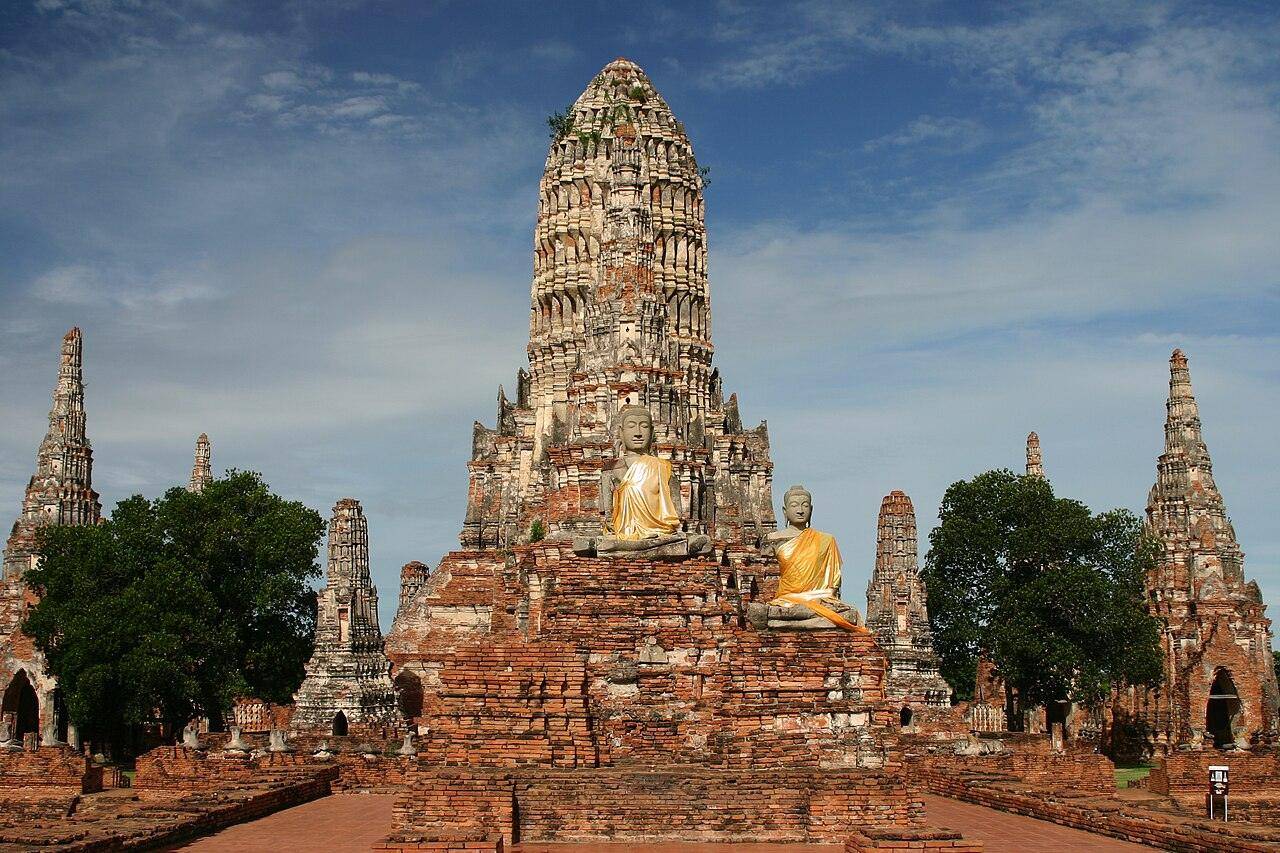
Bangkok, Ayutthaya and the North
Golden temples, the ancient capital, Chiang Mai and an ethical elephant sanctuary.
 15 daysModerate
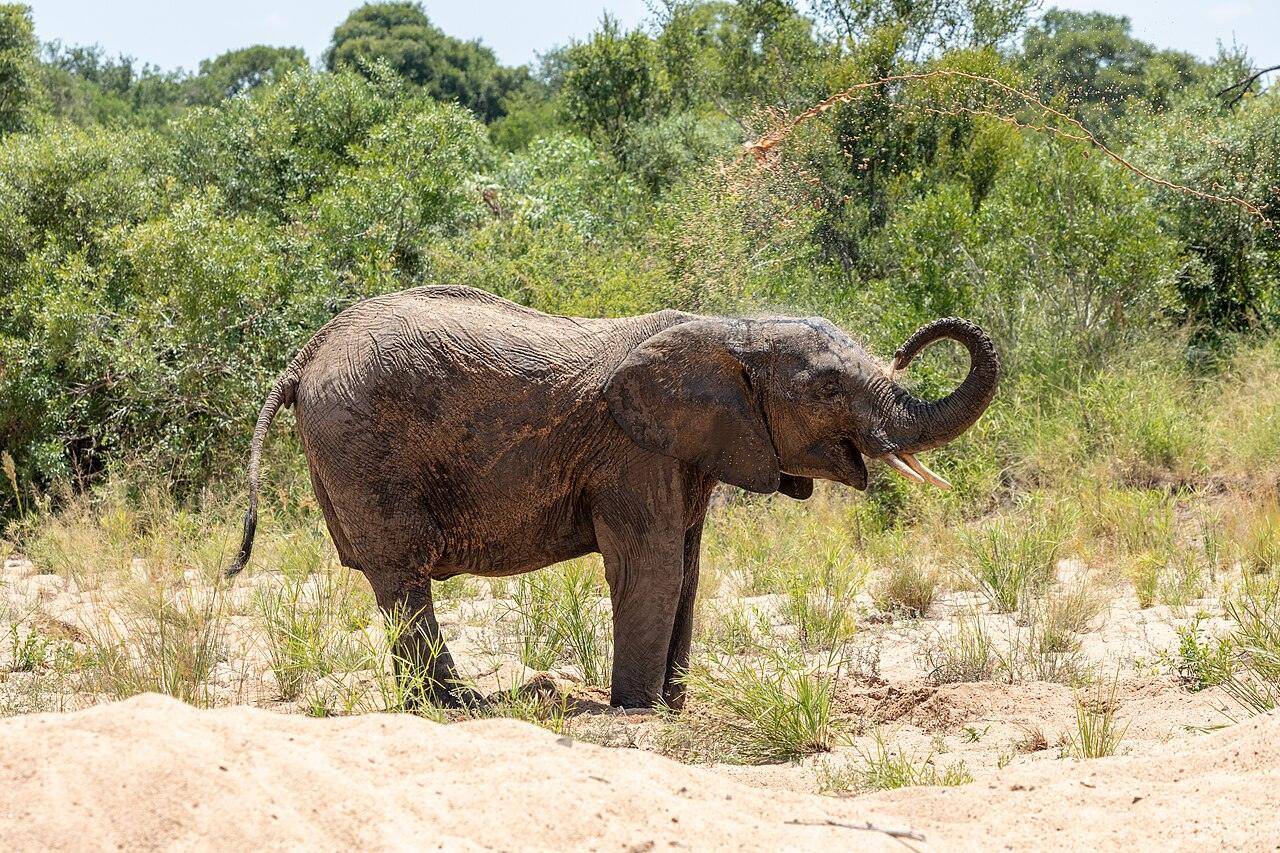
Kruger, the Garden Route and Cape Town
The great classic: a Kruger safari, the scenic Garden Route and a finale in Cape Town.
 7 daysEasy
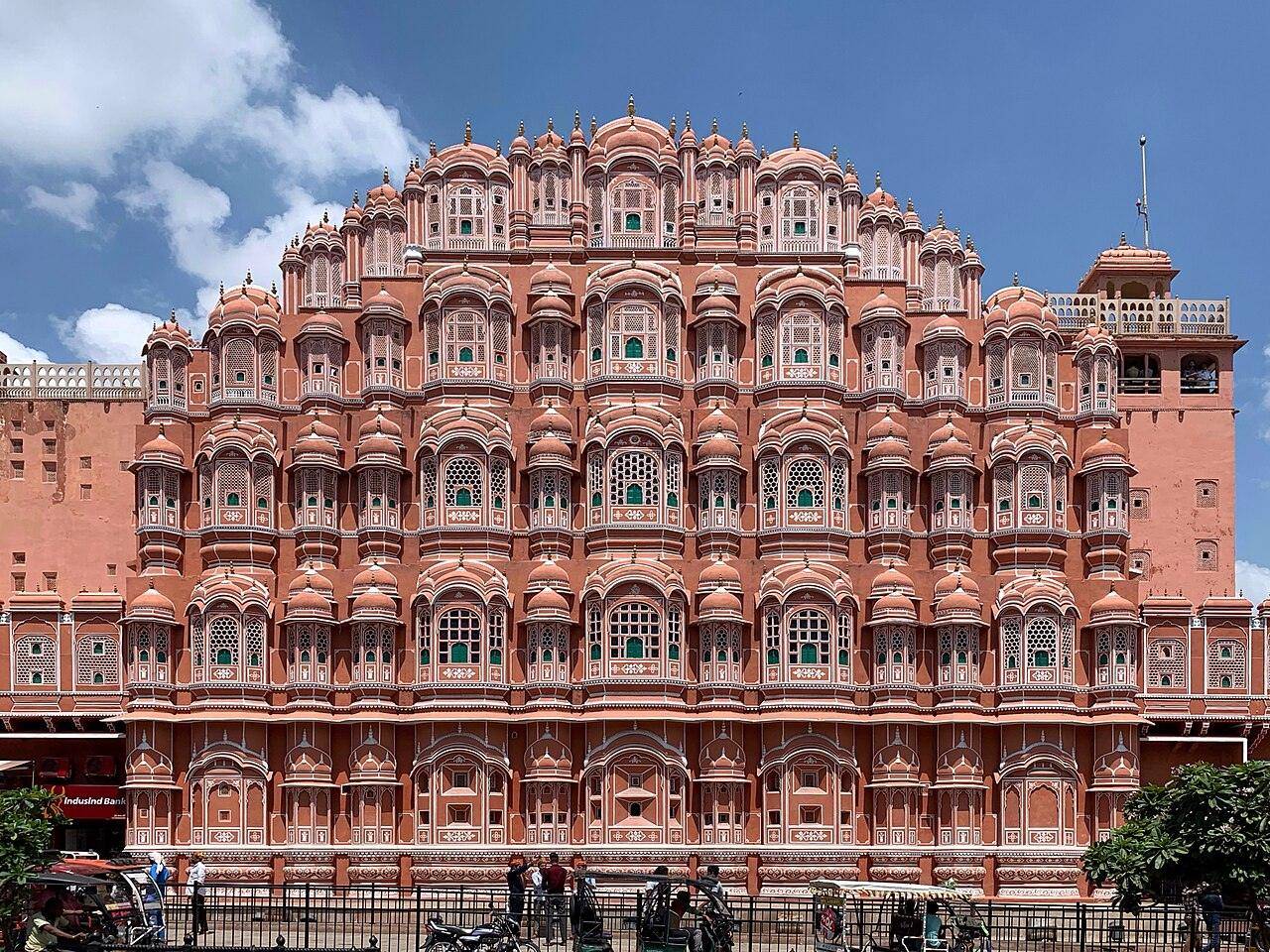
The Golden Triangle: Delhi, Agra and Jaipur
A first time in India: the Taj Mahal at dawn, the forts of Rajasthan and the life of Old Delhi, in one week.