The Golden Triangle: Delhi, Agra and Jaipur
A first time in India: the Taj Mahal at dawn, the forts of Rajasthan and the life of Old Delhi, in one week.
- Delhi
- Agra
- Fatehpur Sikri
- Jaipur
Day by day
- Day 1
Arrival in Delhi
For India EU citizens need a visa. The simplest option is the electronic tourist visa, applied for only on the official Indian government website at least a few days before departure: the 30-day visa costs 25 dollars from July to March and 10 dollars from April to June, according to the official fee table. Beware of intermediary websites charging much more. Your passport must have at least six months' validity and two blank pages.
Indira Gandhi International Airport is half an hour to an hour from the centre, depending on traffic. The Airport Express metro is fast and clean; alternatively take a prepaid taxi from the official counter or a ride-hailing app. To stay, choose central New Delhi around Connaught Place or the quieter residential areas in the south.
On the first day rest after the journey and get used to India: the noise, colours, traffic and crowds can be surprising. In the late afternoon stroll round Connaught Place, the great circular square with white colonnades built by the British, or visit the Sikh temple of Bangla Sahib, where you go in barefoot with your head covered and can see the community kitchen, which serves no-cost meals to thousands of people every day.
Practical tip: drink only sealed bottled water, avoid ice and raw vegetables for the first days and wash your hands often. In Delhi, from October to January, air pollution can be very high: check the air quality index.
- Day 2
Old Delhi by rickshaw and New Delhi
In the morning go to Old Delhi, the city founded by Emperor Shah Jahan in the seventeenth century, the same emperor who built the Taj Mahal. Start at the Jama Masjid, the great Friday mosque, one of the largest in India, whose courtyard can hold thousands of worshippers; you go in barefoot, with arms and legs covered, and can climb a minaret for the view over the rooftops.
Then take a cycle rickshaw through Chandni Chowk, the city's oldest and most chaotic market, with lanes devoted to spices, fabrics, silver and paper. The Khari Baoli spice market, with sacks of chilli that make you sneeze, is one of the largest in Asia.
Visit the Red Fort, residence of the Mughal emperors, a UNESCO World Heritage site, with white marble audience halls; the fort closes on Mondays.
In the afternoon move on to New Delhi, the city designed by the British in the 1920s and 1930s: the great avenue called Kartavya Path, India Gate and the presidential palace. Finish at Humayun's Tomb, a sixteenth-century UNESCO World Heritage site, the first great Mughal mausoleum with a four-part garden, the model for the Taj Mahal. At sunset the light on the red stone is splendid. Practical tip: in Chandni Chowk keep your bag in front of you and split your money between several pockets.
- Day 3
The train to Agra, the Fort and sunset over the Taj Mahal
In the morning take the fast train from Delhi to Agra: the Gatimaan Express and Vande Bharat take under two hours. Tickets are sold on the Indian Railways website or through agencies, and it is worth booking ahead. Alternatively go by car with a driver, about three or four hours on the expressway.
In Agra visit Agra Fort, a UNESCO World Heritage site, a red sandstone citadel built by Emperor Akbar and turned into a palace by his successors. Shah Jahan, deposed by his son, spent his last years here as a prisoner, and from the windows of the octagonal marble tower he could see the Taj Mahal, his wife's tomb, along the river.
In the afternoon visit the Tomb of Itimad-ud-Daulah, called the Baby Taj, a jewel of white marble inlaid with coloured stones, considered the forerunner of the Taj Mahal and much quieter.
At sunset go to Mehtab Bagh garden on the other bank of the Yamuna, facing the Taj Mahal: from here you see the mausoleum reflected in the water in the pink and orange evening light, without the crowds. According to legend, Shah Jahan wanted to build a black Taj here for himself. Sleep in Agra. Practical tip: the Taj Mahal closes on Fridays; if your visit falls on a Friday, swap the programme around.
- Day 4
The Taj Mahal at dawn and Fatehpur Sikri
The alarm goes off early: the Taj Mahal opens at dawn, and the morning light on the white marble, changing from pink to dazzling white, is one of the finest moments of any journey. The Taj was built by Shah Jahan between 1632 and 1653 as a mausoleum for his wife Mumtaz Mahal, who died in childbirth, and is a UNESCO World Heritage site.
The ticket for foreigners costs 1,100 rupees, plus 200 rupees to enter the main mausoleum with the tombs; it includes shoe covers and a small bottle of water. It is best bought online. At the entrance there are strict security checks: food, tripods, drones and many other items are banned; bring only the essentials.
You enter through the great sandstone gate and suddenly the mausoleum appears at the end of the garden with its water channels. Approach slowly: look at the pietra dura inlays in the marble, the Koranic calligraphy that looks the same size from bottom to top, and the four minarets leaning slightly outwards.
In the afternoon leave for Jaipur, about four or five hours by car, stopping at Fatehpur Sikri, the imperial city built by Akbar in the sixteenth century and abandoned a few years later, perhaps for lack of water. The red sandstone palaces and great mosque are intact. Practical tip: at Fatehpur Sikri many people offer themselves as guides; choose only licensed guides with an ID card.
- Day 5
Jaipur: Amber Fort, the Palace of Winds and Jantar Mantar
Jaipur, the pink city and capital of Rajasthan, was founded in 1727 by Maharaja Jai Singh II, an astronomer and town planner, on a grid plan, rare for the time. In 1876 the centre was painted pink to welcome the Prince of Wales, and it has kept the colour ever since. The historic city is a UNESCO World Heritage site.
Early in the morning go to Amber Fort, about half an hour from the centre, a great fortified palace on a hill reflected in Maota Lake. Inside are courtyards, gardens and the hall of mirrors, the Sheesh Mahal, decorated with thousands of small mirrors that sparkle even by the light of a single candle. You go up on foot or by jeep; elephant rides are criticised by many animal welfare groups.
On the way back stop to photograph the Jal Mahal, the palace that seems to float in the middle of Man Sagar Lake.
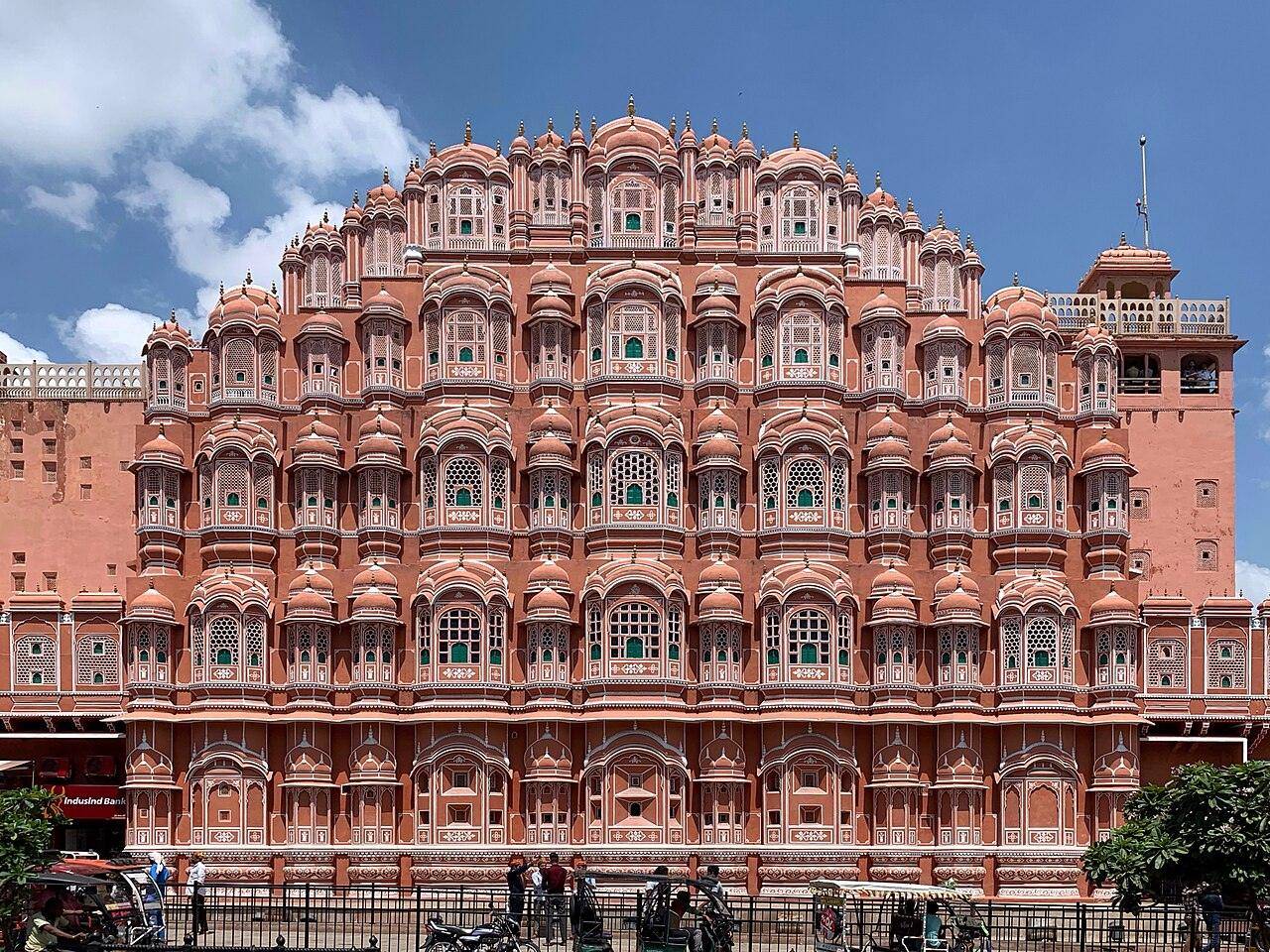
In the afternoon visit the Palace of Winds, the Hawa Mahal, a pink sandstone façade with 953 small windows, built so that court women could watch street life without being seen. Then enter Jantar Mantar, Jai Singh's astronomical observatory, a UNESCO World Heritage site, with giant stone instruments including a sundial twenty-seven metres high, accurate to a few seconds. Practical tip: buy the composite ticket, valid for several Jaipur monuments over several days.
- Day 6
Jaipur: City Palace, the bazaars and the stepwell
In the morning visit the City Palace, residence of the maharajas of Jaipur, where the royal family still lives in part of the palace. The halls hold collections of royal costumes, weapons, carpets and manuscripts; the Peacock Courtyard has four gates decorated with the seasons, and there are two huge silver urns, among the largest in the world, used by a maharaja to carry Ganges water with him on a trip to England.
Then stroll through the old city bazaars: Johari Bazaar for jewellery, Bapu Bazaar for fabrics, embroidered shoes called mojari and hand block-printed textiles, a traditional Rajasthani technique. Always bargain kindly and calmly.
In the early afternoon go to the Panna Meena stepwell near Amber Fort, a seventeenth-century well with hundreds of steps arranged geometrically down to the water: it was a place to draw water and keep cool in the hot months. You can no longer walk down the steps, but the view from above is very photogenic.
In the late afternoon head back to Delhi, about five or six hours by car, or take a train or domestic flight of about an hour. Practical tip: beware of offers to make money by buying gems to resell in Europe: it is a common scam in Jaipur.
- Day 7
Departure from Delhi
The last day depends on your flight time. Many international flights from Delhi leave at night or early in the morning; if you still have a few hours, there are some quiet places to visit.
The Qutub Minar in south Delhi, a UNESCO World Heritage site, is a red sandstone and marble minaret seventy-three metres high, begun at the end of the twelfth century, with Koranic inscriptions carved in bands. In the complex there is also an iron pillar more than sixteen hundred years old that does not rust.
Alternatively, Lodhi Garden is a large park with tombs of the fifteenth- and sixteenth-century dynasties, used by locals for running and walking. The Lotus Temple, shaped like a white marble flower, is a place of prayer open to all religions.
In the evening, if your flight is at night, you can visit the Sufi shrine of Nizamuddin, where qawwali, Sufi devotional songs, are sung on Thursday evenings.
Things to take home: Darjeeling or Assam tea, spices, Jaipur hand block-printed fabrics, cashmere shawls only from reputable shops, and inlaid marble from Agra. Practical tip: reach Delhi airport at least three hours before international flights; to enter the terminal you need your ticket and passport, and security queues can be long.
A first time in India, in the least overwhelming way: three cities, short distances and the finest monuments. The Taj Mahal at dawn is worth the early start. Traffic and pushy sellers are tiring, and a private driver makes everything easier.
Before you go
- Documents and visa
- Passport with at least six months' validity and two blank pages, plus an electronic tourist visa from the official Indian government website: 30 days for 25 dollars from July to March, 10 dollars from April to June.
- Health and vaccines
- No compulsory vaccines arriving from Europe; ask your doctor about hepatitis A, typhoid and malaria depending on the area. Drink only sealed bottled water. Emergencies: 112.
- Money and payments
- Indian rupee. Cards and digital payments are common in cities; markets, villages and rickshaws need cash.
- Power sockets
- Types C, D and M, 230 volts: a universal adapter is useful.
- Time zone
- UTC+5:30 all year: India does not use daylight saving time.
- Safety
- The United States rates India level 2, with level 4 for Jammu and Kashmir (except Ladakh), Manipur and the 10 km strip along the Pakistani border. Official advice: GOV.UK.
Information checked in November 2026 for Italian and EU citizens. Rules change: always check before you travel.
Variations
In 5 days: one day in Delhi, Agra with the Taj Mahal at dawn and two days in Jaipur, flying back from Jaipur.
In 10 days: add Ranthambore for tigers after Jaipur, or Varanasi on the Ganges, reached by plane from Delhi.
Frequently asked questions
How much is the Indian visa?
The 30-day electronic tourist visa costs 25 dollars from July to March and 10 dollars from April to June, according to the official fee table. Apply only on the official Indian government website.
How much is the Taj Mahal?
For foreigners 1,100 rupees, plus 200 rupees to enter the main mausoleum. The Taj Mahal opens at dawn and closes on Fridays.
When is the best time to go?
October to March, with mild, dry days. From April to June it is very hot, often above 40 °C; from July to September there is the monsoon.
Indicative itinerary written by World Atlas. Before booking, check timetables, seasonal openings, documents and safety.
 15 daysModerate
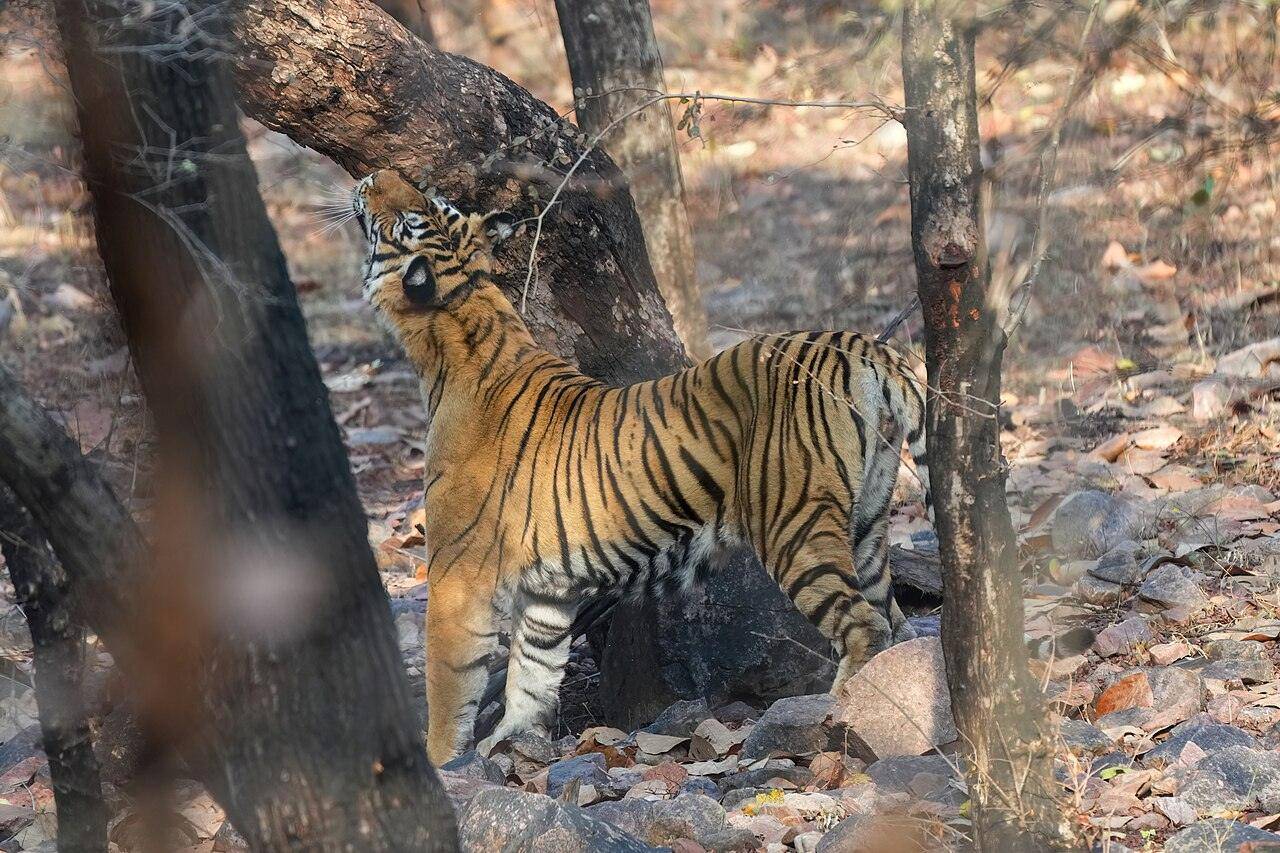
Rajasthan and the tigers of Ranthambore
Palaces, desert and safari: from the Taj Mahal to the blue and golden cities of Rajasthan, with two days in tiger country.
 16 daysModerate
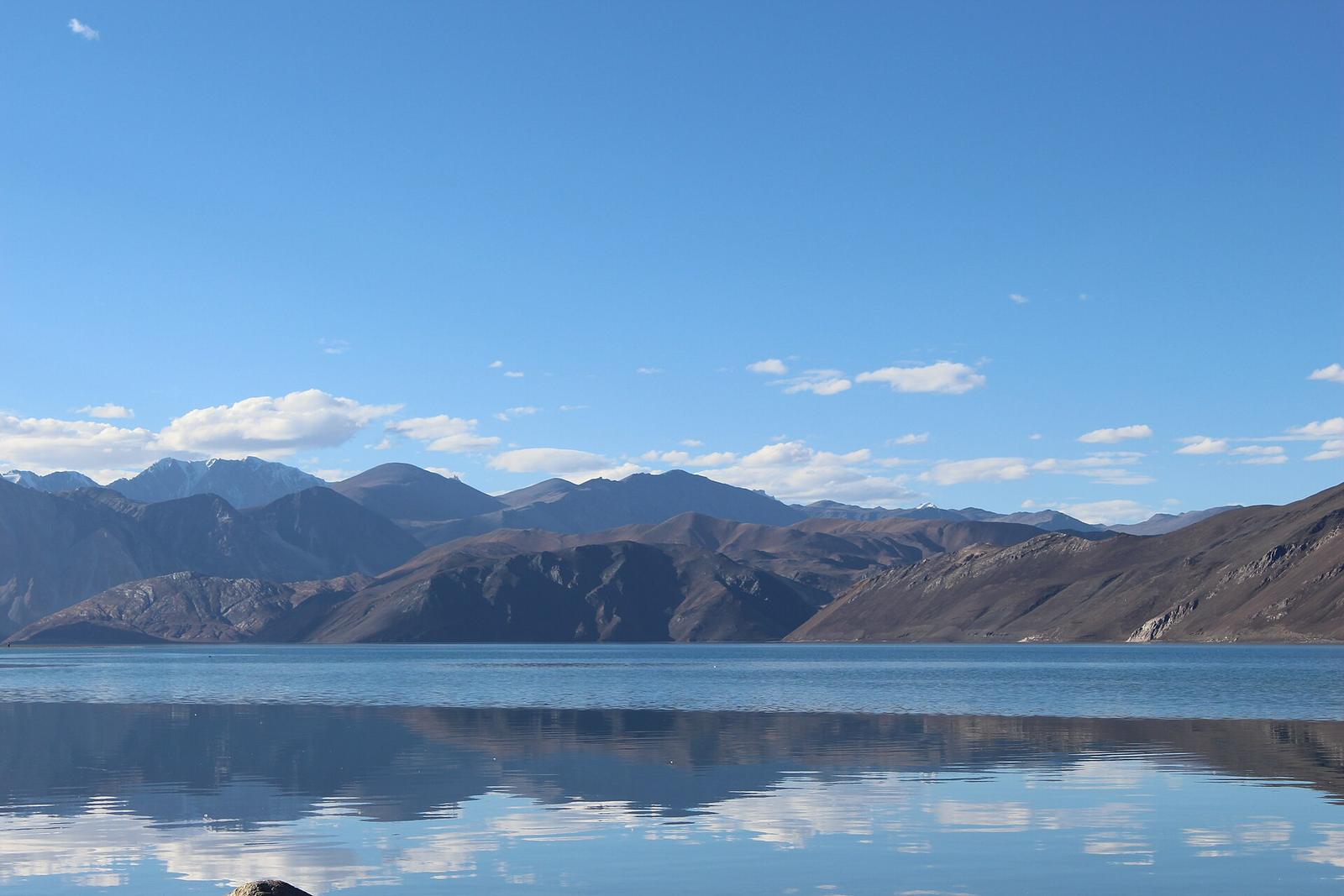
Ladakh, Little Tibet
Buddhist monasteries clinging to the rocks, the Nubra valley with its two-humped camels and Pangong lake at 4,300 metres.
 12 daysEasy
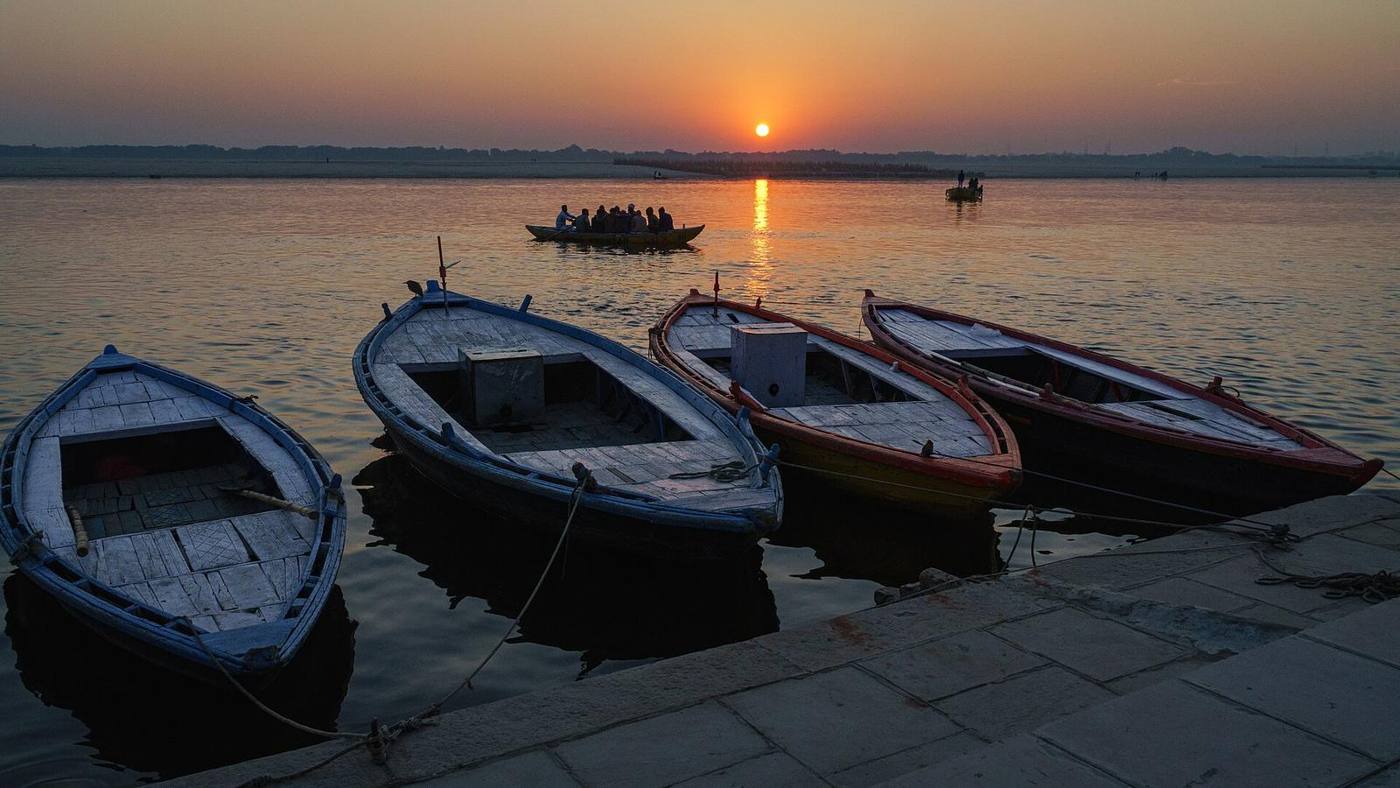
Delhi to Varanasi: the Taj Mahal, Khajuraho and the Ganges
The Taj Mahal, Amber fort, the forgotten town of Orchha, the temples of Khajuraho and the ghats of Varanasi at dawn.