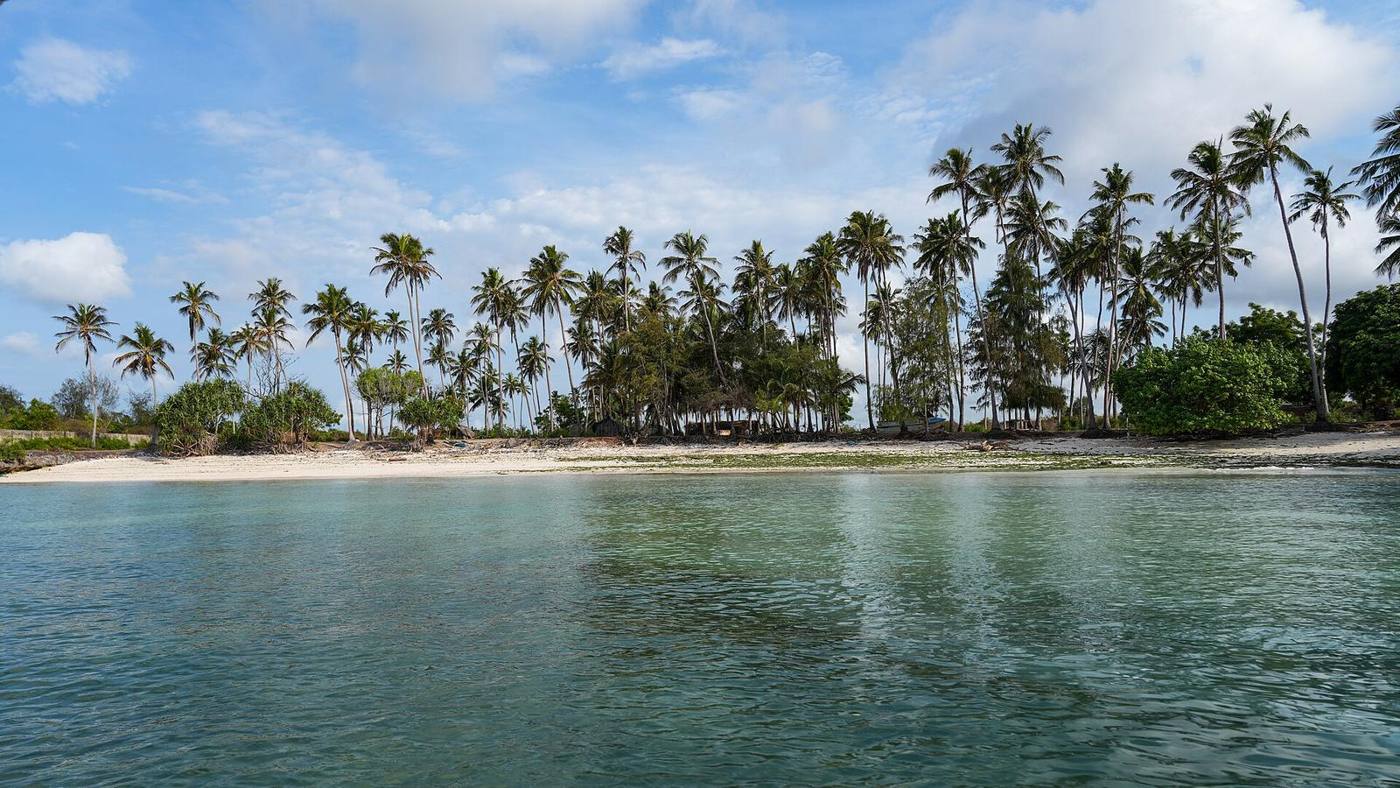
Zanzibar: Stone Town, beaches and reef
A week on the spice island: the lanes of Stone Town, the white beaches of the east coast, snorkelling at Mnemba and dhows at sunset.
- Stone Town
- Prison Island
- Jozani
- Paje
- Mnemba
- Nungwi
Day by day
- Day 1
Arrival in Zanzibar and Stone Town
Zanzibar is part of Tanzania but has a semi-autonomous government and its own rules for visitors: besides the Tanzanian visa, applied for online on the official immigration website, Zanzibar requires its own compulsory travel insurance. Information on costs and procedures changes: check the official Zanzibar government website before leaving. Your passport must be valid for at least six months.
Abeid Amani Karume airport is about twenty minutes from Stone Town, the old town and a UNESCO World Heritage site. You can also arrive by fast ferry from Dar es Salaam in about two hours.
Stone Town is a maze of narrow lanes, coral-stone houses, mosques, churches and Hindu temples, the fruit of centuries of trade between Africa, Arabia, India and Europe. It was the capital of the sultanate of Oman and Zanzibar and one of the great Indian Ocean ports for spices, ivory and, sadly, slaves. The carved wooden doors, with brass studs and Arab and Indian decoration, are the city's symbol.
In the afternoon lose yourself in the lanes without a map, looking at the doors, wooden balconies and neighbourhood life. At sunset go to the Forodhani Gardens on the waterfront, where the street food market opens every evening: skewers, grilled fish and Zanzibar pizza, a stuffed pastry cooked on a griddle.
Practical tip: Zanzibar is mostly Muslim; in Stone Town shoulders and knees should be covered, especially near mosques. During Ramadan respect the fast and do not eat in public by day.
- Day 2
Stone Town: the city's history
In the morning explore Stone Town with a licensed local guide who tells the story of the houses and families. Start at the former slave market, where the Anglican Christ Church Cathedral now stands, built after the slave trade was abolished in 1873, with the altar on the spot where the whipping tree stood. Beneath a nearby building you can see the underground chambers where slaves were held before sale, low and without light, and the museum tells the history of the trade in East Africa. It is a hard visit but a necessary one.
Continue to the waterfront with the seventeenth-century Old Fort, now a cultural space with shops and shows, and the House of Wonders, the sultan's former palace, the first building in East Africa to have electricity and a lift. Part of it collapsed in 2020 and is under restoration: check whether it can be visited. The nearby People's Palace shows the life of the sultans.
In the afternoon pass through Darajani market, the great covered market of fish, meat, fruit and spices, very lively and authentic, and the house where Freddie Mercury, the Queen singer, was born in Stone Town in 1946.
In the evening go up to a rooftop terrace for sunset over the ocean, with dhows, traditional sailing boats, returning to port.
Practical tip: in the lanes many young men offer themselves as guides; choose a licensed guide with a badge and agree the price first.
- Day 3
The spice tour and Prison Island
Zanzibar is called the spice island: in the nineteenth century the sultan had large clove plantations planted and the island became the world's leading producer. In the morning take a spice tour at a plantation inland, about half an hour from Stone Town. A guide shows you the plants and lets you smell and taste them: cloves, cinnamon, nutmeg, pepper, cardamom, vanilla, turmeric and ginger, as well as tropical fruits such as rambutan, jackfruit and passion fruit. At the end you are often given a hat or necklace woven from palm leaves.
In the afternoon take a boat from Stone Town harbour to Prison Island, or Changuu, an islet about half an hour away. In the nineteenth century it was used to confine rebellious slaves and later built as a prison, but it was never used as one: it became instead a quarantine station for yellow fever. Today it is home to a colony of Aldabra giant tortoises, a gift from the Seychelles, some over a hundred years old, which you can approach calmly.
Around the island the sea is clear and you can snorkel on the reef among colourful fish.
In the evening return to Stone Town. Practical tip: do not buy souvenirs of shells, coral or sea turtles; they are protected species and exporting them is forbidden. On spice tours leave a tip for the guide and for whoever makes the leaf objects.
- Day 4
Jozani Forest and arrival in Paje
In the morning leave Stone Town for the east coast. On the way stop at Jozani Chwaka Bay National Park, Zanzibar's only national park, about an hour from town. Jozani's humid forest is home to the Zanzibar red colobus, a monkey found only on this island, endangered, with red and black fur and a white crest on its head. The monkeys are used to people and can be seen up close in the trees as they eat leaves.
With a park guide you walk through the forest, among mahogany trees and palms, and then along a wooden boardwalk through the mangroves, home to crabs and fish that walk on the mud. Do not touch the monkeys and stay at least three metres away: they can catch human diseases.
In the early afternoon you reach Paje, a village on the south-east coast with a long beach of very fine white sand and turquoise sea. Paje is one of the best places in the world for kitesurfing, thanks to its shallow lagoon and steady winds, and the sky is full of colourful kites.
In the evening relax on the beach. Practical tip: on the east coast the tides are very strong; at low tide the water recedes for hundreds of metres, and to swim you must wait for high tide. Check the tide table every day.
- Day 5
Paje: beach and kitesurfing
A whole day in Paje, to the rhythm of the tides. In the morning, at low tide, walk along the beach to the sandbanks and natural pools, where you see starfish, sea urchins, small fish and live shells. Wear reef shoes, because there are urchins and seaweed. Village women gather shellfish in the lagoon.
If you want to learn to kitesurf, Paje is ideal: in the shallow lagoon sheltered by the reef, with steady wind, beginners take lessons safely. Certified schools offer courses of a few days; choose instructors with international certification and equipment in good condition. The best seasons for wind are June to September and December to February.
In the afternoon, at high tide, swim in the warm turquoise water, or take a boat or kayak trip along the coast.
In the evening eat on the beach: freshly caught fish, octopus in coconut, spiced pilau rice and tropical fruit. Life in Paje is simple and calm, with music in the evening at some beach bars.
Practical tip: the equatorial sun is extremely strong even under cloud; use high-factor, reef-safe sunscreen, a swim shirt and a hat. Drink only bottled water. Keep your valuables in the room safe while you are on the water, and never leave them unattended on the sand.
- Day 6
Jambiani and the seaweed farmers
In the morning go to Jambiani, the neighbouring village south of Paje, on the same white sand coast, quieter and more authentic. Life here still follows traditional rhythms: fishing boats, coral-stone houses and huts thatched with palm leaves.
At low tide, in the lagoon, you see the seaweed farmers, village women who plant and harvest red seaweed on lines of rope tied to wooden stakes in the sand. The seaweed is dried in the sun and sold to the food and cosmetics industries. It is hard work that has given an income to many Zanzibari women, but it now suffers from the warming sea. Some cooperatives, such as the Seaweed Center in Paje, make soaps and oils from seaweed and show visitors their work.
With a local guide visit the village, school and mosque, and learn how people live on the coast. Community tourism, paid to local cooperatives, helps the village.
In the afternoon rest on Jambiani beach or take a sunset sailing dhow trip on the lagoon.
Practical tip: always ask permission before photographing people, especially women; many prefer not to be photographed. A small donation to the cooperative or buying a product is a good gesture. The best light for photographs of the lagoon is early morning.
- Day 7
Mnemba Atoll and the dolphins
Today is a trip to Mnemba Atoll on the north-east coast, about an hour by car from Paje and then by boat from Matemwe. Mnemba is a small private island surrounded by a protected coral reef, the Mnemba Island Marine Conservation Area, with some of Zanzibar's best snorkelling and diving.
The sea is clear and only a few metres deep: you see tropical fish of every colour, clownfish, pufferfish, rays, moray eels and, with luck, sea turtles. At some times dolphins also swim near the boats. You cannot land on the island, which is reserved for resort guests.
A fee is paid for the marine conservation area. Choose a reputable operator who follows the rules: no boat should chase the dolphins, and swimmers must keep their distance and not touch the animals.
In the afternoon relax on the beach at Matemwe or Kiwengwa on the east coast, with palms and fishing boats.
In the evening continue to Nungwi in the north of the island. Practical tip: do not touch or stand on corals, do not feed the fish and use reef-safe sunscreen. Mnemba boats are in high demand: book the evening before. Seasickness tablets help if the sea is choppy on the way out, and a light jacket is useful on the boat.
- Day 8
Nungwi and a sunset dhow
Today is Nungwi, at the northern tip of Zanzibar, one of the best-known areas for the sea. Here the tides are weaker than on the east coast, and you can swim at almost any hour in the turquoise water. Kendwa beach, a few minutes away, is among the island's finest.
In the morning walk to the dhow yard on Nungwi beach, where carpenters still build traditional wooden boats by hand, with techniques handed down for centuries and no drawings. Nearby, the Mnarani turtle aquarium is a natural lagoon where injured sea turtles are cared for and young ones raised before release into the sea.
At the northern tip stands the Ras Nungwi lighthouse, with the sea changing colour around the cliffs.
In the afternoon swim at Kendwa or go snorkelling. At sunset board a sailing dhow for a cruise along the coast, the most awaited moment of the day, with the sun sinking into the Indian Ocean and white sails against the light.
In the evening Nungwi and Kendwa have many beach bars with music and fish dinners. Practical tip: on the beaches many sellers, known as beach boys, offer trips and excursions; book only with reliable operators. To protect turtles, visit only centres that genuinely release them into the sea.
- Day 9
Back to Stone Town and departure
The last day is for the journey back. From Nungwi to Zanzibar airport is about an hour and a half by car. From here flights leave for Dar es Salaam, Arusha, Nairobi and some direct flights to Europe or via the Gulf.
If your flight leaves in the afternoon, take a last walk in Stone Town to buy spices at Darajani market or in the shops of the centre, and for a last ginger coffee, poured by street sellers from large brass pots on the stone benches called baraza in front of the houses.
Things to take home: Zanzibar spices, cloves, vanilla, cinnamon and tea masala, seaweed soaps and oils from the Paje and Jambiani cooperatives, kanga and kitenge fabrics, Tingatinga paintings, wood carvings and palm-leaf baskets. Do not buy shells, coral or sea turtle items: they are protected species and exporting them is forbidden.
Practical tip: plastic bags are banned in Zanzibar and can be confiscated at the airport; use cloth bags. Reach the airport at least three hours before international flights, because checks can be slow. Keep the receipt for Zanzibar's compulsory insurance: it may be requested on departure. Leave a tip for the guides and staff who helped you during your stay.
The easiest tropical sea to reach from Europe, with direct flights and still reasonable prices. Watch the tides on the east coast: at low tide the sea retreats hundreds of metres; for swimming at any hour, Nungwi and Kendwa in the north are better. Avoid April and May, the long rains.
Before you go
- Documents and visa
- Passport valid for at least six months and a visa, applied for online on the official immigration website. From 2026 compulsory travel insurance is also required, and Zanzibar has its own: dates and costs differ between sources, so check the official websites.
- Health and vaccines
- Malaria prevention is recommended; a yellow fever certificate is needed if you arrive from a country at risk. Drink only bottled water. Emergencies: 112.
- Money and payments
- Tanzanian shilling. Parks are paid by card and safaris often in US dollars; carry cash for tips.
- Power sockets
- Types G and D, 230 volts: you need an adapter for British plugs.
- Time zone
- UTC+3 all year.
- Safety
- The United States rates Tanzania level 2, with more caution in the Mtwara region; the United Kingdom advises against travel within 20 km of the border with Cabo Delgado in Mozambique. Official advice: GOV.UK.
Information checked in November 2026 for Italian and EU citizens. Rules change: always check before you travel.
Variations
In 6 days: two days in Stone Town with the spice tour, two in Paje with Jozani and two in Nungwi, skipping Jambiani and Mnemba.
In 13 days: before Zanzibar do the classic northern Tanzania safari, with Tarangire, the Serengeti and the Ngorongoro Crater.
Frequently asked questions
Do I need a visa for Zanzibar?
Yes: Zanzibar is part of Tanzania and you need the Tanzanian visa, applied for online on the official website. Zanzibar also requires its own compulsory travel insurance: check the current rules on the official website.
When is the best time for Zanzibar?
The dry seasons, June to October and December to February, are best. The long rains fall between March and May, when many hotels close.
How should I dress in Zanzibar?
In Stone Town and the villages cover shoulders and knees, because the island is mostly Muslim. Swimwear is fine on the beach, but do not walk through villages in swimwear.
Indicative itinerary written by World Atlas. Before booking, check timetables, seasonal openings, documents and safety.
 7 daysModerate
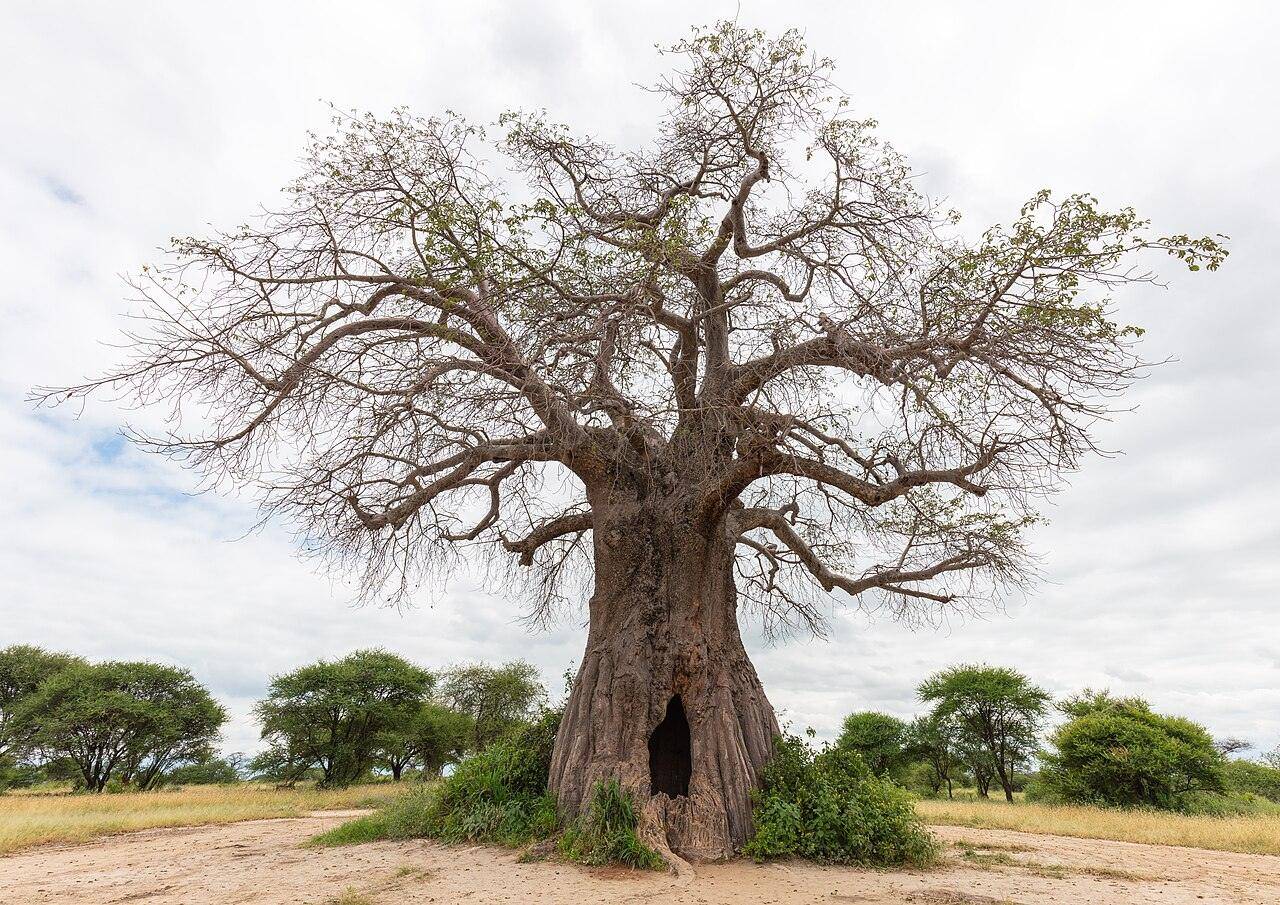
Classic safari: Tarangire, Serengeti, Ngorongoro
The northern circuit in a week: elephants and baobabs, the endless Serengeti plains and Africa's most famous crater.
 15 daysModerate
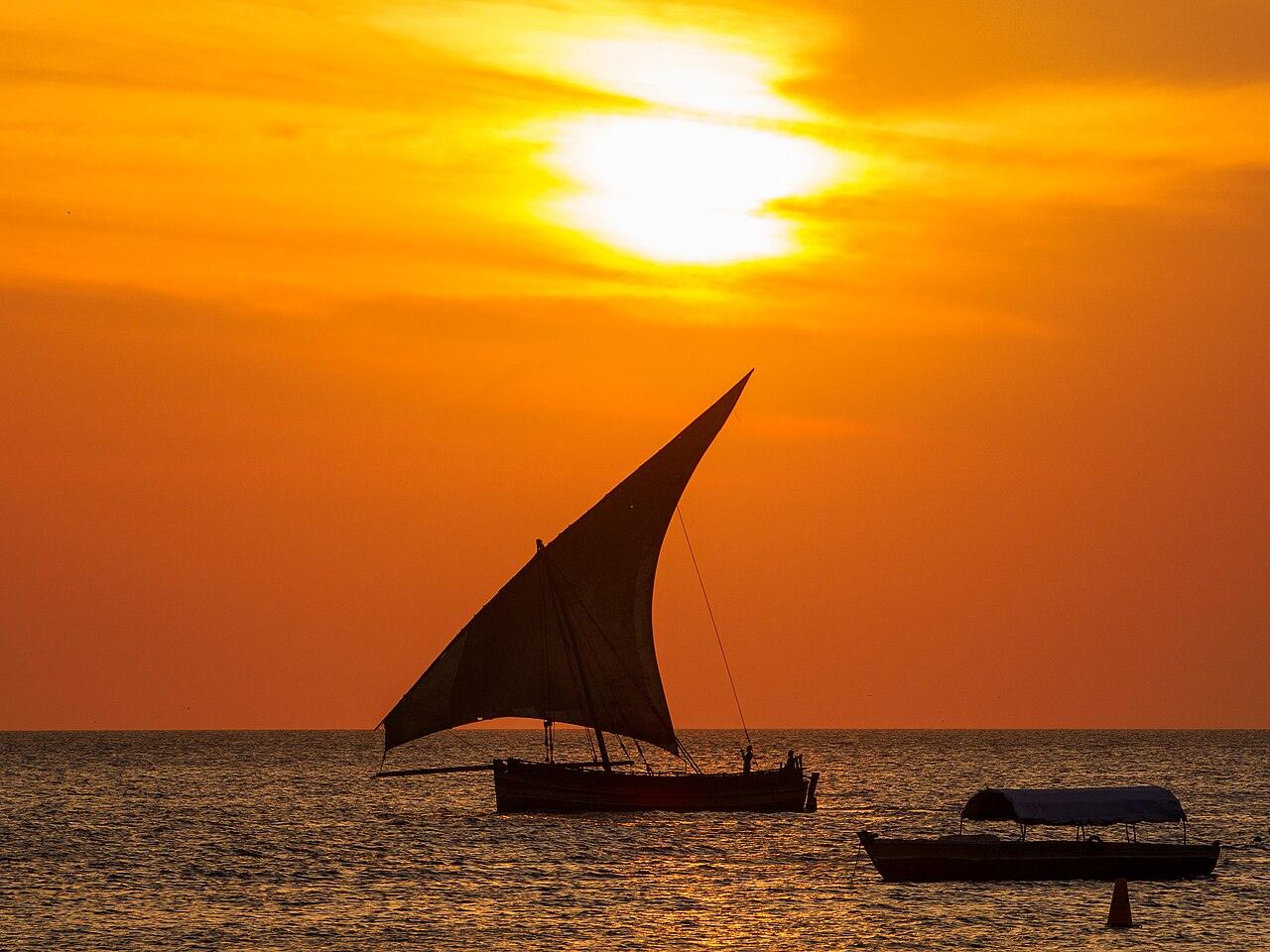
Safari and Zanzibar
One week in the great northern parks and one in Zanzibar, between Stone Town and the Indian Ocean beaches.
 9 daysEasy
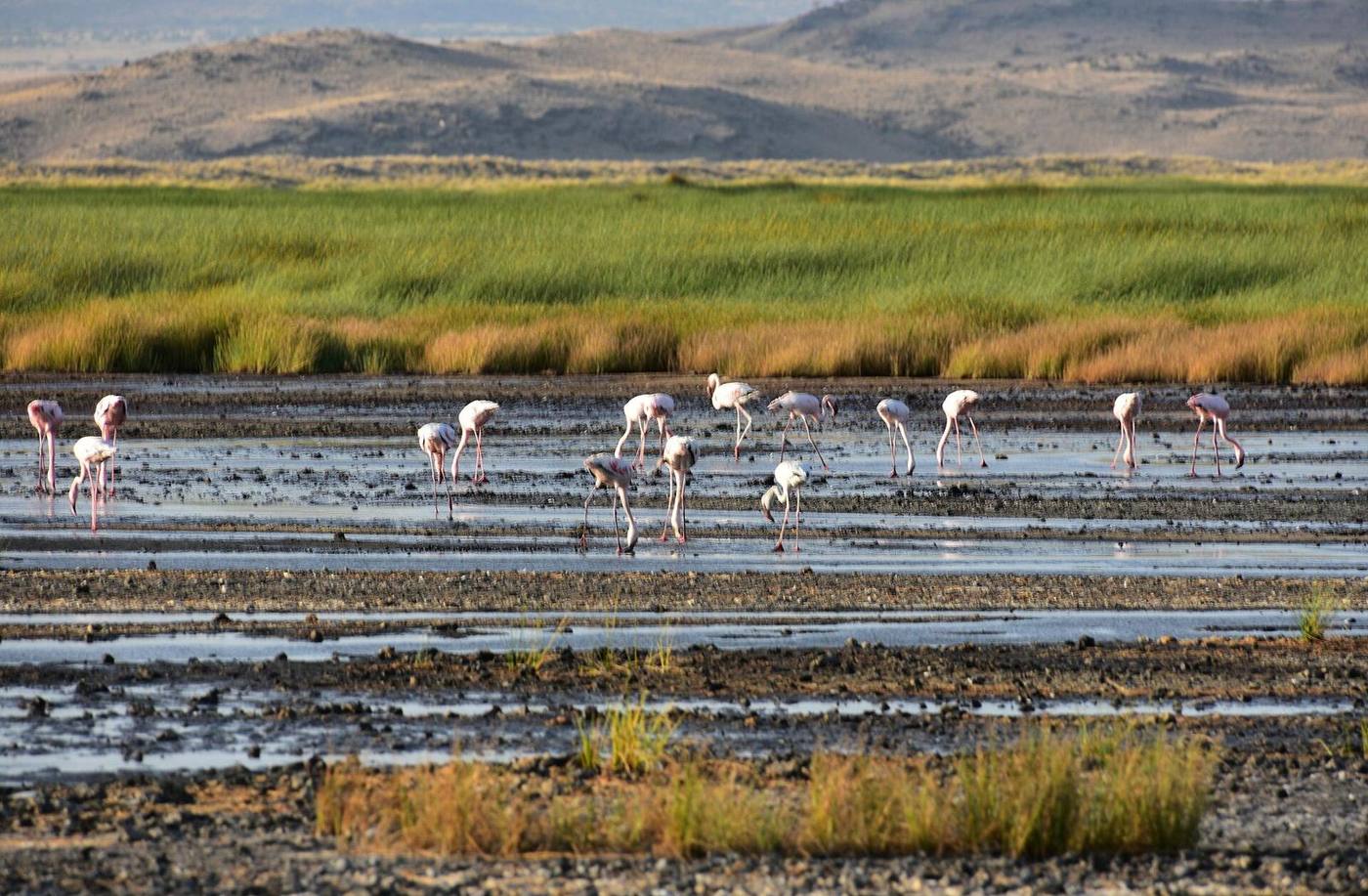
The northern parks and Lake Natron
Tarangire, the Serengeti, Ngorongoro Crater, Olduvai Gorge and the flamingos of Lake Natron below the Maasai's sacred volcano.