The northern parks and Lake Natron
Tarangire, the Serengeti, Ngorongoro Crater, Olduvai Gorge and the flamingos of Lake Natron below the Maasai's sacred volcano.
- Arusha
- Tarangire
- Lake Natron
- Serengeti
- Olduvai
- Ngorongoro
Day by day
- Day 1
Arrival at Kilimanjaro and a night in Arusha
This safari crosses the great parks of northern Tanzania: Tarangire with its baobabs and elephants, Lake Natron with its flamingos and the sacred Maasai volcano, three days in the Serengeti, Olduvai Gorge and the Ngorongoro Crater. It is a trip by four wheel drive with a driver and guide, with many hours on dirt roads, but every day is different.
Before you leave: the United States government rates Tanzania at level 2 of 4. Check the current requirements for the visa and the yellow fever vaccination, which may be required depending on the countries you arrive from or transit through. Talk to your doctor about malaria prophylaxis too.
You fly into Kilimanjaro International Airport, between Arusha and Moshi, usually via the Middle East, East Africa or Europe. On a clear day you see the snowy summit of Kilimanjaro from the plane.
The driver takes you to Arusha, about an hour by road, a lively town at the foot of Mount Meru and the starting point for northern safaris.
In the afternoon rest after the flight. If you have energy, take a guided walk in the centre or the market, with fruit, spices and colourful fabrics.
In the evening meet your guide, who explains the programme, the rules in the parks and what to bring in the vehicle.
Sleep in Arusha.
Practical tip: bring neutral coloured clothes, beige, khaki, olive green. Avoid dark blue and black, which attract tsetse flies.
- Day 2
Tarangire: baobabs and elephants
Early in the morning leave for Tarangire National Park, about two hours south west on a tarmac road, through savannah and Maasai villages, with herders taking their cattle to graze.
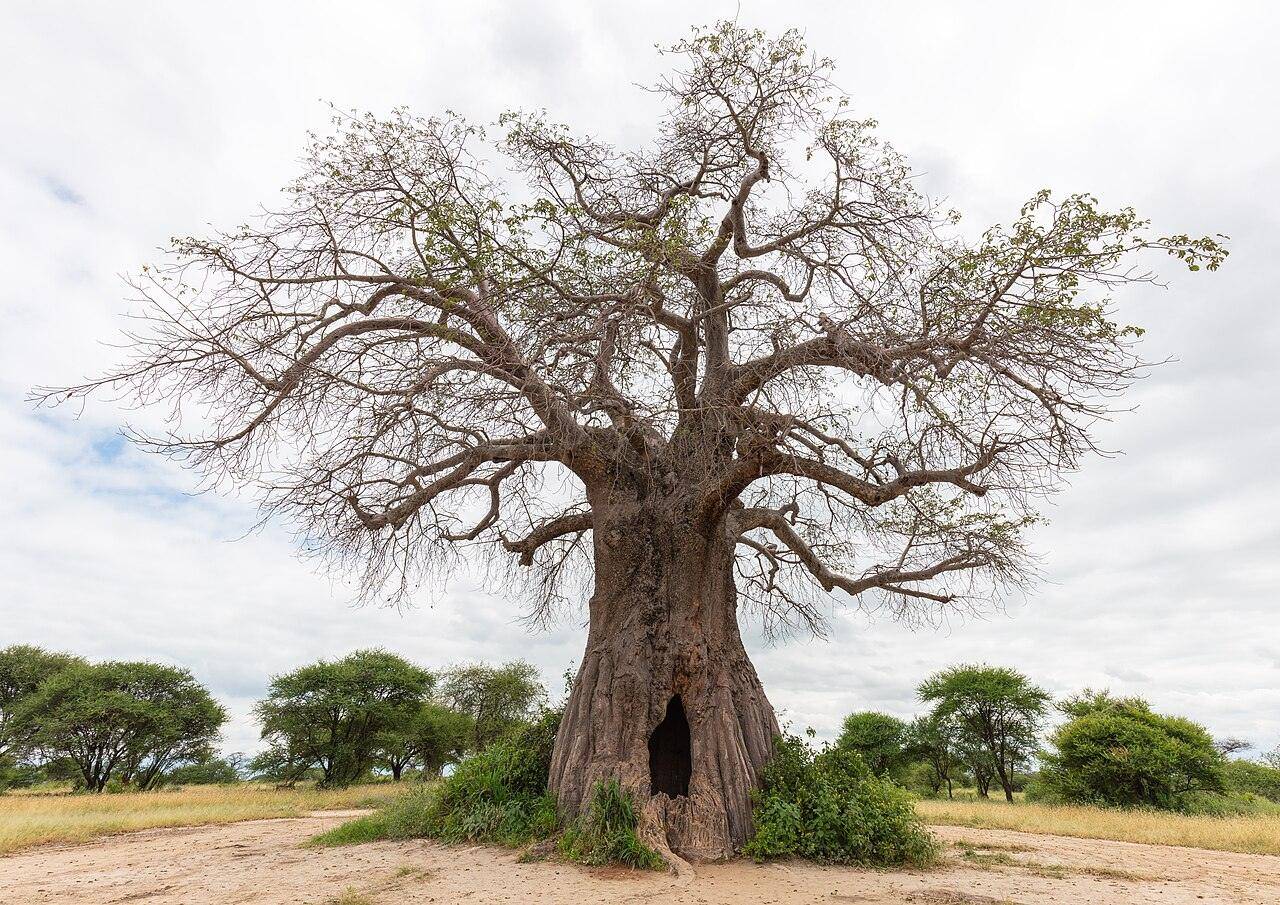
Tarangire is named after the river that crosses it and which, in the dry season from June to October, is the only water source in the area. In those months animals come from the whole region, and the park has some of the largest elephant herds in northern Tanzania, with dozens of animals coming down to the river to drink and wallow in the mud.
The landscape is dominated by giant baobabs, huge trees with swollen trunks, some hundreds of years old, which look as if they were planted upside down with their roots in the air. Among the trees you see giraffes, zebras, wildebeest, impalas, warthogs, baboons and, with a little luck, lions lying on branches or leopards.
Spend the whole day on safari, with a packed lunch at a picnic site overlooking the river. The guide stops when he sees animals and turns off the engine so as not to disturb them.
In the late afternoon leave the park before the gates close.
Sleep in a lodge or tented camp near Tarangire.
Practical tip: check the current park fees. In the vehicle always stay seated and never get out outside the permitted areas.
- Day 3
Lake Natron and the Ol Doinyo Lengai volcano
Today you leave the classic parks for one of the wildest areas of Tanzania. The road climbs north, passes Mto wa Mbu, a village full of fruit stalls, and then becomes a track of dirt and stones through Maasai country in the Rift Valley. It takes four or five hours, with plenty of bumps.
The landscape becomes arid and grand: dusty plains, acacias, Rift Valley escarpments and, ahead, the almost perfect cone of Ol Doinyo Lengai, the mountain of God for the Maasai, the only active volcano in the world that erupts a very unusual lava, which turns white as it cools.
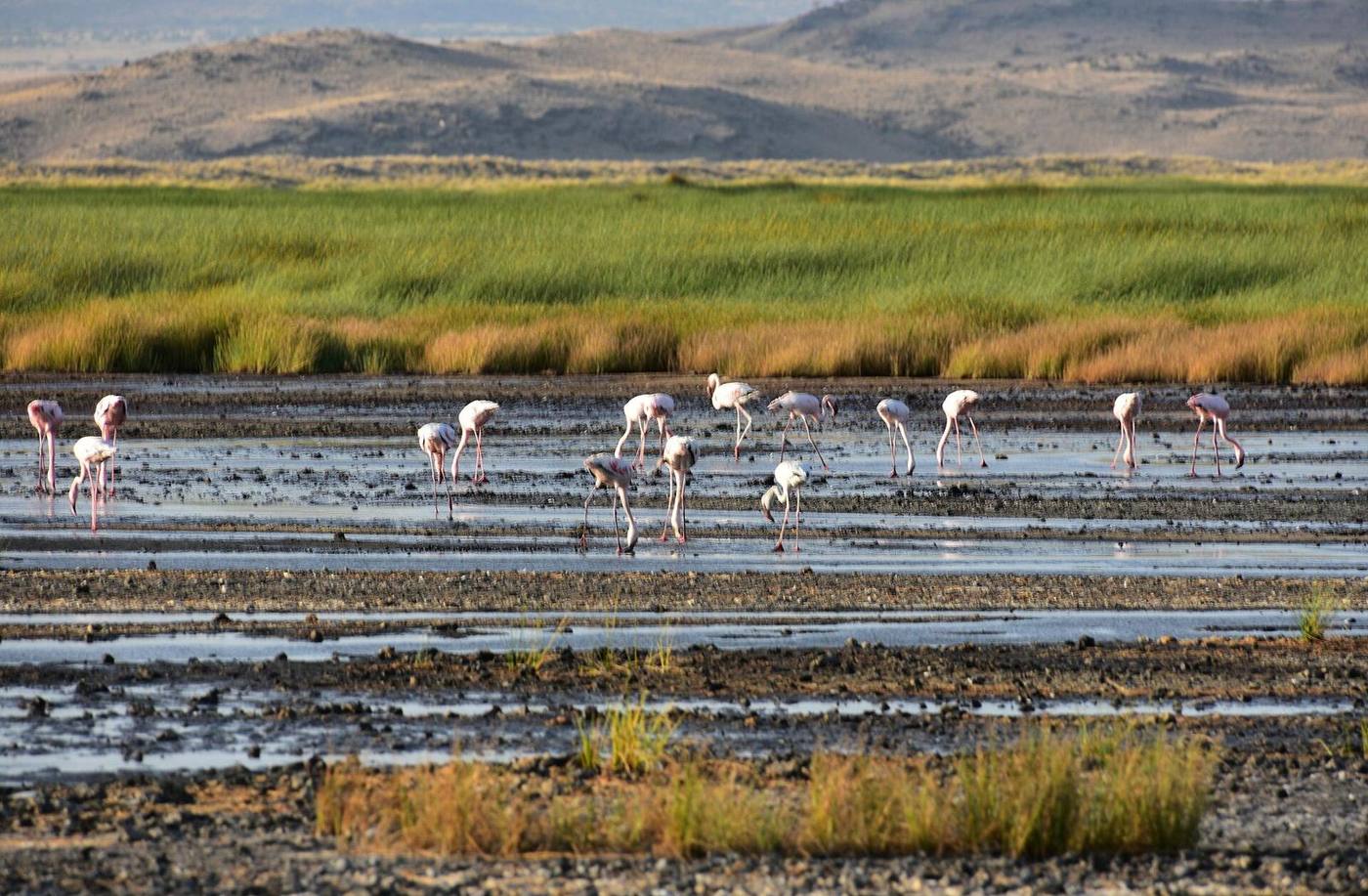
You reach Lake Natron, a very hot salt lake, with water so rich in soda that it sometimes turns red from algae. It is the main breeding site of lesser flamingos in East Africa: in certain months there are thousands on the shore, a pink carpet on the water. You walk with a Maasai guide on the mud of the shore, keeping your distance so as not to disturb them.
In the late afternoon walk along the Ngare Sero river, in a narrow gorge, wading through the water to a waterfall where you can swim. Bring water sandals.
Sleep in a tented camp near Lake Natron.
Practical tip: in the Natron area you also pay a local fee to the villages. Check with your agency what is included.
- Day 4
To the northern Serengeti
In the morning leave Lake Natron and continue to the Serengeti on a remote, little used track that enters the park at Klein's Gate or through Loliondo, depending on the route and the state of the tracks. It is a long day, with few other vehicles, across plains, hills and Maasai villages. Check the current route with your agency, as some tracks may be closed or impassable in the rainy season.
Serengeti National Park is one of the world's most famous places for wildlife, a UNESCO site, an immense grass plain dotted with acacias and granite outcrops, the kopjes. Here the great migration takes place: more than a million wildebeest, with zebras and gazelles, moving all year in a circle between Tanzania and Kenya, following the rain and the grass.
The northern Serengeti, towards the Mara river, is the wildest part. From July to October you can see the river crossings here, when the wildebeest plunge into the water among the crocodiles. In other months it is quiet, with few visitors.
The Serengeti ticket costs 82.60 dollars per person per day. Your camp and guide may have extra costs.
In the afternoon take your first game drive in the north.
Sleep in a tented camp in the Serengeti.
Practical tip: animals pass through Serengeti camps at night too. Never leave your tent alone after dark.
- Day 5
Safari in the Serengeti
Today is a full day of safari in the Serengeti. Leave at dawn, the best time: the light is soft, it is cool and animals are active. Predators are often still hunting or eating.
The guide looks for the big cats: lions, which are numerous in the Serengeti and live in prides; leopards, resting on acacia branches; cheetahs, which hunt by day on the open plains. You also see hyenas, jackals, elephants, giraffes, buffalo, hippos in pools, and a great variety of birds, from ostriches to eagles.
If you are there at the right time, follow the migration herds, with thousands of wildebeest and zebras in lines across the plain. Where the herds are, the predators are too. The guide knows where they have been seen in recent days and talks to other guides by radio.
At midday have a packed lunch under a tree or at camp, and rest during the hottest hours, when the animals also move into the shade.
In the late afternoon take another game drive until sunset, when the red sun sinks behind the acacias.
If your budget allows, you can book a hot air balloon flight at dawn over the plain, followed by breakfast in the bush. Check prices and availability.
Sleep in a tented camp in the Serengeti.
Practical tip: bring binoculars for each person. Many animals are best seen from a distance, without getting too close.
- Day 6
The Seronera valley and the big cats
Today you head down to the central Serengeti, the Seronera valley, the heart of the park, with permanent rivers, trees and kopjes. It has the highest concentration of big cats in the whole park, because there is water all year and resident animals stay.
Along the Seronera river the guide looks for leopards in the branches of sausage trees, trees with large hanging fruit. On the kopjes, the granite rocks rising from the plain, you often see prides of lions lying in the sun, using the rocks as lookouts.
Visit the Seronera visitor centre, with a short trail among the rocks and panels explaining the migration and the Serengeti ecosystem. There are also rock hyraxes, small animals like marmots, and brightly coloured lizards.
Stop at the hippo pools, where dozens of hippos spend the whole day in the water, snorting and squabbling.
The game drive lasts all day, with stops and a packed lunch. There are more vehicles here than in the north: when a rare animal is spotted, many cars may arrive together. The guide should respect distances and park rules.
Sleep in a tented camp or lodge in the central Serengeti.
Practical tip: keep your cameras ready and batteries charged. Many safari vehicles have a charging socket.
- Day 7
Olduvai Gorge and the crater rim
In the morning leave the Serengeti through Naabi Hill gate and enter the Ngorongoro Conservation Area, where the Maasai live with their herds alongside wild animals. The conservation area ticket costs 70.80 dollars per person per day.
The first stop is Olduvai Gorge, a deep gorge in the plain, where the archaeologists Louis and Mary Leakey, from the 1930s, found fossils of hominins, our ancestors, and stone tools almost two million years old. That is why it is called one of the cradles of humankind. The small museum, on the edge of the gorge, shows skulls, bones, tools and casts of the Laetoli footprints, left more than three and a half million years ago by hominins already walking on two feet. A guide explains the layers of the gorge like the pages of a history book.
In the afternoon continue to the Ngorongoro Crater and climb to the rim, at over two thousand two hundred metres. The crater is the largest intact caldera in the world, almost twenty kilometres across, formed by the collapse of a huge volcano. From the rim you see the floor, green and flat, with a salt lake, forests and, with binoculars, dots that are elephants and buffalo.
Sleep in a lodge on the crater rim.
Practical tip: on the crater rim it is cold at night, even in summer. Bring a fleece and a jacket.
- Day 8
Descent into the Ngorongoro Crater
Early in the morning drive down into the Ngorongoro Crater, on a steep track from the rim to the floor, six hundred metres below. Vehicle entry to the crater costs 295 dollars, on top of the personal tickets. The rules limit the time you can spend on the floor: check the current times with your agency.
The crater is a closed ecosystem, a kind of great ark, with about twenty five thousand large animals living all year on the floor, among grasslands, swamps, a salt lake and a small forest. It is one of the best places in Africa to see the black rhino, a critically endangered species: a few live in the crater, protected by rangers. They are often seen far away on the plain: binoculars are essential.
On the floor you are likely to see lions, hyenas, jackals, buffalo, zebras, wildebeest, gazelles, warthogs, bull elephants with long tusks and flamingos on Lake Magadi. The landscape, with the crater walls all around, is spectacular.
At midday have lunch at a picnic site near a pool. Watch out for kites, birds of prey that swoop down to steal food from your hands: eat inside the vehicle.
In the early afternoon climb back to the rim and continue to Karatu, a highland town with coffee plantations.
Sleep in Karatu.
Practical tip: the dust in the crater is very fine. Protect your camera with a plastic bag.
- Day 9
Back to Arusha and departure
On the last morning, in Karatu, you can visit a highland coffee plantation, with an explanation of growing and roasting and a tasting, or take a short walk through the fields and villages around. Check what is possible.
Then head back to Arusha, about two and a half hours on tarmac, through Mto wa Mbu and the Rift Valley escarpment, with a view over Lake Manyara, famous for its tree climbing lions.
In Arusha, if you have time before your flight, visit a cultural centre with artworks, wood carvings and fabrics, or a market to buy something to take home: Tanzanian coffee, tea, kangas, colourful cloths printed with a Swahili proverb, ebony carvings or tingatinga, brightly coloured paintings of animals.
In the afternoon the driver takes you to Kilimanjaro airport, about an hour. Arrive early: checks take time.
If you have more days, you can continue for a few days on the beach in Zanzibar, with a short flight from Kilimanjaro or Arusha.
This trip shows northern Tanzania in full: savannahs, lakes, volcanoes, the migration, the crater and the places where the first humans were born, with Maasai culture always present.
Practical tip: agree tips for the guide and cooks with your agency. In Tanzania they are an important part of their wages, and a short envelope with a thank you note is appreciated.
The most complete safari in nine days. Natron adds driving time but is worth the detour: a lunar landscape and very few tourists. For the Great Migration in the Serengeti the right months are January to March (in the south, the calving) and July to October (in the north, the Mara river crossings).
Before you go
- Documents and visa
- Passport valid for at least six months and a visa, applied for online on the official immigration website. From 2026 compulsory travel insurance is also required, and Zanzibar has its own: dates and costs differ between sources, so check the official websites.
- Health and vaccines
- Malaria prevention is recommended; a yellow fever certificate is needed if you arrive from a country at risk. Drink only bottled water. Emergencies: 112.
- Money and payments
- Tanzanian shilling. Parks are paid by card and safaris often in US dollars; carry cash for tips.
- Power sockets
- Types G and D, 230 volts: you need an adapter for British plugs.
- Time zone
- UTC+3 all year.
- Safety
- The United States rates Tanzania level 2, with more caution in the Mtwara region; the United Kingdom advises against travel within 20 km of the border with Cabo Delgado in Mozambique. Official advice: GOV.UK.
Information checked in November 2026 for Italian and EU citizens. Rules change: always check before you travel.
Variations
In 7 days: Tarangire, two days in the central Serengeti and Ngorongoro, without Lake Natron.
In 13 days: add Lake Manyara, Lake Eyasi and four days in Zanzibar.
Frequently asked questions
Do I need a visa?
Check the current requirements for the visa and for the yellow fever vaccination. The United States government rates Tanzania at level 2 of 4.
How much do the parks cost?
The Serengeti costs 82.60 dollars per person per day, the Ngorongoro area 70.80 dollars, and a vehicle going down into the crater 295 dollars. Other fees should be checked.
When is the best time to go?
June to October, the dry season, for Tarangire and the Mara river crossings. January to March for the wildebeest calving in the southern Serengeti.
Indicative itinerary written by World Atlas. Before booking, check timetables, seasonal openings, documents and safety.
 7 daysModerate
Classic safari: Tarangire, Serengeti, Ngorongoro
The northern circuit in a week: elephants and baobabs, the endless Serengeti plains and Africa's most famous crater.
 15 daysModerate
Safari and Zanzibar
One week in the great northern parks and one in Zanzibar, between Stone Town and the Indian Ocean beaches.
 9 daysEasy
Zanzibar: Stone Town, beaches and reef
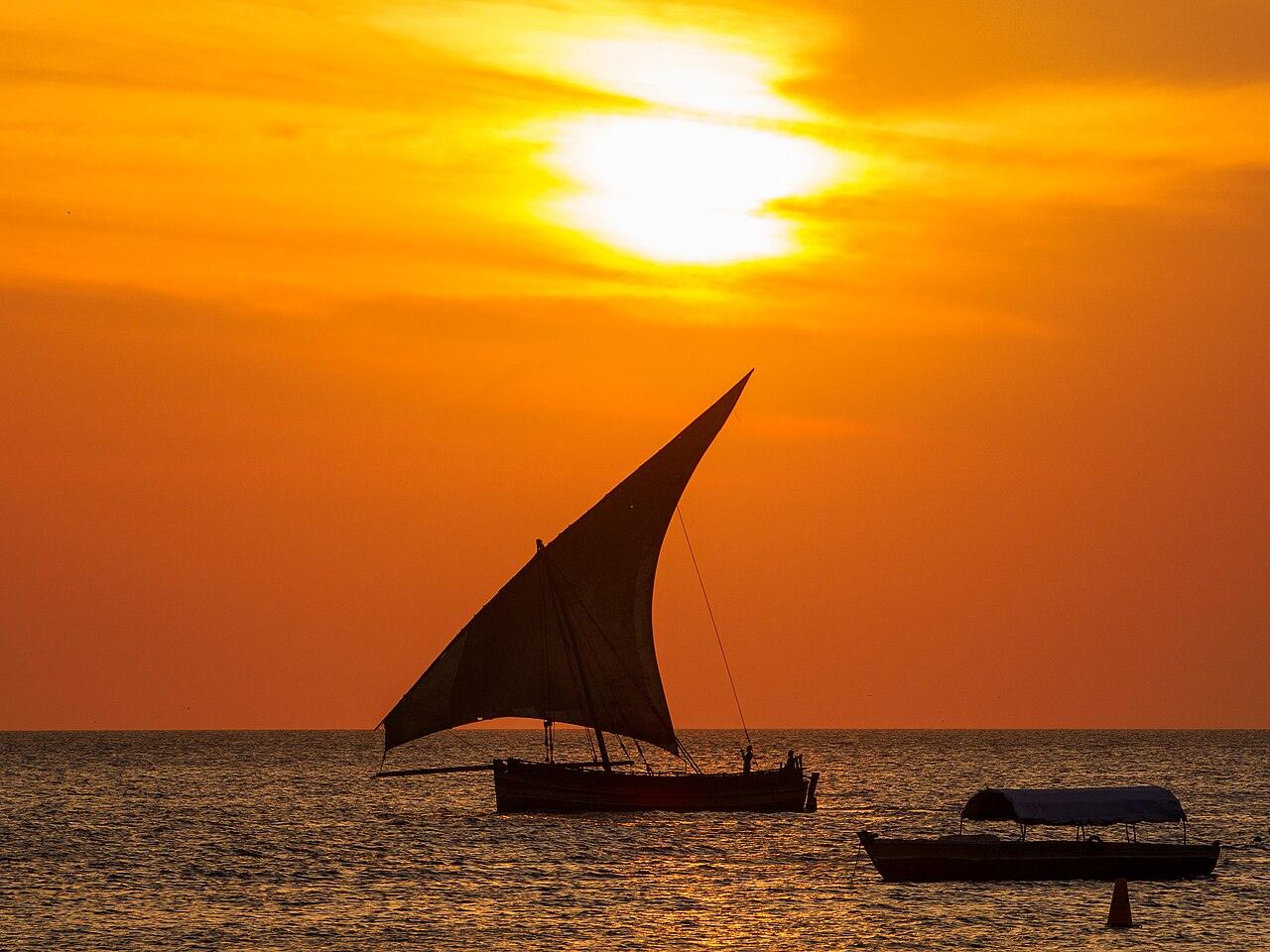
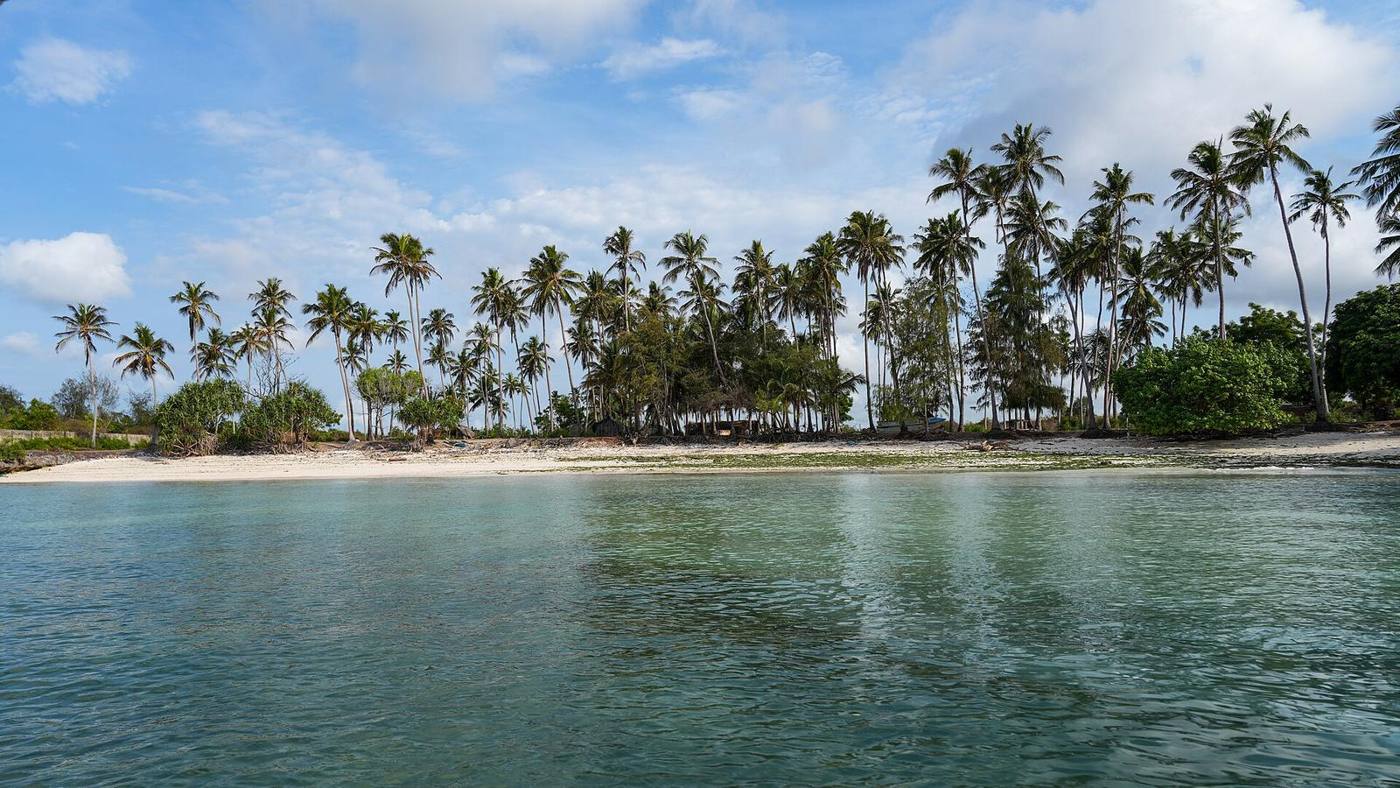
A week on the spice island: the lanes of Stone Town, the white beaches of the east coast, snorkelling at Mnemba and dhows at sunset.