Safari and Zanzibar
One week in the great northern parks and one in Zanzibar, between Stone Town and the Indian Ocean beaches.
- Arusha
- Lake Manyara
- Tarangire
- Serengeti
- Ngorongoro
- Stone Town
- Nungwi
Day by day
- Day 1
Arrival in Arusha
This trip combines the great safari of northern Tanzania with the sea of Zanzibar: Lake Manyara, Tarangire with its elephants and baobabs, three days in the Serengeti with the great migration, the Ngorongoro Crater, then Stone Town, Jozani forest and the beaches of the Indian Ocean. You travel in a safari vehicle with a driver guide and with a flight to Zanzibar.
Before you go: the US government rates Tanzania at level 2 out of 4. Check the current requirements for the visa and for yellow fever vaccination, which may be required depending on the countries you arrive from or transit through. Also talk to your doctor about malaria prevention. Zanzibar has a semi-autonomous government and requires its own compulsory travel insurance, in addition to the Tanzanian visa: check the current rules and cost. Other nationalities should check their own rules.
You land at Kilimanjaro International Airport, between the towns of Arusha and Moshi, almost always with a connection in the Gulf, Ethiopia or Europe. If the sky is clear, from the plane or the road you see Kilimanjaro, the highest mountain in Africa, with its snowy summit.
Drive to Arusha, about an hour, the base town for the northern safaris, at the foot of Mount Meru, a volcano over 4,500 metres high, with a cool climate thanks to the altitude.
In the afternoon, rest at your accommodation, often a lodge with gardens among the coffee plantations around the town.
In the evening, have Tanzanian food, such as nyama choma, grilled meat, ugali and vegetables, and meet your guide to talk through the programme.
Overnight in Arusha.
Practical tip: bring US dollars in recent notes in good condition, printed after 2009: old notes are often not accepted. Also keep a few small notes for tips.
- Day 2
Lake Manyara
Today you go on your first safari at Lake Manyara.
In the morning, leave Arusha heading west, about two hours, across the Maasai plains and through villages, to Lake Manyara National Park, at the foot of the Rift Valley escarpment. There is a park entrance fee: it is usually included in the safari price, but check your contract with the operator.
The park is small but very varied. You enter a green forest, fed by springs flowing down from the escarpment, with giant trees, baboons and blue monkeys. Then the forest opens into acacia savannah along the shores of the alkaline lake, where you often see elephants, giraffes, zebras, buffaloes and wildebeest. In months with plenty of water, the lake is full of pink flamingos, pelicans and storks, and hippos live in the hot springs area. The park is also known for lions that sometimes climb trees, although they are not easy to see.
At midday, have a packed lunch in an area of the park overlooking the lake.
In the afternoon, continue the safari, then leave the park and climb the escarpment to the Karatu or Mto wa Mbu area, with views over the lake at sunset.
In the evening, if you wish, visit the village of Mto wa Mbu, home to people of many different Tanzanian ethnic groups, with its banana plantations.
Overnight in the Karatu or Lake Manyara area.
Practical tip: the roof of the safari vehicle lifts up for a better view. Always stay inside the vehicle and keep your arms in near the animals.
- Day 3
Tarangire
Today you visit the park of elephants and baobabs.
In the morning, set off for Tarangire National Park, about an hour and a half from Lake Manyara, on the road south-east. There is a park entrance fee: it is usually included in the safari price, but check your contract.
Tarangire takes its name from the river that runs through it. In the dry season, from June to October, the river is the only source of water for miles, and it draws thousands of animals from the whole region, especially elephants, sometimes seen in herds of hundreds, digging in the sandy riverbed to find water.
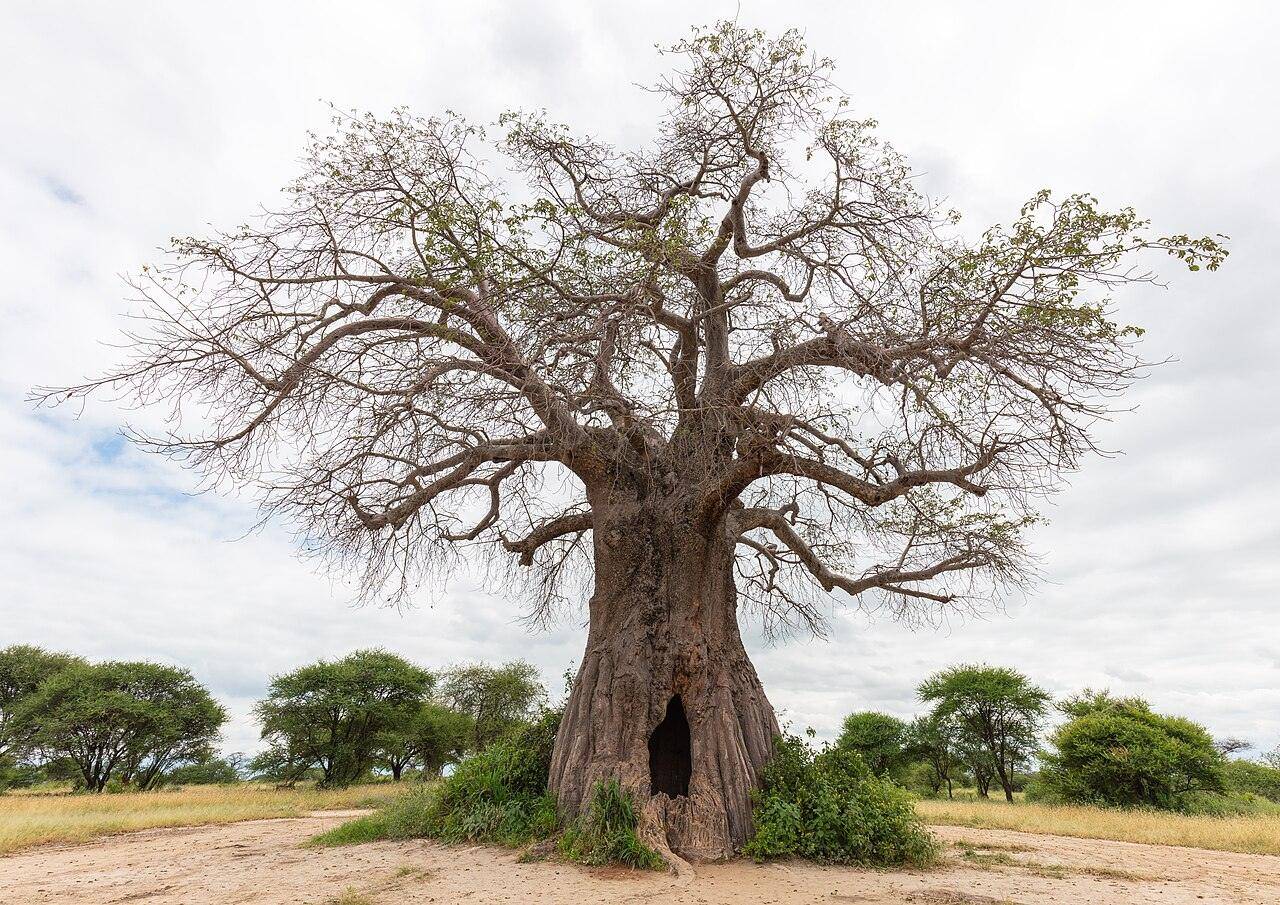
The landscape is different from all the other northern parks: savannah hills with enormous baobabs, trees hundreds of years old with gigantic trunks, palms and swamps. Here you also see lions, leopards, cheetahs, giraffes, buffaloes, greater kudus, oryx and hundreds of bird species, including ostriches and weaver birds, which build their nests hanging from the branches.
At midday, have lunch in a spot overlooking the river valley, where elephants come down to drink.
In the afternoon, continue the safari until sunset, then return towards Karatu, on the green hills near the Ngorongoro Crater.
In the evening, have dinner at the lodge, overlooking the coffee plantations.
Overnight in the Karatu area.
Practical tip: in Tarangire there are many tsetse flies, especially in wooded areas. Wear light-coloured clothes, avoid dark blue and black, and use repellent.
- Day 4
To the Serengeti
Today you reach Africa's most famous plain.
In the morning, leave Karatu, climb to the rim of the Ngorongoro Crater, with a first view of the floor, and cross the Ngorongoro Conservation Area, with its grass plains, hills and Maasai villages, to the Serengeti, about five or six hours with stops. Entry to the Ngorongoro Conservation Area for a non-resident adult costs 70.80 US dollars per person every twenty-four hours; it is usually included in the safari price, but check your contract.
On the way, if you wish, stop at Olduvai Gorge, one of the most important sites in the world for human history, where fossils and stone tools of early humans who lived almost two million years ago were found. There is a small museum. Check prices and times.
In the afternoon, you enter Serengeti National Park, a UNESCO World Heritage Site. The name comes from the Maasai language and means endless plain: it is an immense grass savannah, with scattered acacia trees and great granite outcrops called kopjes, where lions often rest. Entry to the Serengeti for a non-resident adult costs 82.60 US dollars per person every twenty-four hours, VAT included; it is usually included in the safari price, but check your contract with the operator.
In the late afternoon, take your first game drive in the central Seronera area, rich in animals all year round.
In the evening, sleep in a tented camp in the savannah.
Overnight in the Serengeti, for three nights.
Practical tip: in Serengeti tented camps animals pass close to the tents at night. After sunset never go out alone: always ask for an escort.
- Day 5
The central Serengeti
Today you spend a full day in the Serengeti.
At dawn, set off on safari, with a packed breakfast and lunch, to explore the Seronera area, in the centre of the park. Here the Seronera River and its tributaries bring water all year round, and the area is famous for big cats. The Serengeti is one of the best places in the world to see lions, which live in large prides, leopards, which often rest on the branches of sausage trees along the rivers, and cheetahs, which hunt on the open plains.
On the plains you also see giraffes, elephants, buffaloes, hyenas, jackals, Thomson's and Grant's gazelles, topi and impala, and hundreds of bird species, such as the martial eagle and the secretary bird.
At midday, stop for lunch at a scenic spot, under a tree or by a kopje.
In the afternoon, if you wish, visit the Seronera visitor centre, with the history of the park and the migration, and a short trail over the rocks. Then continue the safari until sunset, when the light turns golden over the savannah.
For a special experience, at dawn you can take a hot-air balloon flight over the Serengeti, with breakfast in the savannah after landing. Check prices and conditions.
In the evening, have dinner at camp around the fire.
Overnight in the Serengeti.
Practical tip: in the Serengeti you only drive on the tracks, and in busy areas the guides communicate by radio. Ask your guide not to get too close to the animals and to respect the park rules.
- Day 6
The migration
Today you follow the great migration.
The great migration is the circular movement of more than a million wildebeest, together with hundreds of thousands of zebras and gazelles, which over the year follow the rains and the fresh grass between the Serengeti and the Masai Mara, in Kenya. Where the migration is depends on the month.
From December to March the herds are in the southern Serengeti, on the plains around Ndutu, where hundreds of thousands of wildebeest calves are born within a few weeks, with many predators around. From May to July the herds move west and north, into the western corridor, with crossings of the Grumeti River. From July to October they are in the northern Serengeti and the Masai Mara, with the spectacular crossings of the Mara River, among the crocodiles. In November they head back south.
Today, depending on the season, set off at dawn with your guide towards the area where the migration is, to the north, west or south. Some safaris move camp to sleep near the herds: ask about this when you book. Spend the day among the herds, which sometimes fill the plain to the horizon, with the noise of the wildebeest and the dust.
In the evening, sleep at camp, near the migration or in the central area.
Overnight in the Serengeti.
Practical tip: the migration moves a little differently every year, depending on the rains. The guides follow it day by day: trust their advice and keep your plans flexible.
During river crossings many vehicles move close. A good guide keeps a distance and does not block the animals' path.
- Day 7
The Ngorongoro Crater
Today you descend into Africa's most famous crater.
Early in the morning, leave the Serengeti and return to the Ngorongoro Conservation Area, a UNESCO World Heritage Site, about three hours.
The Ngorongoro Crater is the largest intact, unflooded volcanic caldera in the world, about twenty kilometres across, with walls about six hundred metres high. It formed when a great volcano collapsed on itself, about two or three million years ago. On the floor are grasslands, a salt lake with flamingos, swamps and a small forest, home to about twenty-five thousand large animals, which rarely leave the crater.
Go down into the crater on a steep track from the rim to the floor, six hundred metres below. Vehicle entry into the crater costs 295 dollars, in addition to the tickets for the people. The rules limit the time you can spend on the floor: check the current times with your agency.
In the crater you see lions, hyenas, elephants with long tusks, buffaloes, wildebeest, zebras, hippos and, with some luck, black rhinos, one of the rarest species in Africa. Have lunch on the shore of the hippo pool, but be careful: kites snatch food from your hands.
In the afternoon, climb back up to the rim of the crater and return to Karatu or Arusha.
In the evening, have dinner at the lodge and pack for the sea.
Overnight in Karatu or Arusha.
Practical tip: on the crater rim, at over 2,000 metres, it is cold in the morning and often misty. Bring a fleece and a jacket.
- Day 8
Flight to Zanzibar
Today you leave the savannah and fly to the Indian Ocean.
In the morning, go to Arusha or Kilimanjaro airport and take the flight to Zanzibar, about an hour and a half, sometimes with a stop. From the plane, if the sky is clear, you see Kilimanjaro, the plains and then the coast and the turquoise sea.
Zanzibar is an archipelago off the coast of Tanzania, with the main island, called Unguja, and Pemba, further north. For centuries it was a great trading centre of the Indian Ocean, ruled by the sultans of Oman, with the trade in spices, ivory and, sadly, slaves. Today the population is largely Muslim, with a Swahili culture, a blend of African, Arab, Persian and Indian traditions.
In the afternoon, settle in Stone Town, the old town, a UNESCO World Heritage Site, with its narrow lanes, houses of coral stone, great carved wooden doors with brass studs, mosques, markets and sultans' palaces.
At sunset, go to the Forodhani Gardens, on the seafront, where every evening a street food market opens, with grilled fish, skewers, Zanzibar pizza, a stuffed pastry cooked on a griddle, and sugar cane juice.
Overnight in Stone Town, for two nights.
Practical tip: in Zanzibar, away from the beaches, cover your shoulders and legs, out of respect for Muslim culture. During Ramadan eat and drink discreetly in public during the day.
- Day 9
Stone Town and the spice tour
Today you discover the old town and the spices of Zanzibar.
In the morning, walk through Stone Town with a local guide, because it is easy to get lost in the lanes. Visit the Anglican cathedral, built at the end of the nineteenth century on the site of Zanzibar's last slave market, closed in 1873, with its museum and the underground chambers where slaves were held, a very moving place. Check prices and times.
Then pass the House of Wonders, the great sultan's palace, and the old Arab fort, and visit Darajani market, with fish, meat, tropical fruit and spices. If you wish, also see the house where Freddie Mercury, the singer of Queen, was born in Zanzibar in 1946.
In the afternoon, take the spice tour, on one of the plantations in the island's interior, about half an hour from town. A guide shows you clove, nutmeg, cinnamon, pepper, vanilla, cardamom, lemongrass and turmeric plants, and lets you taste tropical fruits such as jackfruit, durian and passion fruit. Zanzibar was for a long time one of the world's leading producers of cloves, and it is still called the spice island. Check prices and what is included.
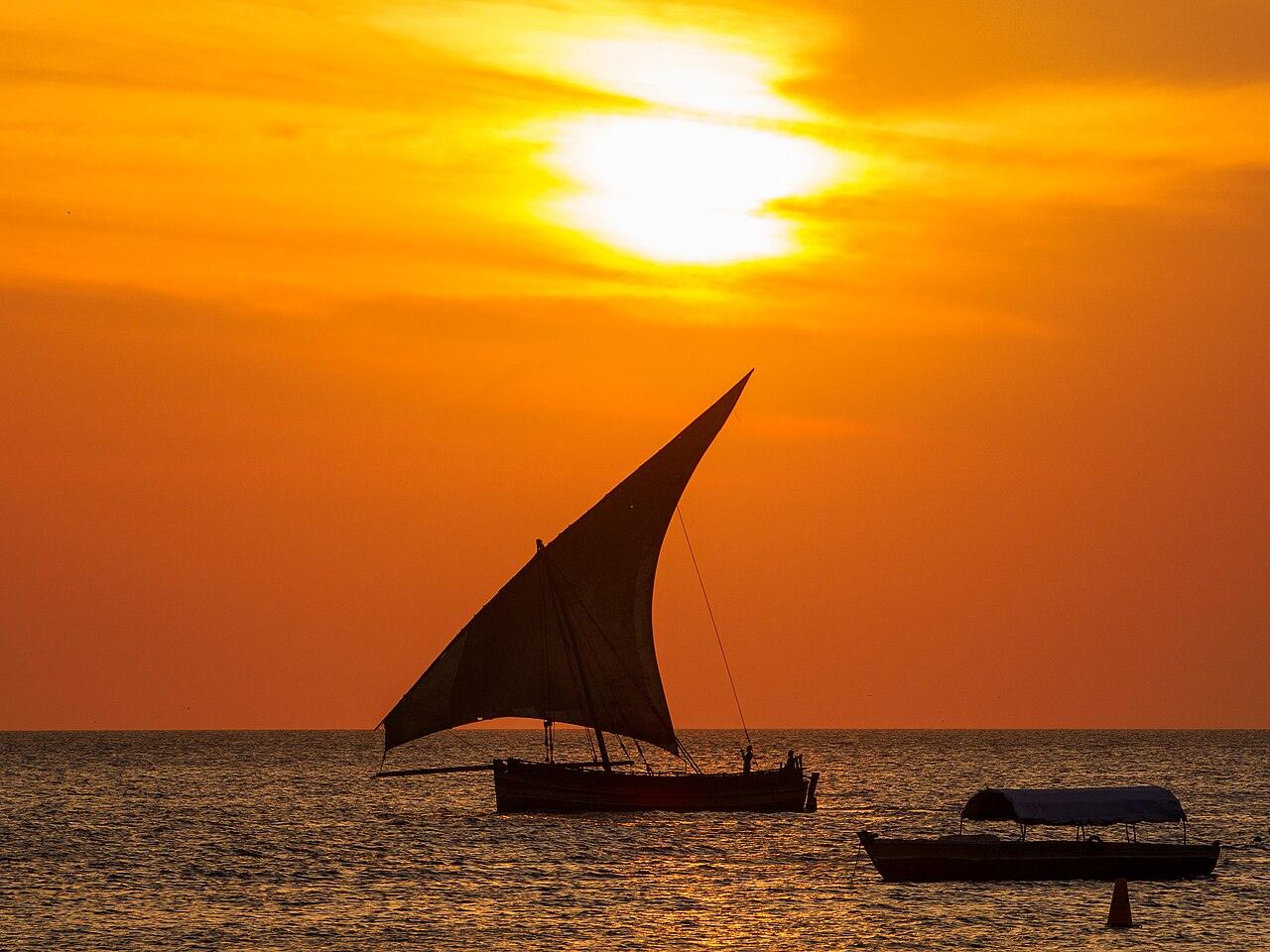
At sunset, take a dhow trip, on the traditional sailing boat, in front of Stone Town.
In the evening, have dinner on a rooftop terrace in the old town.
Overnight in Stone Town.
Practical tip: in Stone Town many young men offer themselves as guides. Choose a licensed guide, by asking your accommodation, and agree the price first.
- Day 10
Jozani forest and on to the coast
Today you visit the forest of the red monkeys and reach the beaches.
In the morning, leave Stone Town heading south-east to Jozani Chwaka Bay National Park, about an hour, Zanzibar's only national park. Here lives the Zanzibar red colobus, a rare monkey found only on this island, with red and black fur, a pale face and a long tail. With a park guide you walk the forest trails to see groups of colobus eating leaves in the trees, used to people. Then follow the wooden boardwalk through the mangrove forest on the bay. Check prices and times.
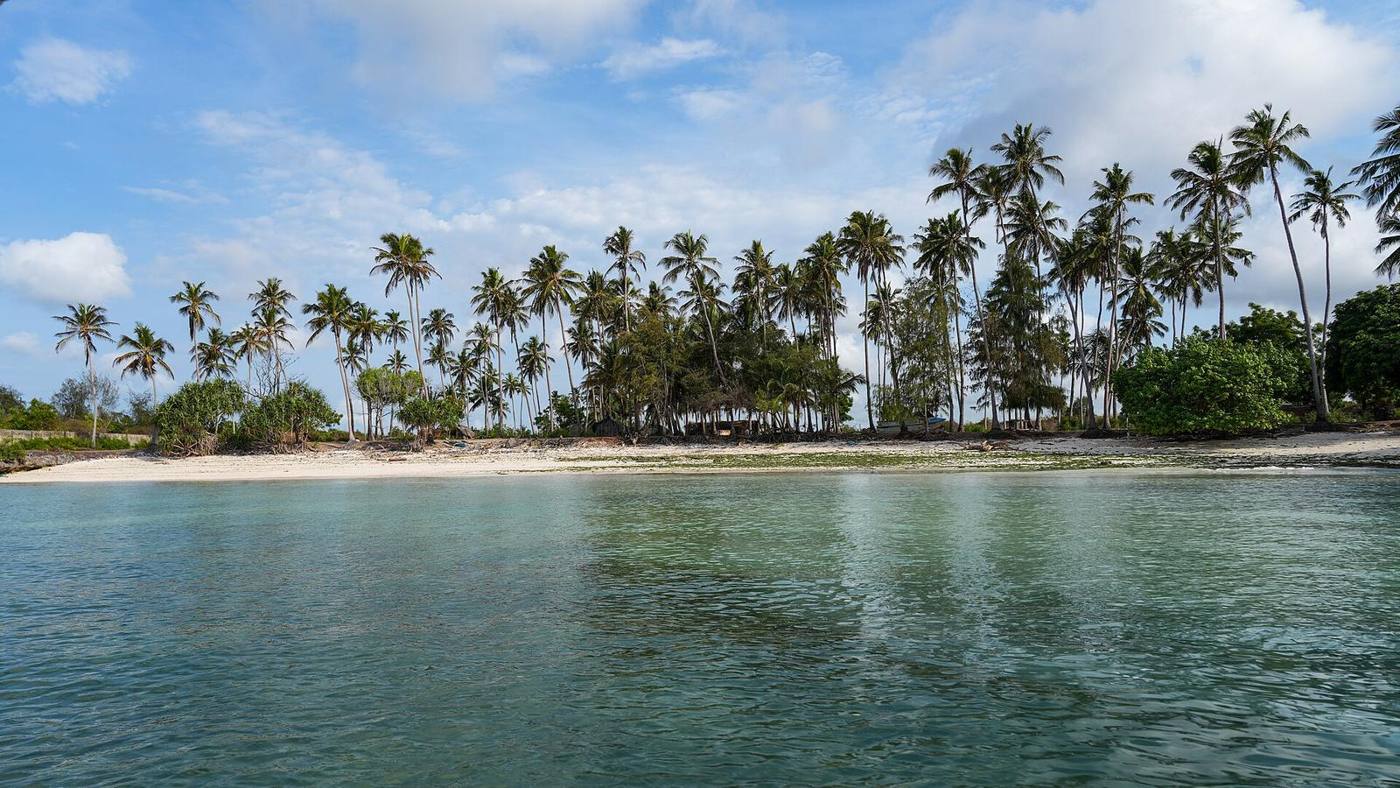
In the afternoon, continue to the coast. You can choose between the north coast, around Nungwi and Kendwa, where the sea is less affected by the tides and you can swim at any time, with sunsets over the ocean, or the east coast, around Paje, Jambiani and Matemwe, with white beaches, lagoons and very strong tides, which at low tide uncover kilometres of sand and seaweed.
Arrive at your accommodation on the beach and relax.
In the evening, have the fish of the day cooked with coconut and Zanzibar spices, and pilau rice.
Overnight on the coast, for five nights.
Practical tip: in Jozani do not feed the colobus, do not touch them and stay at least three metres away, as the guides ask. The monkeys can catch human diseases.
On the east coast, in the evening, the seaweed farmed by the village women can be seen in the lagoon at low tide.
- Day 11
The beaches of Zanzibar
Today you enjoy the sea of Zanzibar.
In the morning, walk along the beach at dawn, when the fishermen return with their boats and the women gather seaweed in the lagoon. Zanzibar's sea has warm water all year round, an intense turquoise, with the coral reef offshore.
Relax on the beach, swim and, if you are on the east coast, follow the rhythm of the tides: at low tide you can walk for hundreds of metres into the lagoon, among pools full of starfish, urchins and small fish; at high tide the water comes back and you can swim.
In the afternoon, if you are on the east coast, try kitesurfing at Paje, one of the best places in Africa to learn, thanks to the steady wind and the shallow lagoon. Check prices and safety. If you are on the north coast, at Nungwi, visit the village turtle pool, where sea turtles caught by accident in fishermen's nets are protected. Check prices and times, and choose places that return the turtles to the sea.
At sunset, sit on the beach to watch the dhows coming home under sail.
In the evening, have dinner on the beach, with your feet in the sand.
Overnight on the coast.
Practical tip: the sun in Zanzibar is very strong. Use high-factor sun cream, a hat and a T-shirt in the water.
On the beaches, sellers known as beach boys offer trips and souvenirs. Answer politely and book trips through your accommodation.
- Day 12
Mnemba and the dolphins
Today you snorkel on Zanzibar's finest coral reef.
Early in the morning, set off by boat from Matemwe or Nungwi to Mnemba Atoll, a small coral atoll off the north-east coast, with a private island in the centre and a marine conservation area around it. There is a marine area fee: check prices and rules. You cannot land on the island, but around the atoll the water is crystal clear and the reef is rich in tropical fish, such as clownfish, butterflyfish, triggerfish, rays and sea turtles. If you dive, some of the island's best dives are here.
During the boat trip you often see the dolphins that live in this area. Choose an operator that respects the animals, without chasing dolphins with boats and without dropping people into the water on top of them.
At midday, have lunch on the boat or on the beach with grilled fish and fruit.
In the afternoon, return to your accommodation and relax.
In the evening, if you are in Nungwi or Kendwa, watch the sunset over the ocean, one of the finest on the island.
Overnight on the coast.
Practical tip: safety standards on Zanzibar boats are not always good. Check that there are life jackets and that the boat is not overcrowded. If the sea is rough, postpone the trip.
Do not step on or touch the coral, and do not take away shells or starfish.
- Day 13
A village and Michamvi
Today you discover life in the coastal villages.
In the morning, visit a fishing village with a local guide, such as Jambiani on the east coast, to learn about daily life: fishing in the wooden boats called ngalawa, seaweed farming in the lagoon, done mainly by women, the school, the mosque and the coral stone houses. Choose a visit organised with the community, where part of the money goes to the village, and always ask permission before taking photos.
Then go to the Michamvi peninsula, at the tip of the east coast, with quiet beaches, mangroves and views over Chwaka Bay, one of the best places on the island for sunset over the sea.
In the afternoon, relax on the beach, or visit Kuza Cave, near Jambiani, a limestone cave with a freshwater pool where you can swim, considered sacred by local people. Check prices and times.
In the evening, have a last dinner on the beach, with fish, seafood and coconut dessert.
Overnight on the coast.
Practical tip: in Zanzibar's villages cover your shoulders and legs, even if you are near the sea. Swimwear is only worn on the beach and in hotels.
Buy crafts directly from the village cooperatives: the money helps the families.
- Day 14
Relaxing on the Indian Ocean
Today is your last day by the sea.
In the morning, relax on the beach, swim and snorkel in the lagoon or on the reef near the shore.
If you want one last experience, take a boat trip to the Nakupenda sandbank, a bank of white sand that rises from the sea at low tide, off Stone Town, with a lunch of grilled fish, fruit and a swim in the turquoise water. Alternatively, go to Prison Island, Changuu, half an hour by boat from Stone Town, home to Aldabra giant tortoises, brought from the Seychelles at the start of the twentieth century, some over a hundred years old. Check prices and times.
In the afternoon, have a massage with coconut and spice oils, or simply rest under the palm trees.
At sunset, watch the sun go down over the sea and the dhows sailing past with their triangular sails.
In the evening, have your last dinner in Tanzania, perhaps with lobster or octopus in coconut curry, and a fresh passion fruit juice.
Overnight on the coast.
Practical tip: pack the night before. Check the weight limits for your flight home, especially if you have bought spices, fabrics and wooden objects.
Some products cannot be exported, such as coral, protected shells and ivory objects: never buy them.
- Day 15
Departure
Today you leave Tanzania.
In the morning, if your flight leaves late, take a last swim in the Indian Ocean and a last walk on the beach.
Then leave for Zanzibar International Airport, near Stone Town, about an hour or an hour and a half from the northern and eastern beaches. International flights leave from here, often with a connection in the Gulf, Ethiopia or Europe. Allow plenty of time for checks and traffic.
In these fifteen days you have seen the best of Tanzania: the forest and lake of Manyara, the elephants and baobabs of Tarangire, the lions, leopards and great migration of the Serengeti, the Ngorongoro Crater with its rhinos, then Stone Town, the spices, the red colobus of Jozani, the Mnemba reef and the beaches of Zanzibar.
When to go: the best period for safaris is from June to October, in the dry season, when the animals gather near water and the migration is in the northern Serengeti. From December to March is the wildebeest calving season in the southern Serengeti. In April and May the long rains arrive, and many camps and hotels close. In Zanzibar the climate is warm all year round, with the best sea from June to October and from December to February.
Practical tip: on safari, tipping the guide and the cook is an important custom. Ask your organiser for the recommended amounts and prepare the notes in dollars or Tanzanian shillings in separate envelopes.
The perfect pairing: a week of safari and a week by the sea. Zanzibar is nicest on the east and north coasts, and Stone Town deserves at least one night. The April and May rains make both the parks and the beaches difficult.
Before you go
- Documents and visa
- Passport valid for at least six months and a visa, applied for online on the official immigration website. From 2026 compulsory travel insurance is also required, and Zanzibar has its own: dates and costs differ between sources, so check the official websites.
- Health and vaccines
- Malaria prevention is recommended; a yellow fever certificate is needed if you arrive from a country at risk. Drink only bottled water. Emergencies: 112.
- Money and payments
- Tanzanian shilling. Parks are paid by card and safaris often in US dollars; carry cash for tips.
- Power sockets
- Types G and D, 230 volts: you need an adapter for British plugs.
- Time zone
- UTC+3 all year.
- Safety
- The United States rates Tanzania level 2, with more caution in the Mtwara region; the United Kingdom advises against travel within 20 km of the border with Cabo Delgado in Mozambique. Official advice: GOV.UK.
Information checked in November 2026 for Italian and EU citizens. Rules change: always check before you travel.
Variations
In 10 days: Tarangire, the Serengeti for two nights and the Ngorongoro Crater, then three days in Zanzibar, without Lake Manyara.
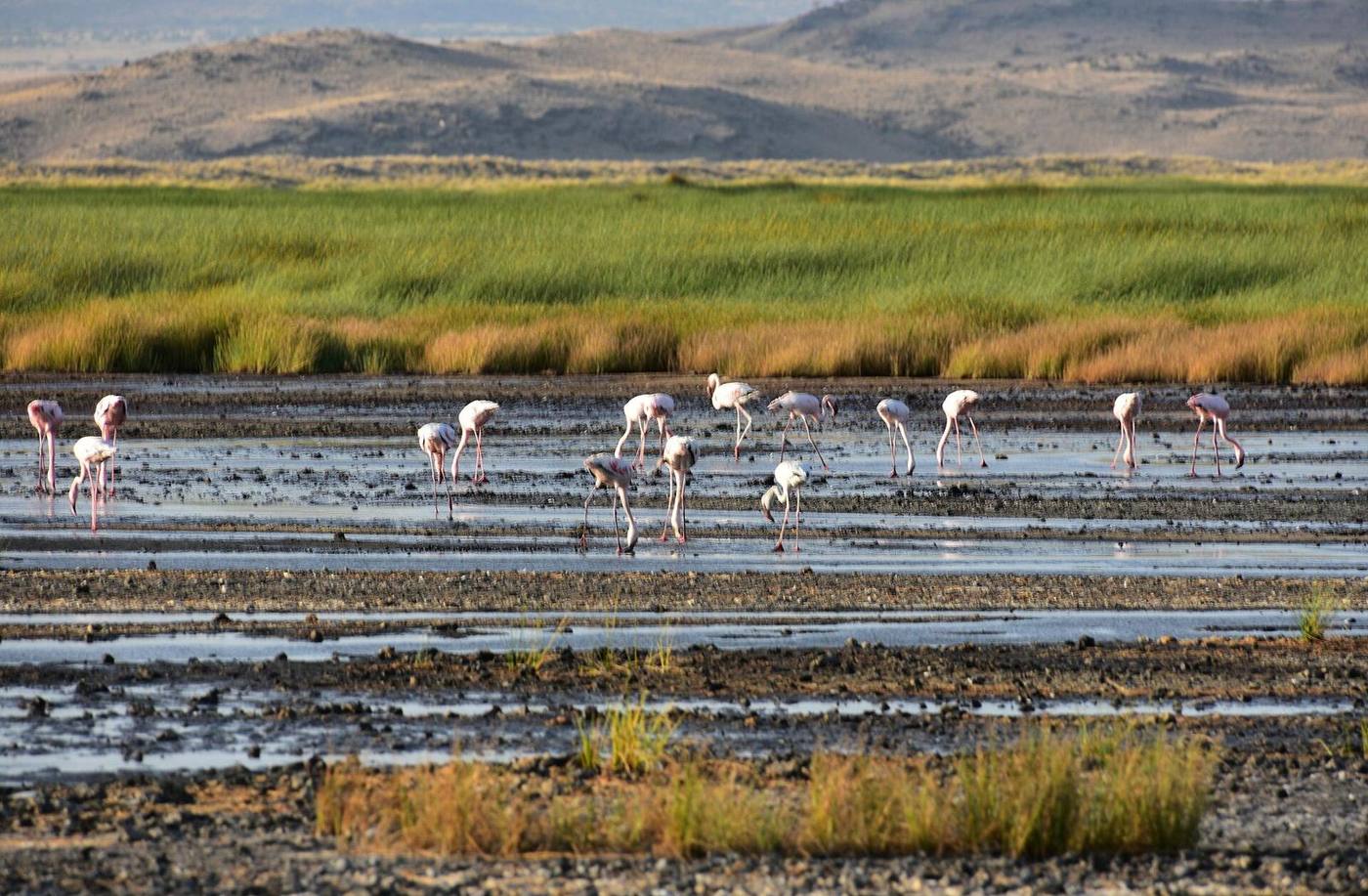
In 19 days: add Lake Natron, with its flamingos and the Ol Doinyo Lengai volcano, between Lake Manyara and the Serengeti, or a few days on the quieter island of Pemba, after Zanzibar.
Frequently asked questions
What documents do I need for Tanzania and Zanzibar?
You need the Tanzanian visa, applied for online on the official website, and a passport. Check the yellow fever requirements. Zanzibar also requires its own compulsory travel insurance. Other nationalities should check their own rules.
How much do the parks cost?
Entry to the Serengeti costs 82.60 dollars per person every twenty-four hours, VAT included, and to the Ngorongoro area 70.80 dollars. A vehicle in the crater costs 295 dollars. They are usually included in the safari price: check your contract.
When can you see the migration?
It depends on the month: from December to March in the southern Serengeti, with the calving; from May to July in the west; from July to October in the north, with the Mara River crossings.
Indicative itinerary written by World Atlas. Before booking, check timetables, seasonal openings, documents and safety.
 7 daysModerate
Classic safari: Tarangire, Serengeti, Ngorongoro
The northern circuit in a week: elephants and baobabs, the endless Serengeti plains and Africa's most famous crater.
 9 daysEasy
The northern parks and Lake Natron
Tarangire, the Serengeti, Ngorongoro Crater, Olduvai Gorge and the flamingos of Lake Natron below the Maasai's sacred volcano.
 9 daysEasy
Zanzibar: Stone Town, beaches and reef
A week on the spice island: the lanes of Stone Town, the white beaches of the east coast, snorkelling at Mnemba and dhows at sunset.