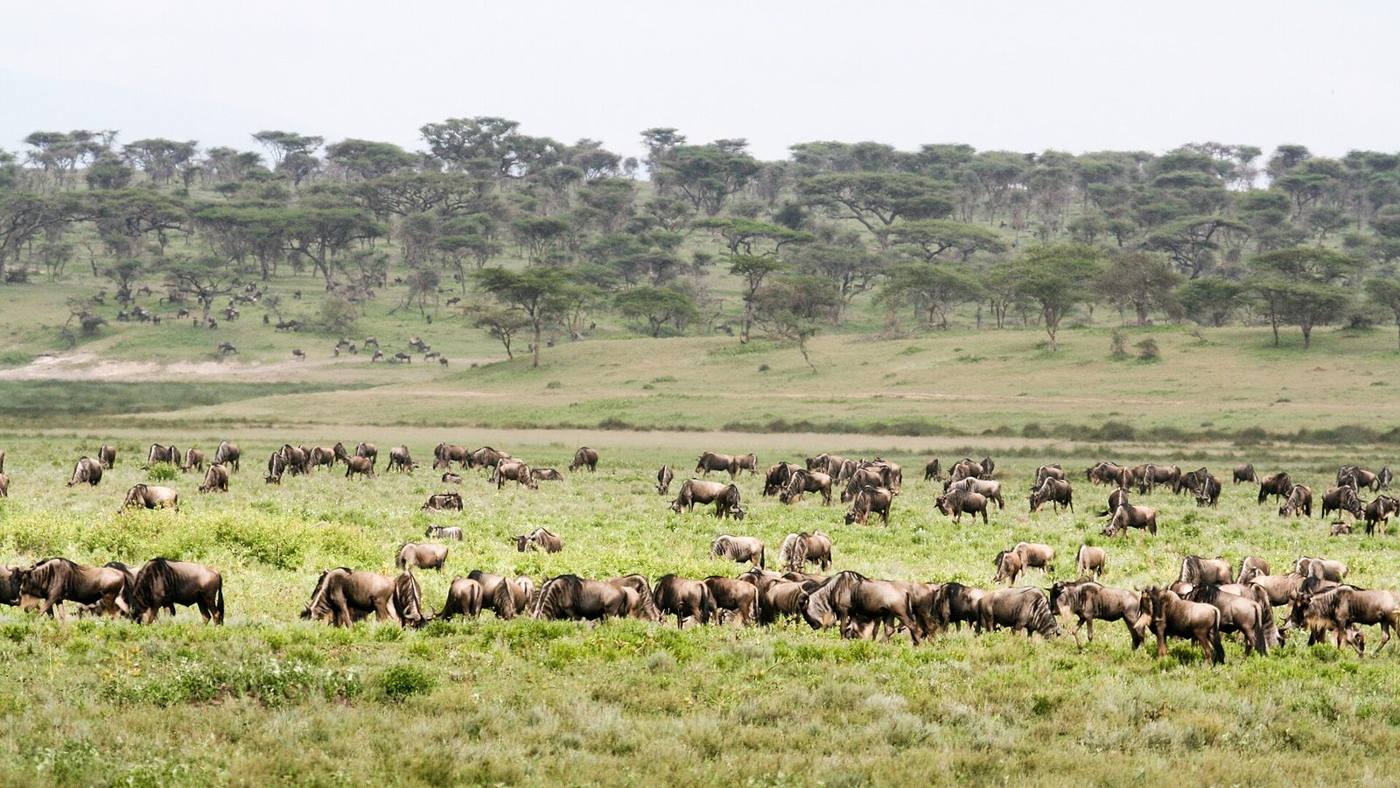
Southern Serengeti and the migration calving
Between January and March the wildebeest gather on the short-grass plains around Ndutu, on the border between the Serengeti and the Ngorongoro area, and in a few weeks hundreds of thousands of calves are born: it is the predators' moment, with lions, cheetahs and hyenas always on the move.
- Arusha
- Ndutu
- Serengeti
- Ngorongoro
Day by day
- Day 1
Arrival in Arusha
Every year more than a million wildebeest, along with hundreds of thousands of zebras and gazelles, make a great circuit between the Serengeti in Tanzania and the Maasai Mara in Kenya, following the rain and fresh grass. Between January and March the herds settle on the grassy plains of the southern Serengeti and the Ndutu area, on the edge of the Ngorongoro Conservation Area, and here almost all of them give birth in the same period: in a few weeks hundreds of thousands of calves are born. The predators, lions, cheetahs, hyenas and leopards, follow the herds. In six days you see the plains of Ndutu and the southern Serengeti in the calving season.
You arrive at Kilimanjaro International Airport, between Arusha and Moshi, usually with one change from Europe.
Arusha is the gateway to northern Tanzania's safaris, a green, lively city at the foot of Mount Meru, a volcano over four and a half thousand metres high. Rest after the journey and, if you have time, walk through the central market, with tropical fruit, spices and colourful fabrics.
In the evening, meet your safari guide, who explains the programme and checks your documents and equipment with you.
In the evening, sleep in Arusha.
Practical tip: the United States has Tanzania at level 2. Visa and entry rules change often: check the official Tanzanian immigration website before you travel.
- Day 2
Transfer to Ndutu via the Ngorongoro highlands
In the morning, set off west by 4x4 across the Rift Valley, the great fracture in the earth's crust that runs through East Africa, passing near Lake Manyara and the villages of Mto wa Mbu, with their banana groves and rice fields.
Then climb onto the Ngorongoro highlands, covered in cloud forest, to the rim of the Ngorongoro Crater, the great caldera of a volcano that collapsed about two and a half million years ago, about twenty kilometres across. From the viewpoint on the rim, look down onto the crater floor, with its lake, grasslands and herds that look like dots.
Descend the other side of the highlands towards the dry plains, passing Maasai villages and herds, as the Maasai live in the conservation area with their livestock.
On the way you can stop at Olduvai Gorge, one of the most important sites in the world for the study of human origins: here the Leakey family of palaeontologists found remains of ancient hominins and the first stone tools, almost two million years old. A small museum explains the discoveries.
In the afternoon you reach the Ndutu area, with the first wildebeest herds on the horizon.
In the evening, sleep in a tented camp at Ndutu.
Practical tip: the highland roads are unpaved and full of potholes, and the journey takes most of the day. Bring water, a snack and a scarf for the dust.
- Day 3
The Ndutu plains: herds and calving
Today is the heart of the trip. Early in the morning, before dawn, set off by 4x4 towards the grassy plains of Ndutu, when the animals are most active and the light is golden.
Before you stretch herds of wildebeest as far as the eye can see, along with zebras and Thomson's gazelles. The plains, rich in minerals from the ash of nearby volcanoes, produce very nutritious grass, ideal for nursing mothers.
In this period you see the calves being born. Wildebeest females usually give birth in the morning, in the middle of the herd: the calf stands up a few minutes after birth and is soon able to run after its mother. It is an adaptation to survive predators.
The guide follows the herds patiently, turning off the engine and waiting in silence. Watch how mothers defend their calves and how the herds move all together when they sense danger.
For lunch, have a picnic in the savannah under an acacia, or return to camp to rest during the hottest hours.
In the afternoon, go out again onto the plains, with low light and storm clouds on the horizon.
In the evening, sleep at Ndutu.
Practical tip: the calving season runs roughly from January to March, peaking in February, but it depends on each year's rains. The herds move: check the most likely location with your operator when you book.
- Day 4
Following the predators and Lake Masek
Today, follow the predators, which at this season are more numerous and active than ever, drawn by the newborn calves.
In the morning, look for cheetahs, which hunt by day on the open plains: the Ndutu plains are among the best places in Africa to see them, often sitting on a small termite mound watching the herds. Look for lions, resting in the acacia groves near water, and packs of spotted hyenas.
Around the lakes and woods of Ndutu live leopards and servals, small cats with large ears and long legs, as well as giraffes, elephants and many birds, such as bustards, ostriches and vultures.
Watching a hunt can be hard: the guide explains the role of predators in the balance of the savannah, where it is mainly the weakest animals that die.
In the afternoon, go to Lake Masek, one of the area's two lakes, with alkaline, salty water. Pink flamingos live on its shores, sometimes in their thousands, and the herds come to drink. The acacia woodland around the lake is one of the best places for leopards and tree-climbing lions.
In the evening, sleep at Ndutu.
Practical tip: in the Ndutu area the rules on driving off the tracks differ from those in the Serengeti. Follow your guide's instructions and do not ask to get too close to the animals.
- Day 5
The southern Serengeti plains
Today you enter Serengeti National Park, in its southern part, bordering Ndutu. Serengeti comes from the Maasai language and means the endless plain: almost fifteen thousand square kilometres of savannah, with short-grass plains in the south, woodland in the north and west, and granite outcrops called kopjes.
In the morning, explore the plains around the Gol and Naabi hills, where the migration herds move following the grass. Stop at the kopjes, islands of rock in the savannah: they are lions' favourite places to rest and watch the plain, and they shelter hyraxes, colourful lizards and owls.
At Naabi Hill, the park's southern entrance, walk the short path to the top of the hill, with views over the endless plains to the north.
In the afternoon, look for hyenas, jackals and vultures around the herds, and watch the smaller Thomson's and Grant's gazelles that live with the wildebeest.
At sunset, the Serengeti's enormous sky turns orange and purple, with the silhouettes of acacias and herds.
In the evening, at camp, listen to the sounds of the night, with lions and hyenas calling.
In the evening, sleep at Ndutu or in the southern Serengeti.
Practical tip: entry fees to the Serengeti and the Ngorongoro area are high and change often. Ask your operator to include them in the price and check the current amount.
- Day 6
Return to Arusha by air or road
In the morning, take a last dawn game drive on the plains to say goodbye to the herds and the calves born in recent days.
There are then two ways back to Arusha. The most comfortable is a flight in a small plane from one of the airstrips in the Ndutu or Serengeti area, in about an hour and a half: from above you see the plains dotted with herds, the rim of Ngorongoro and the Rift Valley. The second is to return by road, across the Ngorongoro highlands, in about six or seven hours.
If you return by road and have time, stop at a viewpoint on the crater rim, or at Mto wa Mbu for a lunch of local food and a walk among the fields and villages.
In Arusha, before your flight, you can visit a craft centre to buy wood carvings, Maasai fabrics, brightly coloured Tingatinga paintings and tanzanite, a violet-blue stone found only near Kilimanjaro.
Then leave from Kilimanjaro International Airport.
This trip combines well with the Ngorongoro Crater and Tarangire National Park, or with a few days by the sea in Zanzibar, reachable by air from Arusha.
Practical tip: small safari planes have luggage weight limits, usually around fifteen kilos, in soft bags without wheels. Check the rules when you book.
Where the herds are depends on the rains: it pays to stay in a mobile camp or near Ndutu. In the Ngorongoro area off-road driving is allowed, in the Serengeti it is not. Park fees are charged per day and must be budgeted for. A visa is required, applied for online before travelling. The UK advises against all but essential travel within 20 km of the border with Mozambique's Cabo Delgado province, in the Mtwara region: this itinerary stays well away from it.
Before you go
- Documents and visa
- Passport valid for at least six months and a visa, applied for online on the official immigration website. From 2026 compulsory travel insurance is also required, and Zanzibar has its own: dates and costs differ between sources, so check the official websites.
- Health and vaccines
- Malaria prevention is recommended; a yellow fever certificate is needed if you arrive from a country at risk. Drink only bottled water. Emergencies: 112.
- Money and payments
- Tanzanian shilling. Parks are paid by card and safaris often in US dollars; carry cash for tips.
- Power sockets
- Types G and D, 230 volts: you need an adapter for British plugs.
- Time zone
- UTC+3 all year.
- Safety
- The United States rates Tanzania level 2, with more caution in the Mtwara region; the United Kingdom advises against travel within 20 km of the border with Cabo Delgado in Mozambique. Official advice: GOV.UK.
Information checked in November 2026 for Italian and EU citizens. Rules change: always check before you travel.
Variations
In 4 days: two nights at Ndutu, flying to and from Arusha.
In 9 days: add the Ngorongoro Crater and a few days in Zanzibar.
Frequently asked questions
When can you see the calving?
Roughly from January to March, peaking in February. It depends on the rains: check with your operator before booking.
Do I need malaria prophylaxis?
There is a malaria risk in the area. Ask your doctor or a travel medicine clinic for advice. Also check the yellow fever rules.
What kind of accommodation is there?
The Ndutu area has lodges and tented camps, often mobile, moving with the migration. The tents have real beds and bathrooms.
Indicative itinerary written by World Atlas. Before booking, check timetables, seasonal openings, documents and safety.
 5 daysEasy
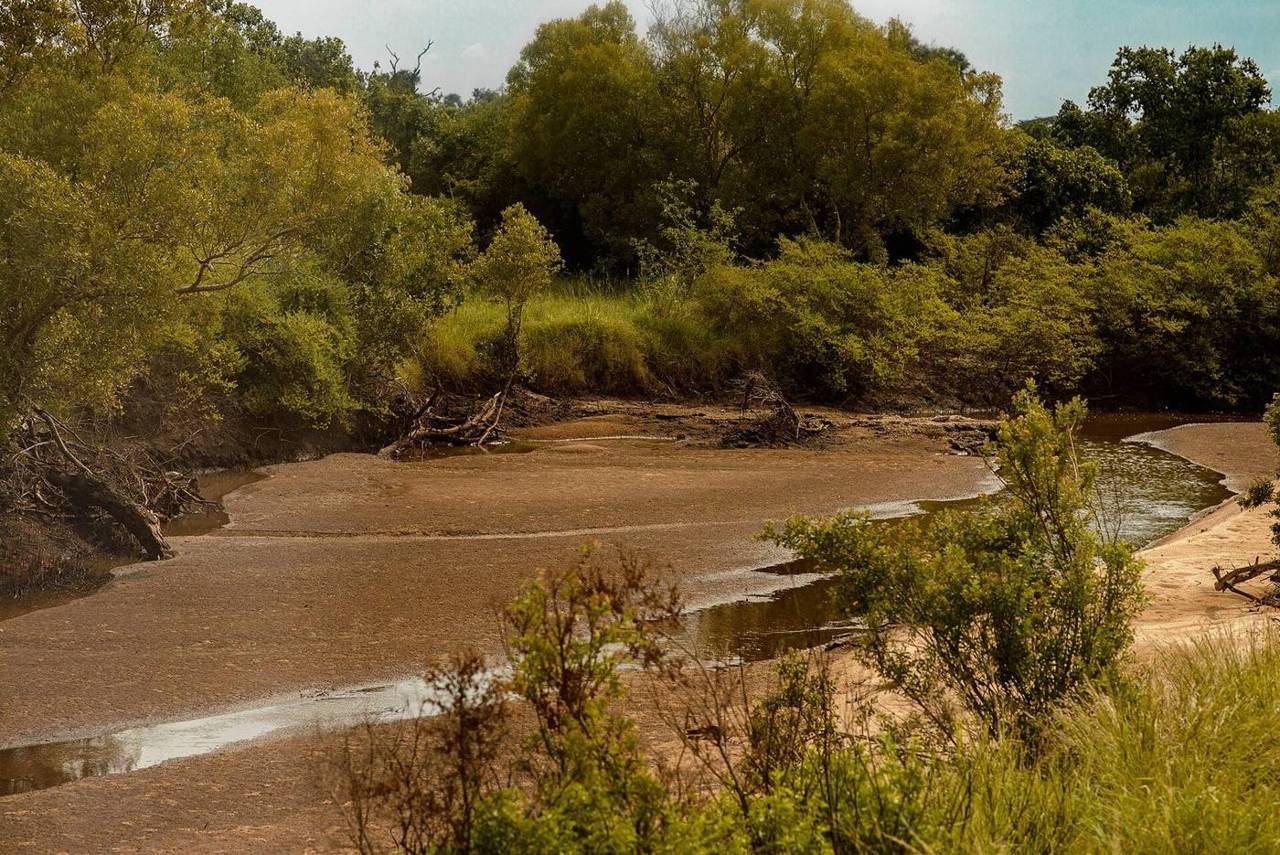
Saadani and the Pangani coast
Where the savannah meets the sea: Saadani National Park with game drives, walks and boat trips on the Wami River among hippos and crocodiles, beaches where turtles nest, then the Swahili town of Pangani and the Maziwe sandbank.
 9 daysChallenging
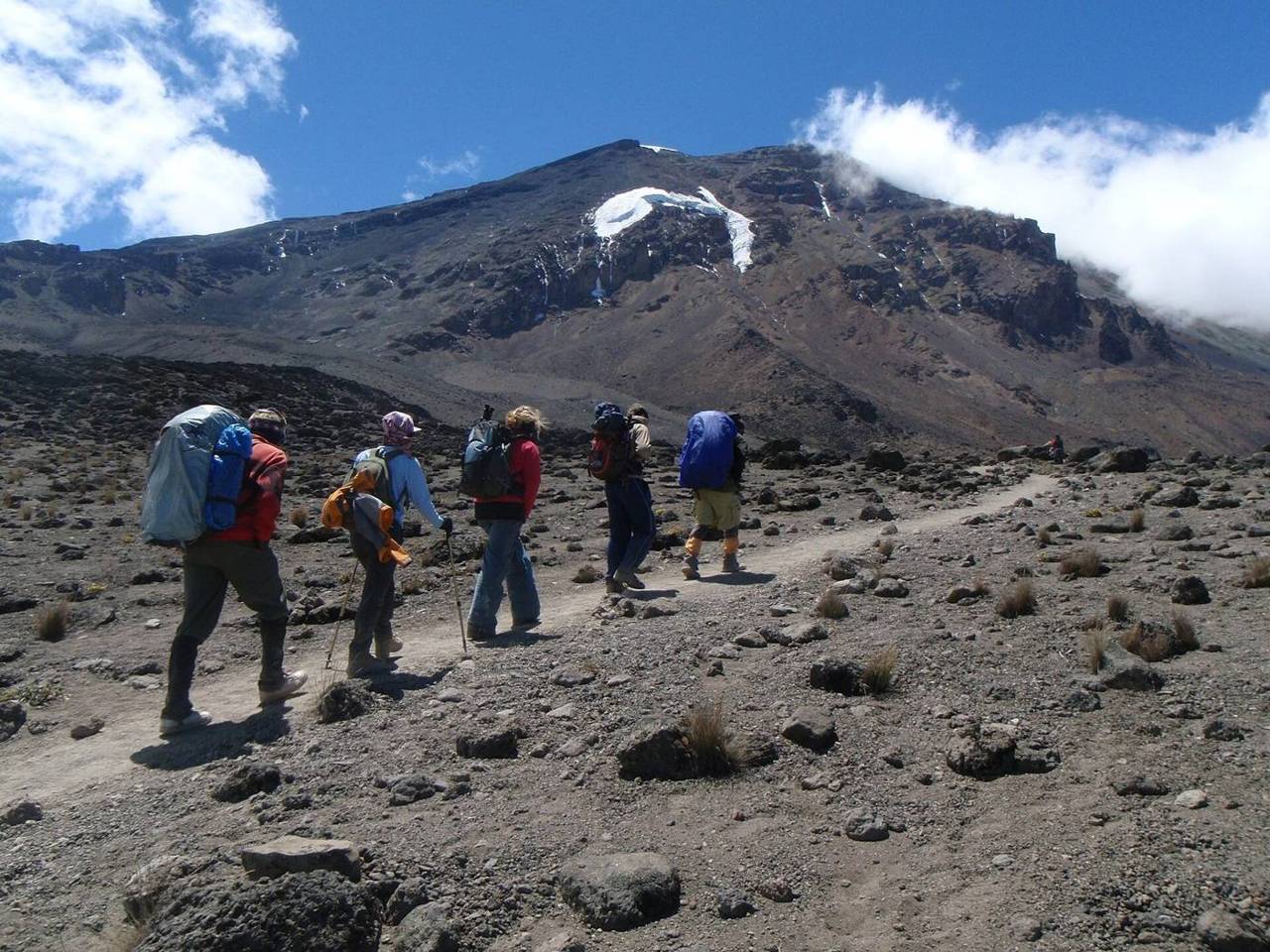
Kilimanjaro via the Lemosho route
The most scenic and gradual route up the roof of Africa: it starts in the western forest, crosses the whole Shira plateau, skirts below the southern glaciers past the Lava Tower and the Barranco Wall, and climbs to Uhuru Peak, 5,895 metres, with more days to acclimatise.
 3 daysEasy
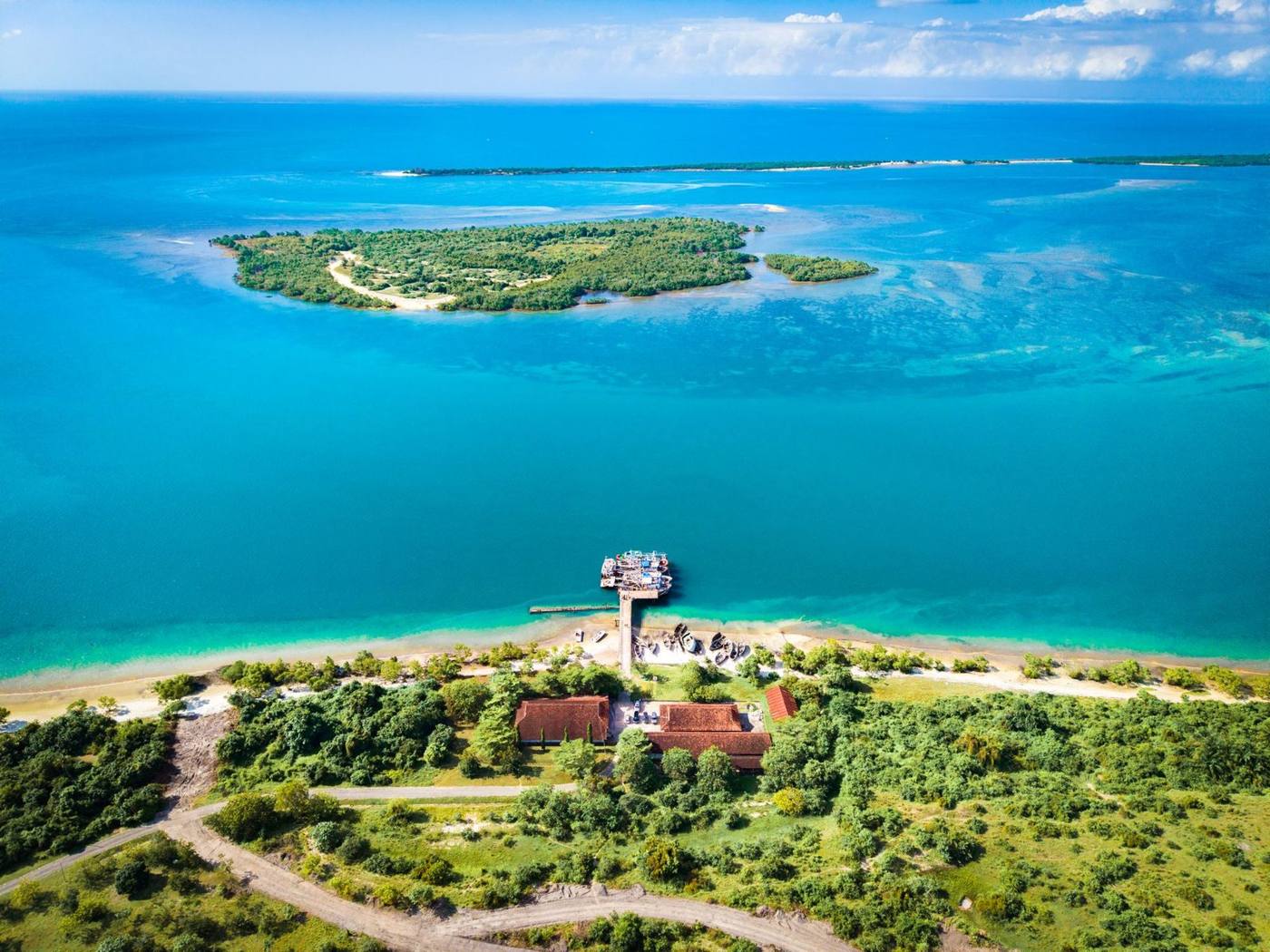
Dar es Salaam and Bagamoyo
The Swahili coast near the country's largest city: the National Museum and the fish market in Dar es Salaam, the Kariakoo district, then Bagamoyo, the old caravan port, with its fort, the Catholic mission and the medieval Kaole ruins by the sea.