Saadani and the Pangani coast
Where the savannah meets the sea: Saadani National Park with game drives, walks and boat trips on the Wami River among hippos and crocodiles, beaches where turtles nest, then the Swahili town of Pangani and the Maziwe sandbank.
- Dar es Salaam
- Saadani
- Wami
- Pangani
- Maziwe
Day by day
- Day 1
From Dar es Salaam to Saadani
Saadani National Park, on Tanzania's northern coast, is the only park in the country where the savannah reaches the Indian Ocean. Here elephants, giraffes and buffalo graze a few kilometres from beaches where sea turtles nest, and the Wami river, with hippos and crocodiles, flows into the sea among mangroves. There are fewer animals than in the great northern parks, but the mixed landscape of savannah, river and sea is rare in Africa. In five days you combine Saadani with the old Swahili town of Pangani, further north.
In the morning, leave Dar es Salaam by car heading north, through Bagamoyo, an ancient Swahili town and port of the slave and ivory trade, now quiet, with the Kaole ruins and German colonial houses. The drive to Saadani takes about four or five hours, with the last stretch on dirt roads. Alternatively there are small flights from Dar es Salaam or Zanzibar to the park airstrip.
Once at camp, on the seashore or in the savannah, settle in and rest. Many Saadani camps are right on the beach, with ocean views.
In the late afternoon, take your first game drive in the savannah. You see giraffes, zebras, warthogs, waterbuck, kudu and, with luck, elephants, which are shy here. At sunset, the golden light settles on the savannah and the coconut palms.
In the evening, have dinner on the beach, with the sound of the waves.
Practical tip: the area is malarial. Ask your doctor about prevention before leaving, always use repellent and sleep under a mosquito net.
- Day 2
Game drives and a walking safari
Early in the morning, set off on a game drive in the park's interior, among open savannah, acacia woods and wetlands. The first hours are the best for seeing animals: wildebeest, Lichtenstein's hartebeest, eland, buffalo, giraffes and, hidden in the bush, lions and leopards, though they are hard to see. There are also many birds: eagles, hornbills, bee-eaters and rollers.
In mid-morning, take a walking safari with an armed park ranger. Walking in the savannah is a different experience from a game drive: you look at animal tracks, insects, plants, termite mounds and small details you cannot see from a vehicle. The ranger explains how to read footprints and how to behave if you meet an animal.
In the hot hours, rest at camp, in the shade of the palms or on the beach. The sea off Saadani is calm and you can swim, but only where the camp advises.
In the afternoon, if you are there at the right season, ask the camp to visit Madete beach, where green turtles lay their eggs. The park protects the nests and, at certain times, you can watch the hatchlings racing to the sea.
In the evening, if the camp offers it, take a short night drive or watch the stars from the beach.
Practical tip: on the walking safari, always follow the ranger, walk in single file in silence, and do not stray from the group.
- Day 3
By boat on the Wami river
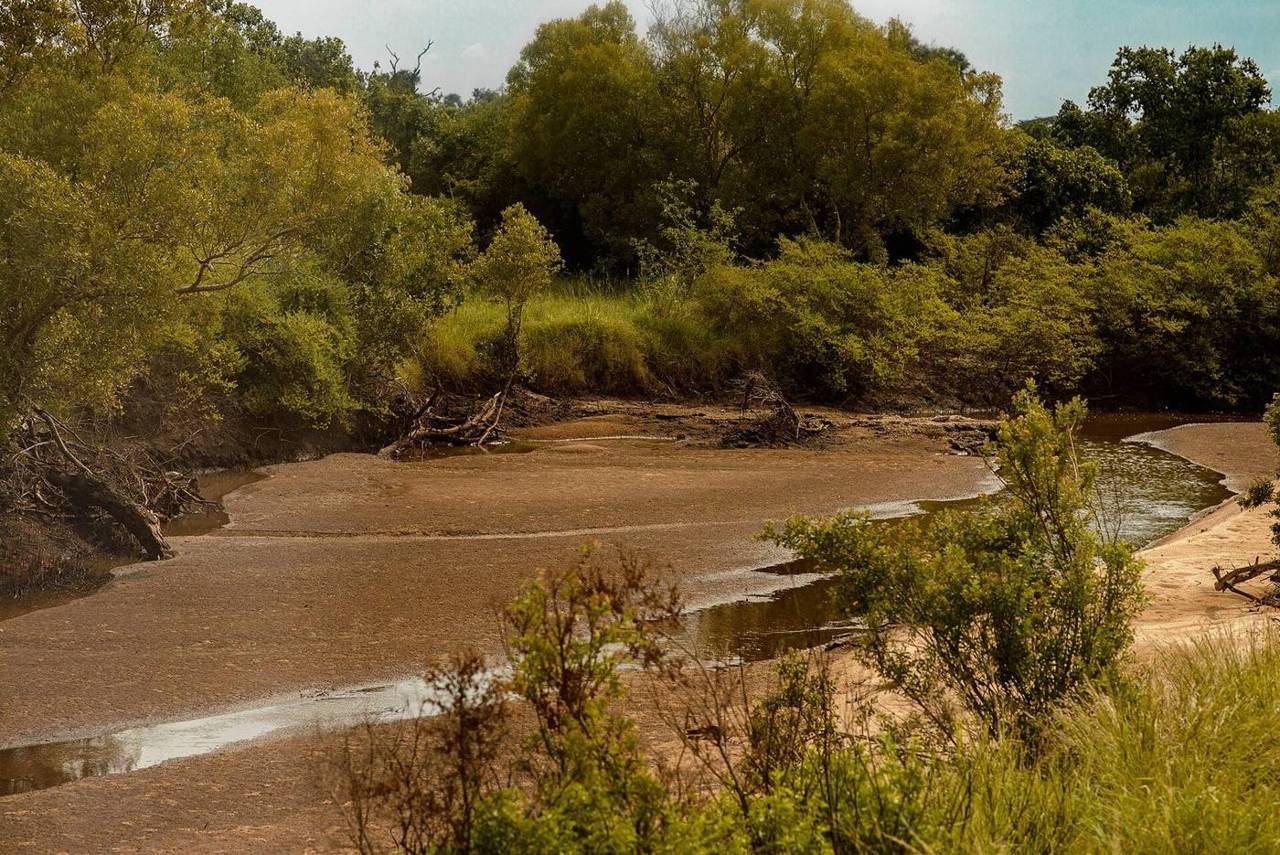
In the morning, take a boat trip on the Wami river, which crosses the park before flowing into the ocean. The boat moves slowly upriver between banks covered in mangroves, palms and tall trees, where you see many animals up close.
Large groups of hippos live in the river, snorting and diving near the boat, and big crocodiles bask on the sandy banks. On the branches you see black-and-white colobus monkeys and vervets and, among the birds, African fish eagles with their unmistakable call, kingfishers, Goliath herons, flamingos and storks. Sometimes elephants, giraffes and buffalo come to drink on the banks.
Towards the mouth the river widens and fresh water mixes with the salt water of the ocean, among mangroves and sandbanks.
In the afternoon, rest at camp. Later, take another game drive towards the parts of the park closest to the coast, where animals sometimes come right down to the beach. Seeing a giraffe with the sea behind it is one of Saadani's rarest sights.
At sunset, stop on the beach to watch the sun go down over the savannah, as fishermen from nearby villages return in their sailing boats.
Practical tip: on the boat, protect yourself from the sun with a hat, sunscreen and water. Never put your hands in the river: crocodiles are very close.
- Day 4
Pangani and the Maziwe sandbank
In the morning, leave Saadani and continue north along the coast, crossing the Pangani river on a small ferry, to the town of Pangani, in about an hour and a half.
Pangani is an old Swahili town at the mouth of the river of the same name, once an important port of the Arab trade, where caravans arrived from the interior carrying ivory, slaves and spices. In the late nineteenth century it was also the centre of the uprising against the Germans. Today it is a quiet, slightly faded town, with old merchants' houses with carved wooden doors, mosques, a market and fishing boats on the river.
In the centre, visit the historic houses and walk along the river, where you see dhows, the traditional sailing boats.
At midday, at low tide, take a boat to the Maziwe sandbank, about half an hour offshore. It is a small island of white sand that only emerges at low tide, in the middle of a marine reserve, surrounded by coral reefs. You snorkel among corals and colourful fish and walk on the sand in the middle of the sea. It was once an island with trees and a turtle nesting site, before being eroded by the sea.
In the afternoon, return to Pangani and relax on one of the beaches north of town, such as Ushongo, with palms and pale sand.
In the evening, try grilled fish with coconut and spices, typical of the Swahili coast.
Practical tip: the Maziwe trip depends on the tides. Ask your accommodation for the times and book the boat the day before.
- Day 5
The return
On your last morning, if you have time, take a last walk on the beach at dawn, when fishermen haul in their nets and women gather seaweed and shellfish at low tide.
Then set off. You can return to Dar es Salaam by car, back through Saadani or inland, in about five or six hours, or take a small flight from the nearby airstrip. Another option is to continue north to Tanga, Tanzania's second port city, with the Amboni caves, and from there to the Usambara mountains, with their villages and mountain trails.
If you have a few more days, this coast combines very well with Zanzibar, reachable by small plane from Saadani or Pangani, or by ferry from Dar es Salaam. After the safari and the wild coast, Zanzibar offers the Stone Town, spices and white beaches.
This trip also combines well with other parts of Tanzania: the Usambara mountains, Mikumi park and the Udzungwa mountains, or the great northern parks, the Serengeti and Ngorongoro.
Practical tip: you need a visa to enter Tanzania. Check on the official Tanzanian immigration website how to apply and how much it costs before leaving. The United States keeps Tanzania at level 2 for caution. The United Kingdom advises against non-essential travel within 20 kilometres of the border with Mozambique's Cabo Delgado province: this itinerary stays very far from it.
Wildlife is less abundant than in the big parks, but the mix of savannah and sea is rare. Access roads deteriorate badly in the April-May rains. Combines well with Zanzibar. A visa is required, applied for online before travelling. The UK advises against all but essential travel within 20 km of the border with Mozambique's Cabo Delgado province, in the Mtwara region: this itinerary stays well away from it.
Before you go
- Documents and visa
- Passport valid for at least six months and a visa, applied for online on the official immigration website. From 2026 compulsory travel insurance is also required, and Zanzibar has its own: dates and costs differ between sources, so check the official websites.
- Health and vaccines
- Malaria prevention is recommended; a yellow fever certificate is needed if you arrive from a country at risk. Drink only bottled water. Emergencies: 112.
- Money and payments
- Tanzanian shilling. Parks are paid by card and safaris often in US dollars; carry cash for tips.
- Power sockets
- Types G and D, 230 volts: you need an adapter for British plugs.
- Time zone
- UTC+3 all year.
- Safety
- The United States rates Tanzania level 2, with more caution in the Mtwara region; the United Kingdom advises against travel within 20 km of the border with Cabo Delgado in Mozambique. Official advice: GOV.UK.
Information checked in November 2026 for Italian and EU citizens. Rules change: always check before you travel.
Variations
In 3 days: two nights in Saadani with game drives and the Wami river boat trip.
In 9 days: after Pangani, fly to Zanzibar for four days of sea and the Stone Town.
Frequently asked questions
When is the best time to go?
The dry season, from June to October and from January to February. In April and May the rains make the access roads very difficult.
Will I see many animals?
Fewer than in the great northern parks, and some are shy. But the landscape of savannah, river and ocean together is rare, and there are very few visitors.
What documents do I need?
A passport and a visa, applied for before leaving: check requirements and cost on the official Tanzanian immigration website. The United States keeps Tanzania at level 2.
Indicative itinerary written by World Atlas. Before booking, check timetables, seasonal openings, documents and safety.
 9 daysChallenging
Kilimanjaro via the Lemosho route
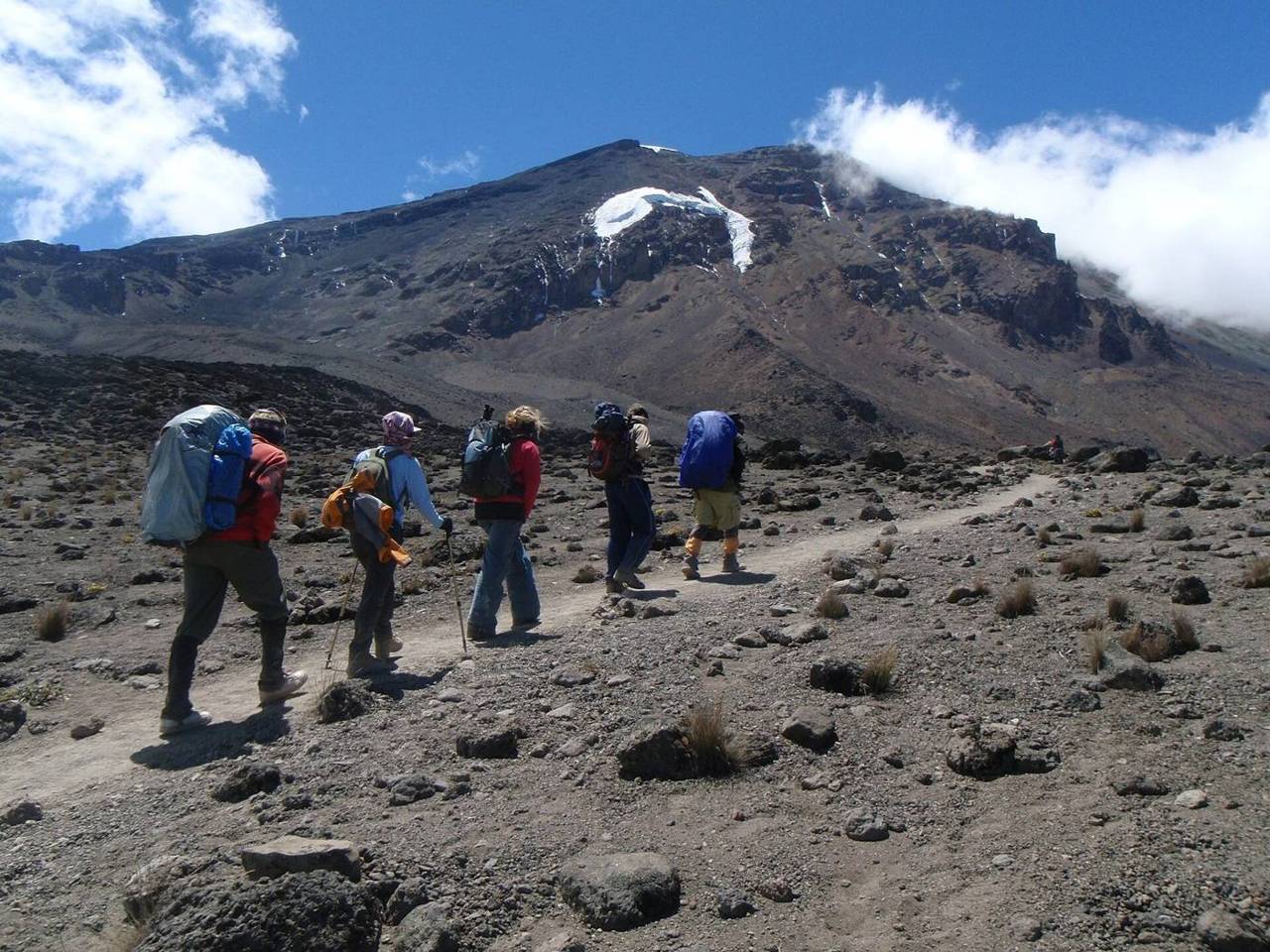
The most scenic and gradual route up the roof of Africa: it starts in the western forest, crosses the whole Shira plateau, skirts below the southern glaciers past the Lava Tower and the Barranco Wall, and climbs to Uhuru Peak, 5,895 metres, with more days to acclimatise.
 3 daysEasy
Dar es Salaam and Bagamoyo
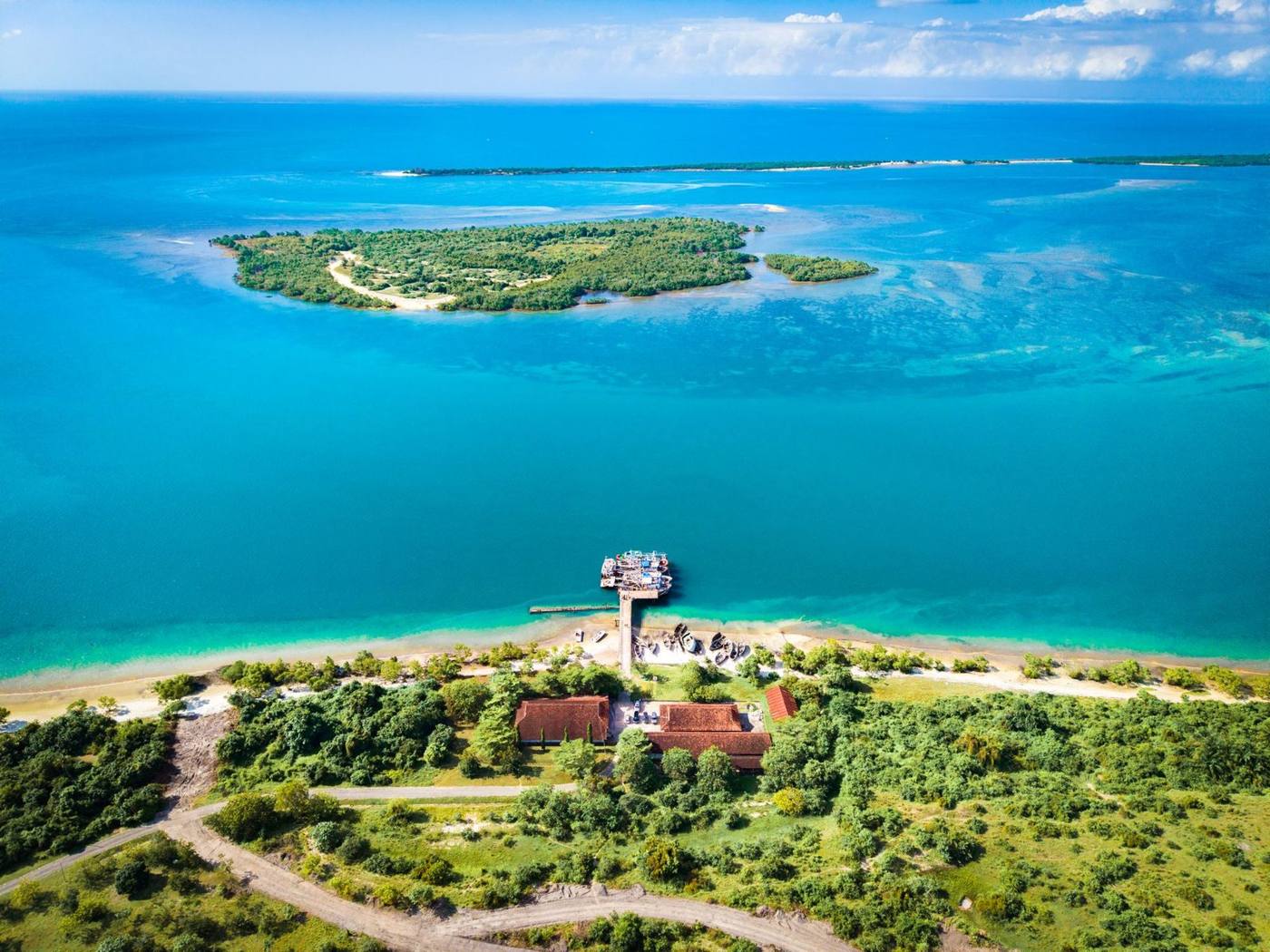
The Swahili coast near the country's largest city: the National Museum and the fish market in Dar es Salaam, the Kariakoo district, then Bagamoyo, the old caravan port, with its fort, the Catholic mission and the medieval Kaole ruins by the sea.
 7 daysEasy
Pemba, the green island
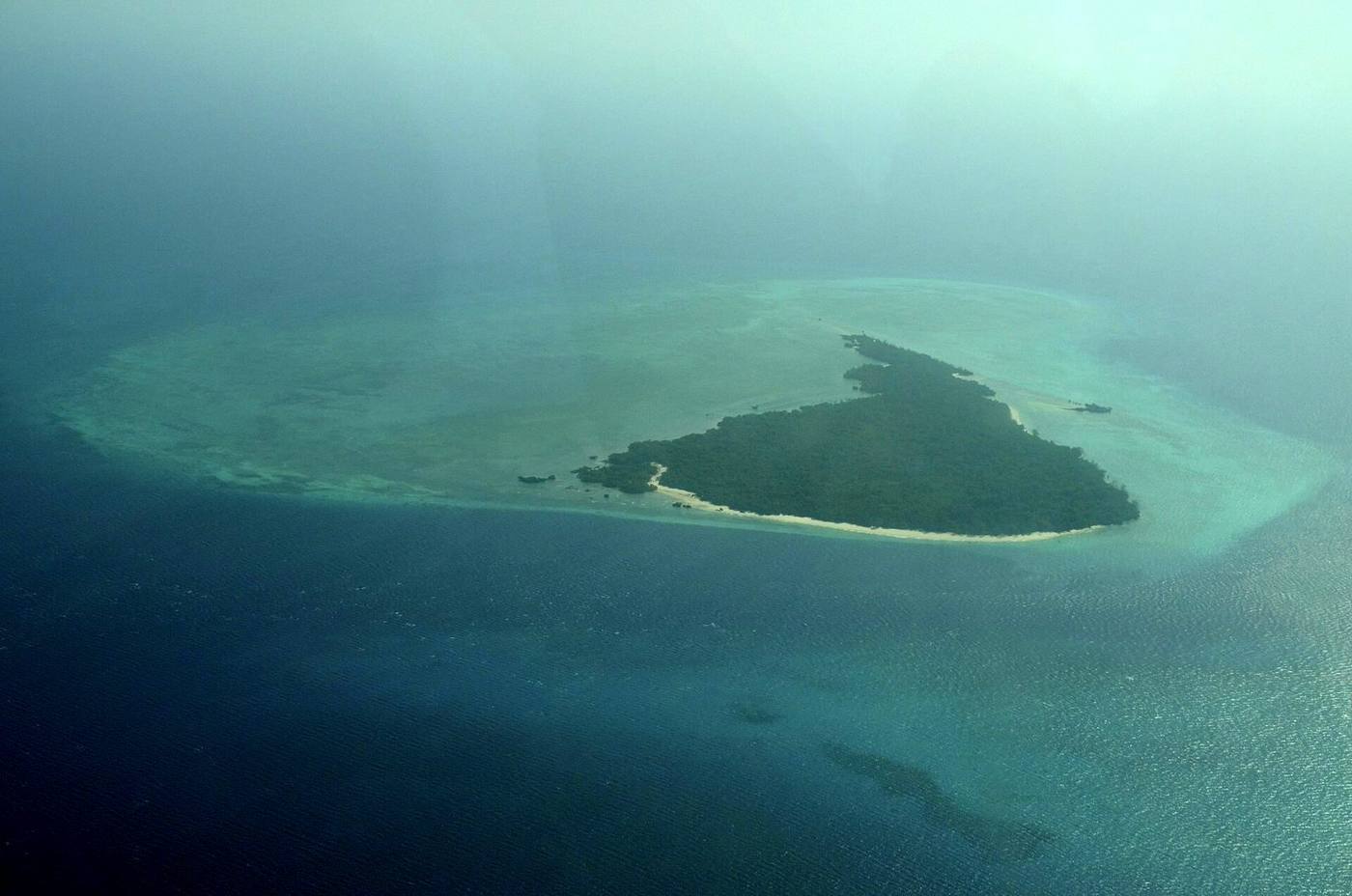
Zanzibar's quiet sister: hills of clove trees, villages, mangroves and almost deserted beaches, the coral walls of Misali Island and the Pemba Channel for diving and snorkelling, Ngezi Forest with the Pemba flying fox and the Swahili ruins at Chwaka.