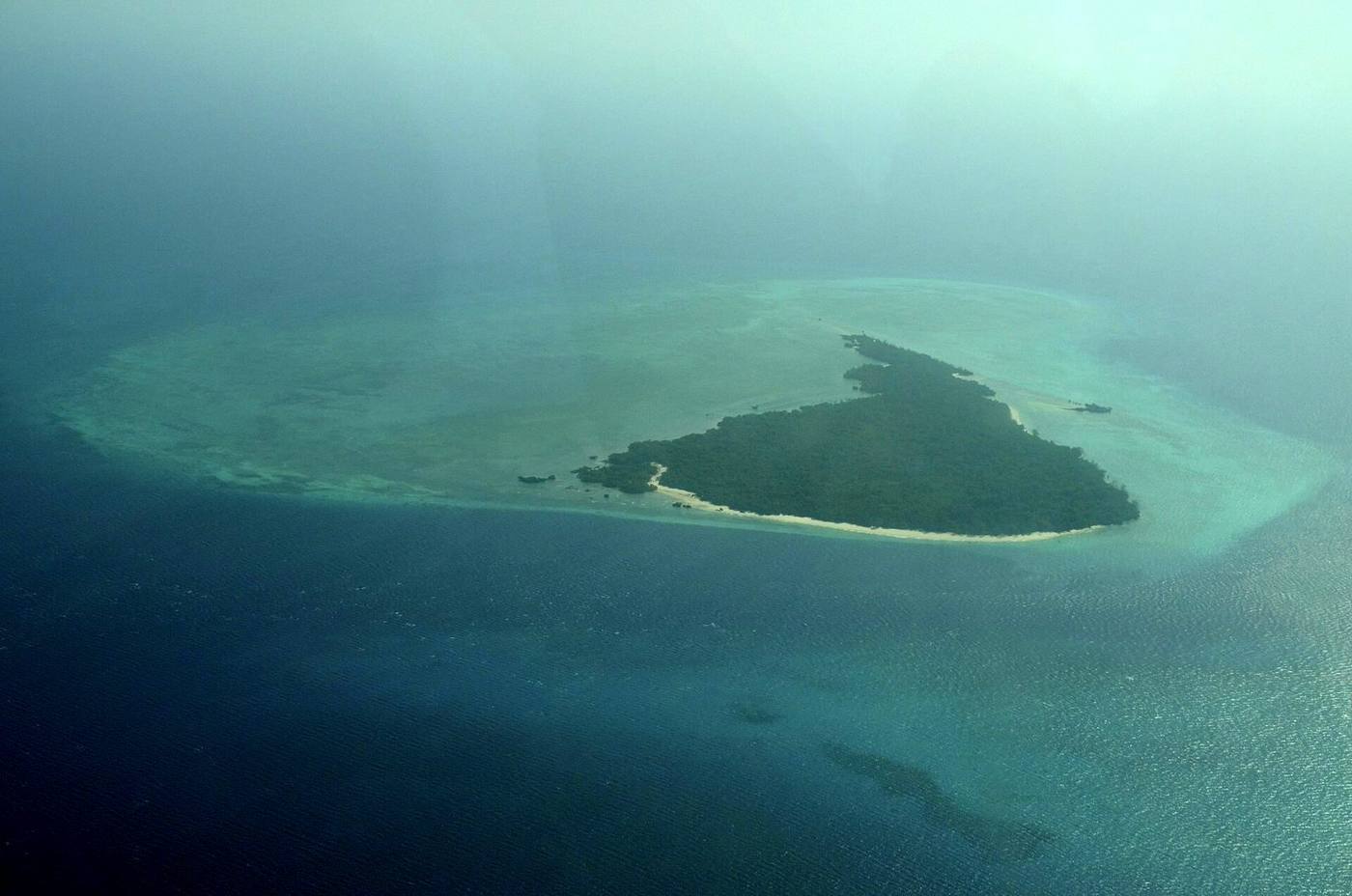
Pemba, the green island
Zanzibar's quiet sister: hills of clove trees, villages, mangroves and almost deserted beaches, the coral walls of Misali Island and the Pemba Channel for diving and snorkelling, Ngezi Forest with the Pemba flying fox and the Swahili ruins at Chwaka.
- Zanzibar
- Pemba
- Misali
- Ngezi
- Chwaka
Day by day
- Day 1
Flight from Zanzibar to Pemba
This trip is a week on Pemba, the second island of the Zanzibar archipelago, north of the main island, in the Indian Ocean. The Arabs called it al Jazeera al Khadra, the green island, for its hills covered in clove trees, coconut palms, rice fields and forest. It is far less touristy than Zanzibar: there are few hotels, few paved roads and a slow pace of life. Its waters are among the best in East Africa for diving.
To enter Tanzania you need a passport and a visa: check the current rules before leaving. The United States has Tanzania at level 2. Zanzibar and Pemba also have their own entry rules: check them.
You reach Pemba by small plane from Zanzibar, in about half an hour, or from Dar es Salaam. There is also a slower ferry from Zanzibar. The airport lies near Chake Chake, the island's main town.
From the airport take a taxi to your accommodation. Many places are on the west coast or on the Kigomasha peninsula in the north, about an hour and a half away. On the way you pass villages of mud houses with thatched or tin roofs, plantations, markets and mosques.
In the afternoon rest and walk on the beach in front of your lodging.
In the evening have Swahili dishes: coconut rice, fish curry, octopus and tropical fruit.
Spend the night on Pemba.
Practical tip: Pemba is a conservative Muslim island. Away from your lodging dress modestly, with shoulders and knees covered. Always ask permission before photographing people.
- Day 2
Boat to Misali: snorkelling and mangroves
Today take a boat trip to Misali Island, a small uninhabited islet off Pemba's west coast, surrounded by a protected coral reef. The area is a conservation zone managed together with the coastal fishing communities.
Boats leave from the west coast, near Wesha or Chake Chake, and reach Misali in about an hour. Dolphins are sometimes seen on the way.
Misali has very white sand beaches and clear turquoise water. The reef around the island is one of the healthiest in the area, with hard and soft corals, parrotfish, butterflyfish, surgeonfish, moray eels and turtles. Snorkelling is straight from the beach or from the boat, in shallow water.
The island also has a nature trail through the forest to the mangroves, with small caves of fossil coral and coconut crabs, the largest land crabs in the world. Sea turtles lay eggs on the island's beaches at certain times of year.
A local legend says an ancient prophet stopped on the island and asked the fishermen for a prayer mat, msala in Swahili, which gave the island its name.
In the afternoon, after a beach lunch of grilled fish, return by boat.
Spend the night on Pemba.
Practical tip: there is a conservation fee to enter the Misali area: check the amount. Do not touch the coral or collect shells.
- Day 3
Diving in the Pemba Channel
Today is devoted to diving, the main reason many travellers come to Pemba.
Between Pemba and the mainland lies the Pemba Channel, an arm of sea more than 800 metres deep. The currents flowing through it bring nutrient rich water, and along the island's west coast the reefs drop in very deep vertical walls. The water is often extremely clear.
Dives are along walls covered in giant sea fans, sponges and colourful corals, with schools of barracuda, trevally, tuna, Napoleon wrasse, turtles and sometimes grey reef sharks, hammerheads and manta rays. Some dives are drift dives, better suited to experienced divers; others, more sheltered, suit those with less experience.
Between dives the boat stops on a sandbank or deserted beach for lunch and rest.
Non divers can snorkel over the shallower parts of the reef, or stay on the beach, take a walk or paddle a kayak through the mangroves near the lodging.
At sunset watch the sun go down over the Pemba Channel, with the sails of dhows, traditional boats with triangular sails, heading back to the villages.
Spend the night on Pemba.
Practical tip: bring your certification card and logbook. Drift dives require experience: always follow the guide's instructions. Allow at least eighteen to twenty four hours between your last dive and your flight.
- Day 4
Ngezi forest and Ras Kigomasha lighthouse
Today explore the north of the island. In the morning visit Ngezi forest reserve, the last remnant of the great tropical rainforest that once covered much of Pemba.
The reserve has guided trails through the forest, with very tall trees, palms, ferns, vines and an area of mangroves. Several species found only on Pemba live here, such as the Pemba flying fox, a large fruit bat that sleeps hanging from trees by day, and birds such as the Pemba scops owl and the Pemba sunbird. You may also see red colobus monkeys and the blue duiker, a small antelope.
In the afternoon continue to the northern tip of the Kigomasha peninsula, home to the Ras Kigomasha lighthouse, built by the British at the end of the nineteenth century. The keeper sometimes lets visitors climb to the top, with a view over the whole coast, the forest and the sea.
Near the lighthouse is Vumawimbi beach, one of the finest on Pemba, a long strip of white sand with palms and calm water, almost always deserted.
At sunset return towards your lodging. If you are staying near Ngezi, in the evening you can walk with a guide to see the flying foxes leave the forest at dusk.
Spend the night on Pemba.
Practical tip: visits to Ngezi are with a reserve guide. Check the ticket. It is customary to leave the keeper a small tip for climbing the lighthouse.
- Day 5
Cloves and the ruins of Chwaka
Today discover the island's history and economy.
In the morning visit a clove plantation. Pemba was for a long time one of the world's main producers of this spice, introduced in the nineteenth century by the sultan of Zanzibar. Cloves are the flower buds of a tall tree, picked by hand before they open and then spread to dry in the sun on mats along the roads, turning first pink and then brown. During the harvest season, between July and December, the villages smell of spice.
With a local guide you walk among the trees, watch the harvest and discover other plants such as cinnamon, nutmeg, pepper and vanilla.
In the afternoon go to the ruins of Chwaka, on the east coast near Konde. They are the remains of an old Swahili town, inhabited between the twelfth and fifteenth centuries, with ruined coral stone mosques and tombs. According to oral tradition, Harouni, son of a cruel ruler, lived here. Similar ruins are found at Ras Mkumbuu on the west coast, and at Pujini, with a fort of coral bricks.
In the evening stop in Chake Chake or Wete, the main towns, to see a market and the harbour.
Spend the night on Pemba.
Practical tip: the ruins are poorly signposted: go with a local guide. For the plantations, ask your lodging to arrange the visit.
- Day 6
Beach and sandbanks at low tide
Today is a day of rest by the sea.
Pemba's coast is made of beaches, mangroves and small islands. At low tide the sea withdraws for hundreds of metres, revealing white sandbanks in the middle of turquoise water, like temporary islands. In some places you walk across the wet sand to the banks, looking at starfish, small fish and crabs in the pools left by the water.
In the morning, with the right tide, take a boat or dhow to one of the offshore sandbanks, such as those near the west coast islands. Here you swim, snorkel on nearby reefs and have a lunch of grilled fish prepared by the fishermen.
In the afternoon, if you like, paddle a kayak through the mangroves, or go out with local fishermen to see how they fish with traditional nets.
At sunset many lodgings organise a dhow trip, the traditional sailing boat, with its triangular sail turning orange in the last light.
In the evening have dinner on the beach under the stars.
Spend the night on Pemba.
Practical tip: tides change every day: ask your lodging for low tide times. Wear reef shoes to protect yourself from sea urchins and coral. The sun on the water is very strong: use sunscreen and a hat.
- Day 7
Flight home via Zanzibar or Dar es Salaam
On the last day return to Pemba airport, near Chake Chake, for your flight to Zanzibar or Dar es Salaam.
If you have time before your flight, make a short visit to Chake Chake, the island's main town. The centre is small, with a lively market of fruit, fish and spices, fabric shops and an old fort from the Arab period, now a small museum on the island's history.
Alternatively, stop in Wete, the second town, in the north, with a harbour from which boats leave for the nearby islands and a main street with colonial houses.
Before leaving buy some souvenirs: cloves and other spices, clove oil, colourful kanga and kikoi fabrics and hand woven baskets.
From Zanzibar you can continue with a few days in Stone Town, the UNESCO listed old town, or on the main island's beaches. From Dar es Salaam there are international flights to Europe and to the parks of northern Tanzania, such as the Serengeti and Ngorongoro crater.
Practical tip: small planes have a luggage weight limit, often lower than on international flights, and prefer soft bags. Check the airline's rules. Check the timetables too, as they can change. Arrive at Pemba airport early, as check in is slow and flights sometimes leave ahead of schedule.
Pemba is conservative and little visited: dress modestly in villages. Pemba Channel dives have strong currents, suited to experienced divers. Places to stay are few and far apart. A visa is required, applied for online before travelling. The UK advises against all but essential travel within 20 km of the border with Mozambique's Cabo Delgado province, in the Mtwara region: this itinerary stays well away from it. Entering Zanzibar also requires a compulsory travel insurance, bought online.
Before you go
- Documents and visa
- Passport valid for at least six months and a visa, applied for online on the official immigration website. From 2026 compulsory travel insurance is also required, and Zanzibar has its own: dates and costs differ between sources, so check the official websites.
- Health and vaccines
- Malaria prevention is recommended; a yellow fever certificate is needed if you arrive from a country at risk. Drink only bottled water. Emergencies: 112.
- Money and payments
- Tanzanian shilling. Parks are paid by card and safaris often in US dollars; carry cash for tips.
- Power sockets
- Types G and D, 230 volts: you need an adapter for British plugs.
- Time zone
- UTC+3 all year.
- Safety
- The United States rates Tanzania level 2, with more caution in the Mtwara region; the United Kingdom advises against travel within 20 km of the border with Cabo Delgado in Mozambique. Official advice: GOV.UK.
Information checked in November 2026 for Italian and EU citizens. Rules change: always check before you travel.
Variations
In 4 days: Misali, a day of diving and Ngezi forest.
In 10 days: add Stone Town and the beaches of Zanzibar, or a safari in southern Tanzania.
Frequently asked questions
When is the best time to go?
July to October and December to February, with calmer seas. April and May bring the long rains.
Do I need a visa?
Yes, you need a passport and visa. Check the current rules for Tanzania and Zanzibar before leaving.
Is Pemba suitable for non divers?
Yes, with snorkelling, beaches, forest and villages. But facilities are simple and lodgings few.
Indicative itinerary written by World Atlas. Before booking, check timetables, seasonal openings, documents and safety.
 6 daysEasy
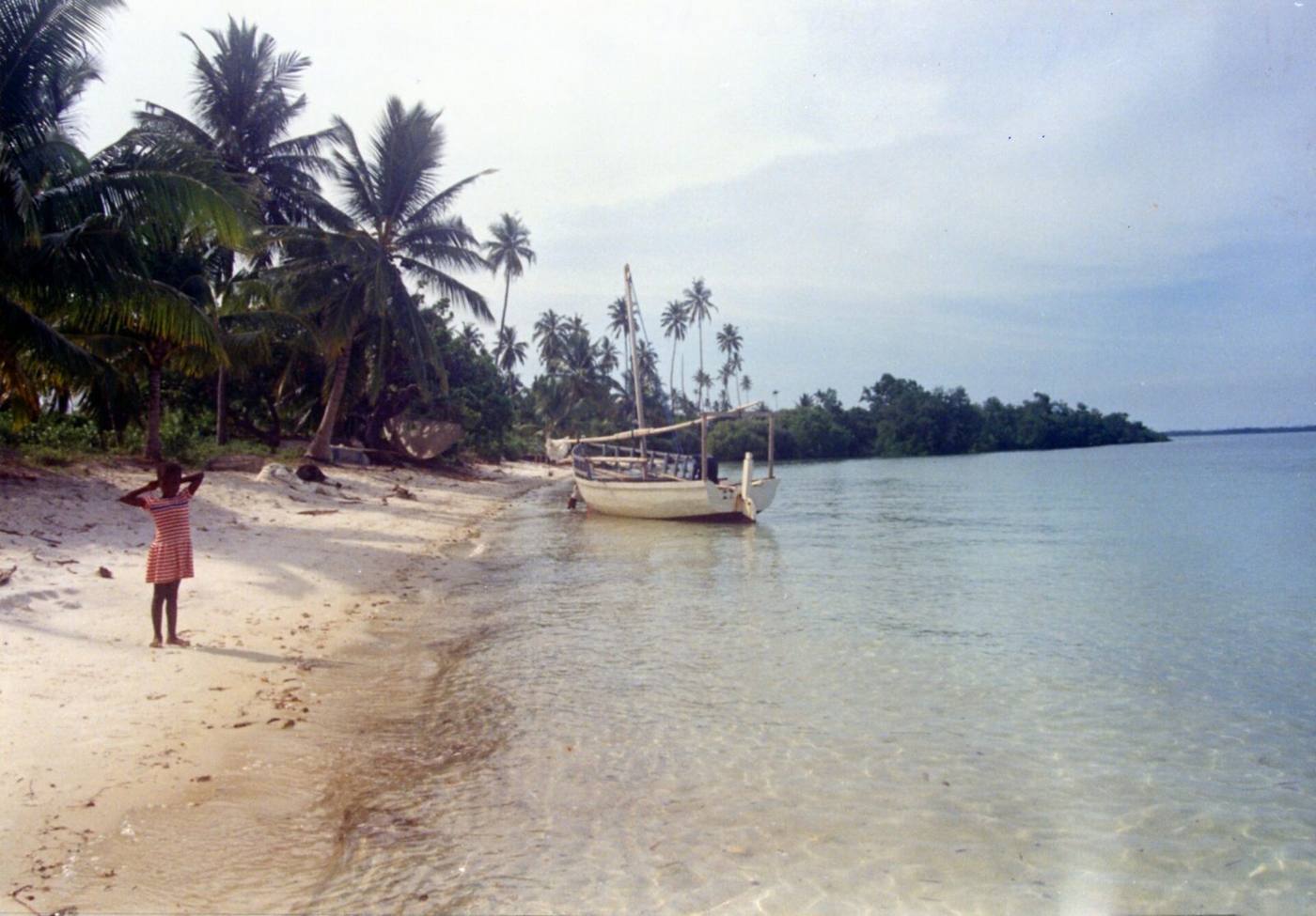
Mafia Island and the whale sharks
An island off the beaten track, inside Mafia Island Marine Park: from October to February you swim with whale sharks in Kilindoni bay, then untouched coral reefs, the Kua ruins on Juani Island, sandbanks and, in season, nesting turtles.
 5 daysChallenging
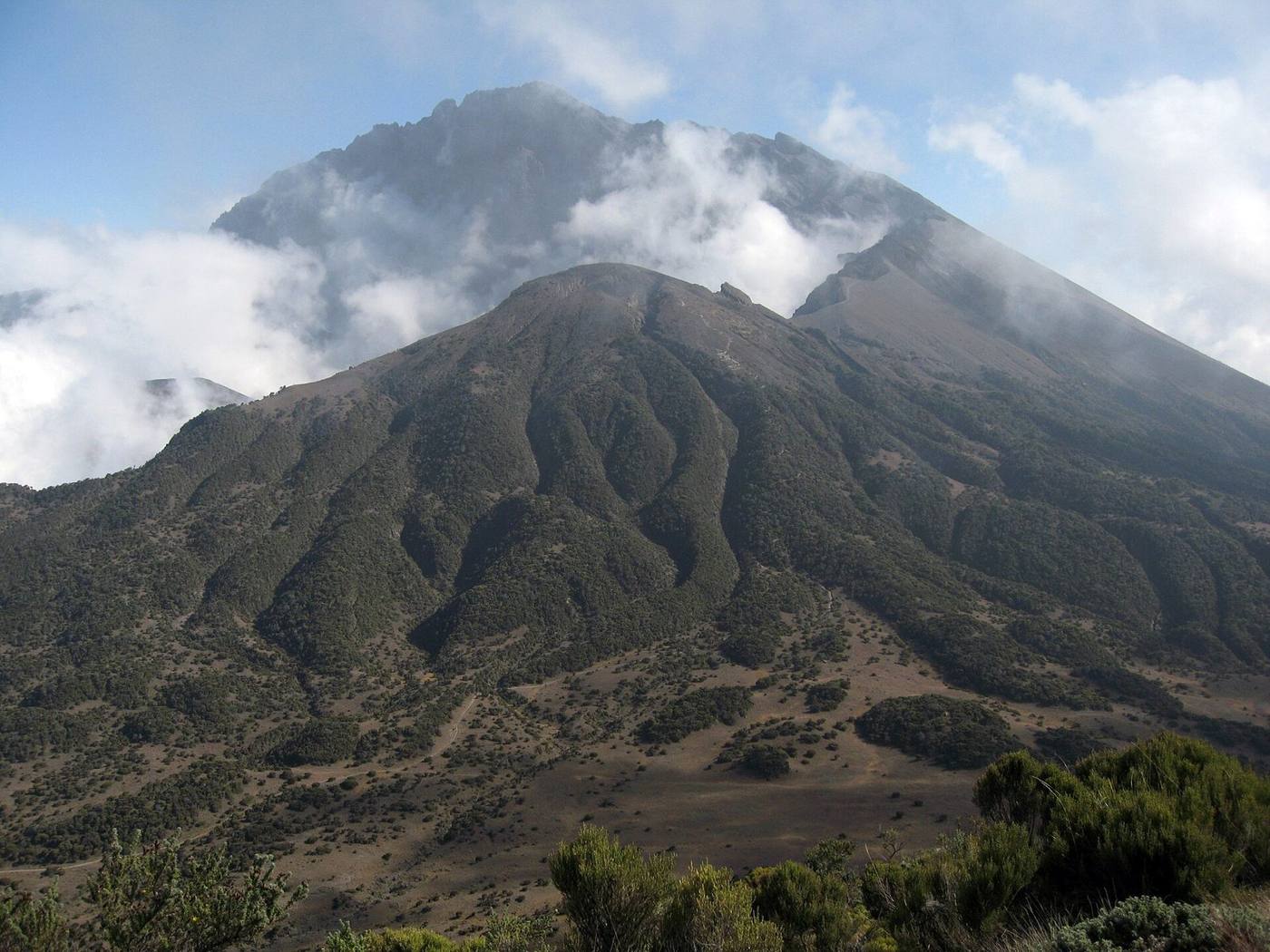
Mount Meru and Arusha National Park
Kilimanjaro's little brother, 4,562 metres: the climb starts inside Arusha National Park, with an armed ranger because you walk among giraffes and buffalo, up to the crater rim and Socialist Peak at dawn, facing Kilimanjaro. Before that, the Momella lakes by canoe.
 5 daysModerate
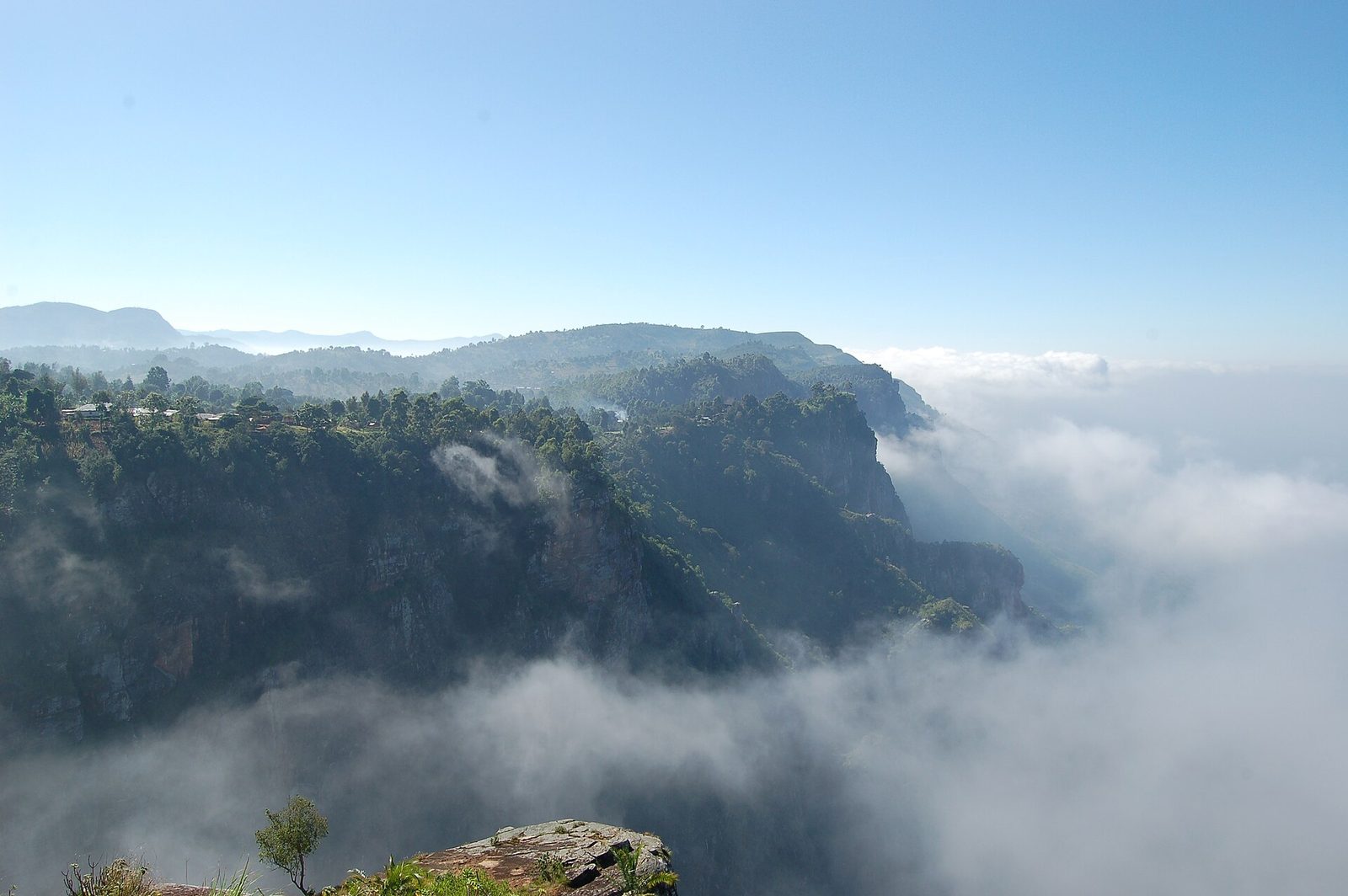
The Usambara Mountains on foot
Green, cool Tanzania, far from the safaris: Lushoto, a former colonial hill station, the Irente viewpoint over the plains, Shambaa villages among terraced fields, forests with chameleons and endemic birds, and village-to-village walks with local guides.