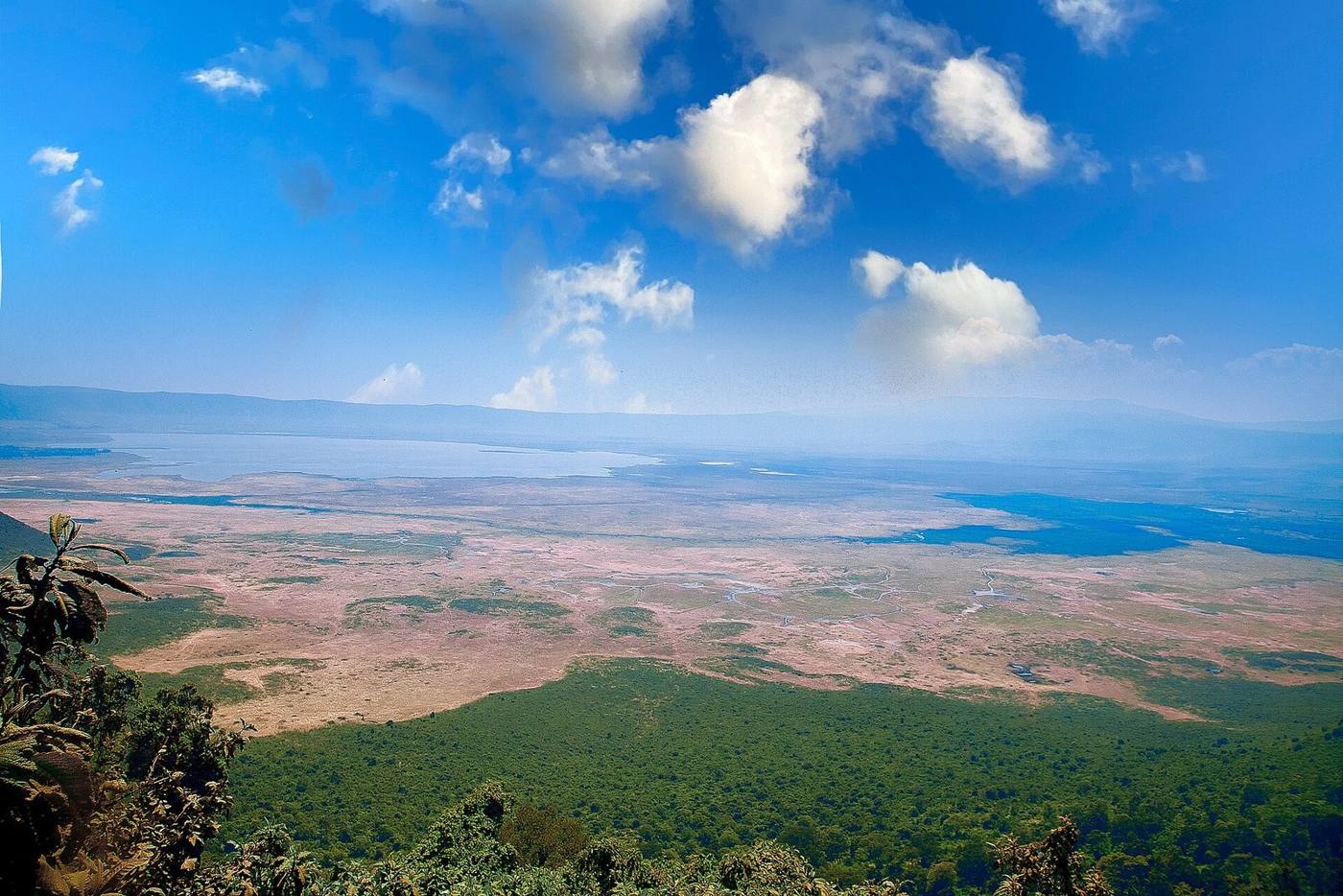
Lake Eyasi and the Karatu highlands
A cultural break between parks: the coffee farms around Karatu, the salt lake of Eyasi below the escarpment, a morning with the Hadzabe hunter-gatherers and a visit to the Datoga blacksmiths, then the forest on the rim of the Ngorongoro crater.
- Arusha
- Karatu
- Lake Eyasi
- Ngorongoro
Day by day
- Day 1
From Arusha to Karatu and a coffee farm in the highlands
Lake Eyasi and the Karatu highlands lie in northern Tanzania, between Lake Manyara and the Ngorongoro Crater, in Africa's Great Rift Valley. They are home to some of the oldest peoples of East Africa: the Hadzabe, among the last hunter-gatherers on the continent, the Datoga, herders and blacksmiths, and the Iraqw, farmers. It is a different journey from a classic safari, devoted to people, landscapes and traditions. Italian citizens need a visa to enter Tanzania, applied for online before travelling, and a passport valid for at least six months.
In the morning leave Arusha heading west, about two and a half hours on a good tarmac road. You pass Maasai fields and villages and descend to the village of Mto wa Mbu at the foot of the Rift Valley escarpment, with fruit markets, red bananas and palm trees. Then you climb the escarpment, with a vast view over Lake Manyara reflecting the sky, and reach the green Karatu highlands.
Karatu is a farming town at about 1,500 metres, surrounded by fields of wheat and beans and coffee plantations, with a cool climate. In the afternoon visit a coffee farm, where you follow the whole process from picking the red cherries to roasting and making the cup.
In the evening stay at one of the highland lodges, overlooking the hills.
Practical tip: evenings in the highlands are cool; bring a sweater. Ask your doctor about vaccinations and malaria prevention before travelling.
- Day 2
Lake Eyasi, the Datoga blacksmiths and the onion fields of Mang'ola
In the morning descend south-west from the highlands to Lake Eyasi, about an hour and a half, on a road that turns to gravel. Lake Eyasi is a long, narrow, shallow salt lake on the floor of the Rift Valley at the foot of the escarpment. Its water level changes greatly with the seasons: in the dry season it shrinks to a white expanse of salt, while after the rains it fills and attracts flamingos and pelicans. Around it grow acacias, baobabs and thorny bushes in a hot, dusty landscape.
In the village of Mang'ola, near the lake, you see large onion fields irrigated by spring water, farmed by local communities and sold across Tanzania.
In the afternoon visit a Datoga family, a Nilotic herding people who have lived in the area for centuries. The Datoga are famous as blacksmiths: they melt scraps of salvaged iron and brass, such as old keys and sheet metal, on a small fire blown with leather bellows, and hand-make bracelets, jewellery and arrowheads, which they trade with the Hadzabe for honey and meat. The women wear decorated leather garments and have tattoos around their eyes.
In the evening stay at a tented camp or lodge near the lake.
Practical tip: visit villages only with local guides who work with the communities; always ask permission before photographing people.
- Day 3
At dawn with the Hadzabe, then back to Karatu
Before dawn set off with a local guide and an interpreter to reach a Hadzabe camp in the bush near the lake. The Hadzabe are among the last hunter-gatherer peoples of Africa, a few thousand people living in small groups around Lake Eyasi for thousands of years. They speak a unique language with click sounds, related to very few others in the world. They do not farm or keep animals: they live by hunting and on berries, roots, baobab fruit and wild honey.
If the men allow it, you can follow them for an hour or two while they hunt, walking quickly and silently through the bush with bows and arrows; they mostly hunt small animals and birds. You also see how they light fire by rubbing sticks and how they find honey by following a bird, the honeyguide, which leads them to the hives. The women gather roots and berries with the children.
It is a delicate encounter: the Hadzabe have lost much of their land and their way of life is changing fast; tourism brings income but can be intrusive. Choose guides who respect the community, in small groups, and let the Hadzabe decide what to show.
In the afternoon return to Karatu and rest.
In the evening, in the highlands, watch the sunset over the farmed hills.
Practical tip: wear closed shoes and long trousers for the thorny bush, a hat and bring water.
- Day 4
Walking the Ngorongoro Crater rim and back to Arusha
In the morning drive up from Karatu into the Ngorongoro Conservation Area, about half an hour, through the montane forest on the crater rim. At the entrance you pay the conservation fee of 70.80 dollars per person. From the viewpoint on the rim, at about 2,300 metres, the whole crater lies below you: a great volcanic caldera about twenty kilometres wide, with forested walls, a salt lake with flamingos, grassy plains and, through binoculars, herds of zebra, wildebeest and buffalo, and sometimes elephants.
Instead of driving down into the crater, take a walk along the rim with an armed conservation area ranger, compulsory for walking, through the montane forest draped in lichen and moss, where you see buffalo, elephants, baboons and many birds. You walk for two or three hours with constant views over the crater. It is a calm and different way to experience Ngorongoro.
In the afternoon head back to Arusha, about three hours, passing through Mto wa Mbu again, where you can stop to buy fruit and crafts.
Things to take home: highland coffee, Datoga blacksmiths' bracelets, kanga and kitenge cloth and carved wooden objects.
Practical tip: rim walks must be arranged in advance with the rangers; you never walk alone in the conservation area because of the wild animals.
Combines well with a northern safari. Visits to the Hadzabe only make sense with community guides who respect their rhythm: ask how they are paid and avoid visits turned into a show. The crater rim walk requires a ranger. A visa is required, applied for online before travelling. The UK advises against all but essential travel within 20 km of the border with Mozambique's Cabo Delgado province, in the Mtwara region: this itinerary stays well away from it.
Before you go
- Documents and visa
- Passport valid for at least six months and a visa, applied for online on the official immigration website. From 2026 compulsory travel insurance is also required, and Zanzibar has its own: dates and costs differ between sources, so check the official websites.
- Health and vaccines
- Malaria prevention is recommended; a yellow fever certificate is needed if you arrive from a country at risk. Drink only bottled water. Emergencies: 112.
- Money and payments
- Tanzanian shilling. Parks are paid by card and safaris often in US dollars; carry cash for tips.
- Power sockets
- Types G and D, 230 volts: you need an adapter for British plugs.
- Time zone
- UTC+3 all year.
- Safety
- The United States rates Tanzania level 2, with more caution in the Mtwara region; the United Kingdom advises against travel within 20 km of the border with Cabo Delgado in Mozambique. Official advice: GOV.UK.
Information checked in November 2026 for Italian and EU citizens. Rules change: always check before you travel.
Variations
In 3 days: Karatu and coffee on day one, Eyasi with the Datoga on day two, the Hadzabe at dawn on day three with return to Arusha.
In 8 days: combine this trip with a safari in Tarangire, the Ngorongoro Crater and the Serengeti.
Frequently asked questions
What documents do I need?
A passport valid for at least six months and a visa, applied for online before travelling.
Is visiting the Hadzabe respectful?
It depends on the guide: choose operators who work with the community, in small groups, without asking for performances, and always ask permission for photos.
When is the best time to go?
June to October, in the dry season, when roads are better; between March and May the rains make gravel roads difficult.
Indicative itinerary written by World Atlas. Before booking, check timetables, seasonal openings, documents and safety.
 5 daysModerate
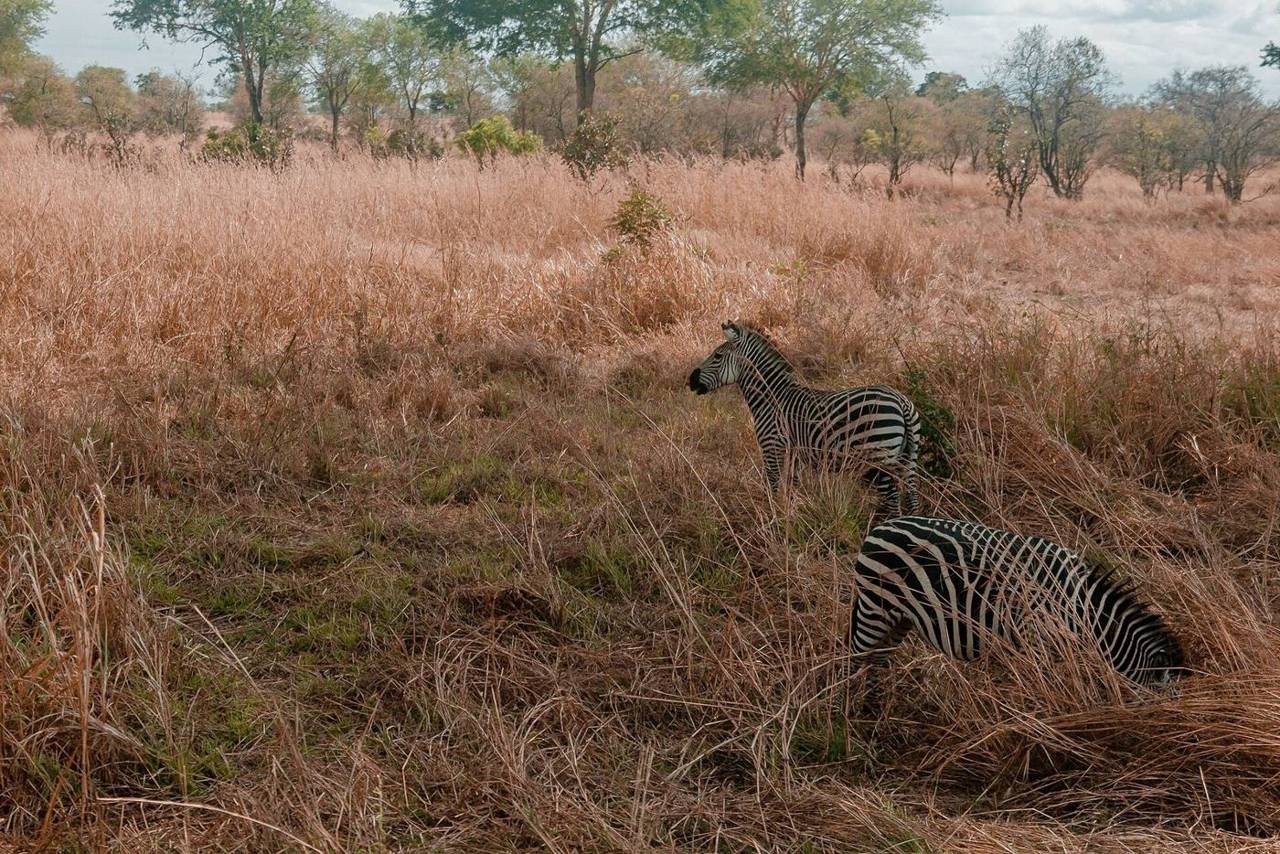
Mikumi and the Udzungwa Mountains
The easy south from Dar es Salaam: safari on the Mikumi plain, with elephants, lions, giraffes and buffalo, then the rainforest of the Udzungwa Mountains, walking to the 170-metre Sanje Falls among red colobus and endemic monkeys found nowhere else.
 6 daysEasy
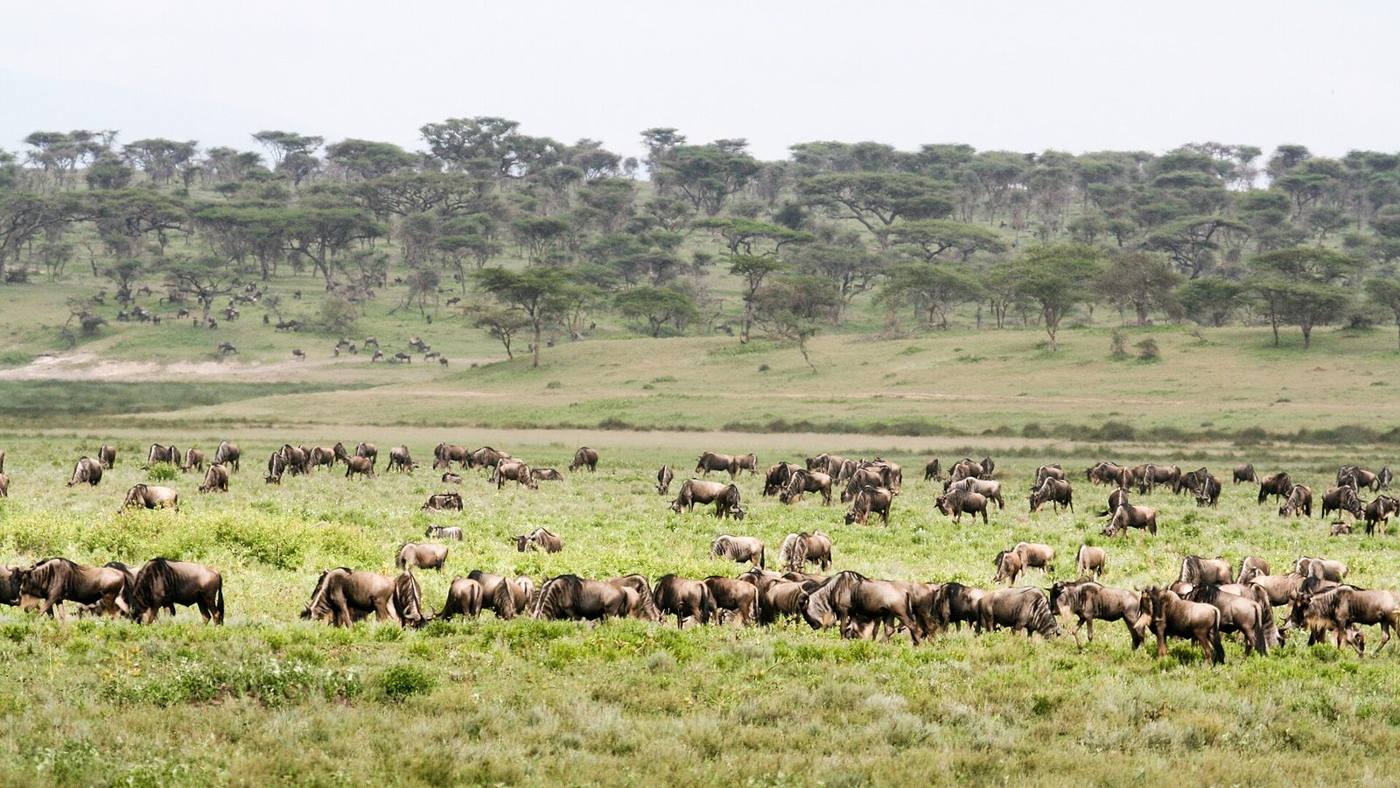
Southern Serengeti and the migration calving
Between January and March the wildebeest gather on the short-grass plains around Ndutu, on the border between the Serengeti and the Ngorongoro area, and in a few weeks hundreds of thousands of calves are born: it is the predators' moment, with lions, cheetahs and hyenas always on the move.
 5 daysEasy
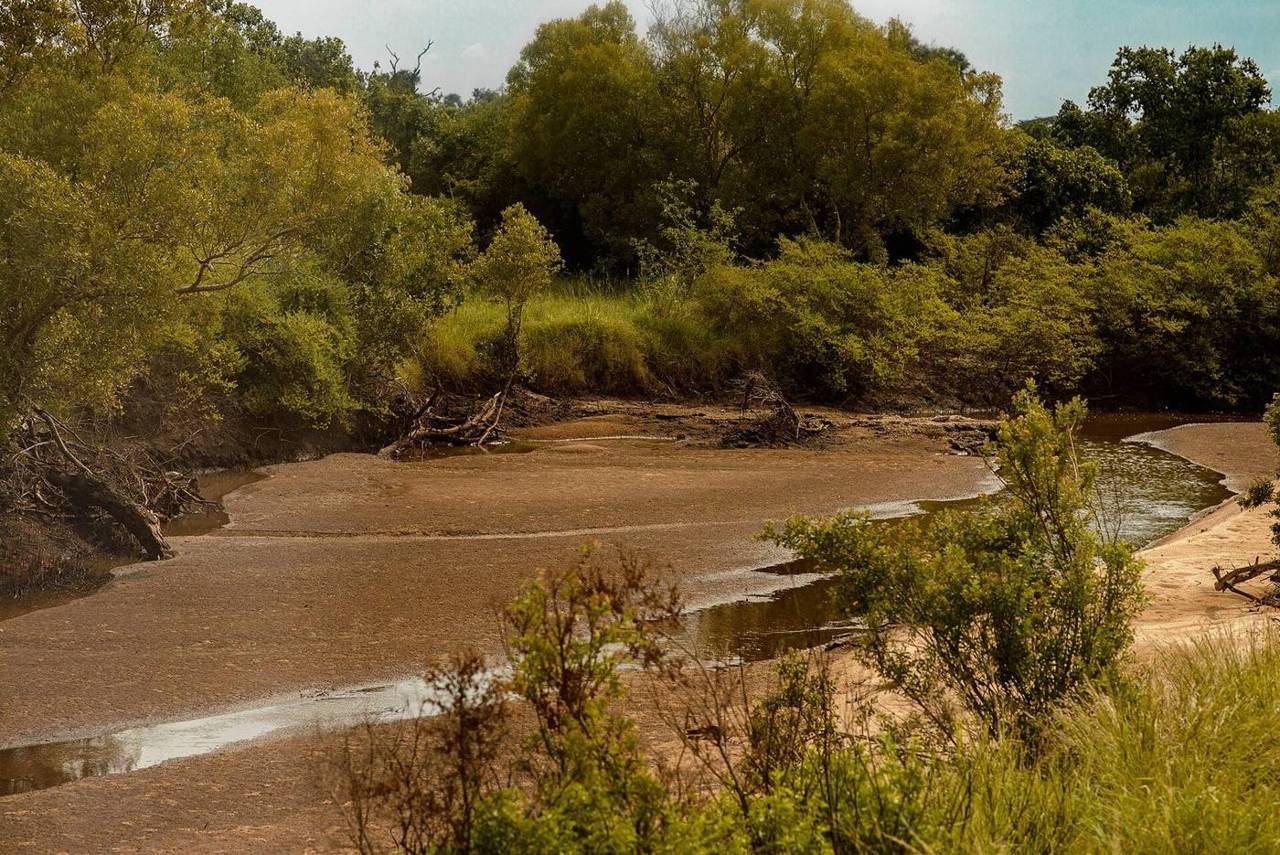
Saadani and the Pangani coast
Where the savannah meets the sea: Saadani National Park with game drives, walks and boat trips on the Wami River among hippos and crocodiles, beaches where turtles nest, then the Swahili town of Pangani and the Maziwe sandbank.