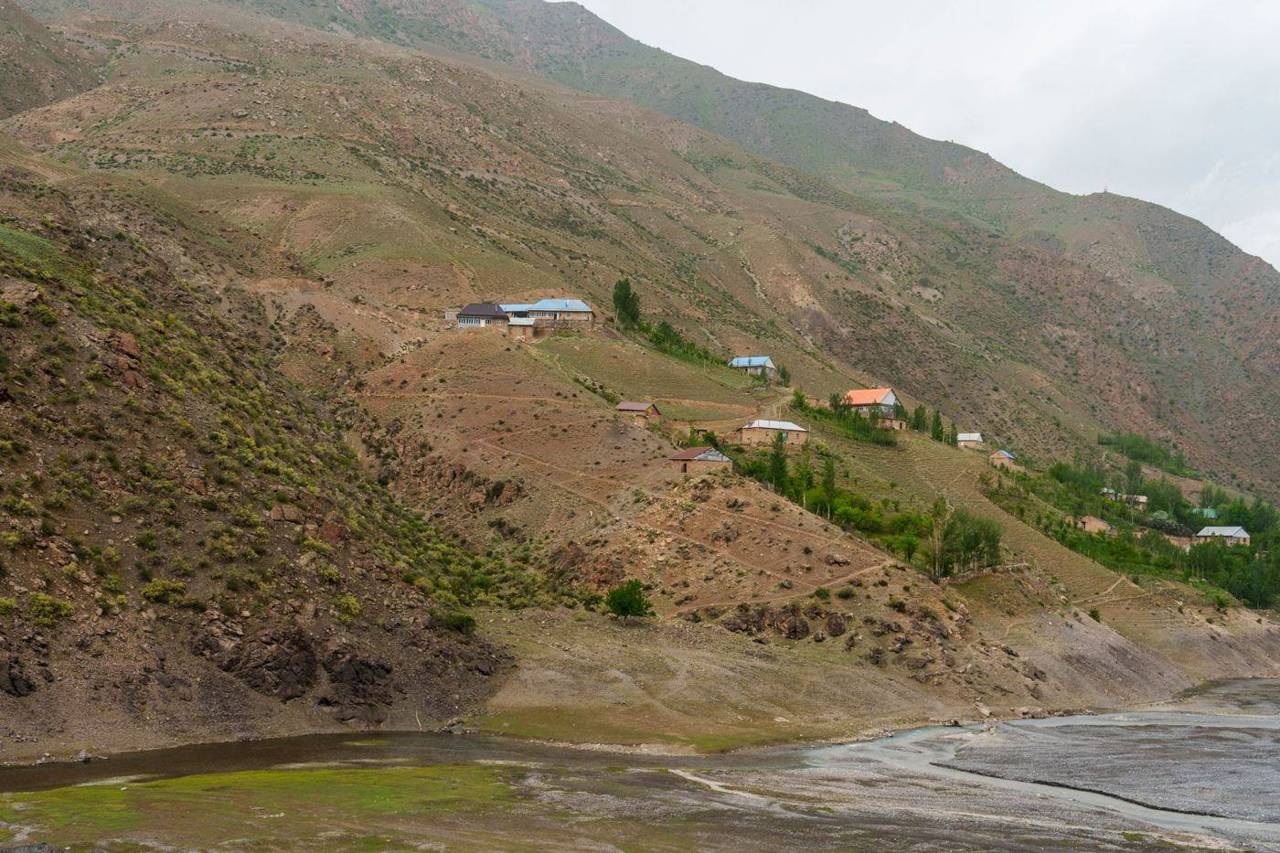
Khujand and Istaravshan
The north on the Fergana Valley: Khujand, ancient Alexandria Eschate, with the Panjshanbe bazaar and fortress, and Istaravshan with its blacksmiths and mosques.
- Khujand
- Panjshanbe Bazaar
- Istaravshan
Day by day
- Day 1
Khujand, the fortress and Panjshanbe bazaar
This three-day trip takes you to the north of Tajikistan, at the mouth of the Fergana valley, between Tashkent and the Fan Mountains. You will see Khujand, the country's second city, founded or refounded by Alexander the Great as Alexandria Eschate, «the furthest», and Istaravshan, the city of craftsmen.
Before you go: Italian citizens can enter Tajikistan without a visa for tourism for up to 30 days, with a passport valid for at least six months. If you stay more than 10 working days without an e-visa you must register with the immigration office. Other nationalities should check their own rules. The route stays well away, about ninety kilometres, from the area of Isfara and the Vorukh enclave on the Kyrgyz border, where there have been clashes in the past: do not head east without checking the situation.
Start at the fortress, on the bank of the Syr Darya river. The walls and gateway are partly rebuilt, and inside is the regional history museum, with objects from the Bronze Age to Alexander and the Silk Road. Check prices and times.
Then walk to Panjshanbe bazaar, whose name means «Thursday». The covered market, from the 1960s, has a pastel-coloured arched facade and inside a tall hall full of dried fruit, bread, spices and sweets. Opposite stands the complex of Sheikh Muslihiddin, with its mosque and mausoleum, where the faithful pray every day.
Practical tip: go into the market early in the morning, when the light streams through the windows and there are fewer people.
- Day 2
Istaravshan, the city of knives
In the morning leave for Istaravshan, about an hour and a half by road to the south-west. On the way, if you like, stop at the Arbob palace, a large building with columns built in the 1950s for a collective farm, where a historic session of the Tajik parliament was held in 1992. Today it is surrounded by a garden and open to visitors. Check prices and times.
Istaravshan is one of the oldest towns in the country. Climb the hill of Mug Teppa, where the citadel once stood, and look down on the town, with its flat roofs and courtyards. The large gateway on the hill has been rebuilt.
Then visit the Kok Gumbaz madrasa, from the sixteenth century, with its blue dome, and the Hazrati Shoh complex, with a mosque and a mausoleum. To see them properly, walk through the old town, along narrow lanes between houses of mud and wood.
The afternoon is for the craftsmen. Istaravshan is famous across Central Asia for its knives, with hand-forged blades and decorated handles. In the bazaar workshops you can see blacksmiths at work, and also people embroidering skullcaps or carving wood. Always ask before taking photos.
In the evening return to Khujand or sleep in Istaravshan, if you want to leave early the next day for Dushanbe.
Practical tip: if you buy a knife, put it in your checked luggage, because it is not allowed in the cabin.
- Day 3
Towards Uzbekistan or towards Dushanbe
On the third day you choose your direction. If you are going back to Uzbekistan, from Khujand head to the crossing towards Tashkent, less than two hours by road. Before you leave, if you have time, take a walk along the Syr Darya riverside, in the park near the fortress, where families stroll in the morning and older people sit in the shade.
If you are going to Dushanbe instead, prepare for a full day of mountain roads. From Istaravshan the road climbs towards the Shahriston pass, goes through a tunnel and drops into the Zeravshan valley, then climbs again to the Anzob tunnel and the Varzob gorge. The scenery is magnificent, with high mountains, green rivers and shepherds' villages. The road is busy with lorries and sometimes closed in winter because of snow or avalanches: check on the morning itself.
Along the way stop to eat at a roadside teahouse, where you find meat soup, shurbo, warm bread and green tea. For photo stops choose safe places away from bends.
In three days you have seen Khujand fortress and its museum, Panjshanbe bazaar and the complex of Sheikh Muslihiddin, the Arbob palace, and the old town of Istaravshan with its craftsmen.
When to go: from April to June and in September and October. In summer the Fergana valley is very hot; in autumn the markets are full of pomegranates, grapes and melons.
Practical tip: for the road to Dushanbe use a car with an experienced driver and leave early, so you do not drive at night.
A natural stop between Tashkent and the Fan mountains. The Panjshanbe bazaar is one of central Asia's finest. Avoid the Kyrgyz border areas east of Isfara.
Before you go
- Documents and visa
- Passport valid for at least six months with two blank pages. Italian citizens can enter for tourism without a visa for up to 30 days; anyone staying more than 10 working days without an e-visa must register with the immigration office. Alternatively, you can apply for an e-visa on the official Ministry of Foreign Affairs portal at least two weeks ahead. For the Gorno-Badakhshan Autonomous Region, the Pamirs, you also need a GBAO permit, requested with the e-visa or from the Ministry of Foreign Affairs, which can be suspended at short notice.
- Health and vaccines
- Check vaccines with your doctor at least eight weeks before you leave. Medical care is generally poor, and outside Dushanbe almost absent: you need insurance that covers treatment and evacuation. Altitude sickness is a risk in the mountains. Drink bottled water and wash fruit and vegetables. Ambulance: 103 from a mobile.
- Money and payments
- Tajik somoni (TJS). Cash is essential; cards work only in some Dushanbe hotels and cash machines are rare outside the cities. Bring clean, new dollar or euro notes to change.
- Power sockets
- Type C and F, 220 volts: you need an adapter for British plugs.
- Time zone
- UTC+5 all year.
- Safety
- There have been cross-border attacks and armed clashes near the Afghan border in 2025 and 2026, including in Darvoz; the United States advises reconsidering travel near that border and in Gorno-Badakhshan. There is a risk of unrest in Khorog and some roads can be closed. On the Kyrgyz border, especially near Isfara and the Vorukh enclave, there have been clashes in the past: check the situation first. Near the Afghan and Uzbek borders there are marked and unmarked minefields, so never leave roads and marked paths. Do not photograph government or military buildings. Official advice: GOV.UK.
Information checked in November 2026 for Italian and EU citizens. Rules change: always check before you travel.
Variations
In two days: Khujand and the bazaar, then Istaravshan, and back to Tashkent.
In seven days: continue to the Fan Mountains, Lake Iskanderkul and the Seven Lakes.
Frequently asked questions
Is northern Tajikistan safe?
Khujand and Istaravshan are generally calm. In the past there have been clashes on the Kyrgyz border, especially near Isfara and the Vorukh enclave, to the east: check the situation before going to that area.
How do I get to Khujand?
The most common way is overland from Tashkent, crossing the border. There are also domestic flights from Dushanbe. Check the times and rules of the crossing.
What should I buy in Istaravshan?
Handmade knives, embroidered skullcaps and carved wooden objects. Bargain calmly and remember that knives must go in your checked luggage.
Indicative itinerary written by World Atlas. Before booking, check timetables, seasonal openings, documents and safety.
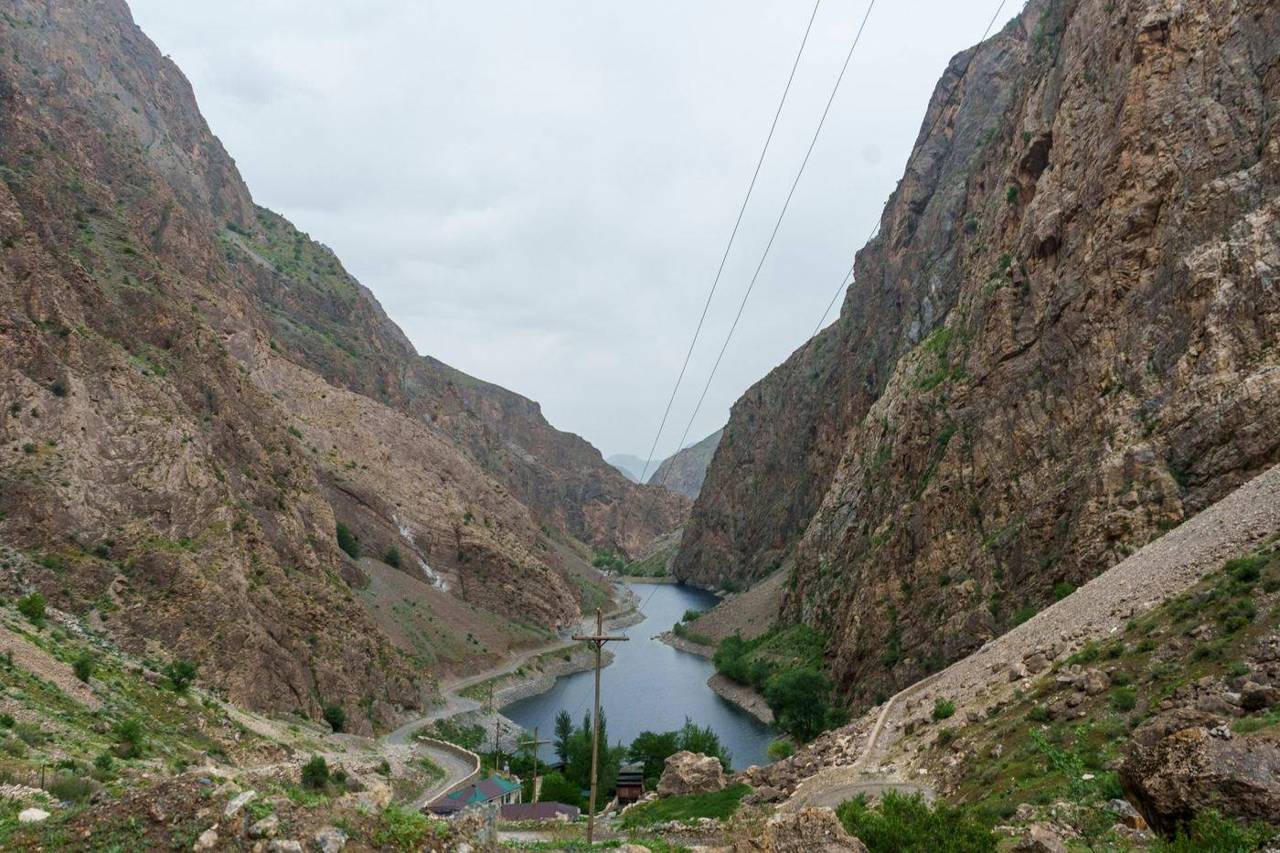 2 daysEasy
Panjakent and Sarazm
An hour from Samarkand: the ruins of ancient Sogdian Panjakent with its frescoes, the UNESCO proto-urban site of Sarazm and the town bazaar.
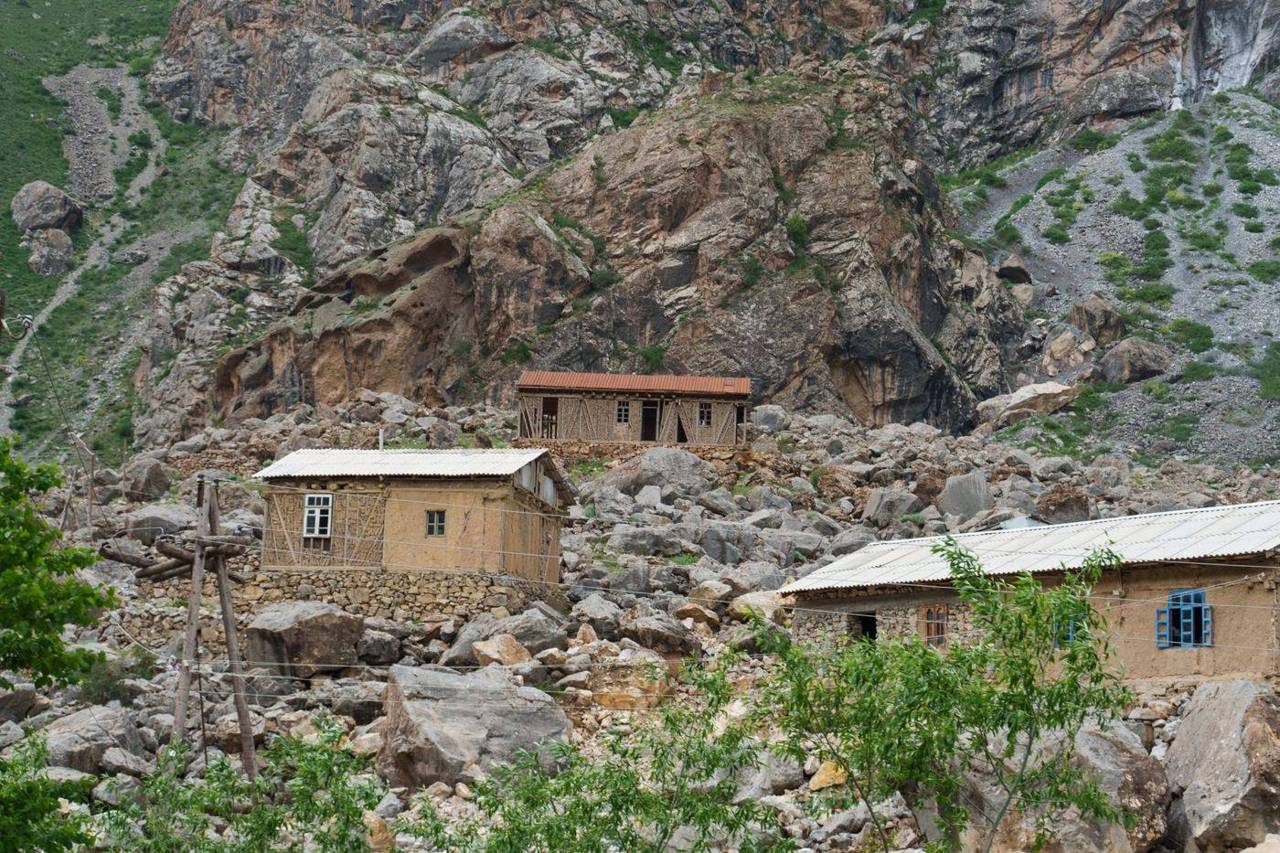 5 daysChallenging
The Yagnob valley
An isolated valley where a language descended from Sogdian is still spoken, with treks between stone villages and hosting families.
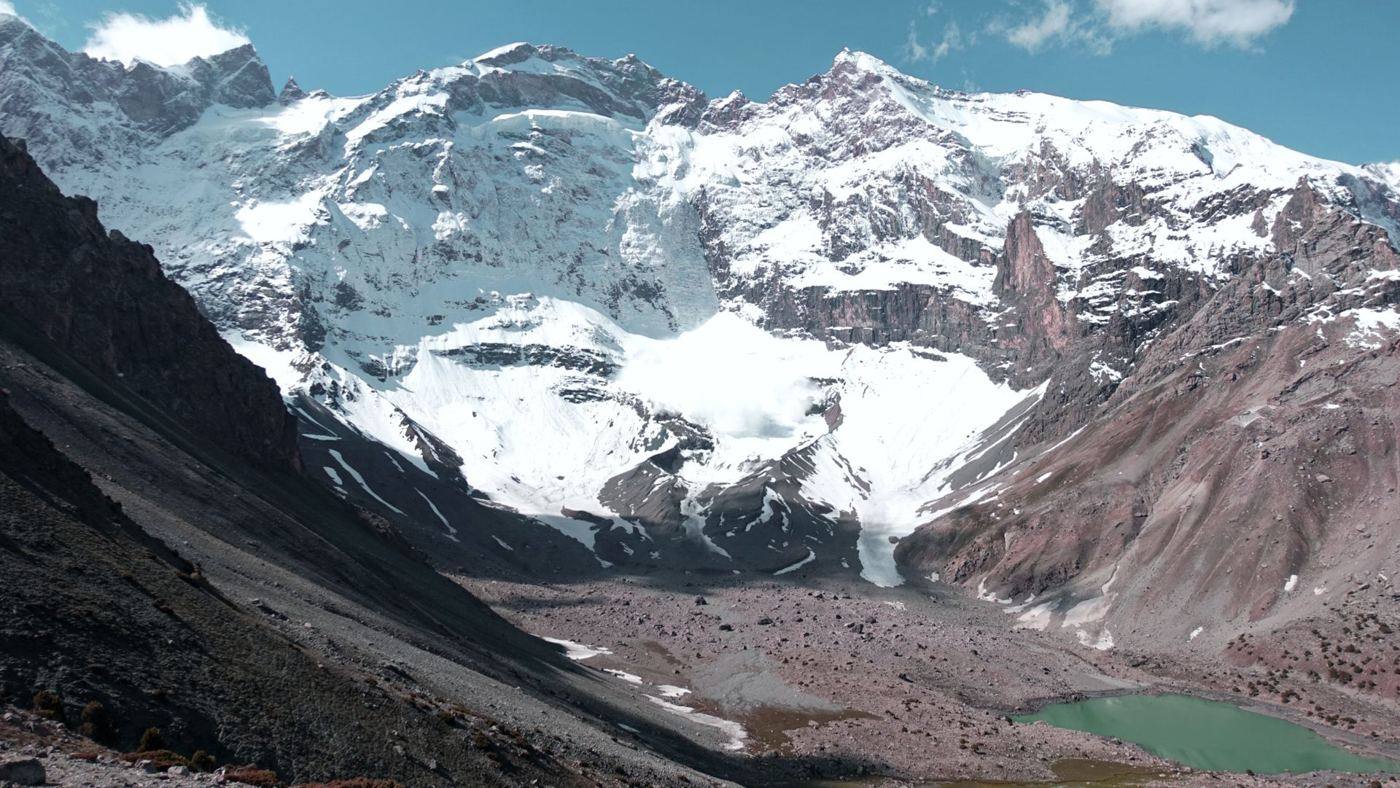 6 daysChallenging
The Bartang valley
The wildest valley in the Pamirs, from Rushan towards Savnob and Basid, with isolated villages, traditional Pamiri houses and roads that collapse after landslides.