The Bartang valley
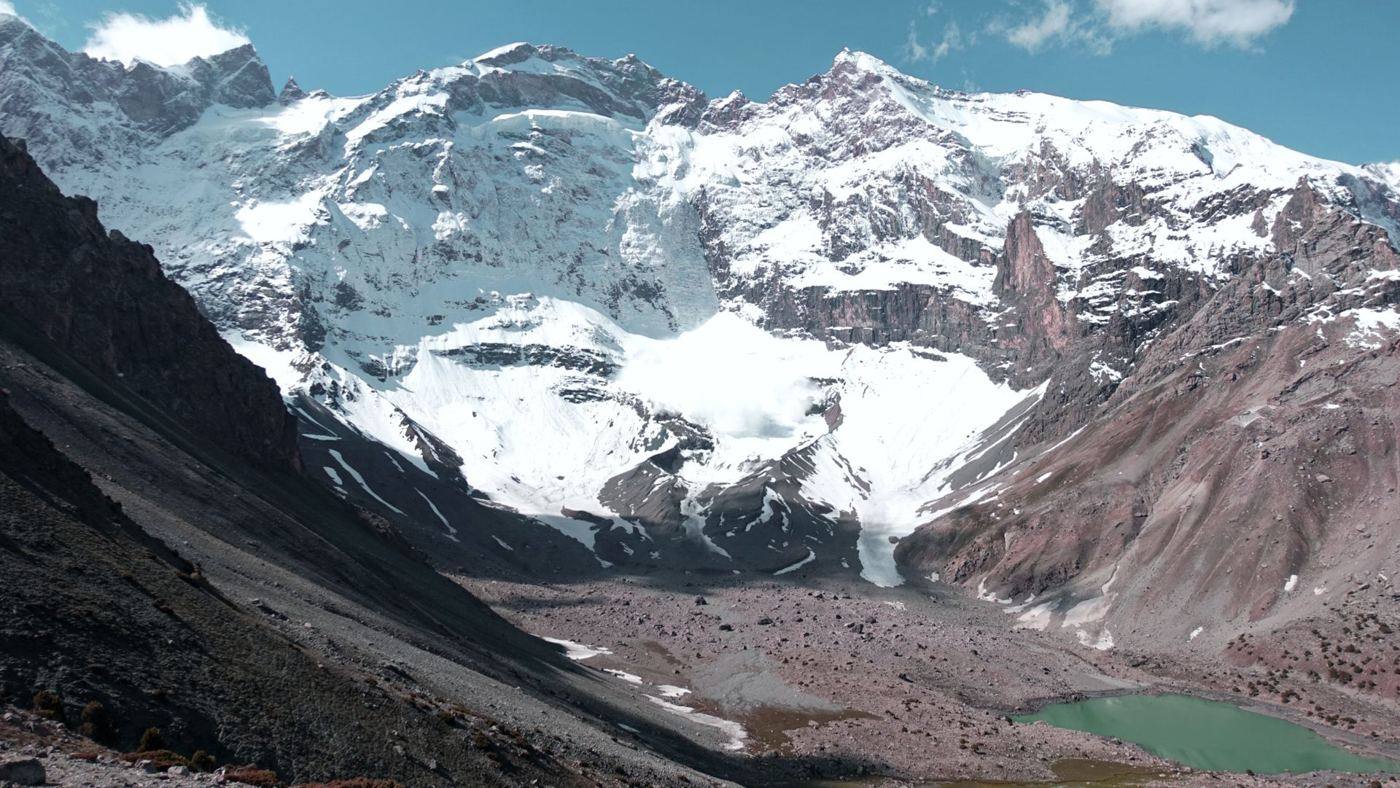
The wildest valley in the Pamirs, from Rushan towards Savnob and Basid, with isolated villages, traditional Pamiri houses and roads that collapse after landslides.
- Khorog
- Rushan
- Basid
- Savnob
Day by day
- Day 1
From Khorog to Rushan
This six-day trip takes you into the Bartang valley, the wildest in the Pamirs: from Rushan you drive up the river by 4x4 to Basid, then walk between isolated villages to Savnob, before returning to Khorog. The roads are narrow and often damaged by landslides: it is a trip for experienced travellers with time and patience.
Before you go: Italian citizens can enter Tajikistan without a visa for tourism for up to 30 days, with a passport valid for at least six months. If you stay more than 10 working days without an e-visa you must register with the immigration office. For the Pamirs you also need a GBAO permit. Other nationalities should check their own rules. Some areas on this trip are close to borders or places where the situation changes often: check your government's travel advice before booking and again before you leave. Travel with a local guide and driver, never go near the Afghan border and do not travel at night.
In the morning, in Khorog, the regional capital, walk in the central park by the river and climb to the botanical garden above the town, one of the highest in the world, with views of the mountains. Check prices and times.
Then head north along the Pamir Highway, which follows the Panj river. On the other bank, a few dozen metres away, are Afghan villages, with fields and paths high above the river. Look at them from the road, without stopping on the bank and without photographing border posts.
After a couple of hours you reach Rushan, a small town at the mouth of the Bartang valley.
Sleep in Rushan.
Practical tip: always carry your passport and GBAO permit, because they are often requested at checkpoints along the road.
- Day 2
Into the valley and Jizev
Today you enter the Bartang valley.
From Rushan the 4x4 leaves the main road and climbs the Bartang river, which rushes grey and fast between towering rock walls. The track is narrow, cut into the mountainside, with gravel stretches and places where landslides have carried the road away. The driver knows every bend: trust him and do not ask him to go faster.
Along the valley you see the first villages, small green oases of apricot trees, mulberries and wheat fields, clinging to the alluvial fans where side streams run down to the river.
Around midday stop for the walk to Jizev, a village in a side valley reachable only on foot. You cross the river on a suspension bridge and then climb for an hour or two along a rocky path, to a basin with small lakes, willow groves and a few stone houses. It is a silent place, where families live as they used to, with vegetable gardens, goats and a bread oven.
If your guide recommends it, you can sleep in Jizev in a family home, or return to the road and continue for a stretch.
In the evening try shirchoy, tea with milk, butter and salt, served with bread broken into the bowl.
Sleep in a family home in Jizev or along the valley.
Practical tip: wear sturdy hiking boots even for short walks: the paths are steep, stony and unmarked.
- Day 3
By 4x4 to Basid
Today you continue up the valley to Basid.
The track follows the river through narrow gorges and wider stretches, with villages scattered along the way. In some places the 4x4 has to ford side streams, which are lower in the morning and rise in the afternoon as the glaciers melt. That is why you leave early.
Stop now and then to take in the landscape: walls of red and grey rock, huge screes, suspension bridges of wood and cable, and small green fields that seem impossible in such a harsh place.
In the afternoon you reach Basid, one of the largest villages in the valley, with apricot orchards, houses of stone and mud and a small school. Here families speak Bartangi, one of the Pamiri languages, and most are of the Ismaili faith.
Step inside a traditional Pamiri house, the chid. The main room has five wooden pillars, which according to tradition recall the holy figures of the Ismaili faith, and a square skylight in the roof, built from four wooden squares set one inside the other. Around it are raised platforms covered with carpets where the family eats, talks and sleeps.
In the evening have dinner with the family, sitting on the carpets, with bread, yoghurt, vegetables from the garden and soup.
Sleep in Basid, for one night.
Practical tip: in Pamiri houses take off your shoes before stepping onto the platforms and do not sit with your feet pointing at people.
- Day 4
On foot between the villages
Today you leave the 4x4 behind and walk along the valley, from one village to the next.
In the morning set off from Basid with your guide. The route follows the track in places and in others the old paths between fields, irrigation channels and orchards. You pass small villages where people work the land with hand tools, women carry grass on their backs and children look after the goats. Stop to say hello: there are few foreigners here and you are often offered tea.
The landscape changes at every bend: narrow stretches with walls dropping sheer to the river, then wider basins with wheat and potato fields, and above them snow-covered peaks.
Walk calmly, because the sun is strong and there is little shade. Carry enough water: there are springs, but always ask your guide which ones are good to drink.
Around midday take a break in the shade of a tree, with bread, cheese and dried fruit.
In the afternoon you reach a village further up the valley, where a family hosts you for the night. If you like, help with small tasks: carrying water, picking apricots, kneading bread. It is the best way to get to know life in the valley.
Sleep in a family home along the valley.
Practical tip: pay for your stay in cash, in somoni, with an amount agreed beforehand with your guide, and leave a small gift for the children, such as exercise books or pencils.
- Day 5
On to Savnob
Today you walk to Savnob, one of the highest and most isolated villages on the route.
The path continues along the Bartang valley, which further up becomes wider, higher and colder. The trees thin out, the fields get smaller and the landscape grows barer, with grey mountains and glaciers high above. The river flows in a wide bed, split into many channels among the stones.
During the walk you see the remains of landslides, walls eroded by the wind and suspension bridges linking the villages to the side valleys. Cross them one person at a time, holding on to the cables.
In the early afternoon you reach Savnob, a village of a few families, with fields around, yaks and sheep. Life here is hard: in winter the valley stays cut off for long periods, when snow and landslides close the road.
In the afternoon walk around the village, climb a hill for the view over the valley and watch the sunset on the peaks. The evening is cold: put on warm layers.
At dinner ask the family how people live here in winter and how supplies arrive. The stories of the valley are often the best memory of the trip.
Sleep in a family home in Savnob.
Practical tip: in village houses electricity is limited and sometimes comes only from small solar panels. Bring a head torch and a charged power bank.
- Day 6
Back towards Khorog
Today you return to Khorog, on a long day by 4x4.
Leave Savnob early, when the streams are lower. The 4x4 drives back down the whole Bartang valley, village after village, through the same gorges, screes and suspension bridges you saw on the way up. In the morning light the landscape looks different: stop for the photos you did not take on the first days.
At Rushan you return to the main road and follow the Panj river south again to Khorog. Today too, look at the Afghan villages on the other bank from the road, without stopping near the river. Aim to arrive before dark.
The journey takes many hours, depending on the state of the track and the landslides: allow extra time and do not book anything rigid for the evening.
In Khorog have a hot shower, walk in the park by the river and have dinner in town.
In six days you have crossed the Bartang valley, from Rushan to Basid and Savnob, with the Jizev valley, the Pamiri houses with their five pillars, the suspension bridges and the isolated villages among the mountains.
When to go: from July to September. Earlier, melting snow swells the streams and causes landslides; later, the cold arrives early. The road can close even in summer: always ask for up-to-date news before setting off.
Practical tip: allow at least one spare day at the end of the trip, because in the Bartang valley a landslide can block the road for hours or days.
For experienced travellers with time and patience. The GBAO permit for the Pamir region is required. Avoid the Afghan border area and check the situation before leaving.
Before you go
- Documents and visa
- Passport valid for at least six months with two blank pages. Italian citizens can enter for tourism without a visa for up to 30 days; anyone staying more than 10 working days without an e-visa must register with the immigration office. Alternatively, you can apply for an e-visa on the official Ministry of Foreign Affairs portal at least two weeks ahead. For the Gorno-Badakhshan Autonomous Region, the Pamirs, you also need a GBAO permit, requested with the e-visa or from the Ministry of Foreign Affairs, which can be suspended at short notice.
- Health and vaccines
- Check vaccines with your doctor at least eight weeks before you leave. Medical care is generally poor, and outside Dushanbe almost absent: you need insurance that covers treatment and evacuation. Altitude sickness is a risk in the mountains. Drink bottled water and wash fruit and vegetables. Ambulance: 103 from a mobile.
- Money and payments
- Tajik somoni (TJS). Cash is essential; cards work only in some Dushanbe hotels and cash machines are rare outside the cities. Bring clean, new dollar or euro notes to change.
- Power sockets
- Type C and F, 220 volts: you need an adapter for British plugs.
- Time zone
- UTC+5 all year.
- Safety
- There have been cross-border attacks and armed clashes near the Afghan border in 2025 and 2026, including in Darvoz; the United States advises reconsidering travel near that border and in Gorno-Badakhshan. There is a risk of unrest in Khorog and some roads can be closed. On the Kyrgyz border, especially near Isfara and the Vorukh enclave, there have been clashes in the past: check the situation first. Near the Afghan and Uzbek borders there are marked and unmarked minefields, so never leave roads and marked paths. Do not photograph government or military buildings. Official advice: GOV.UK.
Information checked in November 2026 for Italian and EU citizens. Rules change: always check before you travel.
Variations
In four days: from Khorog to Jizev and Basid and back, without the walks to Savnob.
In ten days: add the Wakhan valley, with its fortresses and hot springs, starting from Khorog.
Frequently asked questions
Do I need a permit for the Bartang valley?
Yes, you need the GBAO permit for the Pamir region, as well as your passport. Other nationalities should check their own rules.
Can you visit the Bartang without a guide?
It is better not to. The roads are difficult, landslides are frequent and the villages are isolated. Travel with a local guide and driver who know the valley.
Is the road always open?
No. Landslides and swollen streams can close the track even in summer. Ask for up-to-date news in Khorog and allow spare days.
Indicative itinerary written by World Atlas. Before booking, check timetables, seasonal openings, documents and safety.
 5 daysChallenging
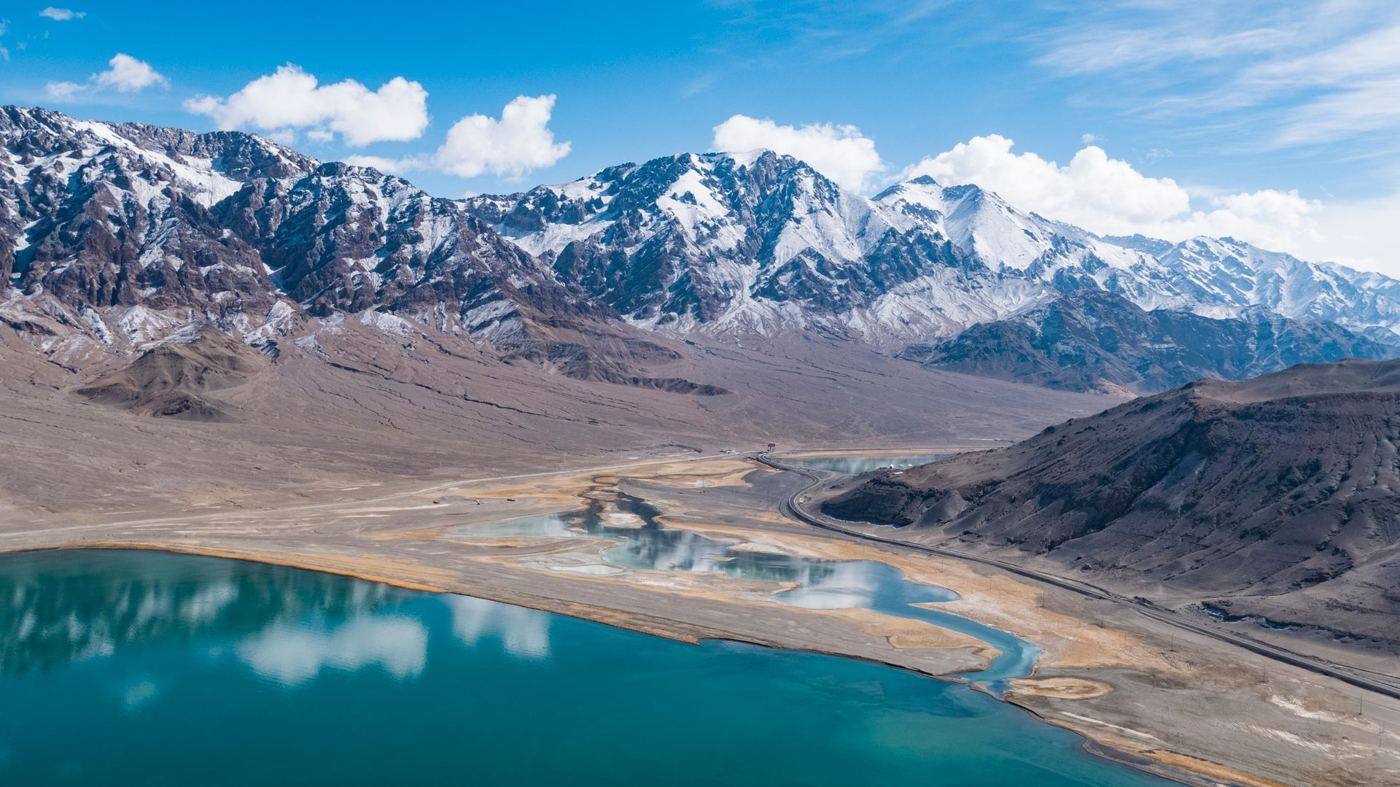
Murghab and Lake Zorkul
The eastern Pamir plateau above 3,600 metres, with the Kyrgyz yurts of Murghab, Marco Polo sheep and Lake Zorkul in its nature reserve.
 4 daysModerate
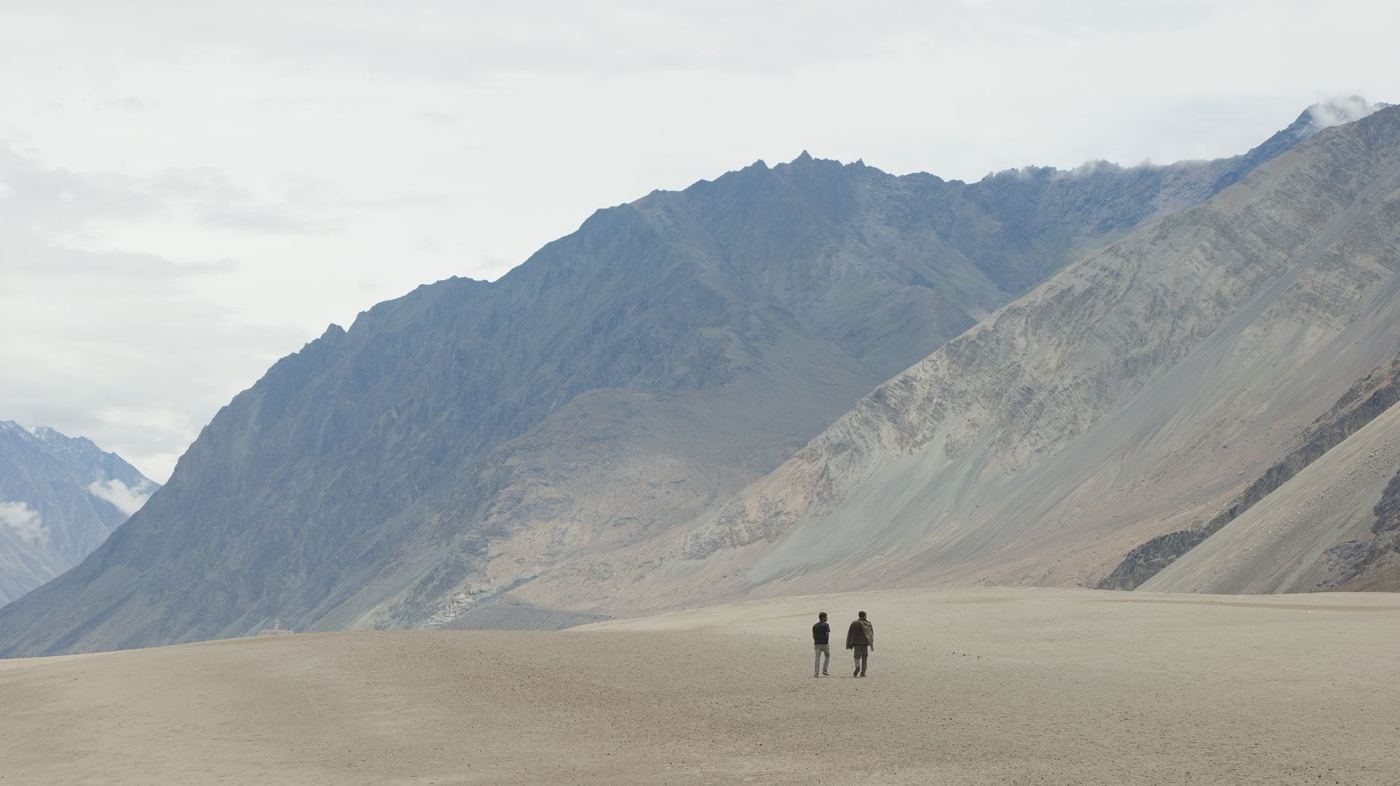
The Wakhan and its hot springs
The Wakhan valley at a slower pace: the fortresses of Yamchun and Khaakha, the Bibi Fatima and Garm Chashma hot springs, petroglyphs and views of the Hindu Kush.
 10 daysChallenging
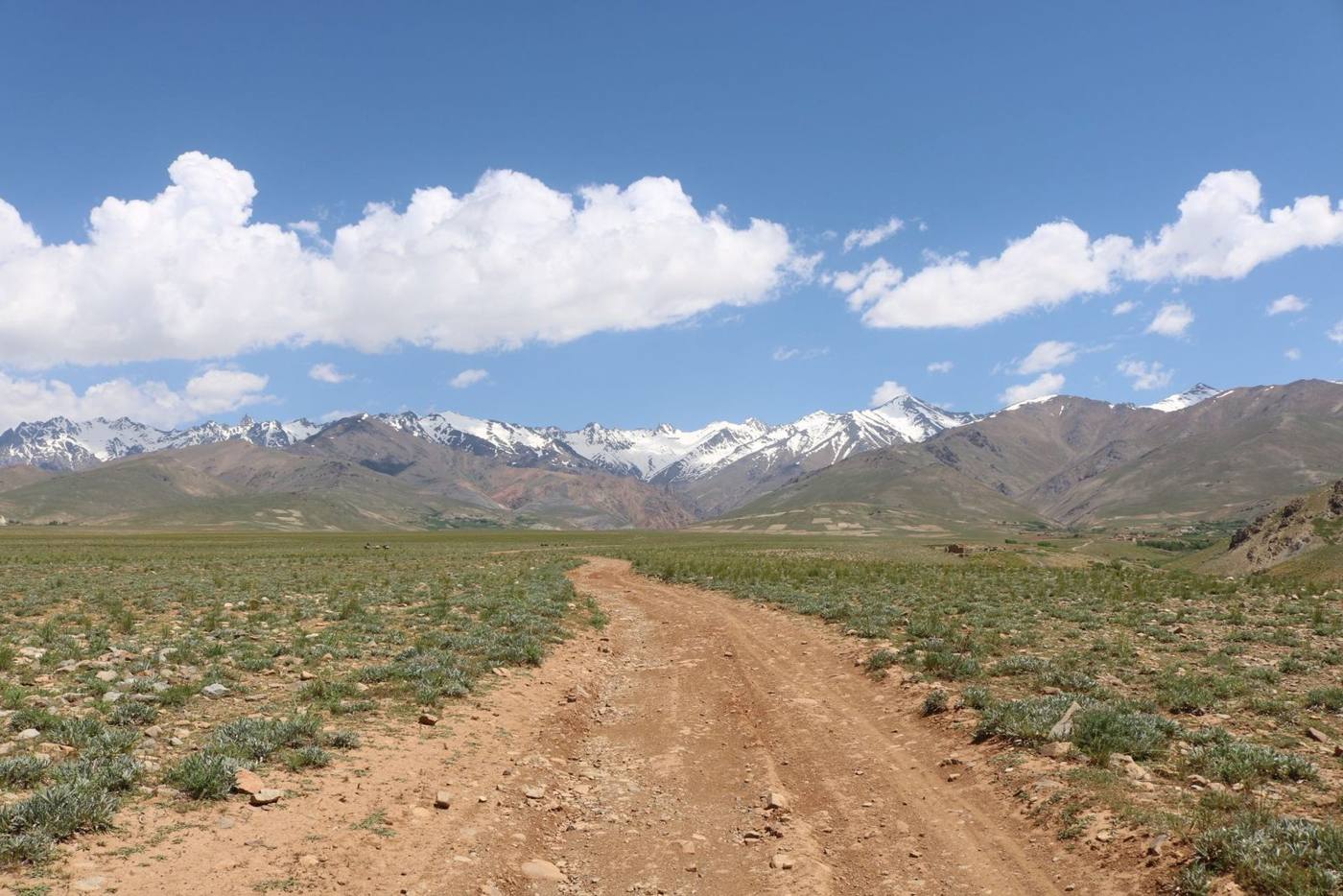
The Pamir Highway
One of the world's highest roads: from Dushanbe to Khorog, the Wakhan valley with Afghanistan across the river, Murghab and Lake Karakul, to Osh.