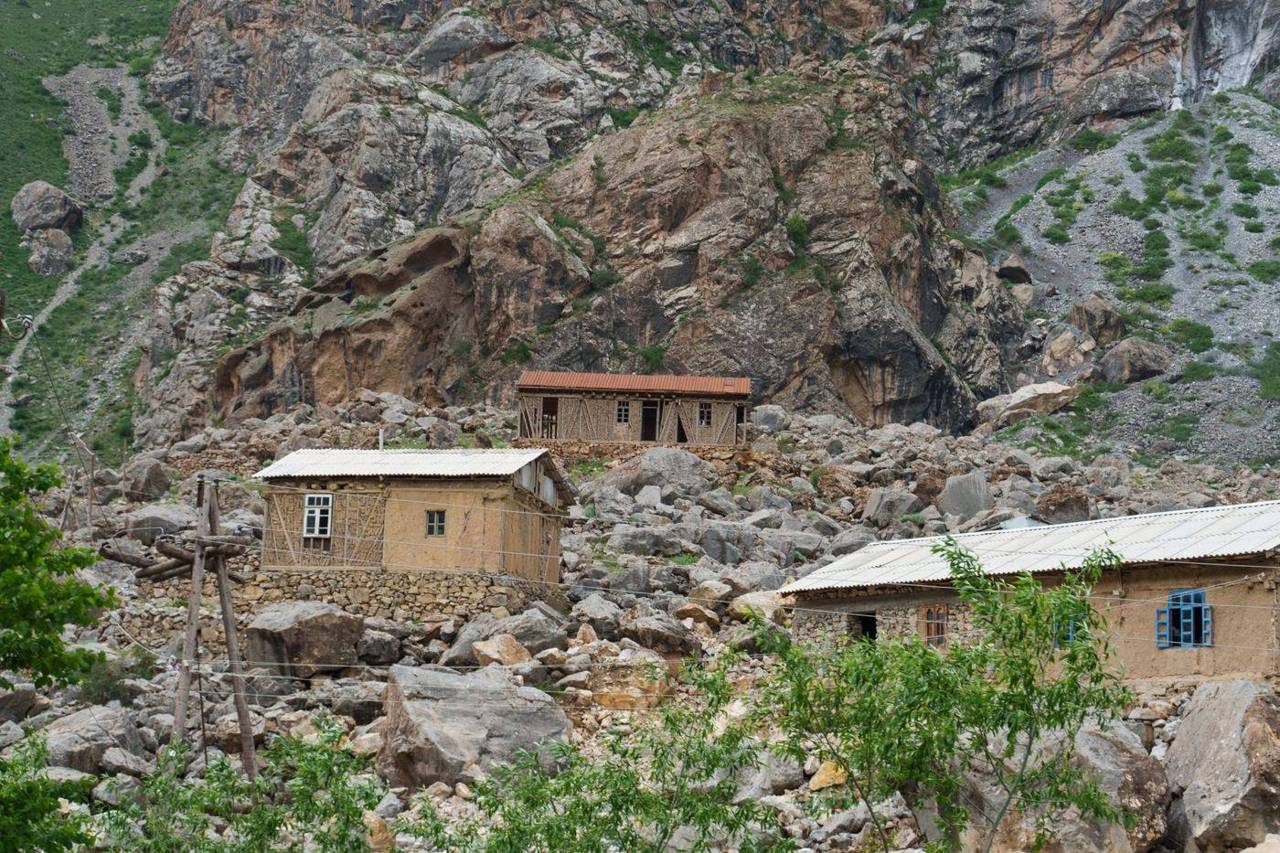
The Yagnob valley
An isolated valley where a language descended from Sogdian is still spoken, with treks between stone villages and hosting families.
- Dushanbe
- Anzob
- Yagnob Valley
Day by day
- Day 1
From Dushanbe over the Anzob pass into the valley
This five-day trip takes you into the Yagnob valley, one of the most isolated in Central Asia. Here some families still speak Yaghnobi, a language descended from a dialect of Sogdian, the language of the Silk Road merchants. You will walk between stone villages, pastures and high mountains, as a guest of local families.
Before you go: Italian citizens can enter Tajikistan without a visa for tourism for up to 30 days, with a passport valid for at least six months. If you stay more than 10 working days without an e-visa you must register with the immigration office. Other nationalities should check their own rules. The valley is far from the borders, but there are no services, shops or phone signal: go only with a local guide and insurance that covers mountain rescue.
Leave Dushanbe early in a four-wheel drive with a driver. The road climbs the Varzob gorge and reaches the Anzob area, where it goes through the tunnel; with your guide decide whether to stop on the old pass for the view. Then you drop down the northern side and take the track that enters the Yagnob valley, along the river.
The track ends near the first villages, such as Margib. Here you meet the family hosting you, settle your rucksack and take a short walk to get used to the altitude, which is above two thousand metres. In the evening dinner is eaten sitting on carpets: bread baked in the clay oven, yoghurt, soup and tea.
Practical tip: bring a warm sleeping bag, because even in summer the nights are cold and blankets are few.
- Day 2
Walking between the first villages
The first day of trekking follows the river upstream. The path is easy to find, because shepherds and donkeys use it, but it often climbs and drops and crosses streams. You walk for five or six hours, with long breaks.
The villages of the valley are small, sometimes just a few houses. The homes are built of stone and mud, with flat roofs where in summer hay and dung are dried, the dung used as fuel in winter, because trees are rare here. The women bake bread, the men and boys take the flocks to the high pastures.
Remember a little history: in the 1970s the Soviet authorities forcibly moved most of the inhabitants to the cotton plains, and the valley was left almost empty. Since the 1990s some families have returned and live as they used to, from farming and animals. Your guide explains the most common Yaghnobi words, which differ from Tajik.
When you enter a house take off your shoes, sit where you are shown and accept tea with your right hand. Always ask before photographing people, especially women.
In the evening you sleep in another family home. Pay what your guide has agreed and leave the small gifts you have brought: notebooks and pencils for the children, tea, sugar or dried fruit.
Practical tip: bring a filter or water purification tablets, because you drink from streams and wells.
- Day 3
In the heart of the valley
Today you enter the highest and quietest part of the valley. The path crosses grassy slopes and scree, with views of peaks still covered in snow in early summer. In some places the track is narrow above the river: walk carefully and follow your guide's pace.
During the day you meet a few shepherds with their herds of cows, goats and sheep, and the odd donkey carrying wood or sacks. They often offer you milk or freshly made yoghurt, chakka. A greeting in Tajik, «salom», is always welcome.
Stop for lunch by a stream, with bread, cheese, walnuts and dried apricots. Then carry on to the evening's village. In good weather the afternoon is the best time for photography, when the shadows of the mountains fall across the valley.
Listen to your body: the altitude is high and the path is long. Headache, nausea or being very short of breath are signs not to ignore: stop and talk to your guide. If the symptoms get worse, the only cure is to go down. Before the trip ask your doctor for advice.
In the evening, if the sky is clear, go outside to look at the stars: with no electric lights, the Milky Way is very bright. The family often makes plov for guests, or a soup of meat and potatoes.
Practical tip: keep a waterproof jacket and a warm layer in your rucksack, because mountain weather changes within a few hours.
- Day 4
Down towards the mouth of the valley
On the fourth day the descent begins. With your guide you can choose whether to return by the same path or follow the other bank of the river, if the bridges and fords are safe. The landscape looks different on the way down: you see the villages from another angle and the valley opens out ahead of you.
Along the way stop in the fields, where families grow potatoes, barley and pulses on small, steep terraces, watered by hand-dug channels. If it is haymaking time, you will see the whole family at work with scythes. Ask your guide to introduce you: people are curious and often ask about your life and your family.
In the afternoon you arrive at one of the lower villages, near the end of the track. Here you have time to rest, wash with water heated on the fire and sort out your rucksack.
The last evening is often the best. The family makes a richer dinner, with meat and fresh bread, and sometimes someone sings or plays music. It is the moment to thank your guide and your hosts. If you have printed photos from an earlier visit or of other people in the village, they are a much appreciated gift.
Practical tip: keep the tip for your guide and for whoever carries the bags in a separate envelope, ready before you reach the last village.
- Day 5
Back to Dushanbe
In the morning the four-wheel drive is waiting at the end of the track. Say goodbye to the family and set off along the river to the main road. Then climb back towards Anzob and the tunnel, drop into the Varzob gorge and reach Dushanbe in the afternoon, if the road is clear.
On the way stop at a teahouse in the Varzob gorge for a hot lunch, with shashlik, salad and bread, and a few minutes in the shade above the water. The contrast between the silent valley and the lorry traffic on the main road will show you how isolated Yagnob really is.
In the evening in Dushanbe treat yourself to a long shower and dinner in town. If you have an extra day, visit the National Museum of Antiquities, where Sogdian objects help you understand the history of the language you heard in the valley.
In five days you have crossed the Anzob pass, entered the Yagnob valley, walked between stone villages and high pastures and lived with families who still speak a language descended from Sogdian.
When to go: from July to September, when the paths are clear of snow and the families are in the villages. In June snow can block the passes and the fords are higher; from October it is cold and many families move down the valley.
Practical tip: book your return flight with a day to spare, because landslides or roadworks on the Anzob road can cause delays.
A rare trip, for those seeking ancient cultures and real mountains. Difficult roads and no services: only with a local guide. Bring simple gifts for the families.
Before you go
- Documents and visa
- Passport valid for at least six months with two blank pages. Italian citizens can enter for tourism without a visa for up to 30 days; anyone staying more than 10 working days without an e-visa must register with the immigration office. Alternatively, you can apply for an e-visa on the official Ministry of Foreign Affairs portal at least two weeks ahead. For the Gorno-Badakhshan Autonomous Region, the Pamirs, you also need a GBAO permit, requested with the e-visa or from the Ministry of Foreign Affairs, which can be suspended at short notice.
- Health and vaccines
- Check vaccines with your doctor at least eight weeks before you leave. Medical care is generally poor, and outside Dushanbe almost absent: you need insurance that covers treatment and evacuation. Altitude sickness is a risk in the mountains. Drink bottled water and wash fruit and vegetables. Ambulance: 103 from a mobile.
- Money and payments
- Tajik somoni (TJS). Cash is essential; cards work only in some Dushanbe hotels and cash machines are rare outside the cities. Bring clean, new dollar or euro notes to change.
- Power sockets
- Type C and F, 220 volts: you need an adapter for British plugs.
- Time zone
- UTC+5 all year.
- Safety
- There have been cross-border attacks and armed clashes near the Afghan border in 2025 and 2026, including in Darvoz; the United States advises reconsidering travel near that border and in Gorno-Badakhshan. There is a risk of unrest in Khorog and some roads can be closed. On the Kyrgyz border, especially near Isfara and the Vorukh enclave, there have been clashes in the past: check the situation first. Near the Afghan and Uzbek borders there are marked and unmarked minefields, so never leave roads and marked paths. Do not photograph government or military buildings. Official advice: GOV.UK.
Information checked in November 2026 for Italian and EU citizens. Rules change: always check before you travel.
Variations
In three days: enter the valley, sleep in two lower villages and come back, without going up into the high part.
In eight days: after Yagnob carry on to Lake Iskanderkul and the Fan Mountains trek.
Frequently asked questions
What language is spoken in the Yagnob valley?
Some families speak Yaghnobi, a language descended from a dialect of Sogdian. Everyone also speaks Tajik. Your guide helps you communicate.
Can I go without a guide?
It is not advisable: there are no services, signs or phone signal, and you need contacts with the host families. Go with a local guide and insurance that covers mountain rescue.
What gifts should I bring the families?
Simple, useful things: tea, sugar, dried fruit, notebooks and pencils for the children, printed photos. Always also pay for the hospitality agreed with your guide.
Indicative itinerary written by World Atlas. Before booking, check timetables, seasonal openings, documents and safety.
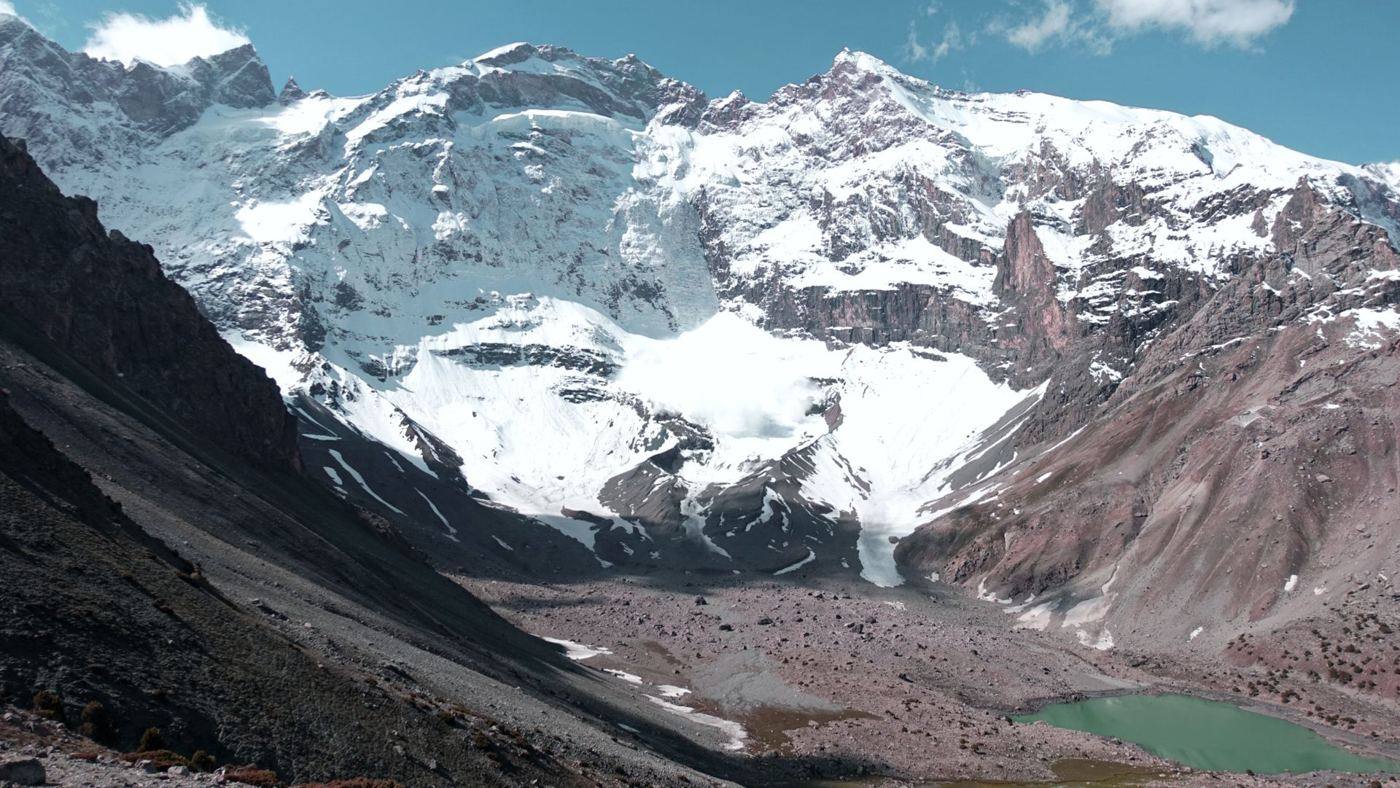 6 daysChallenging
The Bartang valley
The wildest valley in the Pamirs, from Rushan towards Savnob and Basid, with isolated villages, traditional Pamiri houses and roads that collapse after landslides.
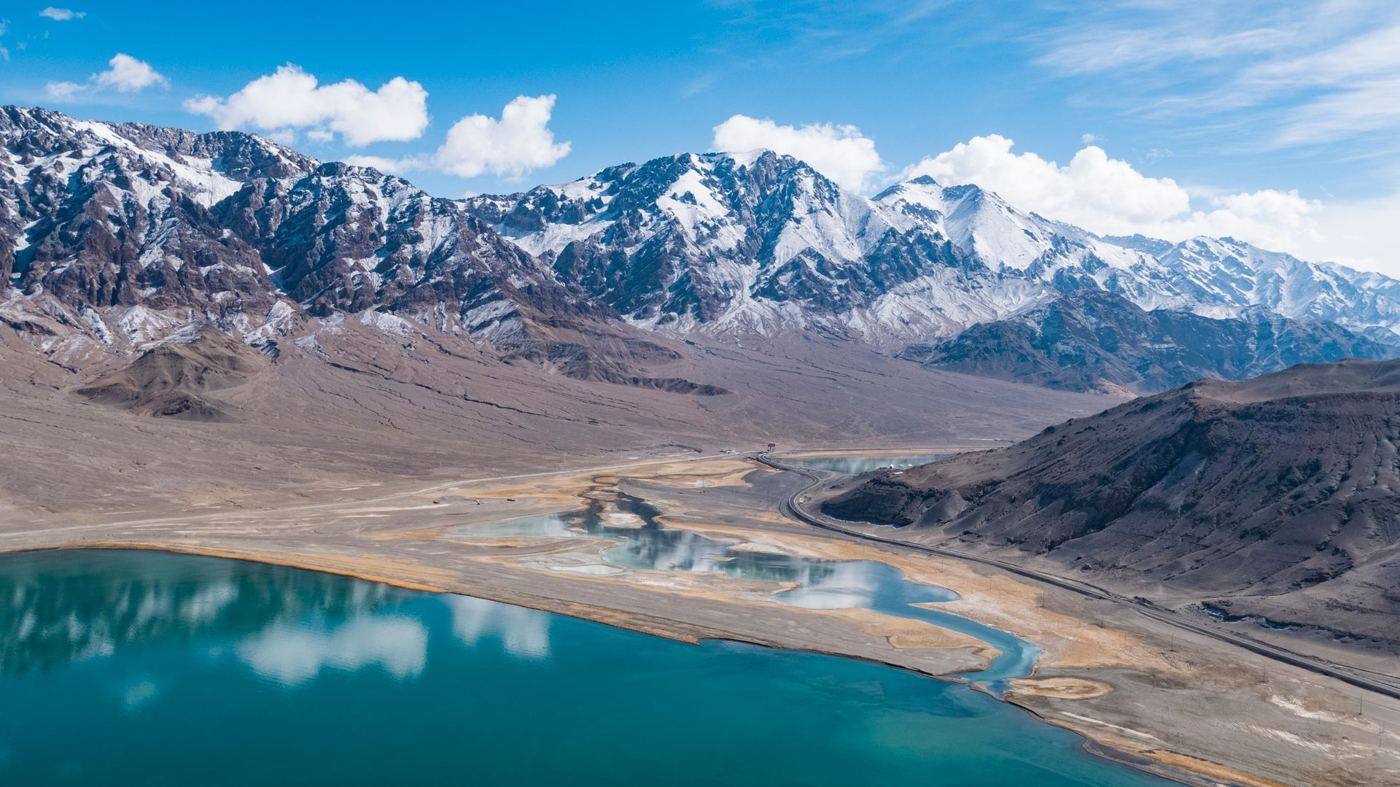 5 daysChallenging
Murghab and Lake Zorkul
The eastern Pamir plateau above 3,600 metres, with the Kyrgyz yurts of Murghab, Marco Polo sheep and Lake Zorkul in its nature reserve.
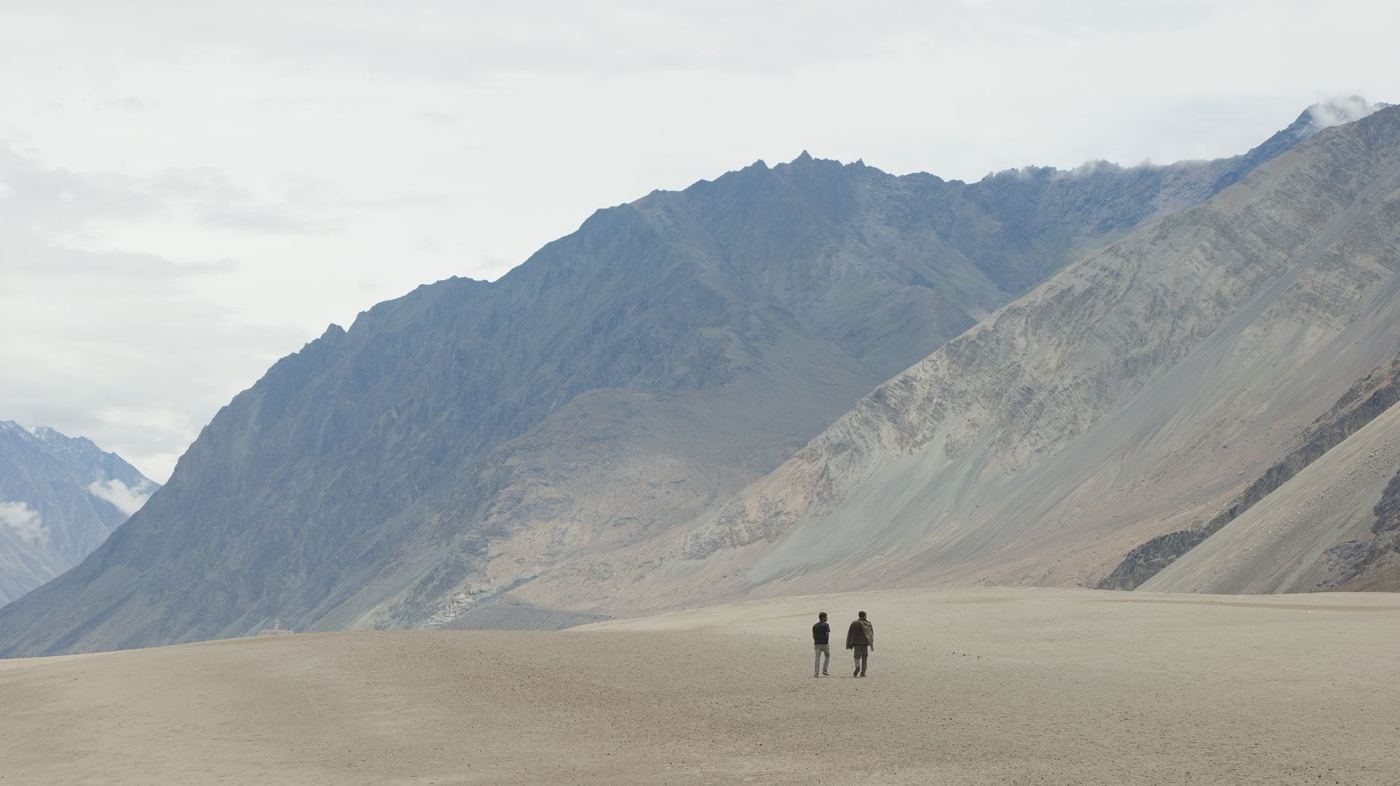 4 daysModerate
The Wakhan and its hot springs
The Wakhan valley at a slower pace: the fortresses of Yamchun and Khaakha, the Bibi Fatima and Garm Chashma hot springs, petroglyphs and views of the Hindu Kush.