Comfortable Sri Lanka, with a driver and boutique hotels
The same places as the classic loop, but with a private driver, boutique hotels and an extra no-cost day between Kandy and the coast.
- Negombo
- Sigiriya
- Kandy
- Nuwara Eliya
- Ella
- Yala
- Galle
Day by day
- Day 1
Arrival in Negombo, the lagoon and the Dutch canal
This trip follows the classic tour of Sri Lanka in comfort: Negombo, the ancient sites of Sigiriya and Dambulla, the elephants of Minneriya, Kandy and the Peradeniya gardens, the tea estates of Nuwara Eliya, the train to Ella, the leopards of Yala and the coast around Galle. You travel with a private driver and stay in charming hotels, with a few hours to yourself every day.
Before you go: Italian citizens enter Sri Lanka with a passport valid for at least six months and with the ETA, the electronic travel authorisation to apply for before leaving on the official website eta.gov.lk. Since 25 May 2026 the tourist ETA for Italian passports costs nothing, is valid for 30 days and allows two entries. Other nationalities should check their own rules. Cyclone Ditwah, in November and December 2025, caused landslides and serious damage to roads and railways: the section from Nanu Oya to Ella and Badulla is running again, while the line between Kandy and Nanu Oya is still closed and the section between Colombo and Peradeniya is suspended because of a landslide, so there you travel by road. Viaggiare Sicuri advises against driving yourself, recommends a local driver and advises against travelling at night. Do not show Buddha tattoos.
You land at Katunayake international airport and in less than half an hour you are in Negombo, a fishing town on the west coast. Rest at the hotel, then in the afternoon walk along the Dutch canal, dug in colonial times to carry goods, and watch the colourful boats on the lagoon.
At sunset go to the beach, where the fishermen haul their nets ashore.
Sleep in Negombo, for one night.
Practical tip: before leaving the airport, withdraw some rupees at a cash machine and buy a local SIM card, useful for keeping in touch with your driver.
- Day 2
North to the Dambulla caves
Today you leave the coast and head up to the Cultural Triangle, the region of the ancient capitals.
In the morning, if you wake up early, stop at the Negombo fish market, where fish is still laid out to dry in the sun on the sand. Then set off inland with your driver. The road crosses coconut plantations, paddy fields and villages, and the drive takes a few hours, with stops whenever you like.
In the early afternoon you reach Dambulla and visit the Golden Temple, a UNESCO World Heritage Site. Climb a stairway on the side of a great rock to five caves turned into shrines more than two thousand years ago. Inside you find dozens of Buddha statues, some reclining and many metres long, and ceilings entirely painted with scenes from the life of the Buddha and the history of the island. Go in barefoot, with shoulders and knees covered, and never take photos with your back to the statues. Check prices and times.
From the terrace in front of the caves you see the green plain and, in the distance, the outline of Sigiriya, the Lion Rock.
In the late afternoon reach your hotel between Dambulla and Sigiriya, often set in the greenery or overlooking a lake. Enjoy the pool and a dinner of rice and curry, the national dish, with many small bowls of vegetables, lentils and coconut sambol.
Sleep near Sigiriya, for two nights.
Practical tip: bring a pair of thick socks for the caves and temple terraces, because the stone in the sun gets scorching under bare feet.
- Day 3
Sigiriya at dawn and a safari at Minneriya
Today you climb the most famous rock in Sri Lanka and in the afternoon you go to see the elephants.
At opening time, before the heat and the groups, reach Sigiriya, the Lion Rock, a UNESCO World Heritage Site. In the 5th century King Kashyapa built his palace here, on top of a huge block of rock towering over the plain. You enter through the water gardens, with their pools and channels still visible, then climb the stone and iron stairs. Halfway up you find the frescoes of the maidens, painted on the rock in colours that are still bright, and the mirror wall, polished and covered in ancient inscriptions. Higher up you pass between two enormous carved lion's paws, the entrance to the last stairway. At the top the foundations of the palace and the cisterns remain, with views over forests and lakes. Check prices and times.
Go back to the hotel for lunch and some rest.
In the afternoon set off on a jeep safari in Minneriya National Park or nearby Kaudulla: every day the guides choose the park where the herds are. Around the great reservoirs, built by the ancient kings, the elephants come to drink and graze, often with their young. You also see buffalo, deer, peacocks and many water birds. Use only jeeps and guides authorised by the Department of Wildlife Conservation (DWC).
Sleep near Sigiriya.
Practical tip: on Sigiriya rock there are sometimes wasps: move quietly, do not wear perfume and follow the staff's instructions.
- Day 4
The spice garden and the Temple of the Tooth
Today you head south to Kandy, the last capital of the Sinhalese kings.
In the morning set off with your driver. The road climbs gently from the dry plains to the green hills, through rice fields and woods. At Matale stop at a spice garden, where you see pepper, cinnamon, cardamom, cloves and vanilla growing, and understand why the island attracted Arab, Portuguese and Dutch merchants for centuries. A little further on you can see the Hindu temple of Sri Muthumariamman, with its gateway tower covered in colourful statues.
At the end of the morning you reach Kandy, a city built on the hills around a lake, a UNESCO World Heritage Site. Settle into a quiet hotel on the heights, with a view over the valley, and rest.
In the late afternoon enter the Sri Dalada Maligawa, the Temple of the Tooth, which holds the most venerated relic on the island, a tooth of the Buddha. For centuries whoever held the relic had the right to rule, which is why the temple stands next to the royal palace. Attend the evening puja, with drums, prayers and offerings of lotus and jasmine flowers. Wear light colours, with shoulders and knees covered. Check prices and times.
After the visit walk along the lake shore, with the temple lights reflected on the water.
Sleep in Kandy, for two nights.
Practical tip: at the Temple of the Tooth leave your shoes at the counter by the entrance and carry a light bag, because bags are checked at the gate.
- Day 5
The Peradeniya botanical garden and a slow afternoon
Today you enjoy Kandy at a slow pace, without long drives.
In the morning visit the Royal Botanic Gardens of Peradeniya, a few kilometres from the centre, along the Mahaweli river. Created as a garden of the kings of Kandy and enlarged by the British in the 19th century, it is one of the finest botanical gardens in Asia. Walk under the great avenue of royal palms, go into the orchid house, then reach the huge Java fig tree, whose branches cover an entire lawn. You also see the giant bamboo grove and the trees planted by kings and visiting heads of state. Colonies of fruit bats live in the branches. Check prices and times.
Go back to the hotel for lunch and a few hours to yourself: you can rest by the pool, book an Ayurvedic massage or walk up into the Udawattakele forest, on the hill above the temple, once a royal park, with trails among the trees and monkeys.
In the late afternoon watch a show of Kandyan dance, with drums, silver costumes and dancers who walk on burning coals at the end.
In the evening have a relaxed dinner. Try hoppers, small bowl-shaped pancakes made with rice flour and coconut milk, with an egg in the middle.
Sleep in Kandy.
Practical tip: at Peradeniya do not leave food or bags in sight on the benches, because the monkeys are quick and used to stealing.
- Day 6
By road to Nuwara Eliya and a tea estate
Today you climb into the highlands, the land of tea.
The scenic train between Kandy and Nanu Oya is still halted after the cyclone, so you cover this stretch by car with your driver. It is still a beautiful journey: the road climbs in hairpin bends through the hills, passes waterfalls such as those at Ramboda and crosses tea estates that cover the mountains like a green carpet. The tea pickers, with baskets on their backs, work between the rows. The drive takes a few hours, with stops.
On the way stop at a tea factory. You see how freshly picked leaves are withered, rolled, fermented and dried, then you taste several Ceylon black teas. Check prices and times.
In the afternoon you reach Nuwara Eliya, at around 1,900 metres, a small town founded by the British to escape the heat of the coast. It still feels like a colonial hill station, with its red brick post office, rose gardens and Lake Gregory.
Settle into an old colonial bungalow among the estates, turned into a charming hotel. Have afternoon tea on the veranda, with the mist rising from the valleys.
In the evening it is cool: keep a jumper and a jacket to hand.
Sleep in Nuwara Eliya, for one night.
Practical tip: on the mountain road stop often, especially if you get car sick, and ask your driver to pull over at the safest viewpoints.
- Day 7
The train from Nanu Oya to Ella
Today you ride the most spectacular stretch of railway in Sri Lanka.
In the morning your driver takes you to Nanu Oya station, a few minutes from Nuwara Eliya, then leaves with the luggage and waits for you in Ella. This way you travel light. Board the train to Ella in first class or in reserved second class seats: this stretch is running again after the repair work. The train passes Pattipola, the highest station on the island, crosses the upland grasslands near Horton Plains, then descends towards Haputale and Bandarawela through estates, tunnels, bridges and waterfalls. The journey takes a few hours, and every bend opens a new view over the valleys.
Buy tickets only on the official Sri Lanka Railways website, weeks in advance, because reserved seats sell out quickly.
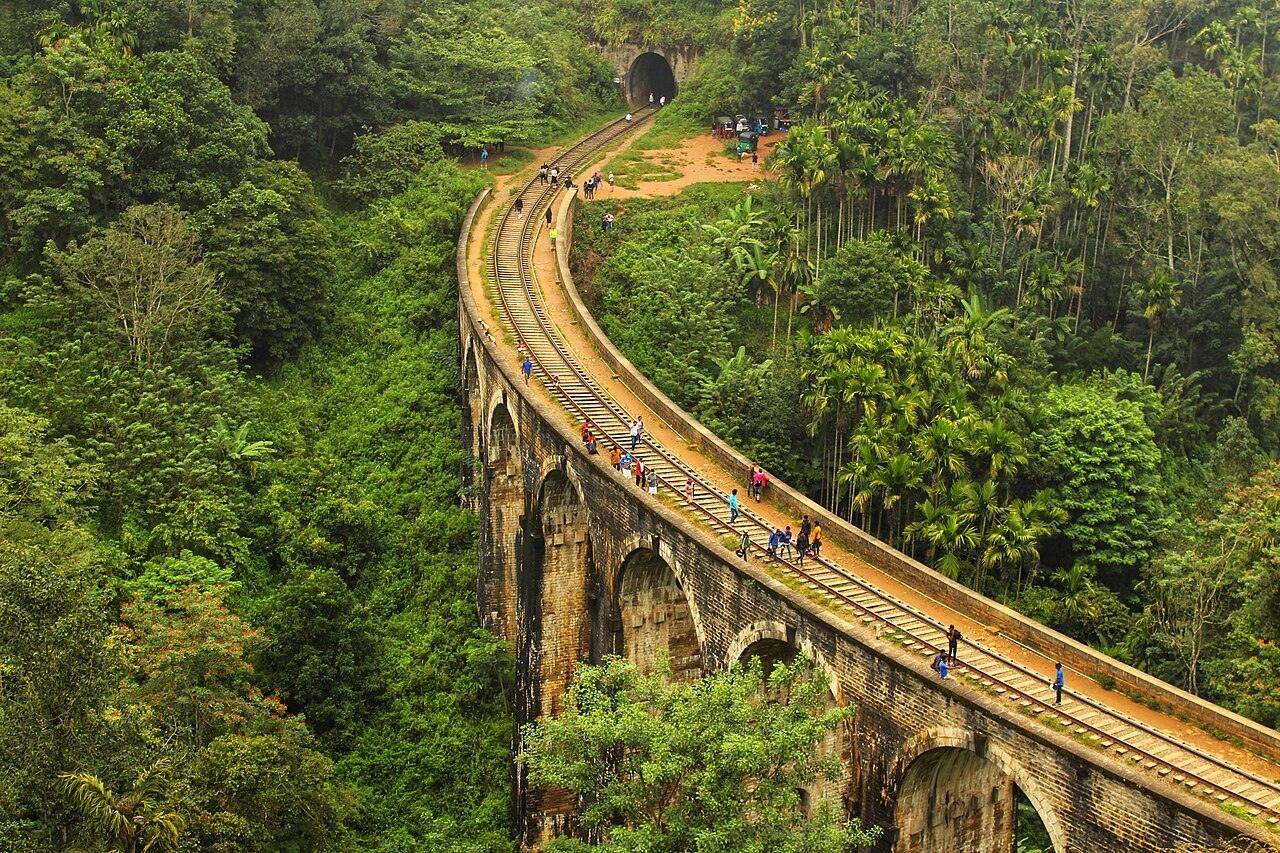
In the afternoon you arrive in Ella, a village in a gorge between the mountains. Settle into a hotel with a view over the valley, then walk to the Nine Arch Bridge, a stone railway viaduct built in colonial times between the jungle and the tea fields. If a train comes, you see it cross the arches.
In the evening have dinner in the village, with a vegetable curry and a hot tea.
Sleep in Ella, for one night.
Practical tip: on the train hold your phone and camera tightly when you lean out of the windows or open doors, because every year many objects fall along the tracks.
- Day 8
Little Adam's Peak and a safari at Yala
Today you move from the mountains to the savannah of the south.
At dawn climb Little Adam's Peak, a hill near the village. The path is easy, runs between rows of tea and in less than an hour you are at the top, with views over the Ella gap, the plain stretching down towards the sea and the mountains around. Go back to the hotel for breakfast.
Then set off south with your driver. The road descends from the hills, passes the Ravana falls and reaches the dry plain around Tissamaharama, with its great reservoirs and paddy fields. The drive takes a few hours. Settle into a lodge near the park, some with luxury tents or bungalows in the scrub.
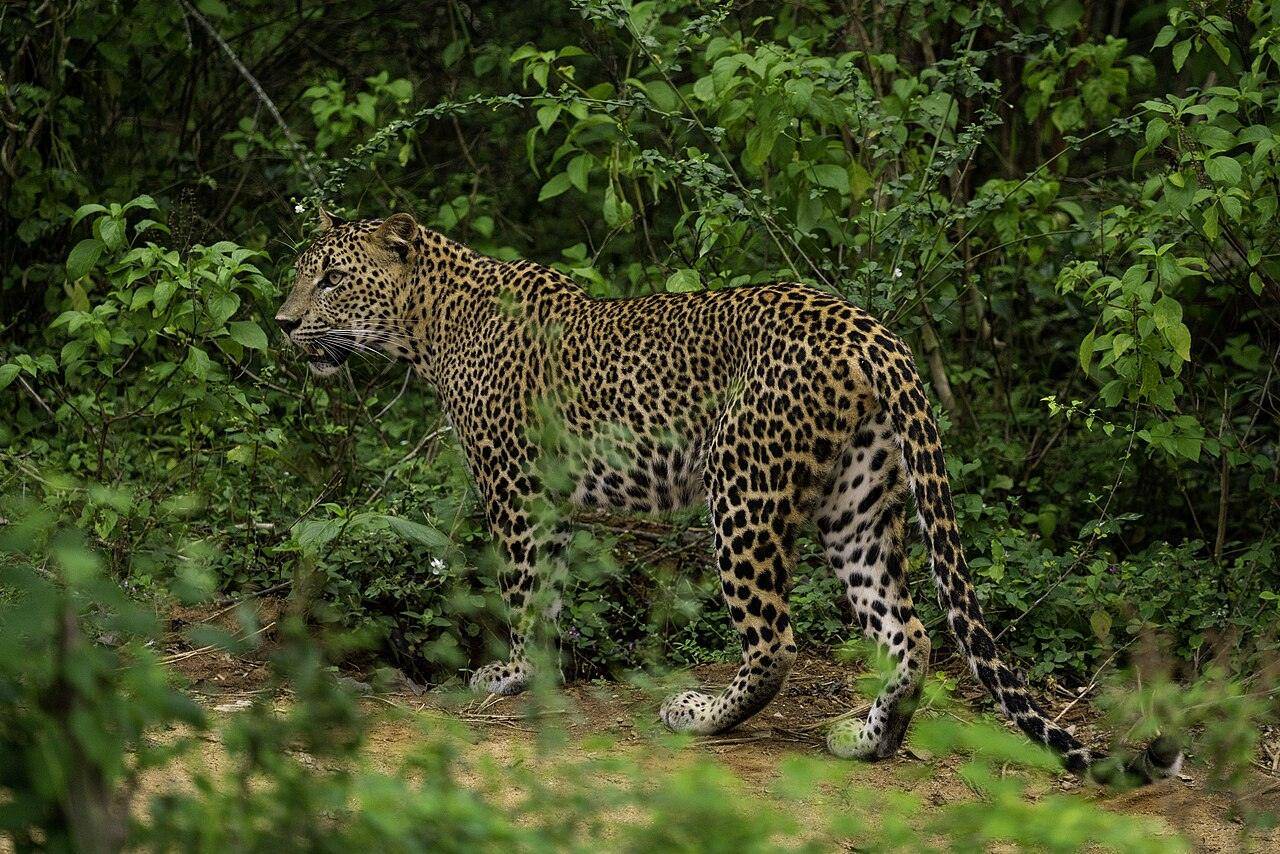
In the afternoon enter Yala National Park on a jeep safari. It is the most famous park on the island, with savannah, rocks, waterholes and beaches on the ocean, and one of the places in the world with the most leopards. You also see elephants, buffalo, crocodiles, spotted deer, peacocks and, with luck, the sloth bear. Use only jeeps and guides authorised by the Department of Wildlife Conservation (DWC), always stay on board and respect the park's hours. Check prices and times.
In the evening have dinner at the lodge, listening to the sounds of the bush.
Sleep near Yala, for one night.
Practical tip: at Yala there can be many jeeps; ask your guide not to chase the animals and to keep a distance, even if it means seeing them less closely.
- Day 9
Along the coast to Galle Fort
Today you reach the ocean and the most beautiful town in the south.
In the morning, after breakfast, set off west with your driver along the southern coast. The road passes lagoons, fishing villages and palm-fringed bays. Stop at Tangalle or Matara to look at the beaches, then at Koggala, where you sometimes see the stilt fishermen, sitting on poles planted in the middle of the waves. The drive takes a few hours.
In the early afternoon you arrive in Galle. Settle into a charming hotel inside the fort or on the nearby coast, often an old colonial villa with a garden.
In the late afternoon enter Galle Fort, a UNESCO World Heritage Site. The Portuguese arrived here in the 16th century, then in the 17th century the Dutch built the great stone walls that still surround the old town, on a headland in the ocean. Inside the walls you walk through narrow streets, low houses with verandas, churches, mosques, small museums and shops. Pass the Dutch Reformed Church, with its floor made of old gravestones, and the old Dutch hospital, now full of cafés and shops.
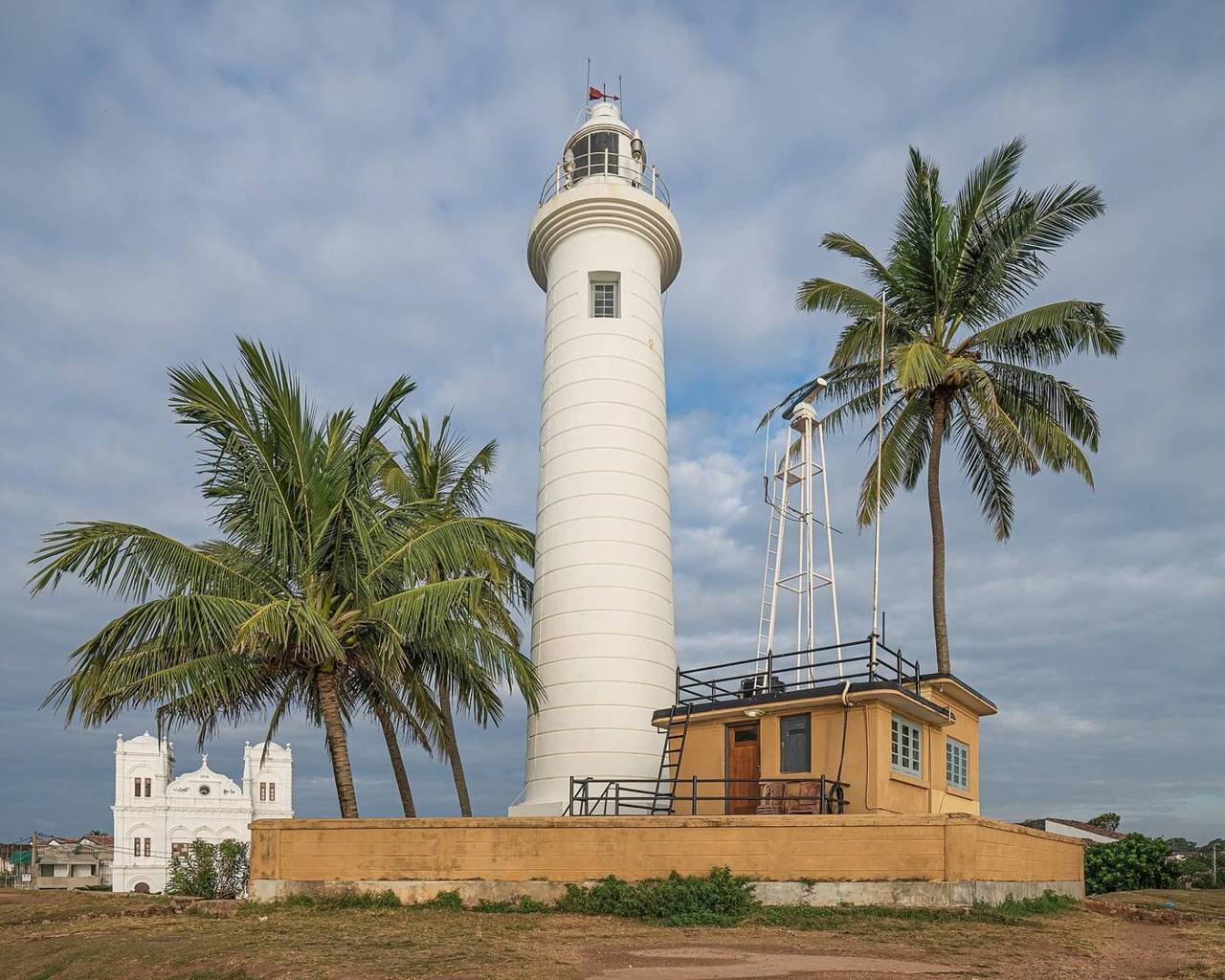
At sunset walk along the ramparts to the white lighthouse, while boys play cricket on the lawns of the walls and someone dives from the rocks.
Sleep in Galle, for three nights.
Practical tip: on the fort walls there are no railings in many places: walk carefully, especially after dark or with children.
- Day 10
The beaches of the south coast
Today is a beach day, with no rush.
In the morning your driver takes you in a few minutes to Unawatuna, a crescent-shaped bay with pale sand and calm sea in the months of the dry season. Swim, snorkel near the rocks, where you sometimes see colourful fish and sea turtles, and have the catch of the day grilled for lunch.
If you want to walk a little, follow the path that climbs Rumassala headland to the white peace pagoda, built by Japanese monks, with views over the ocean and Galle Fort. A little lower down is small Jungle Beach, a cove among the trees.
In the afternoon continue to Mirissa, further east, with one of the most beautiful beaches in the south. Climb Coconut Tree Hill, a small headland with palms leaning over the sea, one of the most photographed spots on the coast. Then relax on the sand until sunset.
Go back to Galle for dinner. Try a fish or crab curry, cooked with coconut milk and the spices of the south.
Sleep in Galle.
Practical tip: on the south coast currents can be strong, even in season: swim only where other people are swimming, look at the flags and always ask the locals.
- Day 11
Ayurveda and a day at leisure
Today is the extra day at leisure of this trip, to spend as you like.
Ayurveda is the traditional medicine of Sri Lanka and India, based on plants, massages with warm oils and a diet suited to each person. In the morning you can book a treatment at your hotel or at a reputable centre in the area: it usually starts with a short consultation, followed by a massage with herbal oils and a steam bath. Choose centres with qualified therapists and ask beforehand what the treatment includes.
If you prefer to keep moving, spend the morning in Galle Fort without hurrying. Visit the National Maritime Museum, inside the old Dutch warehouses, or the Galle National Museum, then stop at a café under the verandas. Check prices and times.
In the afternoon you can visit a sea turtle conservation centre on the coast, where injured animals are treated and eggs are protected. Choose centres that do not keep turtles in small tanks for tourists.
On the last evening have dinner on the ramparts or in a garden inside the fort, with the sound of the waves.
Sleep in Galle.
Practical tip: after an Ayurvedic treatment do not go straight into the sun or swim in the sea, because the oil on your skin raises the risk of sunburn.
- Day 12
Back to the airport and departure
Today is the last day of the trip.
In the morning have a relaxed breakfast and a last walk on the fort walls, while the air is still cool. Then set off with your driver to Katunayake airport. The Southern Expressway takes you quickly towards Colombo, then you continue north to the airport. Allow a few hours for the drive and a margin for traffic around the capital. If your flight is in the evening, you can stop in Colombo for a walk on the Galle Face Green seafront.
In twelve days you have seen the classic Sri Lanka without tiring yourself: the Negombo lagoon, the painted caves of Dambulla, Sigiriya's Lion Rock, the elephants of Minneriya, the Temple of the Tooth and the Peradeniya gardens in Kandy, the estates of Nuwara Eliya, the train to Ella, the leopards of Yala and Galle Fort with the beaches of the south. The driver and carefully chosen hotels made the trip suitable even for elderly parents and children.
When to go: the best time is from December to April, the dry season on the south and west coasts and in the highlands, with calm sea at Galle. From May to September the monsoon brings rain to the south west, while the east coast is dry. Yala National Park may close for a few weeks between September and October: check prices and times.
Practical tip: keep rupees in cash for a tip for your driver, which is customary in Sri Lanka, and give it at the end of the trip, with a word of thanks.
In Sri Lanka a private driver is cheap and the standard way to travel: it makes everything easier, even with parents or children. The Kandy-Ella train must be booked weeks ahead for reserved seats.
Before you go
- Documents and visa
- Passport valid for at least six months with two consecutive blank pages, plus the ETA, the electronic travel authorisation to apply for before leaving on the official website eta.gov.lk. Since 25 May 2026 the tourist ETA for Italian passports costs nothing: it is valid for 30 days and allows two entries; to stay longer you need a paid extension.
- Health and vaccines
- No vaccinations are compulsory for travellers from Italy. Malaria has been eliminated, but dengue and chikungunya are rising, especially during the monsoons: use insect repellent and if you have a fever see a doctor at once, without taking aspirin. After a bite from a stray animal you need rabies treatment. Drink bottled water. Outside the big cities hospitals are often basic: you need insurance covering medical costs and repatriation. Emergencies: 119.
- Money and payments
- Sri Lankan rupee (LKR). Cards work in hotels and larger shops; carry cash for tuk tuks, markets, temples and small places. Change money at banks or authorised exchange offices.
- Power sockets
- Types D and G, 230 volts: bring a universal adapter.
- Time zone
- UTC+5:30 all year.
- Safety
- Public order is generally stable. Cyclone Ditwah, in November and December 2025, caused landslides and serious damage to roads and railways: the train line from Colombo returned to Peradeniya, on the edge of Kandy, only in October 2026, and the section to Badulla has not yet been restored. During the monsoons further landslides and closures are possible: check the forecast on meteo.gov.lk; the Disaster Management Centre answers on 177. Driving yourself is not advised: use a local driver, and never travel at night. Buy train tickets only on the official railway website. Wild elephants can attack: in parks always follow authorised guides. Showing Buddha tattoos or disrespecting sacred images can lead to arrest or deportation; drug laws are very strict. In the north, around Jaffna, Kilinochchi and Mullaitivu, mine clearance is still under way. Official advice: GOV.UK.
Information checked in November 2026 for Italian and EU citizens. Rules change: always check before you travel.
Variations
Shorter version in 9 days: drop the day at leisure in Kandy and one of the beach days, keeping the rest of the route.
Longer version in 15 days: add two nights in Anuradhapura before Sigiriya and one night in Mirissa for a whale watching boat trip.
Frequently asked questions
Do I really need a private driver?
It is not compulsory, but it is the most comfortable and common way to travel in Sri Lanka. Viaggiare Sicuri advises against driving yourself and against travelling at night; with a local driver you travel safely and stop wherever you like.
Can I take the train from Kandy to Nuwara Eliya?
Not at the moment: after Cyclone Ditwah the section between Kandy and Nanu Oya is still closed and you travel by road. The section between Nanu Oya and Ella is running again. Before you leave, check the status of the lines on the official railway website.
Is this trip suitable for children and elderly parents?
Yes, the pace is slow and the drives are short. The only tiring parts are the climb up Sigiriya rock and the walk up Little Adam's Peak, which you can skip.
Indicative itinerary written by World Atlas. Before booking, check timetables, seasonal openings, documents and safety.
 7 daysEasy
The Cultural Triangle and the tea country
Sigiriya, the elephants of Minneriya, Kandy and the scenic train to Ella in one full week.
 15 daysModerate
Complete Sri Lanka: temples, leopards, whales and the sea
The ancient cities, the tea train, Yala's leopards, the whales of Mirissa and a few days on the southern beaches.
 12 daysEasy
Sri Lanka in 12 days: sacred cities, mountains and the south coast
The classic loop at the right pace: Polonnaruwa and Sigiriya, the Temple of the Tooth in Kandy, the train through the plantations, the elephants of Udawalawe and Galle fort.