The Cultural Triangle and the tea country
Sigiriya, the elephants of Minneriya, Kandy and the scenic train to Ella in one full week.
- Negombo
- Dambulla
- Sigiriya
- Minneriya
- Kandy
- Nuwara Eliya
- Ella
Day by day
- Day 1
Arrival in Negombo and the road to the Cultural Triangle
This trip crosses the heart of Sri Lanka in a week: the cave temples of Dambulla, the Lion Rock of Sigiriya, the ruins of Polonnaruwa, the elephants of Minneriya, Kandy and the Temple of the Tooth, the tea plantations of Nuwara Eliya and the hills of Ella.
Before you go: Italian citizens enter Sri Lanka with a passport valid for at least six months and with the ETA, the electronic travel authorisation to apply for before leaving on the official website eta.gov.lk. Since 25 May 2026 the tourist ETA for Italian passports costs nothing, is valid for 30 days and allows two entries. Other nationalities should check their own rules. Cyclone Ditwah, in November and December 2025, caused landslides and serious damage to roads and railways, above all in the centre of the island: the hill country railway is still interrupted between Kandy and Nanu Oya, so on this trip the first stretch towards Ella is done by road. Viaggiare Sicuri advises against driving yourself, recommends a local driver and advises against travelling at night. Do not show Buddha tattoos: they can lead to deportation.
You arrive at the international airport, right next to Negombo, a fishing town with Catholic churches and a lagoon. If you land in the morning, set off straight away with a driver towards the north-east, through rice fields, coconut palms and villages. The journey to the area of Dambulla and Sigiriya takes a few hours.
Sleep near Sigiriya, for three nights.
Practical tip: if your flight lands in the evening, sleep in Negombo and leave the next morning, because the roads at night have few street lights, many lorries and sometimes wild elephants.
- Day 2
The cave temple of Dambulla and the Lion Rock of Sigiriya
Today you climb the most famous fortress on the island and visit a temple carved into the rock.
At opening time, before the heat and the groups, reach Sigiriya, the Lion Rock, a UNESCO World Heritage Site. In the fifth century King Kashyapa had his palace built here, on top of a huge block of rock that towers over the plain. You enter through the water gardens, with pools and channels still visible, then climb the iron and stone stairs. Halfway up you find the frescoes of the maidens, painted in colours that are still bright, and the mirror wall, covered in ancient graffiti left by visitors centuries ago. Then you reach the terrace with two enormous carved lion's paws, where the last flight of steps to the summit begins, with the foundations of the palace and the view over the forest. Check prices and times.
In the afternoon go to Dambulla and climb the stairway to the cave temple, also a UNESCO site, a sacred place for more than two thousand years. In its five caves there are more than a hundred statues of the Buddha, some huge and reclining, and the ceilings are completely painted. Enter with shoulders and knees covered and take off your shoes. Check prices and times.
Sleep near Sigiriya.
Practical tip: at Sigiriya bring plenty of water and a hat, and if you suffer from vertigo be aware that the last flight is exposed; there are sometimes wasps on the rock, so speak quietly and avoid sudden movements.
- Day 3
Polonnaruwa and the elephant safari
Today you visit the second ancient capital of Sri Lanka and, in the afternoon, go looking for elephants.
Early in the morning set off with your driver for Polonnaruwa, about an hour away. After the fall of Anuradhapura, between the eleventh and the thirteenth centuries, this was the capital of the Sinhalese kings. The ancient city, a UNESCO site, is large and flat: the best way to explore it is by bicycle, with stops in the shade. You see the royal palace of King Parakramabahu I, the Vatadage, a circular shrine with carved stairs, the great brick stupas and above all the Gal Vihara, four statues of the Buddha carved into a single granite face, including a reclining Buddha several metres long. Next to the city lies the Parakrama Samudra, a huge reservoir built by the kings to water the rice fields. Check prices and times.
In the early afternoon leave for a safari in Minneriya National Park or in nearby Kaudulla: the elephants move between the two parks following water and grass, and the drivers know where to go. Use only jeeps registered with the Department of Wildlife Conservation, with an authorised driver. Always stay in the vehicle, do not feed the animals, speak quietly and give way to the elephants. Check prices and times.
At sunset watch the herds grazing on the shores of the lake, with mothers and calves.
Sleep near Sigiriya.
Practical tip: the great elephant gathering of Minneriya is seen above all from July to September; in other months the herds are smaller but almost always present.
- Day 4
The spice garden and Kandy
Today you head down towards the hills and reach the last capital of the Sinhalese kings.
In the morning leave with your driver towards the south. The road passes Matale, where there are many spice gardens: stop at one to see how cinnamon, pepper, cardamom, cloves and nutmeg grow. You will often be offered a massage or remedies for sale: you are not obliged to buy anything. On the same road is the rock temple of Aluvihare, where according to tradition monks first wrote down the texts of Buddhism.
Late in the morning you arrive in Kandy, a hill town around a lake and a UNESCO site. In the afternoon enter the Sri Dalada Maligawa, the Temple of the Tooth, which keeps the most revered relic on the island, a tooth of the Buddha. For centuries whoever held the relic had the right to rule. Attend the evening puja, with drums and offerings of lotus and jasmine flowers. The relic stays closed in a golden casket and cannot be seen. Enter with shoulders and knees covered, ideally dressed in white. Check prices and times.
At sunset walk around Kandy Lake, built at the start of the nineteenth century by the last king, among trees full of fruit bats.
Sleep in Kandy, for one night.
Practical tip: at the temple leave your shoes at the deposit by the entrance and bring a pair of socks, because the floor gets hot in the sun; never turn your back on a statue of the Buddha for a photo.
- Day 5
By road through the plantations and by train to Ella
Today you cross tea country, first by road and then by train.
After Cyclone Ditwah the railway between Kandy and Nanu Oya has not yet been restored, while the section from Nanu Oya to Ella and Badulla returned to service on 20 June 2026. So in the morning leave Kandy with a driver. The road climbs with many bends through hills covered in plantations, passes the Ramboda falls and reaches Nuwara Eliya, the highest town on the island, founded by the British, with English-style houses, Lake Gregory and the red-brick post office.
On the way visit a tea factory: you see how the hand-picked leaves are withered, rolled, fermented and dried, and you taste freshly made tea. Outside, the pickers, often Tamil women, pluck the youngest leaves with a basket on their backs.
In the afternoon take the train at Nanu Oya station, near Nuwara Eliya, towards Ella. It is the most spectacular section of the hill country line: it passes Pattipola, the highest station in Sri Lanka, then descends through plantations, tunnels, waterfalls and villages. Buy tickets only on the official railway website and check the day's times, because services can change.
You arrive in Ella before evening.
Sleep in Ella, for two nights.
Practical tip: on the train always stay inside the carriage, even if everyone is taking photos in the open doors: there have been fatal accidents; and if the train does not run, your driver can take you to Ella by road.
- Day 6
Ella, the Nine Arch Bridge and Little Adam's Peak
Today you walk in the hills around Ella, a village surrounded by plantations and mountains.
At dawn climb Little Adam's Peak, a hill a short distance from the village. The path is easy and runs between rows of tea; at the top you see the valley dropping towards the plain, the mountains around and, on clear days, a very long way. The name comes from the sacred mountain of Adam's Peak, higher and further away.
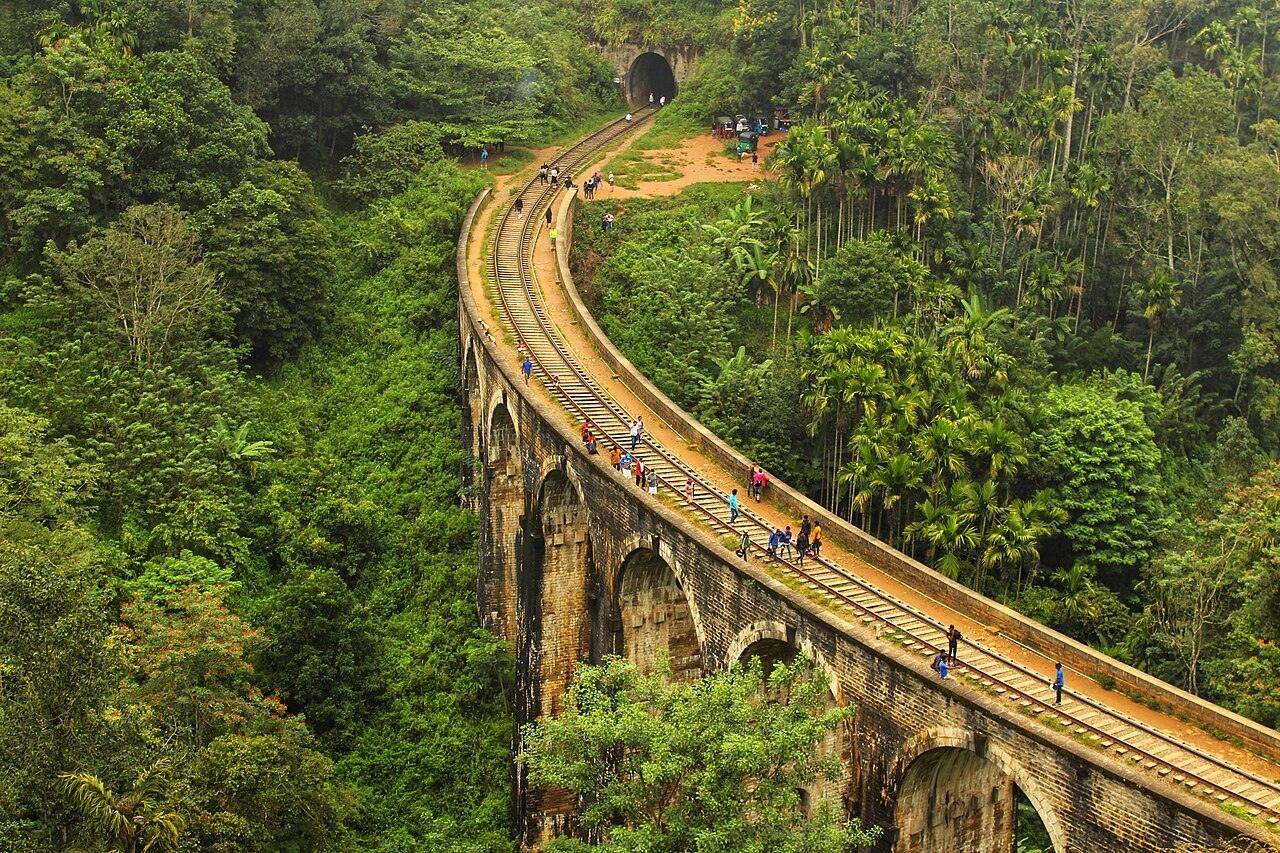
In the middle of the morning go down to the Nine Arch Bridge, the stone and brick bridge with nine arches built by the British in the middle of the jungle, a short distance from Ella. Get there on foot along the paths or by tuk tuk. If you want to see a train crossing the bridge, ask for the times in the village, because they change often.
In the afternoon, if you still have energy, visit the Ravana falls, on the road that descends to the plain, linked to the legend of King Ravana from the Indian epic Ramayana. Do not swim when the water is high.
In the evening try rice and curry, rice with many small curries of vegetables, lentils and fish, or kottu roti, chopped flatbread stir-fried on the griddle with vegetables and eggs.
Sleep in Ella.
Practical tip: do not walk on the bridge tracks or along the railway when a train is coming, and before taking a trail ask in the village whether it is open, because after the cyclone some areas around Ella had landslides.
- Day 7
Back towards Colombo and departure
Today you leave the hills and return towards the airport.
Set off early from Ella with a driver. The road to Colombo is long and comes down from the mountains with many bends, then continues west and joins the expressway to the airport. The journey takes many hours and can be slowed by traffic and by repair works after the cyclone: allow a generous margin and arrange a flight in the late afternoon or evening. If your flight is the next day, sleep in Negombo, near the airport.
On the way stop at a fruit stall to try king coconut, the orange coconut you drink, or curd, buffalo yoghurt with kithul palm syrup.
In seven days you have seen the heart of Sri Lanka: the painted caves of Dambulla, the Lion Rock of Sigiriya with its frescoes, the ruins of Polonnaruwa and the Gal Vihara, the elephants of Minneriya or Kaudulla, the Temple of the Tooth in Kandy, the tea plantations of Nuwara Eliya, the train from Nanu Oya and the hills of Ella.
When to go: from January to April, when the weather is driest in the hills and in the Cultural Triangle. For the great elephant gathering of Minneriya the best period is from July to September. October and November bring the heaviest rain and the risk of landslides on mountain roads.
Practical tip: before you leave buy tea directly at the factories or in the plantation shops, check the harvest date and choose sealed packs; in Sri Lanka tips for drivers and guides are appreciated.
An intense, well-built week, with the scenic train to Ella as its best moment. The pace is brisk and there is no time for the beach. Climb Sigiriya at opening time, before the heat and the groups.
Before you go
- Documents and visa
- Passport valid for at least six months with two consecutive blank pages, plus the ETA, the electronic travel authorisation to apply for before leaving on the official website eta.gov.lk. Since 25 May 2026 the tourist ETA for Italian passports costs nothing: it is valid for 30 days and allows two entries; to stay longer you need a paid extension.
- Health and vaccines
- No vaccinations are compulsory for travellers from Italy. Malaria has been eliminated, but dengue and chikungunya are rising, especially during the monsoons: use insect repellent and if you have a fever see a doctor at once, without taking aspirin. After a bite from a stray animal you need rabies treatment. Drink bottled water. Outside the big cities hospitals are often basic: you need insurance covering medical costs and repatriation. Emergencies: 119.
- Money and payments
- Sri Lankan rupee (LKR). Cards work in hotels and larger shops; carry cash for tuk tuks, markets, temples and small places. Change money at banks or authorised exchange offices.
- Power sockets
- Types D and G, 230 volts: bring a universal adapter.
- Time zone
- UTC+5:30 all year.
- Safety
- Public order is generally stable. Cyclone Ditwah, in November and December 2025, caused landslides and serious damage to roads and railways: the train line from Colombo returned to Peradeniya, on the edge of Kandy, only in October 2026, and the section to Badulla has not yet been restored. During the monsoons further landslides and closures are possible: check the forecast on meteo.gov.lk; the Disaster Management Centre answers on 177. Driving yourself is not advised: use a local driver, and never travel at night. Buy train tickets only on the official railway website. Wild elephants can attack: in parks always follow authorised guides. Showing Buddha tattoos or disrespecting sacred images can lead to arrest or deportation; drug laws are very strict. In the north, around Jaffna, Kilinochchi and Mullaitivu, mine clearance is still under way. Official advice: GOV.UK.
Information checked in November 2026 for Italian and EU citizens. Rules change: always check before you travel.
Variations
In five days: Sigiriya, Dambulla, Polonnaruwa and the Minneriya safari, then Kandy and the return, without the tea hills.
In ten days: add two nights in Kandy with the botanical garden of Peradeniya and one night in Nuwara Eliya to walk at Horton Plains.
Frequently asked questions
Does the train from Kandy to Ella run?
After Cyclone Ditwah the section between Kandy and Nanu Oya has not yet been restored; from Nanu Oya to Ella and Badulla trains returned on 20 June 2026. Do the first part by road and check the times on the official railway website.
When is it best to climb Sigiriya?
At opening time in the morning, before the heat and the groups. Bring water and a hat, and allow a few hours for the gardens, the frescoes and the summit.
Minneriya or Kaudulla?
The elephants move between the two parks following water and grass: let the authorised driver choose on the day. The great gathering is seen above all from July to September.
Indicative itinerary written by World Atlas. Before booking, check timetables, seasonal openings, documents and safety.
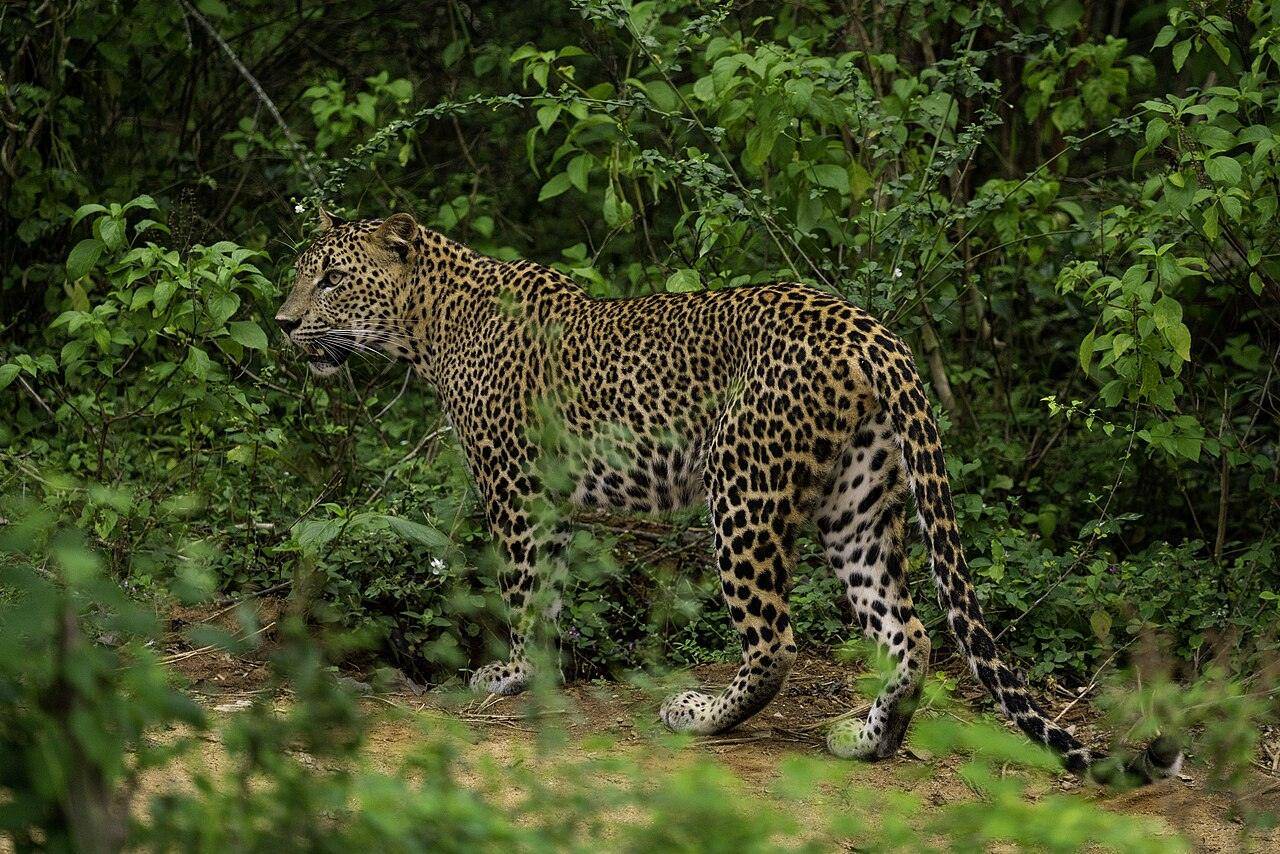 15 daysModerate
Complete Sri Lanka: temples, leopards, whales and the sea
The ancient cities, the tea train, Yala's leopards, the whales of Mirissa and a few days on the southern beaches.
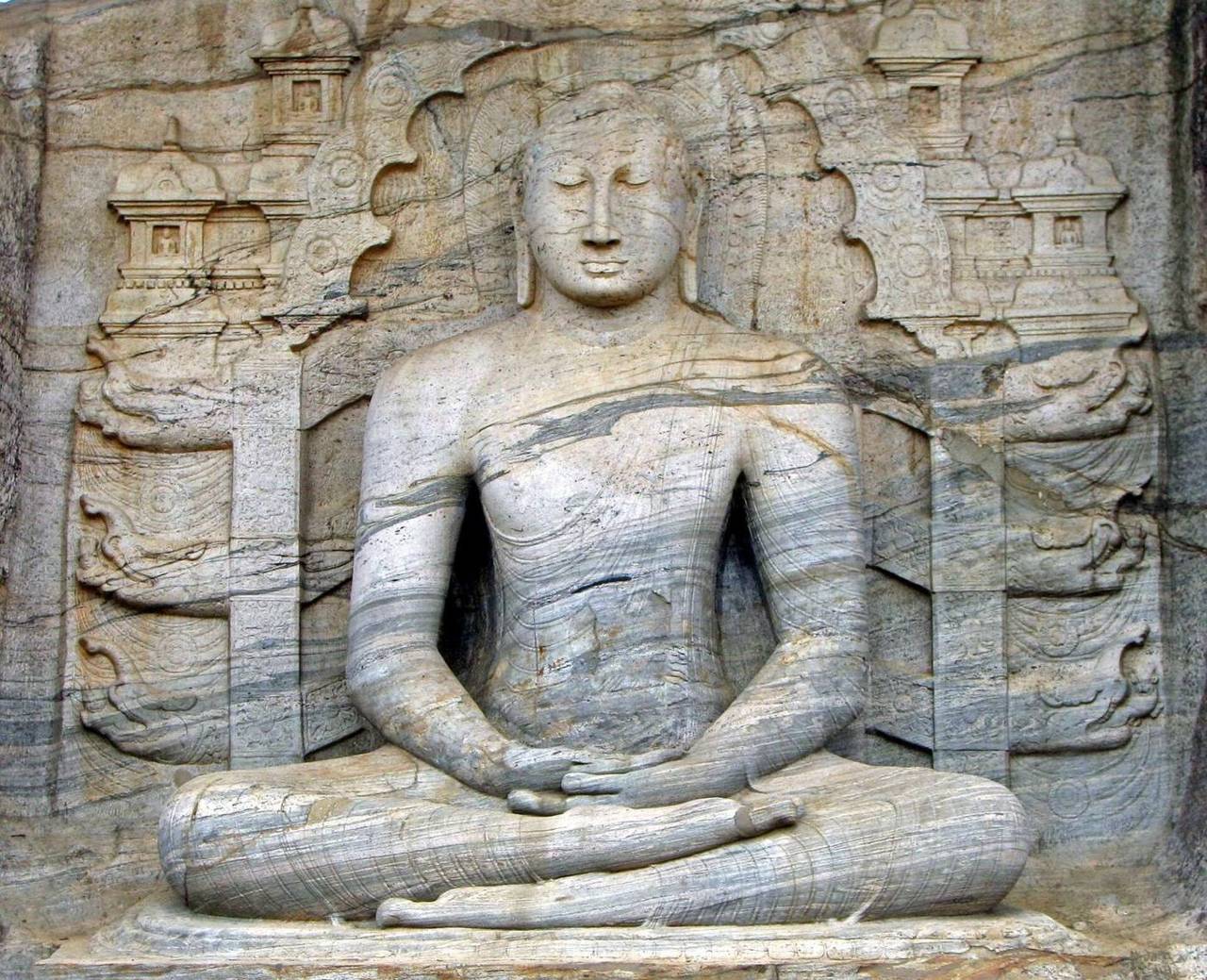 12 daysEasy
Sri Lanka in 12 days: sacred cities, mountains and the south coast
The classic loop at the right pace: Polonnaruwa and Sigiriya, the Temple of the Tooth in Kandy, the train through the plantations, the elephants of Udawalawe and Galle fort.
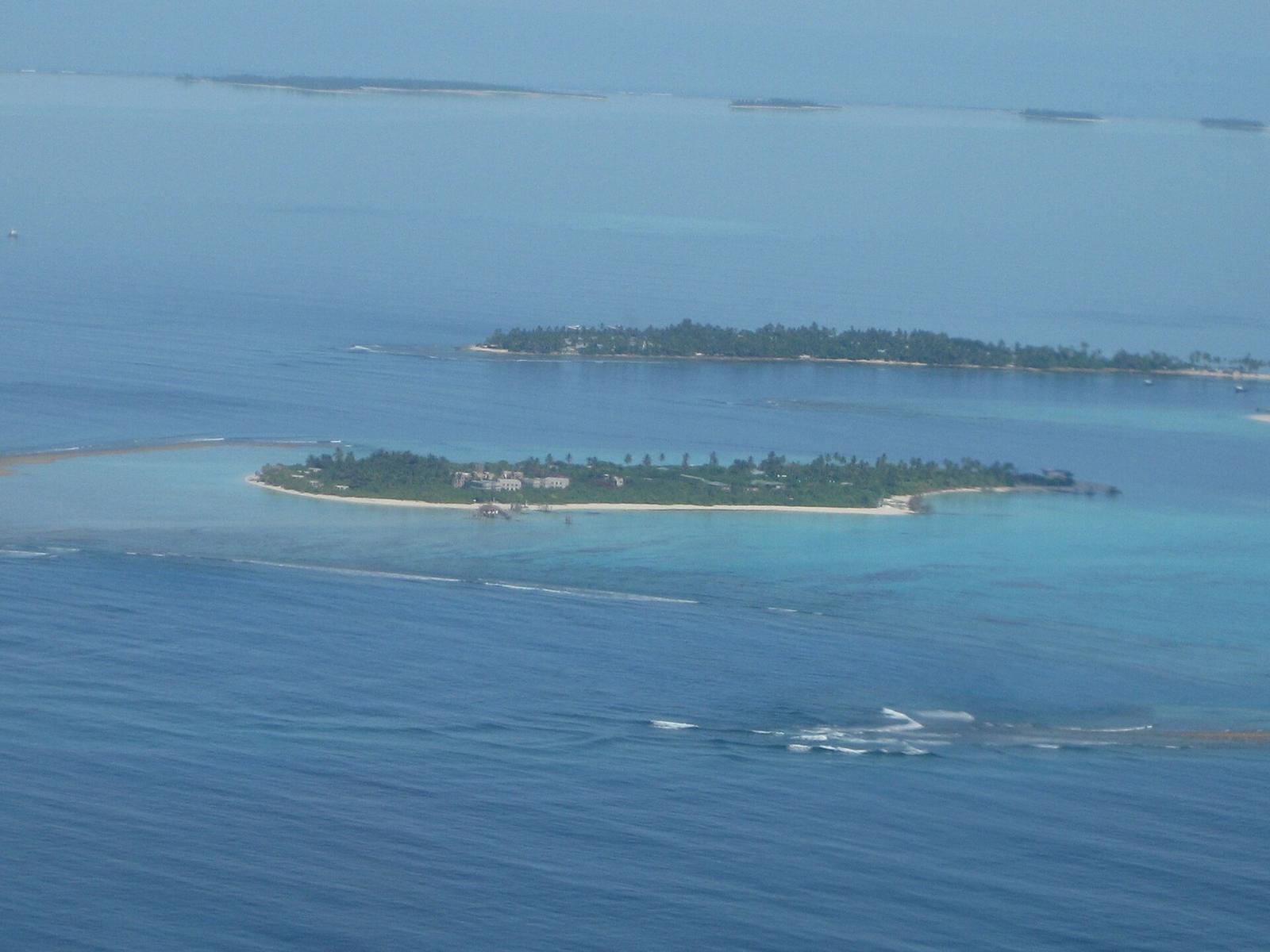 15 daysEasy
Sri Lanka and the Maldives by boat
Ten days on the island of temples and tea, then five days on a boat in the Maldives among atolls, snorkelling and fishing islands.