Castile and Extremadura: Segovia to Mérida
Roman aqueducts and theatres, walled towns and a university of golden stone, through the inland Spain that the classic circuits skip.
- Madrid
- Segovia
- Ávila
- Salamanca
- Monfragüe
- Cáceres
- Mérida
- Trujillo
- Guadalupe
Day by day
- Day 1
Arrival in Madrid and an evening in Segovia
This road trip crosses the ancient heart of Spain: the cities of Castile, with Roman aqueducts, medieval walls and universities, and then Extremadura, a region of plains, cork oaks and almost intact stone towns, home of many of the conquerors of the Americas. From Segovia you head south to Mérida, the Rome of Spain, and return through Trujillo and Guadalupe.
Before you leave: Spain is part of the Schengen area and European Union citizens only need an identity card.
You fly into Madrid and collect the car. Segovia is about an hour and a quarter north west, beyond the Sierra de Guadarrama.
Arrive in the late afternoon and go straight to the Plaza del Azoguejo, below the Roman aqueduct. It is one of the best preserved Roman monuments in Europe: about two kilometres of channel, whose highest part, with two tiers of arches, rises more than twenty metres in the centre of the city. The granite blocks hold together without mortar, by their weight alone. In the evening light it is beautiful. Climb the steps beside it to see it from above.
In the evening have Segovia's signature dish, cochinillo, roast suckling pig cooked in a wood oven, so tender that in some places it is cut with the edge of a plate.
Sleep in Segovia.
Practical tip: the best time is April to June and September to October. In summer Extremadura is very hot.
- Day 2
Segovia, then Ávila and the evening in Salamanca
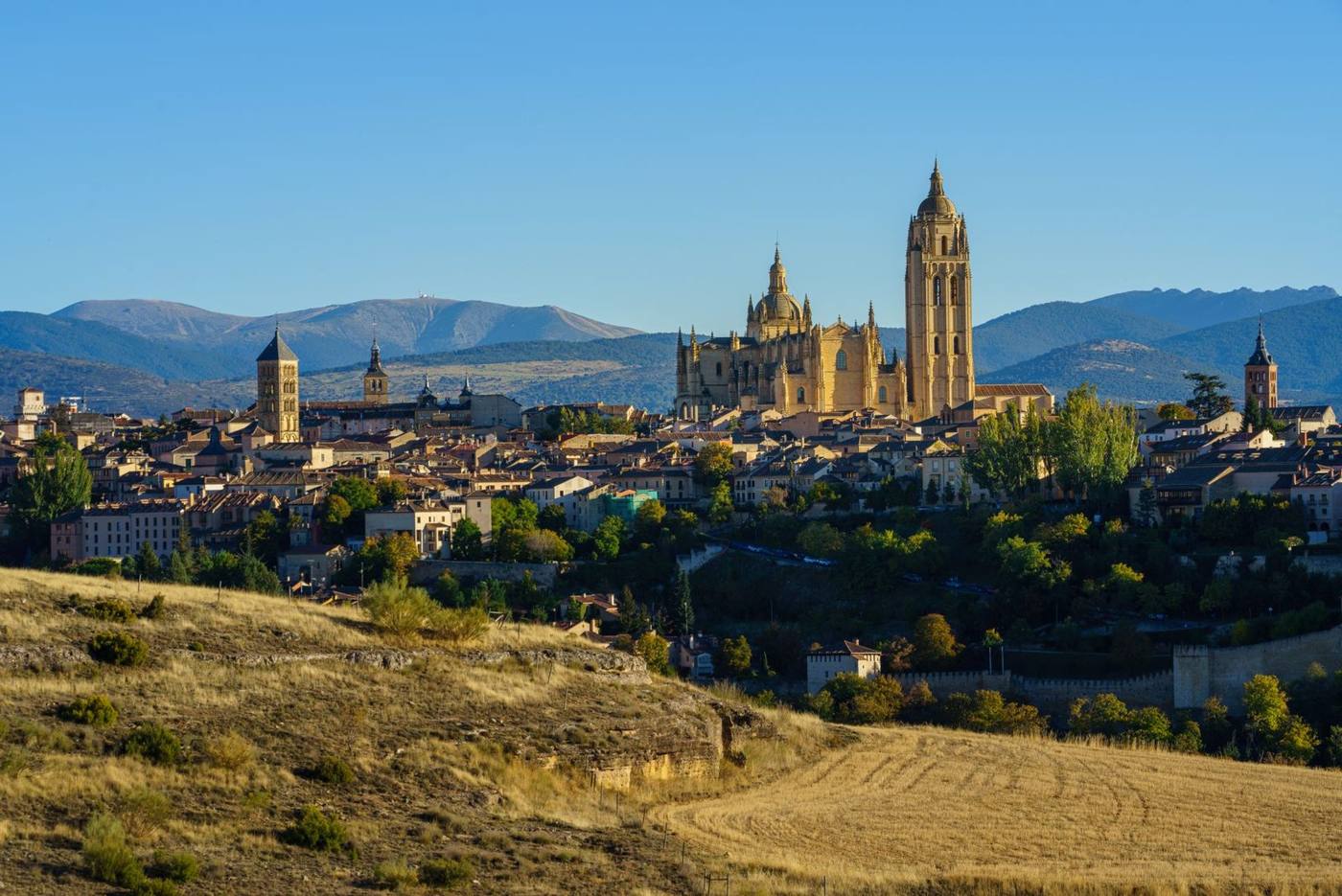
In the morning visit the centre of Segovia, a UNESCO site. Walk up to the cathedral, built in the sixteenth century, one of the last great Gothic cathedrals in Spain, with pinnacles and towers above the main square.
Then go to the Alcázar, the castle on the tip of the rock above the meeting of two rivers, with pointed towers and slate roofs. It was a residence of the kings of Castile; it was destroyed by fire in the nineteenth century and rebuilt. Inside are rooms with decorated wooden ceilings and a tower overlooking the countryside. Check opening hours and tickets.
In the late morning drive to Ávila, about an hour away. Ávila is surrounded by medieval walls among the best preserved in Europe, built between the eleventh and twelfth centuries, about two and a half kilometres long, with dozens of towers and nine gates. You can walk along a good part of the walls: check the times. Ávila is also the city of Saint Teresa, the sixteenth century mystic: you visit the convent built on her birthplace and the cathedral, which forms part of the walls.
Before leaving, stop at the Cuatro Postes viewpoint outside the city, where you see the whole circuit of walls.
In the late afternoon continue to Salamanca, about an hour and a quarter.
Sleep in Salamanca.
Practical tip: in Ávila taste yemas, small sweets of egg yolk and sugar made by the nuns.
- Day 3
Salamanca, the golden city
Today you stay in Salamanca, one of the most beautiful cities in Spain, a UNESCO site. Its buildings are made of a sandstone that turns golden at sunset.
In the morning visit the university, founded in 1218, one of the oldest in Europe. The façade of the Escuelas Mayores is a masterpiece of the Plateresque style, carved like stone embroidery. Among the sculptures is a small frog on a skull: according to tradition, students who find it pass their exams. Inside you see the old lecture halls and the historic library.
Then go into the two cathedrals, built side by side: the old one, Romanesque, from the twelfth century, with a large painted altarpiece, and the new one, Gothic and baroque, begun in the sixteenth century. You can climb the towers and walk on terraces above the naves. On the doorway of the new cathedral look for the astronaut carved during a 1992 restoration.
In the afternoon go to the Casa de las Conchas, a fifteenth century palace whose façade is covered with about three hundred stone scallop shells, the symbol of Santiago pilgrims.
At sunset go to the Plaza Mayor, from the eighteenth century, one of the finest squares in Spain, enclosed by arcades and palaces. When the lights come on, the square turns gold: it is the city's living room, full of students and families.
Sleep in Salamanca.
Practical tip: Salamanca is a university city. Dinner is late, after nine.
- Day 4
Plasencia, Monfragüe National Park and arrival in Cáceres
Today you head south into Extremadura. After about an hour and a half you reach Plasencia, a medieval town with walls and, like Salamanca, two cathedrals joined together, one Romanesque and one Gothic. Stop for a coffee in the arcaded main square.
Then go to Monfragüe National Park, about half an hour away. It is one of the best places in Europe to see birds of prey: it protects hills covered with oaks, scrub and rock faces along the Tagus river.
Stop at the Salto del Gitano, a great rock wall above the river. From the roadside viewpoint you see dozens of griffon vultures perched on the rocks or flying a few metres away and, with luck, cinereous vultures, the largest birds in Europe, black storks and the very rare Spanish imperial eagle. Bring binoculars.
Then climb to Monfragüe castle, an Arab tower on the top of the hill, from where you see the whole park and the river. The visitor centre at Villarreal de San Carlos has information about trails.
In the afternoon continue to Cáceres, about an hour.
In the evening walk through the floodlit old town.
Sleep in Cáceres.
Practical tip: at Monfragüe early morning and late afternoon are the best times for raptors. In the hot hours they fly high.
- Day 5
Cáceres, the intact old town
Today you visit Cáceres, a UNESCO site. The old town, enclosed by Arab and medieval walls, is one of the best preserved medieval and Renaissance ensembles in Europe: inside the walls there are almost no modern buildings, which is why it is often used as a setting for films and series.
In the morning enter through the Arco de la Estrella, on the main square, and walk through the stone lanes. Noble families built palaces with towers here, which were once taller: in the fifteenth century Queen Isabella had many of them lowered to curb the power of the nobles. You see palaces with coats of arms on their façades, churches, convents and quiet little squares. Storks nest on the towers and bell towers and are everywhere in spring.
Climb the Bujaco tower on the main square and the tower of the church of San Francisco Javier for views over the rooftops. Visit the Cáceres museum, in a palace with an underground Arab cistern, with horseshoe arches reflected in the water.
For lunch taste torta del Casar, a sheep's cheese so creamy that you cut open the top of the rind and eat it with a spoon and bread. Also try Iberian ham from Extremadura, from pigs raised no-cost in the oak woods.
In the afternoon rest, and in the evening walk again through the old town, when it is almost deserted.
Sleep in Cáceres.
Practical tip: the old town is hilly and cobbled. Wear comfortable shoes.
- Day 6
Mérida, ancient Emerita Augusta
Today you go to Mérida, about an hour south of Cáceres. It was founded by the Romans in 25 BC as Emerita Augusta for veteran soldiers and became the capital of the province of Lusitania. Today it has one of the richest groups of Roman monuments in Spain, a UNESCO site. There is a combined ticket for several monuments: check what it includes and the opening hours.
In the morning visit the Roman theatre, with its tiers of seats and its stage with two levels of marble columns, one of the finest in the Roman world. A classical theatre festival is still held here in summer. Next to it is the amphitheatre, where gladiator fights took place.
Then visit the National Museum of Roman Art, designed by the architect Rafael Moneo and opened in 1986. It is a large brick building with tall arches recalling Roman construction, full of statues, mosaics and objects of daily life.
In the afternoon see the Temple of Diana, with its columns among the houses of the modern city, the Arch of Trajan and the Roman bridge over the Guadiana, about eight hundred metres long, one of the longest Roman bridges still standing, now for pedestrians. Walk across it at sunset.
Sleep in Mérida.
Practical tip: Mérida is very hot in summer. Visit the outdoor monuments early in the morning and the museums in the middle of the day.
- Day 7
Trujillo, home of Pizarro, and up to Guadalupe
In the morning drive north east to Trujillo, about an hour and a quarter from Mérida. Trujillo is a small granite town on a hill, home of many conquerors of the Americas, including Francisco Pizarro, who conquered the Inca empire of Peru, and Francisco de Orellana, the first European to travel down the Amazon.
In the centre is the Plaza Mayor, one of the finest squares in Spain, irregular, with arcades, flights of steps, Renaissance palaces and an equestrian statue of Pizarro. One of the palaces, the Palacio de la Conquista, has on its façade the busts of Pizarro and his companion, an Inca princess. Many palaces were built with wealth brought from the Americas.
Walk up to the upper town, with medieval churches and fortified houses, to the Arab castle on the hilltop, from where you see the plain of Extremadura stretching to the horizon.
For lunch try migas, fried stale bread with garlic, pepper and bacon, a shepherds' dish.
In the afternoon drive east to Guadalupe, about an hour and a half, on roads climbing through hills of oaks, chestnuts and olives in the Sierra de Las Villuercas. Guadalupe is a small village of white houses with wooden balconies, gathered around a large monastery.
Sleep in Guadalupe.
Practical tip: the mountain roads to Guadalupe are narrow and winding. Arrive before dark.
- Day 8
The royal monastery of Guadalupe and back towards Madrid
In the morning visit the Royal Monastery of Santa María de Guadalupe, a UNESCO site. For centuries it was one of the most important shrines in Spain, dedicated to Our Lady of Guadalupe, a small dark statue found, according to tradition, by a shepherd in the fourteenth century. The kings of Castile enriched it, and the first indigenous people brought from the Americas were baptised here. The name Guadalupe later spread throughout Latin America.
The visit is guided, in groups: check the times. You see the Mudéjar cloister, with a small temple in Arab and Gothic style in the centre, the embroidery museum, with cloaks and vestments worked in gold, and the sacristy, with a series of large paintings by Francisco de Zurbarán of the monastery's monks, in their original setting. At the end you climb to the camarín, a small baroque room behind the altar, from where you see the statue of the Virgin up close.
After lunch leave for Madrid, about four hours by road. The road passes through the Tagus valley and the Castilian plain.
In the evening, in Madrid, have tapas in the bars of the centre, such as those around the Plaza Mayor and the La Latina district.
Sleep in Madrid.
Practical tip: return the car the same evening if your flight is tomorrow. Madrid is easier to get around by metro.
- Day 9
Return flight
On the last day, if your flight leaves in the afternoon, you still have a few hours in Madrid.
You can visit the Prado Museum, one of the world's great museums, with works by Velázquez, Goya, El Greco, Titian and Bosch. After this trip, look especially at the portraits of the kings of Spain and the works of Zurbarán, whom you have already met in Guadalupe. Buy your ticket online to avoid the queue and choose a few rooms: the museum is huge.
Alternatively walk in the Retiro park, with its lake and crystal palace, or in the historic centre, between the Puerta del Sol, the Plaza Mayor and the Royal Palace.
Madrid airport is about half an hour from the centre by metro or taxi. Arrive early, as the terminals are large and far apart.
Before leaving, buy something to take home: pimentón de la Vera, the smoked paprika of Extremadura, an aged cheese, vacuum packed Iberian ham or yemas from Ávila.
This trip shows a Spain different from the beaches and Barcelona: stone cities steeped in history, from the Romans to the Catholic Monarchs and the conquest of the Americas, vast silent plains, raptors above the rocks and a simple, strong cuisine.
Practical tip: in Spain lunch is late, around two, and dinner after nine. Plan your visits accordingly.
For travellers who have already seen Andalusia and Madrid and want to understand Roman Spain and the Spain of the conquistadors, with few foreign tourists and ingredient-led cooking, Iberian ham above all. The drawback is distance, as it needs a car or coach and several hours on the road, and Extremadura often tops 40°C in summer. In spring, with the dehesas in flower, the trip is twice as rewarding.
Before you go
- Documents and visa
- EU citizens need a valid identity card or passport. Other nationalities should check the Schengen rules.
- Health and vaccines
- No vaccines required. EU citizens should bring their EHIC; in summer the south often goes above 40 °C. Emergencies: 112.
- Money and payments
- Euro. Cards are accepted almost everywhere. Catalonia, the Balearics and some other areas charge a tourist tax per person per night.
- Power sockets
- Types C and F, 230 volts.
- Time zone
- Central European Time (UTC+1, summer UTC+2); the Canary Islands are one hour behind.
- Safety
- A safe country. In Barcelona and Madrid pickpocketing is common on the metro, on the Ramblas and in crowded places. Official advice: GOV.UK.
Information checked in November 2026 for Italian and EU citizens. Rules change: always check before you travel.
Variations
In 6 days: Segovia, Ávila, Salamanca and Cáceres, returning to Madrid.
In 12 days: add Toledo at the start and the Jerte valley and La Vera in Extremadura.
Frequently asked questions
What documents do I need?
Spain is part of the Schengen area: European Union citizens only need a valid identity card.
Do I need a car?
Yes, for Monfragüe, Trujillo and Guadalupe. Segovia, Ávila and Salamanca can also be reached by train or bus, but a car gives you more freedom.
When is the best time to go?
April to June and September to October. In summer Extremadura often exceeds forty degrees; in spring storks and raptors are most active.
Indicative itinerary written by World Atlas. Before booking, check timetables, seasonal openings, documents and safety.
 7 daysEasy
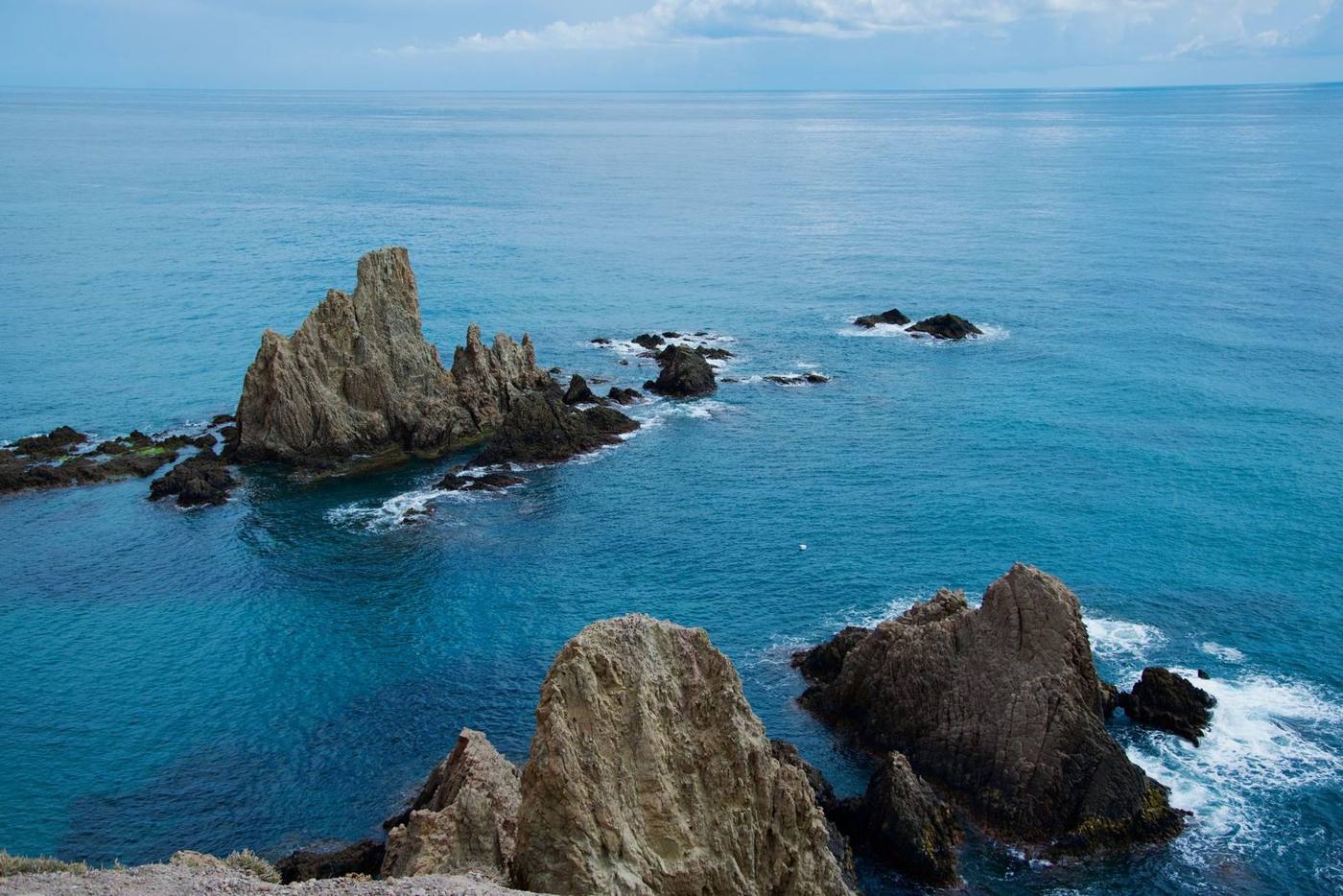
Almería, Cabo de Gata and Murcia
Europe's driest corner: volcanic coves without high-rises, the badlands of Sergio Leone's westerns and two little-visited cities.
 5 daysEasy
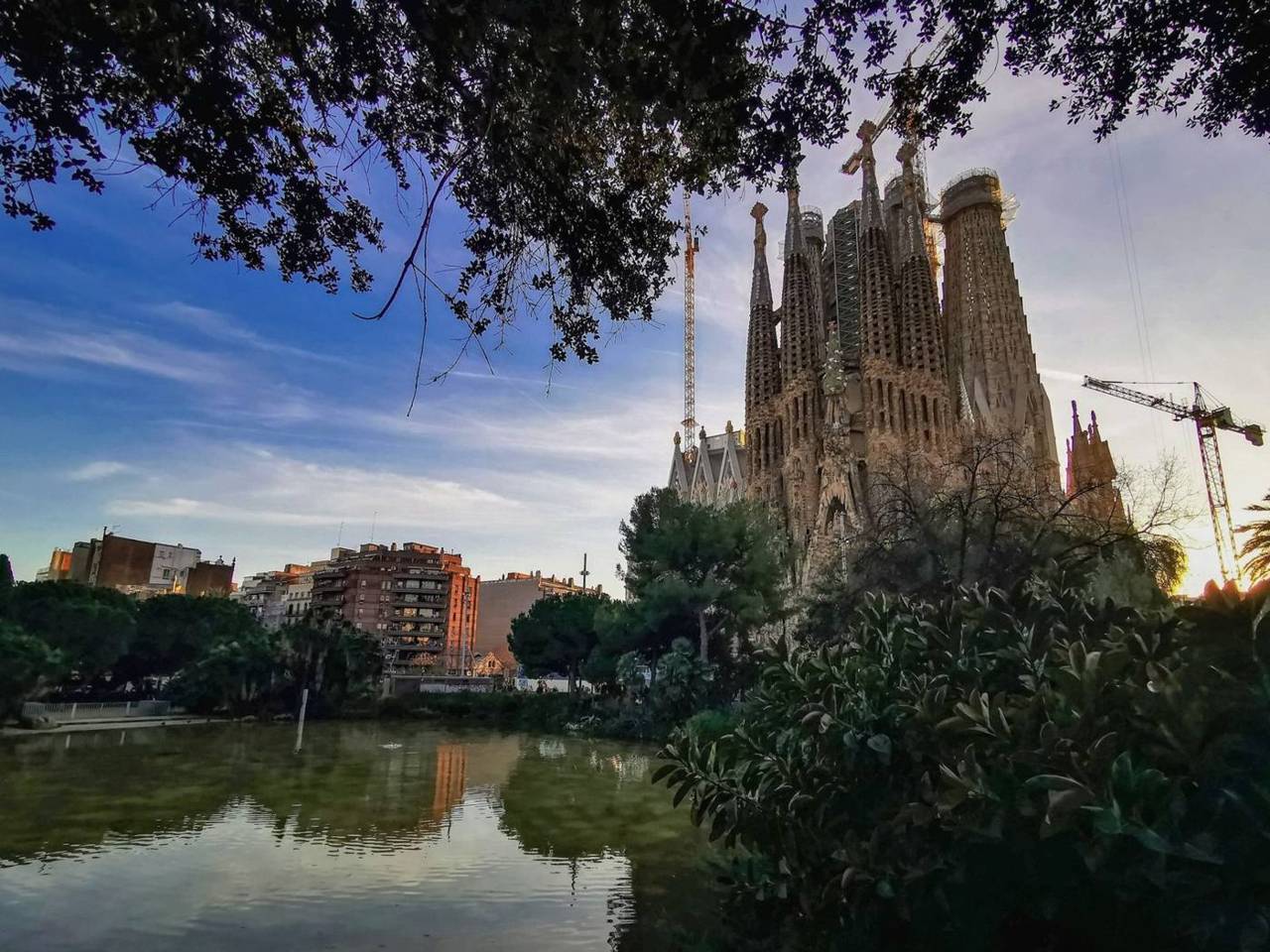
Barcelona in depth
Gaudí's city at a gentle pace: the Sagrada Família, Park Güell, Casa Batlló and La Pedrera, the Gothic Quarter and the Born, the Boqueria market, the Palau de la Música, Montjuïc with the national museum and the seafront district of Barceloneta.
 6 daysEasy
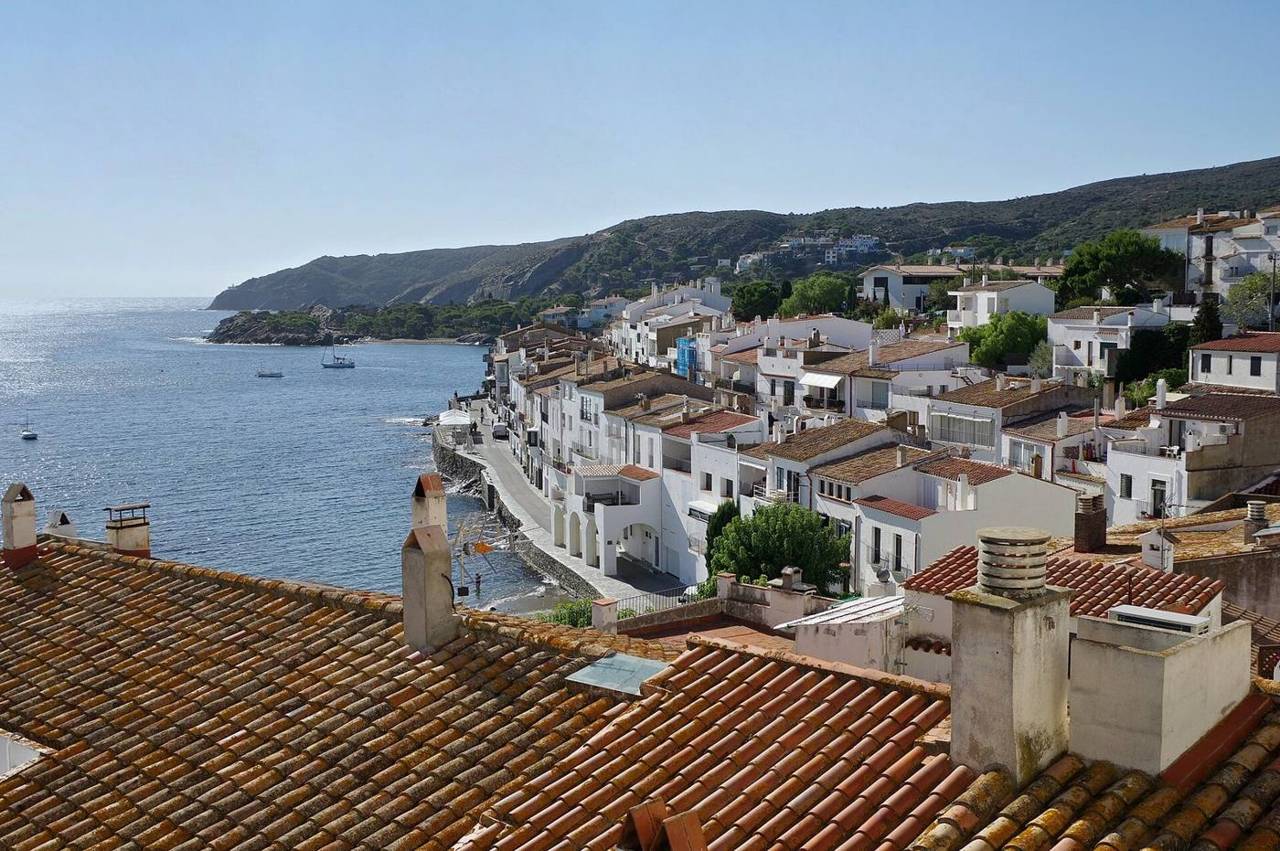
Costa Brava, Girona and Figueres
Northern Catalonia between sea and art: Girona with its coloured riverside houses and Jewish quarter, the Dalí Theatre-Museum in Figueres and his house at Portlligat, Cadaqués, Cap de Creus, the medieval villages of Pals and Peratallada and the coves of the Camí de Ronda.