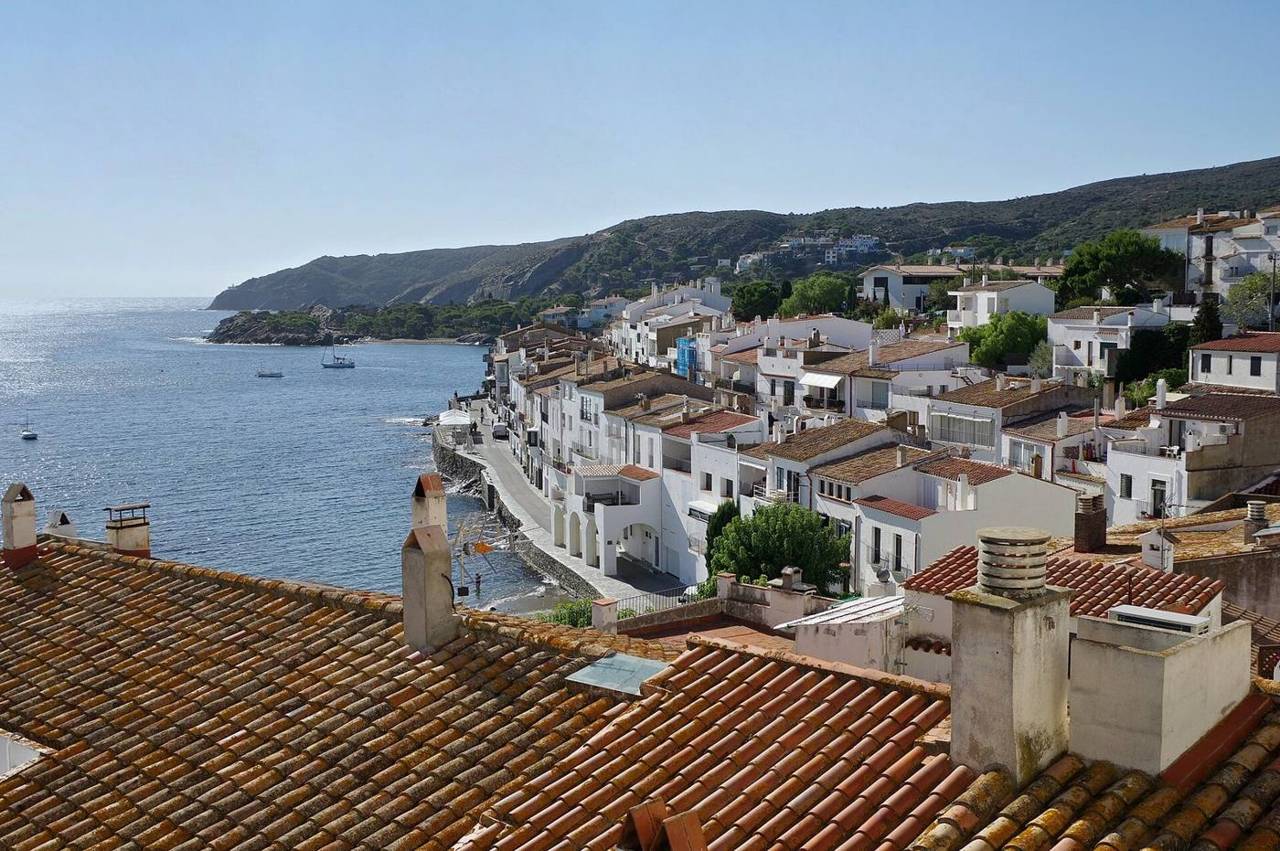
Costa Brava, Girona and Figueres
Northern Catalonia between sea and art: Girona with its coloured riverside houses and Jewish quarter, the Dalí Theatre-Museum in Figueres and his house at Portlligat, Cadaqués, Cap de Creus, the medieval villages of Pals and Peratallada and the coves of the Camí de Ronda.
- Girona
- Figueres
- Cadaqués
- Cap de Creus
- Pals
- Calella de Palafrugell
Day by day
- Day 1
Girona: the cathedral, the Jewish quarter, the walls and the houses on the Onyar
Girona, in Catalonia, about forty minutes by high-speed train from Barcelona, is the gateway to the Costa Brava: a compact medieval city with colourful houses overlooking the Onyar river and a hilly old town built entirely of stone. Spain is in the Schengen area; EU citizens can enter with a valid identity card or passport. Girona has a small airport with direct flights from many European cities. For the rest of the trip a hire car is best, as buses serve the villages and coves poorly.
In the morning climb the great Baroque stairway to the Cathedral of Santa Maria, which has one of the widest Gothic naves in the world, with no columns in the middle, more than twenty metres from wall to wall. Inside you can visit the Romanesque cloister and the museum, home to the Tapestry of Creation, an eleventh-century embroidery with the Creator at the centre and scenes from Genesis around him.
Then enter the Call, the old Jewish quarter, one of the best preserved in Europe, a maze of narrow lanes, stairs and covered passages. The Museum of Jewish History tells the life of the community up to its expulsion in 1492.
In the afternoon walk the path along the medieval walls, which circles the old town with towers looking over the roofs, the cathedral and, on clear days, the Pyrenees. Then go down to the bridges over the Onyar: from the red iron bridge, built in 1877 by Gustave Eiffel's company, you can photograph the colourful façades on the river.
In the evening try Catalan cooking, with pa amb tomàquet, bread rubbed with tomato and olive oil, and Girona sweets such as the xuixo, a fried pastry filled with custard.
Practical tip: the old town is steep; wear comfortable shoes.
- Day 2
Figueres and the Dalí Theatre-Museum
In the morning drive or take the train to Figueres, about half an hour north of Girona, the birthplace of Salvador Dalí. Here the painter created his own museum, the Dalí Theatre-Museum, opened in 1974 on the ruins of the old municipal theatre, where as a boy he had shown his first paintings. The building itself is a work of art: a red façade decorated with loaves of bread and great white eggs on the roof, and a large transparent dome over the old stage.
The museum is designed as a theatrical experience more than a gallery. In the courtyard there is an old car in which it rains inside, beneath a column of tyres; the Mae West room is a space where a sofa, fireplace and paintings, seen from one spot through a lens, form the actress's face. Upstairs, the Wind Palace room has a great ceiling fresco with the feet of Dalí and his wife Gala rising towards the sky. There are also paintings, drawings, sculptures and holograms. Dalí is buried in a crypt beneath the stage.
The ticket also includes the jewel room, Dalí Joies, with jewellery designed by the artist, such as the Royal Heart, a gold and ruby heart that beats.
In the afternoon stroll along the Rambla of Figueres and visit Sant Ferran Castle, a large eighteenth-century military fortress above the town, one of the largest in Europe.
In the evening return towards the coast or stay in Figueres.
Practical tip: the museum is very busy in summer; buy a timed ticket online and arrive at opening time.
- Day 3
Cadaqués, Dalí's house at Portlligat and Cap de Creus
In the morning drive east to Cadaqués, about forty minutes from Figueres, on a winding mountain road across the hills. Cadaqués is a fishing village with white houses, colourful boats on a pebble beach and the church of Santa Maria at the top, long isolated because it could be reached almost only by sea. Painters such as Picasso, Duchamp and Magritte spent time here. Climb the lanes paved with slate up to the church, which holds a great gilded Baroque altarpiece, and walk back down to the seafront.
A short distance away, in the small bay of Portlligat, is the house-museum of Salvador Dalí, where the painter lived and worked with Gala for almost fifty years. The house is a group of old fishermen's huts joined together, with small rooms, a studio with large windows on the bay, a stuffed bear at the entrance and a keyhole-shaped swimming pool in the garden. Visits are in small groups at set times.
In the afternoon continue to Cap de Creus, the easternmost point of the Iberian Peninsula, within a natural park of rocks sculpted by the tramontane wind into strange shapes that inspired Dalí. From the lighthouse you look out over the open sea, and paths lead down to coves of clear water.
In the evening return to Cadaqués for sunset over the bay.
Practical tip: the Portlligat house has limited places; book well ahead. In summer the car parks in Cadaqués fill up early.
- Day 4
Pals and Peratallada, the medieval villages of the Empordà
In the morning drive south into the Baix Empordà, the countryside behind the coast, with fields of wheat and rice, rows of cypresses and small villages of golden stone. The first is Pals, about an hour from Cadaqués, a medieval village on a hill with walls, the Romanesque Hours Tower and stone lanes with arches and Gothic windows. From the terrace at the top you see the rice fields of the plain, still farmed today, and the sea in the distance with the Medes islands.
In the afternoon continue to Peratallada, a few kilometres away, one of the best-preserved villages in Catalonia. Its name means cut stone: the moat around the walls is carved directly into the rock. The houses, castle and church are built of the same stone, and the narrow lanes pass under arches and vaults. In summer the village is full of visitors, while out of season it is quiet.
If you have time, also visit Ullastret, with the remains of a fortified town of the Iberians, the ancient people of the region, on a hill, and the site's small museum.
In the evening stay in one of the villages or on the coast at Begur, a village on a headland with a ruined castle and the houses of the so-called Americans, emigrants who grew rich in Cuba in the nineteenth century.
Empordà cooking combines sea and mountain: try Pals rice and dishes with fish and meat in the same pot.
Practical tip: in the villages, park outside the walls; the lanes inside are pedestrian only.
- Day 5
The Camí de Ronda between Calella de Palafrugell, Llafranc and Tamariu
In the morning reach Calella de Palafrugell, a fishing village with white houses, arcades on the sea called voltes and boats pulled up on the beach. From here starts the finest stretch of the Camí de Ronda, the old path of the coastguards who patrolled the coast against smugglers, now a hiking trail following the Costa Brava among pines, rocks and coves.
The path leads from Calella to Llafranc in about half an hour, over steps and walkways above the sea, with clear water below. Llafranc is a small bay with a beach and a marina. From here the path climbs to the Sant Sebastià lighthouse, on a headland at about 160 metres, with a very wide view of the coast and an old hermitage. Then it descends to Tamariu, another quiet cove with a coarse-sand beach and pines down to the water. In all it is about two and a half hours of walking, with ups and downs.
Along the way there are many coves for swimming, such as Cala del Golfet, and the Cap Roig botanical garden above Calella, with Mediterranean plants and sculptures on a cliff.
In the afternoon return to Calella by taxi or on foot and go for a swim.
In the evening, in summer, Calella holds havaneres, sea songs born from trade with Cuba, accompanied by rom cremat, hot rum flambéed with sugar and coffee.
Practical tip: bring trail shoes, water and a swimsuit; some stretches are narrow and without shade.
- Day 6
The Greek and Roman ruins of Empúries, then the way home
In the morning drive to L'Escala, about forty minutes north, a fishing town famous for salted anchovies, and reach the archaeological site of Empúries by the sea. Here lie the remains of a Greek city founded in the sixth century BC by Greeks from Phocaea, called Emporion, meaning market, and then of a larger Roman town built beside it. It is the only site in the Iberian Peninsula where a Greek city and a Roman city can be seen together.
In the Greek part you see the foundations of temples, the market, the cisterns and a copy of the great statue of Asclepius, god of medicine, whose original is in the site museum. In the Roman part, higher up, you walk among houses with mosaics, the forum and the walls. The museum tells the story of exchanges between Greeks, Iberians and Romans. Between the ruins and the sea runs a promenade among pines, with small beaches for swimming.
In the afternoon, if you have time, visit Sant Martí d'Empúries, a tiny medieval village next to the site, with a tree-lined square and a church.
Then head off: from L'Escala, Girona airport is about an hour away and Barcelona about an hour and a half.
Things to take home: L'Escala anchovies, Empordà olive oil and wine, ratafia, a liqueur of herbs and walnuts, and Girona sweets.
Practical tip: in summer visit Empúries early in the morning or late in the afternoon, as there is little shade among the ruins.
Easy by car, great for sea and culture. Dalí's house at Portlligat can only be visited with a booking and in small groups. In July and August the coves are packed and parking is hard. Catalan tourist tax at hotels.
Before you go
- Documents and visa
- EU citizens need a valid identity card or passport. Other nationalities should check the Schengen rules.
- Health and vaccines
- No vaccines required. EU citizens should bring their EHIC; in summer the south often goes above 40 °C. Emergencies: 112.
- Money and payments
- Euro. Cards are accepted almost everywhere. Catalonia, the Balearics and some other areas charge a tourist tax per person per night.
- Power sockets
- Types C and F, 230 volts.
- Time zone
- Central European Time (UTC+1, summer UTC+2); the Canary Islands are one hour behind.
- Safety
- A safe country. In Barcelona and Madrid pickpocketing is common on the metro, on the Ramblas and in crowded places. Official advice: GOV.UK.
Information checked in November 2026 for Italian and EU citizens. Rules change: always check before you travel.
Variations
In 4 days: Girona, Figueres, Cadaqués and the Camí de Ronda, skipping the inland villages and Empúries.
In 8 days: add the Medes islands by boat or diving and the Garrotxa natural park with the extinct volcanoes of Olot.
Frequently asked questions
Do I need a car on the Costa Brava?
It is very useful: Girona and Figueres are linked by train, but buses serve the villages and coves poorly.
When is the best time to go?
May to June and September: the sea is already or still warm and there are fewer people than in July and August.
Can I visit Dalí's house without booking?
Usually not: visits are in small groups at set times and places run out quickly, so book ahead.
Indicative itinerary written by World Atlas. Before booking, check timetables, seasonal openings, documents and safety.
 4 daysEasy
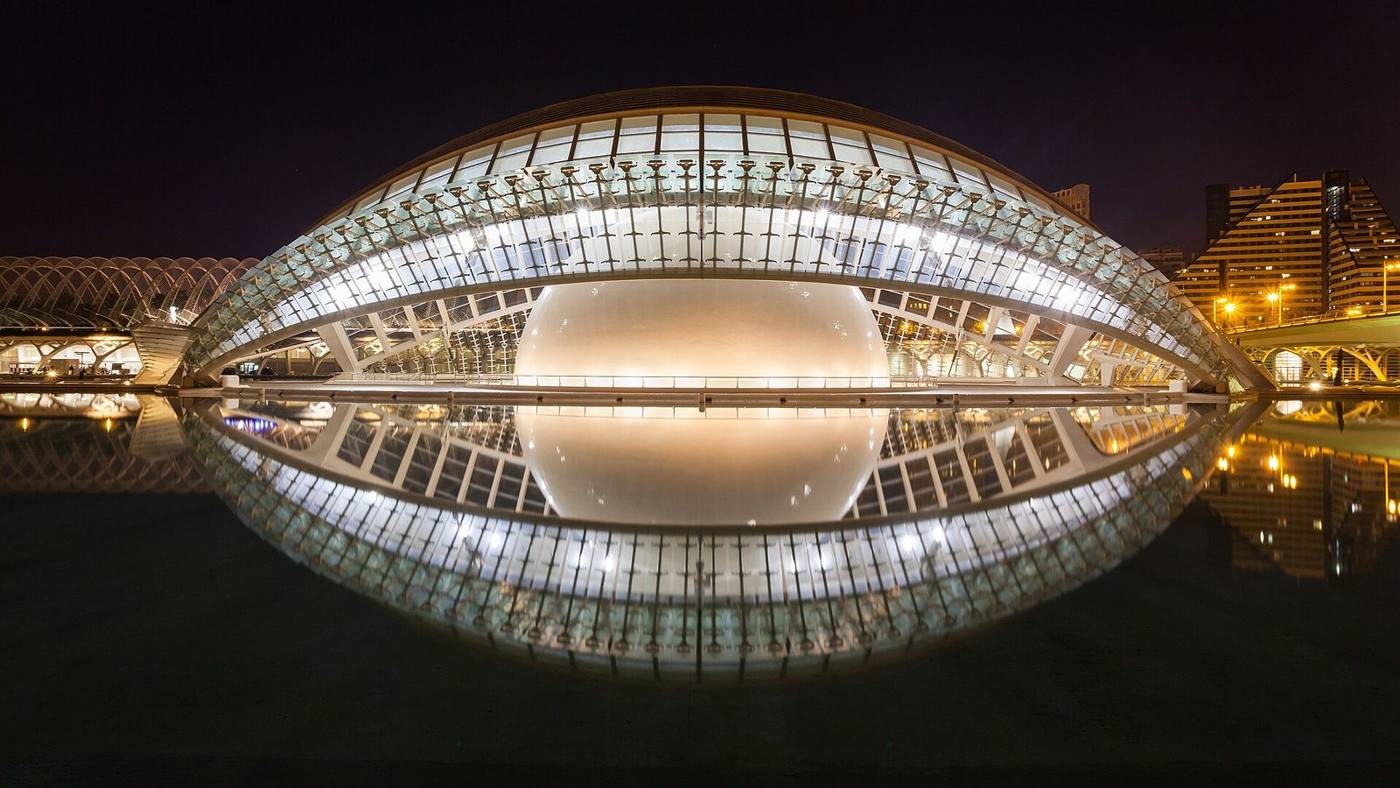
Valencia and the Albufera
The city of paella: the old town with the Silk Exchange, a UNESCO World Heritage site, the Central Market, the Turia park in the old riverbed, the City of Arts and Sciences, Malvarrosa beach and the Albufera lagoon with its rice fields and sunset boat rides.
 6 daysModerate
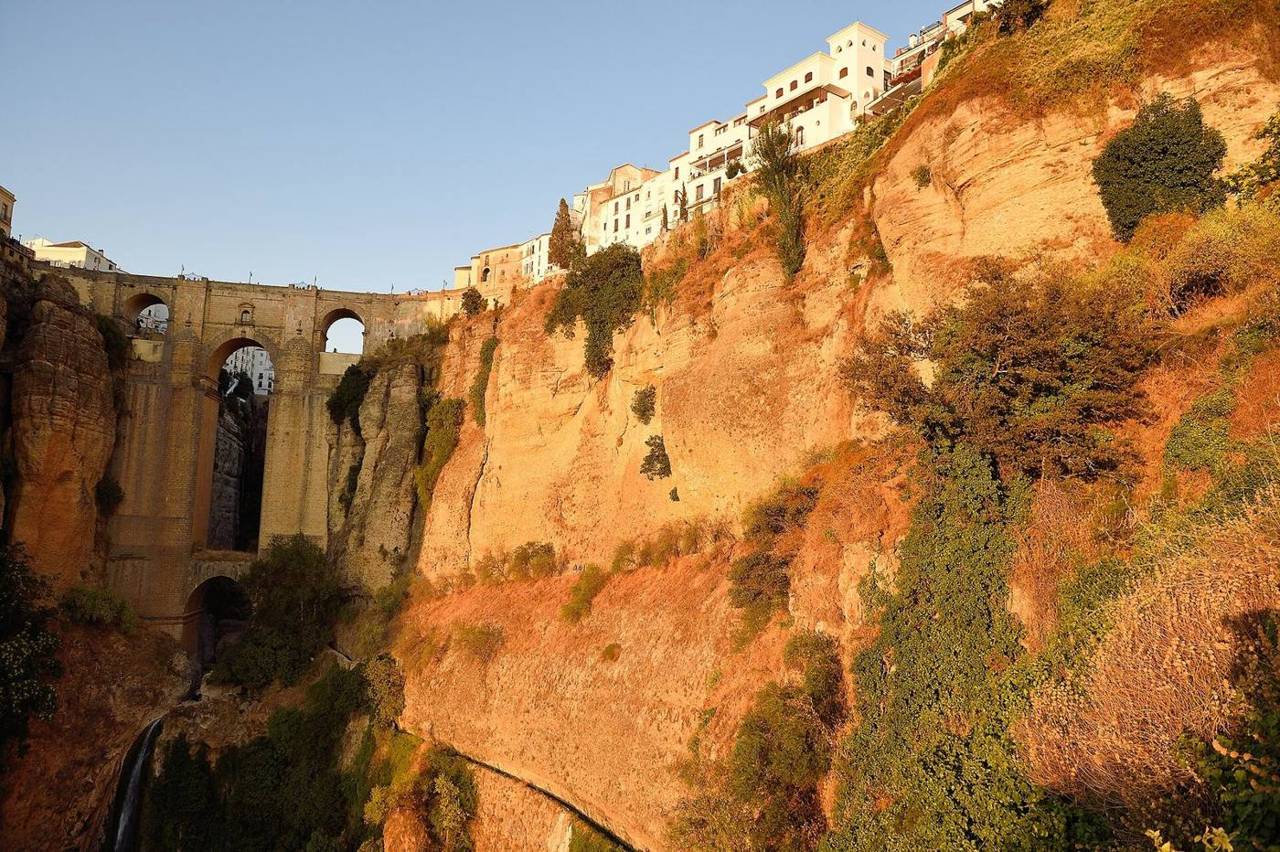
Ronda, the white villages and the Caminito del Rey
Mountain Andalusia: Ronda above the Tajo gorge, the white villages of Grazalema, Zahara de la Sierra and Setenil de las Bodegas with houses under the rock, and the Caminito del Rey, a walkway hanging on the walls of the Gaitanes gorge.
 6 daysModerate
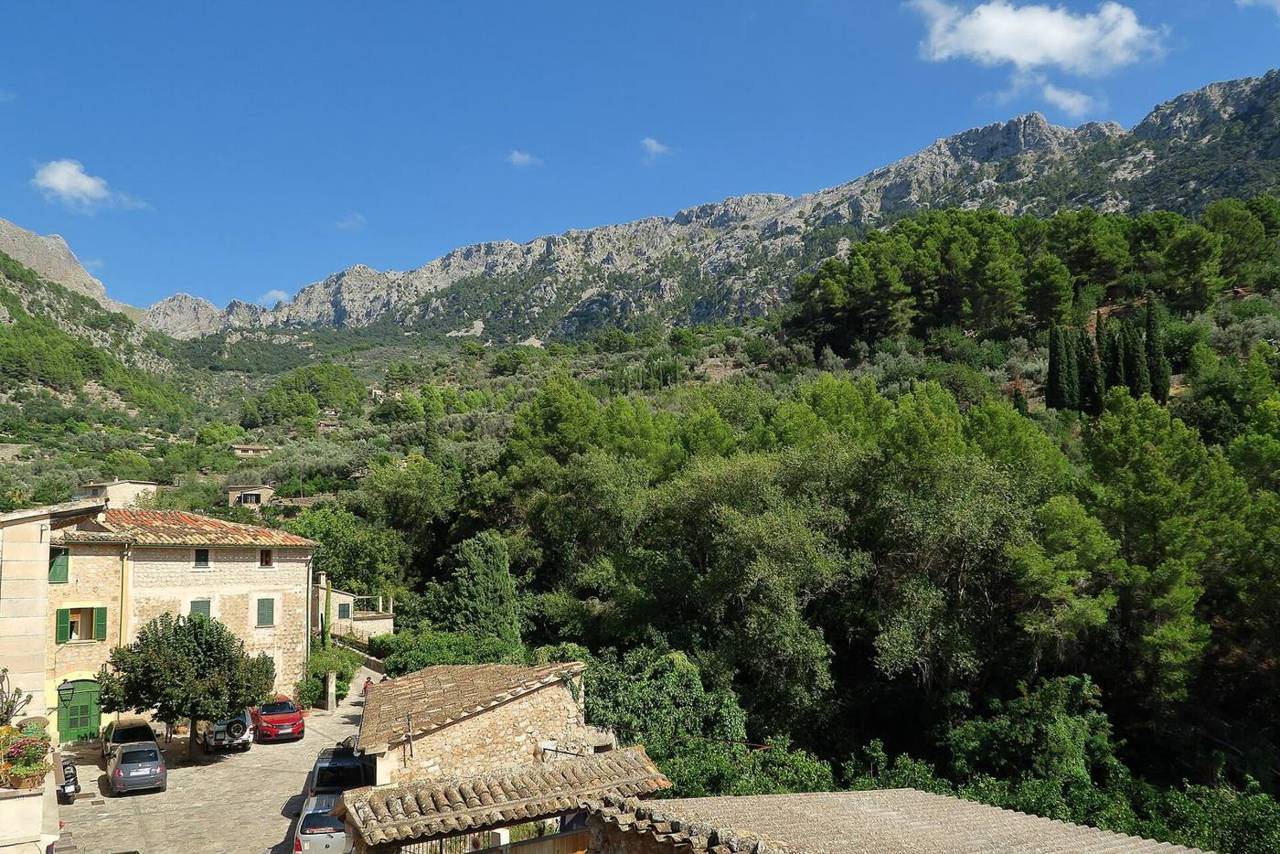
Mallorca: Serra de Tramuntana
Mountain Mallorca, a UNESCO World Heritage site: the stone villages of Valldemossa, Deià and Fornalutx, the wooden Sóller train, coastal paths above the sea, the Torrent de Pareis and Lluc monastery, with Palma and its cathedral.