Valencia and the Albufera
The city of paella: the old town with the Silk Exchange, a UNESCO World Heritage site, the Central Market, the Turia park in the old riverbed, the City of Arts and Sciences, Malvarrosa beach and the Albufera lagoon with its rice fields and sunset boat rides.
- Valencia
- Lonja de la Seda
- Ciudad de las Artes y las Ciencias
- Albufera
- El Palmar
Day by day
- Day 1
The old town: the cathedral and the Holy Grail, the Lonja and the Central Market
To enter Spain EU citizens can use a valid identity card or passport. Check the rules for your nationality.
Valencia, Spain's third city on the Mediterranean coast, combines a Gothic and baroque old town, a great park created in a former riverbed, futuristic architecture and long city beaches. It is also the birthplace of paella. The airport is linked to the centre by metro in about twenty minutes.
In the morning visit the cathedral, begun in the thirteenth century on the site of a mosque, with three doorways in different styles. A side chapel holds an agate chalice that tradition considers the Holy Grail, the cup of the Last Supper. Climb the Micalet, the octagonal bell tower, about two hundred steps, to see the roofs, the blue domes and the sea. On Thursdays at noon, in front of the Apostles' doorway, the Water Tribunal meets: a court of farmers that has settled irrigation disputes for more than a thousand years, listed by UNESCO.
In the afternoon visit the Lonja de la Seda, the Silk Exchange, a masterpiece of fifteenth-century civil Gothic and a UNESCO site, with its great hall of spiral columns like palm trunks. Opposite is the Central Market, one of Europe's largest covered markets, in modernist style with a dome and stained glass, and hundreds of stalls of fruit, fish, cured meats and rice.
In the evening stroll through the Carmen district, with narrow streets, street art and bars, to the Serranos Towers, the old city gate.
Practical tip: many museums and monuments in Valencia close on Mondays; check opening times.
- Day 2
The Turia park by bike and the City of Arts and Sciences
In the morning rent a bicycle and ride through the Turia Gardens, a park about nine kilometres long crossing the city along the old riverbed. After the 1957 flood that inundated Valencia, the river was diverted outside the city, and the empty bed, instead of becoming a motorway as planned, was turned into a great park thanks to residents' protests. Today there are lawns, pine groves, orange trees, sports grounds, fountains and cycle paths, crossed by the city's old bridges. In the central stretch is the Gulliver, a playground shaped like a reclining giant, where children climb on his arms and hair.
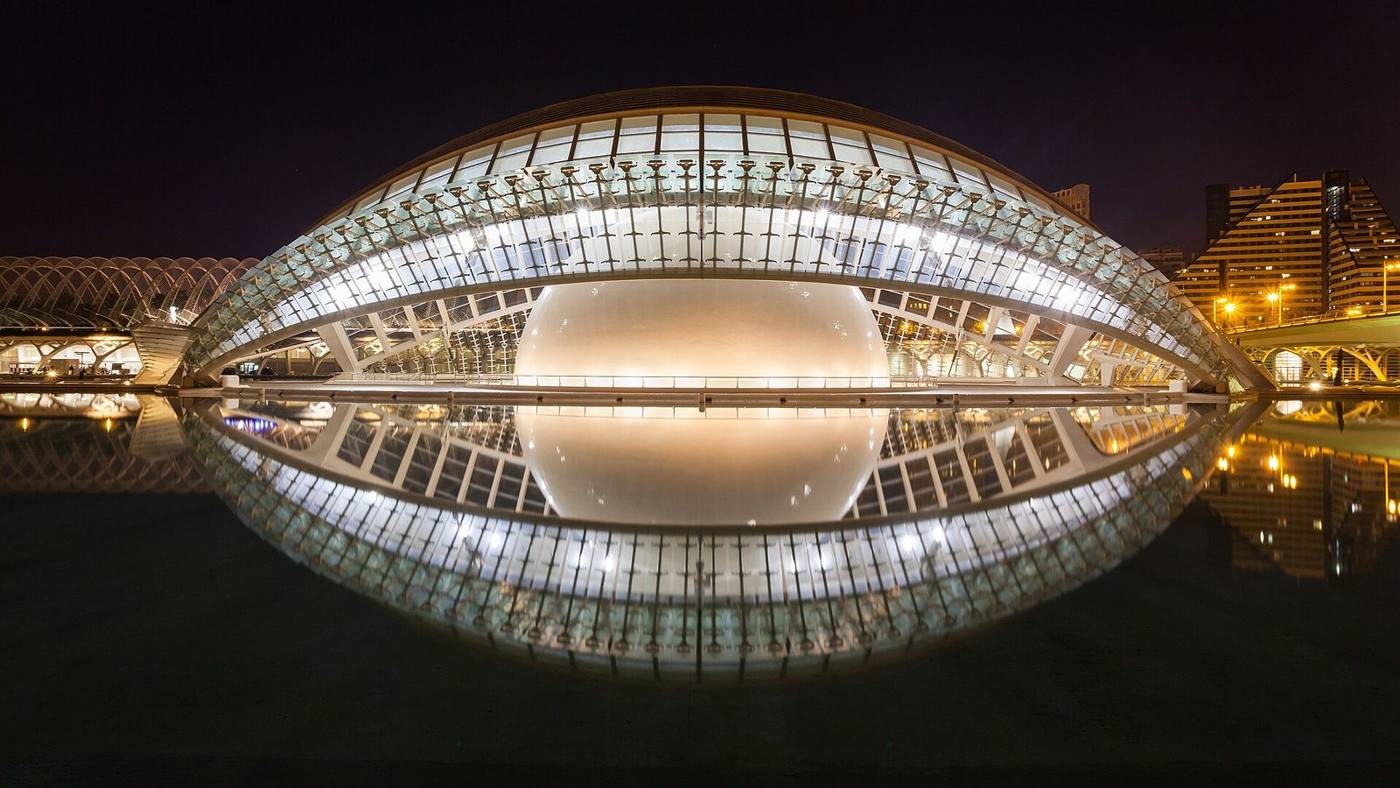
At the end of the park you reach the City of Arts and Sciences, a complex of white futuristic buildings designed largely by Valencian architect Santiago Calatrava, surrounded by pools of blue water. You see the Hemisfèric, shaped like an eye, with a dome cinema, the science museum, like a whale skeleton, where you can touch the experiments, the Palau de les Arts opera house, and the Oceanogràfic, Europe's largest aquarium, with sharks, dolphins, belugas and penguins in pavilions devoted to the world's seas.
In the afternoon choose one or two visits: the aquarium needs at least three hours.
In the evening return to the centre and try horchata, a cool drink made from tiger nuts, called chufa, served with fartons, long sweet buns for dipping.
Practical tip: buy tickets for the Oceanogràfic and the museum online, often as a combined ticket.
- Day 3
The Albufera: El Palmar, paella where it was born and a boat at sunset
In the morning reach the Albufera Natural Park, about ten kilometres south of the city, by bus or by bike along the coastal path. The Albufera is a large freshwater lagoon, separated from the sea by a thin strip of dunes and pine woods and surrounded by rice fields. It is one of Spain's most important places for waterbirds, with herons, egrets, flamingos and ducks, especially in winter and spring.
Walk in the Devesa, the pine wood on the dunes between lagoon and sea, with boardwalks and wild beaches, then reach El Palmar, a small fishing village on an island in the lagoon, crossed by canals, with wooden boats and barracas, traditional white houses with steep thatched roofs.
For lunch taste Valencian paella where it was born: the real one is made with local rice, chicken, rabbit, flat green beans, garrofó, a large white bean, tomato, oil, saffron and sometimes snails, cooked over a wood fire in a wide, shallow pan. Here you also find all i pebre, a stew of lagoon eels with garlic and paprika.
In the afternoon, before sunset, take a boat trip on the lagoon with a fisherman: the sun sinking over the water among the reeds is one of the most beautiful moments of the trip.
Practical tip: in the warm season bring mosquito repellent.
- Day 4
The Cabanyal, the beach and departure
In the morning visit the Cabanyal, the old fishermen's district near the port, with low terraced houses decorated with colourful tiles on their façades in popular modernist style. For years the district was threatened by a plan to extend a great avenue to the sea by demolishing hundreds of houses; residents opposed it for more than fifteen years and the plan was abandoned. Today the Cabanyal is protected as a site of cultural interest and has become one of the city's liveliest districts, with its covered market, artisans' workshops and neighbourhood bars.
Then walk along the Malvarrosa and Las Arenas, the city's great fine-sand beaches, wide and several kilometres long, with a pedestrian promenade. The writer Vicente Blasco Ibáñez lived here: his beach house is now a small museum. Further north is the Patacona, popular mainly with locals.
In the afternoon, before departure, return to the centre for a last stroll, or visit the Fallas museum, which keeps the figures saved from the fire each year. In March, during the Fallas, the city's most famous festival, hundreds of large papier-mâché sculptures are burned in the streets on the night of the 19th.
Things to take home: local rice, saffron, Manises ceramics, fans, oranges and honey.
Practical tip: check your government's travel advice before leaving.
An easy, liveable city all year round. In March come the Fallas, a spectacular but noisy festival with very expensive hotels. In autumn, during heavy rain episodes (DANA), follow the weather alerts.
Before you go
- Documents and visa
- EU citizens need a valid identity card or passport. Other nationalities should check the Schengen rules.
- Health and vaccines
- No vaccines required. EU citizens should bring their EHIC; in summer the south often goes above 40 °C. Emergencies: 112.
- Money and payments
- Euro. Cards are accepted almost everywhere. Catalonia, the Balearics and some other areas charge a tourist tax per person per night.
- Power sockets
- Types C and F, 230 volts.
- Time zone
- Central European Time (UTC+1, summer UTC+2); the Canary Islands are one hour behind.
- Safety
- A safe country. In Barcelona and Madrid pickpocketing is common on the metro, on the Ramblas and in crowded places. Official advice: GOV.UK.
Information checked in November 2026 for Italian and EU citizens. Rules change: always check before you travel.
Variations
In 2 days: the old town, the Turia park and the City of Arts on day one, the Albufera with paella and the boat on day two.
In 7 days: add Alicante, Altea and the Costa Blanca, or Xàtiva and its fortress.
Frequently asked questions
Which document do I need for Spain?
A valid identity card or passport for EU citizens.
Where can I eat real paella?
In the Albufera villages such as El Palmar, where it was born; the traditional one has chicken, rabbit and beans, not seafood.
When are the Fallas?
In March, peaking from the 15th to the 19th, when the sculptures are burned on the night of the 19th.
Indicative itinerary written by World Atlas. Before booking, check timetables, seasonal openings, documents and safety.
 6 daysModerate
Ronda, the white villages and the Caminito del Rey
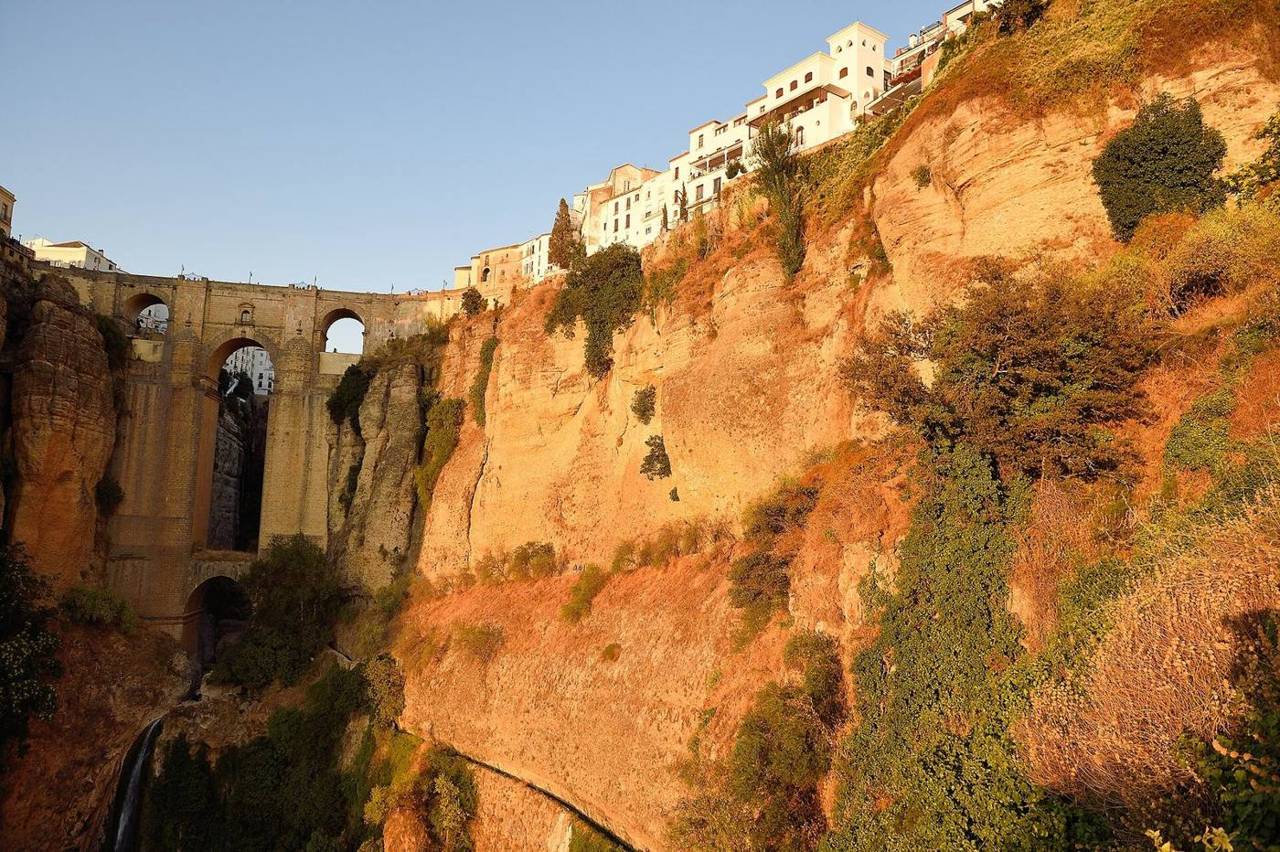
Mountain Andalusia: Ronda above the Tajo gorge, the white villages of Grazalema, Zahara de la Sierra and Setenil de las Bodegas with houses under the rock, and the Caminito del Rey, a walkway hanging on the walls of the Gaitanes gorge.
 6 daysModerate
Mallorca: Serra de Tramuntana
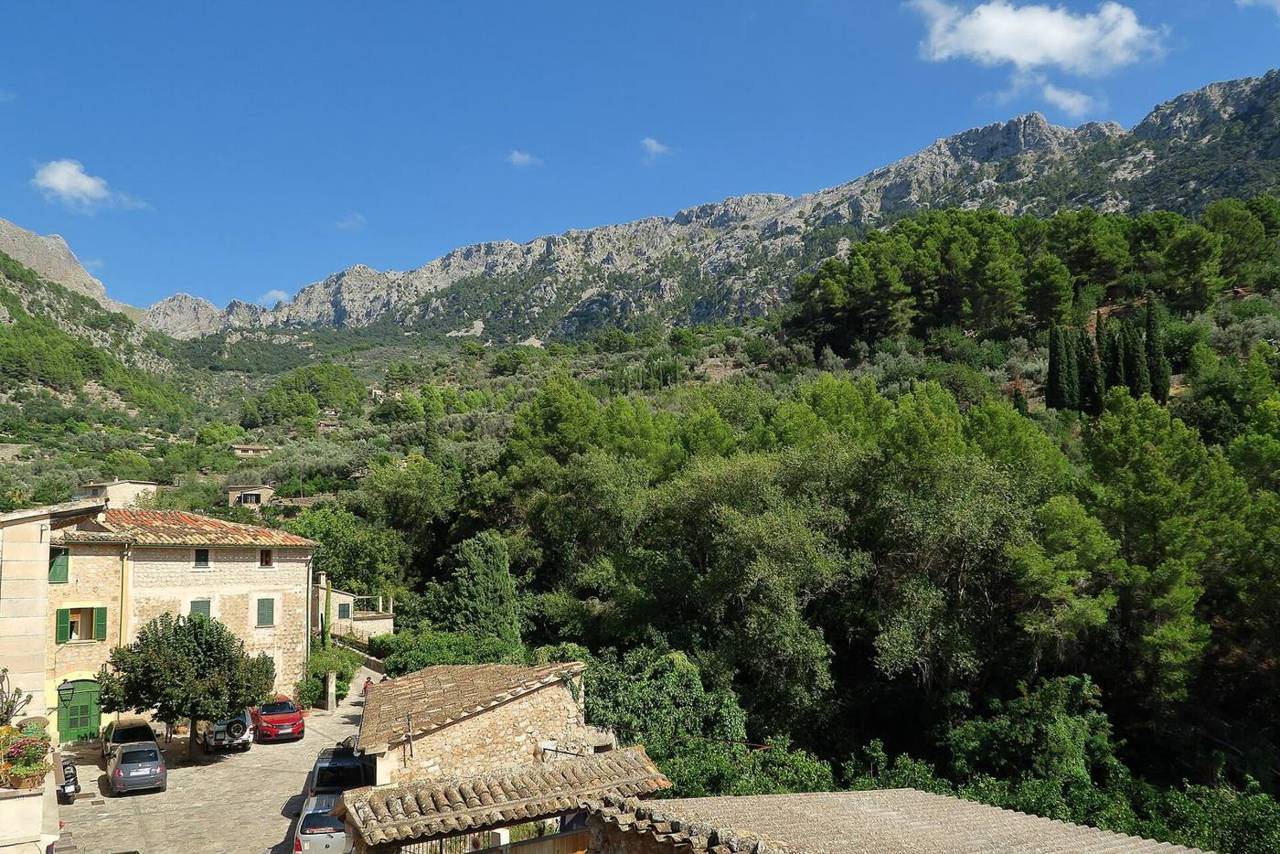
Mountain Mallorca, a UNESCO World Heritage site: the stone villages of Valldemossa, Deià and Fornalutx, the wooden Sóller train, coastal paths above the sea, the Torrent de Pareis and Lluc monastery, with Palma and its cathedral.
 6 daysEasy
Galicia: the Rías Baixas and the Cíes Islands
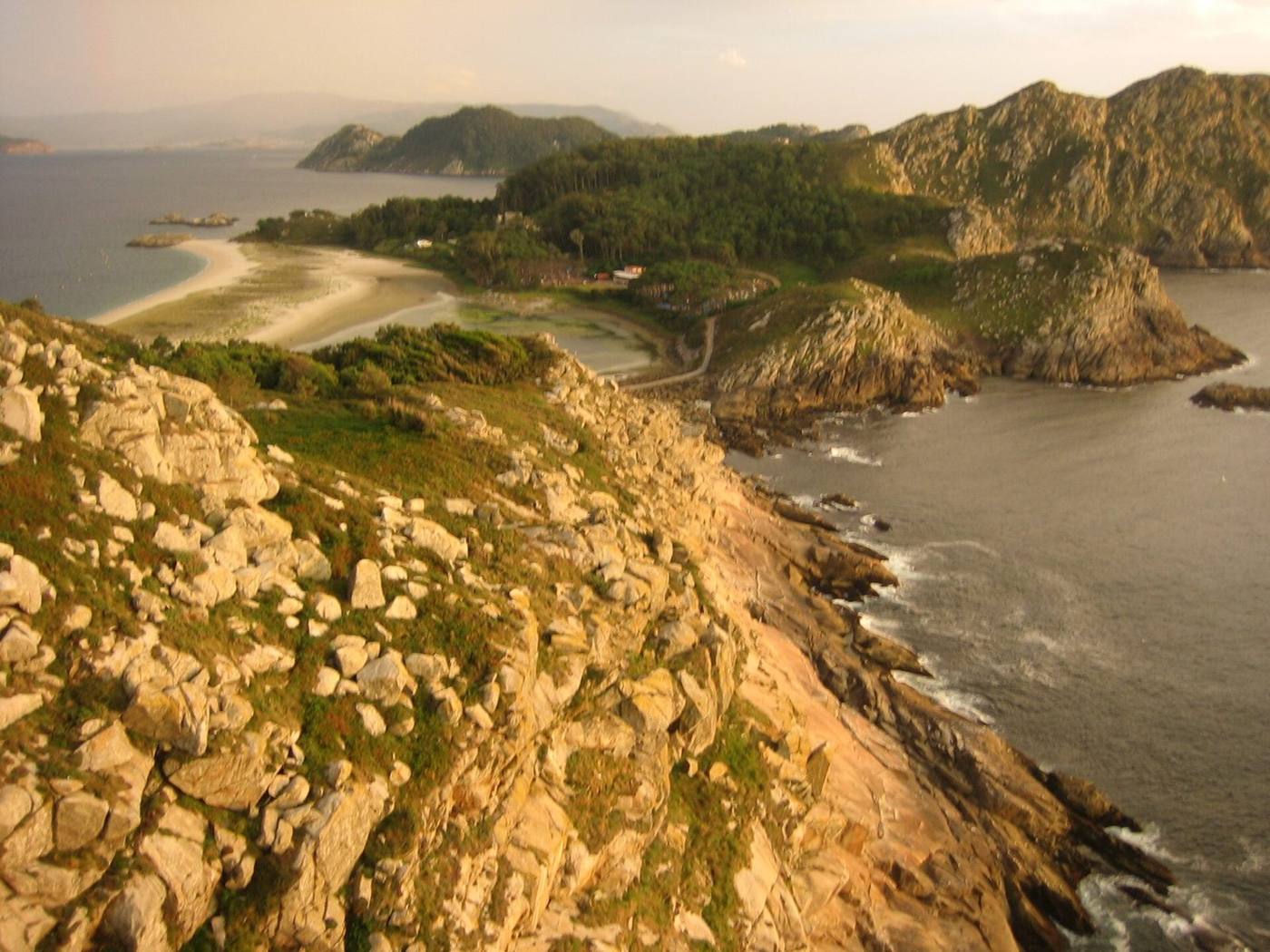
Ocean Galicia: the Cíes Islands with Rodas beach, a national park, the Albariño wines of the Salnés valley, Pontevedra, the fishing village of Combarro with its granaries by the sea, seafood and Monte Santa Tegra above the Miño river.