Almería, Cabo de Gata and Murcia
Europe's driest corner: volcanic coves without high-rises, the badlands of Sergio Leone's westerns and two little-visited cities.
- Almería
- Tabernas
- Cabo de Gata
- San José
- Níjar
- Mojácar
- Cartagena
- Murcia
Day by day
- Day 1
Almería and the Alcazaba
This trip explores the driest and least known corner of the Spanish coast: the province of Almería in Andalusia, with the Tabernas desert and Cabo de Gata natural park, a volcanic coast of wild beaches and white villages, and then the region of Murcia, with the Roman city of Cartagena and Murcia's Baroque cathedral. It is a Spain unlike the postcards, with almost African landscapes, few crowds and plenty of sun.
Spain is in the Schengen area and uses the euro: EU citizens only need an identity card. You fly into Almería, with flights from Madrid, Barcelona and some European cities, or into Alicante, better connected, about three hours away by road. You need a car.
On the first day visit Almería's Alcazaba, one of the largest Muslim fortresses in Spain, built from the tenth century on the hill above the city. You walk through three rings of walls, gardens with fountains and water channels, remains of houses and Arab baths, and the tower of the Christian castle built after the conquest of 1489. From the walls you see the whole city, the port and the sea, and the wall that runs down the valley to the hill of San Cristóbal.
In the afternoon walk around the centre, with the cathedral, built in the sixteenth century like a fortress to defend against pirates, and the arcaded Plaza Vieja.
In the evening go on a tapas round.
Spend the night in Almería.
Practical tip: in many bars in Almería a no-cost tapa comes with every drink, often of your choice. The Alcazaba is very hot in summer: go early in the morning.
- Day 2
The Tabernas desert and the spaghetti westerns
Today go to the Tabernas desert, about half an hour north of Almería, considered one of Europe's few deserts. It is a landscape of badlands, clay hills carved by erosion into countless gullies, dry riverbeds called ramblas, low shrubs and an intense light. It rains very little and summers are very hot.
In the 1960s and 1970s this landscape was chosen by many film directors, especially Italian ones, to shoot westerns, known around the world as spaghetti westerns: it looked like the American West but cost much less. Some of the most famous westerns in film history were shot here.
Today some of the western towns built for the films have become theme parks, with dusty streets, saloons, banks and shows with cowboys and gunfights. They are rather touristy, but interesting for film lovers.
To get to know the real desert, walk along one of the ramblas, or climb to a viewpoint above the badlands, especially early in the morning or towards evening, when the light turns the hills gold and pink.
In the afternoon return to Almería to rest during the hottest hours.
In the evening go back into the centre for tapas: specialities are fried fish, red prawns called gamba roja, and tuna dishes.
Spend the night in Almería.
Practical tip: at Tabernas bring plenty of water, a hat and sunscreen. In summer do not walk in the middle of the day. Check prices and opening times of the western towns.
- Day 3
Cabo de Gata: the salt pans, the lighthouse and San José
Today enter Cabo de Gata Níjar natural park, about half an hour east of Almería. It is one of Spain's most beautiful parks, born of ancient volcanoes: a coast of dark rocks, cliffs, sandy coves, white villages and dry plains with agaves and dwarf palms. The park also protects the sea, with seabeds rich in fish and meadows of posidonia seagrass.
The first stop is the Cabo de Gata salt pans, near the village of San Miguel, where salt is still harvested. Many birds live in the shallow pools, especially pink flamingos, seen from hides along the road.
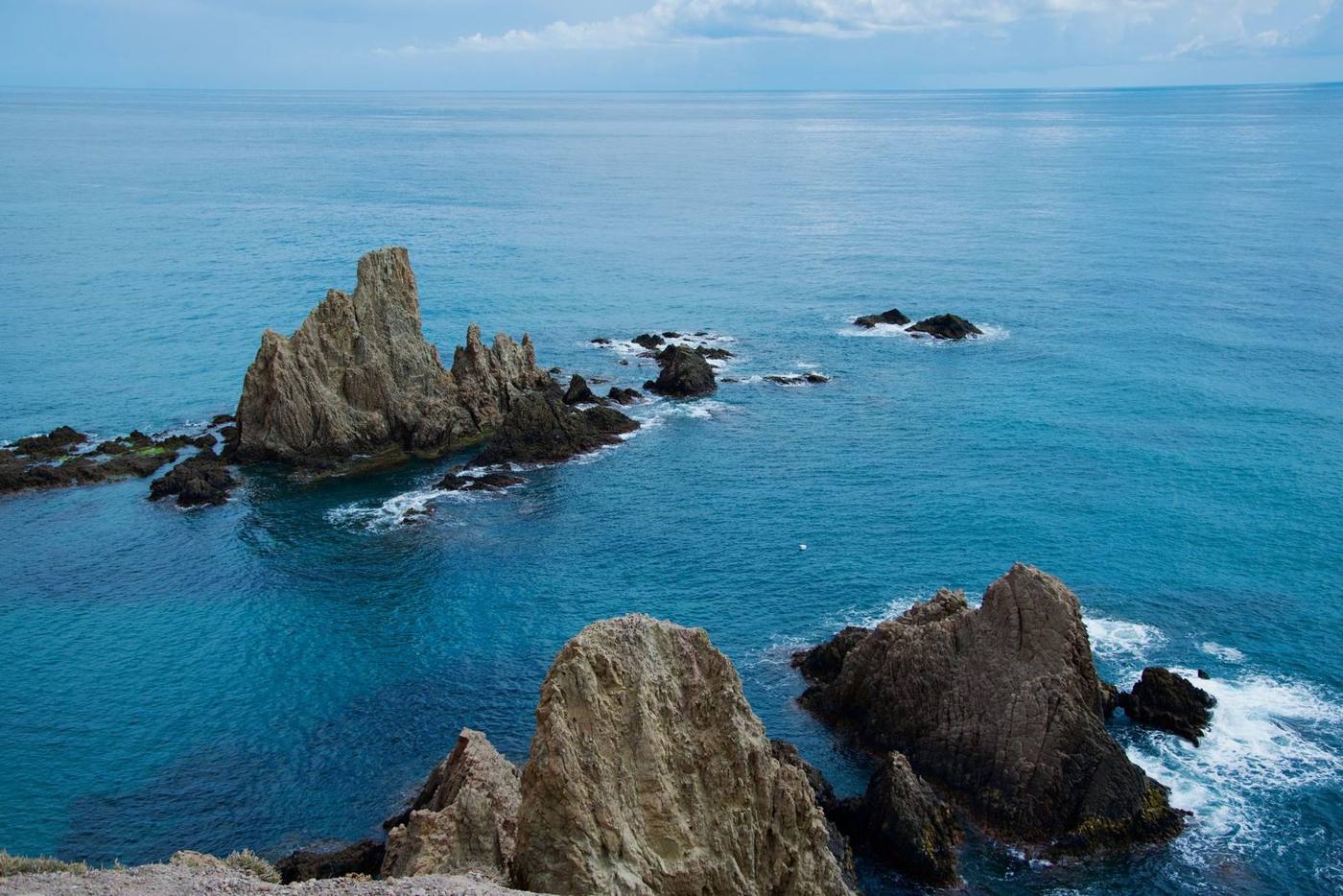
Then continue to the Cabo de Gata lighthouse, on the tip of the cape. In front of it lies the Arrecife de las Sirenas, the sirens' reef, a group of sharp volcanic rocks in the sea, so called because monk seals once lived there and sailors mistook them for sirens.
From the lighthouse a narrow road climbs above the coast to the Vela Blanca viewpoint, overlooking cliffs and sea.
In the afternoon you reach San José, the park's main village, with white houses, a small harbour and a beach, and settle in for the next few days.
In the evening have fresh fish by the harbour.
Spend the night in San José.
Practical tip: the flamingos are best seen early in the morning and towards evening. Bring binoculars. From Vela Blanca towards San José the road is closed to cars.
- Day 4
The beaches of Los Genoveses and Mónsul
Today is a beach day at the park's most famous beaches, south west of San José, reached only on foot or by a dirt road.
The first is Los Genoveses, a large bay of golden sand with dunes, agaves and shallow, clear water, framed by two headlands. It takes its name from Genoese sailors who landed here in the sixteenth century. From San José you reach it on foot along a coastal path in about an hour.
Further south lies Mónsul, a beach of dark sand with wind sculpted volcanic rocks and a large dune. In the middle of the beach stands a wave shaped rock that became famous after appearing in a well known adventure film of the 1980s.
Between the two beaches are small quiet coves, such as Cala de la Media Luna, and a path climbing a volcanic hill, the Morrón de los Genoveses, with a fine view over the bay.
The park's sea is excellent for snorkelling: around the rocks you see fish, octopus and posidonia meadows.
Towards evening return to San José and stroll along the seafront.
Spend the night in San José.
Practical tip: in the summer months the dirt road to Los Genoveses and Mónsul is closed to cars when the car parks are full, and a shuttle bus runs from San José. Check timetables and rules. The beaches have no shade or facilities: bring water, a parasol and food.
- Day 5
The white villages: La Isleta del Moro, Agua Amarga, Níjar and Mojácar
Today leave San José and travel north east through the park, visiting its villages.
The first stop is La Isleta del Moro, a small white fishing village on a headland, with boats on the beach and an islet offshore. From the nearby Amatista viewpoint you see the whole coast.
Then pass through Rodalquilar, a village that grew up around a gold mine active until the 1960s, with the ruins of the works on the hillside. Nearby stands the Cortijo del Fraile, an abandoned farmhouse where a crime in 1928 inspired the poet Federico García Lorca's play Blood Wedding.
Continue to Agua Amarga, a white village on a sandy bay, quiet and elegant, and have a swim.
In the afternoon head inland to Níjar, a white town on a hill, famous for its crafts: hand painted ceramics in green and blue and jarapas, colourful rugs woven from recycled fabric.
In the evening you reach Mojácar, a white town perched on a hill near the sea, with narrow lanes, steps, arches and squares overlooking the coast. Its symbol is the indalo, a human figure holding an arc above its head, painted in the area's prehistoric caves.
Spend the night in Mojácar.
Practical tip: the roads between the park's villages are narrow and winding. Allow time. In Mojácar leave your car below and walk up.
- Day 6
Cartagena: the Roman theatre and the port
Today leave Andalusia and head north into the region of Murcia to Cartagena, about two hours along the coast. On the way you see greenhouses, farmland and dry mountains.
Cartagena is a port city with more than two thousand years of history. It was founded by the Carthaginians in the third century BC as Qart Hadasht, the new city, then conquered by the Romans, who named it Carthago Nova. Today it is the main base of the Spanish navy in the Mediterranean.
The most important monument is the Roman theatre, built at the end of the first century BC and hidden for centuries beneath the houses of the old quarter. It was rediscovered only in the 1990s and restored. You enter through a modern museum, along a route passing under the medieval church built on top of the theatre, and emerge on the tiers, overlooking the stage and the port.
In the afternoon walk around the centre, with modernist buildings from the early twentieth century, built with mining wealth, and along the seafront. Climb to the Concepción castle on its hill, with views over the natural harbour enclosed by hills. At the port you can also visit the submarine museum, with the first electric military submarine, designed in the late nineteenth century by an engineer from Cartagena.
In the evening have caldero, rice cooked in fish stock, typical of the Murcia coast.
Spend the night in Cartagena.
Practical tip: Cartagena has a combined ticket for several museums and monuments. Check prices and opening times.
- Day 7
Murcia: the cathedral, the Casino and departure
On the last day go to Murcia, the regional capital, about forty minutes from Cartagena.
Murcia is a lively city with a pedestrian old centre, squares with palms and a long farming tradition: around the city spreads the huerta, a large plain irrigated by canals built in Arab times, producing fruit and vegetables for all of Europe.
The main monument is the cathedral of Santa María, with one of the finest Baroque facades in Spain, full of statues, columns and decoration, and a bell tower more than ninety metres high. Inside is the Vélez chapel, in Gothic style, with a star shaped vault.
A few steps away, on calle Trapería, the elegant street of the centre, stands the Casino, a nineteenth century private club open to visitors, with rooms decorated in different styles: an Arab patio inspired by the Alhambra, an English library, a ballroom with crystal chandeliers and a room with a painted ceiling.
If you have time, visit the museum devoted to the sculptor Francisco Salzillo, with the Baroque statues carried in procession during Holy Week.
For lunch try the cooking of the huerta: vegetables, zarangollo, scrambled eggs with courgette and onion, and paparajotes, lemon leaves fried in batter.
Then fly home from the Region of Murcia airport, or from Alicante, about an hour away.
Practical tip: check the visiting hours of the Casino and the cathedral. The lemon leaves in paparajotes are not eaten: you only eat the batter.
For travellers who want a Mediterranean coast that is still lightly built and desert light, at an unhurried pace over a week. The drawback is that inland Almería is covered in plastic greenhouses, and the first impression is not a pretty one. In August Cabo de Gata is crowded and hot, so May or October are better, when the sea is still warm.
Before you go
- Documents and visa
- EU citizens need a valid identity card or passport. Other nationalities should check the Schengen rules.
- Health and vaccines
- No vaccines required. EU citizens should bring their EHIC; in summer the south often goes above 40 °C. Emergencies: 112.
- Money and payments
- Euro. Cards are accepted almost everywhere. Catalonia, the Balearics and some other areas charge a tourist tax per person per night.
- Power sockets
- Types C and F, 230 volts.
- Time zone
- Central European Time (UTC+1, summer UTC+2); the Canary Islands are one hour behind.
- Safety
- A safe country. In Barcelona and Madrid pickpocketing is common on the metro, on the Ramblas and in crowded places. Official advice: GOV.UK.
Information checked in November 2026 for Italian and EU citizens. Rules change: always check before you travel.
Variations
In 4 days: Almería, Tabernas and Cabo de Gata.
In 10 days: add the Sierra Nevada and the Alpujarras, or Lorca and Caravaca de la Cruz in inland Murcia.
Frequently asked questions
When is the best time to go?
Spring and autumn, with the sea still warm in September and October. Summer is very hot and the park's beaches are crowded.
Do I need a car?
Yes. Cabo de Gata's beaches and villages are poorly served by public transport.
Do I need a passport?
No, Spain is in the Schengen area and EU citizens only need an identity card.
Indicative itinerary written by World Atlas. Before booking, check timetables, seasonal openings, documents and safety.
 5 daysEasy
Barcelona in depth
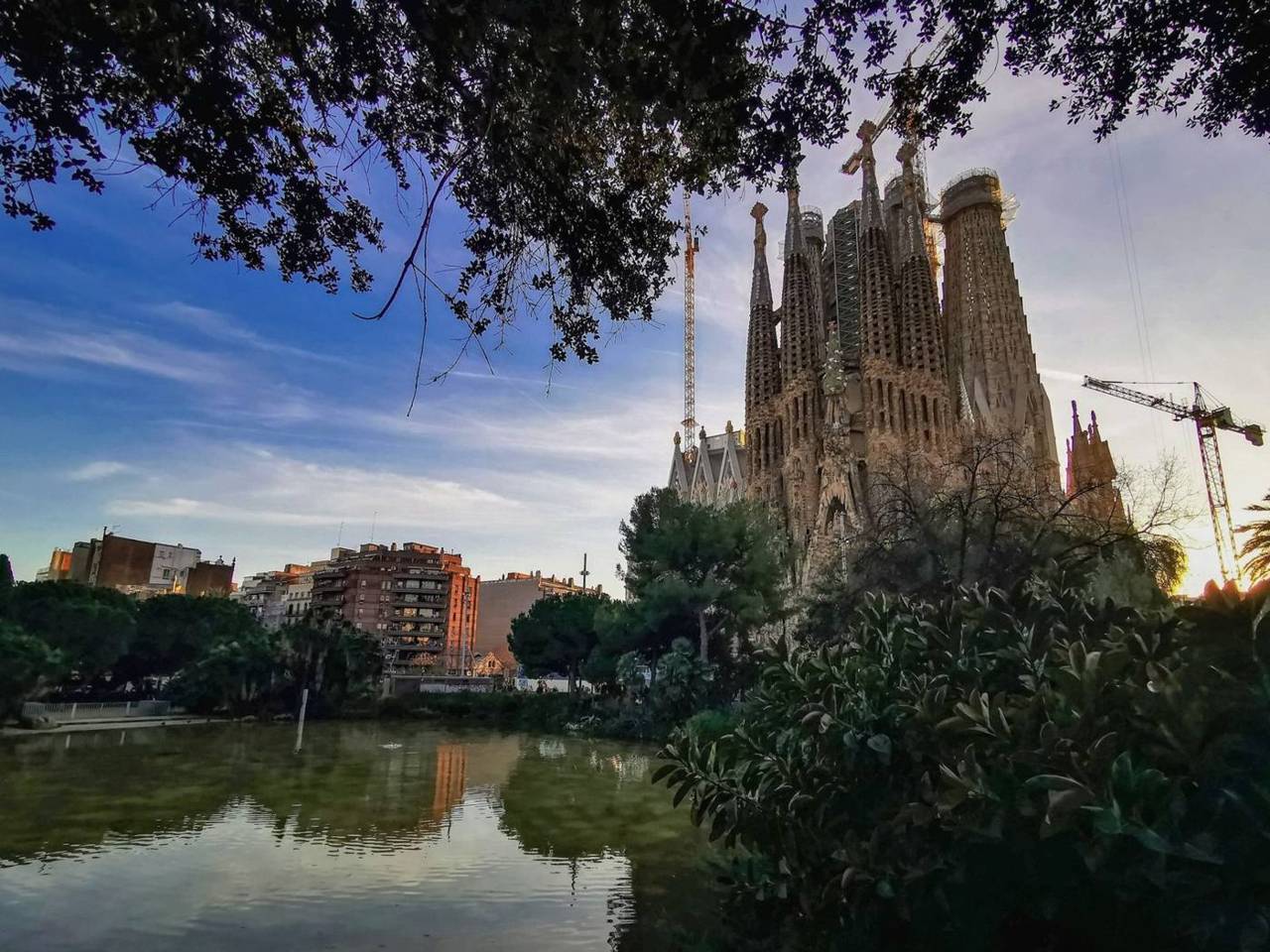
Gaudí's city at a gentle pace: the Sagrada Família, Park Güell, Casa Batlló and La Pedrera, the Gothic Quarter and the Born, the Boqueria market, the Palau de la Música, Montjuïc with the national museum and the seafront district of Barceloneta.
 6 daysEasy
Costa Brava, Girona and Figueres
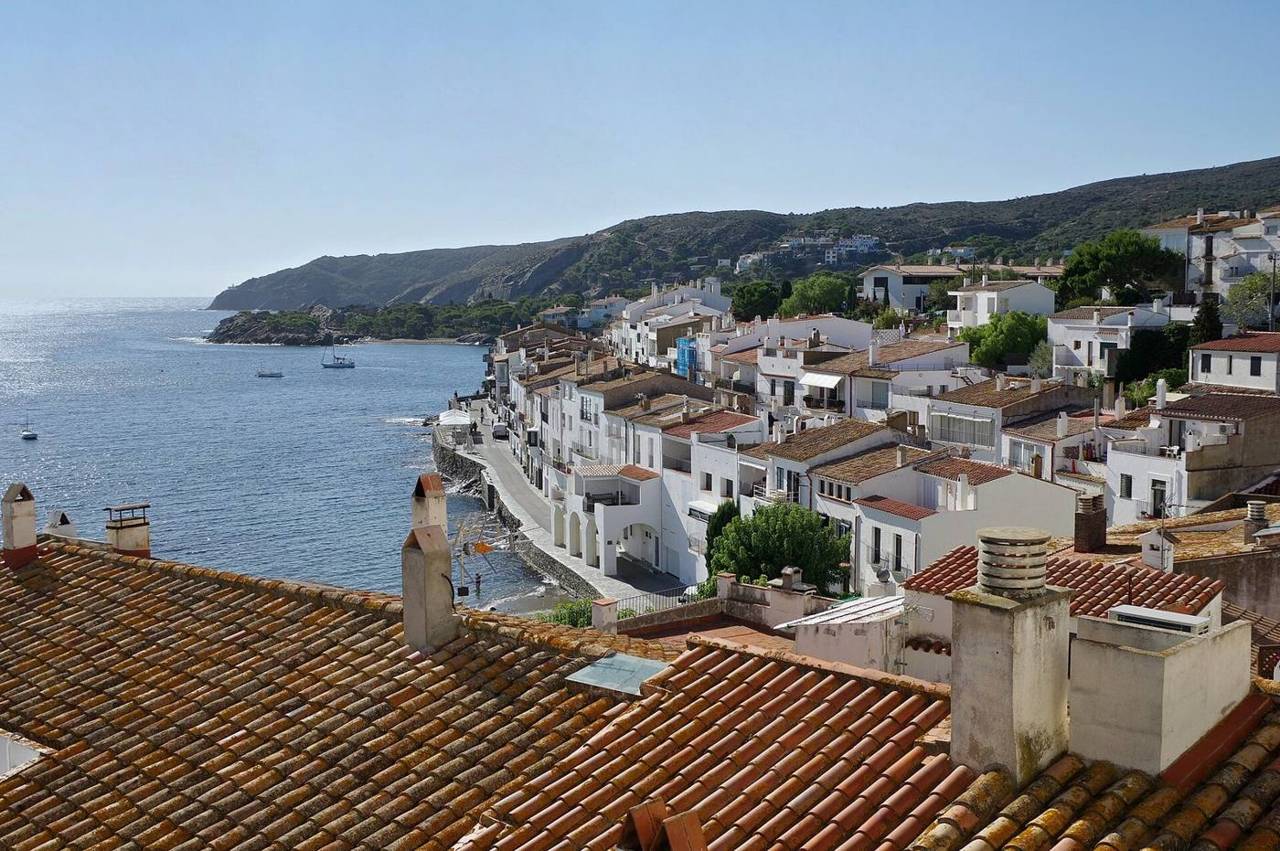
Northern Catalonia between sea and art: Girona with its coloured riverside houses and Jewish quarter, the Dalí Theatre-Museum in Figueres and his house at Portlligat, Cadaqués, Cap de Creus, the medieval villages of Pals and Peratallada and the coves of the Camí de Ronda.
 4 daysEasy
Valencia and the Albufera
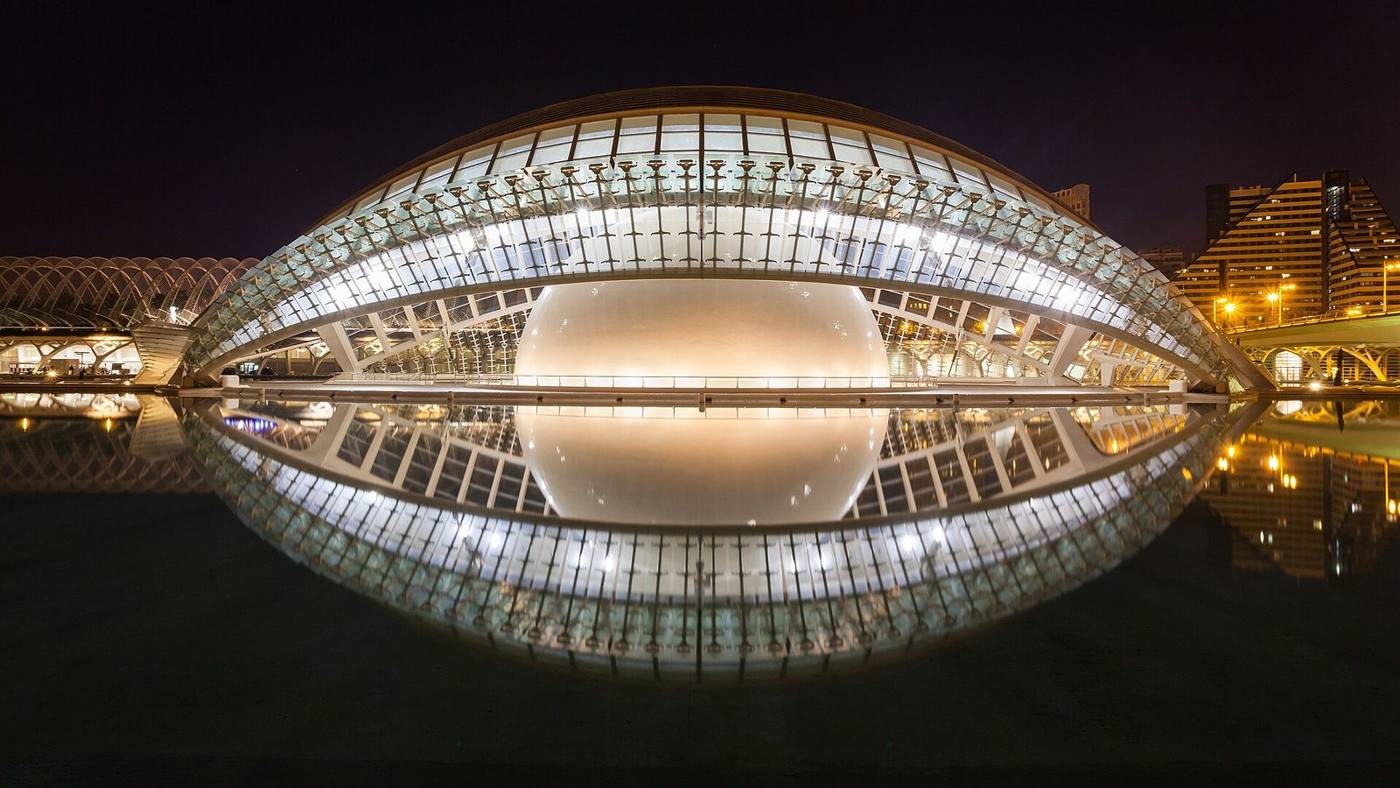
The city of paella: the old town with the Silk Exchange, a UNESCO World Heritage site, the Central Market, the Turia park in the old riverbed, the City of Arts and Sciences, Malvarrosa beach and the Albufera lagoon with its rice fields and sunset boat rides.