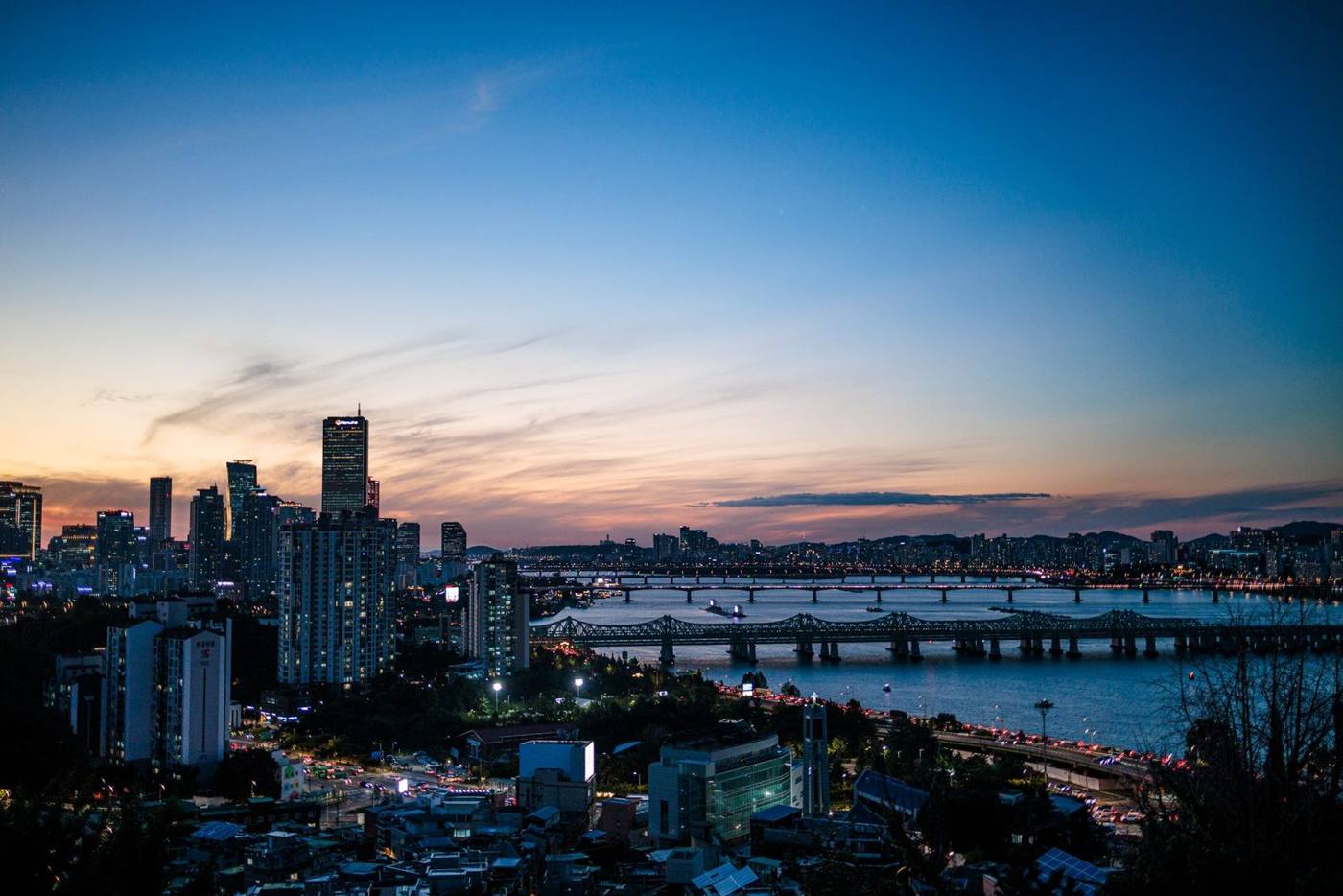
The complete Korea
Two weeks to see it all: Seoul and the DMZ, Seoraksan, Andong, Gyeongju, Busan, Jeonju and a final five days on Jeju Island.
- Seoul
- Sokcho
- Andong
- Gyeongju
- Busan
- Jeonju
- Jeju
Day by day
- Day 1
Arrival in Seoul, Gyeongbokgung and Insadong
This trip is the complete tour of South Korea in two weeks: Seoul with its royal palaces and the DMZ, the granite mountains of Seoraksan, the village of Hahoe near Andong, Gyeongju, the ancient capital of Silla, the seaside city of Busan, Jeonju with its hanok houses and, to finish, four days on the volcanic island of Jeju. You travel by train and bus, then with a domestic flight and a hire car.
Before you go: Italian citizens enter South Korea without a visa for up to 90 days with a passport; the electronic identity card is not enough. The temporary K-ETA exemption is confirmed until 31 December 2026: for trips from 2027, check k-eta.go.kr for any extension. Without an approved K-ETA, fill in the e-Arrival card online within 72 hours before arrival. Other nationalities should check their own rules. The United States rates the country level 1. The UK notes that tension with the North can change with little notice: near the DMZ always follow the advice of the authorities.
You arrive at Incheon airport and take the train to central Seoul, about an hour.
In the afternoon visit Gyeongbokgung, the largest of the royal palaces, built in 1395 at the start of the Joseon dynasty, with its throne hall and the Gyeonghoeru pavilion on the pond. In front of Gwanghwamun gate watch the changing of the guard, with colourful costumes and drums. Check prices and times: the palace closes on Tuesdays.
Towards evening walk around Insadong, among galleries, paper and ceramics shops and tea houses.
Sleep in Seoul for four nights.
Practical tip: buy a T-money card straight away for the metro and buses, which you will use all over the country, and download a Korean maps app, because international ones work poorly.
- Day 2
Changdeokgung, the Secret Garden and Bukchon
Today you see Seoul's best-loved palace, the district of traditional houses and a great market.
In the morning enter Changdeokgung, a UNESCO World Heritage Site, the palace where the Joseon kings lived longest. Its halls do not follow a rigid plan but fit around the hills, among the trees. Book the guided tour of the Secret Garden, called Huwon, the private park of the kings, with the square pond of Buyongji and the wooden pavilions over the water. Places are limited and tours in English run at fixed times. Check prices and times: the palace closes on Mondays.
Then climb to Bukchon, the hanok village on the hill between the two palaces, with its steep lanes and tiled roofs. People live here and in part of the district tourist access is limited to daytime hours: speak quietly, do not enter the courtyards and respect the signs.
In the afternoon take the metro to Gwangjang market, one of the oldest in the city. Sit at the counter of a food stall and try bindaetteok, the mung bean pancake, and mayak gimbap, small rolls of rice and seaweed.
At sunset walk along the Cheonggyecheon, the stream in the city centre reopened in 2005 after decades under an elevated road, with its bridges, stepping stones and lights.
Sleep in Seoul.
Practical tip: if you wear a hanbok, the traditional Korean dress, you usually get a reduction at the entrance of the royal palaces. You can hire one for a few hours in the nearby districts.
- Day 3
The DMZ with an authorised tour
Today you go to the border with North Korea, in the demilitarised zone.
The DMZ is a strip about four kilometres wide that has divided the two Koreas since the end of the Korean War in 1953, when only an armistice was signed and not a peace treaty. You can visit it only on an authorised tour, booked in advance, and with your original passport: photocopies, photos on your phone or an expired passport are not accepted. Visits are closed on Mondays and on some public holidays, and may be cancelled for security reasons or bad weather.
In the morning the tour leaves Seoul heading north. At Imjingak, about an hour away, look at the Freedom Bridge, the old bullet-riddled locomotive and the colourful ribbons left by divided families.
Then go down, wearing a helmet, into the Third Infiltration Tunnel, dug by North Korea under the border and discovered in 1978. The tunnel is low and steep: people with reduced mobility may not be admitted.
From the Dora Observatory you look towards the North, with its fields, hills and villages. Finally you pass through Dorasan station, the last one before the border.
Tourist visits to the Joint Security Area at Panmunjom, the JSA, have been suspended since 2023 and no stable reopening for tourists has been announced: this day does not include it. Check the official news of the Ministry of Unification.
In the afternoon you return to Seoul. In the evening have a Korean barbecue, with meat you cook yourself on the grill in the middle of the table.
Sleep in Seoul.
Practical tip: in the DMZ take photos only where the guide allows it and always follow the soldiers' instructions.
- Day 4
The National Museum, Namsan and Hongdae
Today you see the treasures of ancient Korea and look at the city from above.
In the morning visit the National Museum of Korea, in Yongsan, one of the largest in Asia, set in a park with a pond. Look at the gold crowns of Silla, which you will meet again in Gyeongju, the green celadon ceramics of the Goryeo period and the Room of Quiet Contemplation, with two statues of the pensive bodhisattva in the half-light. Check times.
In the afternoon walk around Myeongdong, the district of Korean cosmetics shops, with street food stalls that open towards evening: skewers of tteok, the rice cake, pancakes and grilled squid.
At sunset climb Namsan hill, on foot along the park paths or by cable car, to Namsan tower, the symbol of the city. From the viewpoint you watch Seoul light up, with the Han river and the mountains all around. Check prices and times.
In the evening, if you still have energy, go to Hongdae, the district around the art university, with street musicians and dancers and places open until late. Try chimaek, fried chicken with beer.
Before going to bed pack a small rucksack for the mountains: tomorrow you leave the capital and for eleven days you will change town often.
Sleep in Seoul.
Practical tip: the Seoul metro has signs in English but closes around midnight. If you stay out later, take an official taxi or a night bus, and avoid the most crowded carriages with luggage at rush hour.
- Day 5
By bus to Sokcho, Abai village and the sea
Today you cross the mountains of Gangwon and reach the east coast.
In the morning take the bus from Seoul to Sokcho, about two and a half hours through valleys and tunnels. Sokcho is a fishing town on the East Sea, at the foot of Seoraksan National Park.
Leave your bags and visit Abai village, founded by refugees from the North during the Korean War. Cross the canal on the small ferry pulled by hand along a rope and try ojingeo sundae, stuffed squid, the speciality of the village.
In the afternoon walk through Sokcho central market, with fish, dried squid and dakgangjeong, the sweet and spicy glazed fried chicken that Koreans buy here in big boxes. Then go down to the long, pale beach and watch the fishing boats.
At sunset climb to the Yeonggeumjeong pavilion, on the cliff, with views over the sea and the harbour. If the sky is clear, to the west you can already see the ridges of Seoraksan turning dark.
In the evening have dinner with fish from the harbour or a spicy seafood soup, and go to bed early: tomorrow you walk.
Sleep in Sokcho for two nights.
Practical tip: check trail closures on the official national parks website, knps.or.kr. In spring and autumn some sections close because of the risk of fire, and the weather in the mountains changes quickly.
- Day 6
Seoraksan: Sinheungsa, Ulsanbawi and Biseondae
Today you enter Seoraksan National Park, a UNESCO biosphere reserve and one of the mountains Koreans love most.
In the morning take the bus from Sokcho to the Seorak-dong entrance, about half an hour. Check prices and times. Just after the entrance you pass the great seated bronze Buddha looking over the valley, and visit Sinheungsa temple, one of the oldest mountain temples in Korea, among the woods and rock walls.
Then climb towards Ulsanbawi, a great granite wall with six rounded peaks, at about 870 metres. The path passes the small hermitage of Gyejoam, built under a rock, and the rocking stone of Heundeulbawi. The last part is a long, steep metal staircase with hundreds of steps. From the top you see the East Sea, Sokcho and the ridges of Seoraksan. Allow about four hours there and back.
If the climb seems too much, take the cable car to Gwongeumseong fortress instead, with a similar view and less effort. Check prices and times.
In the afternoon walk to Biseondae, a valley of great granite slabs polished by the water, with green pools, on an almost flat path.
In the evening return to Sokcho and rest your legs.
Sleep in Sokcho.
Practical tip: on the Ulsanbawi staircase there is often a strong wind. Do not climb in rain or ice and bring gloves, because the metal handrails are cold.
- Day 7
Andong and Hahoe village
Today you head south, into the heart of Confucian Korea.
Early in the morning leave Sokcho by bus. There is no fast connection between the east coast and Andong: the journey takes a good part of the morning, often with a change. Check the times the day before. Andong calls itself the capital of the Korean spirit, because the great families of Joseon dynasty scholars lived here for centuries.
From the town take the bus or a taxi to Hahoe village, about forty minutes away. Hahoe is a UNESCO World Heritage Site: the Nakdong river makes a great S-shaped bend around the houses, and the name means precisely river that turns. The Pungsan Ryu clan has lived here for centuries, in wooden houses with tiled roofs for the noble families and thatched roofs for the farmers.
Walk among the earth lanes and stone walls, enter the courtyards open to the public and pass under the old sacred tree in the middle of the village. People live here: speak quietly and do not enter private houses. If it is on, watch the Hahoe mask dance, which mocks nobles and monks. Check prices and times.
At sunset cross the river and climb the Buyongdae cliff, from where you see the whole village in the bend.
In the evening have dinner in Andong with jjimdak, chicken braised in a sweet and spicy soy sauce with sweet potato noodles.
Sleep in Andong, or in a hanok in the village.
Practical tip: in a hanok you sleep on a mattress on the heated floor, called ondol. Leave your shoes outside the room and bring slippers.
- Day 8
Gyeongju: the royal tumuli and Wolji pond
Today you reach Gyeongju, the capital of the Silla kingdom for almost a thousand years, an open-air museum of tombs, temples and ruins.
In the morning take the train or bus from Andong to Gyeongju: check the times. Leave your bags and hire a bicycle, because distances in the centre are short and the roads are flat.
Start at the Daereungwon tumuli park, with the great grassy mounds covering the tombs of the kings and queens of Silla. Go inside the Cheonmachong tomb, open to visitors, where a painting of a heavenly horse was found on a birch bark saddle flap, together with a gold crown. Check prices and times.
Not far away rises Cheomseongdae, a bottle-shaped stone tower from the 7th century, considered one of the oldest astronomical observatories in East Asia.
In the afternoon visit the Gyeongju National Museum, with the gold crowns, the jewellery and the great bronze bell of King Seongdeok. Check times.
At sunset go to Donggung palace and Wolji pond, the old garden of the crown prince. When the lights come on, the pavilions are reflected in the water.
In the evening walk along Hwangnidan-gil, the street of hanok turned into cafés and small shops, and try Gyeongju bread, filled with red bean paste.
Sleep in Gyeongju for two nights.
Practical tip: the sites in the centre are part of the Gyeongju Historic Areas, a UNESCO World Heritage Site. By bicycle you can see them all in one day, but bring water and sun cream.
- Day 9
Bulguksa and the Seokguram grotto
Today you visit the two masterpieces of Korean Buddhism, on the hills east of the city.
Early in the morning take the bus or a taxi to Bulguksa temple, built in the 8th century and a UNESCO World Heritage Site. Look at the stone stairways of the Blue Cloud Bridge and the White Cloud Bridge, which symbolically led to the world of the Buddha. In the main courtyard stand the two stone pagodas: Dabotap, richly decorated, and Seokgatap, simple and elegant. Check prices and times.
Then take the bus or walk along the woodland path to the Seokguram grotto, on Mount Tohamsan. Inside a man-made granite chamber sits a great white Buddha looking towards the East Sea, surrounded by bodhisattvas and guardians carved in stone. You see the grotto behind glass and photos are not allowed. Check prices and times.
In the afternoon take the bus to Yangdong village, north of the city, a UNESCO World Heritage Site together with Hahoe. It is larger and less visited, with the houses of the Son and Yi clans scattered over the hills and thatched roofs among the trees. Walk quietly among the inhabited houses.
In the evening return to Gyeongju and have ssambap for dinner, rice with many side dishes to wrap in lettuce leaves.
Sleep in Gyeongju.
Practical tip: in spring and autumn many groups come to Bulguksa and Seokguram. Leave on the first morning bus to see the temples in peace.
- Day 10
Busan: Gamcheon, Jagalchi and Gwangan Bridge
Today you reach the sea at Busan, Korea's second city and its great port.
In the morning take the KTX train from Singyeongju station to Busan, about half an hour. Leave your bags and go up to Gamcheon Culture Village, on the hills west of the port. Born as a refugee district during the Korean War, today it is a maze of colourful terraced houses, stairways, murals and small galleries. Take the bus or a taxi to the top and then walk down. People live here: speak quietly.
Around midday go down to Jagalchi fish market, the largest in Korea, with stalls of octopus, crabs, shellfish and live fish. Upstairs they cook what you have chosen at the stall. Then walk through Gukje market, a few steps away, and try ssiat hotteok, the sweet pancake filled with seeds.
In the afternoon take the metro to Haeundae, the most famous beach in the country, and walk the path around the islet of Dongbaekseom, among camellias and pines on the rocks.
At sunset go to Gwangalli beach and watch the great Gwangan Bridge light up in colours over the bay.
In the evening try dwaeji gukbap, pork soup with rice, the typical dish of Busan.
Sleep in Busan.
Practical tip: the T-money card also works on the Busan metro. Between Haeundae and the old centre allow about an hour of travel.
- Day 11
Jeonju, the hanok village and bibimbap
Today you cross the south of the peninsula westwards, to the city of good food.
In the morning, if you wake up early, take a taxi to Haedong Yonggungsa temple, built on the rocks along the coast east of Busan, with its halls and lanterns facing the waves. Then take the bus to Jeonju, about three hours. Check the times.
In the afternoon walk through the Jeonju hanok village, with hundreds of traditional houses with curved tiled roofs. Visit Gyeonggijeon, the shrine built in 1410 for the portrait of Taejo, the founder of the Joseon dynasty, whose family came from Jeonju. Check prices and times. Opposite stands Jeondong Cathedral, in red brick, built where the first Korean Catholic martyrs were killed.
Go into a workshop of hanji paper, the traditional paper made from mulberry bark, for which Jeonju has been famous for centuries.
At sunset climb to the Omokdae pavilion, on the hill, to see the roofs of the village.
In the evening eat Jeonju bibimbap, rice with vegetables, meat, egg and chilli paste, served in a brass bowl. If you like, also try a jug of makgeolli, the cloudy rice wine.
Sleep in Jeonju, in a hanok if you wish.
Practical tip: the Nambu night market, next to the village, usually opens only on Friday and Saturday evenings. If you arrive on those days, have dinner there among the stalls.
- Day 12
Flight to Jeju and the north-east coast
Today you leave the peninsula and fly to the volcanic island of Jeju, where you spend the last four days.
In the morning have kongnamul gukbap for breakfast, the soybean sprout soup with rice that is typical of Jeonju. Jeonju has no airport: take the bus to a nearby airport, such as Gwangju, and from there the flight to Jeju, less than an hour. Check times and connections before booking.
Jeju is an island of lava and volcanic cones, with Hallasan in the middle. The volcanic island and its lava tubes are a UNESCO World Heritage Site. Here a car is the best choice: pick it up at the airport and follow the coast road east.
Stop at Hamdeok beach, with its pale sand and turquoise water, and climb the small volcanic hill next to it, Seoubong. Continue to Woljeong-ri, with its low black stone walls and emerald sea.
Along the way look at the fields enclosed by basalt walls and the dolharubang stone statues, the stone grandfathers that are the symbol of the island.
In the evening you reach Seongsan, on the eastern tip, and have dinner with grilled Jeju black pork.
Sleep in Seongsan for two nights.
Practical tip: to hire a car in Korea you need your national driving licence and an International Driving Permit. The roads are excellent, but there are many speed cameras: keep to the limits, which are often lower than you expect on the coast roads.
- Day 13
Sunrise on Seongsan Ilchulbong and the haenyeo
Today you see the most famous sunrise in Korea and meet the women of the sea.
Before dawn climb Seongsan Ilchulbong, Sunrise Peak, a tuff cone formed by an underwater eruption, with a great crown-shaped crater. The climb, with steps, takes about half an hour; from the top you watch the sun rise out of the sea. Check prices and times, which change with the seasons.
Then go down to the small bay at the foot of the peak, where the haenyeo often show their work. They are women who dive holding their breath, without tanks, to gather sea urchins, shellfish and seaweed, often until an advanced age. Their culture is inscribed by UNESCO. Check the times of the demonstrations.
Mid-morning visit the Haenyeo Museum at Hado, about twenty minutes away, with photos, tools and the stories of these communities. Check prices and times.
In the afternoon enter the Manjanggul lava tube, a long gallery carved by lava, with walls marked by the flows and a great lava column at the end of the section open to visitors. Check prices, times and whether you need to book. Inside it is cool all year: bring a jacket.
If you have time left, climb an oreum, one of the small volcanic cones inland, to watch the sunset over the fields.
In the evening try the island's seafood dishes, such as abalone porridge or rice with sea urchin.
Sleep in Seongsan.
Practical tip: for the sunrise check the time of sunrise the day before and arrive at least forty minutes early. At the top it is windy even in summer.
- Day 14
Seogwipo, the waterfalls and the Olle trail
Today you go down to the south coast, the greenest and warmest part of the island.
In the morning drive from Seongsan to Seogwipo, about an hour. Visit Jeongbang waterfall, one of the few in Asia that fall straight into the sea, from a cliff of dark rock. Then go to Cheonjiyeon waterfall, in a green gorge a few minutes from the harbour, reached by a short walk. Check prices and times.
Mid-morning walk a section of the Olle trail, the network of footpaths that circles the island, divided into more than twenty stages. The section starting from Oedolgae rock, a lava pillar rising out of the sea, follows the cliffs, pine woods and small bays. Follow the blue and orange ribbons tied to the trees.
In the afternoon drive west to the Jusangjeolli cliffs, hexagonal basalt columns formed by lava that cooled on contact with the sea. When the sea is rough the waves rise high against the columns. Check prices and times.
If you prefer the mountains, you can spend the day on Hallasan, the highest peak in South Korea: you need an online booking on the park website and a full day of walking.
In the evening walk through Seogwipo market, with the island's tangerines, fish and small street dishes.
Sleep in Seogwipo.
Practical tip: Jeju is famous for its tangerines, harvested in winter. Try the fresh juice and the tangerine sweets sold all over the island.
- Day 15
Hyeopjae beach and departure
Today you leave the island and Korea.
In the morning drive north along the west coast. Stop at Hyeopjae beach, with white sand, clear water and the small island of Biyangdo in front. Then reach Jeju city and, if you have time, walk through Dongmun market, the largest on the island, or go to Yongduam rock, near the airport, a lava rock that looks like a dragon's head.
Return the car and take the flight to Seoul. For flights to Europe go to Incheon: leave at least half a day between the domestic flight and the international one.
In these fifteen days you have seen all of South Korea: the palaces, markets and districts of Seoul, the DMZ on the border with the North, Abai village and the Ulsanbawi staircase in Seoraksan, Hahoe village in the river bend, the royal tombs, Bulguksa and Seokguram in Gyeongju, Busan with Gamcheon and Jagalchi market, the Jeonju hanok village and the island of Jeju, with the Seongsan crater, the haenyeo, the waterfalls and the basalt columns.
When to go: the best months are April and May and from September to November, with mild weather. At the end of October autumn colours cover the mountains and palaces. Summer is hot and humid, with the monsoon from late June into July, and from June to November there can be a risk of typhoons, above all on Jeju. Winter is cold and dry on the peninsula.
Before leaving buy something to take home: green tea, Korean cosmetics, hanji paper or a small Hahoe mask.
Practical tip: there are a great many flights a day between Jeju and Seoul. Do not book the last flight if you have an international connection the same day.
The full tour for those with two weeks: Korea is small and well connected, so the pace stays manageable. Domestic flights to Jeju are cheap and frequent. A car helps for the last part. In late October autumn colours cover the whole country.
Before you go
- Documents and visa
- Passport valid for the whole stay; you can enter without a visa for up to 90 days for tourism. British visitors are temporarily exempt from the K-ETA until 31 December 2026: for trips from 2027, check the official site k-eta.go.kr for any extension, otherwise apply for the K-ETA online at least 72 hours before boarding. Anyone without an approved K-ETA fills in the e-Arrival card on the official site e-arrivalcard.go.kr within 72 hours before arrival.
- Health and vaccines
- No compulsory vaccinations. Healthcare is excellent but expensive for foreigners: take insurance with high medical cover. Emergencies: police 112, ambulance and fire 119; English tourist line 1330.
- Money and payments
- South Korean won. Cards work almost everywhere, even for small amounts; for metro and buses buy a rechargeable T-money card. Keep some cash for markets.
- Power sockets
- Types C and F, 220 volts: you need an adapter for British plugs.
- Time zone
- UTC+9 all year, nine hours ahead of the UK in winter, eight in summer.
- Safety
- South Korea is a very safe country and the United States rates it level 1, the lowest. The UK does not advise against any area, but notes that tension with North Korea can change with little notice: near the DMZ follow the advice of the local authorities. Drug laws are very strict, even for small amounts. Typhoons are possible from June to November. Official advice: GOV.UK.
Information checked in November 2026 for Italian and EU citizens. Rules change: always check before you travel.
Variations
In 10 days: drop Sokcho and Jeonju and cut Jeju to two days, with Seongsan Ilchulbong and the Seogwipo waterfalls.
In 18 days: add the climb of Hallasan on Jeju and two days in Jeolla, with the Damyang bamboo forest and the Boseong tea plantations.
Frequently asked questions
Do I need a car for this trip?
Not on the peninsula: KTX trains, buses and metros connect all the stops well, and the T-money card works almost everywhere. On Jeju, however, a car is much more convenient, because the sights are spread out. You need your national driving licence and an International Driving Permit.
Can I visit Panmunjom, the JSA?
Tourist visits to the JSA have been suspended since 2023 and no stable reopening for tourists has been announced. The DMZ tour on this trip includes Imjingak, the Third Tunnel, the Dora Observatory and Dorasan station, with your original passport.
Is the pace too fast?
No, because Korea is small and well connected: the longest journeys are from Sokcho to Andong and from Busan to Jeonju, half a day each. If you want a calmer pace, drop Jeonju or one night in Sokcho.
Indicative itinerary written by World Atlas. Before booking, check timetables, seasonal openings, documents and safety.
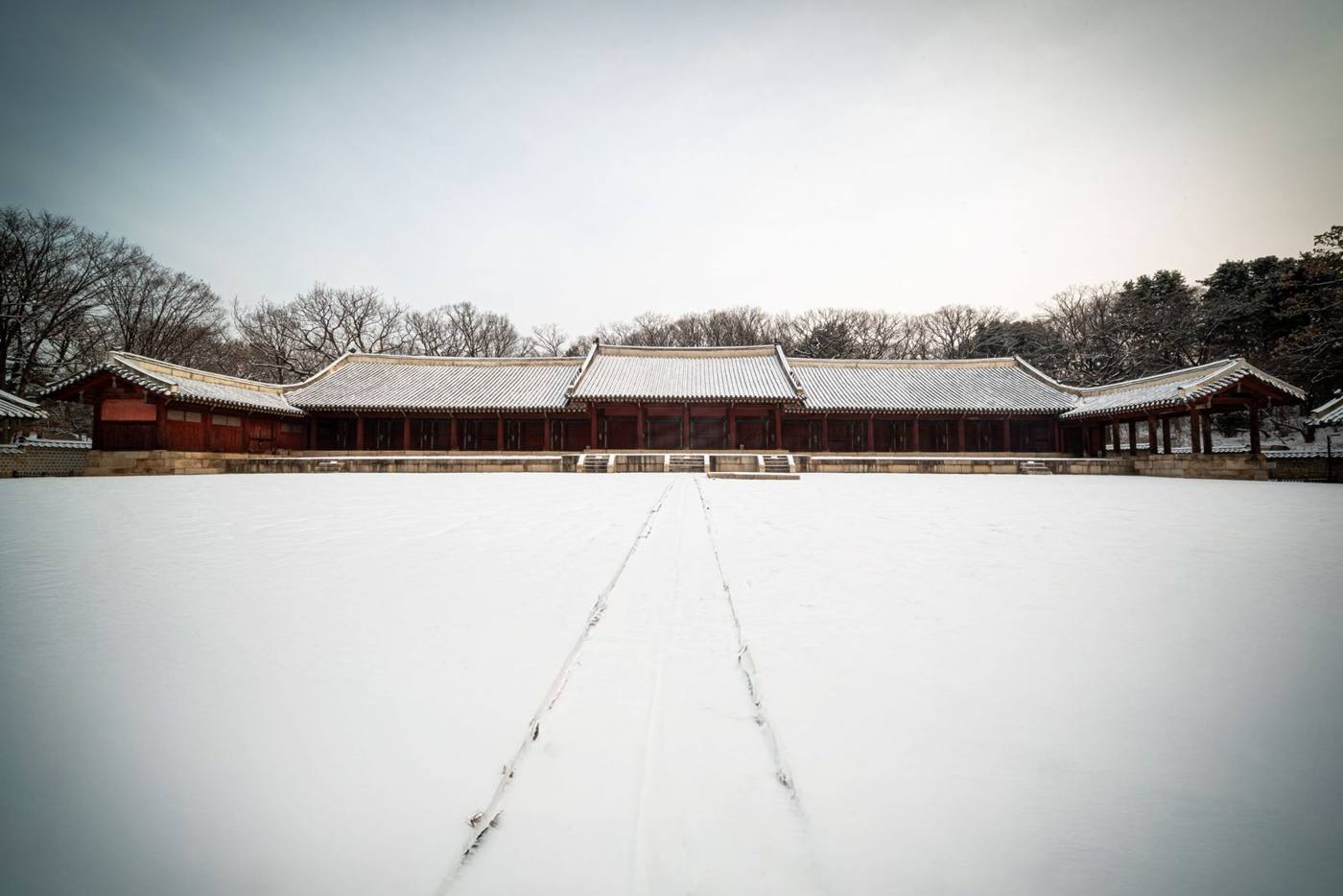 6 daysEasy
Seoul and around in winter
Korea in winter: palaces under snow, the Hwacheon ice festival, skiing in Pyeongchang and jjimjilbang saunas to warm up.
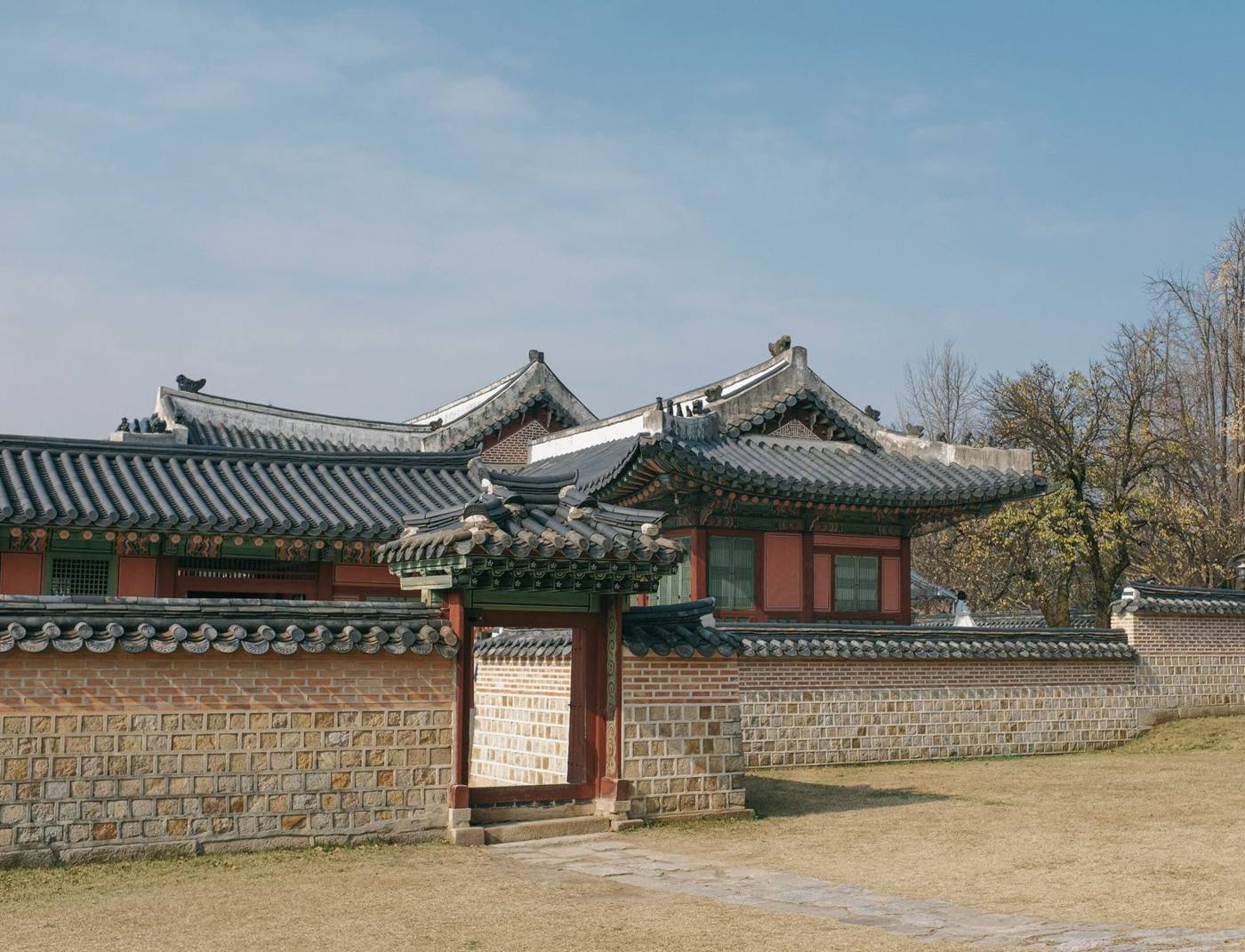 6 daysEasy
Seoul and the DMZ
Royal palaces and Bukchon village, Gwangjang and Myeongdong markets, the modern districts and a day at the border with North Korea.
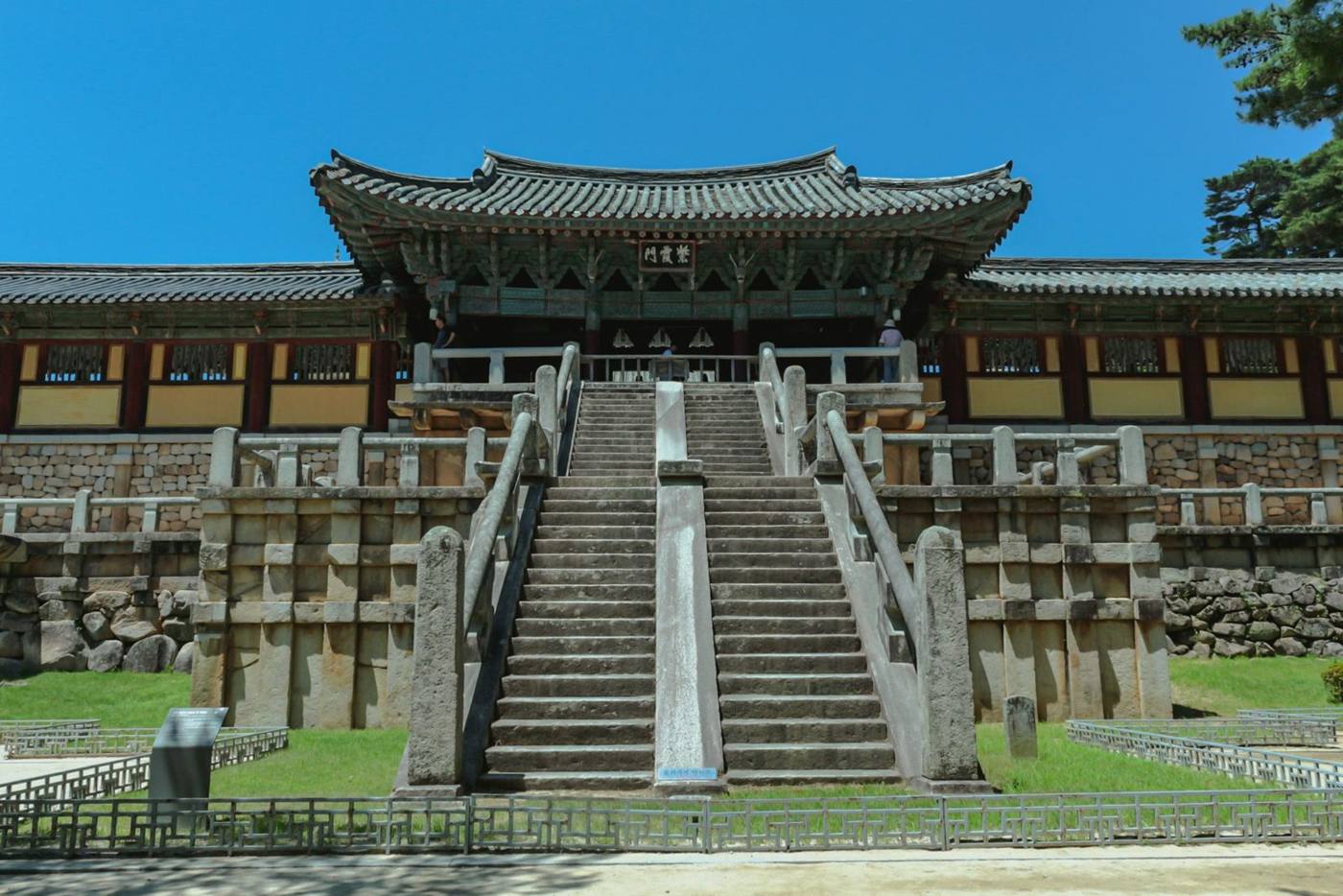 10 daysEasy
Classic Korea: Seoul, Gyeongju and Busan
Seoul, the ancient Silla capital of Gyeongju with Bulguksa Temple, the village of Andong and the seaside city of Busan, by KTX fast train.