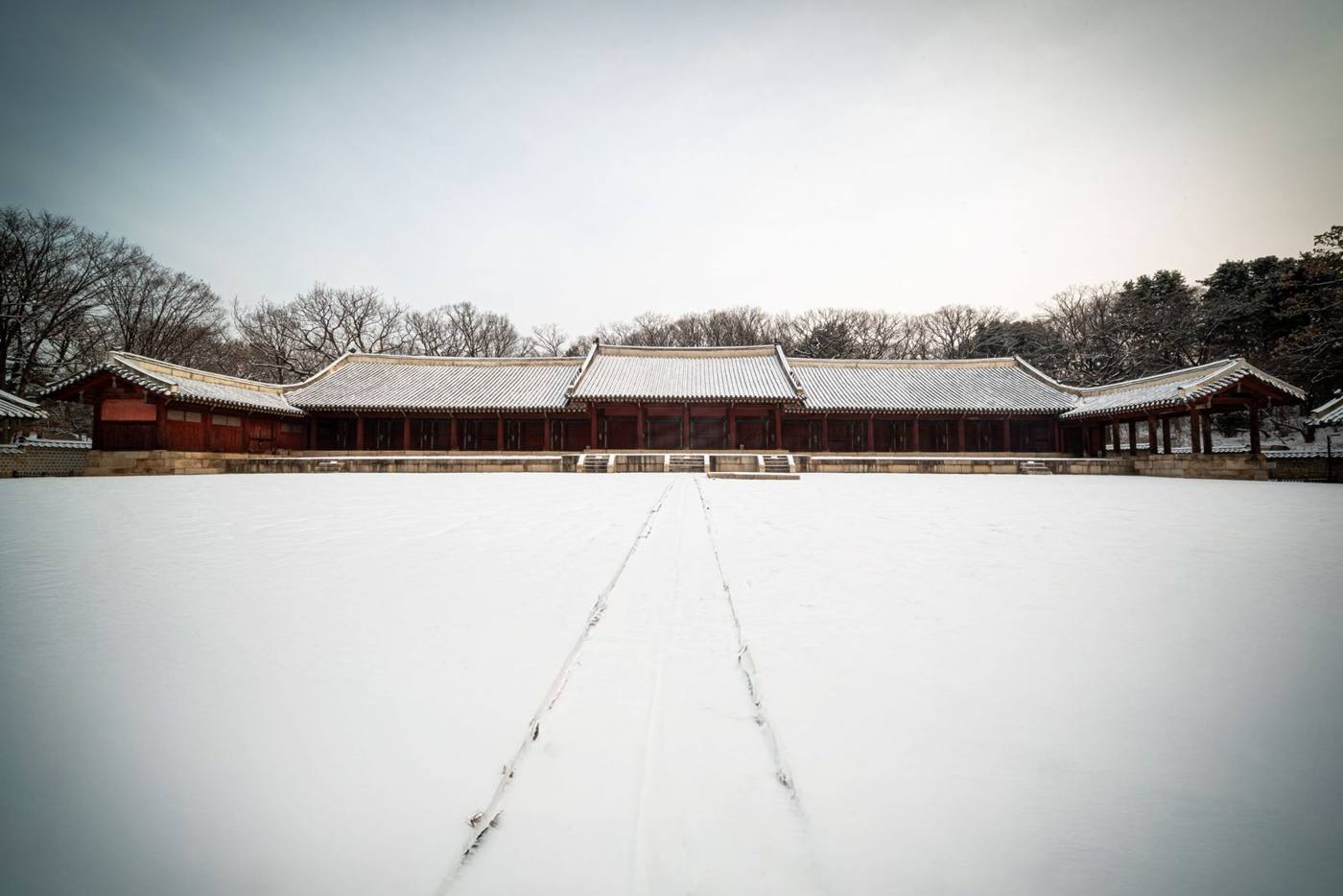
Seoul and around in winter
Korea in winter: palaces under snow, the Hwacheon ice festival, skiing in Pyeongchang and jjimjilbang saunas to warm up.
- Seoul
- Hwacheon
- Pyeongchang
- Gangneung
- Seoul
Day by day
- Day 1
Seoul in winter: Gyeongbokgung and Gwangjang market
This trip shows you Korea in winter: the palaces of Seoul under snow, the Hwacheon ice festival with fishing through holes in the frozen river, the snow of Pyeongchang, host of the 2018 Winter Olympics, and sunrise over the sea at Gangneung. You travel by KTX train and bus.
Before you go: Italian citizens enter South Korea without a visa for up to 90 days with a passport; the electronic identity card is not enough. The temporary K-ETA exemption is confirmed until 31 December 2026: for trips from 2027, check k-eta.go.kr for any extension. Without an approved K-ETA, fill in the e-Arrival card online within 72 hours before arrival. Other nationalities should check their own rules. The country is very safe, rated level 1 by the United States.
You arrive at Incheon airport and take the train to central Seoul.
In the afternoon visit Gyeongbokgung, the largest royal palace of the Joseon dynasty, built in 1395, with painted wooden halls, courtyards and the Gyeonghoeru pavilion on its pond, often frozen in winter. With snow the curved roofs turn white and the palace is quieter. Check prices and times: it closes on Tuesdays.
At sunset walk among the hanok houses of Bukchon, on the nearby hill, respecting the residents' peace.
In the evening go to the covered Gwangjang market, one of the oldest in Seoul, and eat sitting at the warm stalls: bindaetteok, a fried mung bean pancake, and the small rice rolls called mayak gimbap.
Sleep in Seoul for two nights.
Practical tip: in January the temperature in Seoul often drops below minus ten degrees, with a dry wind. Dress in layers, with a padded jacket, hat, gloves and warm shoes, and carry hand warmers, sold in every convenience store.
- Day 2
Changdeokgung, Jongmyo and the jjimjilbang sauna
Today you visit the palace Koreans love most and discover how they keep warm in winter.
In the morning visit Changdeokgung, a UNESCO World Heritage Site, the palace where the Joseon kings lived longest, built to follow the shape of the hills. Behind the palace lies the Secret Garden, called Huwon, with ponds, pavilions and woods, which you can visit only on a guided tour with limited places. Book ahead. Check prices and times: the palace closes on Mondays.
Then visit Jongmyo shrine, a UNESCO World Heritage Site, where the spirit tablets of the Joseon kings and queens are honoured, with its very long wooden main hall, one of the most solemn buildings in Korea. Check prices, times and how visits work.
In the afternoon warm up with winter street food: hotteok, a pancake filled with brown sugar and nuts, bungeoppang, a fish-shaped cake filled with red bean paste, and skewers of eomuk, fish cake in hot broth.
In the evening try a jjimjilbang, the Korean public sauna, open until late and sometimes all night. You receive a T-shirt and shorts, then move between the hot baths, separated for men and women, and the shared warm rooms, with heated floors and clay or salt rooms. People eat eggs baked in the sauna and drink sikhye, a sweet rice drink.
Sleep in Seoul.
Practical tip: you enter the baths of a jjimjilbang naked, after a full shower. If you have large tattoos, some places may ask you to cover them. Bring a small towel or buy one at the entrance.
- Day 3
The Hwacheon ice festival
Today you go ice fishing, as thousands of Koreans do every January.
Early in the morning take the bus from Seoul to Hwacheon, in Gangwon province, about two hours, among the mountains near the northern border, in a quiet area open to visitors.
The Hwacheon ice festival usually runs for a few weeks in January, on the frozen river. You sit on a small stool in front of a hole in the ice and fish for mountain trout with a short rod. There is also bare-handed fishing in a pool of icy water, for the brave, plus sledging, skating and ice sculptures. You can have the fish you catch grilled or prepared as sashimi in the tents near the river. Check prices, dates and times on the official website: the festival depends on the thickness of the ice and in mild winters it may be shortened or postponed.
If you are not travelling in January, replace the day with a visit to Chuncheon, on the lake, and try dakgalbi, spicy chicken stir-fried on a large hotplate with cabbage and sweet potato.
In the afternoon continue by bus or car east to Pyeongchang, about two and a half hours.
In the evening have a hot chicken or beef soup for dinner.
Sleep in Pyeongchang for two nights.
Practical tip: it is very cold on the ice, even in sunshine. Bring hand warmers, wool socks, padded trousers and a cushion for the stool. Arrive early, because the best spots fill up quickly, especially at weekends, and queues for the fishing areas can be long.
- Day 4
Pyeongchang: skiing, snowshoes and the fir forest
Today you spend a day in the snow of the Gangwon mountains.
In the morning choose between skiing and snowshoeing. Pyeongchang has several well-run ski resorts, with slopes for all levels, equipment hire and lessons, some in English. Korean slopes are not comparable with the Alps, but the snow is good and the resorts are close together. Check prices and times.
If you prefer walking, hire snowshoes and climb the Daegwallyeong ridge, with white hills, wind turbines and views over the mountains to the sea on clear days. It is one of the winter hikes Koreans love most.
In the afternoon go to Odaesan National Park and walk through the fir forest that leads to Woljeongsa temple, a level path among very tall trees covered in snow. Visit the temple, with its nine-storey stone pagoda in the courtyard, then, if you have time, continue on the path along the stream. Check prices, times and winter trail closures on the national park website.
In the evening try hwangtae, pollack dried in the cold mountain air of winter until it turns yellow and soft. You find it in soup or grilled with chilli sauce.
Sleep in Pyeongchang.
Practical tip: at Daegwallyeong the wind is very strong and the felt temperature can drop far below zero. Cover your face and hands, stay on the marked trails and check the weather before you set off. Days are short in winter, so start early and be back before dark.
- Day 5
Gangneung: sunrise, coffee by the sea and Ojukheon
Today you go down to the East Sea.
Early in the morning take the KTX train or drive from Pyeongchang to Gangneung, less than half an hour. If you want to see the sunrise, leave earlier and go to Gyeongpo beach or Jeongdongjin, by the sea, where Koreans go to watch the first sun of the year. In winter the sky is often clear and the sun rises red over the horizon.
Mid-morning visit Ojukheon, the traditional house where the philosopher Yi I, known as Yulgok, and his mother Sin Saimdang, a painter and poet, were born. They are so important that they appear on Korean banknotes: him on the five thousand won note, her on the fifty thousand. The garden has the black bamboo that gives the house its name. Check prices and times.
For lunch eat Chodang sundubu, soft tofu made with seawater, a Gangneung speciality, in soup or plain.
In the afternoon go to Anmok coffee street, along the beach, where many cafés have windows over the sea. Gangneung is considered the coffee capital of Korea and holds a coffee festival every year.
At sunset walk around Gyeongpo lake and climb to the Gyeongpodae pavilion, where tradition says you can see five moons: in the sky, in the lake, in the sea, in your glass and in the eyes of your loved one.
Sleep in Gangneung.
Practical tip: on the east coast there is more sun in winter than in Seoul, but the sea wind is cold. Keep your hat and gloves on, even for sunrise on the beach.
- Day 6
Back to Seoul by KTX and departure
Today you return to Seoul and leave Korea.
In the morning, if you have time, visit Gangneung central market, with dried fish, Gangwon potatoes and hot pancakes, or take a last walk on the beach.
Then take the KTX train from Gangneung to Seoul, about two hours, through the snowy mountains. From Seoul reach Incheon airport by train.
In these six days you have seen Korea in winter: Gyeongbokgung and Changdeokgung under snow, Jongmyo shrine, hot street food and the jjimjilbang sauna, ice fishing at Hwacheon, the snow of Pyeongchang, the fir forest of Woljeongsa and sunrise over the sea at Gangneung.
When to go: this trip is designed for December to February. January is the coldest month, often below minus ten degrees, and the month of the Hwacheon festival. December and February are a little less cold and quieter. It is the low season: flights and accommodation cost less, except during the Lunar New Year holidays, between January and February, when Koreans travel in great numbers and many shops close.
Before leaving, buy something to take home: Gangneung coffee, rice cakes or a pack of roasted seaweed.
Practical tip: buy KTX tickets a few days ahead, especially for Sundays. In snow the trains stay on time, but buses and mountain roads can be slower: leave a margin before your flight, and check the airport train timetable the night before.
A different, cheaper Korea in the low season. The cold is dry and intense, often below -10°C in January. The Hwacheon festival depends on the ice and can be scaled down in mild winters. Korean ski slopes are well run but not comparable to the Alps: skiing is an extra, not the reason for the trip.
Before you go
- Documents and visa
- Passport valid for the whole stay; you can enter without a visa for up to 90 days for tourism. British visitors are temporarily exempt from the K-ETA until 31 December 2026: for trips from 2027, check the official site k-eta.go.kr for any extension, otherwise apply for the K-ETA online at least 72 hours before boarding. Anyone without an approved K-ETA fills in the e-Arrival card on the official site e-arrivalcard.go.kr within 72 hours before arrival.
- Health and vaccines
- No compulsory vaccinations. Healthcare is excellent but expensive for foreigners: take insurance with high medical cover. Emergencies: police 112, ambulance and fire 119; English tourist line 1330.
- Money and payments
- South Korean won. Cards work almost everywhere, even for small amounts; for metro and buses buy a rechargeable T-money card. Keep some cash for markets.
- Power sockets
- Types C and F, 220 volts: you need an adapter for British plugs.
- Time zone
- UTC+9 all year, nine hours ahead of the UK in winter, eight in summer.
- Safety
- South Korea is a very safe country and the United States rates it level 1, the lowest. The UK does not advise against any area, but notes that tension with North Korea can change with little notice: near the DMZ follow the advice of the local authorities. Drug laws are very strict, even for small amounts. Typhoons are possible from June to November. Official advice: GOV.UK.
Information checked in November 2026 for Italian and EU citizens. Rules change: always check before you travel.
Variations
In 4 days: Seoul and Pyeongchang, there and back by KTX, without Hwacheon and Gangneung.
In 8 days: add two days in Seoraksan National Park, on the coast north of Gangneung, with the cable car and snowy mountains.
Frequently asked questions
When is the Hwacheon ice festival?
Usually for a few weeks in January. Dates change every year and depend on the ice: in mild winters the festival may be shortened or postponed. Check the official website before you go.
Is skiing in Korea worth it?
The Pyeongchang resorts are well run and close together, with good snow, but they are smaller than those in the Alps. Skiing is an extra on this trip, not the main reason for it.
What is a jjimjilbang?
It is a Korean public sauna with hot baths separated for men and women and large heated shared rooms, where you wear the T-shirt and shorts provided at the entrance. Many stay open until late.
Indicative itinerary written by World Atlas. Before booking, check timetables, seasonal openings, documents and safety.
 6 daysEasy
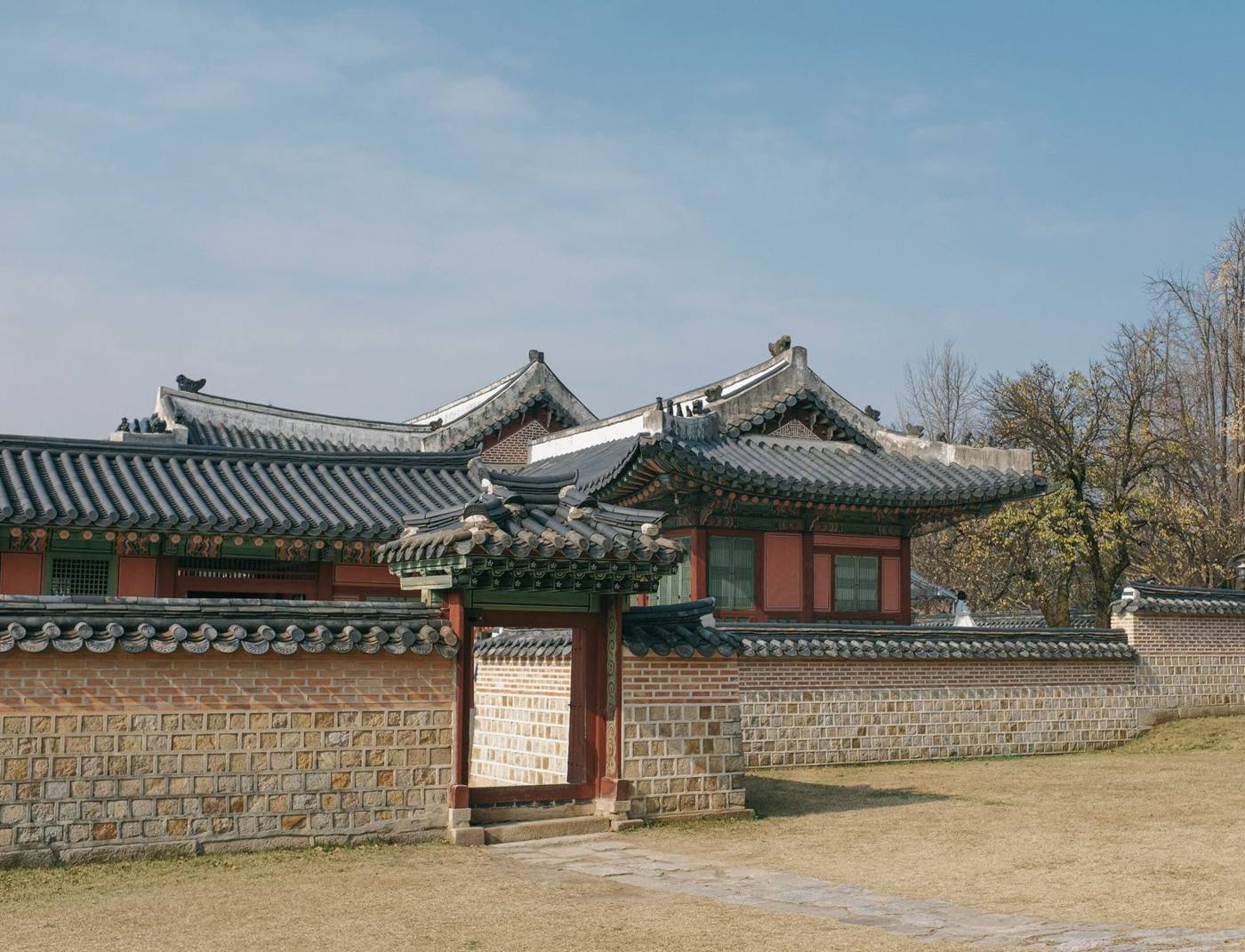
Seoul and the DMZ
Royal palaces and Bukchon village, Gwangjang and Myeongdong markets, the modern districts and a day at the border with North Korea.
 10 daysEasy
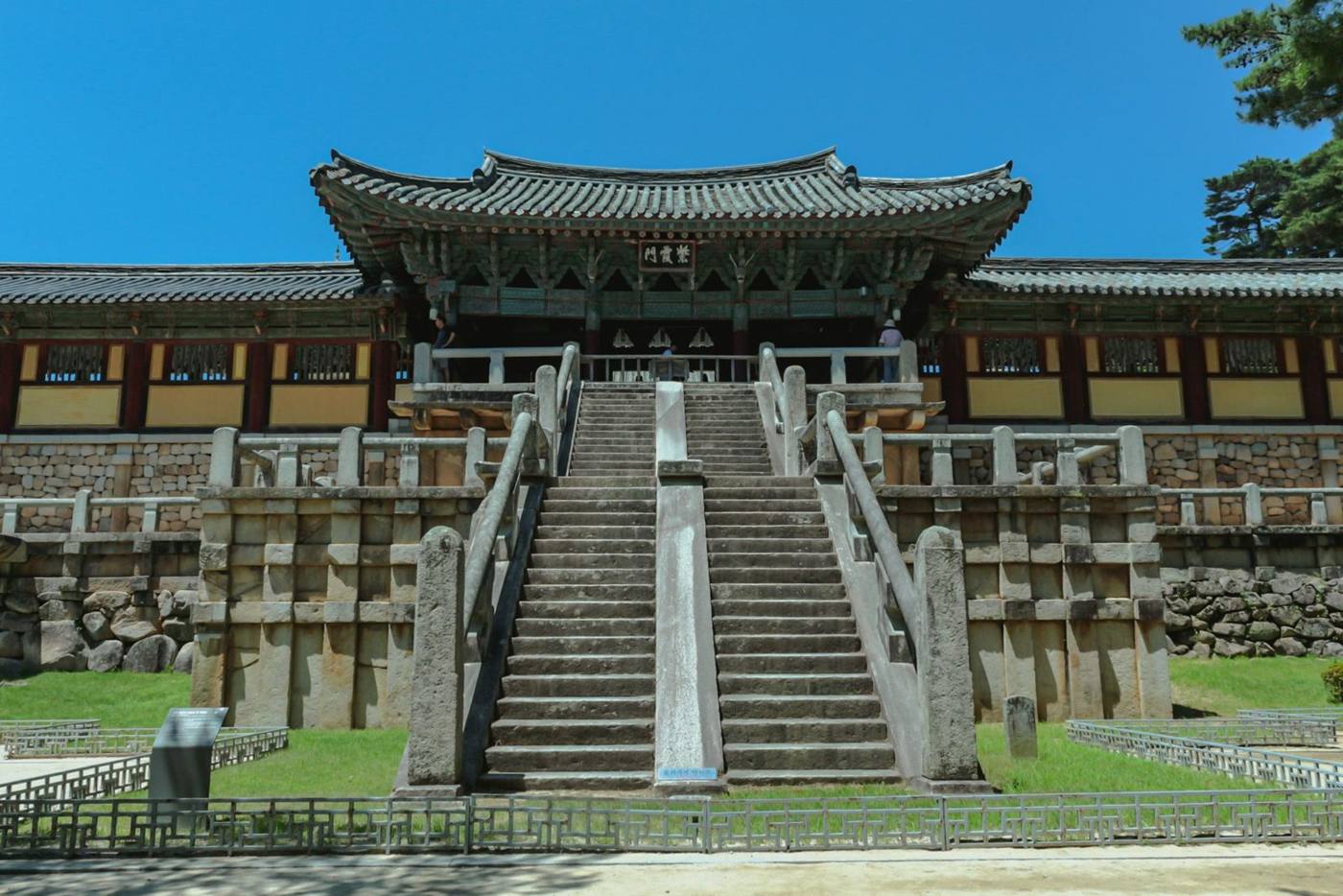
Classic Korea: Seoul, Gyeongju and Busan
Seoul, the ancient Silla capital of Gyeongju with Bulguksa Temple, the village of Andong and the seaside city of Busan, by KTX fast train.
 5 daysEasy
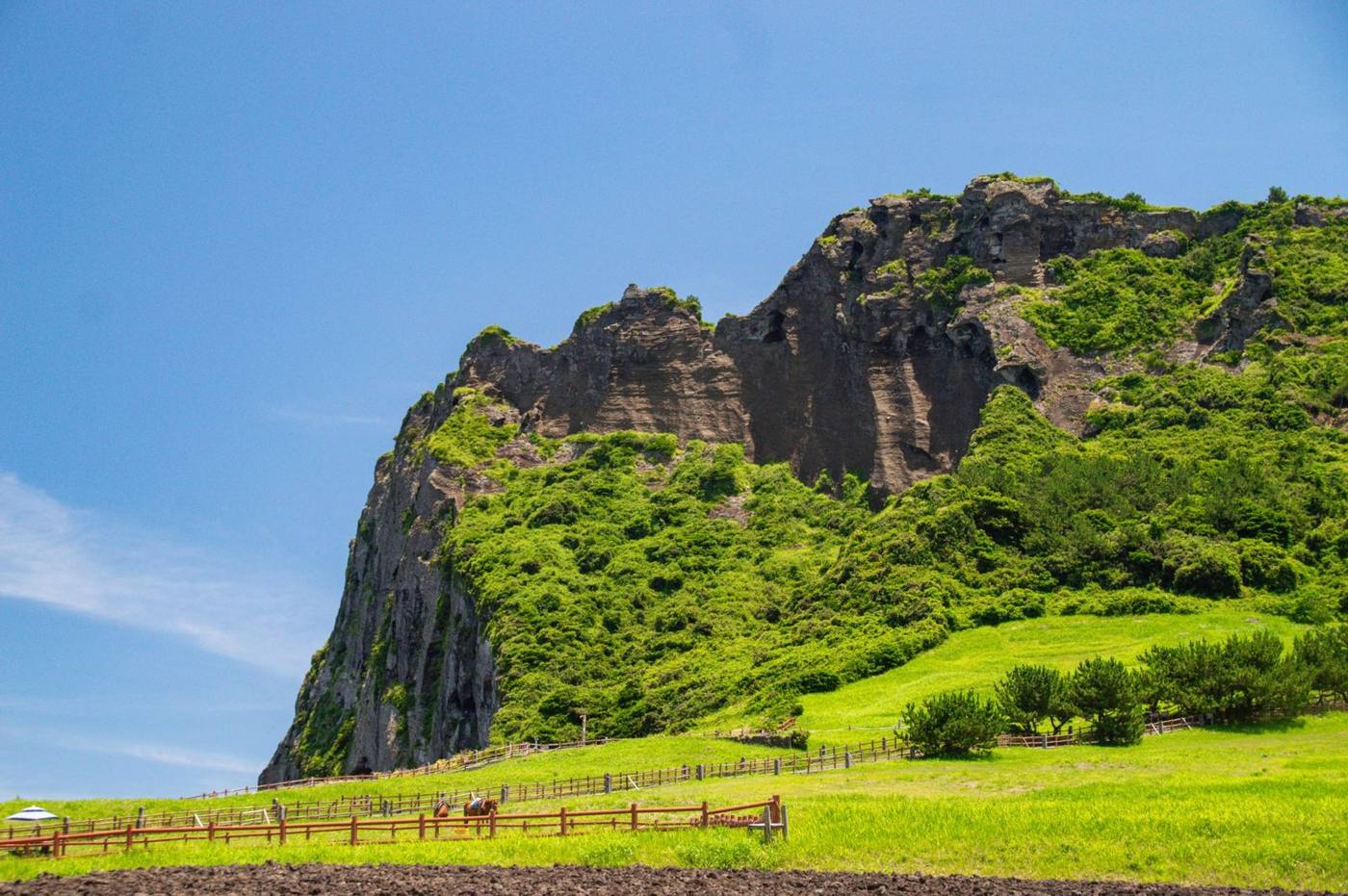
Jeju Island
Korea's volcanic island: sunrise on the Seongsan crater, the climb up Hallasan, lava tubes, the haenyeo women divers and the Olle trails.