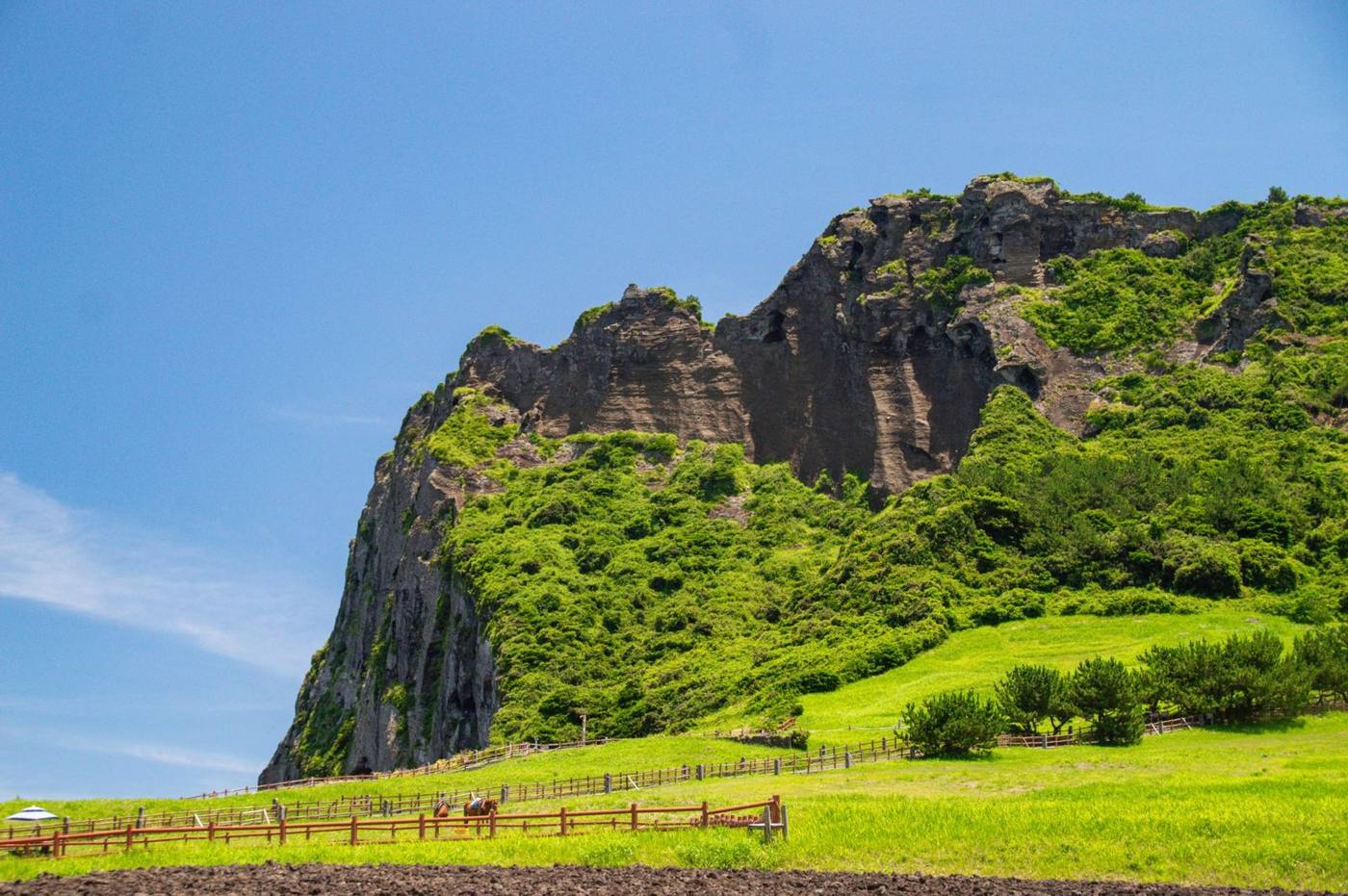
Jeju Island
Korea's volcanic island: sunrise on the Seongsan crater, the climb up Hallasan, lava tubes, the haenyeo women divers and the Olle trails.
- Jeju
- Seongsan Ilchulbong
- Manjanggul
- Hallasan
- Seogwipo
Day by day
- Day 1
Flight to Jeju and the north-east coast
This trip takes you to the volcanic island of Jeju, south of the peninsula: sunrise on the crater of Seongsan Ilchulbong, the haenyeo women divers, the Manjanggul lava tube, the climb up Hallasan, Korea's highest peak, and the waterfalls and cliffs of Seogwipo. Hiring a car is the best option.
Before you go: Italian citizens enter South Korea without a visa for up to 90 days with a passport; the electronic identity card is not enough. The temporary K-ETA exemption is confirmed until 31 December 2026: for trips from 2027, check k-eta.go.kr for any extension. Without an approved K-ETA, fill in the e-Arrival card online within 72 hours before arrival. Other nationalities should check their own rules. The country is very safe, rated level 1 by the United States; between June and November check typhoon warnings.
In the morning take a flight from Seoul to Jeju, about an hour: it is one of the busiest air routes in the world. Pick up the car at the airport and follow the coast road east.
Stop at Hamdeok beach, with pale sand and turquoise water, and climb the small volcanic hill beside it, Seoubong. Continue to Woljeong-ri, with its beach, black stone walls and emerald sea.
In the afternoon walk along the black lava coast and look at the fields enclosed by basalt walls, typical of the island.
In the evening reach Seongsan, on the eastern tip, and have dinner with grilled Jeju black pork.
Sleep in Seongsan for two nights.
Practical tip: to hire a car in Korea you need your national licence and an international driving permit. Roads are excellent, but there are many speed cameras: keep to the limits.
- Day 2
Sunrise on Seongsan Ilchulbong and the haenyeo
Today you see the most famous sunrise in Korea and meet the women of the sea.
Before dawn climb Seongsan Ilchulbong, Sunrise Peak, a tuff cone formed by an undersea eruption, with a large crown-shaped crater. It is part of Jeju Volcanic Island and Lava Tubes, a UNESCO World Heritage Site. The climb, with steps, takes about half an hour; from the top you watch the sun rise out of the sea. Check prices and times, which change with the seasons.
Then go down to the small bay at the foot of the peak, where the haenyeo often show their work. They are women who dive holding their breath, without tanks, to gather sea urchins, shellfish and seaweed, often until old age. Their culture is listed by UNESCO. Check the times of the demonstrations.
Mid-morning visit the Haenyeo Museum at Hado, about twenty minutes away, with photos, tools and stories of these communities of women divers. Check prices and times.
In the afternoon enter the Manjanggul lava tube, a long tunnel carved by lava, with walls marked by the flows and a large lava column at the end of the section open to visitors. It reopened in 2026 after a long closure for works: check prices, times and whether booking is needed. Inside it is cool all year: bring a jacket.
In the evening try the island's seafood dishes, such as abalone porridge or rice with sea urchin.
Sleep in Seongsan.
Practical tip: for the sunrise, check the time the day before and arrive at least forty minutes early. It is windy at the top even in summer, so bring a warm layer.
- Day 3
Climbing Hallasan
Today you climb the highest mountain in South Korea.
Hallasan, about 1,950 metres, is the volcano that forms the island, with a small crater lake called Baengnokdam. It is a national park and part of Jeju's UNESCO World Heritage Site. To reach the summit you must book online on the official park website, with a limited number of places a day: book as soon as you can.
Early in the morning leave Seongsan and drive to the start of the Seongpanak trail, on the east side of the mountain, about an hour. It is the longest but gentlest route to the top, about nine and a half kilometres one way, first through oak and Japanese cedar forest, then among shrubs and rocks. Allow eight or nine hours there and back.
There is a cut-off time for passing Jindallaebat shelter, halfway up: if you arrive later, you cannot continue to the summit. The time changes with the seasons, so check it on the park website.
From the top, in good weather, you see the crater, the sea around the island and the many small volcanic cones called oreum. Go down the same trail or, if it is open and booked, by the Gwaneumsa trail, steeper and more scenic.
In the afternoon drive to Seogwipo, on the south coast.
In the evening rest and have a hot soup for dinner.
Sleep in Seogwipo for two nights.
Practical tip: set off at dawn and carry water, food, a windproof jacket and hiking boots. The weather on the summit changes quickly, and in winter you need microspikes for the snow and ice on the upper trail.
- Day 4
Seogwipo, waterfalls and the Olle trail
Today you explore the south coast, the greenest and warmest part of the island.
In the morning visit Jeongbang waterfall, one of the few in Asia that fall straight into the sea, from a cliff of dark rock. Then go to Cheonjiyeon waterfall, in a green gorge a few minutes from Seogwipo harbour, reached by a short walk. Check prices and times.
Mid-morning walk a stretch of the Olle trail, the network of footpaths that circles the island, divided into more than twenty stages. The stage that starts from Oedolgae rock, a lava pillar rising out of the sea, is one of the finest: it follows the cliffs, pine woods and small coves. Follow the blue and orange ribbons tied to the trees and the painted arrows.
In the afternoon drive west to the Jusangjeolli cliffs, hexagonal basalt columns formed by lava that cooled as it met the sea. When the sea is rough the waves crash high against the columns. Check prices and times.
If you have time, continue to Sanbangsan, a large lava dome with a cave temple on its side, near the coast.
In the evening return to Seogwipo and walk through Seogwipo market, with island tangerines, fish and small street dishes.
Sleep in Seogwipo.
Practical tip: Jeju is famous for its tangerines, harvested in winter. Try the fresh juice and the tangerine sweets sold all over the island, and buy a box of fruit at the market if you are there in season.
- Day 5
Back and departure
Today you leave the island.
In the morning drive north along the west coast. Stop at Hyeopjae beach, with white sand, clear water and the small island of Biyangdo in front, one of the most beautiful beaches on Jeju.
Then reach Jeju City. If you have time, walk through Dongmun market, the largest on the island, with fish, tangerines and food stalls, and go to Yongduam rock, on the coast near the airport, a lava rock that looks like a dragon's head. Return the car and take the flight to Seoul.
In these five days you have seen volcanic Korea: sunrise from the crater of Seongsan Ilchulbong, the haenyeo and their museum, the Manjanggul lava tube, the summit of Hallasan, the waterfalls of Seogwipo, a stretch of the Olle trail and the basalt columns of Jusangjeolli.
When to go: the best months are April to June, with yellow rapeseed fields in spring, and September and October, with clear skies and silver grass on the oreum. July and August are hot, humid and crowded, and from June to November there can be a risk of typhoons. Winter is mild on the coast but cold and snowy on Hallasan.
Before leaving, buy something to take home: tangerine sweets, green tea from the island or a small dolharubang, the stone grandfathers that are the symbol of Jeju.
Practical tip: there are a great many flights a day between Jeju and Seoul. Compare times and do not book the last flight if you have an international connection the same day, because delays are common in bad weather.
A green, pleasant island, much loved by Koreans for holidays. A car is best, as buses are slow. Hallasan requires online booking and a morning start; it takes 8-9 hours return. The sea is not Caribbean and summer brings a typhoon risk.
Before you go
- Documents and visa
- Passport valid for the whole stay; you can enter without a visa for up to 90 days for tourism. British visitors are temporarily exempt from the K-ETA until 31 December 2026: for trips from 2027, check the official site k-eta.go.kr for any extension, otherwise apply for the K-ETA online at least 72 hours before boarding. Anyone without an approved K-ETA fills in the e-Arrival card on the official site e-arrivalcard.go.kr within 72 hours before arrival.
- Health and vaccines
- No compulsory vaccinations. Healthcare is excellent but expensive for foreigners: take insurance with high medical cover. Emergencies: police 112, ambulance and fire 119; English tourist line 1330.
- Money and payments
- South Korean won. Cards work almost everywhere, even for small amounts; for metro and buses buy a rechargeable T-money card. Keep some cash for markets.
- Power sockets
- Types C and F, 220 volts: you need an adapter for British plugs.
- Time zone
- UTC+9 all year, nine hours ahead of the UK in winter, eight in summer.
- Safety
- South Korea is a very safe country and the United States rates it level 1, the lowest. The UK does not advise against any area, but notes that tension with North Korea can change with little notice: near the DMZ follow the advice of the local authorities. Drug laws are very strict, even for small amounts. Typhoons are possible from June to November. Official advice: GOV.UK.
Information checked in November 2026 for Italian and EU citizens. Rules change: always check before you travel.
Variations
In 3 days: Seongsan Ilchulbong, Manjanggul and the south coast at Seogwipo, without the climb up Hallasan.
In 7 days: add a ferry trip to Udo island, off Seongsan, and a day on the eastern oreum, such as Darangshi.
Frequently asked questions
Do I need to book Hallasan?
Yes, for the trails that reach the summit, Seongpanak and Gwaneumsa, you must book online on the official park website, with limited places. There is also a cut-off time for climbing: check it before you go.
Can I get around Jeju without a car?
Yes, by public bus, which covers the coast well, but buses are slow and the sights are far apart. A car saves a lot of time. You need your national licence and an international driving permit.
Is the sea on Jeju good?
Beaches such as Hyeopjae and Hamdeok have turquoise water and pale sand, but the sea is cooler than in the tropics and the swimming season is mainly July to September.
Indicative itinerary written by World Atlas. Before booking, check timetables, seasonal openings, documents and safety.
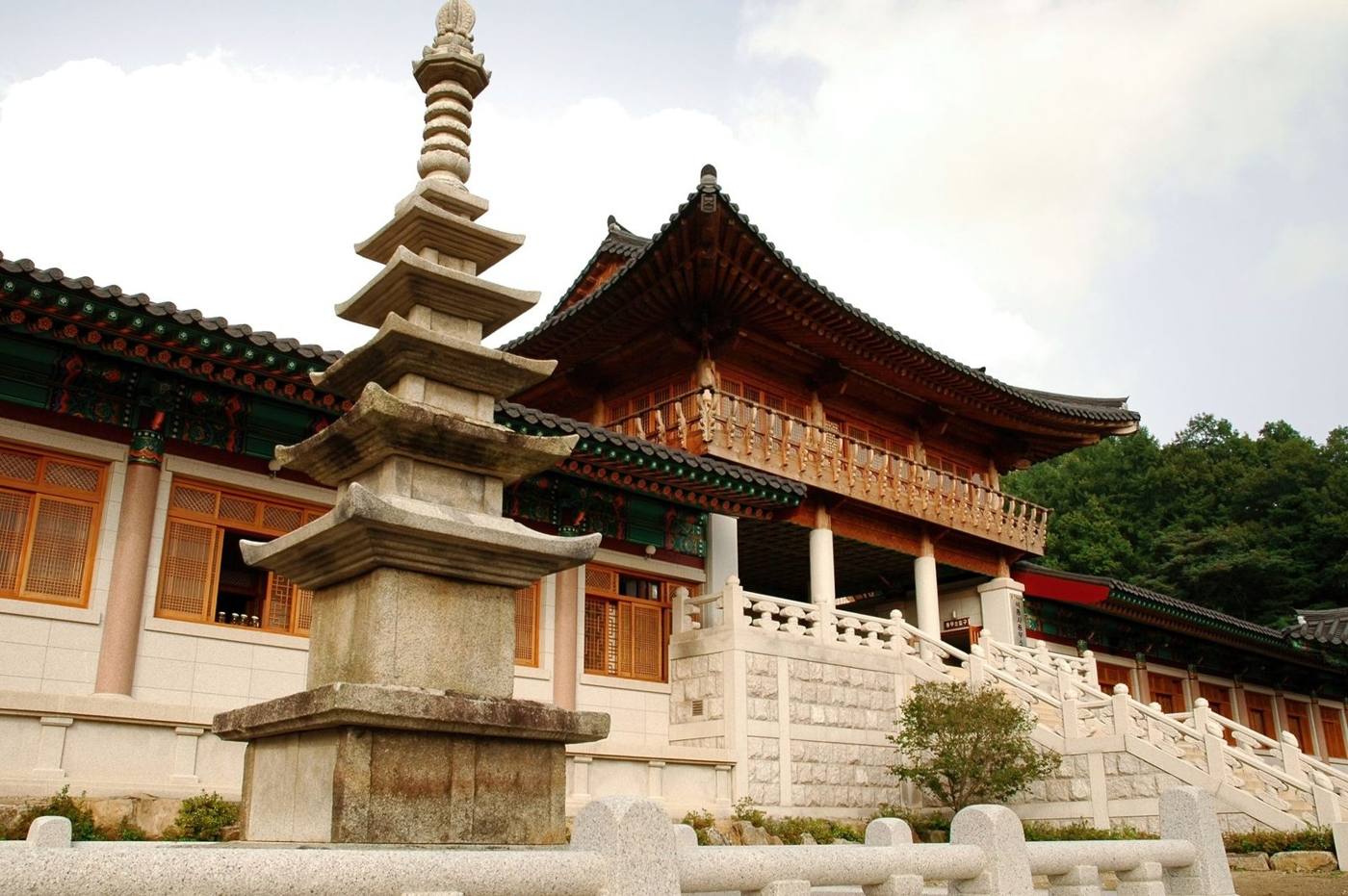 5 daysEasy
Temples and templestay
Two nights in Buddhist monasteries with the monks, dawn meditation and vegetarian meals, at Haeinsa with its Tripitaka woodblocks and at Tongdosa.
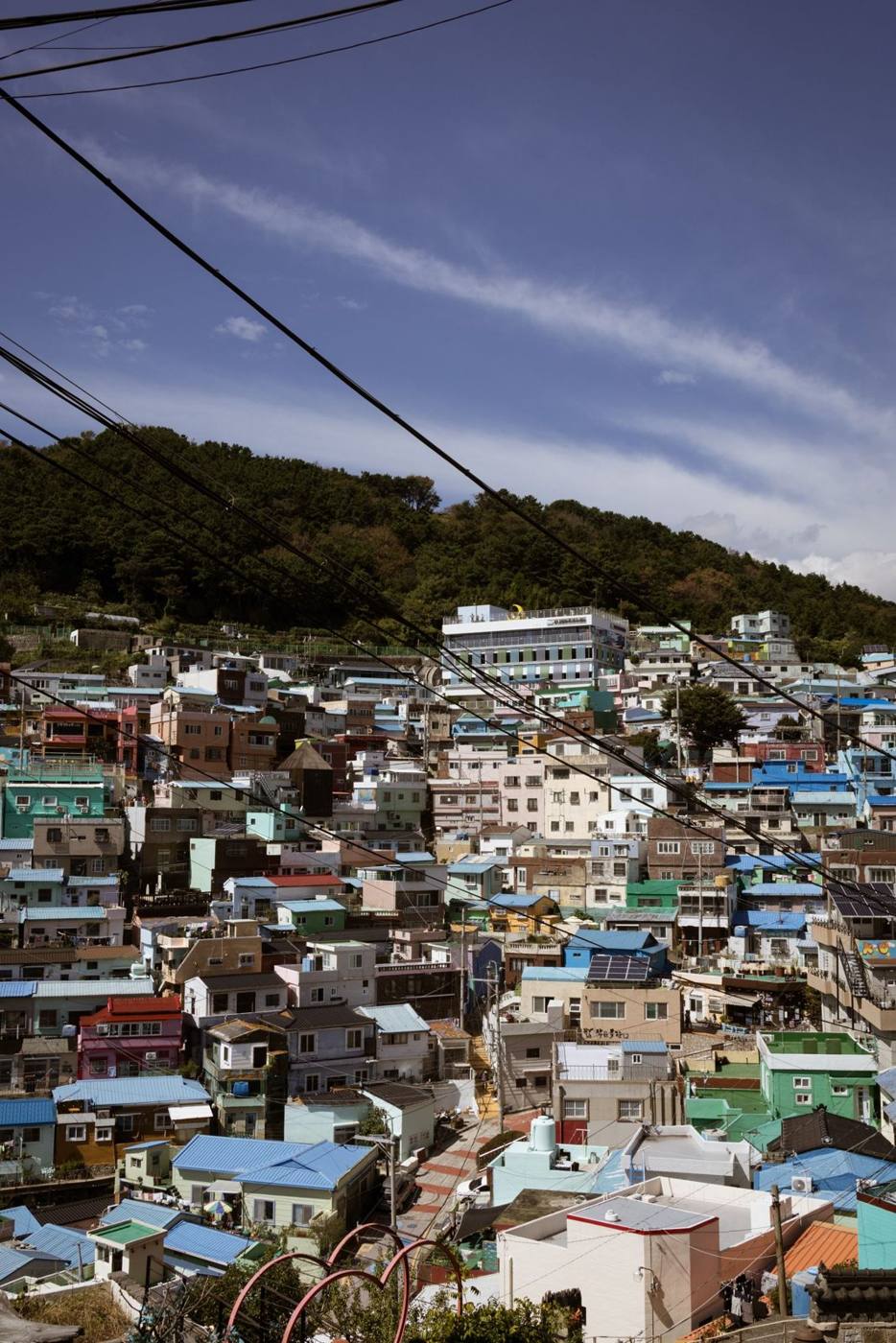 6 daysEasy
Busan and the south coast
Busan and its beaches, the harbour of Tongyeong with its cable car over the islands, the Namhae terraces and the port of Yeosu.
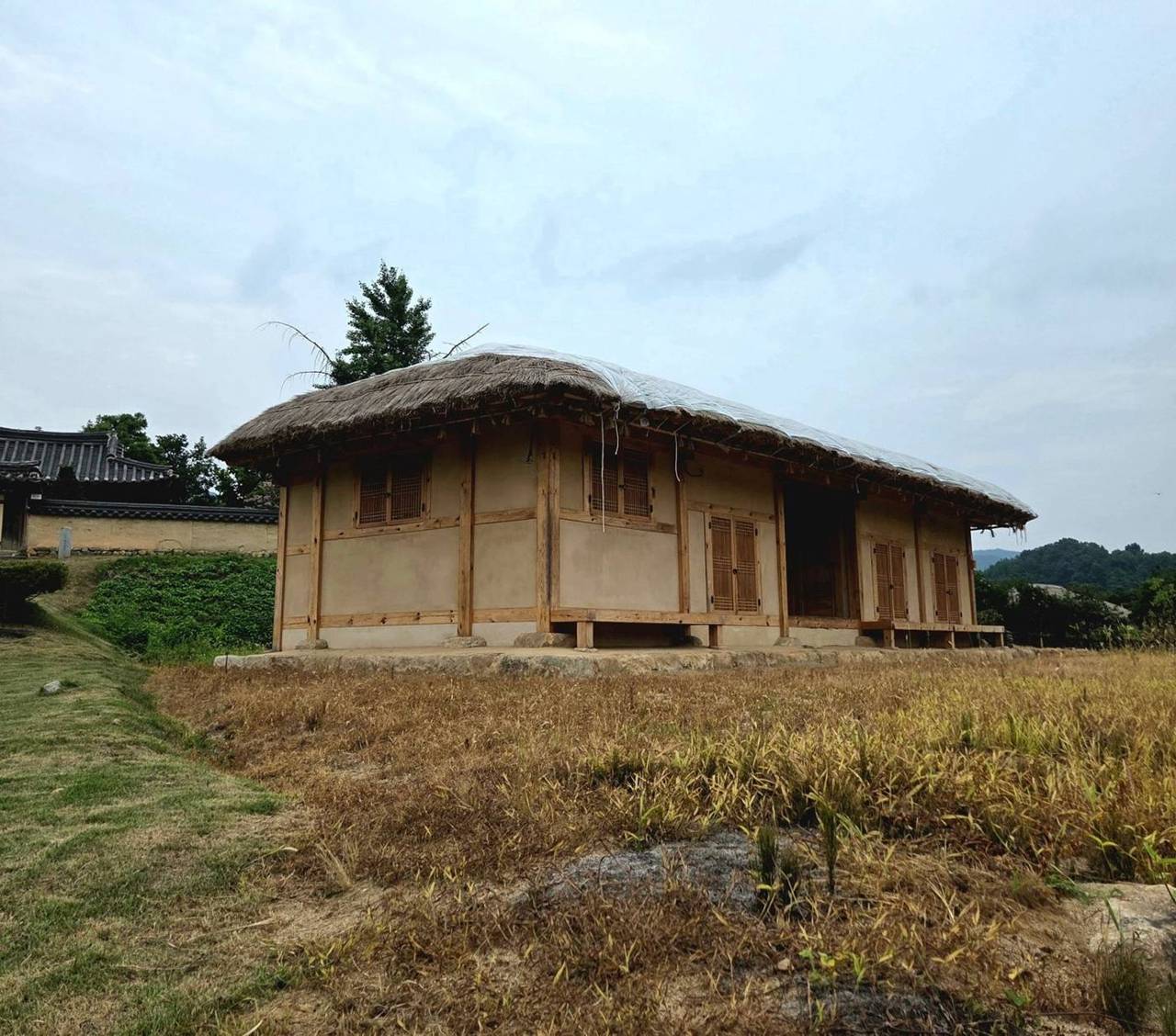 5 daysEasy
Andong and Confucian Korea
Hahoe village with its traditional masks, the Confucian academies of Dosan and Byeongsan, a night in a hanok house and Danyang on the river.