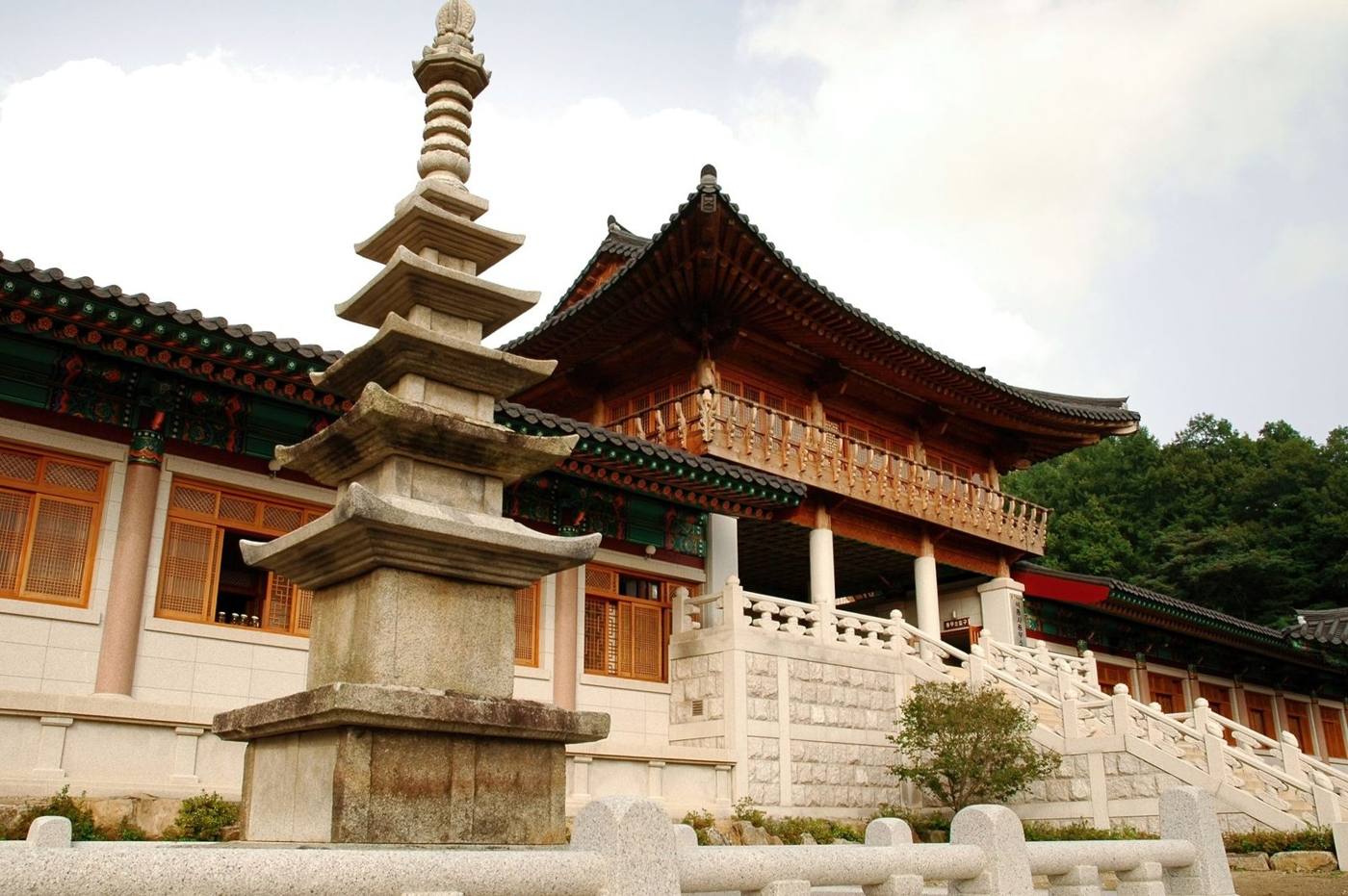
Temples and templestay
Two nights in Buddhist monasteries with the monks, dawn meditation and vegetarian meals, at Haeinsa with its Tripitaka woodblocks and at Tongdosa.
- Seoul
- Daegu
- Haeinsa
- Tongdosa
- Busan
Day by day
- Day 1
Seoul and Jogyesa temple
This trip takes you into Buddhist Korea: two nights in monasteries with the monks, prayers before dawn and vegetarian meals, between Haeinsa, with the wooden blocks of the Tripitaka Koreana, and Tongdosa, one of the most sacred temples in the country. You travel by train and bus.
Before you go: Italian citizens enter South Korea without a visa for up to 90 days with a passport; the electronic identity card is not enough. The temporary K-ETA exemption is confirmed until 31 December 2026: for trips from 2027, check k-eta.go.kr for any extension. Without an approved K-ETA, fill in the e-Arrival card online within 72 hours before arrival. Other nationalities should check their own rules. The United States rates South Korea level 1, the lowest.
You arrive at Incheon airport and take the train to central Seoul.
In the afternoon visit Jogyesa temple, in the Insadong area, the head temple of the Jogye Order, the largest Buddhist order in Korea. Look at the great main hall of painted wood, the worshippers bowing and the old tree in the courtyard. In spring, before Buddha's birthday, the courtyard is covered with thousands of coloured paper lanterns.
Opposite the temple is the templestay information centre, run by the Jogye Order, where you can get advice on the temples and the rules.
In the evening walk among the galleries and tea houses of Insadong and try a vegetarian meal of temple cuisine, made without garlic or onion.
Sleep in Seoul.
Practical tip: book both templestays well ahead on the official programme website, templestay.com, choosing temples with an English programme. Check prices and arrival times, and read the list of what to bring.
- Day 2
Daegu and arrival at Haeinsa
Today you reach your first monastery, in the mountains of the south.
In the morning take the KTX train from Seoul to Dongdaegu station, in Daegu, about two hours. From Daegu take the bus to Haeinsa, in Gayasan National Park, about an hour and a half, on a road that climbs through hills and woods.
Haeinsa, founded in 802, is one of the three jewel temples of Korea: it represents the Dharma, the teaching of the Buddha, because it keeps the Buddhist scriptures carved in wood.
In the early afternoon check in for the templestay. You receive the temple clothes, a waistcoat and loose trousers, and a monk or volunteer explains the rules: how to greet with joined hands, how to walk in the temple, how to sit in the hall.
Towards evening listen to the four instruments of the temple: the great drum, the bronze bell, the wooden fish and the cloud-shaped gong, which call to prayer all beings of the earth, the water and the sky. Then take part in the evening ceremony, the yebul, in the main hall.
Dinner is early, around half past five, with rice, soup and vegetables. You eat in silence and leave nothing on your plate.
Lights go out at nine. Sleep at Haeinsa, on a mat on the floor, in a simple room.
Practical tip: bring comfortable, warm clothes, clean socks, because you take your shoes off many times a day, a small torch and earplugs. In the mountains the nights are cool even in late spring, so pack an extra layer for the early morning ceremony.
- Day 3
Dawn at the temple and the Tripitaka Koreana
Today you live a monk's morning and see one of the treasures of Asia.
The wake-up call comes at around three in the morning. In the dark, under the stars, you join the morning ceremony while a monk beats the drum and strikes the bell. Then you make the 108 bows, one for each of the human sufferings in Buddhist teaching, and a short seated meditation in silence.
Breakfast is simple, sometimes with the ritual meal called baru gongyang, in four wooden bowls, which at the end you clean with water and a piece of pickled radish. It is a way of wasting nothing.
Mid-morning visit the Janggyeong Panjeon, the fifteenth-century wooden buildings that hold the Tripitaka Koreana, more than 80,000 blocks carved in the thirteenth century with the complete text of the Buddhist scriptures, a UNESCO World Heritage Site. The buildings are designed to let air circulate and protect the wood from damp: you see the blocks from outside, through the wooden lattices. Photography is not allowed.
Then walk a stretch of the Sorigil trail, along the stream of the Hongnyu valley, with its pavilions and rocks.
In the afternoon leave Haeinsa, return by bus to Daegu and from there travel to Yangsan, near Busan, where Tongdosa stands.
In the evening have a hot meal and sleep in town near the temple.
Practical tip: during a templestay do not drink alcohol or smoke, and use your phone only outside the halls. Many temples ask for silence after the evening ceremony, and lights go out early.
- Day 4
Tongdosa and a second night in a monastery
Today you visit the temple of the Buddha jewel.
Tongdosa, founded in 646 by the monk Jajang, is one of the three jewel temples of Korea, the one that represents the Buddha himself, because it keeps relics of the Buddha brought from China. It is one of the Korean mountain monasteries listed by UNESCO.
In the morning walk along the avenue of pines that climbs from the village to the temple beside the stream, one of the finest approaches to any Korean temple. Pass under the guardian gates, with the statues of the four heavenly kings.
In the main hall there is no statue of the Buddha: through the large window you see the stone platform where the relics are kept, which is itself the focus of prayer. Look also at the many small halls and hermitages scattered over the mountain around it.
In the early afternoon check in for the second templestay. The programme changes from temple to temple, but it usually includes the evening ceremony, meditation, making a paper lotus lantern and tea with a monk, when you can ask questions about life in the monastery.
Dinner is vegetarian, with mountain herbs and tofu.
Sleep at Tongdosa.
Practical tip: during tea with the monk, ask whatever you want to know, from the daily routine of the monastery to the meaning of the bows. Sincere questions are always welcome, but avoid taking photos during ceremonies unless you are told it is allowed.
- Day 5
Busan and departure
Today you leave the monastery and end the trip by the sea.
Before dawn join the morning ceremony once more, then take a short walking meditation in the woods around the temple. After breakfast say goodbye to the monks and return the temple clothes.
Take the bus to Busan, about an hour. If you have time, visit Beomeosa temple, in the hills north of the city, one of the most important temples in the south, or go down to Jagalchi fish market, on the harbour, with its stalls of live fish, octopus and crabs. At sunset walk along Haeundae beach.
In these five days you have seen the Korea of the monasteries: Jogyesa temple in Seoul, templestay life with prayers before dawn, the 108 bows and silent meals, the Tripitaka Koreana at Haeinsa, one of the treasures of Asia, and Tongdosa temple, with the relics of the Buddha.
When to go: the best months are April to June, with green woods and Buddha's birthday, when the temples are covered in lanterns, and September to November, with autumn colours on the mountains. Summer is hot and rainy, and winter is cold in the mountain temples, where the rooms have underfloor heating but the corridors do not.
Before leaving, buy something to take home: wooden Buddhist prayer beads, a lotus lantern or some Korean green tea.
Practical tip: Gimhae airport in Busan has international flights within Asia; for Europe you usually go through Incheon. The KTX train from Busan to Seoul takes less than three hours, so you can reach Incheon easily on the same day.
A quiet, intense experience, suitable even if you are not Buddhist. Wake-up is at 3-4 a.m., you sleep on floor mats and meals are eaten in silence. The official templestay programme has online bookings and many temples offer an English version. It adds well to the classic tour.
Before you go
- Documents and visa
- Passport valid for the whole stay; you can enter without a visa for up to 90 days for tourism. British visitors are temporarily exempt from the K-ETA until 31 December 2026: for trips from 2027, check the official site k-eta.go.kr for any extension, otherwise apply for the K-ETA online at least 72 hours before boarding. Anyone without an approved K-ETA fills in the e-Arrival card on the official site e-arrivalcard.go.kr within 72 hours before arrival.
- Health and vaccines
- No compulsory vaccinations. Healthcare is excellent but expensive for foreigners: take insurance with high medical cover. Emergencies: police 112, ambulance and fire 119; English tourist line 1330.
- Money and payments
- South Korean won. Cards work almost everywhere, even for small amounts; for metro and buses buy a rechargeable T-money card. Keep some cash for markets.
- Power sockets
- Types C and F, 220 volts: you need an adapter for British plugs.
- Time zone
- UTC+9 all year, nine hours ahead of the UK in winter, eight in summer.
- Safety
- South Korea is a very safe country and the United States rates it level 1, the lowest. The UK does not advise against any area, but notes that tension with North Korea can change with little notice: near the DMZ follow the advice of the local authorities. Drug laws are very strict, even for small amounts. Typhoons are possible from June to November. Official advice: GOV.UK.
Information checked in November 2026 for Italian and EU citizens. Rules change: always check before you travel.
Variations
In 3 days: a single templestay, at Haeinsa, there and back from Seoul by train and bus via Daegu.
In 8 days: add Gyeongju, with Bulguksa temple and Seokguram grotto, and a third templestay in a mountain monastery.
Frequently asked questions
Do I need to be Buddhist to do a templestay?
No. The programme is open to everyone, including people who are not religious. You are only asked to respect the temple rules, take part in the activities and keep silent at the times indicated.
How do I book a templestay?
On the official programme website, templestay.com, run by the Jogye Buddhist Order. Choose the temple, the date and the type of programme, and check that it is available in English. Check prices and arrival times.
Can I photograph the Tripitaka Koreana blocks?
No. You see the blocks only from outside, through the lattices of the Janggyeong Panjeon buildings, and photography is not allowed.
Indicative itinerary written by World Atlas. Before booking, check timetables, seasonal openings, documents and safety.
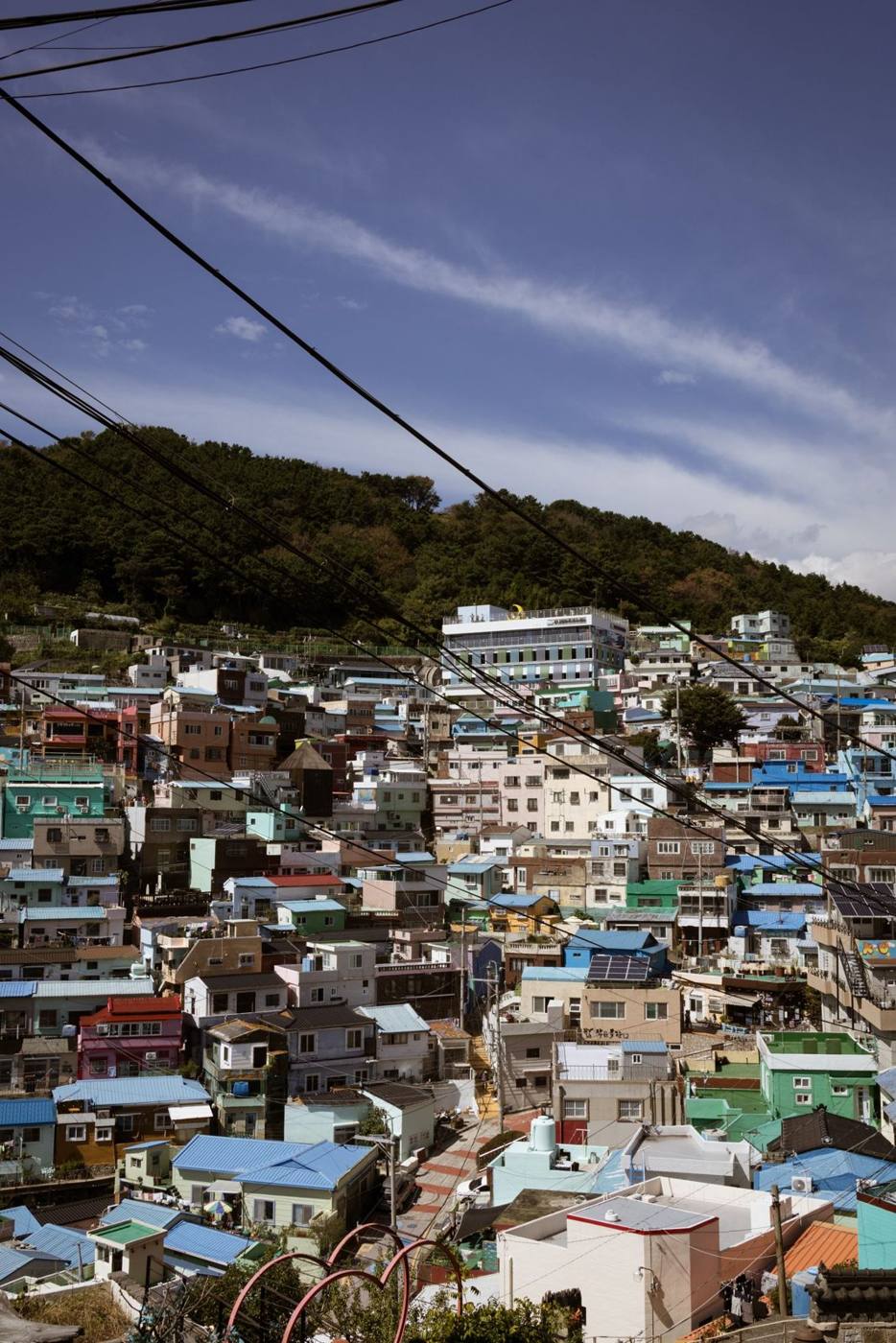 6 daysEasy
Busan and the south coast
Busan and its beaches, the harbour of Tongyeong with its cable car over the islands, the Namhae terraces and the port of Yeosu.
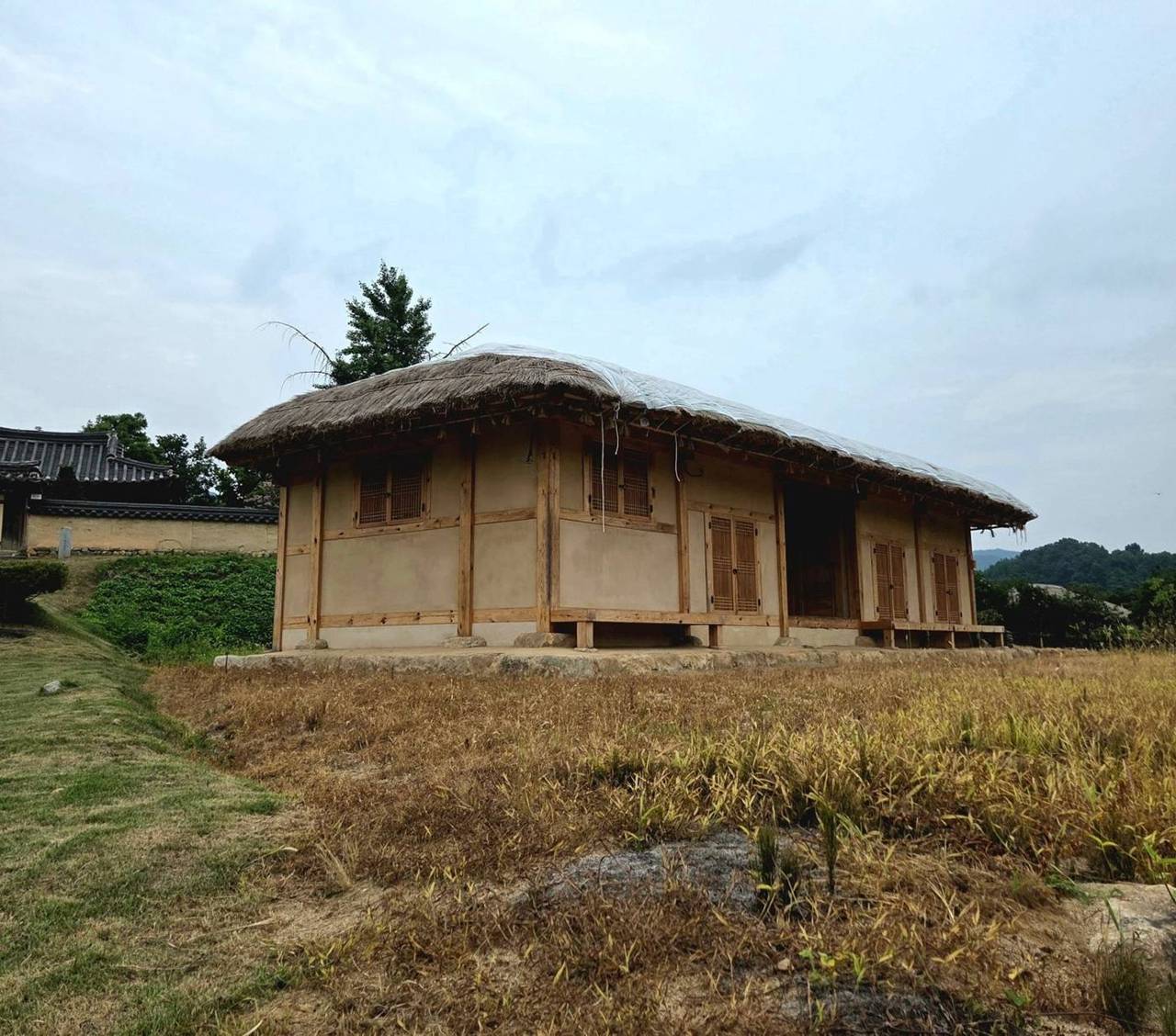 5 daysEasy
Andong and Confucian Korea
Hahoe village with its traditional masks, the Confucian academies of Dosan and Byeongsan, a night in a hanok house and Danyang on the river.
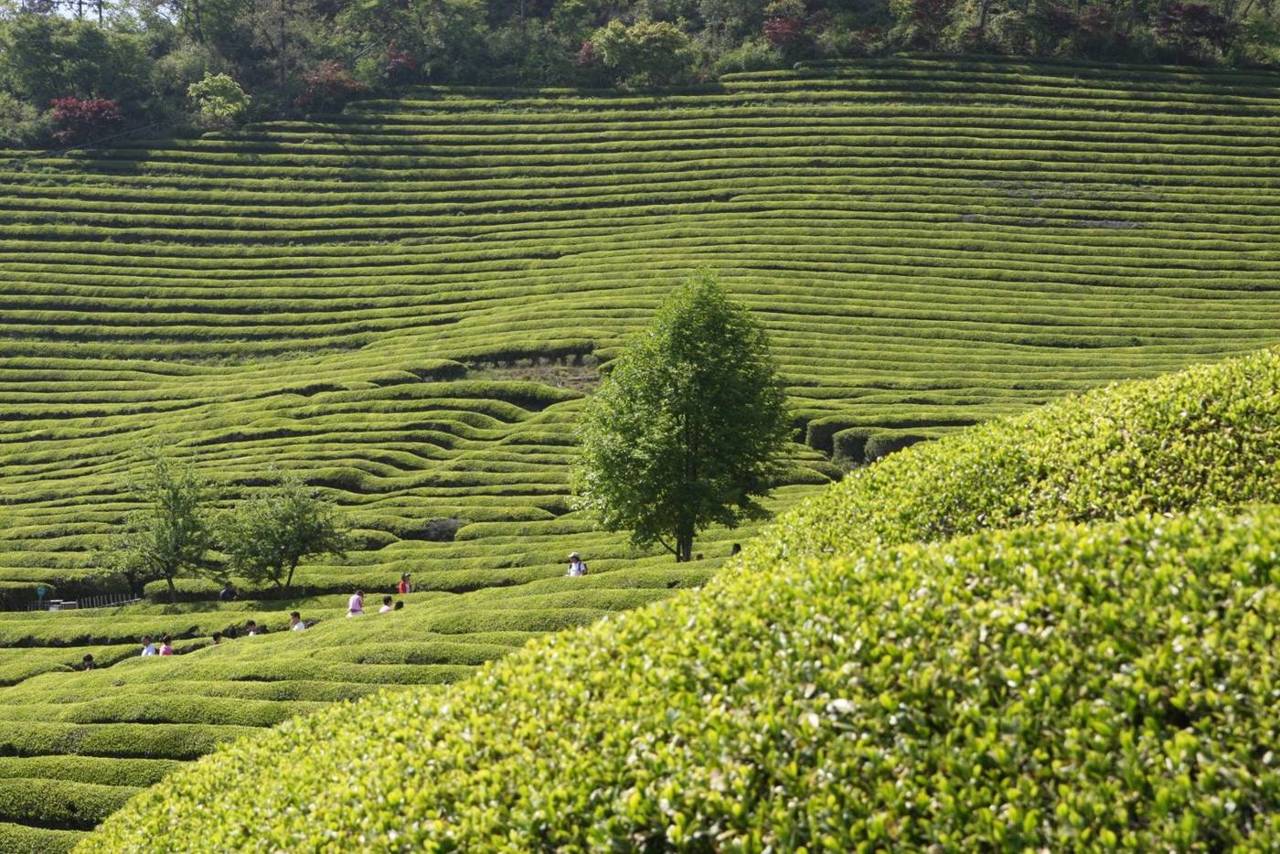 6 daysEasy
Jeolla: food and traditions
The heartland of Korean food: bibimbap and the hanok village of Jeonju, the bamboo forest of Damyang, the tea fields of Boseong and Suncheon Bay.