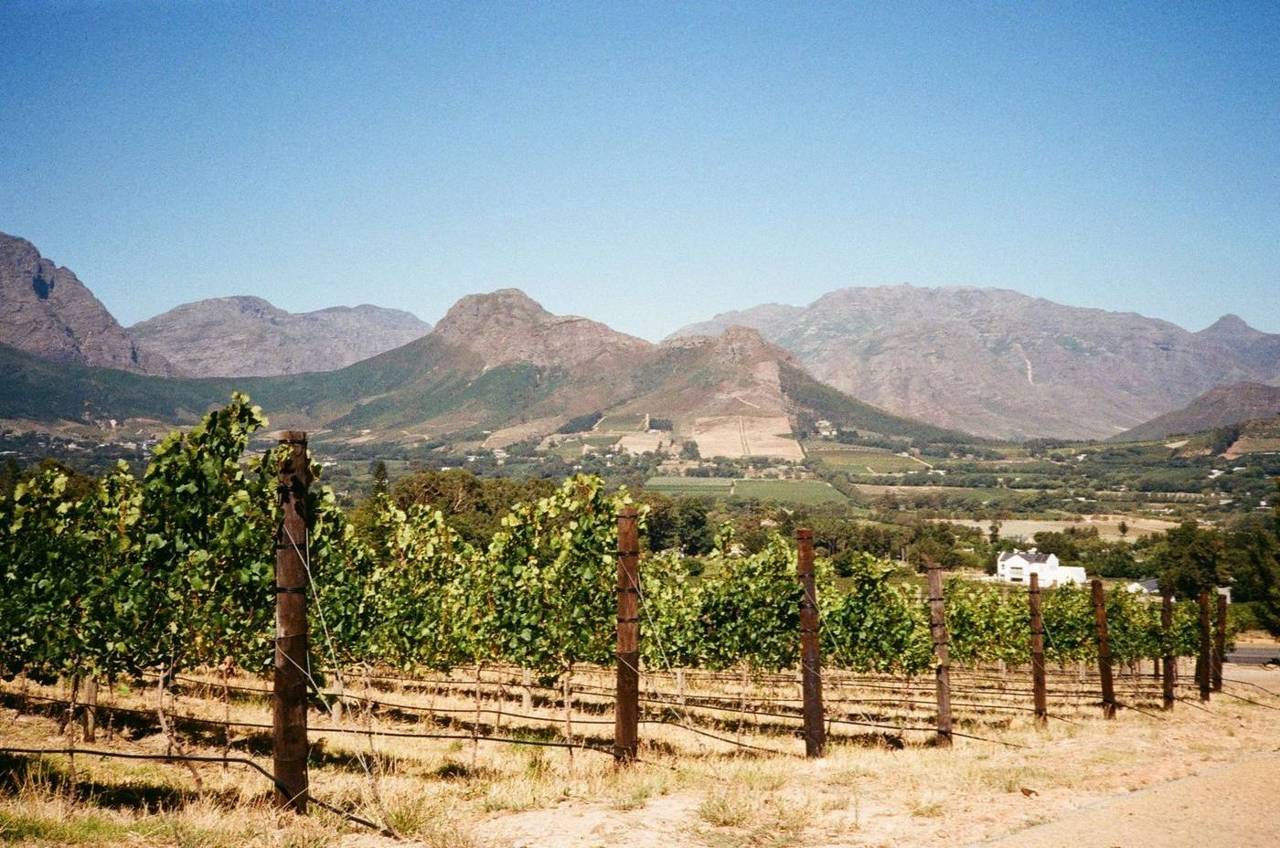
The Winelands in depth
The Cape wine valleys among granite mountains: Stellenbosch with its Cape Dutch houses, Franschhoek and its wine tram, Paarl and the Tulbagh valley, with historic estates, some of the country's best cooking and trails through the vineyards.
- Cape Town
- Stellenbosch
- Franschhoek
- Paarl
- Tulbagh
Day by day
- Day 1
Stellenbosch: the historic centre and the oaks
EU citizens need no visa for South Africa for tourist stays of up to ninety days; your passport must be valid for at least thirty days after your departure date and have at least two blank pages. Check the rules for your nationality. Driving is on the left.
The Winelands, the Cape's wine country, are a region of green valleys surrounded by rocky mountains, about an hour from Cape Town, where wine has been made for over three centuries. The first vines were planted by Dutch settlers in the seventeenth century, followed by French Huguenots fleeing France. Estates often have large white Cape Dutch homesteads with thatched roofs and curved gables. You need a car or a tour with a driver.
From Cape Town airport drive to Stellenbosch in about forty minutes, South Africa's second-oldest town, founded in 1679, famous for its university and called the city of oaks for the great trees planted along its streets.
In the afternoon walk along Dorp Street, one of the best-preserved historic streets in the country, with white eighteenth and nineteenth-century houses, water channels and oaks. Visit the Village Museum, made up of four furnished historic houses from different periods, from the seventeenth to the nineteenth century, with their gardens, and the Braak, the large green square in the centre, with the Rhenish church.
In the evening try Cape cooking, such as bobotie, spiced minced meat baked with an egg topping, and biltong, dried meat.
Practical tip: do not drive after tastings; many estates arrange transfers, or choose a tour with a driver.
- Day 2
The Jonkershoek and Simonsberg estates
Today is a day among the wine estates around Stellenbosch, one of the most famous wine areas in the southern hemisphere, with more than a hundred estates. The best-known wines are Pinotage, a red created in South Africa in the twentieth century by crossing Pinot Noir and Cinsault, Chenin Blanc, the country's most widely planted white grape, and Bordeaux-style red blends.
In the morning drive into the Jonkershoek valley, a few minutes from the centre, a narrow green valley closed by high mountains, with a nature reserve where you walk among waterfalls and fynbos, the Cape's typical vegetation, with proteas, South Africa's national flower. At the valley entrance are a few estates with vineyards at the foot of the rock walls.
In the afternoon move to the slopes of the Simonsberg, the mountain north-east of Stellenbosch, where estates are scattered across the hills, with sloping vineyards, ponds and views over the valley to the ocean on clear days. Many offer guided tastings and pairings with chocolate or cheese, and some have art galleries and sculpture gardens.
Tastings are charged and often need booking, especially at weekends. Choose three or four estates at most to taste at leisure.
In the evening return to Stellenbosch.
Practical tip: harvest runs from February to April; in spring, from September to November, the vines are green and the proteas bloom.
- Day 3
Franschhoek: the Wine Tram and the Huguenot Monument
In the morning drive east over Helshoogte Pass to Franschhoek, about half an hour from Stellenbosch, a beautiful valley ringed by mountains, called the French corner. Here, at the end of the seventeenth century, about two hundred Huguenots settled, French Protestants who had fled religious persecution and brought their skill in growing vines. Many estates still have French names, like the old farms.
Visit the Huguenot Monument at the end of the main street, a large white monument with three arches representing the Trinity and a female figure, unveiled in 1948, with the Huguenot museum next door telling the story of the refugees and their families.
Then board the Franschhoek Wine Tram, a vintage tram and some open-top buses running a loop among the valley's estates: you hop off where you like for a tasting and hop on again at the next pass. There are several routes, each with a group of estates; book online. It is the easiest way to taste without driving.
In the evening stroll along Franschhoek's main street, with art galleries, chocolate shops and cafés. Franschhoek is considered one of South Africa's food capitals.
Practical tip: the Wine Tram is in great demand at weekends and in summer; book a few days ahead.
- Day 4
Paarl: Paarl Rock and the estates
In the morning drive north to Paarl, about half an hour from Franschhoek, South Africa's third-oldest town, stretched along the Berg River at the foot of a great granite mountain.
Climb Paarl Rock in the Paarl Mountain nature reserve, a huge smooth, rounded granite dome that shines in the sun like a pearl after rain; hence the town's name, which means pearl in Dutch. A path with chains helps you reach the top, from where you see the whole valley, the vineyards and, on clear days, Table Mountain and the ocean. On the same hill stands the Afrikaans Language Monument, a large concrete sculpture of columns celebrating the language that developed here from Dutch.
Go down into town and walk along Main Street, one of the longest main streets in the country, about eleven kilometres, with historic Cape Dutch and Victorian houses.
In the afternoon visit the estates around Paarl, some among the largest and oldest in the country, with tastings of wine, brandy and cheese. Many Cape families come here on Sundays for outdoor lunches among the vines.
Nearby, towards Franschhoek, is the prison where Nelson Mandela spent his last months of detention and from which he walked no-cost on 11 February 1990; a statue at the entrance commemorates him.
Practical tip: the granite of Paarl Rock is slippery when wet; do not climb in the rain.
- Day 5
Tulbagh and Church Street, then back to Cape Town
In the morning drive north to Tulbagh, about an hour from Paarl, through Nuwekloof Pass, into a valley enclosed on three sides by mountains, quieter and less visited than the other wine areas.
The village is famous for Church Street, a street with thirty-two historic eighteenth and nineteenth-century buildings, the largest concentration of national monuments in a single street in South Africa. Many were damaged by a strong earthquake in 1969, the most destructive in the country's history, and then carefully rebuilt as they had been, with white walls, thatched roofs and gables. Visit the Oude Kerk, the old church of 1743, now a museum.
The Tulbagh valley produces still wines and traditional-method sparkling wines, called Cap Classique, and some estates are on historic farms at the foot of the mountains. Enjoy a tasting and a light lunch.
In the afternoon drive back towards Cape Town, about an hour and a half, for departure from the airport or to continue your trip.
Things to take home: Cape wine and brandy, well packed in your suitcase, rooibos tea, packaged biltong, handicrafts and textiles.
Practical tip: in South Africa do not leave anything visible in the car, and lock the doors when driving in town. South Africa has high crime rates, especially in cities: find out which areas to avoid. Check your government's travel advice before leaving.
A trip for food lovers, ideal added to Cape Town. For tastings, the tram, a driver or a tour is best: whoever drives must not drink. Harvest is between February and March. The United States advises increased caution (level 2) because of crime: no driving at night, windows closed in cities, no valuables on show. Italians need no visa for up to 90 days.
Before you go
- Documents and visa
- Passport valid for at least 30 days beyond departure, with at least two completely blank pages; no visa for tourism up to 90 days. A return ticket is required.
- Health and vaccines
- No compulsory vaccines arriving from Europe; a yellow fever certificate is needed only if arriving from a risk country. Kruger and the north-east have seasonal malaria risk: ask your doctor before travelling. Emergencies: 10111 police, 10177 ambulance, 112 from mobiles.
- Money and payments
- South African rand. Cards work almost everywhere; keep some cash for tips and car guards.
- Power sockets
- Type M, plus C and N, 230 volts: you need an adapter for the large three round-pin plugs.
- Time zone
- UTC+2 all year: South Africa does not use daylight saving time.
- Safety
- The United States rates South Africa level 2 for crime. In cities avoid walking alone at night, leave nothing visible in the car and use ride-hailing apps after dark. Official advice: GOV.UK.
Information checked in November 2026 for Italian and EU citizens. Rules change: always check before you travel.
Variations
In 3 days: Stellenbosch and its estates, Franschhoek with the Wine Tram and Paarl Rock, based in Franschhoek.
In 8 days: add Route 62 to Robertson and Montagu, or Hermanus on the coast for whales from June to November.
Frequently asked questions
Do I need a visa for South Africa?
EU citizens need no visa for tourist stays of up to ninety days. The passport must be valid for at least thirty days after departure and have at least two blank pages.
How can I visit the estates without driving?
With the Franschhoek Wine Tram, an organised tour with a driver or the transfers some estates offer.
When is the best time for the Winelands?
October to April, with warm weather and long days; harvest is between February and April. In winter, June to August, it rains more.
Indicative itinerary written by World Atlas. Before booking, check timetables, seasonal openings, documents and safety.
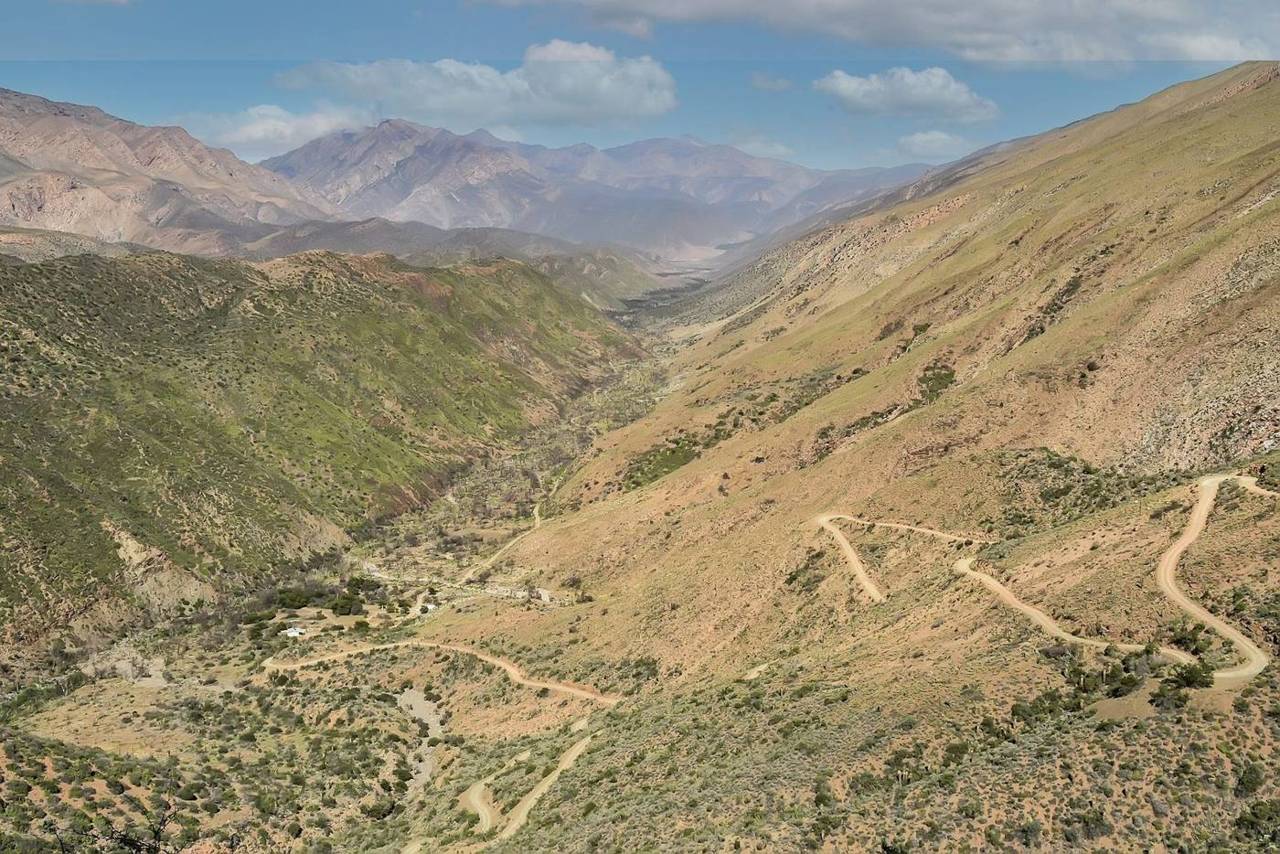 6 daysEasy
Route 62 and the Karoo
The inland road parallel to the Garden Route: the hot springs of Montagu, the towns of Barrydale and Calitzdorp, the historic gravel Swartberg Pass, the Karoo town of Prince Albert and the starry skies of the semi-desert.
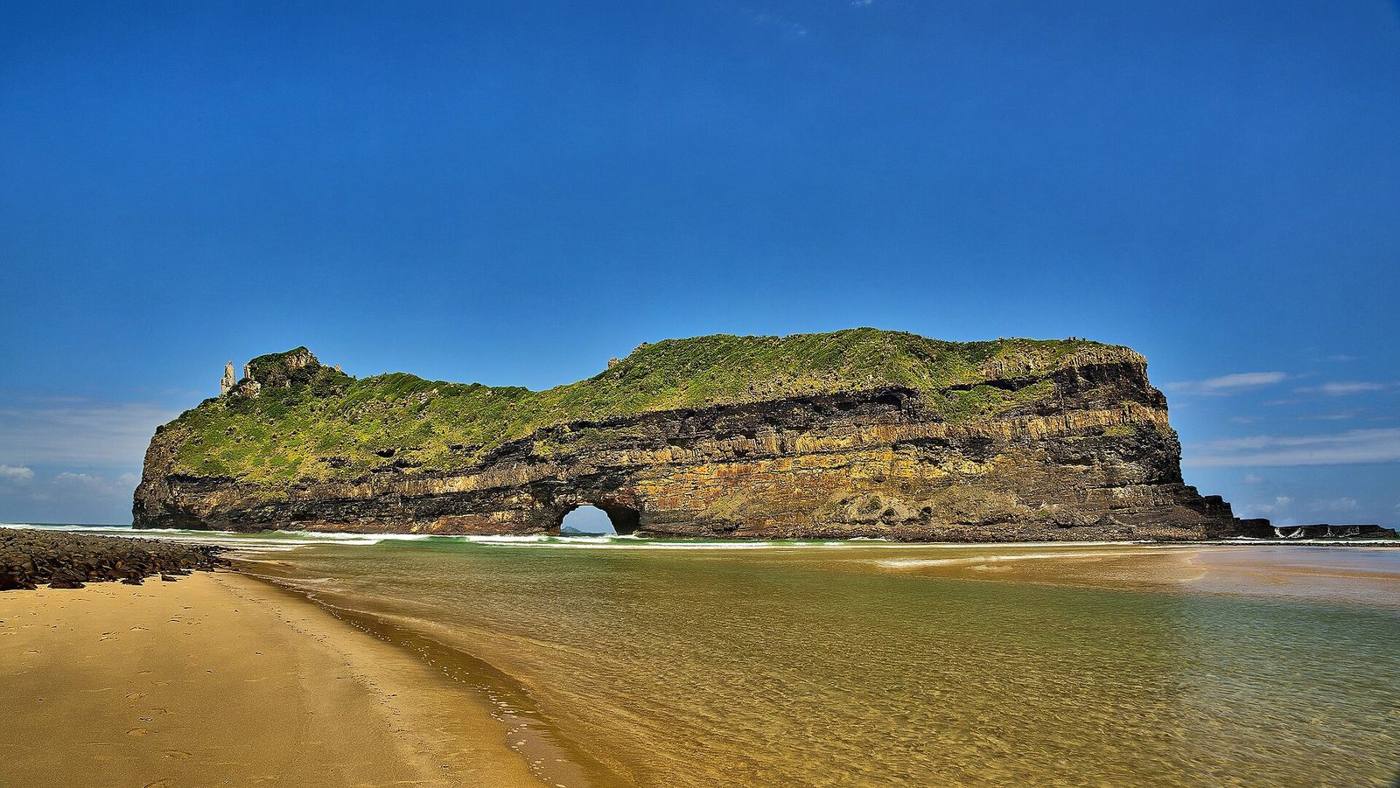 6 daysModerate
The Wild Coast
The wild coast of the Eastern Cape, Xhosa land and Nelson Mandela's homeland: green hills with round huts, the Hole in the Wall rock near Coffee Bay, cliffs, rivers flowing into the ocean and the Mandela museum at Qunu and Mthatha.
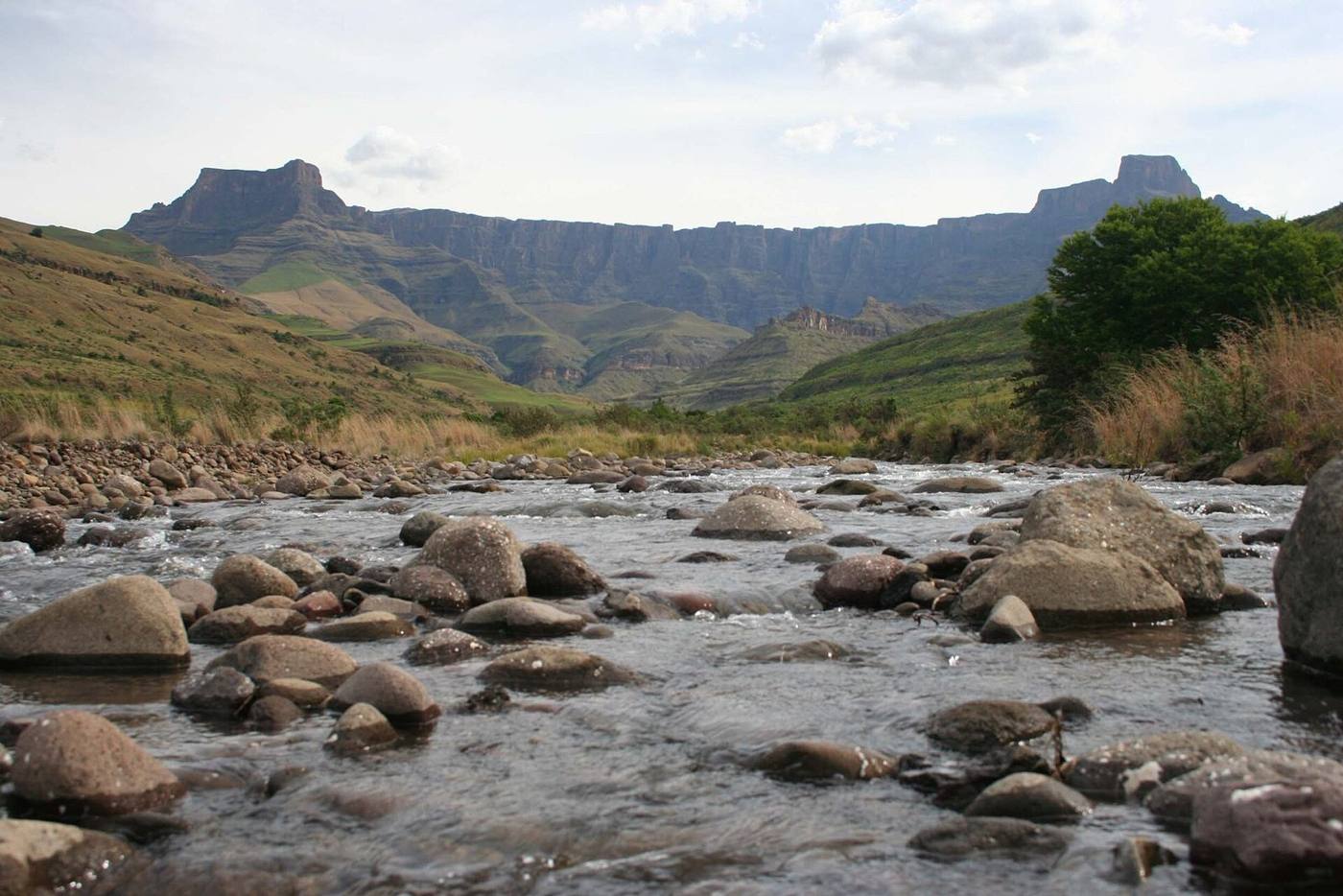 6 daysModerate
The Drakensberg in depth
The dragon mountains of KwaZulu-Natal, a UNESCO World Heritage site: the Amphitheatre with Tugela Falls among the highest in the world, the San rock paintings at Giant's Castle and Kamberg, the valleys of Cathedral Peak and the Midlands Meander with craft workshops.