Route 62 and the Karoo
The inland road parallel to the Garden Route: the hot springs of Montagu, the towns of Barrydale and Calitzdorp, the historic gravel Swartberg Pass, the Karoo town of Prince Albert and the starry skies of the semi-desert.
- Cape Town
- Robertson
- Montagu
- Barrydale
- Calitzdorp
- Swartberg Pass
- Prince Albert
Day by day
- Day 1
From Cape Town to Robertson, the valley of wine and roses
Route 62 is an inland road in South Africa linking the Cape Town area to the Eastern Cape through the Little Karoo, a semi-desert plateau enclosed by mountain ranges. It is a quiet alternative to the coastal Garden Route: valleys of vineyards and orchards, mountain passes, small towns with Victorian houses and tin roofs, ostrich farms and one of the clearest starry skies in the world. In six days you see Robertson, Montagu, Barrydale, Calitzdorp, the Swartberg Pass and Prince Albert.
In the morning, drive north-east from Cape Town. Cross the mountains by the Du Toitskloof pass or the tunnel, and descend into the valley of the Breede river, the Breede River Valley.
Robertson, about two hours from Cape Town, is called the valley of wine and roses: vineyards stretch along the river, and roses are planted at the end of the rows, once used to signal vine diseases. White wines are made here, especially chardonnay, as well as reds and sparkling wines, and many estates offer tastings.
In the afternoon, do a tasting at a valley estate, or take a boat trip on the Breede river, among willows and water birds. Walk around the town, with its Dutch Reformed church and houses with verandas.
In the evening, sleep in Robertson or on a farm in the valley.
Practical tip: in South Africa you drive on the left. Avoid driving at night outside towns, and always keep the doors locked and valuables out of sight.
- Day 2
Montagu: the hot springs and the Cogmanskloof
In the morning, drive to Montagu, about half an hour from Robertson. The road goes through the Cogmanskloof, a narrow gorge between walls of folded red rock, crossed by a tunnel cut through the rock in 1877, below a small British fort built during the Anglo-Boer War.
Montagu is one of the prettiest towns on Route 62, with Victorian houses and white cottages along the main street, many declared national monuments, flower gardens and apricot and peach orchards all around.
In the morning, walk the Lover's Walk trail, along the Keisie river between rock walls, or the longer trail in the Langeberg mountains, with views over the valley. Montagu is also a climbing destination, with hundreds of routes on red sandstone walls.
In the afternoon, relax at the hot springs, a few kilometres from town, where water gushes from the rock at about forty-three degrees and fills open-air pools at the foot of the mountains.
In the evening, taste Montagu dried fruit, famous throughout the country, and muscadel, the local sweet wine.
In the evening, sleep in Montagu.
Practical tip: in the Little Karoo summer days are very hot, often above thirty-five degrees, and winter nights are cold. Bring clothes for both and plenty of water in the car.
- Day 3
Barrydale and Calitzdorp, the port capital
In the morning, continue east along Route 62, an almost empty road crossing the hills of the Little Karoo, with fields of dry grass, low shrubs and mountains on the horizon.
Barrydale, about an hour from Montagu, is a small town at the foot of Tradouw Pass, with white houses and a community of artists, galleries, craft workshops and places to stop along the road. If you have time, drive a short stretch of Tradouw Pass, a mountain road built by the engineer Thomas Bain in the nineteenth century, along a deep gorge.
Continue to Ladismith, at the foot of Towerkop, a mountain with its summit split in two which, according to legend, was cut by a witch.
In the afternoon you reach Calitzdorp, about two hours from Barrydale, considered the port wine capital of South Africa. The hot, dry Karoo climate suits Portuguese grapes such as touriga nacional, and sweet fortified red wines are made here. Do a tasting at an estate, then walk around the town, with its Dutch Reformed church and pioneer houses.
At sunset, watch the red light on the Swartberg mountains to the north, which you will cross tomorrow.
In the evening, sleep in Calitzdorp or Oudtshoorn.
Practical tip: if you go to tastings, remember that the drink-driving limit in South Africa is low and checks are frequent. Let a non-drinker drive, or only take small sips.
- Day 4
The Swartberg Pass to Prince Albert
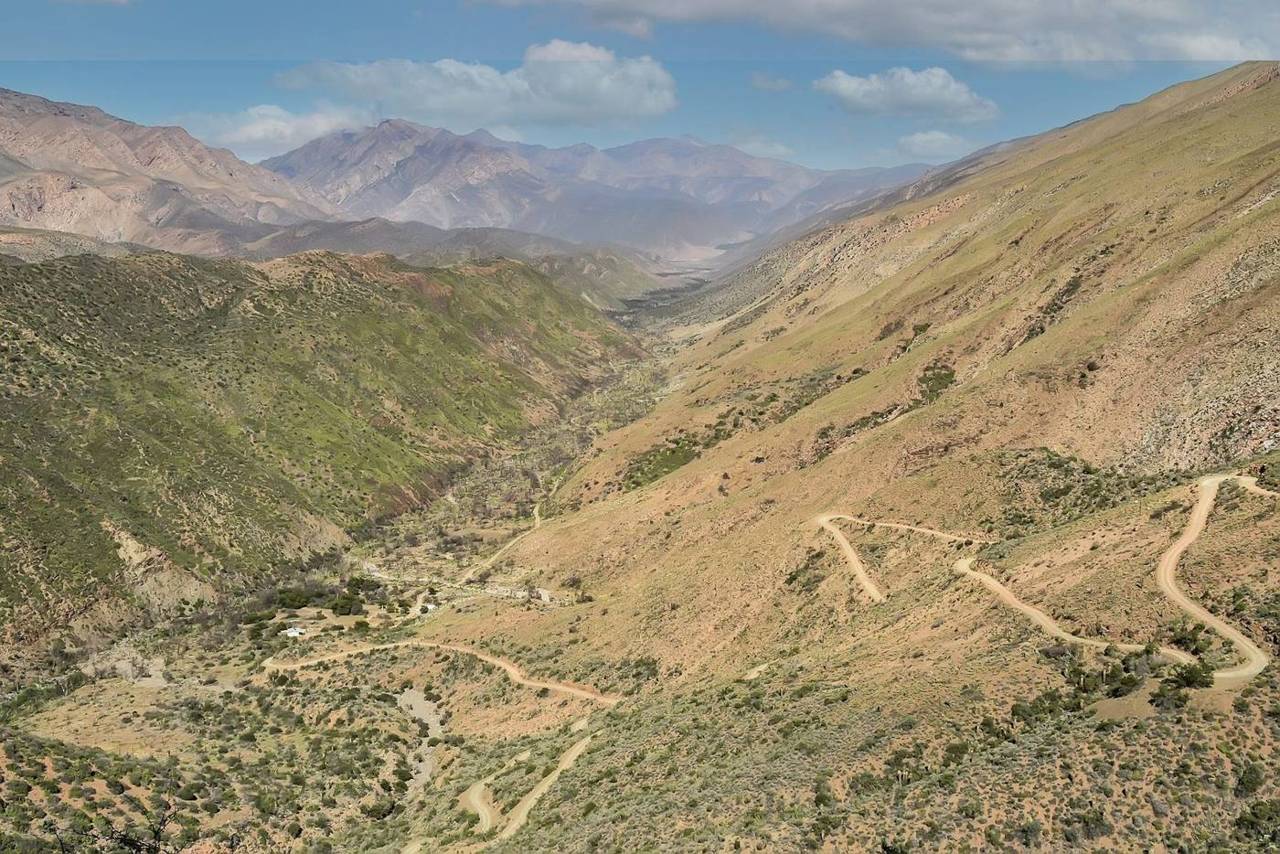
Today you cross the Swartberg Pass, one of the most spectacular mountain passes in Africa, built by the engineer Thomas Bain between 1881 and 1888 with convict labour and no modern machinery. The gravel road climbs for about twenty-four kilometres through the Swartberg mountains, a UNESCO World Heritage Site as part of the protected areas of the Cape Floral Region, to about 1,580 metres, then drops towards the Great Karoo in dozens of tight hairpins with hand-built dry-stone walls.
In the morning, set off from Calitzdorp or Oudtshoorn. Before the pass, stop at the Cango Caves north of Oudtshoorn, among the most beautiful limestone caves in South Africa, with huge chambers full of stalactites and stalagmites. They can only be visited with guides.
Then climb the pass. The folded red and yellow sandstone forms incredible layers, bent like waves. At the top the view opens over the Little Karoo to the south and the Great Karoo to the north. On the descent there are viewpoints and lay-bys, and the turn-off for the old settlement of Die Hel, the isolated Gamkaskloof valley, reached by a long gravel detour.
In the afternoon you reach Prince Albert, at the foot of the pass on the north side.
In the evening, sleep in Prince Albert.
Practical tip: the Swartberg Pass is gravel and sometimes closed for snow, rain or roadworks. Check conditions before setting out. The alternative is the paved road through Meiringspoort, a beautiful gorge further east.
- Day 5
Prince Albert: the town, Karoo cooking and the starry sky
Prince Albert is a small town on the edge of the Great Karoo, founded in 1762, with Cape Dutch, Victorian and Karoo-style houses, white gables, verandas and water channels running along the streets to irrigate gardens and vegetable plots. It is one of the best-preserved towns in South Africa, with a peaceful atmosphere and a community of artists and cooks.
In the morning, walk around the town, visit the small museum of local history, with objects from pioneers and herders, and the art galleries. On Saturday mornings there is a market with local produce: figs, olives, goat's cheese, dried fruit and jams.
Then take a guided walk through the town telling Karoo ghost stories, or visit a nearby farm with olives and figs.
In the afternoon, taste Karoo cooking, famous throughout the country for lamb, fed on the aromatic herbs of the semi-desert shrubs, which give the meat a special flavour. Try also bobotie, a spiced minced meat dish topped with egg, and melktert, the milk tart with cinnamon.
In the evening, the Karoo sky is one of the clearest in the world, with no artificial light for hundreds of kilometres. Join a stargazing session with a local astronomer and a telescope to see the Milky Way, the Southern Cross and the Magellanic Clouds.
In the evening, sleep in Prince Albert.
Practical tip: Karoo nights are cold even in summer. For stargazing, bring a warm jacket.
- Day 6
Back, or on to Oudtshoorn and the Garden Route
On your last morning, head south through Meiringspoort gorge, a paved road following a riverbed between towering walls of red rock, crossing the river more than twenty times. Halfway there is a waterfall, reached by a short walk.
You reach Oudtshoorn, about an hour and a half from Prince Albert, the ostrich capital. At the end of the nineteenth century the fashion for ostrich feathers in European cities made Oudtshoorn extremely rich, and the great breeders built feather palaces, stone villas with turrets, which can still be seen. Visit the CP Nel museum, which tells the story of ostriches and the town, and an ostrich farm to see the birds up close.
From Oudtshoorn you can go down to the coast and the Garden Route over the Outeniqua Pass to George, about an hour away, whose airport has flights to Cape Town and Johannesburg. Or you can return to Cape Town along Route 62, in about five hours.
This trip combines well with the Garden Route, Knysna and Plettenberg Bay, or with Addo park and its elephants further east.
Practical tip: Italian citizens enter South Africa without a visa for up to 90 days, with a passport valid for at least 30 days after departure and with two blank pages. The United States has South Africa at level 2.
A slow and original road trip. The Swartberg Pass is gravel and narrow: doable in a normal car in good weather, but avoid it after rain. The Karoo is very hot in summer and cold at night in winter. The United States advises increased caution (level 2) because of crime: no driving at night, windows closed in cities, no valuables on show. Italians need no visa for up to 90 days.
Before you go
- Documents and visa
- Passport valid for at least 30 days beyond departure, with at least two completely blank pages; no visa for tourism up to 90 days. A return ticket is required.
- Health and vaccines
- No compulsory vaccines arriving from Europe; a yellow fever certificate is needed only if arriving from a risk country. Kruger and the north-east have seasonal malaria risk: ask your doctor before travelling. Emergencies: 10111 police, 10177 ambulance, 112 from mobiles.
- Money and payments
- South African rand. Cards work almost everywhere; keep some cash for tips and car guards.
- Power sockets
- Type M, plus C and N, 230 volts: you need an adapter for the large three round-pin plugs.
- Time zone
- UTC+2 all year: South Africa does not use daylight saving time.
- Safety
- The United States rates South Africa level 2 for crime. In cities avoid walking alone at night, leave nothing visible in the car and use ride-hailing apps after dark. Official advice: GOV.UK.
Information checked in November 2026 for Italian and EU citizens. Rules change: always check before you travel.
Variations
In 4 days: Robertson, Montagu, Calitzdorp and Oudtshoorn.
In 10 days: add the Garden Route from George to Plettenberg Bay.
Frequently asked questions
When is the best time to go?
From March to May and from September to November, with mild days. Summer, from December to February, is very hot; winter is dry but with cold nights and sometimes snow on the passes.
Is the Swartberg Pass difficult?
It is a narrow gravel road with hairpins, passable in an ordinary car in dry weather. Check conditions and drive slowly; it is sometimes closed for snow or roadworks.
What documents do I need?
A passport valid for at least 30 days after departure, with two blank pages. Italian citizens enter without a visa for up to 90 days.
Indicative itinerary written by World Atlas. Before booking, check timetables, seasonal openings, documents and safety.
 6 daysModerate
The Wild Coast
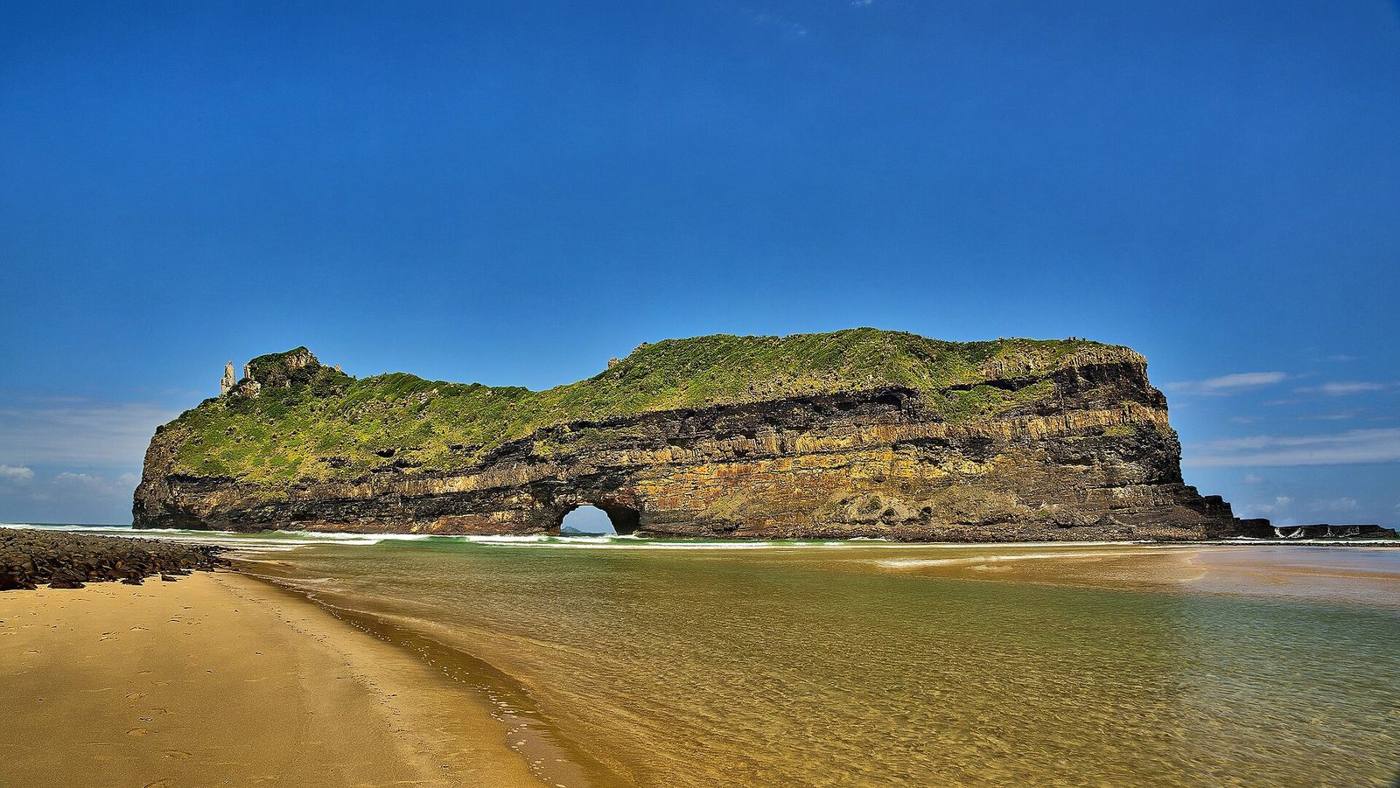
The wild coast of the Eastern Cape, Xhosa land and Nelson Mandela's homeland: green hills with round huts, the Hole in the Wall rock near Coffee Bay, cliffs, rivers flowing into the ocean and the Mandela museum at Qunu and Mthatha.
 6 daysModerate
The Drakensberg in depth
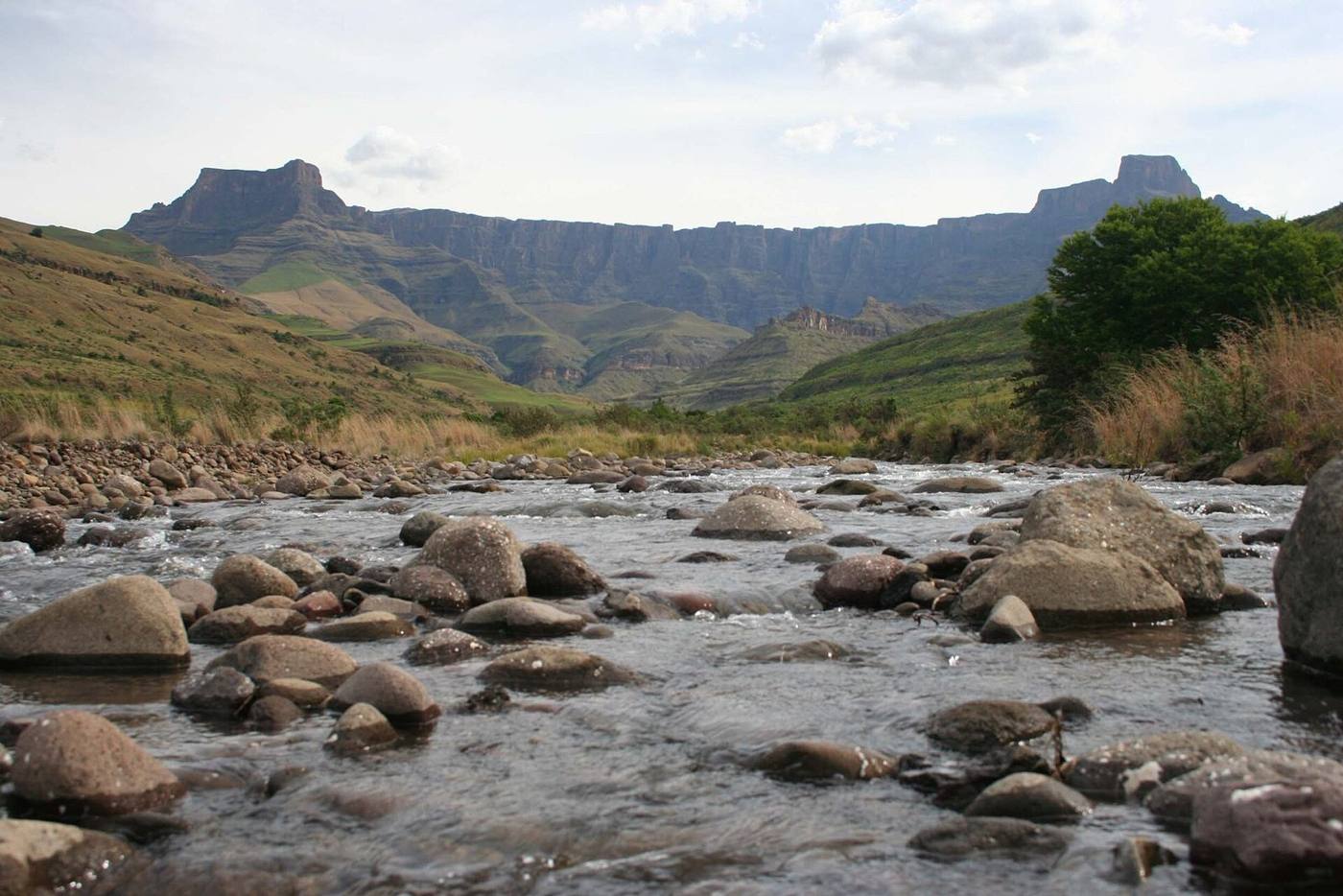
The dragon mountains of KwaZulu-Natal, a UNESCO World Heritage site: the Amphitheatre with Tugela Falls among the highest in the world, the San rock paintings at Giant's Castle and Kamberg, the valleys of Cathedral Peak and the Midlands Meander with craft workshops.
 5 daysEasy
Madikwe and Pilanesberg, clear of malaria safari
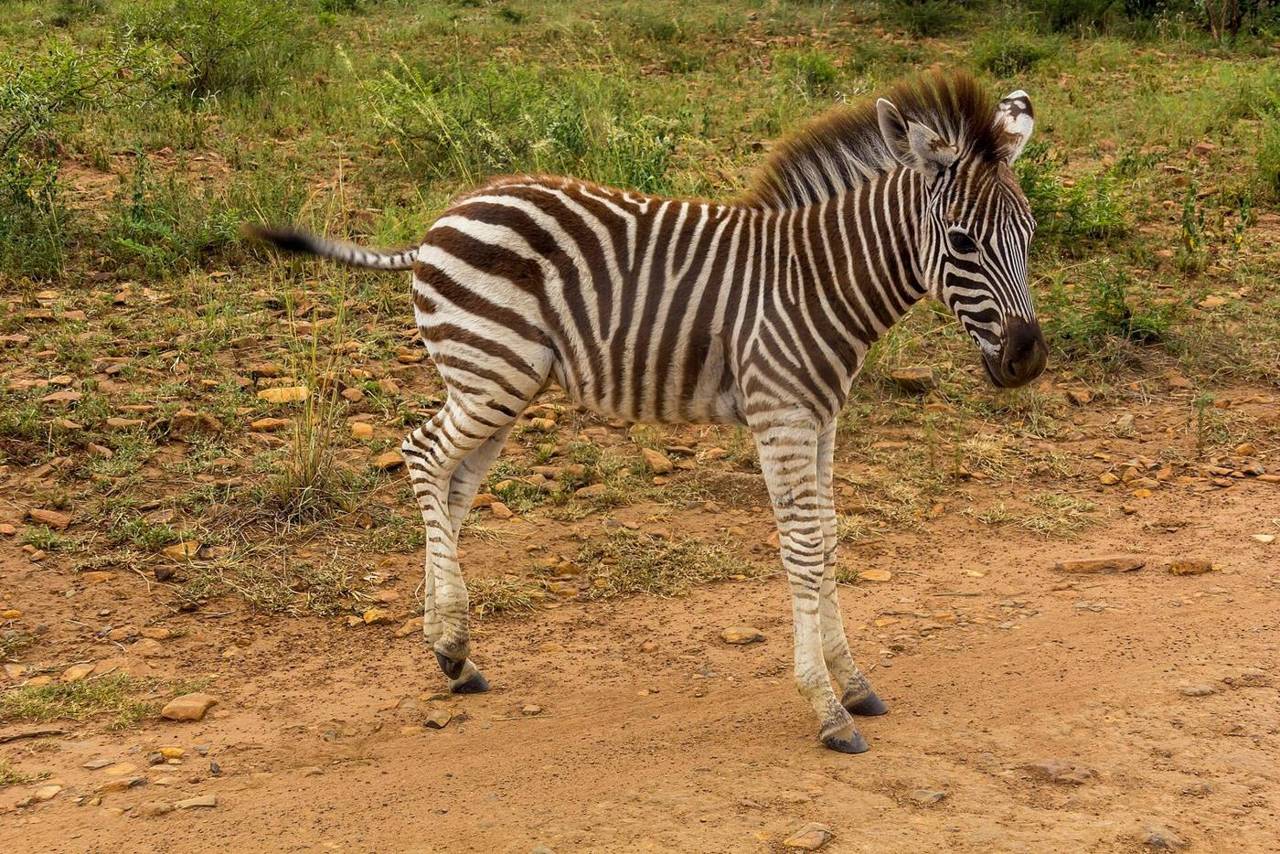
Big Five safaris with no malaria risk, a few hours from Johannesburg: Pilanesberg in the crater of an ancient volcano, easy even in your own car, and Madikwe reserve on the Botswana border, with lodges, wild dogs and open-jeep game drives.