Madikwe and Pilanesberg, clear of malaria safari
Big Five safaris with no malaria risk, a few hours from Johannesburg: Pilanesberg in the crater of an ancient volcano, easy even in your own car, and Madikwe reserve on the Botswana border, with lodges, wild dogs and open-jeep game drives.
- Johannesburg
- Pilanesberg
- Madikwe
Day by day
- Day 1
From Johannesburg to Pilanesberg
Pilanesberg and Madikwe are two reserves in North West province, South Africa, a few hours from Johannesburg, where the Big Five live, that is lions, leopards, elephants, buffalo and rhinos, but without the risk of malaria. They are therefore an excellent choice for those travelling with children, those who do not want to take malaria medication or those with only a few days. Pilanesberg is easy and accessible, Madikwe is more exclusive and wild. In five days you have a complete safari.
In the morning, leave Johannesburg by car heading north-west. In about two and a half to three hours you reach Pilanesberg, passing the Magaliesberg hills and the farmland of the plain.
Pilanesberg park lies inside the crater of an ancient extinct volcano, one of the largest complexes of its kind in the world, with rings of concentric hills around a central lake, Mankwe. The landscape is varied: rocky hills, grassland, acacia woods and wetlands. In the 1970s and 1980s there were farms here; then animals were brought back in one of the largest wildlife relocation operations in Africa.
In the afternoon, after settling into your lodge or camp, take your first game drive at sunset. In the park you can drive your own car, on tarred and gravel roads, or go with lodge guides in open vehicles.
Practical tip: drive slowly in the park, never get out of the car outside the fenced areas, and leave before the gates close at sunset. Check the times at the entrance.
- Day 2
A full day in Pilanesberg
Early in the morning, when the gates open, set off on a long game drive. The first hours are the best for seeing lions, still on the move after the night's hunt, and rhinos grazing on the grassland. Pilanesberg has a good population of white and black rhinos, protected by rangers against poaching.
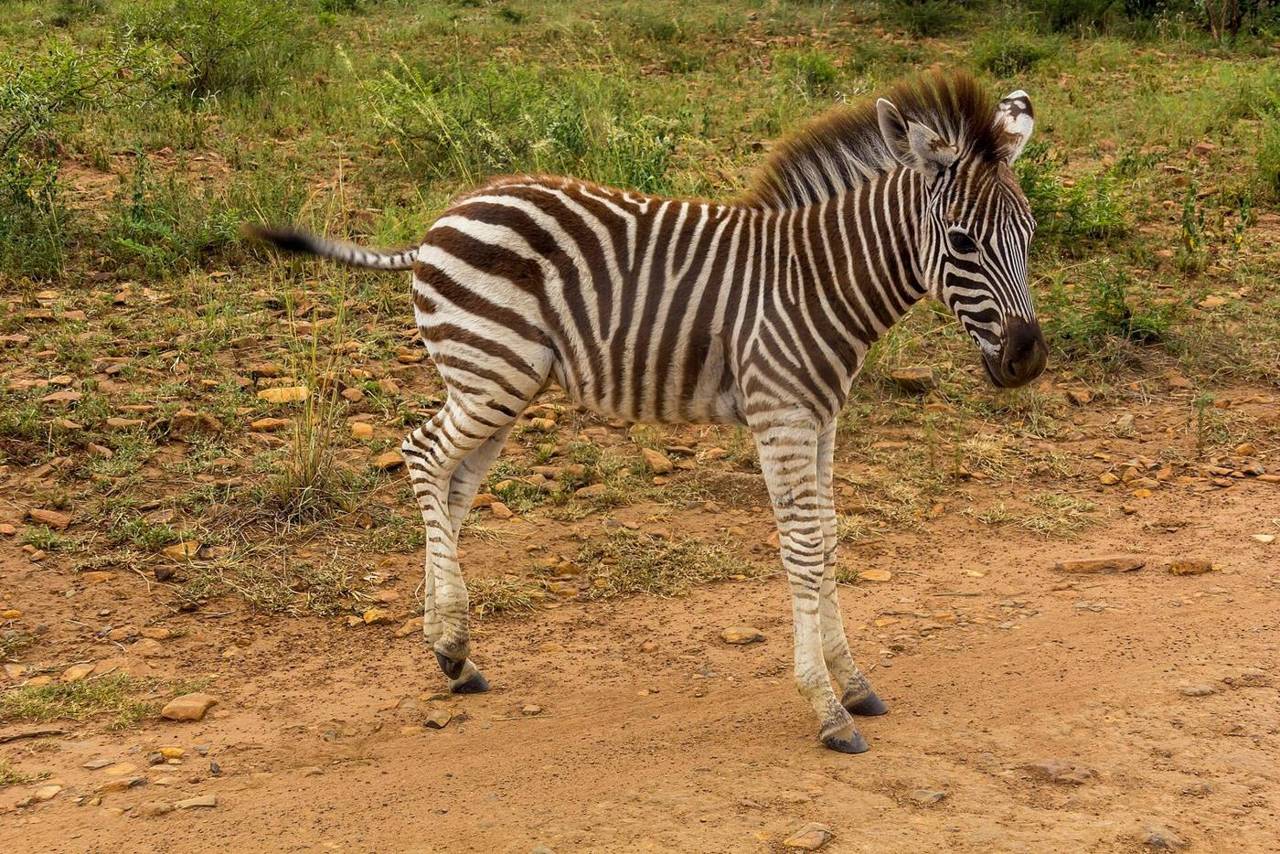
The park also has many elephants, giraffes, zebras, wildebeest, kudu, impala, hippos in Lake Mankwe and many birds. Near the lake there is a hide where you can get out of the car and quietly watch the animals that come to drink, the hippos and the crocodiles.
At midday, stop at one of the park's fenced picnic areas, where you can eat outdoors. In the hottest hours the animals rest in the shade.
In the afternoon, explore another part of the park, following one of the roads that climb the hills of the crater, with views over the whole volcanic ring and the plain around it. At sunset, in the golden light, the animals become active again.
In the evening, if your lodge offers it, take a night drive with a guide and spotlight to see leopards, hyenas, jackals, porcupines and owls.
Practical tip: to find out where animals have been seen, look at the sightings board at the entrance or ask other visitors. Never feed the animals.
- Day 3
The transfer to Madikwe
Early in the morning, take a last short game drive in Pilanesberg, then head north towards Madikwe, on the border with Botswana. The journey takes about two hours, on tarred and well-kept gravel roads, through countryside of villages and farms.
Madikwe is one of the largest reserves in South Africa, created in the 1990s on unproductive farmland, with the aim of bringing jobs to local communities. Its special feature is that it can only be visited by staying at one of the lodges inside: day visits and private cars are not allowed. For this reason the reserve is very quiet and game drives are only done with lodge guides in open vehicles.
Once at the lodge, in the afternoon, take your first game drive in Madikwe. The landscape is different from Pilanesberg: open plains, mopane and acacia woodland, rocky hills and dry riverbeds. The Big Five live here, and also the African wild dog, one of the rarest and most threatened predators on the continent, which is seen fairly often in Madikwe.
At sunset the guide stops the vehicle at a viewpoint for a break, while the sun sets over the savannah.
In the evening, have dinner at the lodge, often outdoors around the fire.
Practical tip: in Madikwe the lodges usually include game drives, meals and the transfer from the airstrip or the gate. Book ahead, because places are few.
- Day 4
Safari in Madikwe
The day follows the rhythm of the safari: wake up at dawn, coffee and biscuits, then a game drive of three or four hours. Madikwe's guides can leave the roads to approach animals, following precise rules, and they are in radio contact with each other to know where predators have been seen.
In the morning, look for wild dogs, which hunt in packs early in the day, running for a long time after antelope. Seeing them is a rare experience. You also meet elephants in large family groups, rhinos, buffalo, giraffes, zebras, wildebeest, oryx, kudu and cheetahs.
In mid-morning you return to the lodge for a hearty breakfast. The middle hours are for resting: you can stay by the pool, watch from the hide the animals that come to drink at the waterhole in front of the lodge, or take a guided bush walk if the lodge offers one.
In the afternoon, after tea, set off on the second game drive. In the late afternoon light the lions wake up and leopards come out of the bush. At sunset you stop again in the savannah.
After sunset the drive continues for a while in the dark, with a spotlight, to look for nocturnal animals.
In the evening, dinner at the lodge and the guide's stories about the day.
Practical tip: bring layers. On winter mornings and evenings, from May to August, it is very cold in the open vehicle, while at midday it is hot.
- Day 5
A last game drive and back to Johannesburg
On your last morning, take the dawn game drive, your last chance to see the animals you have missed or to see your favourites again. In Madikwe the guides try to meet guests' requests when possible.
After breakfast, leave the lodge. You can drive back to Johannesburg in about four or five hours, or take a small flight from the reserve's airstrip, which is quicker.
If you drive back, you can stop along the way to visit the Cradle of Humankind, a UNESCO World Heritage Site north-west of Johannesburg, where some of the oldest hominid fossils in the world have been found. The Maropeng visitor centre and the Sterkfontein caves tell the story of human evolution.
In the evening, in Johannesburg, you can sleep near the airport if your flight is the next day, or visit one of the liveliest districts, such as Maboneng, with galleries and bars.
This safari combines well with other parts of South Africa: Cape Town and the Cape Peninsula, the Garden Route or, for those who accept malaria prevention, Kruger National Park.
Practical tip: Italian citizens can enter South Africa without a visa for up to 90 days, with a passport that must have at least two blank pages. The United States keeps South Africa at level 2: in Johannesburg avoid walking alone at night and do not leave belongings visible in the car.
Ideal for families with children and those who prefer not to take malaria prophylaxis. Madikwe can only be entered if you stay at a lodge in the reserve, and the lodges are expensive. In the dry season (May-September) animals are easier to see and nights are cold. The United States advises increased caution (level 2) because of crime: no driving at night, windows closed in cities, no valuables on show. Italians need no visa for up to 90 days.
Before you go
- Documents and visa
- Passport valid for at least 30 days beyond departure, with at least two completely blank pages; no visa for tourism up to 90 days. A return ticket is required.
- Health and vaccines
- No compulsory vaccines arriving from Europe; a yellow fever certificate is needed only if arriving from a risk country. Kruger and the north-east have seasonal malaria risk: ask your doctor before travelling. Emergencies: 10111 police, 10177 ambulance, 112 from mobiles.
- Money and payments
- South African rand. Cards work almost everywhere; keep some cash for tips and car guards.
- Power sockets
- Type M, plus C and N, 230 volts: you need an adapter for the large three round-pin plugs.
- Time zone
- UTC+2 all year: South Africa does not use daylight saving time.
- Safety
- The United States rates South Africa level 2 for crime. In cities avoid walking alone at night, leave nothing visible in the car and use ride-hailing apps after dark. Official advice: GOV.UK.
Information checked in November 2026 for Italian and EU citizens. Rules change: always check before you travel.
Variations
In 3 days: Pilanesberg only, with two nights in the park, ideal with children.
In 10 days: after Madikwe, fly to Cape Town for the city, the Cape Peninsula and the winelands.
Frequently asked questions
Is it really clear of malaria?
Yes: Pilanesberg and Madikwe are considered clear of malaria areas, unlike Kruger National Park. Still, ask your doctor before you leave.
When is the best time to go?
The dry season, from May to September, when the grass is short and animals gather at the waterholes. In summer, from November to March, it is greener and hotter, with afternoon thunderstorms.
Can Madikwe be visited as a day trip?
No: you can only enter Madikwe by staying at one of the reserve's lodges. Pilanesberg, on the other hand, can be visited as a day trip in your own car.
Indicative itinerary written by World Atlas. Before booking, check timetables, seasonal openings, documents and safety.
 6 daysModerate
Maputaland: Sodwana and Kosi Bay
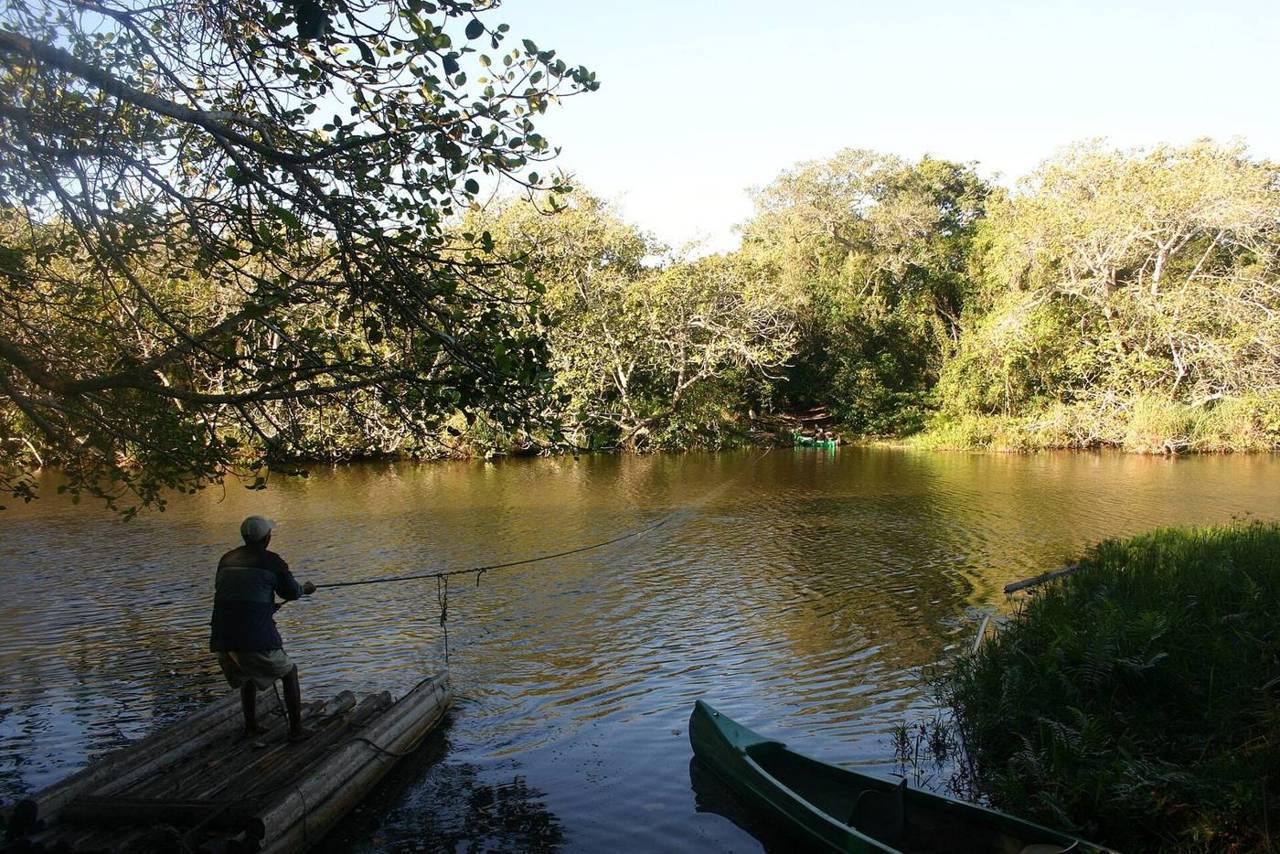
The wildest corner of KwaZulu-Natal, in iSimangaliso park: Africa's southernmost coral reefs at Sodwana Bay, turtles nesting on the beaches in summer, the lakes and traditional fish traps of Kosi Bay and Tembe reserve with its big-tusked elephants.
 4 daysEasy
Johannesburg, Soweto and the Cradle of Humankind
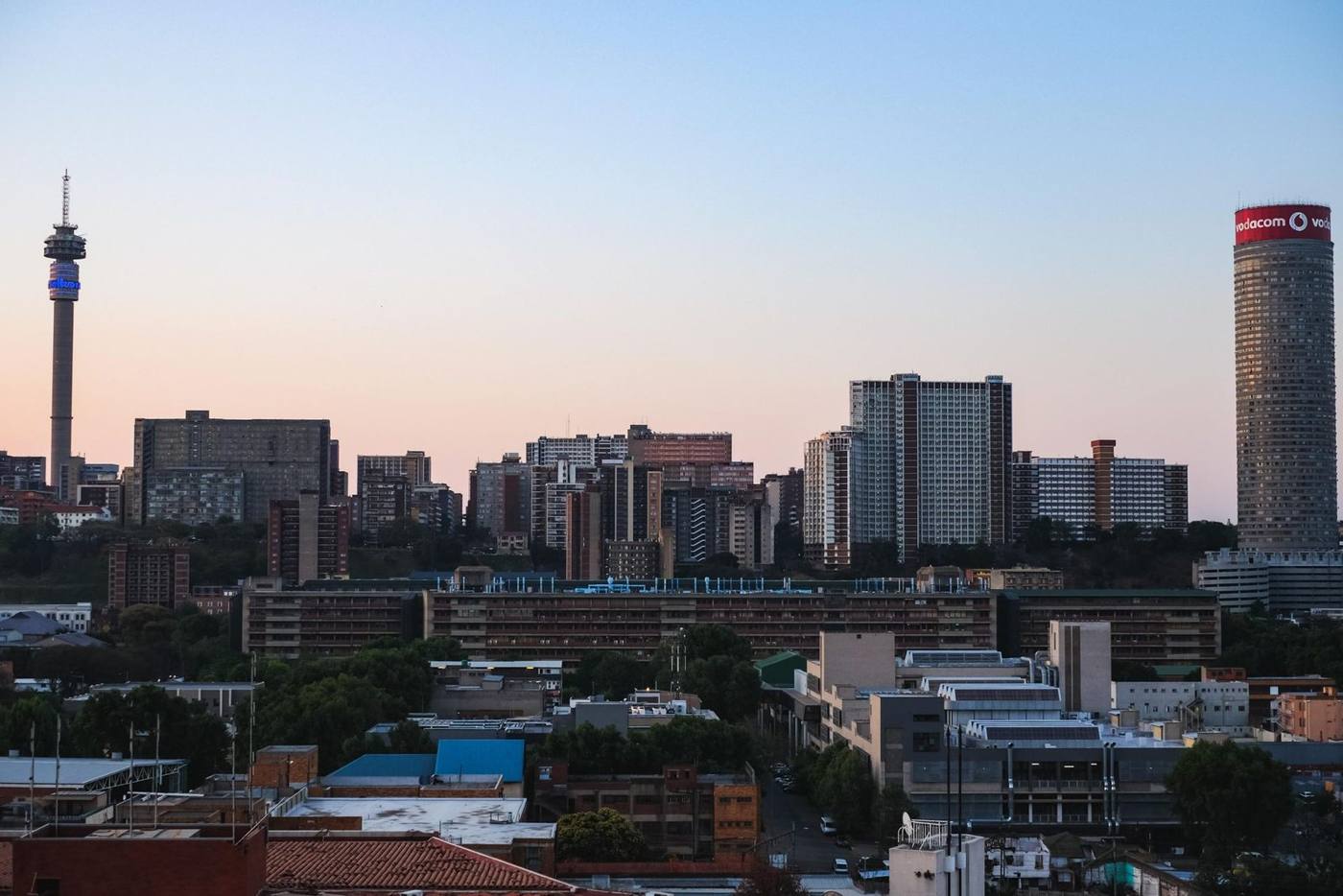
The story of modern South Africa: the Apartheid Museum, Constitution Hill, Soweto with Mandela's house and the Hector Pieterson memorial, the creative Maboneng district, Pretoria with the Union Buildings and the Sterkfontein caves, where some of humanity's oldest ancestors were found.
 4 daysEasy
The KwaZulu-Natal battlefields
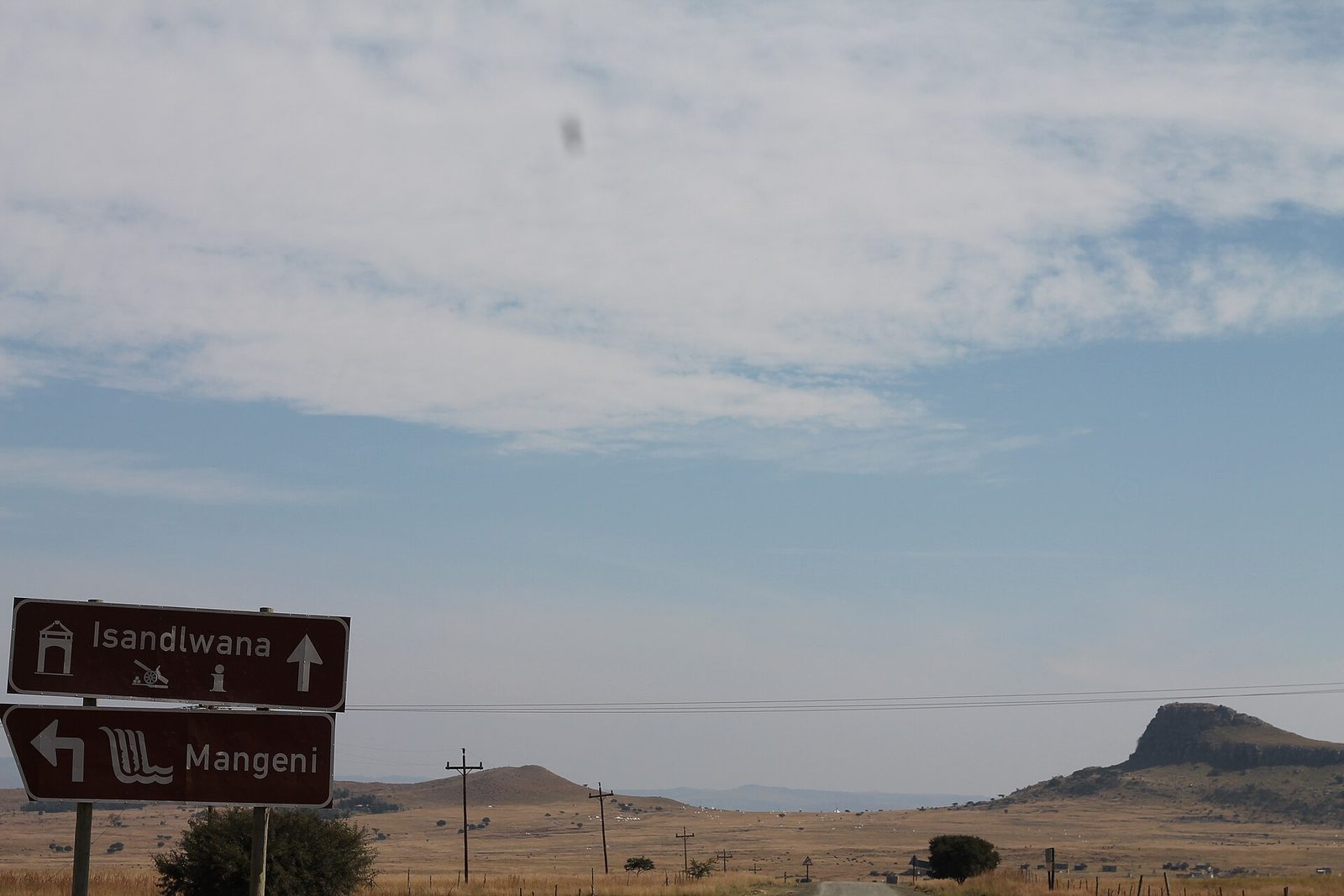
The hills where Zulus, British and Boers clashed: Isandlwana, where in 1879 the Zulu army defeated the British, Rorke's Drift, the Blood River and Spioenkop, told on site by local historian guides who bring events to life.