Addo and the eastern Karoo
A clear of malaria safari in the Eastern Cape: Addo Elephant Park, the nearby private reserves with the Big Five, then inland to Graaff-Reinet, one of the country's oldest towns, and the Valley of Desolation with its rock columns above the Karoo.
- Gqeberha
- Addo
- Graaff-Reinet
- Valley of Desolation
- Nieu-Bethesda
Day by day
- Day 1
From Gqeberha to Addo
The Eastern Cape brings together, within a few hours' drive, two different worlds: Addo Elephant National Park, near the coast, one of the best parks in South Africa for seeing elephants up close, and the eastern Karoo, a semi-desert plateau with table mountains, historic towns, very ancient fossils and starry skies. There is no malaria here, and the area is quieter than the Kruger. In six days you see Addo, a private reserve, Graaff-Reinet, the Valley of Desolation and Nieu-Bethesda.
You arrive by plane in Gqeberha, the city once called Port Elizabeth, with flights from Johannesburg and Cape Town. It is best to hire a car.
In the afternoon, drive to Addo, about an hour north of the city, through the citrus plantations of the Sundays River valley.
Addo Elephant National Park was created in 1931 to protect the last eleven elephants in the area, survivors of hunting. Today there are more than six hundred, along with buffaloes, lions, hyenas, black rhinos, zebras, antelopes and kudu. The park extends to the coast and the sea, home to whales and great white sharks: that is why it is said to have the Big Seven.
At sunset, take a first drive in the southern part of the park, around the waterholes, where elephants come to drink in family groups.
In the evening, sleep inside the park or nearby.
Practical tip: Italian citizens enter South Africa without a visa for up to 90 days, with a passport valid for at least 30 days after departure and with two blank pages. The United States has South Africa at level 2.
- Day 2
Addo: elephants and waterholes
In the morning, enter the park when the gates open and drive yourself along the roads of the main section, many paved or gravel in good condition. The landscape is made of dense, low bush, spekboom, a succulent that elephants love to eat and that absorbs a lot of carbon dioxide, and of hills and open plains.
The best way to see elephants is to wait at the waterholes, such as Hapoor, the most famous, where in the hot hours herds of dozens of elephants arrive, with mothers, youngsters and calves playing in the mud. They often come within a few metres of the car. Along the roads you also see zebras, kudu, warthogs, ostriches and, with some luck, lions lying in the shade or hyenas.
Watch out for dung beetles, small flightless insects pushing balls of dung across the road: they are protected and have right of way.
In the afternoon, in the hottest hours, rest at the park's main camp, which has a hide overlooking a waterhole lit up at night, and a small visitor centre. Then go back out for sunset.
In the evening, sleep in the park or nearby.
Practical tip: the daily entry fee for Addo is 565 rand for foreign adults. In the park never get out of the car except in marked areas, and respect the speed limits.
- Day 3
A private reserve: lions and rhinos
Today, spend a day in one of the private reserves around Addo, at a lodge with guided safaris in open vehicles. The Eastern Cape's private reserves were created in recent decades on old farms, reintroducing animals that once lived here, and they let you see big cats and rhinos with expert guides.
Early in the morning, set off on the first safari, when the animals are most active. The guides follow the tracks of lions and cheetahs, look for white and black rhinos, buffaloes and elephants, and explain the animals' behaviour, the plants and the birds. Drives last about three hours, with a coffee break in the bush.
In the afternoon, after lunch and a rest at the lodge, take the sunset safari, which ends with drinks as the sun goes down over the hills. On the way back, with a spotlight, you may see nocturnal animals, such as wildcats, porcupines and springhares.
In the evening, at the lodge, dinner is often around the fire, with a braai, the barbecue, and the guides' stories.
In the evening, sleep in the private reserve.
Practical tip: rhinos are threatened by poaching. Many reserves ask you not to post animals' locations on social media. Respect this rule.
- Day 4
The road to Graaff-Reinet and the Valley of Desolation at sunset
In the morning, head north-west towards the Karoo, across mountains and plateaus, to Graaff-Reinet, about three hours away. The landscape changes: green vegetation gives way to dry plains, low shrubs and flat-topped rocky mountains.
Graaff-Reinet, founded in 1786, is one of the oldest towns in South Africa, in a bend of the Sundays river, surrounded by Camdeboo National Park. It has more buildings declared national monuments than any other town in the country, with Cape Dutch houses with white gables, Victorian houses and the great stone Dutch Reformed church, built in imitation of Salisbury Cathedral.
In the afternoon, visit the Reinet House museum, the old parsonage, with period furniture and a vine from 1870 in the garden, and the museum dedicated to Robert Sobukwe, a leader of the anti-apartheid movement born in this town.
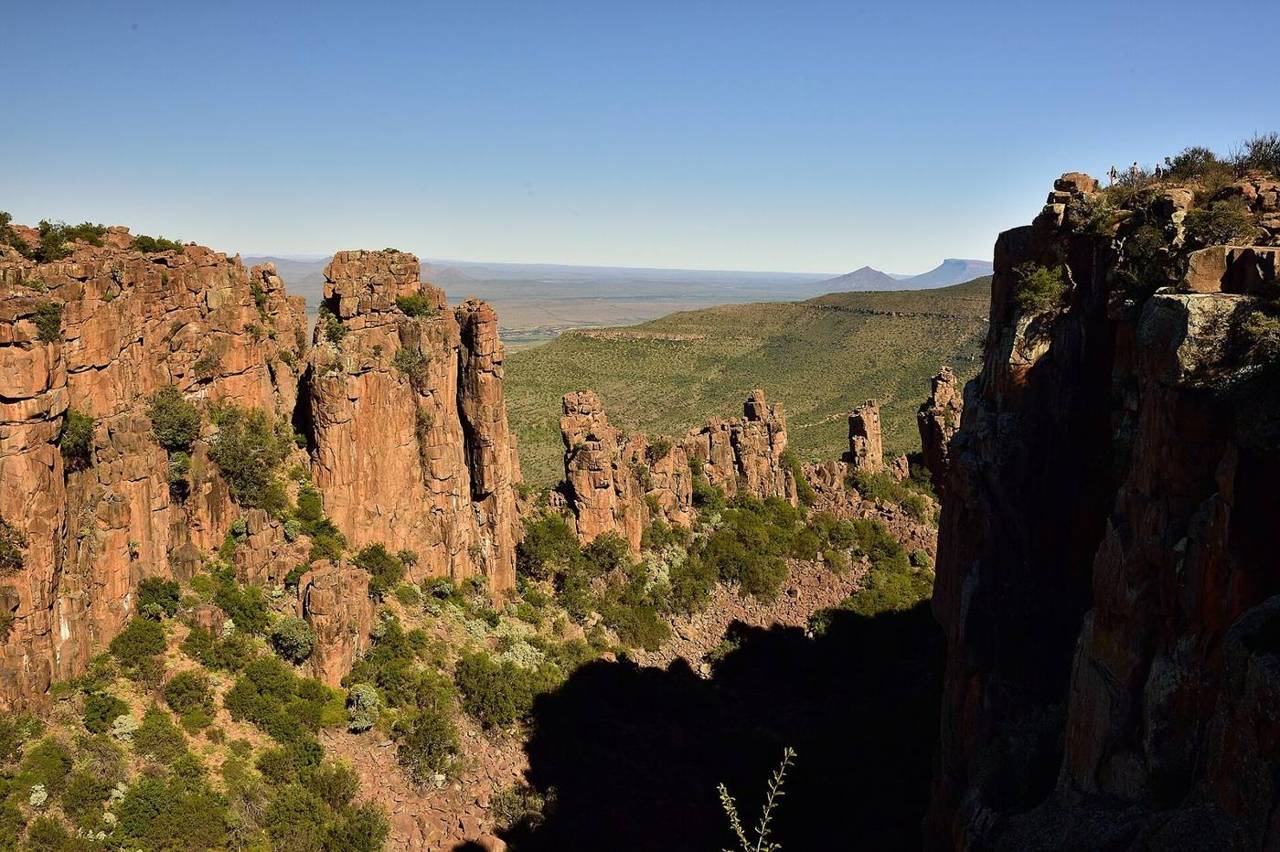
Then go up to the Valley of Desolation in Camdeboo National Park, about fifteen minutes from town. A short path leads to the edge of a valley with dolerite columns up to one hundred and twenty metres high, rising from the floor like towers. At sunset the rocks turn red and the Karoo plain stretches to the horizon, with the town below.
In the evening, sleep in Graaff-Reinet.
Practical tip: in the Karoo distances are long and fuel stations few. Fill up at every opportunity and carry water in the car.
- Day 5
Nieu-Bethesda and the Owl House
In the morning, drive north to Nieu-Bethesda, about an hour from Graaff-Reinet, a small isolated village in a green valley among the Karoo mountains, with dirt streets, water channels and low houses. The village has no banks or fuel stations, and at night the streets are almost dark.
Nieu-Bethesda is famous for the Owl House, the home of the artist Helen Martins, who from the 1940s to the 1970s turned her house and garden into a work of art. Inside, the walls are covered with crushed coloured glass, which sparkles in lamplight and sunlight. In the garden, called the Camel Yard, there are hundreds of cement and glass statues, of owls, camels, mermaids, pilgrims and mystical figures, all facing east towards an imaginary Mecca. Helen Martins had them built with the help of a labourer, Koos Malgas. Her story inspired a play by Athol Fugard.
In the afternoon, visit the Kitching fossil centre, where you see fossils of animals that lived over two hundred and fifty million years ago, before the dinosaurs, when the Karoo was a swamp. With a guide you walk along the riverbed to see fossils still in the rock.
In the evening, look at the Karoo's starry sky, one of the darkest and clearest in the world.
In the evening, sleep in Nieu-Bethesda.
Practical tip: there are no cash machines or fuel stations in Nieu-Bethesda. Bring cash and fill up in Graaff-Reinet.
- Day 6
Back to Gqeberha
On your last morning, walk around Nieu-Bethesda, with its craft shops and old church, then head south towards Gqeberha, about four and a half hours away.
On the way, if you have time, stop again in Graaff-Reinet for a coffee, or detour to the Wapadsberg pass or the viewpoints over the Karoo. Alternatively, go via the town of Cradock to the north-east, with its Georgian houses and the house museum of the writer Olive Schreiner, and the Mountain Zebra National Park, with the rare Cape mountain zebra.
In the afternoon you reach Gqeberha. If you have a few hours, walk along the Summerstrand seafront, with beaches on the Indian Ocean, or visit the Donkin Reserve, with its lighthouse and the pyramid in memory of the governor's wife who gave the city its old name, and Route 67, a trail of sixty-seven public artworks dedicated to Nelson Mandela's sixty-seven years of service to the country.
From Gqeberha, take your flight home.
This trip combines well with the Garden Route, west of Gqeberha, towards Cape Town, or with the Wild Coast to the east.
Practical tip: in South Africa you drive on the left. Avoid driving at night outside towns, and always keep the doors locked and valuables out of sight.
A good way to combine safari and the Garden Route without malaria. In Addo you can drive yourself on the park's tarred and gravel roads; private reserves have rangers and open jeeps. The Karoo is very hot in summer and cold at night in winter. The United States advises increased caution (level 2) because of crime: no driving at night, windows closed in cities, no valuables on show. Italians need no visa for up to 90 days.
Before you go
- Documents and visa
- Passport valid for at least 30 days beyond departure, with at least two completely blank pages; no visa for tourism up to 90 days. A return ticket is required.
- Health and vaccines
- No compulsory vaccines arriving from Europe; a yellow fever certificate is needed only if arriving from a risk country. Kruger and the north-east have seasonal malaria risk: ask your doctor before travelling. Emergencies: 10111 police, 10177 ambulance, 112 from mobiles.
- Money and payments
- South African rand. Cards work almost everywhere; keep some cash for tips and car guards.
- Power sockets
- Type M, plus C and N, 230 volts: you need an adapter for the large three round-pin plugs.
- Time zone
- UTC+2 all year: South Africa does not use daylight saving time.
- Safety
- The United States rates South Africa level 2 for crime. In cities avoid walking alone at night, leave nothing visible in the car and use ride-hailing apps after dark. Official advice: GOV.UK.
Information checked in November 2026 for Italian and EU citizens. Rules change: always check before you travel.
Variations
In 4 days: two days in Addo and one night in Graaff-Reinet.
In 10 days: add the Garden Route to Cape Town.
Frequently asked questions
When is the best time to go?
All year in Addo. From March to May and from September to November temperatures are milder; in the Karoo summer is very hot and winter nights are very cold.
Is there malaria?
No, Addo and the eastern Karoo are clear of malaria, suitable even for families with small children.
How much does Addo cost?
The daily entry fee is 565 rand for foreign adults. Private reserves have different prices, usually with full board and safaris included.
Indicative itinerary written by World Atlas. Before booking, check timetables, seasonal openings, documents and safety.
 7 daysModerate
Limpopo: Mapungubwe and northern Kruger
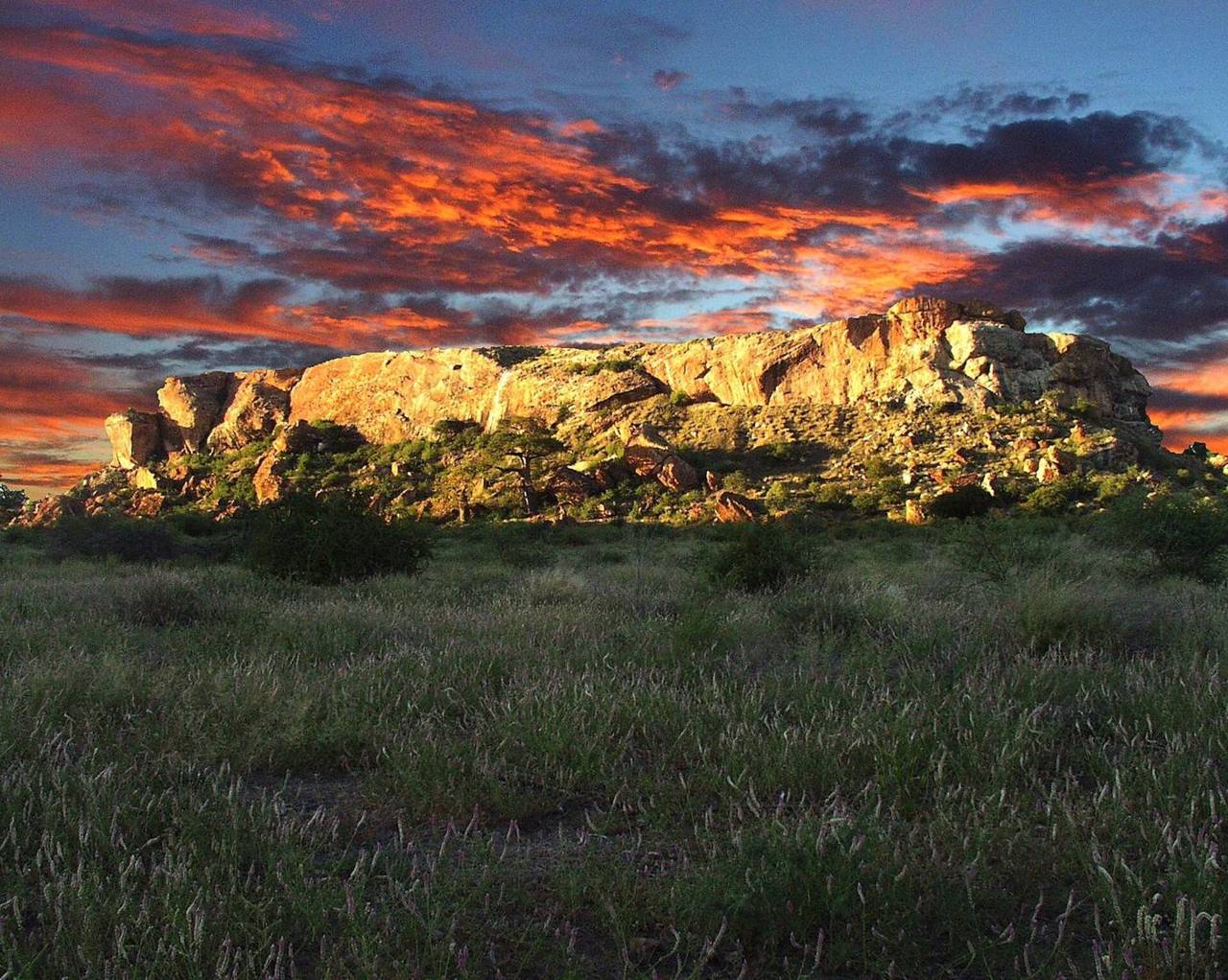
The South Africa of baobabs: Mapungubwe, an Iron Age African kingdom and UNESCO World Heritage site at the confluence of the Limpopo and Shashe rivers, then northern Kruger, wilder and less visited than the south, with Punda Maria, the Luvuvhu river and Lanner Gorge.
 5 daysEasy
The Winelands in depth
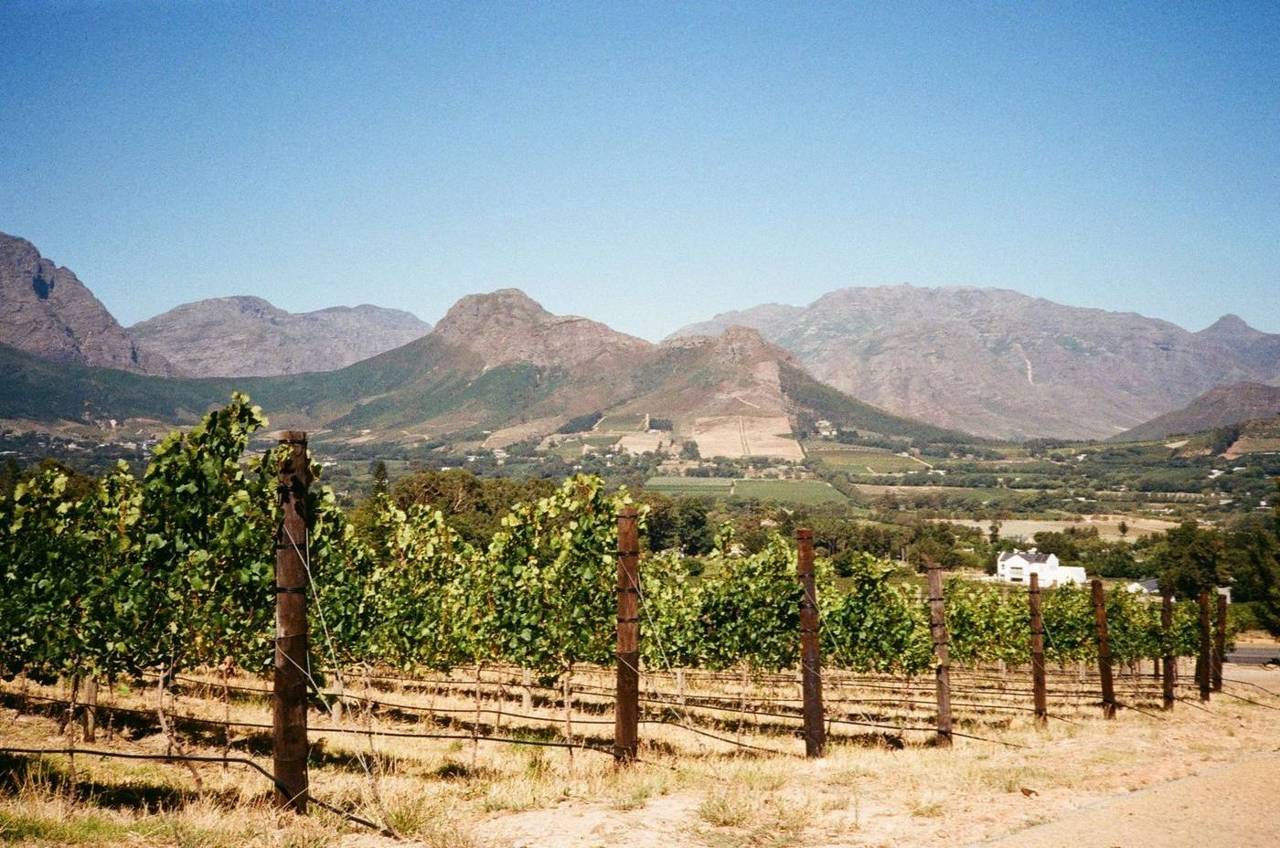
The Cape wine valleys among granite mountains: Stellenbosch with its Cape Dutch houses, Franschhoek and its wine tram, Paarl and the Tulbagh valley, with historic estates, some of the country's best cooking and trails through the vineyards.
 6 daysEasy
Route 62 and the Karoo
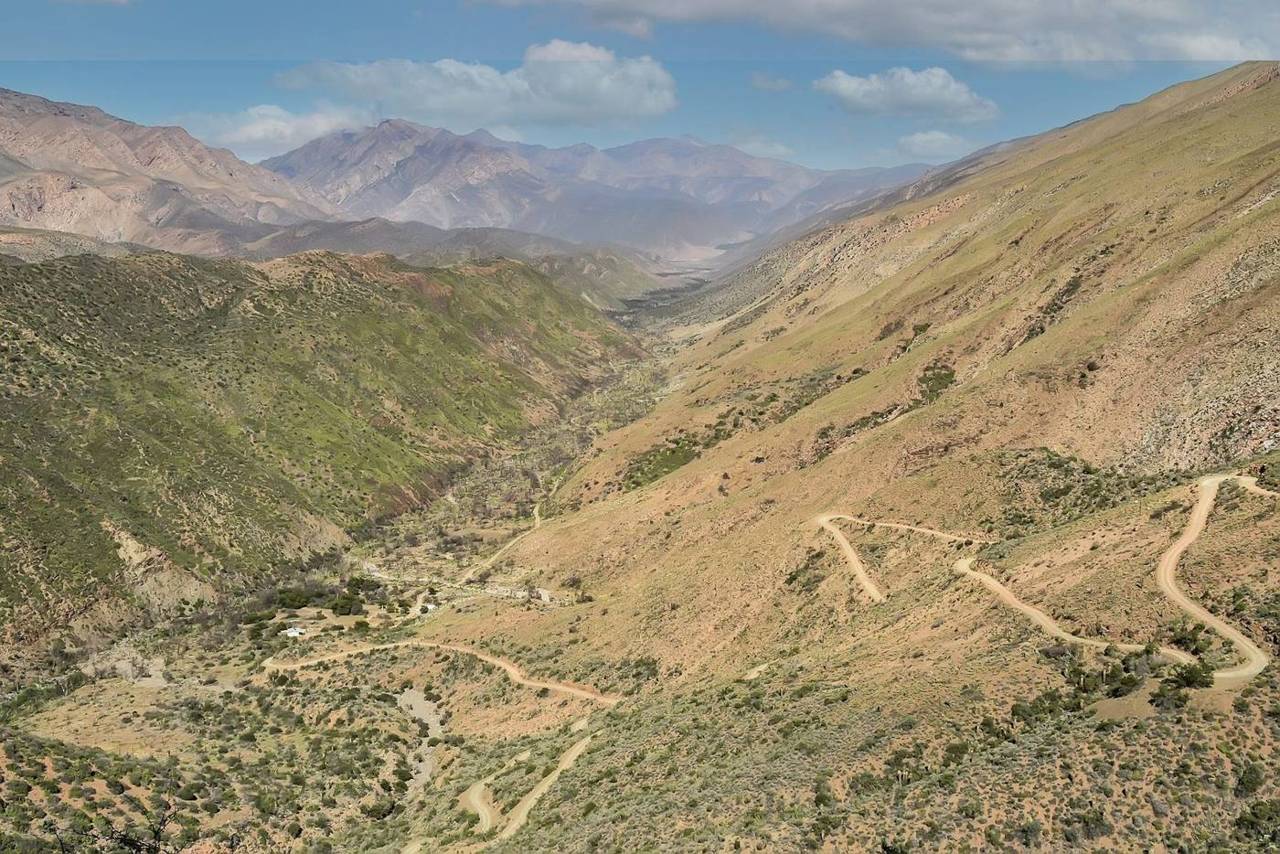
The inland road parallel to the Garden Route: the hot springs of Montagu, the towns of Barrydale and Calitzdorp, the historic gravel Swartberg Pass, the Karoo town of Prince Albert and the starry skies of the semi-desert.