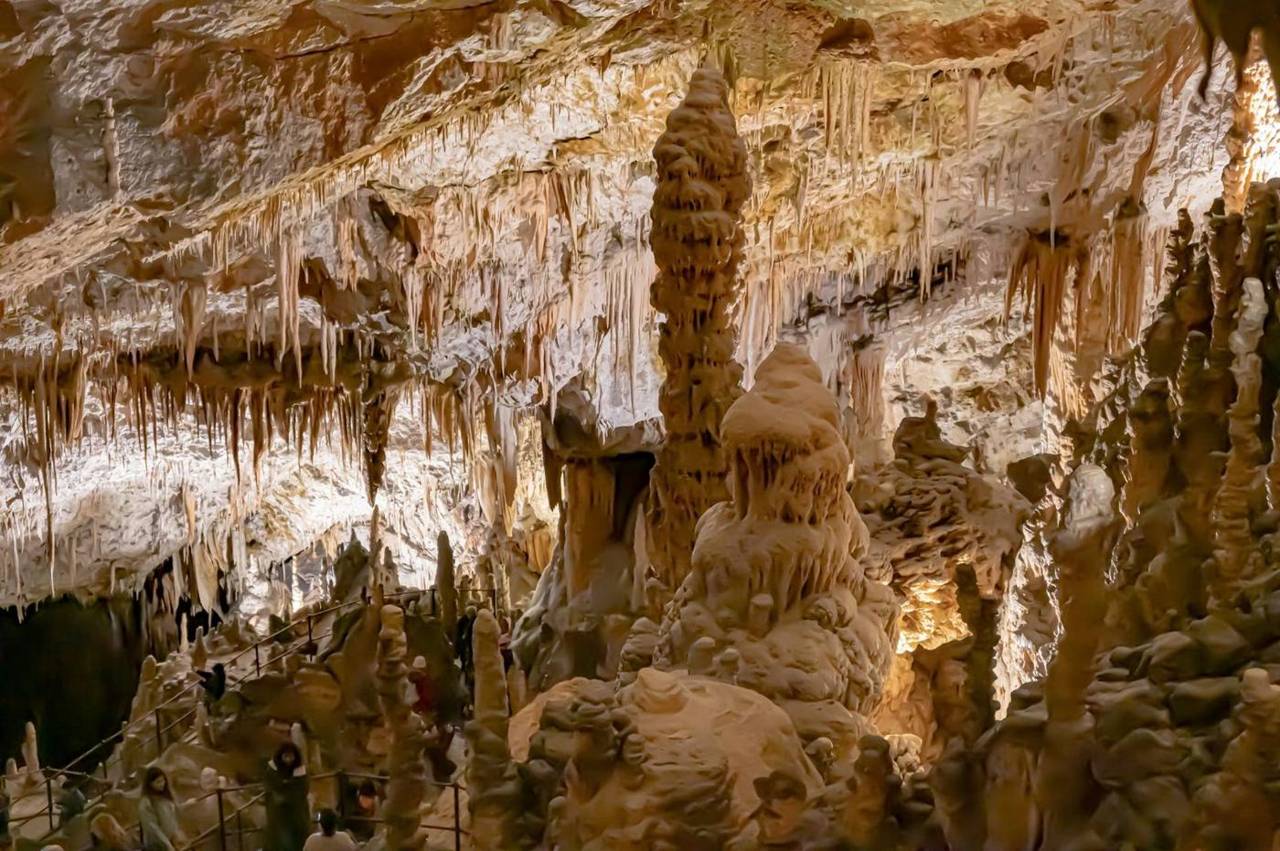
The Škocjan and Postojna caves
The underground Karst: the UNESCO-listed underground canyon of Škocjan, the train through the Postojna caves with the olm, and Predjama Castle.
- Škocjan
- Postojna
- Predjama
- Cerknica
Day by day
- Day 1
The Škocjan caves and the Reka canyon
This short trip goes underground in the Slovenian Karst, the limestone plateau that gave its name to every karst landscape in the world. You visit the Škocjan caves, a UNESCO World Heritage Site, the Postojna caves with their train and the olm, Predjama Castle built into the rock and the intermittent lake of Cerknica. You travel by car, less than an hour from Trieste.
Before you leave: Slovenia is part of the European Union and the Schengen area and uses the euro. Italian citizens need a valid electronic identity card for travel abroad or a passport; the paper identity card has no longer been valid for travel abroad since 3 August 2026. There may be temporary checks at the borders, so always carry your document. Other nationalities should check their own rules. Motorways and expressways require an electronic vignette, which you buy on the official DARS website.
In the morning drive to Škocjan, a small village above the river Reka. Here the river disappears underground and flows through one of the largest underground canyons in Europe, before reappearing in Italy as the Timavo, near the sea.
The visit, with a guide only, first crosses the Silent Cave, with stalactites, stalagmites and limestone pools, then enters the Murmuring Cave, where you hear the river flowing tens of metres below. The highlight is Cerkvenik Bridge, suspended about 45 metres above the Reka, in the dark, with the walls lit up. Check prices and times.
After the visit walk the path above the great collapsed sinkholes, where you see the river enter the mountain.
Sleep in Postojna or in the Karst villages.
Practical tip: in the caves the temperature is around ten degrees and there are many wet steps; bring a jacket and shoes with a good grip.
- Day 2
The Postojna caves and Predjama Castle
Today you visit the most famous cave in Slovenia and the country's most astonishing castle, a few kilometres apart.
In the morning enter the Postojna caves, a system of passages more than twenty kilometres long carved by the river Pivka, open to visitors for more than two hundred years. It is more touristy than Škocjan but easy for everyone, including children and older people. An electric train takes visitors several kilometres into the mountain, among limestone columns and curtains; then you walk with a guide through the finest halls, with stalactites as thin as spaghetti and very white stalagmites. At the end of the visit, in an aquarium, you see the olm, the blind, pink amphibian that lives only in the underground waters of the Karst and can live for many decades. Check prices and times.
In the afternoon drive about ten kilometres to Predjama. The castle is wedged into the mouth of a cave, halfway up a rock face more than a hundred metres high. Legend says that in the fifteenth century the rebel knight Erasmus of Predjama held out here against a long siege, receiving food through a secret passage in the cave. You visit the halls, the chapel, the dungeons and the passages in the rock, as far as the cave behind the castle. Check prices and times.
In the evening taste the dishes of the Karst, such as prosciutto and jota, a soup of sauerkraut and beans.
Practical tip: in summer buy your Postojna ticket in advance on the official website and choose the first tour of the morning.
- Day 3
The intermittent lake of Cerknica and departure
On the last day drive for half an hour to Cerknica, home to one of the strangest phenomena of the Karst: a lake that appears and disappears. When it rains a lot, usually in autumn and spring, water rises from the ground through dozens of sinkholes and fills the wide valley, forming the largest lake in Slovenia. In summer the water goes back underground and in place of the lake there are meadows, reed beds and pastures. As early as the seventeenth century the scholar Valvasor described this phenomenon, which amazed travellers from all over Europe.
Walk the paths around the lake, or across the dry lake bed in summer, and watch the birds: the area is an important reserve for water birds and migrating species. When there is water you can also go canoeing.
Then visit the Rakov Škocjan park, a few kilometres away, a karst valley with a river flowing under two great natural rock bridges, the remains of a collapsed cave. An easy woodland path links them in an hour.
In three days you have seen the underground Karst: the Škocjan canyon, the halls of Postojna with the olm, the castle in the rock at Predjama, the lake that comes and goes and the natural bridges. It is an easy trip that works all year, in winter and in the rain too.
When to go: all year round. The caves stay at ten degrees in every season; Lake Cerknica is usually full from October to spring.
Practical tip: many bears live in the forests of Notranjska; stay on the paths and avoid the woods at dawn and dusk.
Two of Europe's most spectacular caves, half an hour apart and an hour from Trieste. Škocjan is wilder and more impressive; Postojna is more touristy but easy for everyone. Inside it is 10°C all year, so bring a jacket. It works as a winter or rainy-day trip too.
Before you go
- Documents and visa
- EU citizens need a valid identity card or passport: Slovenia is in the EU and the Schengen area. A driving licence is not accepted as identification. There may be temporary checks and queues on the borders with Italy, Croatia and Hungary: always carry your document. Other nationalities should check the Schengen rules.
- Health and vaccines
- No vaccines required. Tick-borne encephalitis is present: if you hike in summer, ask your doctor about the vaccine. EU citizens should bring their EHIC, plus insurance covering mountain rescue. Emergencies and mountain rescue: 112, police 113.
- Money and payments
- Euro. Cards are accepted almost everywhere, but carry some cash for mountain huts and small taverns. Motorways and expressways require an electronic vignette from the official DARS website; fines without one are high.
- Power sockets
- Types C and F, 230 volts.
- Time zone
- Central European Time (UTC+1, summer UTC+2).
- Safety
- A calm country with no particular areas to avoid. Watch for pickpockets in central Ljubljana and at tourist sites. In the mountains the weather changes quickly and summer storms are dangerous on ridges. Many bears live in the forests of the inner Karst and Notranjska: avoid the woods at dawn, dusk and night. Wild camping is banned. Official advice: GOV.UK.
Information checked in November 2026 for Italian and EU citizens. Rules change: always check before you travel.
Variations
Short version: in one day see Škocjan and Postojna, starting from Trieste.
Long version: add two days on the coast, in Piran and Koper, less than an hour away.
Frequently asked questions
Which cave should I choose if I am short of time?
Škocjan is wilder and more impressive, with its underground river; Postojna is easier, with the train. If you can, see both.
Are the caves suitable for children?
Postojna yes, thanks to the train and easy paths. Škocjan has many steps and a long walk, better for older children.
When is Lake Cerknica full?
Usually from autumn to spring, after the rains. In summer it is often dry and becomes a large meadow.
Indicative itinerary written by World Atlas. Before booking, check timetables, seasonal openings, documents and safety.
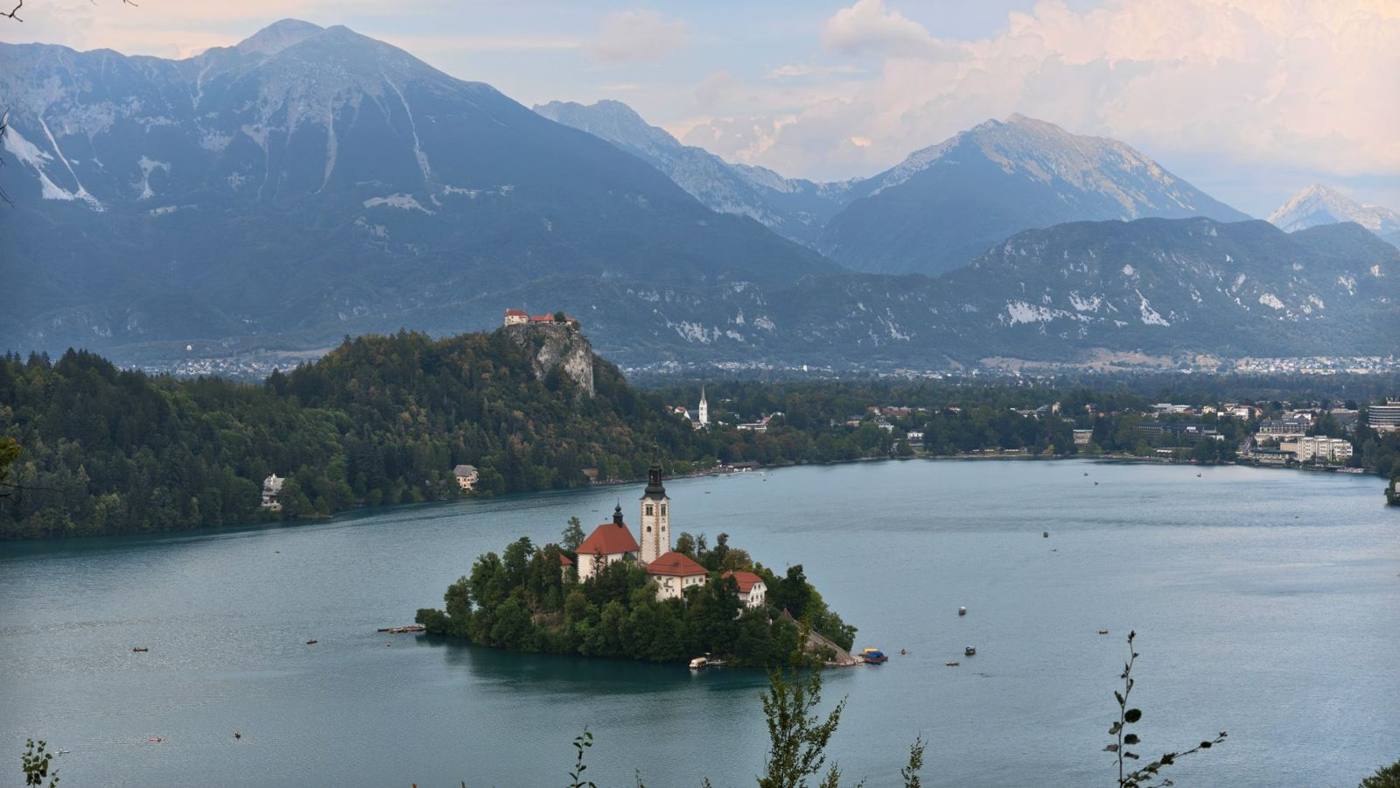 8 daysEasy
Classic Slovenia
Ljubljana, Lakes Bled and Bohinj, the Soča valley, the Postojna caves and Predjama Castle, and the sea at Piran.
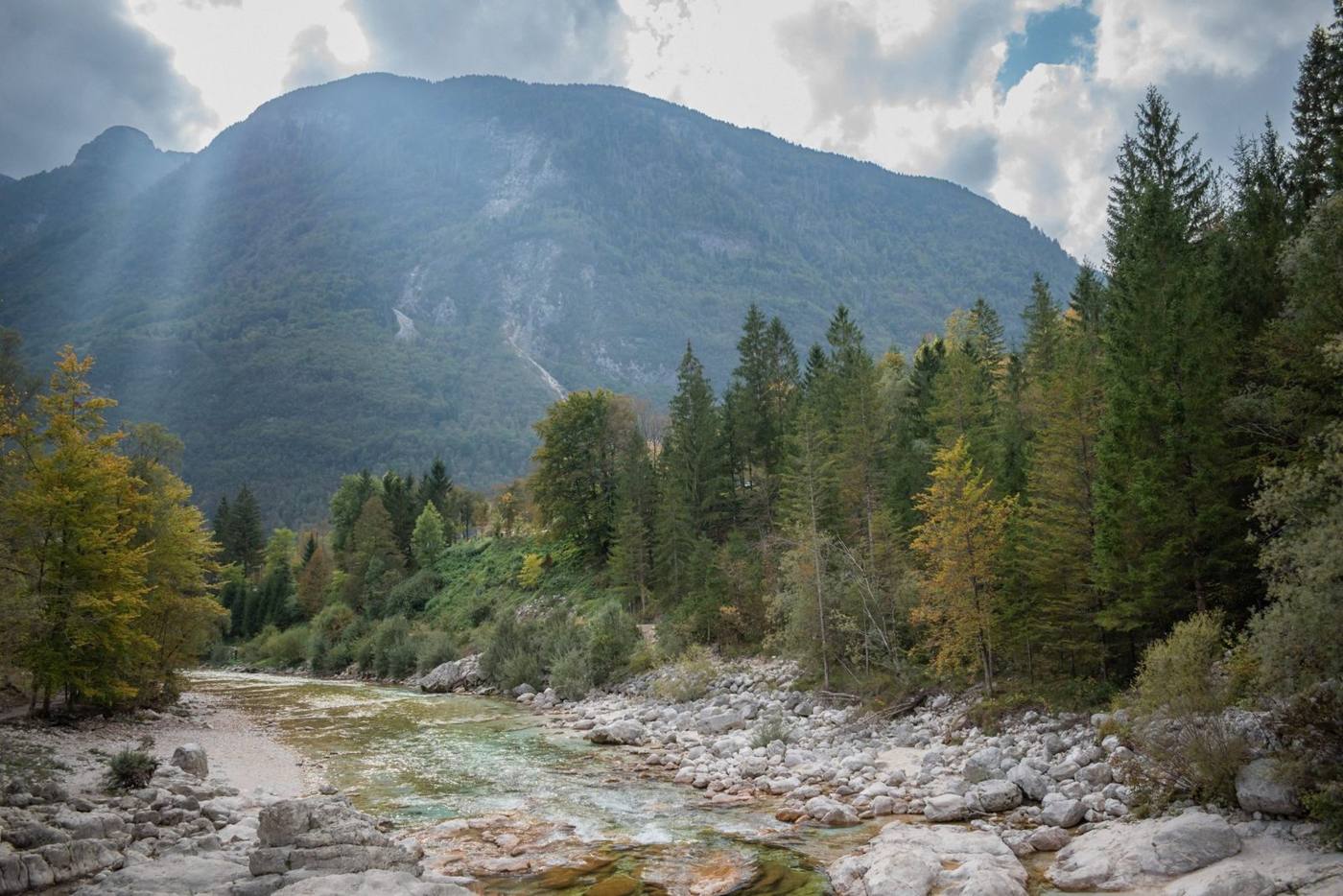 5 daysModerate
The Soča valley
The emerald river, rafting at Bovec, the Kozjak waterfall, the First World War museum at Kobarid and the Vršič Pass.
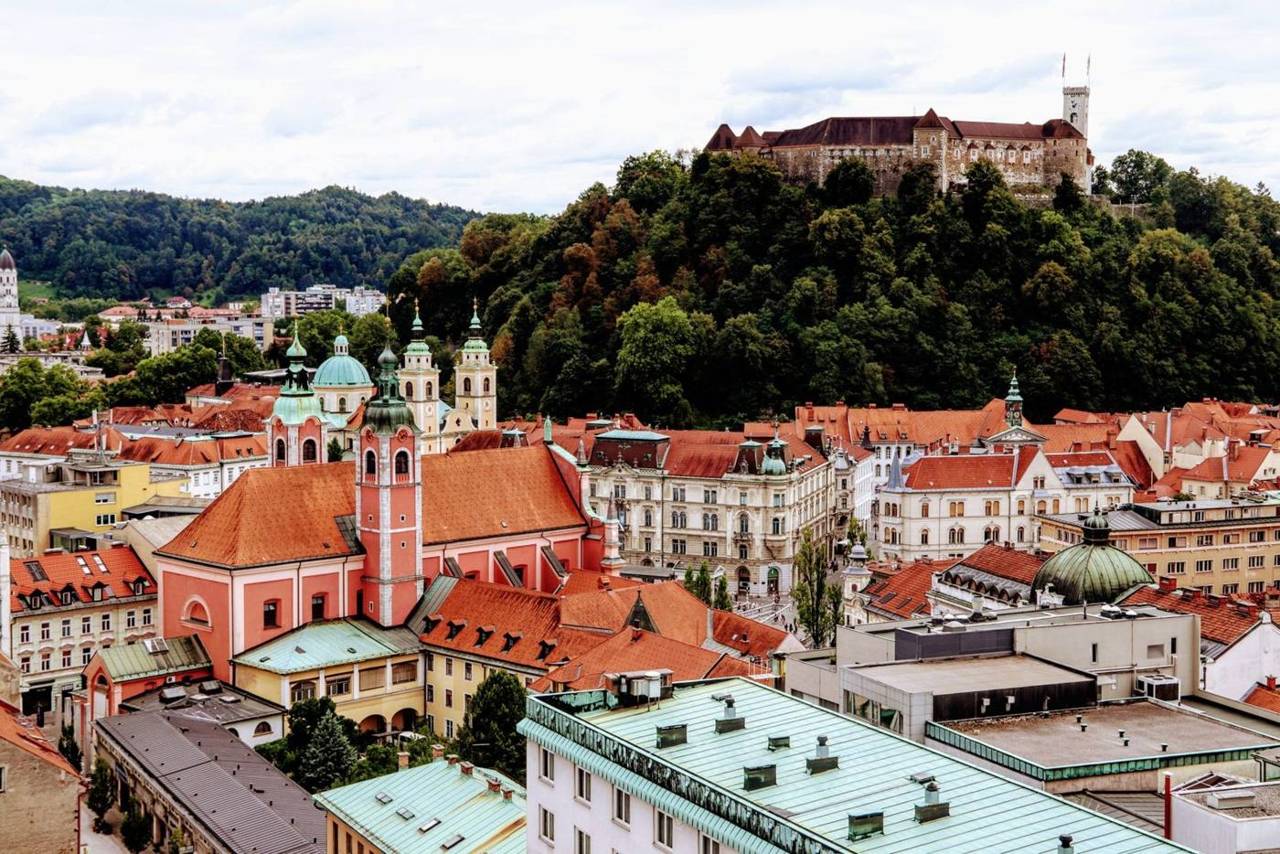 3 daysEasy
Ljubljana in a weekend
A small green capital: Plečnik's architecture, the castle, the central market, the Friday Odprta kuhna food market and the alternative culture of Metelkova.