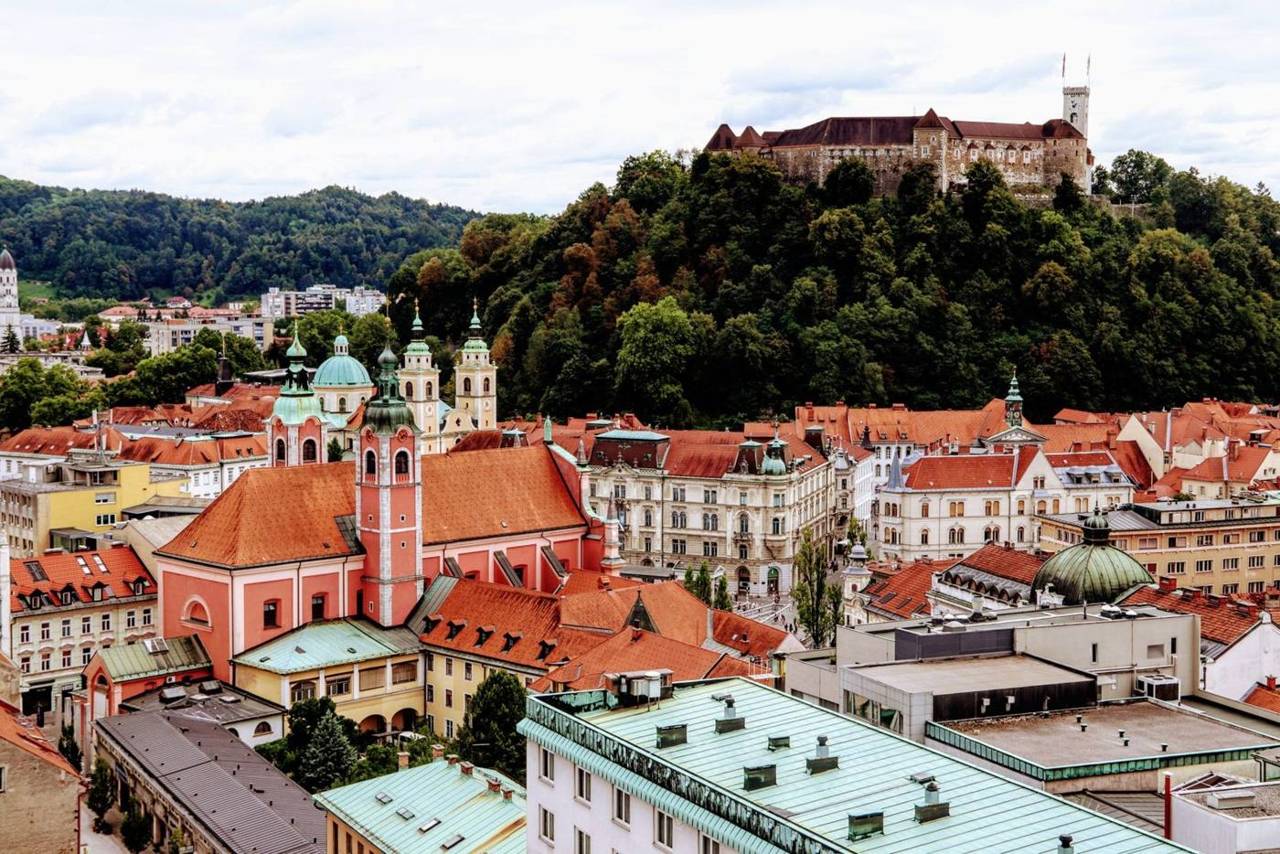
Ljubljana in a weekend
A small green capital: Plečnik's architecture, the castle, the central market, the Friday Odprta kuhna food market and the alternative culture of Metelkova.
- Ljubljana
- Castle
- Central Market
- Tivoli
- Metelkova
Day by day
- Day 1
The old town, Plečnik's bridges and the castle funicular
This trip is a weekend in Ljubljana, a small, green and calm capital, with a pedestrian centre along the river. You see the architecture of Jože Plečnik, a UNESCO World Heritage Site, the castle, the central market with its Friday street food, Tivoli Park and the alternative quarter of Metelkova. Everything is within walking distance.
Before you leave: Slovenia is part of the European Union and the Schengen area and uses the euro. Italian citizens need a valid electronic identity card for travel abroad or a passport; the paper identity card has no longer been valid for travel abroad since 3 August 2026. There may be temporary checks at the borders, so always carry your document. Other nationalities should check their own rules.
You arrive at the airport, about half an hour from the centre, or by train or bus at the station, ten minutes' walk from the old town. Start from Prešeren Square, with the pink Franciscan Church of the Annunciation and the statue of the poet France Prešeren, author of the verses of the national anthem. Cross the Triple Bridge, the best known project of Plečnik, the architect who between the two world wars redesigned the city with bridges, squares, colonnades and riverside walks.
Walk along the Ljubljanica to the Cobblers' Bridge and Town Hall Square, with the Baroque fountain of the three rivers of Carniola. In the late afternoon take the funicular up to the castle: from the tower the sunset over the roofs and the Alps is beautiful. Check prices and times.
In the evening dine by the river on Carniolan sausage with a glass of Slovenian wine.
Practical tip: if you arrive by car, leave it in a car park outside the centre and get around on foot or with the city's public bike scheme.
- Day 2
The central market, the open kitchen and Tivoli Park
In the morning go to the central market, between the cathedral and the river. Farmers sell fruit, vegetables, mushrooms, honey, flowers and cheese at the open air stalls; under Plečnik's colonnade, along the water, there are bakers' and butchers' shops, and on the lower level the fish market. Go into the Baroque Cathedral of St Nicholas, with its ceiling frescoes and carved bronze doors, then cross the Dragon Bridge.
If it is a Friday, from spring to autumn, at midday the market square hosts the Odprta kuhna, the open kitchen: a large street food market with cooks from all over Slovenia and dishes from around the world, outdoor tables and music. It is the best way to taste many dishes in a short time. Check the dates on the official website.
In the afternoon walk to the National and University Library, Plečnik's masterpiece, with its brick and stone façade, black marble staircase and great reading room. Check prices and times for visits.
Then pass through Congress Square and reach Tivoli Park, the city's great green space, with avenues, a pond, Tivoli Castle and the Jakopič promenade, where large photographs are often displayed outdoors. From here a path climbs through the woods to Rožnik hill.
In the evening try potica, the rolled walnut cake, in a café in the centre.
Practical tip: the Odprta kuhna is very crowded at lunchtime; arrive early or in the early afternoon.
- Day 3
Metelkova and departure
On the last morning walk to Metelkova, a few minutes from the station. It is a former Yugoslav army barracks occupied in 1993 by artists and associations, which became a self managed centre of alternative culture. The walls are covered in murals, mosaics, sculptures made from recycled objects and graffiti, and in the evening there are concerts and bars. By day it is quiet and good for photographs. Respect the people who live and work there.
Next door is the museum quarter, with the Museum of Contemporary Art and the Slovene Ethnographic Museum, which tells the story of rural life and the country's traditions. Check prices and times.
If you prefer, take a walk in Trnovo instead, the district south of the centre, with Plečnik's house, where the architect lived and worked, now a museum, and the tree lined riverside.
Then leave. From the centre the airport is about half an hour away; trains and buses leave from the station near Metelkova.
In three days you have seen a small and pleasant capital: the old town with Plečnik's bridges and riverside walks, the castle with its view of the Alps, the market and the street food, the national library, Tivoli Park and the alternative culture of Metelkova. Two or three days are enough; after that it is worth heading out to Bled, the Postojna caves or the Karst, less than an hour away.
When to go: from April to October to enjoy the outdoors and the river; in December for the Christmas lights and markets. July and August are hot, but the city stays calm.
Practical tip: in Metelkova do not photograph people without asking, and leave the artworks alone.
A calm, pleasant capital with a pedestrian centre and many riverside bars. Two or three days are enough before heading to Bled or the Karst. Odprta kuhna, the street food market, runs on Fridays from March to October.
Before you go
- Documents and visa
- EU citizens need a valid identity card or passport: Slovenia is in the EU and the Schengen area. A driving licence is not accepted as identification. There may be temporary checks and queues on the borders with Italy, Croatia and Hungary: always carry your document. Other nationalities should check the Schengen rules.
- Health and vaccines
- No vaccines required. Tick-borne encephalitis is present: if you hike in summer, ask your doctor about the vaccine. EU citizens should bring their EHIC, plus insurance covering mountain rescue. Emergencies and mountain rescue: 112, police 113.
- Money and payments
- Euro. Cards are accepted almost everywhere, but carry some cash for mountain huts and small taverns. Motorways and expressways require an electronic vignette from the official DARS website; fines without one are high.
- Power sockets
- Types C and F, 230 volts.
- Time zone
- Central European Time (UTC+1, summer UTC+2).
- Safety
- A calm country with no particular areas to avoid. Watch for pickpockets in central Ljubljana and at tourist sites. In the mountains the weather changes quickly and summer storms are dangerous on ridges. Many bears live in the forests of the inner Karst and Notranjska: avoid the woods at dawn, dusk and night. Wild camping is banned. Official advice: GOV.UK.
Information checked in November 2026 for Italian and EU citizens. Rules change: always check before you travel.
Variations
Short version: in one day see the old town, the castle and the market.
Long version: add two days for Bled and Bohinj or for the Postojna caves and Predjama.
Frequently asked questions
When is the Odprta kuhna held?
On Fridays in the warm season, usually from spring to autumn, in the square near the central market. Check the dates on the official website.
Do I need a car in Ljubljana?
No: the centre is pedestrianised and easy to explore on foot. There are buses and shuttles to the airport.
Is Ljubljana expensive?
Less than many European capitals, but more than the rest of Slovenia. At the market and the Odprta kuhna you eat well at fair prices.
Indicative itinerary written by World Atlas. Before booking, check timetables, seasonal openings, documents and safety.
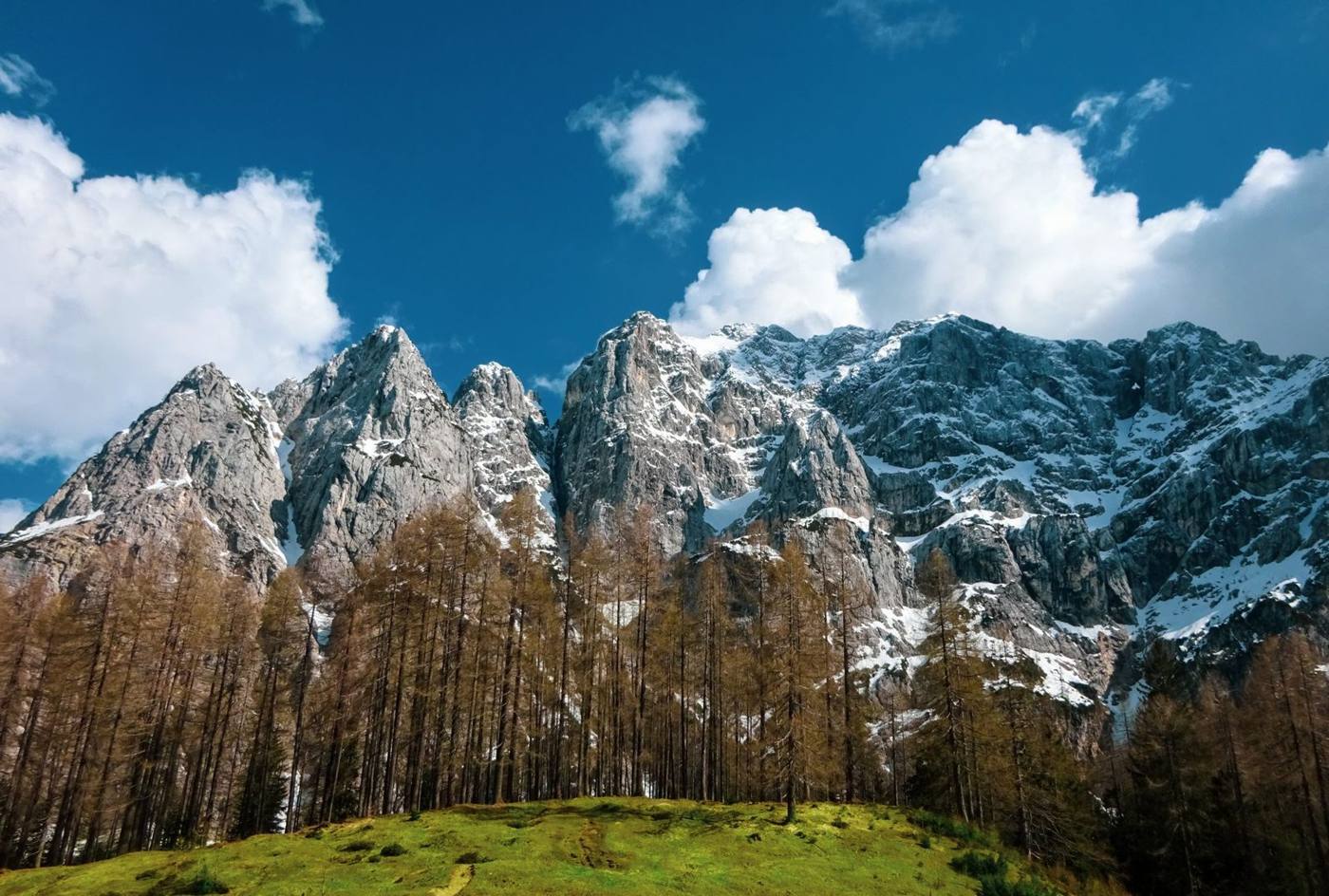 4 daysChallenging
Climbing Triglav
Slovenia's symbolic summit, 2,864 metres, via the Seven Triglav Lakes valley with nights in huts and a protected final ridge.
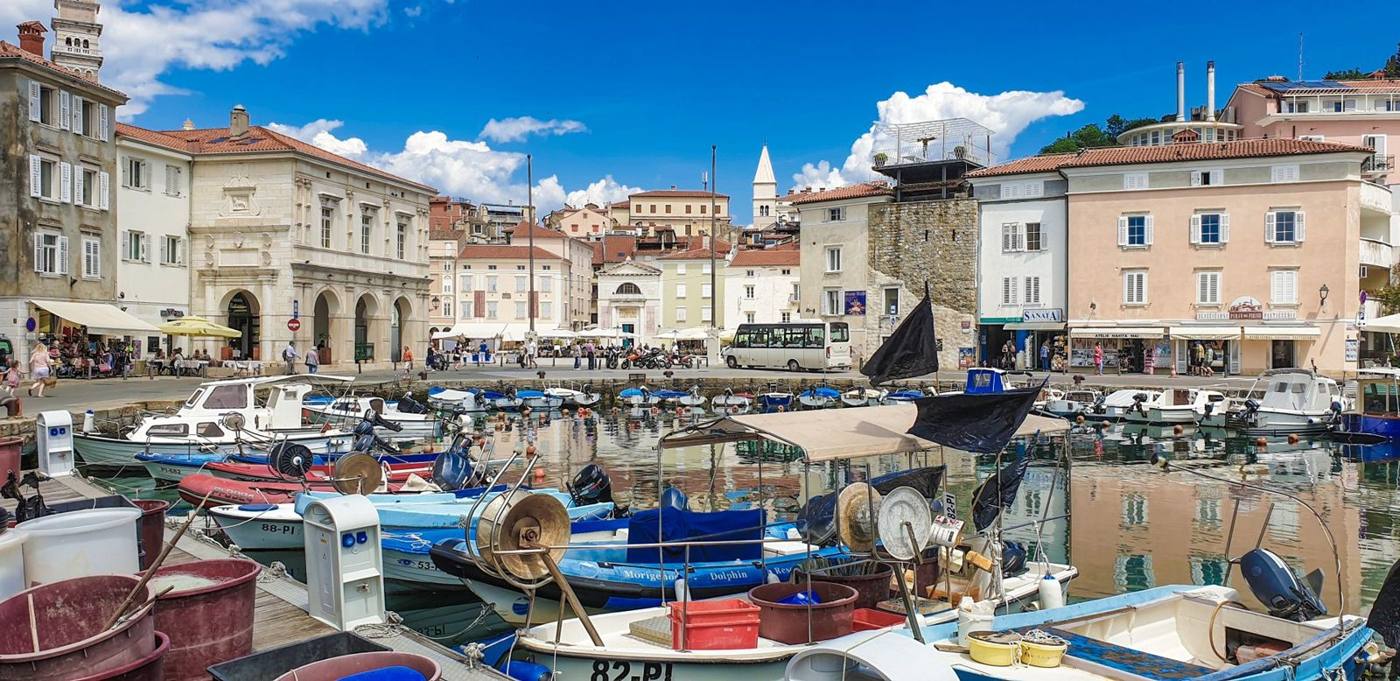 4 daysEasy
The coast and the Karst
Slovenia's 47 km of coast with Venetian Piran, Izola and Koper, the Sečovlje salt pans and the Teran wines and ham of the Karst.
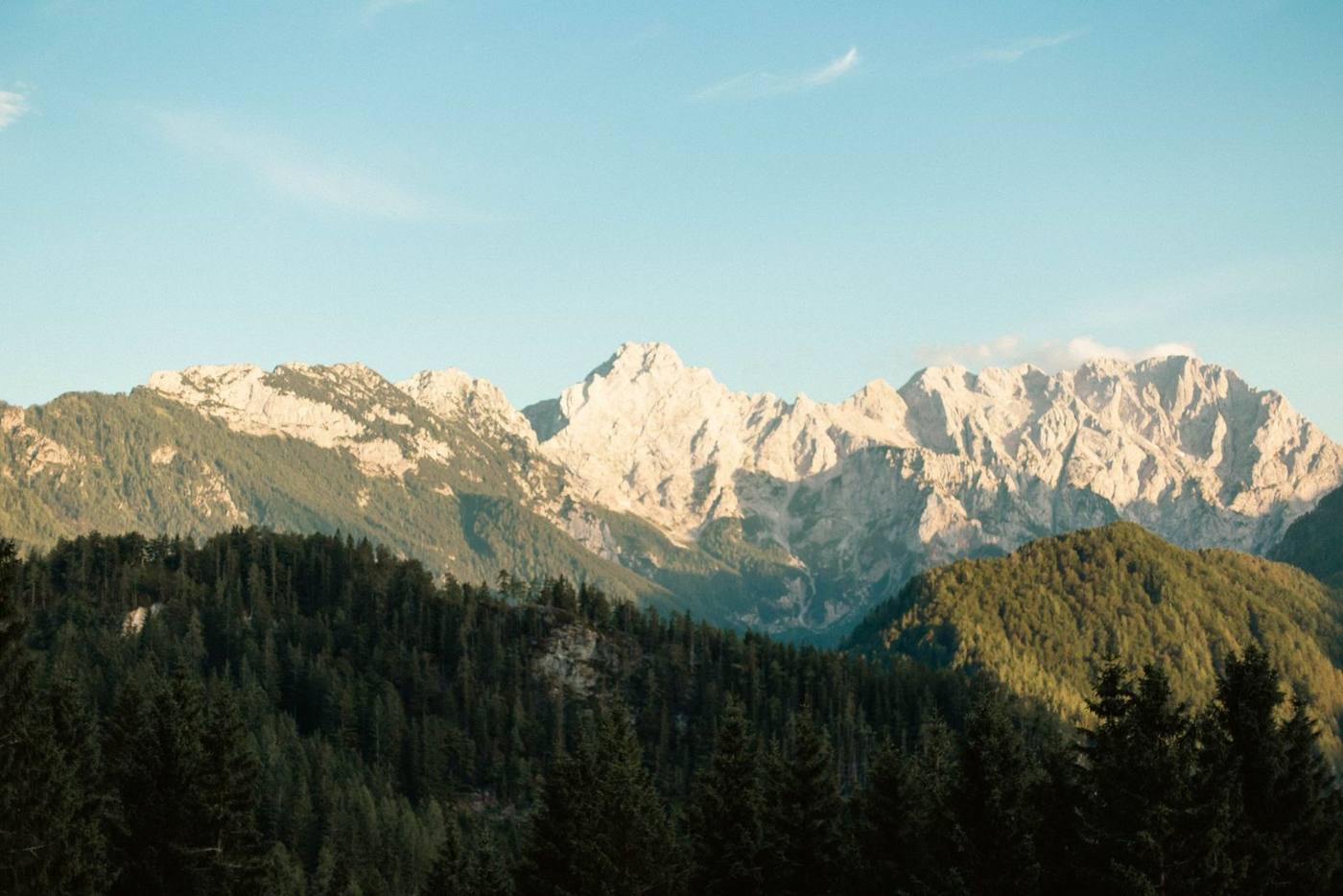 8 daysModerate
The Juliana Trail
A week on foot around the Julian Alps at mid altitude, from Kranjska Gora to Bohinj and Bled via the Soča valley.