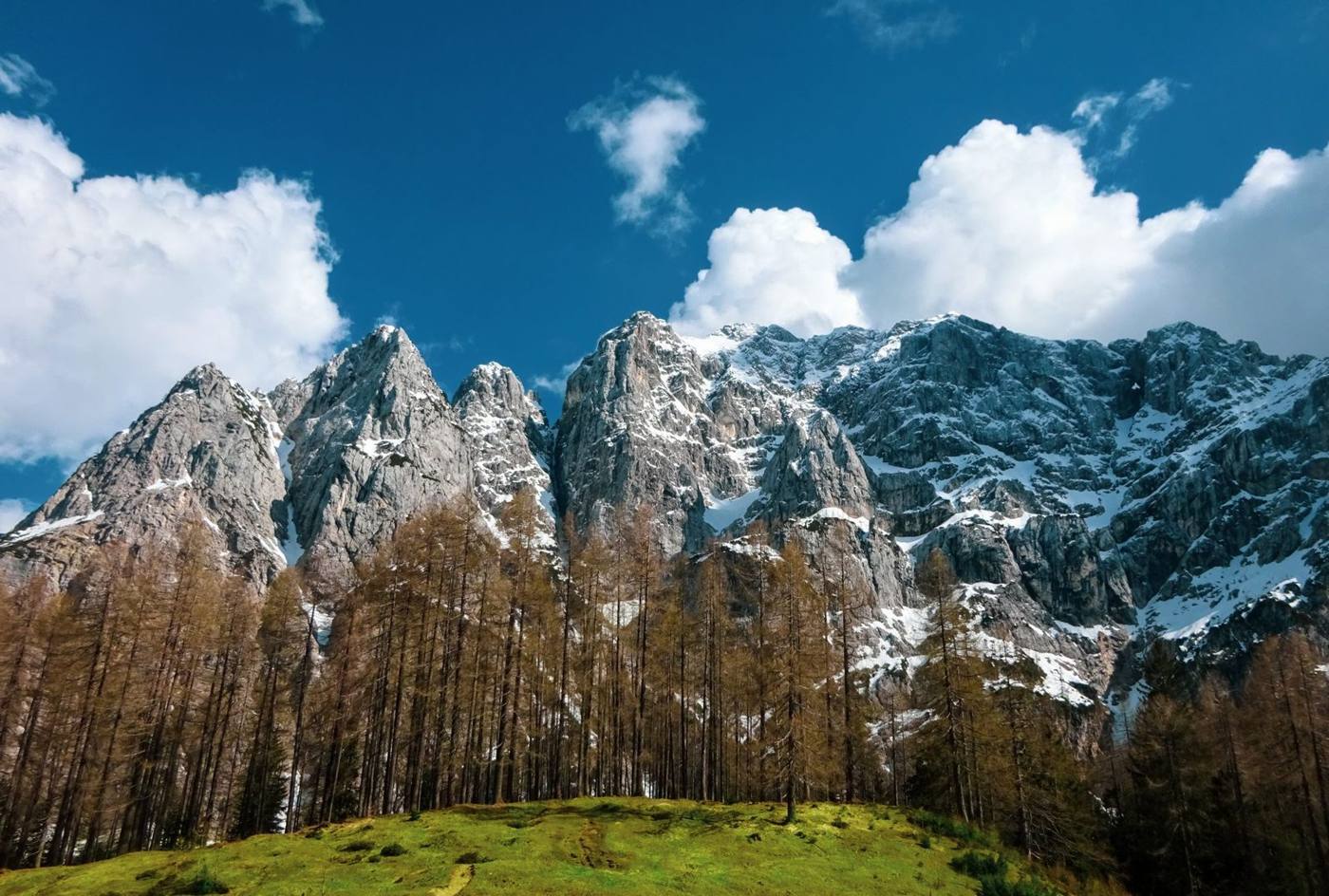
Climbing Triglav
Slovenia's symbolic summit, 2,864 metres, via the Seven Triglav Lakes valley with nights in huts and a protected final ridge.
- Bohinj
- Koča pri Savici
- Seven Lakes
- Triglavski dom
- Triglav
- Vrata
Day by day
- Day 1
From the Savica waterfall to the Seven Lakes valley
This trip is the ascent of Triglav, 2,864 metres, the highest mountain in Slovenia and its symbol, shown on the country's coat of arms and flag. You start from Lake Bohinj, cross the Seven Lakes valley, sleep in mountain huts and climb to the summit along the final protected ridge, then descend into the Vrata valley.
Before you leave: Slovenia is part of the European Union and the Schengen area and uses the euro. Italian citizens need a valid electronic identity card for travel abroad or a passport; the paper identity card has no longer been valid for travel abroad since 3 August 2026. There may be temporary checks at the borders, so always carry your document. Other nationalities should check their own rules. You need insurance that covers mountain rescue by helicopter.
In the morning set off from the car park above Lake Bohinj, where the hut by the Savica waterfall stands. First walk up for a few minutes to the waterfall, about 80 metres high, the source of the Sava Bohinjka. Then tackle the Komarča wall: a steep path, with sections protected by steel cables, which in an hour and a half or two takes you above the rock step, beside Black Lake, the first lake in the valley.
Carry on through larch and dwarf pine woods to the hut at the Triglav Lakes, at about 1,700 metres, near the Double Lake. In total allow four or five hours.
Sleep in the hut.
Practical tip: book the huts many months ahead, above all for August; without a booking you risk finding no bed.
- Day 2
Across the plateau to the hut below the summit
Today is the longest stage, six or seven hours of walking, and one of the finest in the Julian Alps.
In the morning climb the Seven Lakes valley, a long, narrow glacial basin between limestone walls. You pass the lakes one after another, each a different colour, from green to deep blue, among flower meadows, white boulders and dwarf pines. You often see chamois and ibex, and hear the whistles of marmots. The path climbs at a steady gradient, with no difficult passages.
Higher up the valley becomes a plateau of bare rock, fissured and karstic, almost lunar. Here the path is marked with red and white dots on the stones: follow them carefully, because in fog it is easy to get lost. Ahead of you the shape of Triglav begins to appear, with its south face and the ridge.
In the afternoon you reach the hut on Kredarica, at more than 2,500 metres, the highest in Slovenia, below the summit, or the Planika hut, lower down on the other side. Both are run by sections of the Slovenian alpine club and are basic: dormitories, simple meals and limited water.
In the evening watch the sunset over the Julian Alps and go to bed early, because tomorrow the alarm goes off before dawn.
Practical tip: water is scarce at altitude; carry enough to drink for the whole day and bring a sleeping bag liner for the hut.
- Day 3
The summit at dawn and the descent into the Vrata valley
Today is summit day. Set off with a head torch before dawn from the Kredarica hut: in an hour or an hour and a half you are on top.
The final section is an exposed via ferrata, with steel cables and pegs fixed in the rock. You climb first to Mali Triglav, Little Triglav, then follow a narrow ridge with drops on both sides to the summit. You need a helmet, harness and via ferrata set, and above all mountain experience. If you lack it, climb with a mountain guide holding an international licence: in Slovenia only they may lead clients on this terrain.
On the summit stands Aljaž Tower, a small cylindrical metal shelter, placed in 1895 by the parish priest Jakob Aljaž. From Triglav you see the Julian Alps, the Karawanks, the Austrian Hohe Tauern and, when the sky is clear, the Adriatic. Tradition says that first timers receive a few playful strokes on the backside with a rope.
Come down carefully along the same ridge, then take one of the paths towards the Vrata valley, below the great north face of Triglav, more than a thousand metres high. These are long, steep descents, with protected sections, only for experienced walkers. At the bottom of the valley is the Vrata hut, with the memorial to the partisan mountaineers, a giant climbing piton and carabiner.
Sleep in the Vrata valley or in Mojstrana.
Practical tip: if the sky threatens thunderstorms, do not go up: the ridge is dangerous in lightning.
- Day 4
The return and departure
Today is a day of rest and travel. In the morning go down from Vrata to Mojstrana, on foot along the valley road or with a transfer, passing the Peričnik waterfall, where you can walk behind the falling water.
In Mojstrana visit the Slovenian Alpine Museum, which tells the story of Triglav, of its first climbers, of the guides and of mountain rescue. After the climb you will see it with new eyes. Check prices and times.
Then return to Bohinj to collect the car, with an organised transfer or by bus and train via Jesenice, or leave directly. Ljubljana airport is about an hour by road from Mojstrana.
In four days you have crossed Triglav National Park, the only national park in Slovenia: the Savica waterfall, the Seven Lakes valley, the rocky plateau, a night in the highest hut in the country, the protected ridge and the summit at dawn, then the Vrata valley below the north face. It is a demanding climb, not for beginners: you need the fitness for days of six or seven hours, a head for heights and via ferrata experience, or a guide.
When to go: from July to mid September, when the huts are open and the snow has gone from the paths. In June and late September there may still be snow and ice. Summer afternoons often bring storms: always start early.
Practical tip: the day before each stage, check the forecast from the Slovenian Environment Agency and the trail conditions on the Slovenian alpine club website.
Tradition says every Slovene should climb Triglav once in a lifetime. The last 300 metres are an exposed via ferrata: harness, helmet and via ferrata set are needed, or a guide. The huts are full in August and must be booked. In thunderstorms the ridge is dangerous.
Before you go
- Documents and visa
- EU citizens need a valid identity card or passport: Slovenia is in the EU and the Schengen area. A driving licence is not accepted as identification. There may be temporary checks and queues on the borders with Italy, Croatia and Hungary: always carry your document. Other nationalities should check the Schengen rules.
- Health and vaccines
- No vaccines required. Tick-borne encephalitis is present: if you hike in summer, ask your doctor about the vaccine. EU citizens should bring their EHIC, plus insurance covering mountain rescue. Emergencies and mountain rescue: 112, police 113.
- Money and payments
- Euro. Cards are accepted almost everywhere, but carry some cash for mountain huts and small taverns. Motorways and expressways require an electronic vignette from the official DARS website; fines without one are high.
- Power sockets
- Types C and F, 230 volts.
- Time zone
- Central European Time (UTC+1, summer UTC+2).
- Safety
- A calm country with no particular areas to avoid. Watch for pickpockets in central Ljubljana and at tourist sites. In the mountains the weather changes quickly and summer storms are dangerous on ridges. Many bears live in the forests of the inner Karst and Notranjska: avoid the woods at dawn, dusk and night. Wild camping is banned. Official advice: GOV.UK.
Information checked in November 2026 for Italian and EU citizens. Rules change: always check before you travel.
Variations
Short version: in two days climb from Vrata or Krma to Kredarica and the summit, returning the same way.
Long version: add two days in Bohinj and Bled to rest and walk the easy paths around the lakes.
Frequently asked questions
Do I really need via ferrata gear?
Yes: the last sections are exposed and fitted with cables. A helmet, harness and via ferrata set are recommended on every ascent route.
Can I climb without a guide?
Only with experience of high mountains and via ferratas. Otherwise it is better to climb with a mountain guide holding an international licence.
Do I need to book the huts?
Yes, above all in July and August, when they are full. High huts usually open from the start of summer to the start of autumn.
Indicative itinerary written by World Atlas. Before booking, check timetables, seasonal openings, documents and safety.
 4 daysEasy
The coast and the Karst
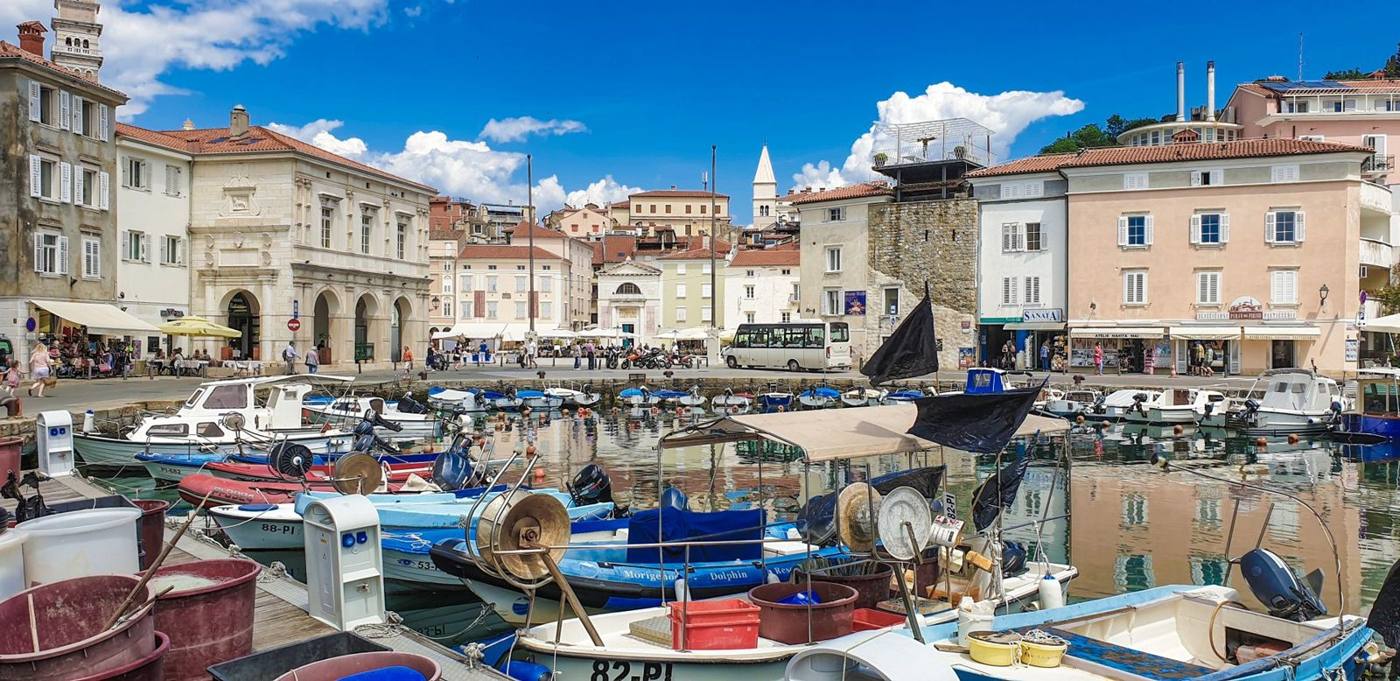
Slovenia's 47 km of coast with Venetian Piran, Izola and Koper, the Sečovlje salt pans and the Teran wines and ham of the Karst.
 8 daysModerate
The Juliana Trail
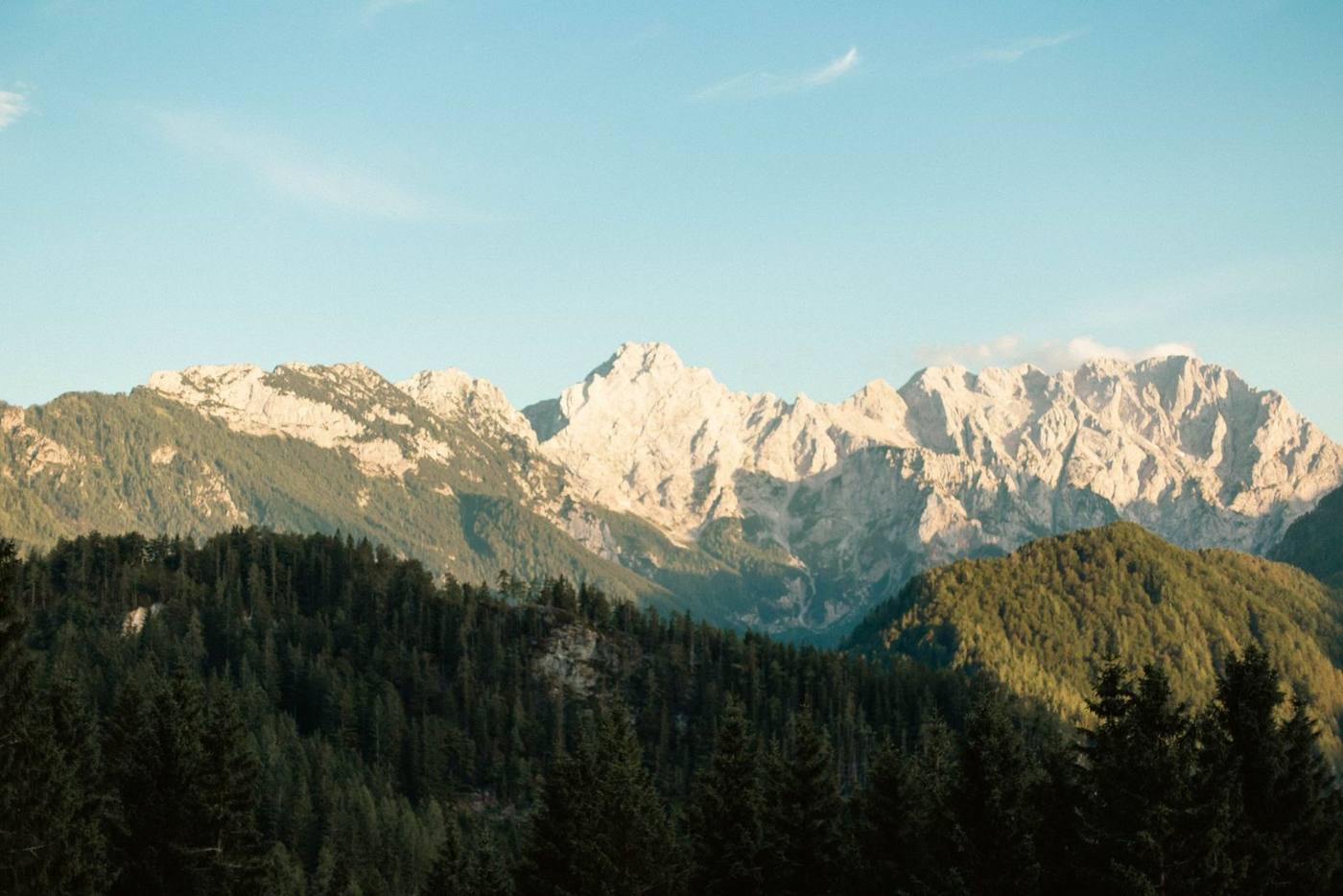
A week on foot around the Julian Alps at mid altitude, from Kranjska Gora to Bohinj and Bled via the Soča valley.
 4 daysEasy
Maribor, Ptuj and Slovenian Styria
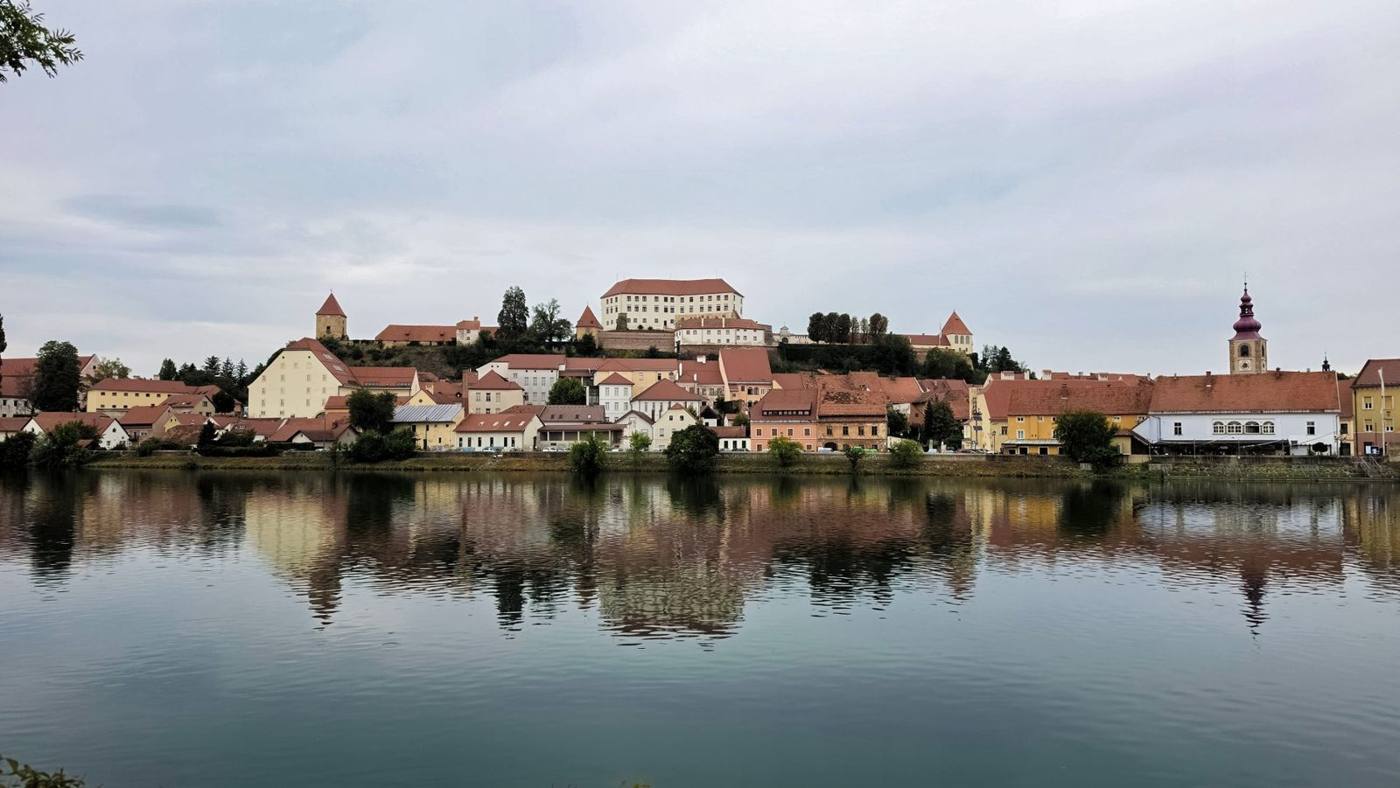
The world's oldest vine in Maribor, Ptuj, Slovenia's oldest town, and the wine hills of Jeruzalem and the Pohorje.