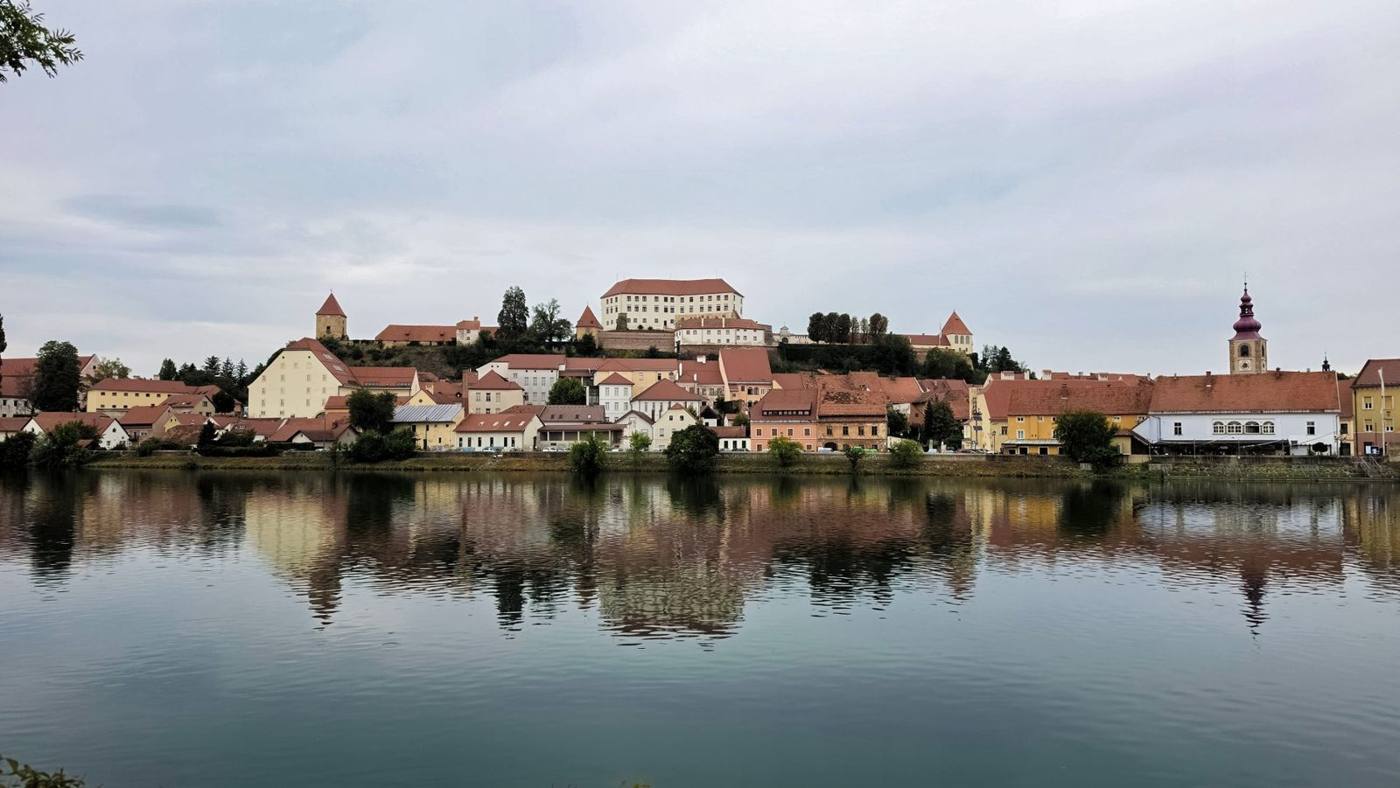
Maribor, Ptuj and Slovenian Styria
The world's oldest vine in Maribor, Ptuj, Slovenia's oldest town, and the wine hills of Jeruzalem and the Pohorje.
- Maribor
- Pohorje
- Ptuj
- Jeruzalem
Day by day
- Day 1
Maribor: the Old Vine and the Lent riverside
This trip goes to eastern Slovenia, to Slovenian Styria, a region of vine covered hills, with few tourists, excellent white wines and low prices. You see Maribor, the country's second city, with the oldest vine in the world, the wooded Pohorje plateau, Ptuj, the oldest town in Slovenia, and the wine hills of Jeruzalem. You travel by car.
Before you leave: Slovenia is part of the European Union and the Schengen area and uses the euro. Italian citizens need a valid electronic identity card for travel abroad or a passport; the paper identity card has no longer been valid for travel abroad since 3 August 2026. There may be temporary checks at the borders, so always carry your document. Other nationalities should check their own rules. Motorways and expressways require an electronic vignette, which you buy on the official DARS website.
You arrive in Maribor, on the Drava, an hour and a half from Ljubljana. Start with Lent, the old riverside quarter, where timber rafts once moored. On the façade of an old house grows the Old Vine, a žametovka vine more than four hundred years old, recognised as the oldest in the world that still bears fruit. In the house next door there are tastings: check prices and times.
Then walk along the river, between the Water Tower and the Judgement Tower, remains of the medieval walls, and climb into the centre to the main square, with its plague column, and the cathedral, whose bell tower looks over the city.
In the evening taste šipon, the white wine of Styria, and regional dishes, such as sour soup with pork.
Sleep in Maribor, for three nights.
Practical tip: in summer Lent hosts a large music and theatre festival; if you are there on those days, book your accommodation early.
- Day 2
Pohorje by gondola and the forest
Today you go up onto the Pohorje, the great wooded plateau that rises just south of Maribor, to more than 1,500 metres. In winter it is a ski resort very close to the city; in summer it is where the people of Maribor go walking, cycling and breathing fresh air.
The gondola station is on the southern edge of the city, reached by city bus. In a few minutes it climbs above the ski slopes to the edge of the plateau. Check on the official website that it is running, because it sometimes stops for maintenance or works, and check prices and times.
At the top walk the waymarked paths through the fir and beech forest, among clearings, small churches and huts. An easy walk of two or three hours takes you to viewpoints over Maribor, the Drava valley and, on clear days, the vineyard hills as far as Austria. The Pohorje is an ancient plateau, made of rocks different from the limestone of the Slovenian Alps, with many streams and peat bogs.
In the afternoon return to the city. If you still have energy, walk up Piramida hill, above the centre, through the vineyards, to watch the sunset over the city.
In the evening dine on mountain dishes, such as Pohorje bilberries, fresh cheese and walnut pastries.
Practical tip: even in summer it is cooler at the top of the Pohorje than in the city; bring a light jacket and walking shoes.
- Day 3
Ptuj and the Jeruzalem wine road
In the morning drive for about half an hour to Ptuj, the oldest town in Slovenia, on the Drava, already settled in Roman times under the name Poetovio. The old town is small and pleasant, with colourful houses, squares and churches, and you explore it on foot.
Climb to the castle, on the hill above the town, which houses the regional museum: there are collections of musical instruments, weapons, portraits and above all the masks of the kurent, the figures of the Ptuj carnival, covered in sheepskins, with horns and cowbells. The Ptuj carnival, in February, is one of the most unusual in Europe. Check prices and times. Under the old town there are historic wine cellars, among the oldest in the country, which you can visit with a tasting.
In the afternoon drive east for about half an hour to the hills of Jeruzalem, between Ljutomer and Ormož. According to tradition, the name comes from crusaders who stopped here on their way to the Holy Land. The wine road runs along the ridges, among terraced vineyards as steep as amphitheatres, small churches and winegrowers' houses. Family cellars offer tastings of šipon, riesling and traminer, the fragrant whites of the area.
In the evening return to Maribor, or sleep among the vineyards.
Practical tip: the driver should not drink; the alcohol limit is low. If everyone wants to taste, book a transfer or sleep in the hills.
- Day 4
Departure from Maribor or Graz
On the last morning take a relaxed walk around Maribor: the market, the city park with its small aquarium and pond, and the Drava riverside. In season buy wine, pumpkin seed oil, typical of Styria, and honey to take home.
Then leave. From Maribor, Graz is about an hour to the north, across the Austrian border, and has an airport with flights to many European cities; Ljubljana is about an hour and a half away. If you have an extra day, Austrian Styria around Graz continues the same landscape of hills and vineyards, and makes a good addition to the trip.
In four days you have seen eastern Slovenia, little known to travellers: the Lent quarter in Maribor with the oldest vine in the world, the Pohorje forest, the castle and cellars of Ptuj, the oldest town in the country, and the hills of Jeruzalem with their white wines. It is an easy trip, for people who love wine, good food and peaceful landscapes.
When to go: from May to October. September and October are the finest months, with the grape harvest, wine festivals and autumn colours on the hills. In February there is the Ptuj carnival, but the vines are bare and it is cold.
Practical tip: if you cross the Austrian border, check the rules for Austrian motorways, which have a different vignette from the Slovenian one.
An untouristy eastern Slovenia, with excellent white wines and low prices. It pairs naturally with Graz and Austrian Styria, just over the border. Ptuj's Kurentovanje carnival in February is one of Europe's most unusual.
Before you go
- Documents and visa
- EU citizens need a valid identity card or passport: Slovenia is in the EU and the Schengen area. A driving licence is not accepted as identification. There may be temporary checks and queues on the borders with Italy, Croatia and Hungary: always carry your document. Other nationalities should check the Schengen rules.
- Health and vaccines
- No vaccines required. Tick-borne encephalitis is present: if you hike in summer, ask your doctor about the vaccine. EU citizens should bring their EHIC, plus insurance covering mountain rescue. Emergencies and mountain rescue: 112, police 113.
- Money and payments
- Euro. Cards are accepted almost everywhere, but carry some cash for mountain huts and small taverns. Motorways and expressways require an electronic vignette from the official DARS website; fines without one are high.
- Power sockets
- Types C and F, 230 volts.
- Time zone
- Central European Time (UTC+1, summer UTC+2).
- Safety
- A calm country with no particular areas to avoid. Watch for pickpockets in central Ljubljana and at tourist sites. In the mountains the weather changes quickly and summer storms are dangerous on ridges. Many bears live in the forests of the inner Karst and Notranjska: avoid the woods at dawn, dusk and night. Wild camping is banned. Official advice: GOV.UK.
Information checked in November 2026 for Italian and EU citizens. Rules change: always check before you travel.
Variations
Short version: in two days see Maribor and Ptuj, with an evening among the vineyards.
Long version: add two days in Graz and Austrian Styria, just across the border.
Frequently asked questions
What wine do people drink in Styria?
Mostly whites: šipon, riesling, sauvignon and traminer. Šipon is the typical grape of the Jeruzalem area.
When is the Ptuj carnival?
In February, in the weeks before Lent. The kurent go round the town in sheepskins with cowbells to drive away the winter.
Does the Pohorje gondola always run?
It runs almost all year, but it sometimes stops for maintenance. Check the official website before you go.
Indicative itinerary written by World Atlas. Before booking, check timetables, seasonal openings, documents and safety.
 4 daysModerate
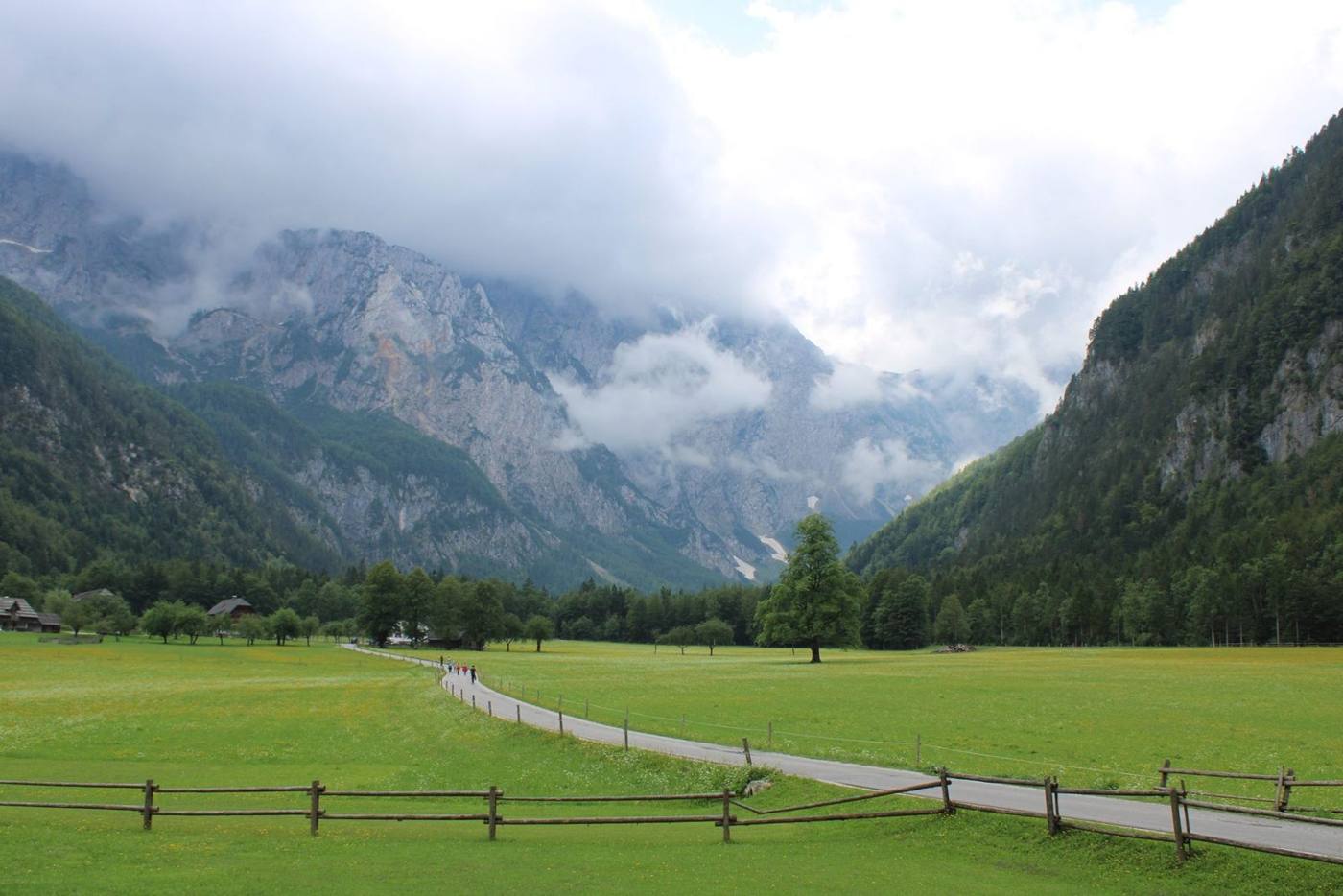
Logarska dolina and the Kamnik Alps
A glacial valley between limestone walls with the Rinka waterfall, the Solčava panoramic road and the herders' plateau of Velika planina.
 10 daysEasy
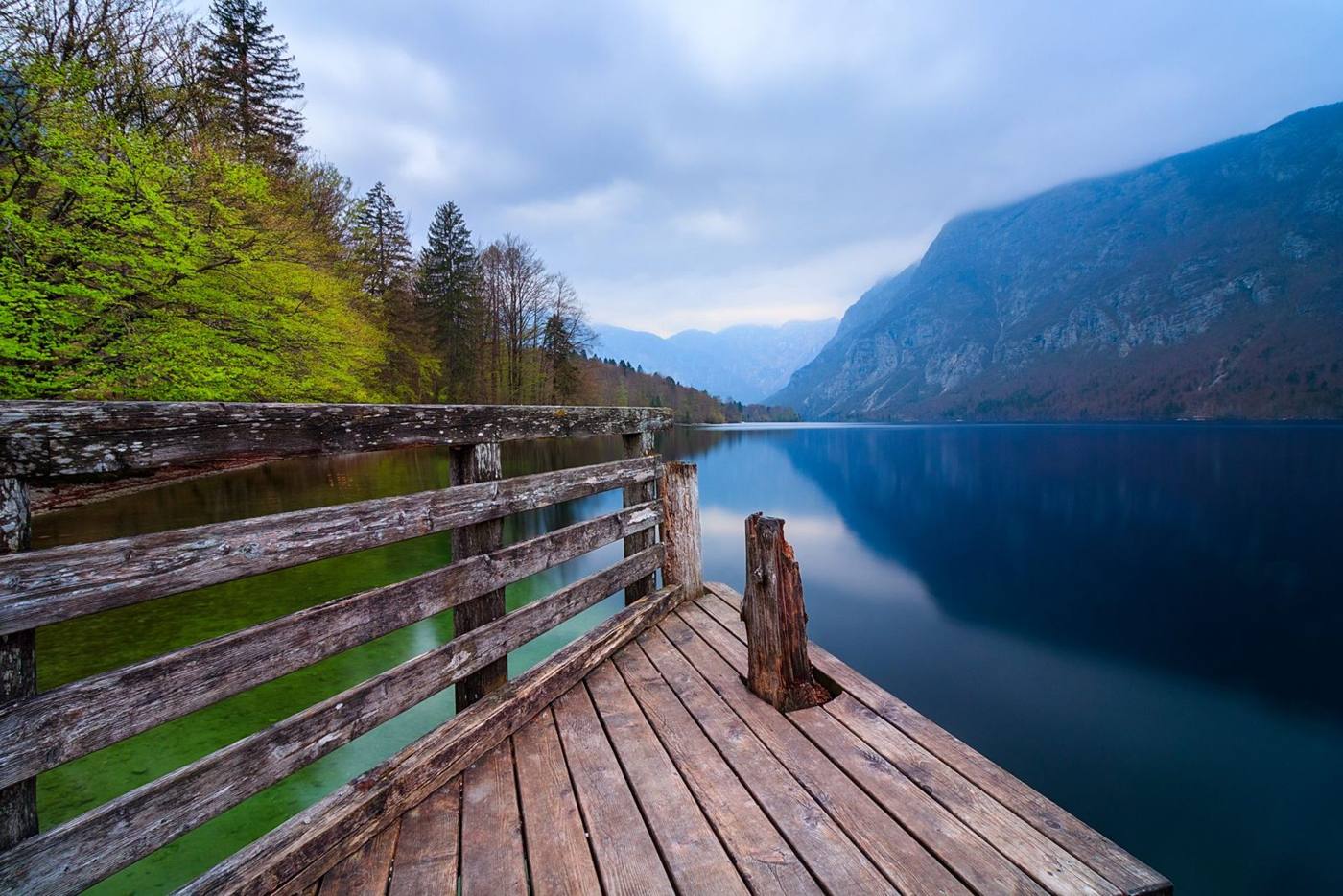
Slovenia and Croatia
Ljubljana, Bled and the Postojna caves, then Croatian Istria with Rovinj, the Plitvice Lakes and Zagreb to close the loop.
 3 daysEasy
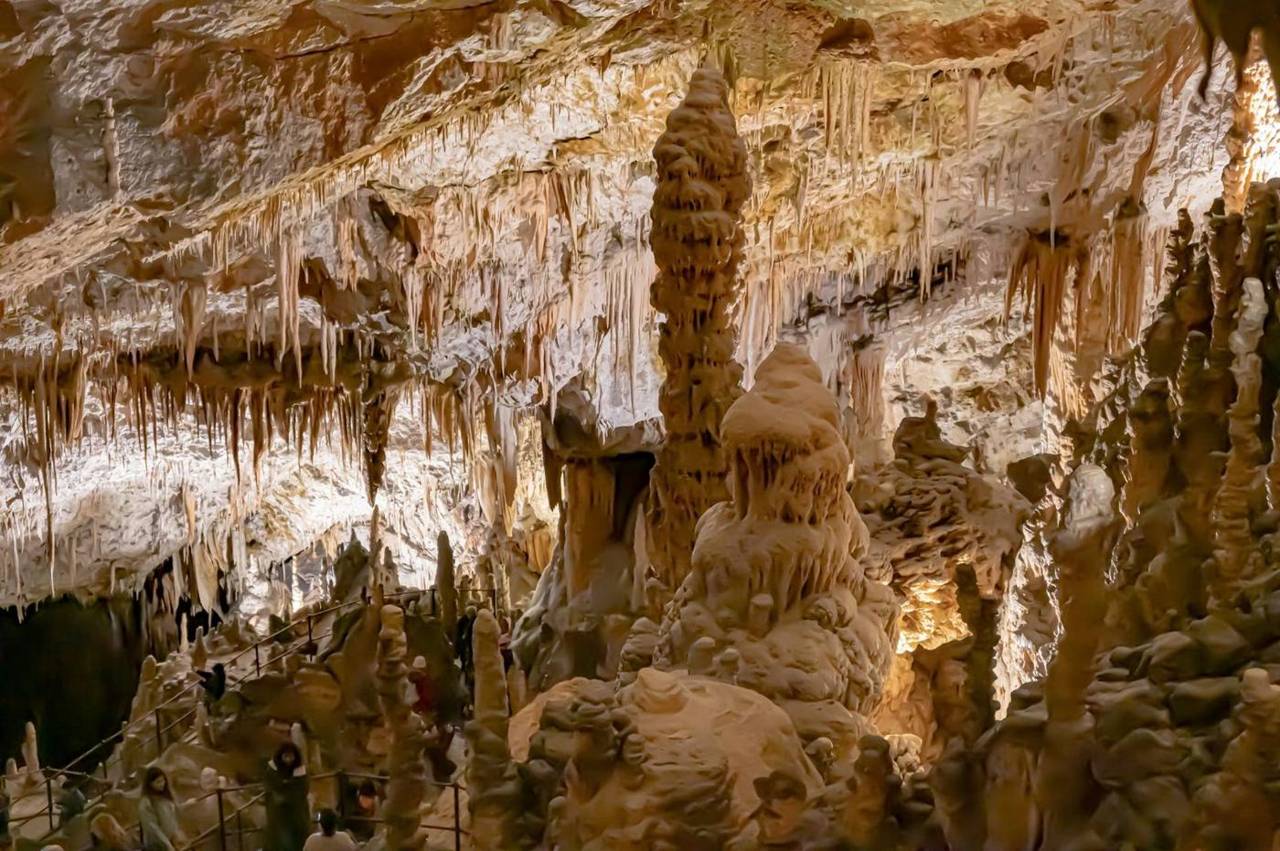
The Škocjan and Postojna caves
The underground Karst: the UNESCO-listed underground canyon of Škocjan, the train through the Postojna caves with the olm, and Predjama Castle.