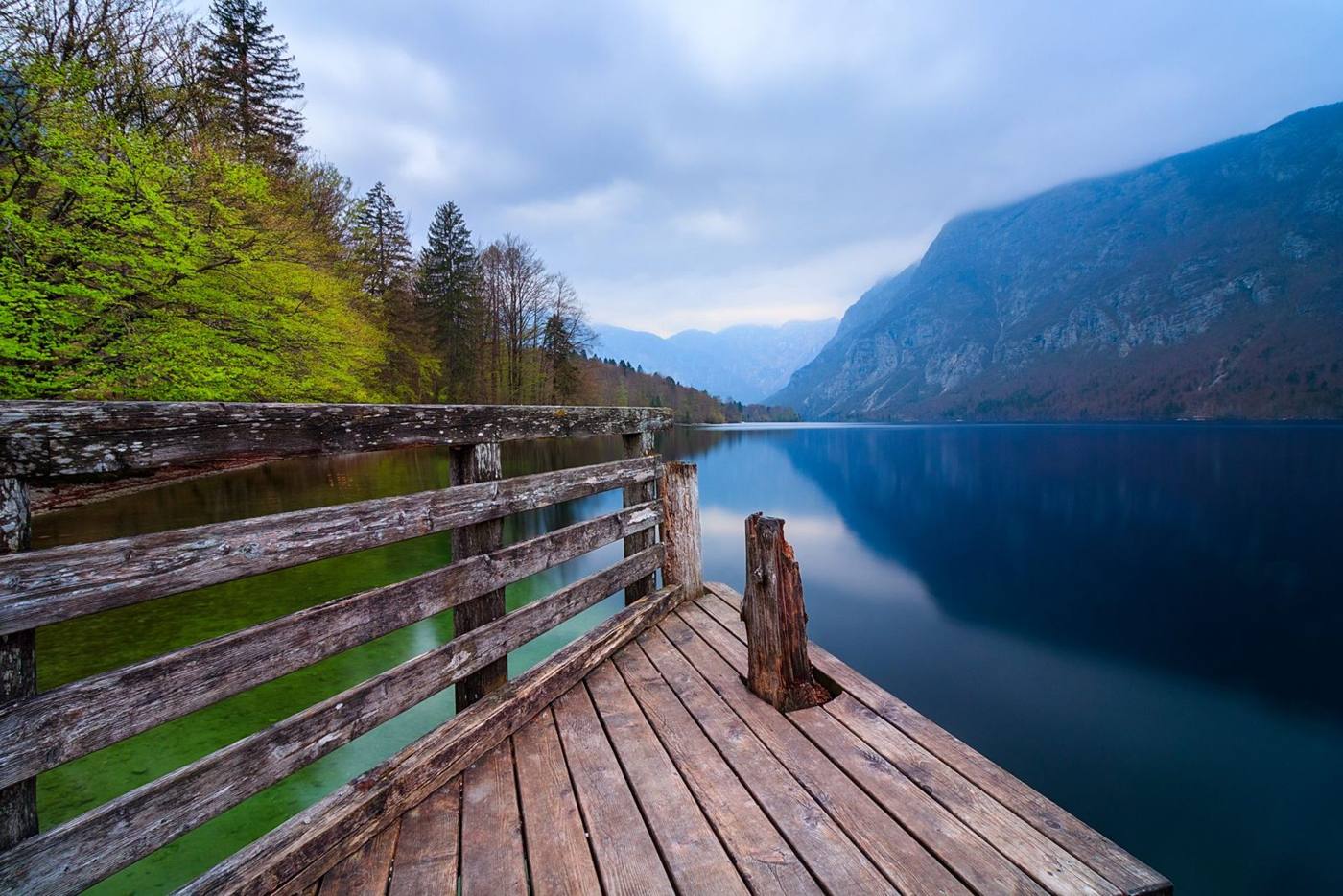
Slovenia and Croatia
Ljubljana, Bled and the Postojna caves, then Croatian Istria with Rovinj, the Plitvice Lakes and Zagreb to close the loop.
- Ljubljana
- Bled
- Postojna
- Piran
- Rovinj
- Plitvice
- Zagreb
Day by day
- Day 1
Arrival in Ljubljana and the old town
This trip is a ten day road loop through two neighbouring and very different countries: in Slovenia, Ljubljana, Lake Bled, the Postojna caves and Piran on the sea; in Croatia, Istria with Rovinj and Motovun, the Plitvice lakes and the capital Zagreb. You see the Alps and the Adriatic in a few days, with stages of two or three hours' driving at most.
Before you leave: Slovenia and Croatia are part of the European Union and the Schengen area and use the euro. Italian citizens need a valid electronic identity card for travel abroad or a passport; the paper identity card has no longer been valid for travel abroad since 3 August 2026. There may be temporary checks on the border between the two countries, so always carry your document. Other nationalities should check their own rules. In Slovenia motorways require an electronic vignette, bought on the official DARS website; in Croatia you pay tolls.
You arrive in Ljubljana by plane or by car from Italy. The centre is pedestrianised: leave the car in a car park and walk. In the afternoon stroll between Prešeren Square, with the pink Franciscan church, and the Triple Bridge by Jože Plečnik, the architect who designed much of the modern city; his works are a UNESCO World Heritage Site.
Then walk along the Ljubljanica, among willows and café terraces, to the Cobblers' Bridge and Town Hall Square.
In the evening dine on Slovenian dishes, such as Carniolan sausage and štruklji.
Sleep in Ljubljana, for two nights.
Practical tip: hire the car only from the third day; in Ljubljana you do not need it and parking costs money.
- Day 2
The castle, the market and Tivoli Park
In the morning go up to Ljubljana Castle, on the hill above the centre, by funicular or on foot in a quarter of an hour. From the tower you see the red roofs of the old town and, when the air is clear, the Julian Alps and the Kamnik Alps. Inside there is a museum of Slovenian history. Check prices and times.
Then go down to the central market, with open air stalls of fruit, flowers and cheese and Plečnik's colonnade along the river. Next to it stands the Cathedral of St Nicholas, with its bronze doors, and a little further on the Dragon Bridge, the symbol of the city. If it is a Friday in the warm season, the market square fills with street food stalls.
In the afternoon visit the National and University Library, Plečnik's masterpiece, then walk to Tivoli Park, with its tree lined avenues and open air photography exhibitions along the main promenade. For a different kind of culture, stop at Metelkova, the former barracks turned into an alternative arts centre, with murals and sculptures.
In the evening try potica, the walnut cake, and a glass of Slovenian wine by the river, where the bars stay open late and the old town fills with students and music.
Practical tip: Ljubljana is small; two days are enough to see everything without rushing and to discover the less touristy districts too, such as Trnovo.
- Day 3
Bled and Bohinj
In the morning collect the car and drive to Bled, about an hour to the north west, at the foot of the Julian Alps. Lake Bled, with its little island and church in the middle and the castle on the cliff, is the best known image of Slovenia.
Arrive early and take a pletna, the traditional wooden rowing boat, to the island. Climb the stone stairway to the Church of the Assumption and ring the wishing bell. Then go up to Bled Castle, the oldest in the country, with a terrace above the water and a small museum. Check prices and times for the boat and the castle.
After lunch try kremšnita, the Bled cream cake, and drive for about half an hour to Lake Bohinj, inside Triglav National Park. It is larger and much quieter than Bled, surrounded by mountains and woods. Stop at the bridge at Ribčev Laz, with the small Church of St John the Baptist reflected in the water, then follow the shore to the western end. If you have time, walk up to the Savica waterfall, about twenty minutes on foot from the car park, or swim in the cool water.
In the evening take a walk on the lake shore, once the groups have gone.
Sleep in Bled or Bohinj.
Practical tip: in summer the car parks at Bled and Bohinj fill early and are paid; leave Ljubljana before eight.
- Day 4
The Postojna caves and Predjama Castle
Today you cross Slovenia to the south west, to the Karst plateau, in about an hour and a half on the motorway.
The first stop is the Postojna caves, a labyrinth of passages more than twenty kilometres long. The visit is partly on an electric train that runs into the mountain and partly on foot with a guide, among thin stalactites, columns and limestone curtains. In the last hall, in an aquarium, lives the olm, a small, blind, pink amphibian found only in the underground waters of the Karst. Check prices and times and buy your ticket in advance in summer.
In the afternoon drive a few minutes to Predjama Castle, built into the mouth of a cave, halfway up a great rock face. The story goes that here, in the fifteenth century, the knight Erasmus held out for months against a siege thanks to a secret passage through the mountain. You visit the halls, the chapel and the cave behind the walls. Check prices and times.
Then head down to the Slovenian coast, about an hour away, across the Karst, with its oak woods, dry stone walls and stone villages where teran wine and prosciutto are made.
Sleep in Piran.
Practical tip: inside the caves it is about ten degrees in every season; keep a sweatshirt or light jacket in the car.
- Day 5
Piran and the Slovenian coast
Today you stay on the short Slovenian coast, about 47 kilometres between Trieste and Croatia.
In the morning discover Piran, the Venetian town at the tip of a narrow peninsula. The large oval square is named after Giuseppe Tartini, the violinist born here, whose statue stands in the middle. Climb the alleys to the Church of St George, with a bell tower modelled on St Mark's, and to the medieval walls, which look over the red roofs, the Gulf of Trieste and the Alps on clear days. Check prices and times for the walls.
Then go down to the point with the lighthouse and swim from the rocks or the piers: the Slovenian coast has no sandy beaches, but the water is clear.
In the afternoon visit the Sečovlje salt pans, right on the border with Croatia, where salt is still made by hand with the medieval method, among channels and water birds. Check prices and times. Alternatively take a walk in Izola, the fishing town, or in Koper, with its Venetian square.
In the evening watch the sunset from the pier in Piran, as the sun sinks into the sea, and dine on Adriatic fish, such as grilled squid, with a glass of malvasia.
Practical tip: Piran is closed to cars; use the car park at the entrance to the town and the shuttle to the centre.
- Day 6
Into Istria: Rovinj
In the morning you cross into Croatia, onto the Istrian peninsula. From Piran to Rovinj takes about an hour and a half, across the border and the green hills of the interior.
Rovinj is perhaps the most beautiful town in Istria. The old town stands on a peninsula that was once an island, with colourful Venetian houses running down to the water. Here the influence of Venice shows in the lions of St Mark, the bell towers and the street names, often written in Croatian and Italian: an Italian community still lives in the town.
Climb the paved streets, such as Grisia street, full of small galleries, to the Church of St Euphemia, at the top of the hill, with a bell tower about sixty metres high and the statue of the saint that turns with the wind. You can climb the bell tower by a steep wooden stair. Check prices and times.
In the afternoon walk or cycle to the Golden Cape forest park, south of the town, with pine trees, flat rocks and clear water, and go for a swim.
In the evening watch the sunset from the rocks below the old town and dine on fish, fuži, the handmade Istrian pasta, and truffles.
Sleep in Rovinj, for two nights.
Practical tip: the stones in the centre of Rovinj are smooth and slippery; wear shoes with rubber soles.
- Day 7
Motovun and inland Istria
Today explore inland Istria, green and hilly, very different from the coast. Drive for about an hour to Motovun, Montona in Italian, a medieval village perched on a hill above the valley of the river Mirna.
Leave the car at the foot of the village and walk up to the gate and the square, with the church and the bell tower. Then walk the walls, which run right round the village: from here you see the vineyards, the woods and the hills of Istria as far as the sea. Below, in the valley, lies the Motovun forest, famous for white and black truffles. On autumn mornings the Mirna valley is often filled with mist, and the village seems to float above the clouds.
In the afternoon taste the produce of inland Istria: truffles, Istrian prosciutto, olive oil, and the wines Istrian malvasia and teran. In many villages families sell their products directly. If you have time, also visit Grožnjan, another hilltop village full of artists and workshops, half an hour from Motovun, or Hum, considered one of the smallest towns in the world.
In the evening return to Rovinj for a last dinner by the sea. On the harbour the fishermen tidy their nets and the boats come in as the bell tower of St Euphemia lights up.
Practical tip: the climb from the car park to the centre of Motovun is steep; in summer do it early in the morning or late in the afternoon, when it is cooler.
- Day 8
The Plitvice lakes
Today is the longest stage: from Istria to the Plitvice lakes it is about three hours on motorways and main roads, towards the interior of Croatia. Set off very early.
Plitvice Lakes National Park, a UNESCO World Heritage Site, is a chain of sixteen terraced lakes, linked by hundreds of waterfalls and surrounded by beech and fir forests. The water changes colour from green to emerald to turquoise, depending on the light and the dissolved minerals. You walk on wooden boardwalks just above the water, cross the largest lake by electric boat and return by panoramic train.
In the lower lakes area, in a narrow canyon, is the great waterfall, Veliki slap, 78 metres high, the highest in Croatia. The upper lakes are wider and more open, with fan shaped cascades among the woods. A full circuit takes four to six hours. Swimming is forbidden everywhere.
In summer the ticket must be bought online in advance, with the name of each visitor and the entry time. Check prices and times on the park's official website.
The park has two main entrances, linked by the train; choose the one nearer your accommodation and keep your ticket, which is also valid for the boat.
Sleep near the park.
Practical tip: go in at opening time or late in the afternoon; between ten and four, in summer, the boardwalks are packed.
- Day 9
Zagreb: the upper town and Dolac market
In the morning, if you like, go back to the lakes for an hour before the groups arrive, then drive to Zagreb, the capital of Croatia, in about two and a half hours.
Zagreb is a calm, green city, with the medieval upper town on the hill and the nineteenth century lower town, with the palaces, parks and squares of the Austro-Hungarian era. Leave the car and start from Ban Jelačić Square, the centre of the city. Above the square is Dolac market, with its red umbrellas, where farm women sell fresh cheese with cream, fruit and flowers.
Then climb on foot or by funicular, one of the shortest in the world, to Gornji Grad, the upper town. Here is St Mark's Church, with its roof of coloured tiles forming the coats of arms of Croatia and Zagreb, and the Lotrščak Tower, from which a small cannon is fired every day at noon. Walk under the Stone Gate, the last medieval gate, with a chapel where people stop to pray.
In the afternoon visit the Museum of Broken Relationships, which displays objects donated by people from all over the world after the end of a love affair, each with its own story. Check prices and times.
In the evening go down to Tkalčićeva street, with its bars and outdoor cafés, and try Croatian štrukli.
Sleep in Zagreb.
Practical tip: in Zagreb you get around the centre on foot and by tram; leave the car in a garage.
- Day 10
Zagreb and departure
On the last morning take a walk in the lower town, along the green horseshoe, a series of parks and squares with fountains and nineteenth century buildings, such as the yellow Croatian National Theatre and the Art Pavilion. If you like museums, visit the Museum of Naïve Art or the Mimara Museum.
Then leave. Zagreb airport is about half an hour from the centre. If you have to return the car in Slovenia, Ljubljana is about two and a half hours away on the motorway: that closes the loop.
In ten days you have seen two countries: the Slovenian capital with Plečnik's bridges, the lakes of Bled and Bohinj below the Julian Alps, the Postojna caves and Predjama Castle, the Venetian coast at Piran, Croatian Istria with Rovinj by the sea and Motovun on its hill, the waterfalls and lakes of Plitvice and finally Zagreb with its upper town and markets. It is an easy trip, suitable for everyone, with nature, sea and historic cities together.
When to go: May, June and September are the best months, with a mild climate, the Plitvice waterfalls full of water and fewer crowds. In July and August the sea is warmer, but Bled, Plitvice and Rovinj are very crowded and you need to book everything. In winter parts of Plitvice may be closed by snow.
Practical tip: if you hire the car in Slovenia and return it in Croatia, check the one way surcharge between countries beforehand.
A road loop combining two neighbouring but different countries, with no border checks since 2023. You need the Slovenian vignette and Croatian tolls. Plitvice must be booked in summer. A good way to see the Alps and the Adriatic in ten days.
Before you go
- Documents and visa
- EU citizens need a valid identity card or passport: Slovenia is in the EU and the Schengen area. A driving licence is not accepted as identification. There may be temporary checks and queues on the borders with Italy, Croatia and Hungary: always carry your document. Other nationalities should check the Schengen rules.
- Health and vaccines
- No vaccines required. Tick-borne encephalitis is present: if you hike in summer, ask your doctor about the vaccine. EU citizens should bring their EHIC, plus insurance covering mountain rescue. Emergencies and mountain rescue: 112, police 113.
- Money and payments
- Euro. Cards are accepted almost everywhere, but carry some cash for mountain huts and small taverns. Motorways and expressways require an electronic vignette from the official DARS website; fines without one are high.
- Power sockets
- Types C and F, 230 volts.
- Time zone
- Central European Time (UTC+1, summer UTC+2).
- Safety
- A calm country with no particular areas to avoid. Watch for pickpockets in central Ljubljana and at tourist sites. In the mountains the weather changes quickly and summer storms are dangerous on ridges. Many bears live in the forests of the inner Karst and Notranjska: avoid the woods at dawn, dusk and night. Wild camping is banned. Official advice: GOV.UK.
Information checked in November 2026 for Italian and EU citizens. Rules change: always check before you travel.
Variations
Short version: in seven days see Ljubljana, Bled, Postojna, Piran and Rovinj, without Plitvice and Zagreb.
Long version: add three days for the Soča valley and the Vršič pass, between Bled and the coast.
Frequently asked questions
Do I need the Slovenian vignette and Croatian tolls?
Yes: in Slovenia you need the electronic vignette for motorways and expressways, and in Croatia you pay tolls on the motorways. Budget for both.
Do I need to book Plitvice?
In summer, yes: tickets are bought online with each visitor's name and the entry time, and they can sell out.
Are there checks between Slovenia and Croatia?
Both countries are in the Schengen area, but there may be temporary checks at the border. Always carry your document and allow a few extra minutes.
Indicative itinerary written by World Atlas. Before booking, check timetables, seasonal openings, documents and safety.
 3 daysEasy
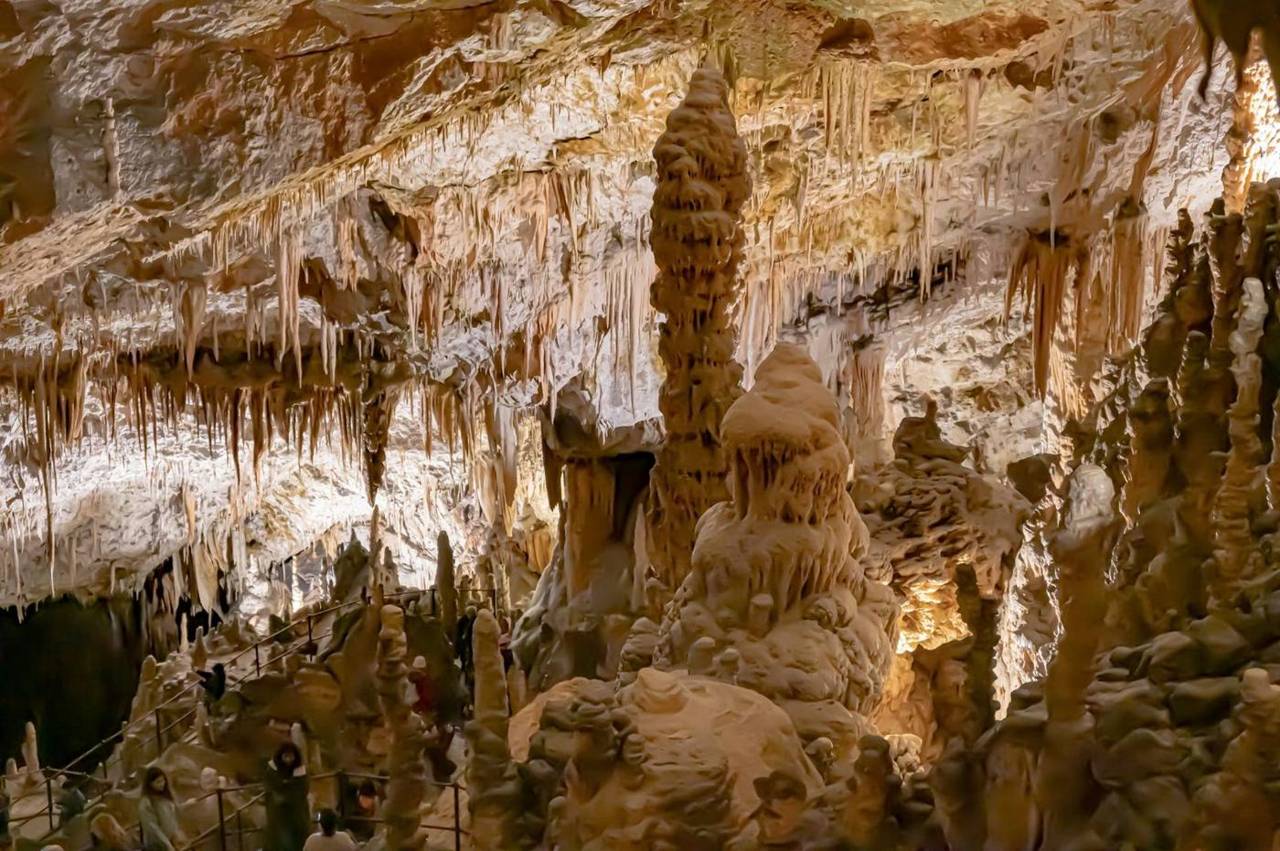
The Škocjan and Postojna caves
The underground Karst: the UNESCO-listed underground canyon of Škocjan, the train through the Postojna caves with the olm, and Predjama Castle.
 8 daysEasy
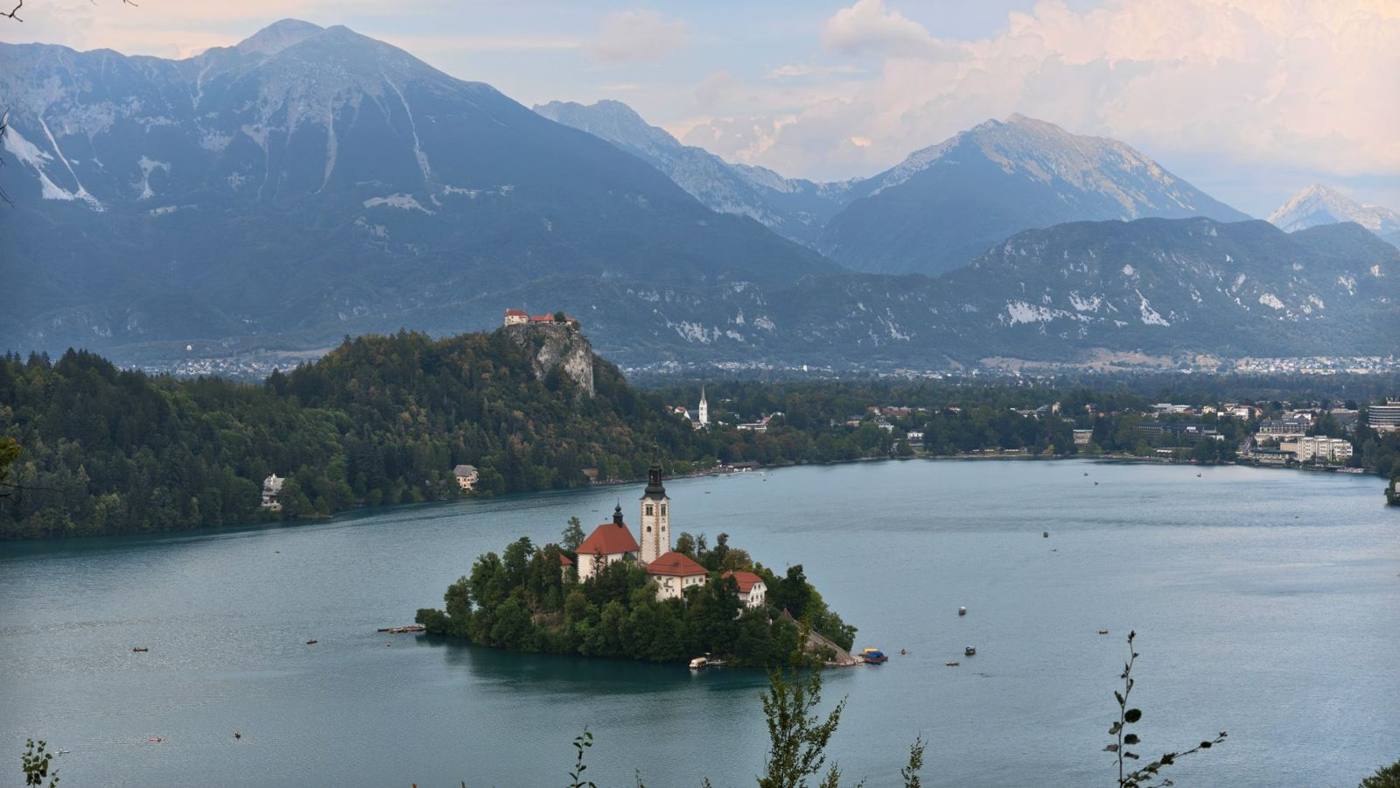
Classic Slovenia
Ljubljana, Lakes Bled and Bohinj, the Soča valley, the Postojna caves and Predjama Castle, and the sea at Piran.
 5 daysModerate
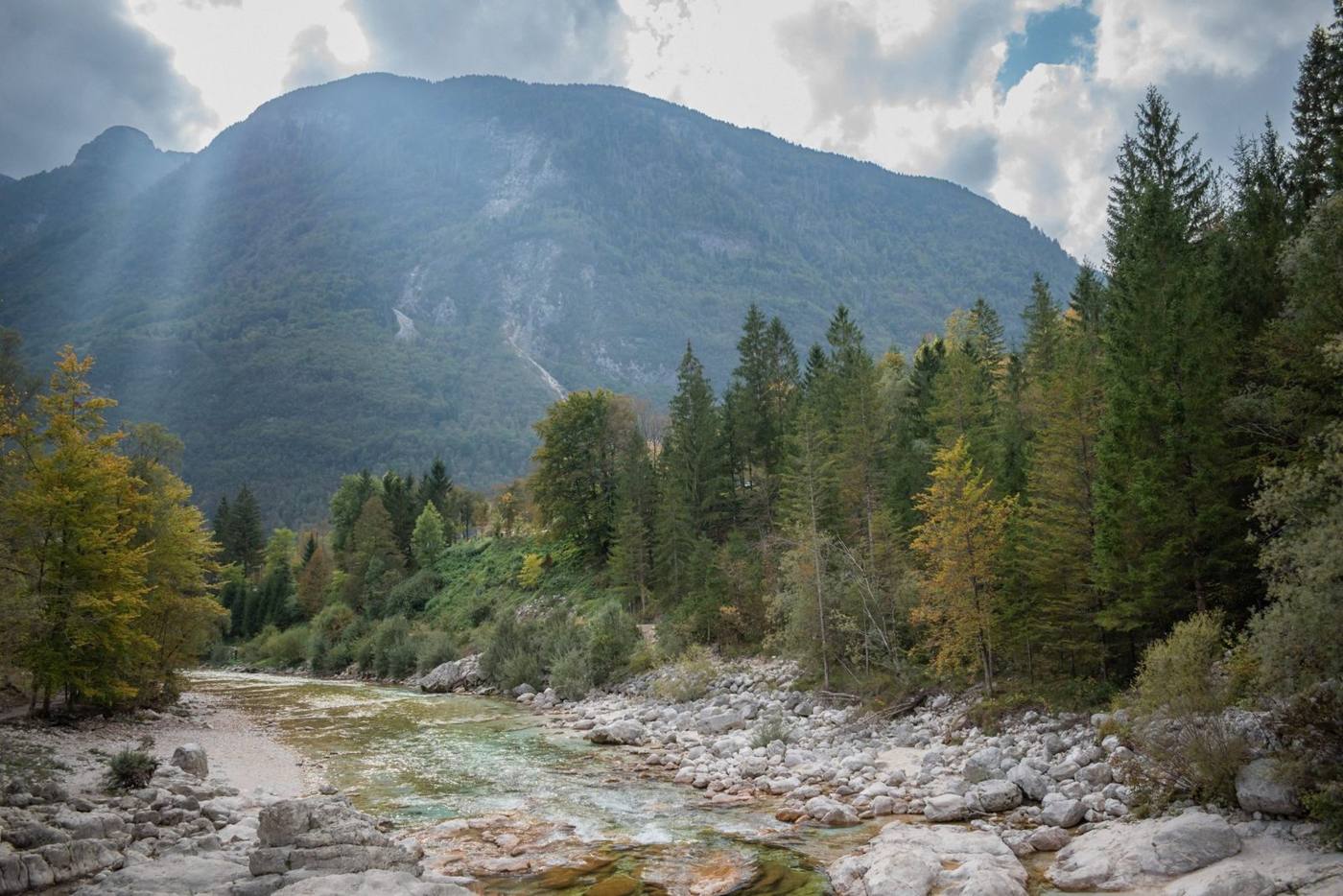
The Soča valley
The emerald river, rafting at Bovec, the Kozjak waterfall, the First World War museum at Kobarid and the Vršič Pass.