The Danube by bike
The EuroVelo 6 cycle route from the Hungarian border to Belgrade: Gornje Podunavlje nature park, Sombor, Bač and its fortress, Novi Sad and Zemun.
- Bezdan
- Sombor
- Apatin
- Bač
- Novi Sad
- Belgrade
Day by day
- Day 1
Bezdan and Sombor
This trip rides the Serbian stretch of the EuroVelo 6, Europe's most famous cycle route, from the Hungarian border to Belgrade: Bezdan, the green town of Sombor, the Gornje Podunavlje nature reserve, Apatin, Bač with its fortress, Novi Sad and Zemun. The route is flat, almost always on dykes and back roads.
Before you go: Italian citizens can enter Serbia without a visa, for tourist stays of under 90 days, with an electronic identity card or a passport. Other nationalities should check their own rules. Within 24 hours of arrival you must be registered with the police: accommodation does it for you, if you stay with private hosts go with them to the police station. Carry dinars in cash: cards are little used in the villages.
Start in Bezdan, a village on the Danube close to the point where Serbia, Hungary and Croatia meet. Look at the old nineteenth-century lock on the canal linking the Danube to the Tisza, still in use.
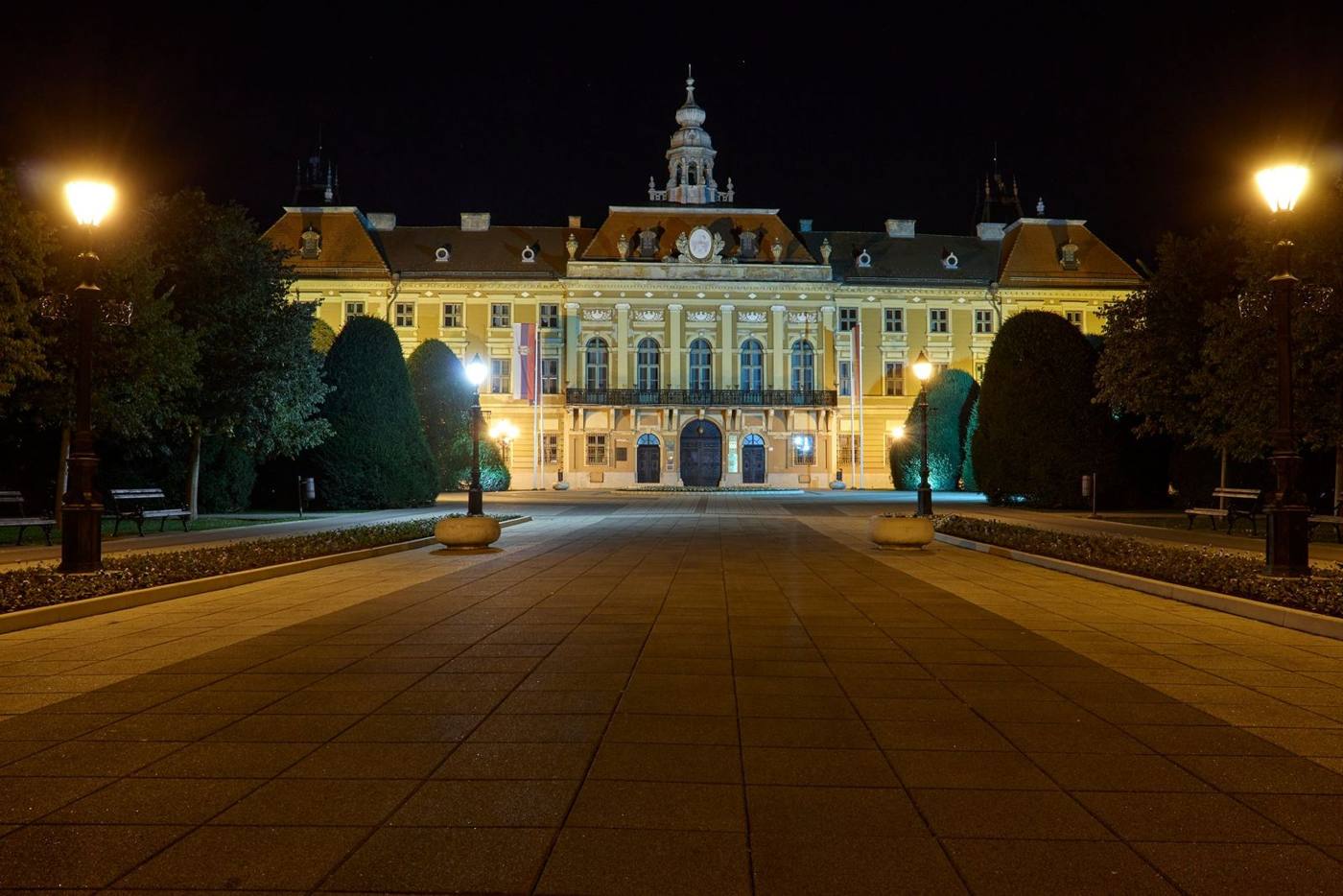
Then cycle for just under an hour to Sombor, a Habsburg town full of trees, known as the green town. Walk along the main street, with its low pastel houses, and visit the County Hall, where a huge painting of the Battle of Senta, of 1697, is on display. Check prices and times.
In the evening, have river fish or goulash for dinner, and stay in Sombor.
Practical tip: EuroVelo 6 signposting in Serbia is patchy: download a GPS track on your phone before leaving and bring a power bank.
- Day 2
Gornje Podunavlje nature reserve to Apatin
Today you ride through one of the largest wetlands along the Danube.
In the morning, leave Sombor and head back to the river, entering the Gornje Podunavlje nature reserve, a mosaic of flooded forests, oxbow lakes, reed beds and meadows. It is home to red deer, wild boar, herons, black storks and white-tailed eagles, which you sometimes see flying high above the trees. The dyke takes you for kilometres in silence, with almost no traffic.
Stop at the observation points and, if you like birds, bring binoculars. At some times of year boat trips are run on the channels: ask the body that manages the reserve. Check prices and times.
Around midday, take a break in a village along the route and eat something simple, such as bread with the cheese and cured meats of Vojvodina.
In the afternoon you reach Apatin, a small town on the Danube with a tree-lined riverside and river beaches, where locals swim in summer. Stroll along the bank and watch the barges heading downstream towards Belgrade.
Apatin has always lived from the river: in the past it was a port for timber and grain, and many locals still fish from the bank in the evening.
Overnight in Apatin.
Practical tip: mosquitoes are everywhere in the reserve, especially at sunset and in summer: use a strong repellent, wear long sleeves and ride near the water in the middle of the day.
- Day 3
Bač and its fortress
Today you reach the town that gave its name to the region of Bačka.
From Apatin, cycle south along dykes and country roads, past fields of maize and sunflowers, villages with houses lined up along the street and small churches. It is the longest stage so far: set off early and take regular breaks.
In the afternoon you arrive in Bač, a quiet town overlooked by its medieval fortress, built in the fourteenth century by the kings of Hungary. The walls, some towers and the great keep survive; the keep has been restored and from it you see the plain all around. Check prices and times.
In town, visit the Franciscan monastery, whose long history goes back to the Middle Ages, and look for the small Turkish bath, a reminder of the Ottoman period. A few kilometres away is the Orthodox monastery of Bođani, with colourful frescoes, reached by bike with a short detour.
For dinner, try dishes from Vojvodina, such as chicken paprikaš or bean soup with sausage.
Before dinner, walk below the fortress walls at sunset, when the low light colours the bricks and the plain around turns golden.
Overnight in Bač or in nearby Bačka Palanka, on the Danube.
Practical tip: summer is very hot and there is no shade along the dykes: carry at least two bottles, refill them in every village and rest during the hottest hours.
- Day 4
Along the Danube towards Novi Sad
Today you ride towards Serbia's second city.
In the morning, return to the Danube at Bačka Palanka and follow the cycle route east. On the other bank you see the hills of Fruška Gora rising gently from the plain, covered with woods and vines: the first high ground you have met since leaving Hungary.
Along the way you pass farming villages with low houses, courtyards full of flowers and old people sitting on benches in front of their homes. Stop at a small shop to buy fruit and water.
As you approach Novi Sad you pass through Futog, a large village with a manor house and a park, then enter the city along the riverside and Štrand beach, the most famous on the Serbian Danube, where the whole city gathers in summer.
In the evening, settle in the centre, leave your bike somewhere safe and walk to Liberty Square, between the town hall and the Church of the Name of Mary, and along the pedestrian streets full of cafés.
Novi Sad is a young university city full of open-air venues: in summer the evenings are long and lively.
Overnight in Novi Sad, for two nights.
Practical tip: in the city always lock your bike with a good lock to a fixed point, and at night ask your accommodation to keep it indoors.
- Day 5
A day in Novi Sad
Today the bike rests and you explore Novi Sad on foot.
In the morning, cross the bridge over the Danube and climb to the Petrovaradin fortress, built by the Habsburgs in the eighteenth century on a rock above the river. Walk the bastions and look for the clock tower with its reversed hands: the long one shows the hours. Below the fortress are kilometres of military tunnels, which you can visit with a guide. Check prices and times.
Then return to the centre and walk along Dunavska and Zmaj Jovina streets, with their colourful houses, to the Danube Park. Pass the Orthodox Cathedral of Saint George and the seat of Matica srpska, one of the oldest Serbian cultural institutions.
In the afternoon, if you like, take a bus to Sremski Karlovci, about twenty minutes away, to see the baroque town and taste bermet, the local sweet, aromatic wine. You will ride through it tomorrow too, but with less time.
If you have time left, relax on Štrand beach or swim in the Danube, where the water is supervised in summer.
In the evening, have grilled meat or riblja čorba, fish soup with paprika.
Practical tip: use the rest day to check your bike: brakes, chain and tyres. There are several bike workshops in Novi Sad.
- Day 6
To Belgrade via Zemun
Today you ride the last stage, to the capital.
Early in the morning, leave Novi Sad and follow the Danube to Sremski Karlovci, then along the side of Fruška Gora: here, for the first time, you meet a few climbs. Further on you pass near Slankamen, where the Tisza flows into the Danube, then cross villages and fields towards the outskirts of Belgrade.
It is the longest stage of the trip: if it seems too much, you can shorten it with the train from Novi Sad for part of the way; check first whether and how bikes can be carried.
In the afternoon you enter Zemun, the old Habsburg town on the Danube, now a district of Belgrade. Climb the Millennium Tower on Gardoš hill to look at the river, then ride along the riverside to the meeting with the Sava and the Kalemegdan fortress.
In short, in six days you have cycled the Serbian Danube: Bezdan and Sombor, the Gornje Podunavlje reserve, Apatin, Bač, Novi Sad with Petrovaradin, Zemun and Belgrade.
When to go: May, June and September. July and August are very hot and full of mosquitoes.
Practical tip: traffic increases sharply as you enter Belgrade: stay on the cycle paths along the river and wear a high-visibility vest.
A flat, little-used stretch of Europe's most famous cycle route. Signage is patchy: use a GPS track. Summers are very hot and mosquito-ridden.
Before you go
- Documents and visa
- EU citizens can enter with a passport or electronic identity card, with no visa, for tourist stays of under 90 days. British visitors need a passport. You must be registered with the police within 24 hours of arrival: hotels do it automatically, if you stay with private hosts go with them to the local police station. If you enter with a passport, make sure it is stamped. Serbia does not recognise the crossings with Kosovo as official borders: if you plan to travel via Kosovo, check first.
- Health and vaccines
- No compulsory vaccinations. Healthcare is poorly equipped and treatment is paid in cash: bring your own medicines and take insurance covering medical costs and repatriation. In summer use mosquito repellent, especially in the evening. Emergencies: police 192, fire 193, ambulance 194.
- Money and payments
- Serbian dinar (RSD), the only accepted means of payment; motorway tolls for foreign cars can be paid in euros. Cards work well in Belgrade, less so outside the cities: carry cash.
- Power sockets
- Types C and F, 230 volts: you need an adapter for British plugs.
- Time zone
- UTC+1, UTC+2 in summer, one hour ahead of the UK.
- Safety
- Watch out for pickpockets and car theft, especially in Belgrade. Demonstrations and road blocks can happen across the country: avoid crowds. In the areas of Preševo, Bujanovac and Medveđa, near the borders with North Macedonia and Kosovo, and in the Sandžak, travel only if necessary and keep to main roads. Photographing military and police sites is forbidden. Official advice: GOV.UK.
Information checked in November 2026 for Italian and EU citizens. Rules change: always check before you travel.
Variations
With four days, ride from Sombor to Novi Sad and return to Belgrade by train.
With extra days, continue east on EuroVelo 6 to Golubac and the Iron Gates.
Frequently asked questions
Is EuroVelo 6 in Serbia difficult?
No, it is almost entirely flat, on dykes and back roads. The difficulties are the patchy signposting, the summer heat and a few long stages.
Do you need a GPS track?
Yes. Signs are missing on several stretches: download the track before you leave and bring a power bank for your phone.
Where can you hire bikes?
In Novi Sad and Belgrade there are rental shops and workshops; for a one-way trip ask in advance how to return the bike or whether a luggage transfer service exists.
Indicative itinerary written by World Atlas. Before booking, check timetables, seasonal openings, documents and safety.
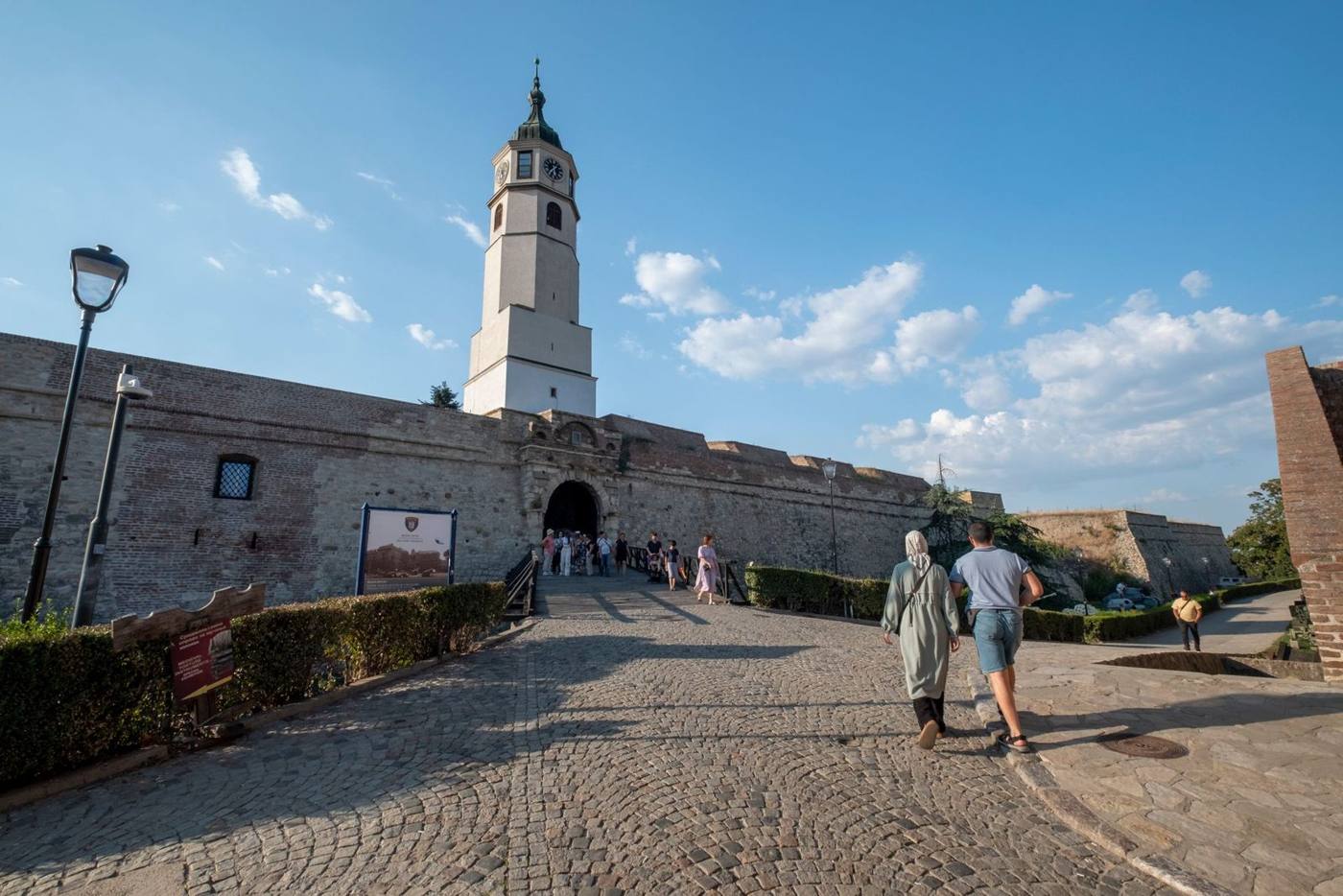 4 daysEasy
Belgrade and Novi Sad
Kalemegdan fortress where the Sava meets the Danube, Zemun, nightlife on the river barges and Petrovaradin fortress in Novi Sad.
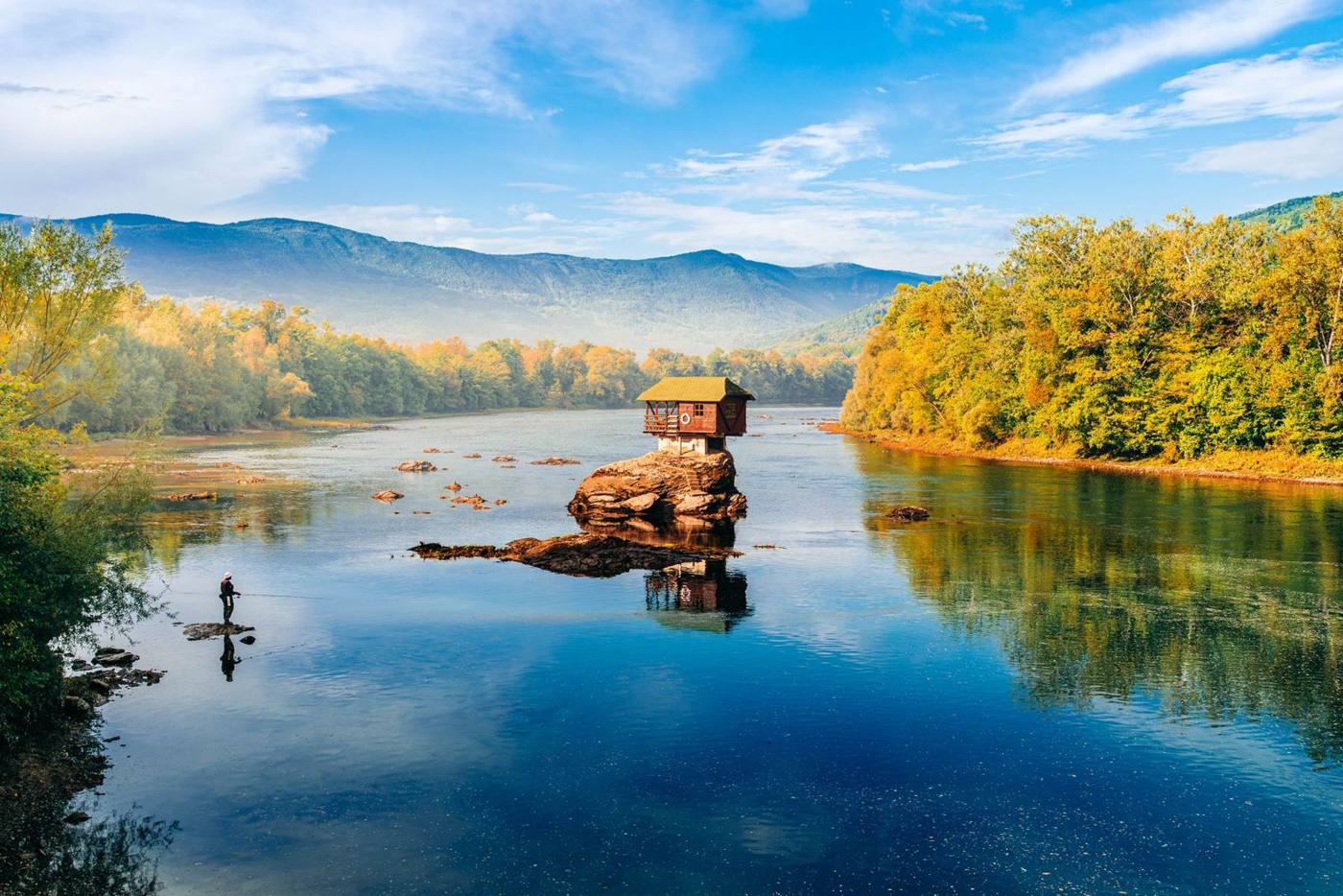 7 daysModerate
Monasteries and mountains of the south
The medieval monasteries of Studenica and Žiča, Tara National Park above the Drina, the Šargan Eight railway and the wooden village of Drvengrad.
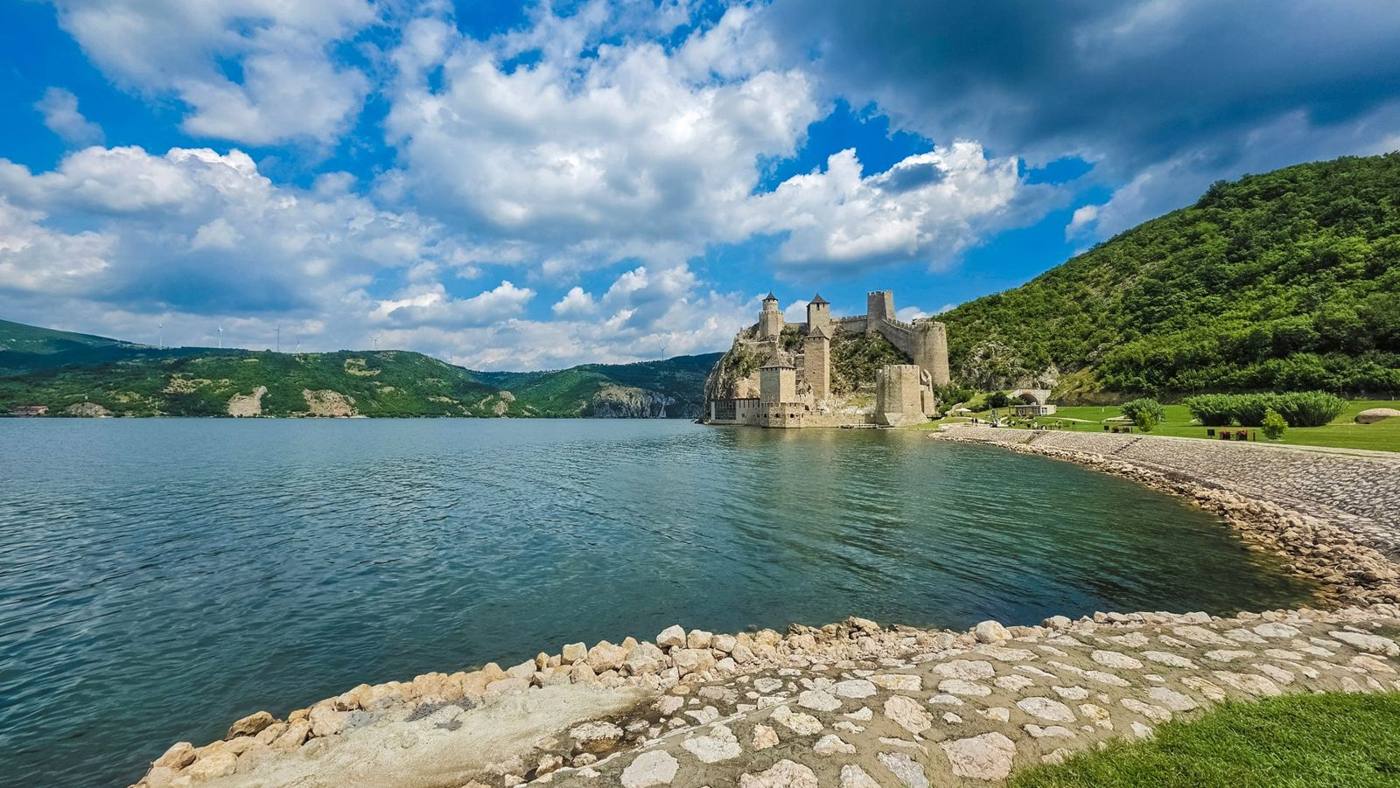 5 daysEasy
The Danube and the Iron Gates
Smederevo fortress, Golubac on the riverbank, the prehistoric site of Lepenski Vir and the Đerdap gorge.