Belgrade and Novi Sad
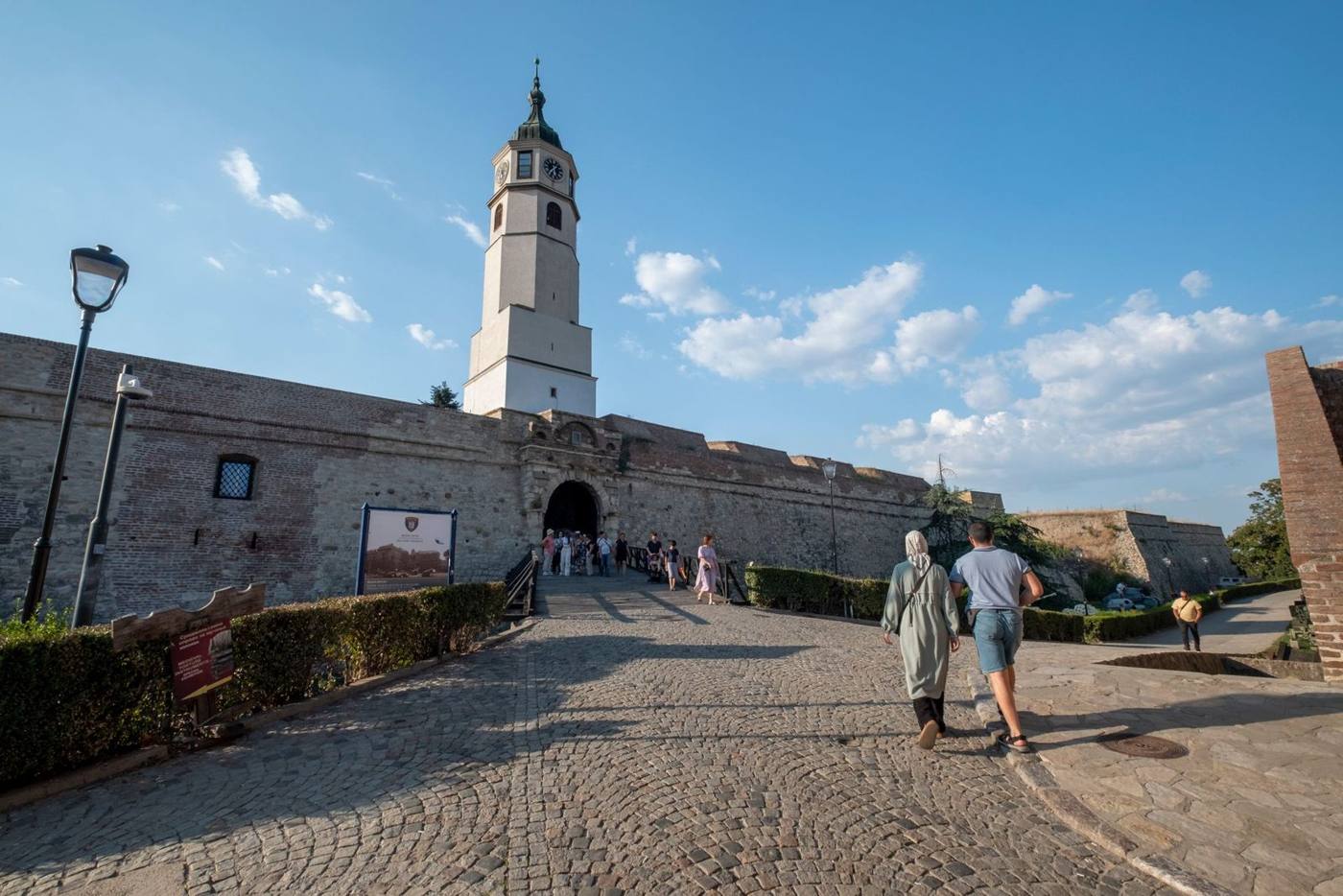
Kalemegdan fortress where the Sava meets the Danube, Zemun, nightlife on the river barges and Petrovaradin fortress in Novi Sad.
- Belgrade
- Kalemegdan
- Zemun
- Novi Sad
- Petrovaradin
- Sremski Karlovci
Day by day
- Day 1
Belgrade: Kalemegdan, Knez Mihailova and Skadarlija
This trip takes you to the two liveliest cities in Serbia: Belgrade, with the Kalemegdan fortress at the meeting of the Sava and the Danube, Zemun and evenings on the river, and Novi Sad, with the Petrovaradin fortress, plus the baroque town of Sremski Karlovci. You travel on foot, by public transport and by train.
Before you go: Italian citizens can enter Serbia without a visa, for tourist stays of under 90 days, with an electronic identity card or a passport. Other nationalities should check their own rules. Within 24 hours of arrival you must be registered with the police: hotels do it for you, if you stay with private hosts go with them to the local police station. The currency is the Serbian dinar.
Start at the Kalemegdan fortress, on a height above the meeting of the two rivers. Walk among the walls, gates and bastions to the Pobednik, the Victor statue, symbol of the city, and look down at the Sava flowing into the Danube. In the park around it you find the small Ružica church and the Military Museum. Check prices and times.
Then walk down Knez Mihailova, the great pedestrian street of the centre, with nineteenth-century buildings, cafés and bookshops, to Republic Square, with the National Museum and the National Theatre.
In the evening, go to Skadarlija, Belgrade's bohemian street, with cobblestones and kafanas, the old taverns where you eat grilled meat while listening to live traditional music.
Practical tip: pickpocketing is common in Belgrade in crowded areas and on public transport: keep your wallet in an inside pocket and use taxis booked through an app.
- Day 2
The Temple of Saint Sava, the Museum of Yugoslavia and Zemun
Today you see twentieth-century Belgrade and its soul on the Danube.
In the morning, visit the Temple of Saint Sava, one of the largest Orthodox churches in the world, dedicated to the founder of the Serbian Church. The outside is white marble and granite; inside, the dome and the crypt are covered with golden mosaics. Go in with your shoulders and legs covered.
Then take a bus or a taxi to the Museum of Yugoslavia, which tells the story of the country that disappeared in the 1990s. Part of the complex is the House of Flowers, with the tomb of Tito, the leader of socialist Yugoslavia, and the collection of batons carried in relays for his birthday. Check prices and times.
In the afternoon, move on to Zemun, once a separate town on the border of the Habsburg Empire, now a district of Belgrade. Walk among the low houses and the climbing lanes to the Millennium Tower on Gardoš hill, built at the end of the nineteenth century, for the view over the Danube and the rooftops. Then go down to the riverside, where people dine on river fish.
In the evening, if you like nightlife, head to the splavovi, barges moored on the banks of the Sava and the Danube turned into venues with music until late.
Practical tip: smoking indoors is still allowed in many Belgrade venues: if it bothers you, ask for an outdoor table or choose carefully.
- Day 3
Train to Novi Sad: Petrovaradin and Sremski Karlovci
Today you reach the capital of Vojvodina on the high-speed train.
In the morning, take the high-speed train from Beograd Centar station: in about half an hour you are in Novi Sad. Buy your ticket in advance on busy days.
In Novi Sad, cross the Danube and climb to the Petrovaradin fortress, built by the Habsburgs in the eighteenth century on a rock above the river and known as the Gibraltar of the Danube. Walk the bastions and look for the clock tower, where the hands are reversed: the long one shows the hours, so that boatmen could read it from afar. Below the fortress run kilometres of military tunnels, which you can visit with a guide. Check prices and times.
In the afternoon, take a bus or a taxi to Sremski Karlovci, about twenty minutes away. It is a baroque town, the religious and cultural centre of the Serbs under the Habsburgs, with the Orthodox Cathedral of Saint Nicholas, the Patriarchate palace, the Four Lions fountain and the old grammar school. The Treaty of Karlowitz between the Ottomans and the Holy League was signed here in 1699.
Taste bermet, a sweet, aromatic wine with herbs and spices, typical of the town, in one of the family wineries.
In the evening, return to Novi Sad and stay in the centre.
Practical tip: in July the Petrovaradin fortress hosts a big music festival: during those days accommodation sells out and prices rise sharply.
- Day 4
Central Novi Sad and back to Belgrade
Today you stroll through Novi Sad and return to Belgrade to leave.
In the morning, walk to Liberty Square, the heart of Novi Sad, with the town hall and the Catholic Church of the Name of Mary, in neo-Gothic style, with its roof of coloured tiles. Then follow Dunavska and Zmaj Jovina streets, pedestrian streets with low, colourful houses, cafés and small galleries, to the Danube Park.
If you are interested in Serbian culture, pass by the seat of Matica srpska, one of the oldest cultural institutions in the country, and the Orthodox Cathedral of Saint George.
For lunch, try a dish from Vojvodina, such as goulash or riblja čorba, a river fish soup with paprika.
In the early afternoon, take the high-speed train to Belgrade. If you still have time before your flight, take a last walk in Savamala, on the Sava riverside, or visit the Nikola Tesla Museum, dedicated to the inventor. Check prices and times. The airport is about half an hour from the centre.
In short, in four days you have seen Belgrade with Kalemegdan, Skadarlija, Saint Sava and Zemun, and Novi Sad with Petrovaradin and Sremski Karlovci.
When to go: from April to October. Spring and autumn have the most pleasant weather; summer is very hot.
Practical tip: keep a few thousand dinars in cash for small purchases and transport, and change money only at authorised exchange offices.
A lively, inexpensive long weekend for those who like cities with a busy nightlife. The new fast train links Belgrade and Novi Sad in about half an hour. Smoking is still allowed in many bars: those who mind should choose carefully.
Before you go
- Documents and visa
- EU citizens can enter with a passport or electronic identity card, with no visa, for tourist stays of under 90 days. British visitors need a passport. You must be registered with the police within 24 hours of arrival: hotels do it automatically, if you stay with private hosts go with them to the local police station. If you enter with a passport, make sure it is stamped. Serbia does not recognise the crossings with Kosovo as official borders: if you plan to travel via Kosovo, check first.
- Health and vaccines
- No compulsory vaccinations. Healthcare is poorly equipped and treatment is paid in cash: bring your own medicines and take insurance covering medical costs and repatriation. In summer use mosquito repellent, especially in the evening. Emergencies: police 192, fire 193, ambulance 194.
- Money and payments
- Serbian dinar (RSD), the only accepted means of payment; motorway tolls for foreign cars can be paid in euros. Cards work well in Belgrade, less so outside the cities: carry cash.
- Power sockets
- Types C and F, 230 volts: you need an adapter for British plugs.
- Time zone
- UTC+1, UTC+2 in summer, one hour ahead of the UK.
- Safety
- Watch out for pickpockets and car theft, especially in Belgrade. Demonstrations and road blocks can happen across the country: avoid crowds. In the areas of Preševo, Bujanovac and Medveđa, near the borders with North Macedonia and Kosovo, and in the Sandžak, travel only if necessary and keep to main roads. Photographing military and police sites is forbidden. Official advice: GOV.UK.
Information checked in November 2026 for Italian and EU citizens. Rules change: always check before you travel.
Variations
With three days, stay in Belgrade and visit Novi Sad as a day trip on the high-speed train.
With two extra days, add the monasteries of Fruška Gora or Subotica and Lake Palić.
Frequently asked questions
How long is the train between Belgrade and Novi Sad?
The high-speed train links the two cities in about half an hour. On busy days it is worth buying your ticket in advance.
Do you have to register with the police in Serbia?
Yes, within 24 hours of arrival. Hotels do it for you; if you stay with private hosts, go with them to the police station.
Is Belgrade expensive?
Compared with Western European capitals it is inexpensive, especially for food and transport. Central accommodation costs more during festivals.
Indicative itinerary written by World Atlas. Before booking, check timetables, seasonal openings, documents and safety.
 7 daysModerate
Monasteries and mountains of the south
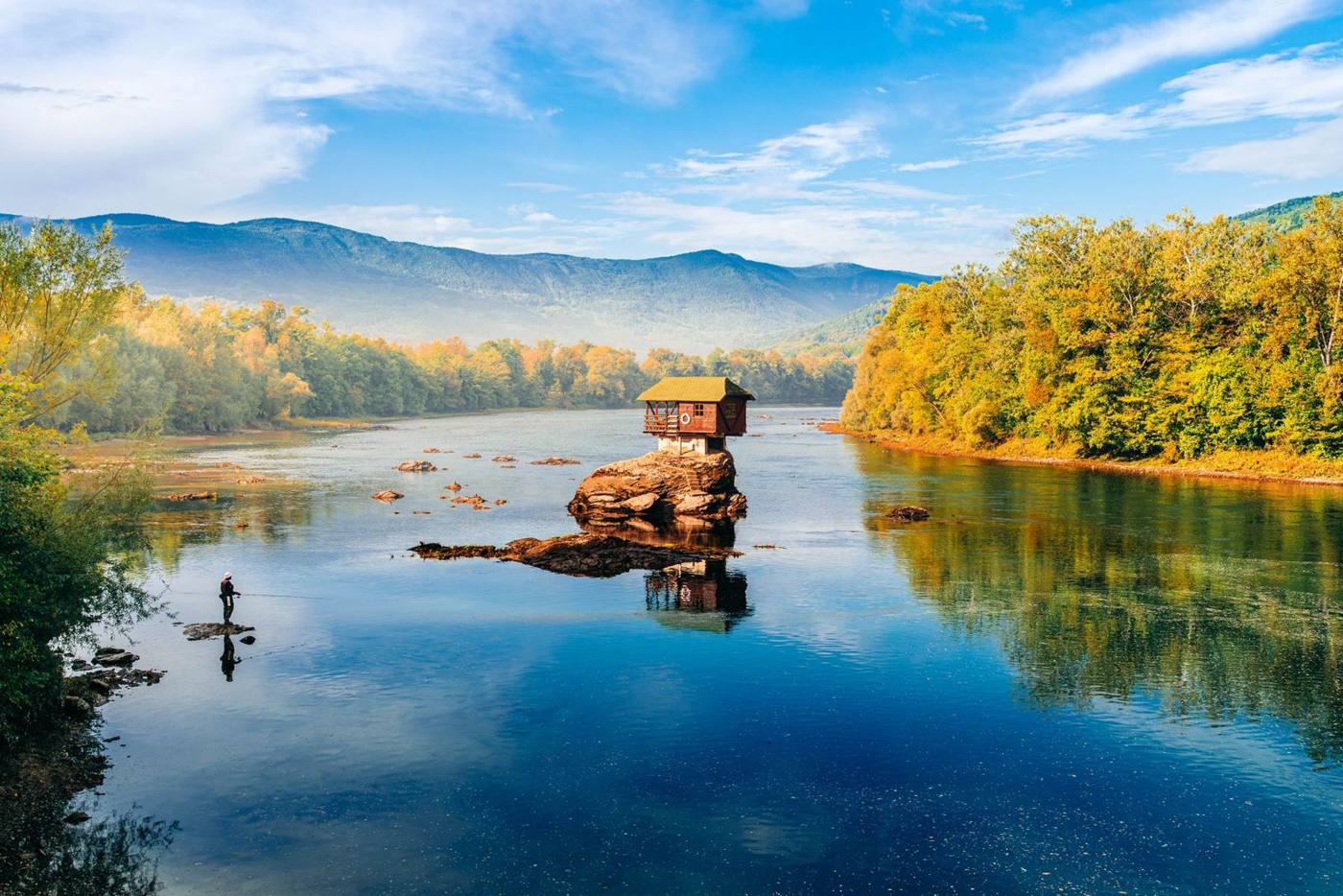
The medieval monasteries of Studenica and Žiča, Tara National Park above the Drina, the Šargan Eight railway and the wooden village of Drvengrad.
 5 daysEasy
The Danube and the Iron Gates
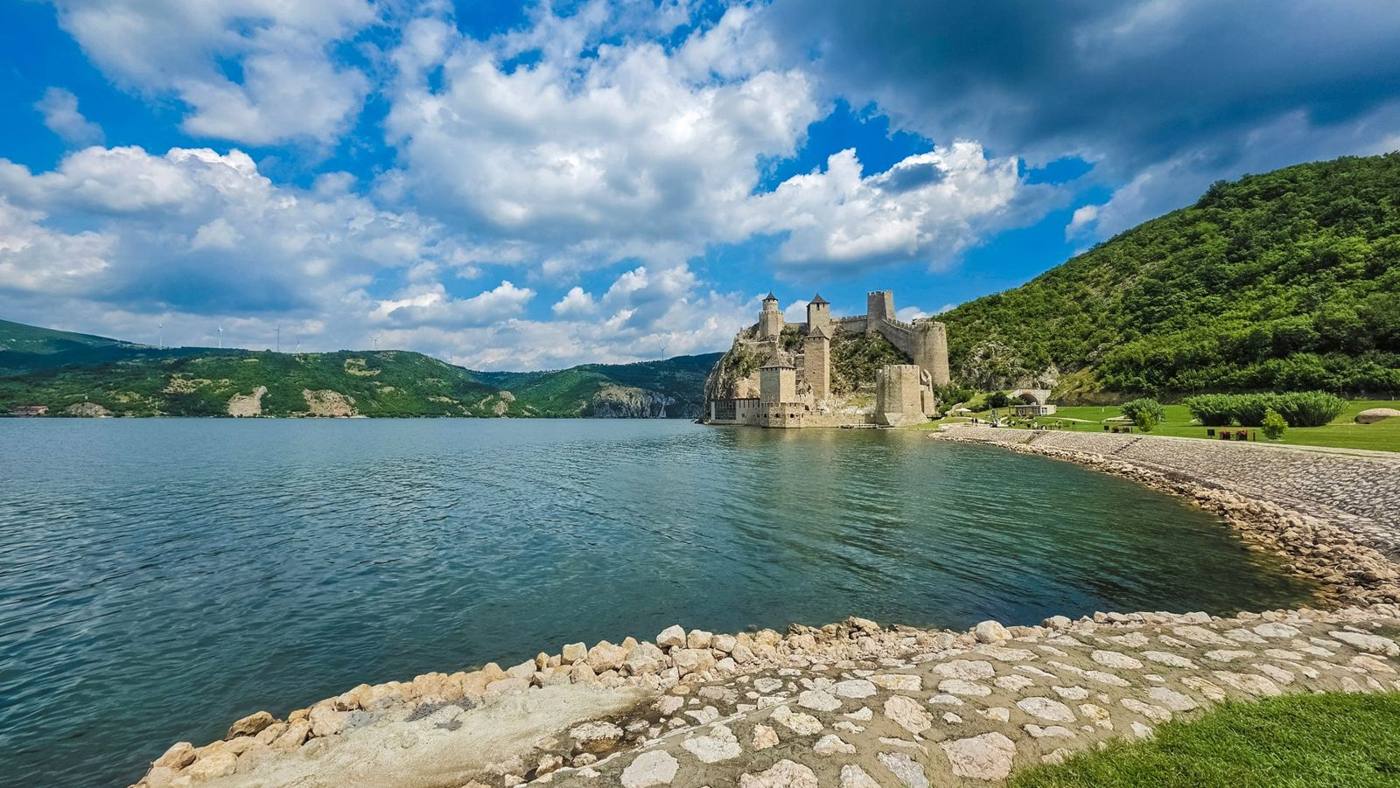
Smederevo fortress, Golubac on the riverbank, the prehistoric site of Lepenski Vir and the Đerdap gorge.
 3 daysEasy
Subotica and Palić
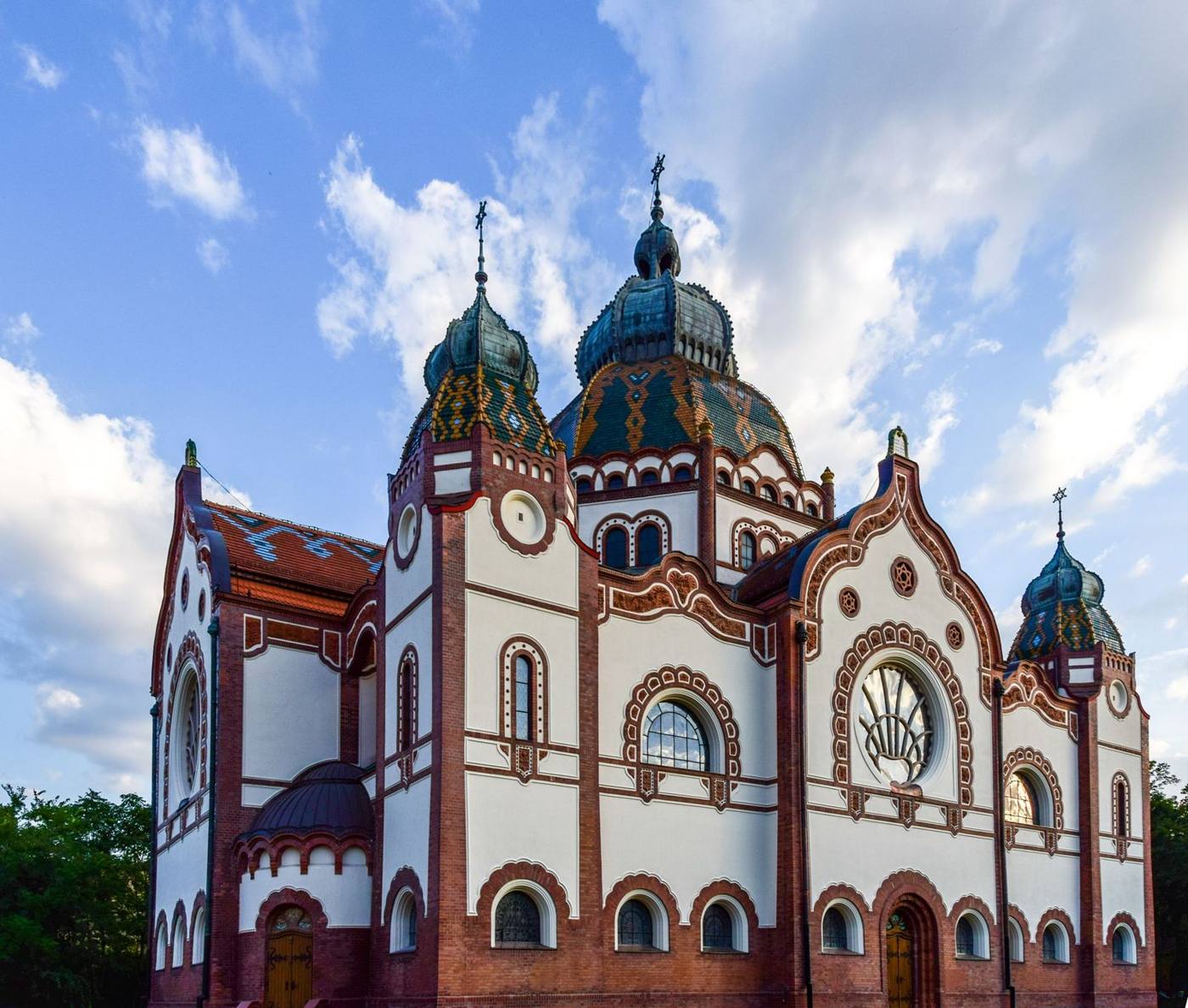
The Art Nouveau city of the north with its Hungarian-style town hall and synagogue, Lake Palić with its villas and the sandy-soil wineries of Vojvodina.