The Danube and the Iron Gates
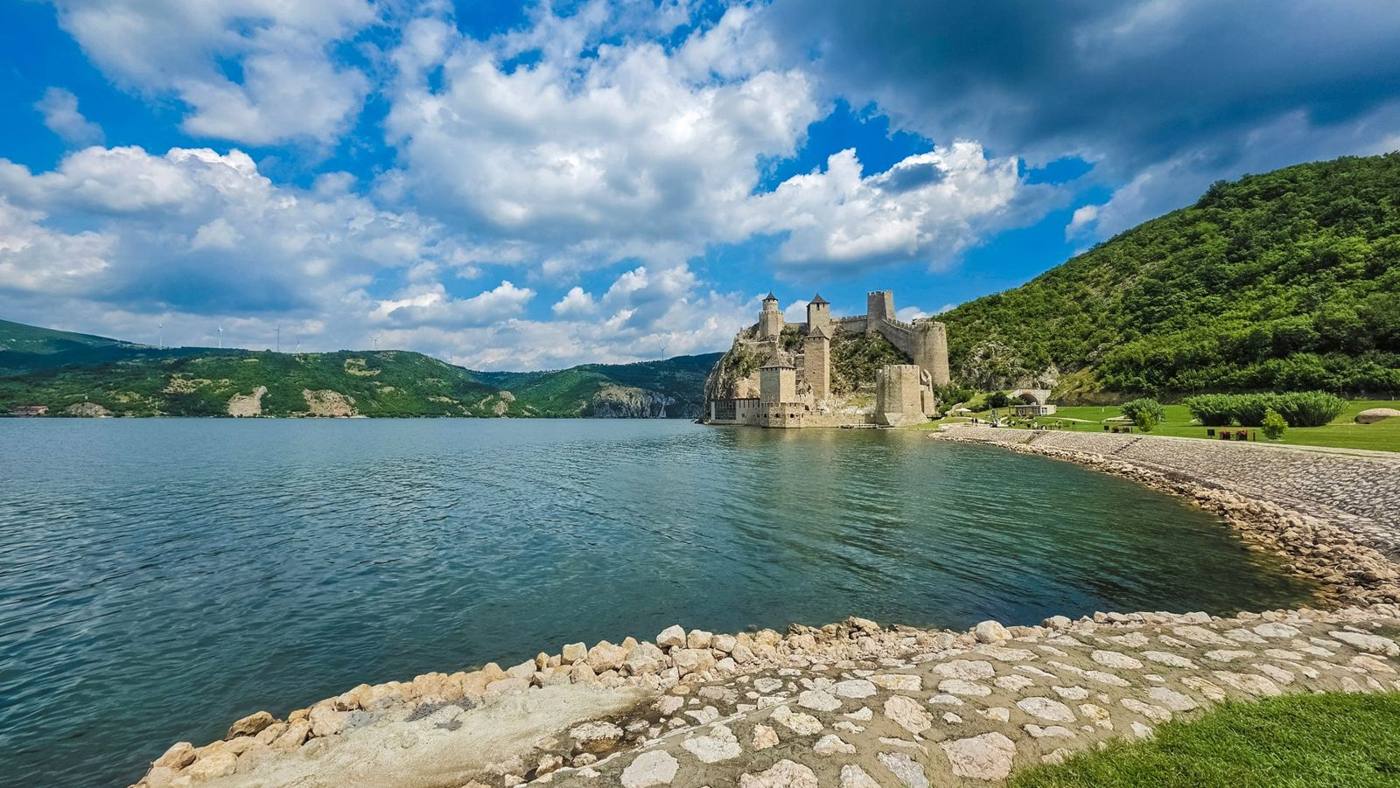
Smederevo fortress, Golubac on the riverbank, the prehistoric site of Lepenski Vir and the Đerdap gorge.
- Belgrade
- Smederevo
- Viminacium
- Golubac
- Lepenski Vir
- Donji Milanovac
- Kladovo
Day by day
- Day 1
Smederevo fortress and the Roman city of Viminacium
This trip follows the Danube east, from Belgrade to the Iron Gates: Smederevo fortress, the Roman city of Viminacium, Golubac castle, the prehistoric site of Lepenski Vir and the gorges of Đerdap National Park, as far as Kladovo. You travel by car.
Before you go: Italian citizens can enter Serbia without a visa, for tourist stays of under 90 days, with an electronic identity card or a passport. Other nationalities should check their own rules. Within 24 hours of arrival you must be registered with the police: hotels do it for you, if you stay with private hosts go with them to the police station. Services along the river are few: carry dinars in cash.
From Belgrade you drive less than an hour to Smederevo, where the fortress on the Danube, built in the fifteenth century by Despot Đurađ Branković as the last capital of medieval Serbia, is one of the largest lowland fortresses in Europe. Walk along the walls and towers, which form a triangle between the river and its tributary. Check prices and times.
In the afternoon, continue to Viminacium, near Kostolac, a large Roman city and military camp, capital of the province of Moesia Superior. You see the baths, painted tombs, the remains of the amphitheatre and the skeleton of a mammoth found during the excavations. Check prices and times.
Overnight in the Veliko Gradište or Golubac area.
Practical tip: at Viminacium there is little shade in summer and it gets very hot: visit in the morning or late afternoon and bring a hat.
- Day 2
Golubac castle at the entrance to the gorges
Today you reach the gateway to Đerdap National Park.
In the morning, drive along the bank to Golubac, where the Danube is as wide as a lake. Just past the village, on a rock dropping into the water, rises Golubac fortress, its towers climbing up the rock. For centuries Serbs, Hungarians and Ottomans fought over it because it controlled the entrance to the gorges. Today it is restored and you visit it along walkways and steep stairs; from the highest towers you see the Romanian bank opposite and the river narrowing between the mountains. Check prices and times.
In the afternoon, take a walk along the Golubac riverside or hire a bike for a stretch of the EuroVelo 6 cycle route, which runs along the Danube.
Then continue on the scenic road through the gorges, one of the most beautiful in Serbia, with tunnels cut into the rock, towards Donji Milanovac.
For dinner, try river fish such as carp or catfish, grilled or in a soup.
Overnight in Donji Milanovac, for two or three nights: it is the most convenient base for exploring the park.
Practical tip: the road through the gorges has narrow, poorly lit tunnels: keep your lights on even by day and drive calmly.
- Day 3
Lepenski Vir and the viewpoint over the Danube
Today you discover one of the most important prehistoric sites in Europe.
In the morning, drive to Lepenski Vir, on the bank of the Danube. Here, thousands of years ago, a community of hunters and fishermen built houses with a trapezoidal plan and carved large stones with faces whose features resemble those of fish. When the Đerdap dam was built in the 1970s, the site was moved higher up to save it from the water. Today you see it under a large roof, with a museum that explains village life. Check prices and times.
In the afternoon, climb to one of the national park's viewpoints above the Kazan gorge, such as Ploče near Mount Veliki Štrbac: a path through the woods leads to a spot where you see the Danube squeezed between sheer walls, with Romania on the other side. Ask at the park visitor centre which trail is open and suitable for you.
For lunch, between the two visits, bring a sandwich or stop in a village along the road: in this part of the park there are few places to eat and many open only in season. The national park visitor centre in Donji Milanovac has maps, trail information and a small exhibition on the nature of the gorges.
In the evening, return to Donji Milanovac and walk along the riverside, as the Danube takes on the colours of sunset.
Practical tip: for the viewpoint, bring walking shoes, water and a jacket: the path climbs through the woods and it is often windy at the top.
- Day 4
The Kazan gorge by boat, the face of Decebalus and Kladovo
Today you see the gorges from the river, at their narrowest point.
In the morning, from Donji Milanovac or a landing further downstream, board a boat for a trip through the Kazan gorge, where the Danube narrows between rocks hundreds of metres high. On the Romanian bank you see the giant face of Decebalus, the last king of the Dacians, carved into the rock between the 1990s and the early 2000s. On the Serbian bank the boat approaches the Tabula Traiana, a Roman plaque recalling the road built by Emperor Trajan along the river, raised higher when the dam was built. Book the boat with local operators on the spot and check prices and times.
In the afternoon, drive to Kladovo, past the great Đerdap dam, the hydroelectric plant built jointly by Yugoslavia and Romania. In Kladovo, visit the Ottoman fortress of Fetislam and, not far away, the remains of the Roman fortress of Diana. Check prices and times.
For lunch, between the boat and the drive to Kladovo, stop in a riverside village and try riblja čorba, river fish soup with paprika, served with warm bread.
In the evening, have dinner on the riverside and stay in Kladovo.
Practical tip: on the boat the sun and wind are strong even when it is hot on land: bring sun cream, sunglasses and a sweatshirt.
- Day 5
Back to Belgrade
Today you return to Belgrade, ending the trip along the river.
In the morning, before leaving, go and see the remains of Trajan's Bridge near Kladovo, built by the Romans in the early second century to cross the Danube during the war against the Dacians: a few stone piers still stand on the bank.
Then take the road to Belgrade. You can return along the Danube, to see the gorges again in a different light, or go inland, through the hills and villages of eastern Serbia, which is faster. Either way, allow several hours of driving.
Along the way, stop to eat at a village tavern: try pljeskavica, a large grilled burger, or ćevapi with onion and kajmak, a salty milk cream.
In short, in five days you have followed the Danube from Smederevo to the Iron Gates: Smederevo fortress, Viminacium, Golubac, Lepenski Vir, the Kazan gorge with the face of Decebalus and Kladovo.
When to go: from May to September, when the boats run regularly and the days are long. July and August are very hot.
Practical tip: fill up with fuel before leaving the towns: along the Danube and in the hills inland, petrol stations are few and sometimes closed in the evening.
A river journey combining archaeology and grand scenery. Distances are long and services few: book your nights in Donji Milanovac. Also excellent by bike along the EuroVelo 6 route.
Before you go
- Documents and visa
- EU citizens can enter with a passport or electronic identity card, with no visa, for tourist stays of under 90 days. British visitors need a passport. You must be registered with the police within 24 hours of arrival: hotels do it automatically, if you stay with private hosts go with them to the local police station. If you enter with a passport, make sure it is stamped. Serbia does not recognise the crossings with Kosovo as official borders: if you plan to travel via Kosovo, check first.
- Health and vaccines
- No compulsory vaccinations. Healthcare is poorly equipped and treatment is paid in cash: bring your own medicines and take insurance covering medical costs and repatriation. In summer use mosquito repellent, especially in the evening. Emergencies: police 192, fire 193, ambulance 194.
- Money and payments
- Serbian dinar (RSD), the only accepted means of payment; motorway tolls for foreign cars can be paid in euros. Cards work well in Belgrade, less so outside the cities: carry cash.
- Power sockets
- Types C and F, 230 volts: you need an adapter for British plugs.
- Time zone
- UTC+1, UTC+2 in summer, one hour ahead of the UK.
- Safety
- Watch out for pickpockets and car theft, especially in Belgrade. Demonstrations and road blocks can happen across the country: avoid crowds. In the areas of Preševo, Bujanovac and Medveđa, near the borders with North Macedonia and Kosovo, and in the Sandžak, travel only if necessary and keep to main roads. Photographing military and police sites is forbidden. Official advice: GOV.UK.
Information checked in November 2026 for Italian and EU citizens. Rules change: always check before you travel.
Variations
With three days, see Smederevo, Golubac and Lepenski Vir and return to Belgrade.
With two extra days, do part of the trip by bike along the EuroVelo 6 cycle route.
Frequently asked questions
What are the Iron Gates?
The gorges of the Danube on the border between Serbia and Romania, where the river cuts through the Carpathians between rock walls. On the Serbian side they are protected by Đerdap National Park.
Can you see the face of Decebalus from Serbia?
Yes, from the river and from some points on the Serbian bank. The best way is the boat trip through the Kazan gorge.
Where is the best place to stay?
In Donji Milanovac, in the middle of the park: it is the most convenient base for Lepenski Vir, the viewpoints and the boats. Book ahead in summer.
Indicative itinerary written by World Atlas. Before booking, check timetables, seasonal openings, documents and safety.
 3 daysEasy
Subotica and Palić
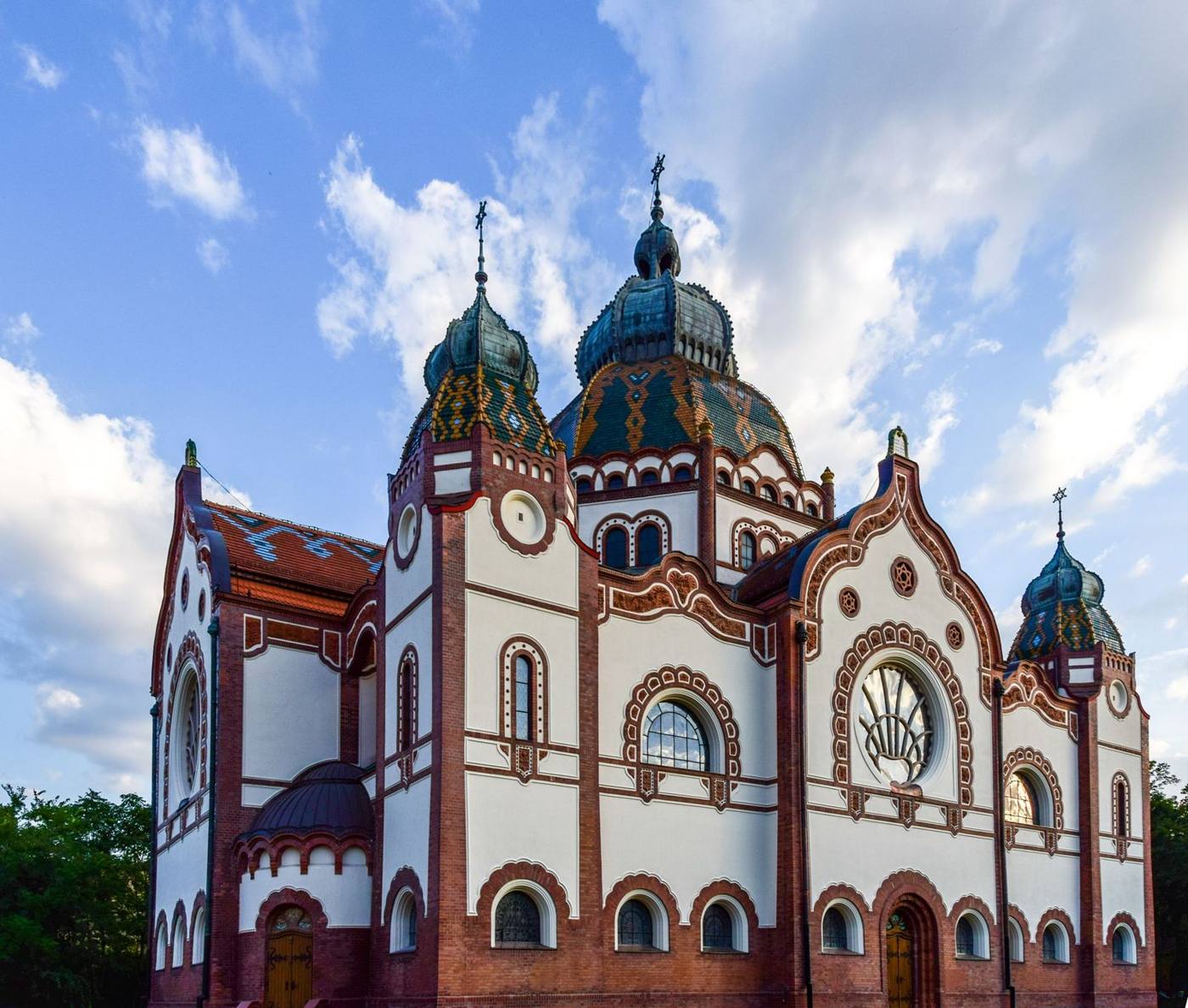
The Art Nouveau city of the north with its Hungarian-style town hall and synagogue, Lake Palić with its villas and the sandy-soil wineries of Vojvodina.
 3 daysEasy
Fruška Gora and Sremski Karlovci
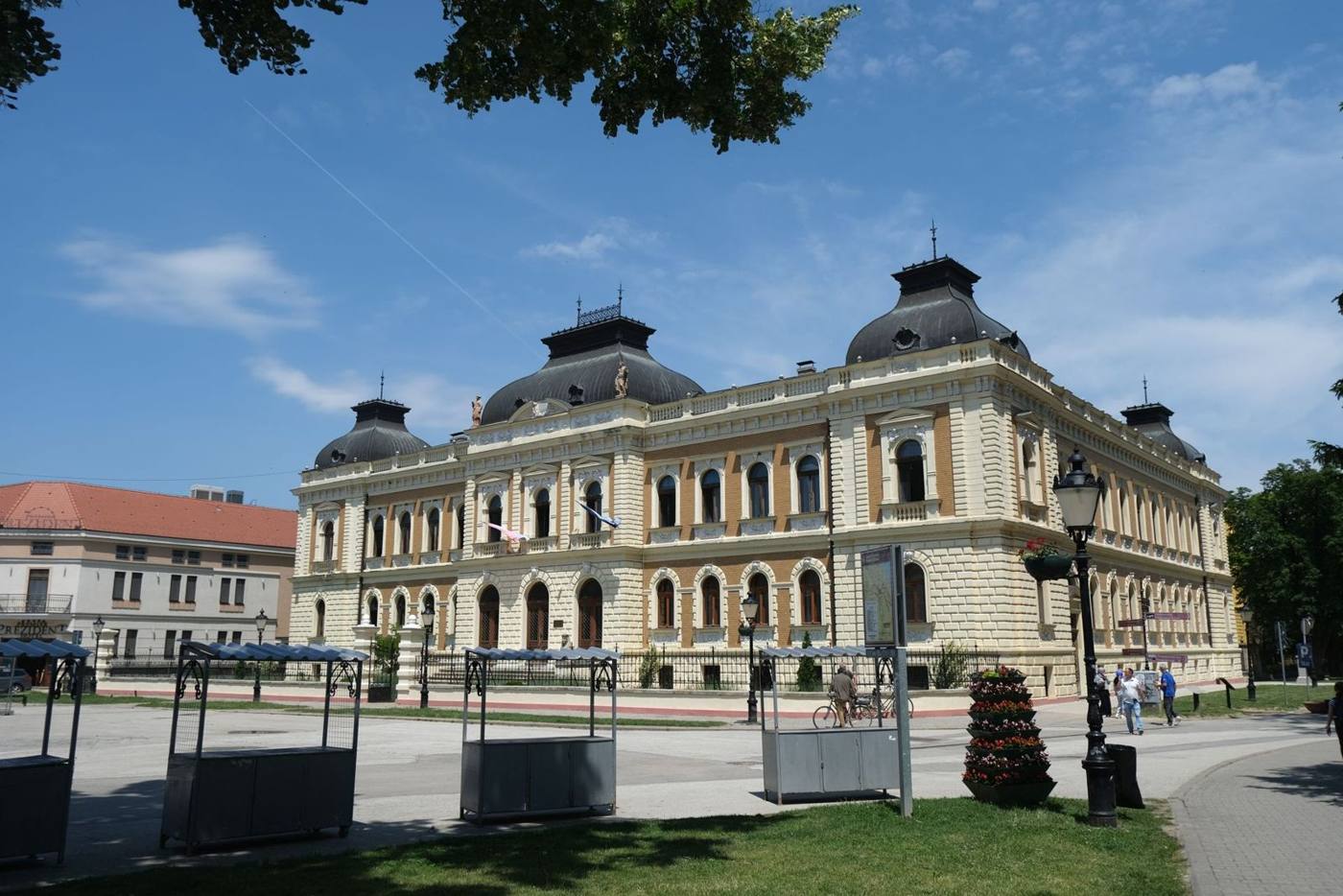
The baroque town of Sremski Karlovci and its sweet bermet wine, the Fruška Gora hills and their Orthodox monasteries among vineyards and woods.
 3 daysEasy
Uvac and the griffon vultures
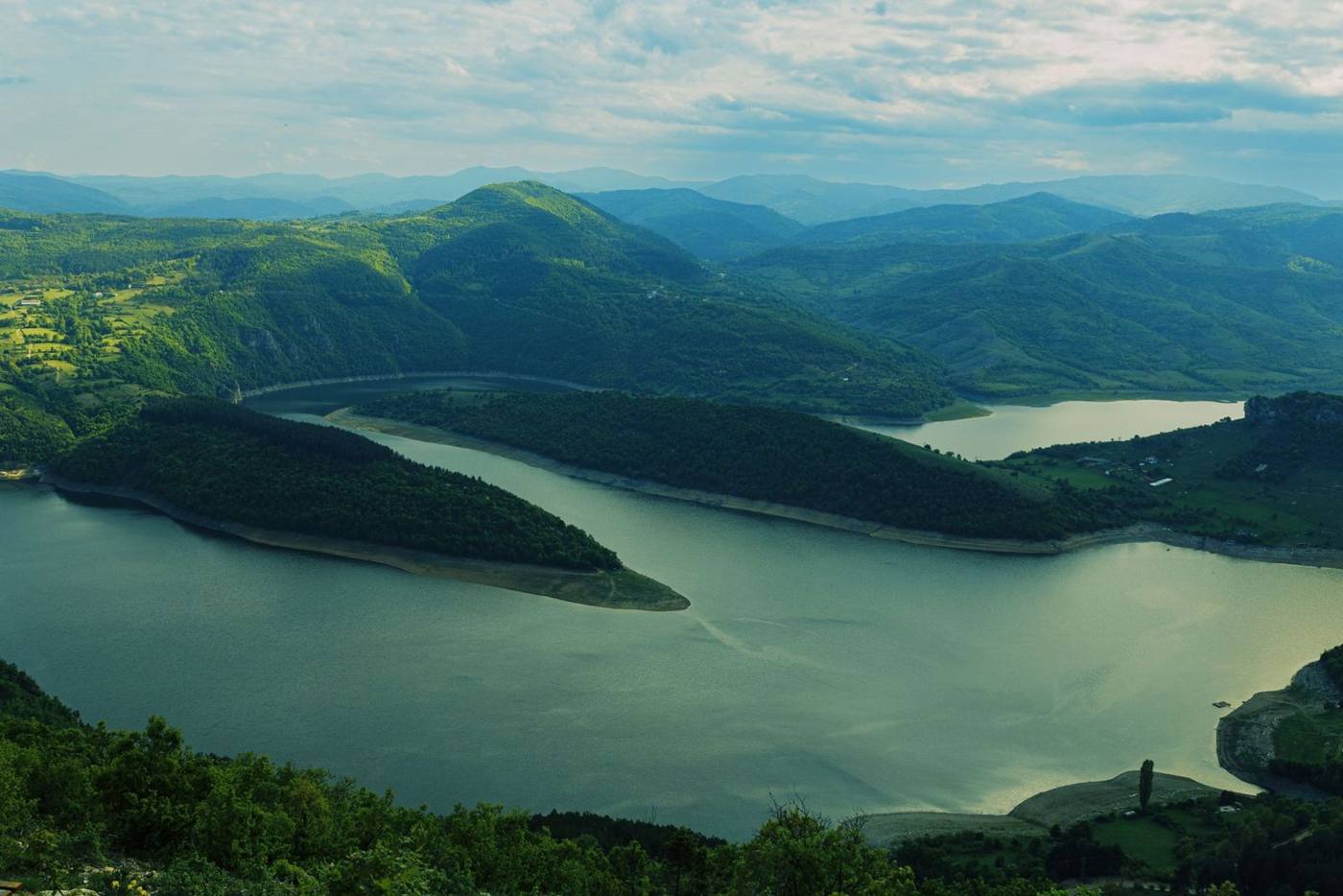
The meanders of the Uvac river seen from the Molitva viewpoint, a boat trip through the canyon, Ušak cave and griffon vultures soaring above the walls.