Subotica and Palić
The Art Nouveau city of the north with its Hungarian-style town hall and synagogue, Lake Palić with its villas and the sandy-soil wineries of Vojvodina.
- Subotica
- Palić
- Ludaš
- Hajdukovo
Day by day
- Day 1
Subotica: the town hall, the synagogue and the main street
This trip takes you to the north of Serbia, close to Hungary: Subotica, the Art Nouveau town with its town hall and synagogue in Hungarian Secession style, Lake Palić with its villas, Lake Ludaš with its birds and the wineries on the sands of Vojvodina. You travel on foot, by bus and by car.
Before you go: Italian citizens can enter Serbia without a visa, for tourist stays of under 90 days, with an electronic identity card or a passport. Other nationalities should check their own rules. Within 24 hours of arrival you must be registered with the police: hotels do it for you, if you stay with private hosts go with them to the police station.
Subotica is an hour and a half from Novi Sad and a few kilometres from the Hungarian border. Many people speak Hungarian and signs are often in two languages.
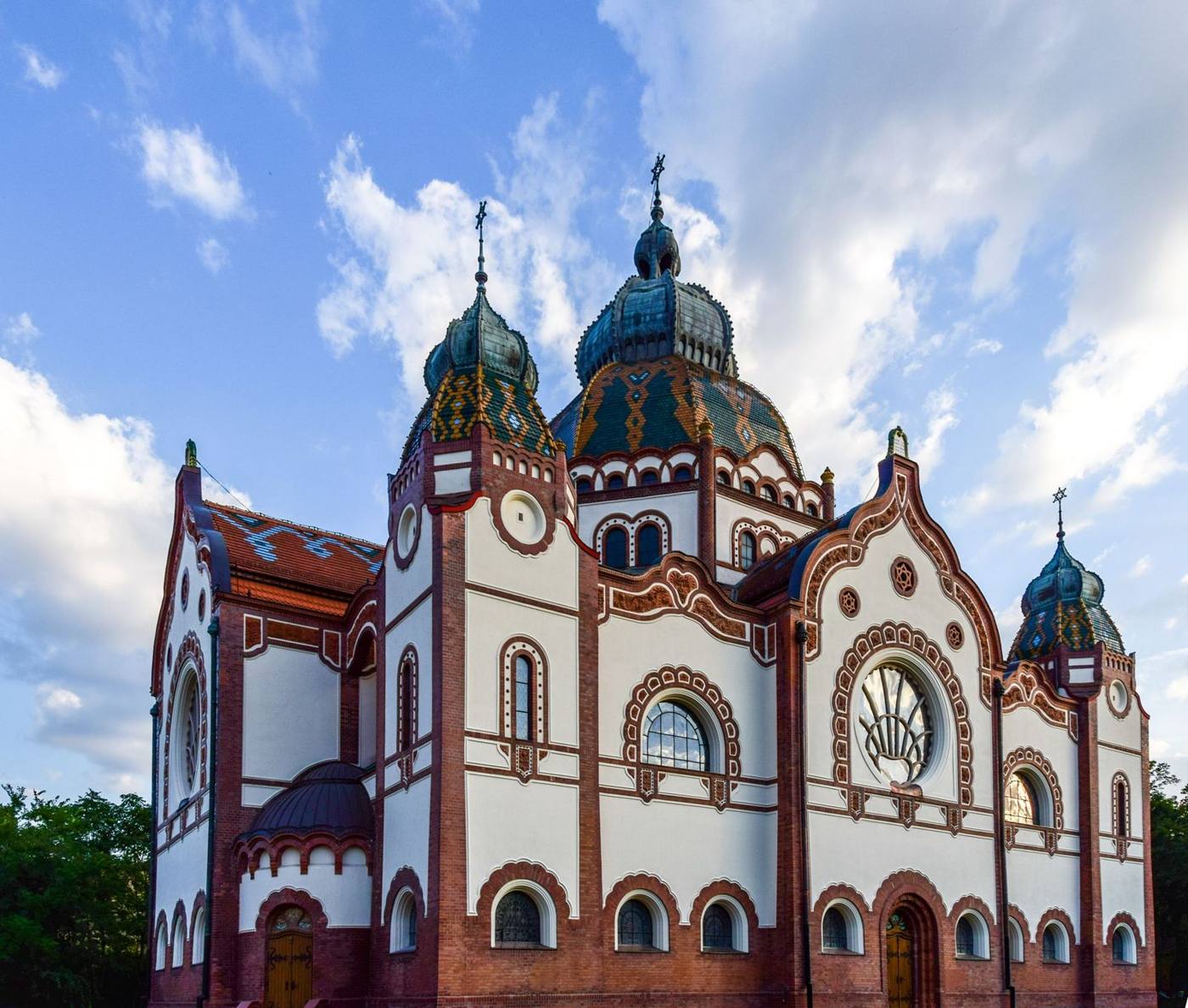
Start at the town hall, built in the early twentieth century by the architects Marcell Komor and Dezső Jakab, with its tall tower, colourful ceramics and floral decoration. Inside, if tours are running, you see the council chamber with its stained glass. Check prices and times.
Then walk to the synagogue, by the same architects, one of the finest examples of Hungarian Art Nouveau in Europe, carefully restored after years of neglect. Check prices and times.
In the afternoon, stroll along the pedestrian main street and look at the Raichle Palace, an Art Nouveau house with wavy forms, now a modern art gallery.
For dinner, try the food of Vojvodina, with Hungarian influences: goulash, paprikaš and cakes with walnuts and poppy seeds.
Overnight in Subotica, for two nights.
Practical tip: the best light for photographing the town hall and the Raichle Palace is in the late afternoon, when the sun lights up the facades.
- Day 2
Lake Palić and Lake Ludaš
Today you leave town for the lakes.
In the morning, take a bus or drive about ten kilometres to Lake Palić, the holiday spot of Subotica's middle classes since the late nineteenth century. Enter through the water tower, the gateway to the park, then walk among the villas, the Grand Terrace and the Women's Beach building, built in Art Nouveau style with wood and ceramics, many by the same architects as Subotica town hall. The park is full of old trees and benches by the lake.
For lunch, eat lake fish or a fish soup with paprika on the lakeside.
In the afternoon, drive to Lake Ludaš, not far away, a nature reserve with reed beds and shallow water, important for birds. From the observation towers and the paths along the shore you see herons, ducks, marsh harriers and, in the right season, many migrating birds. Bring binoculars. Ask at the reserve visitor centre which paths are open.
If you are travelling with children, there is also a zoo next to Lake Palić, set among the greenery. Check prices and times. On warm days you can hire a bike and ride around the lake on the shore path.
In the evening, return to Subotica.
Practical tip: in July Palić hosts a European film festival with open-air screenings: during those days accommodation fills up quickly, so book ahead.
- Day 3
A winery on the sands and the way back
Today you discover the wine of Vojvodina and head back.
Around Subotica and Palić lies an area of sandy soils where vines have been grown for a long time. The sands protected the vineyards from certain diseases and give fresh, fragrant wines. In the morning, visit a family winery in the area for a tasting: try the local whites and ask about sand wine. Small wineries are booked with a phone call.
Along the road you cross the plain, with its fields, isolated farmsteads called salaš and villages such as Hajdukovo, near Lake Ludaš. Some salaš serve lunches of country dishes, such as bread baked in a wood-fired oven, cured meats and strudel.
In the afternoon, return to Subotica for a last coffee on the main street, then take the road or the train to Novi Sad or Belgrade.
In short, in three days you have seen a calm, Central European side of Serbia: the Art Nouveau town hall and synagogue of Subotica, Lake Palić with its villas, the Ludaš reserve and the wineries of the sands.
When to go: from April to October. September is harvest time; spring and autumn are the best seasons for migrating birds.
Practical tip: if you are driving, leave the tasting to a travel companion or take a bottle away: drink-driving checks are frequent in Serbia.
A calm, central European Serbia, an hour and a half from Novi Sad. The Art Nouveau is among the finest in the Balkans. Many people speak Hungarian.
Before you go
- Documents and visa
- EU citizens can enter with a passport or electronic identity card, with no visa, for tourist stays of under 90 days. British visitors need a passport. You must be registered with the police within 24 hours of arrival: hotels do it automatically, if you stay with private hosts go with them to the local police station. If you enter with a passport, make sure it is stamped. Serbia does not recognise the crossings with Kosovo as official borders: if you plan to travel via Kosovo, check first.
- Health and vaccines
- No compulsory vaccinations. Healthcare is poorly equipped and treatment is paid in cash: bring your own medicines and take insurance covering medical costs and repatriation. In summer use mosquito repellent, especially in the evening. Emergencies: police 192, fire 193, ambulance 194.
- Money and payments
- Serbian dinar (RSD), the only accepted means of payment; motorway tolls for foreign cars can be paid in euros. Cards work well in Belgrade, less so outside the cities: carry cash.
- Power sockets
- Types C and F, 230 volts: you need an adapter for British plugs.
- Time zone
- UTC+1, UTC+2 in summer, one hour ahead of the UK.
- Safety
- Watch out for pickpockets and car theft, especially in Belgrade. Demonstrations and road blocks can happen across the country: avoid crowds. In the areas of Preševo, Bujanovac and Medveđa, near the borders with North Macedonia and Kosovo, and in the Sandžak, travel only if necessary and keep to main roads. Photographing military and police sites is forbidden. Official advice: GOV.UK.
Information checked in November 2026 for Italian and EU citizens. Rules change: always check before you travel.
Variations
With just one day, from Novi Sad, visit Subotica and Lake Palić.
With two extra days, add Novi Sad and Sremski Karlovci.
Frequently asked questions
Why is Hungarian spoken in Subotica?
Subotica is close to the border with Hungary and has a large Hungarian community that has lived there for centuries. Signs are often in Serbian and Hungarian.
What is Subotica's Art Nouveau?
A style from the early twentieth century, the Hungarian Secession, with colourful ceramics, floral motifs and curved lines. The town hall and the synagogue are its finest examples.
Is Lake Ludaš good for birdwatching?
Yes, it is a nature reserve with reed beds and shallow water, with observation towers. Spring and autumn are the best times.
Indicative itinerary written by World Atlas. Before booking, check timetables, seasonal openings, documents and safety.
 3 daysEasy
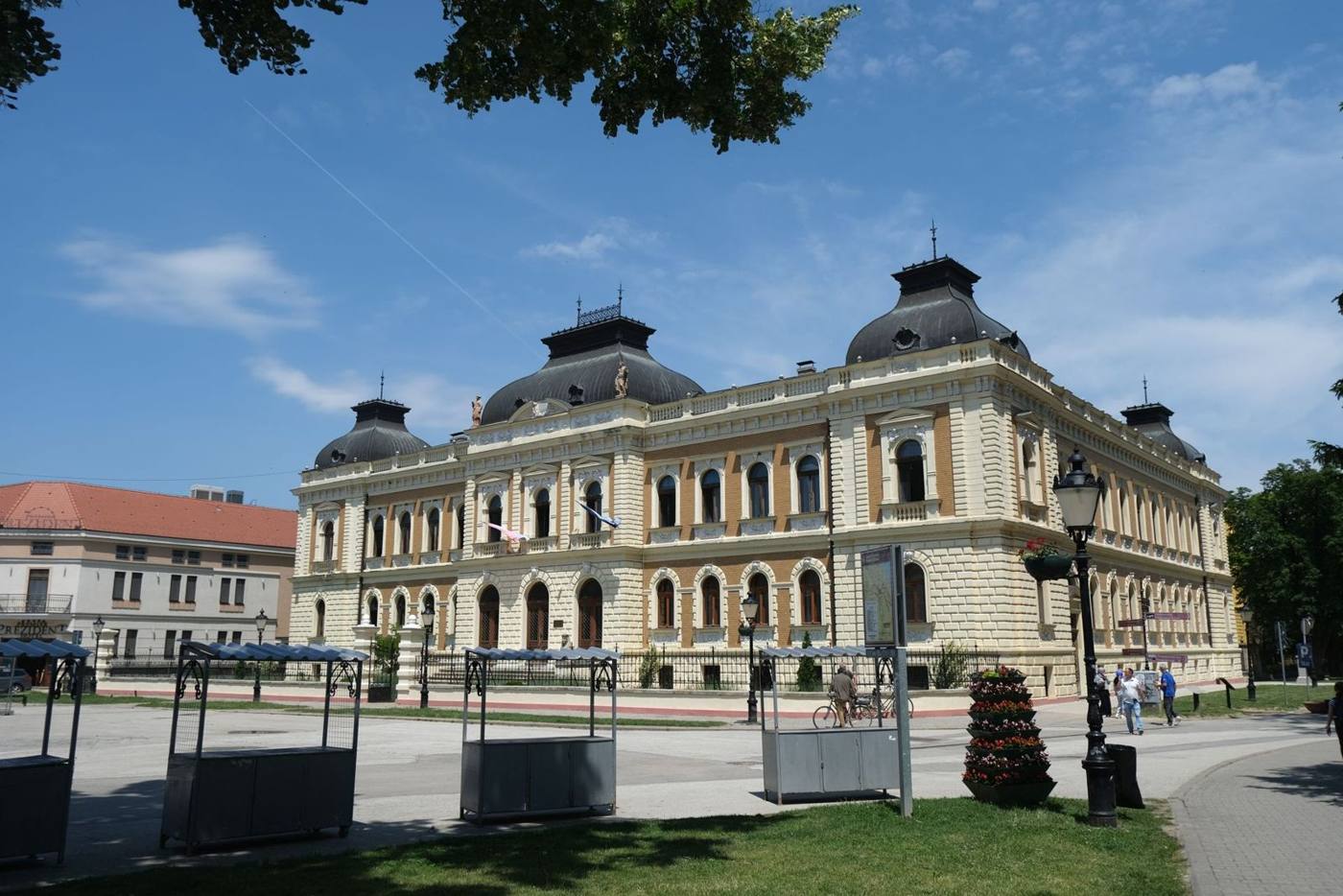
Fruška Gora and Sremski Karlovci
The baroque town of Sremski Karlovci and its sweet bermet wine, the Fruška Gora hills and their Orthodox monasteries among vineyards and woods.
 3 daysEasy
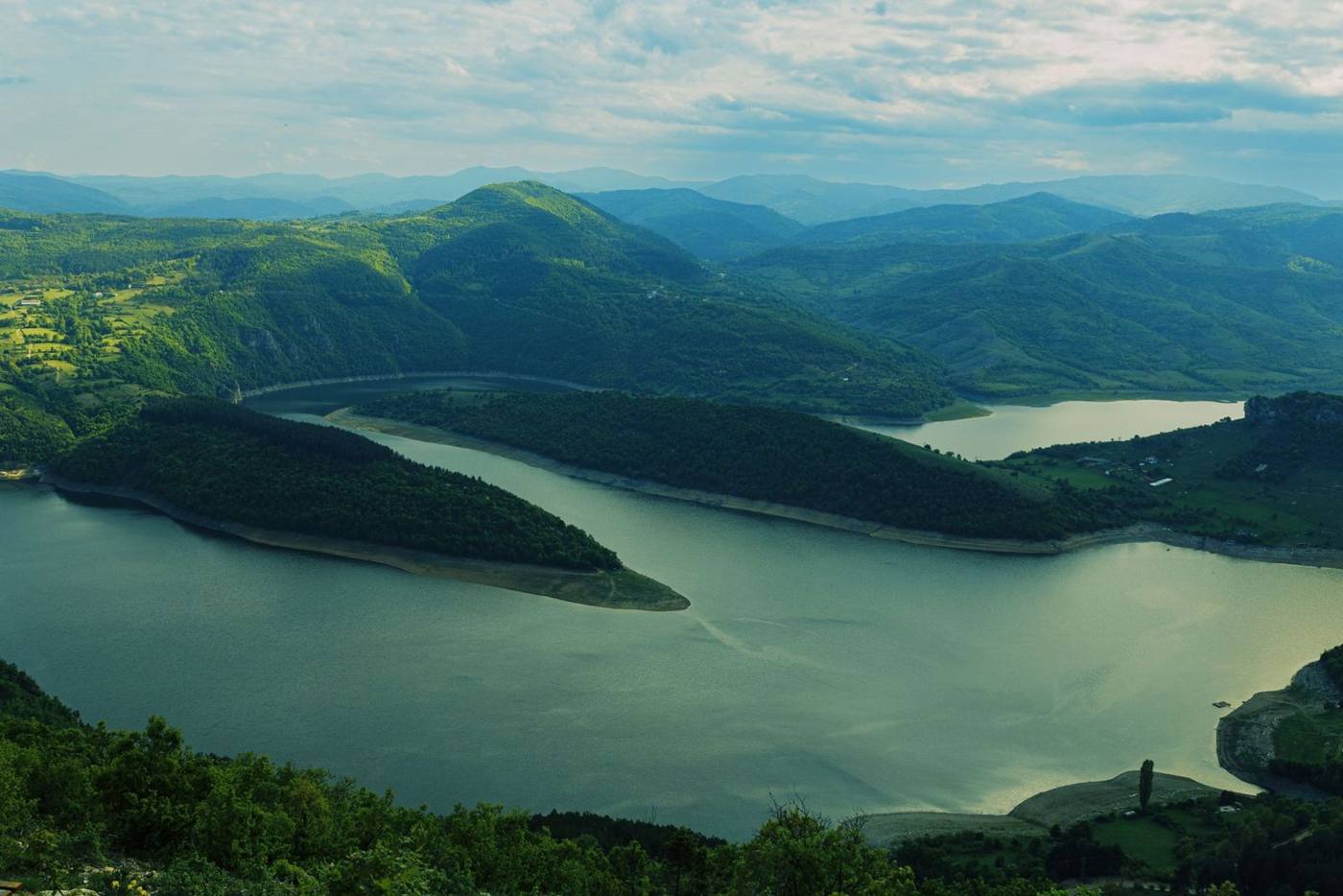
Uvac and the griffon vultures
The meanders of the Uvac river seen from the Molitva viewpoint, a boat trip through the canyon, Ušak cave and griffon vultures soaring above the walls.
 4 daysEasy
Niš and Devil's Town
Niš with its Ottoman fortress and the Skull Tower, the Roman site of Mediana where Constantine was born, and the earth pillars of Đavolja Varoš.