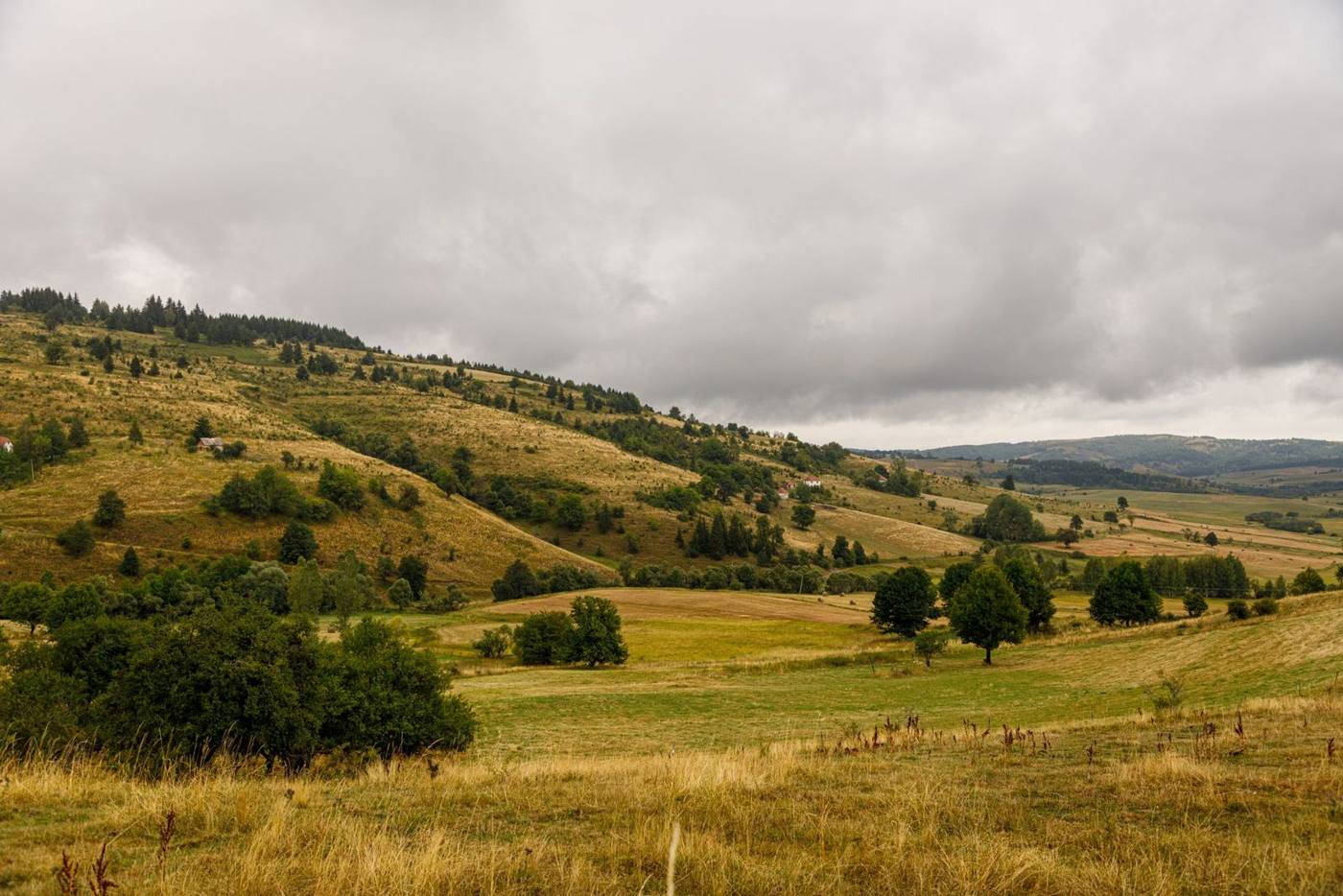
Stara Planina and Pirot
The wild mountains on the Bulgarian border: Topli Do waterfalls, the summit of Midžor, depopulated villages and the kilim carpets and cheese of Pirot.
- Pirot
- Topli Do
- Babin Zub
- Midžor
Day by day
- Day 1
Pirot: the fortress and the kilim rugs
This trip takes you into the wild mountains of Stara Planina, on the border with Bulgaria: the town of Pirot, with its fortress, kilim rugs and cheese, the village of Topli Do with the Tupavica waterfall and the climb to Midžor, the highest summit of the range. You travel by car and on foot.
Before you go: Italian citizens can enter Serbia without a visa, for tourist stays of under 90 days, with an electronic identity card or a passport. Other nationalities should check their own rules. Within 24 hours of arrival you must be registered with the police: hotels do it for you, if you stay with private hosts go with them to the police station. Outside the cities, carry dinars in cash.
Some areas on this trip are close to borders or places where the situation changes often: check your government's travel advice before booking and again before you leave.
From Niš you drive an hour east, along the Nišava valley, to Pirot. Start at the medieval fortress, called Momčilov grad, on the river bank, with its walls and a tower from which you look over the town and the mountains.
Then visit the Ponišavlje Museum, in a fine nineteenth-century Ottoman house, and discover the Pirot kilim, a rug hand-woven by women, with geometric patterns and bright colours, identical on both sides. If you can, visit a workshop where weavers still work at the loom. Check prices and times.
For dinner, try Pirot kačkavalj, a matured sheep's or cow's milk cheese, and peglana kobasica, a flat dried sausage.
Overnight in Pirot.
Practical tip: a real handmade kilim takes months of work and is expensive: buy it directly from the weavers or from a recognised workshop.
- Day 2
Topli Do and the Tupavica waterfall
Today you enter the Stara Planina nature park.
In the morning, drive north-east from Pirot, on a mountain road that keeps getting narrower, to Topli Do, a village of stone and wooden houses in a green valley, almost deserted. Here time seems to stand still: you see vegetable gardens, haylofts, old mills and a few families who still live from herding.
From the village a path follows the stream up to the Tupavica waterfall, a veil of water sliding over a wide, moss-covered rock face. The walk takes a few hours there and back, through the woods and along the stream, with some stretches over stones. In summer there is little water; in spring the waterfall is at its best.
For lunch, have a picnic by the stream with bread, cheese and fruit bought in Pirot.
In the afternoon, return to the village and walk among the houses. If you find someone willing to talk, ask about life in the mountains: many old people are happy to tell their stories.
In the evening, drive up to Babin Zub, the tourist centre of Stara Planina, at over 1,700 metres, or stay in a village house.
Practical tip: the trails of Stara Planina are poorly marked: for the waterfall and especially for the summit, hire a local guide or use a GPS track downloaded before you leave.
- Day 3
The climb to Midžor from Babin Zub
Today you climb Midžor, at 2,169 metres, the highest summit of Stara Planina and of central Serbia.
Set off early from Babin Zub. The path runs along the ridge, through high pastures, bilberries and rocks, with an ever wider view. The height gain is moderate, but the walk is long: allow several hours there and back, depending on your pace and the weather.
The ridge marks the border between Serbia and Bulgaria: at the top, where there is a border stone, you see Serbian valleys on one side and Bulgarian mountains on the other. On clear days you can see a very long way.
Along the route you may meet grazing horses, birds of prey and, with luck, chamois. In summer the meadows are full of flowers.
In the afternoon, come down slowly to Babin Zub and relax.
In the evening, have grilled meat, kajmak and pita, a savoury filo pie filled with cheese or nettles, for dinner.
Overnight in Babin Zub.
Practical tip: always carry your passport or identity card, because the path follows the border. On the ridge the weather changes quickly: set off at dawn, bring a windproof jacket, water and food, and turn back if clouds or storms arrive.
- Day 4
Back to Niš
Today you leave the mountains and head back towards Niš.
In the morning, come down from Babin Zub slowly, stopping at viewpoints along the road, from which you see the valleys and villages scattered across Stara Planina. If you have time, take a short walk in the beech woods below the resort.
Then return to Pirot and make a last stop to buy cheese or a small kilim to take home. Have lunch in town with a local dish, such as goulash with homemade bread.
In the afternoon, drive towards Niš along the Nišava valley. If you have never seen it, stop at the Sićevo gorge, where the river flows between limestone walls, small churches and vineyards.
You reach Niš in the late afternoon, in time for a walk in the fortress and a dinner of the grilled meat famous all over Serbia.
In short, in four days you have seen the most remote and authentic Serbia: Pirot with its fortress and kilims, the village of Topli Do, the Tupavica waterfall and the summit of Midžor on the border with Bulgaria.
When to go: from June to September. In winter Babin Zub is a small ski resort, but the trails are under snow.
Practical tip: petrol stations on the roads of Stara Planina are very rare: fill up in Pirot before driving up and check your tyres.
Serbia at its most remote and authentic. Trails are poorly marked: a local guide is better. The Bulgarian border runs along the ridge: carry your passport.
Before you go
- Documents and visa
- EU citizens can enter with a passport or electronic identity card, with no visa, for tourist stays of under 90 days. British visitors need a passport. You must be registered with the police within 24 hours of arrival: hotels do it automatically, if you stay with private hosts go with them to the local police station. If you enter with a passport, make sure it is stamped. Serbia does not recognise the crossings with Kosovo as official borders: if you plan to travel via Kosovo, check first.
- Health and vaccines
- No compulsory vaccinations. Healthcare is poorly equipped and treatment is paid in cash: bring your own medicines and take insurance covering medical costs and repatriation. In summer use mosquito repellent, especially in the evening. Emergencies: police 192, fire 193, ambulance 194.
- Money and payments
- Serbian dinar (RSD), the only accepted means of payment; motorway tolls for foreign cars can be paid in euros. Cards work well in Belgrade, less so outside the cities: carry cash.
- Power sockets
- Types C and F, 230 volts: you need an adapter for British plugs.
- Time zone
- UTC+1, UTC+2 in summer, one hour ahead of the UK.
- Safety
- Watch out for pickpockets and car theft, especially in Belgrade. Demonstrations and road blocks can happen across the country: avoid crowds. In the areas of Preševo, Bujanovac and Medveđa, near the borders with North Macedonia and Kosovo, and in the Sandžak, travel only if necessary and keep to main roads. Photographing military and police sites is forbidden. Official advice: GOV.UK.
Information checked in November 2026 for Italian and EU citizens. Rules change: always check before you travel.
Variations
With two days, visit Pirot and the Tupavica waterfall.
With two extra days, add Niš, with its fortress and Mediana, and the Devil's Town.
Frequently asked questions
Is Midžor difficult?
It is not technical, but it is long and high, on poorly marked trails. You need good fitness, a GPS track or a local guide and stable weather.
Do you need a passport?
Always carry your passport or identity card: the Midžor trail follows the border with Bulgaria.
What is the Pirot kilim?
A rug hand-woven by the women of Pirot, with geometric patterns and bright colours, identical on both sides. A large piece takes months of work.
Indicative itinerary written by World Atlas. Before booking, check timetables, seasonal openings, documents and safety.
 6 daysModerate
The Danube by bike
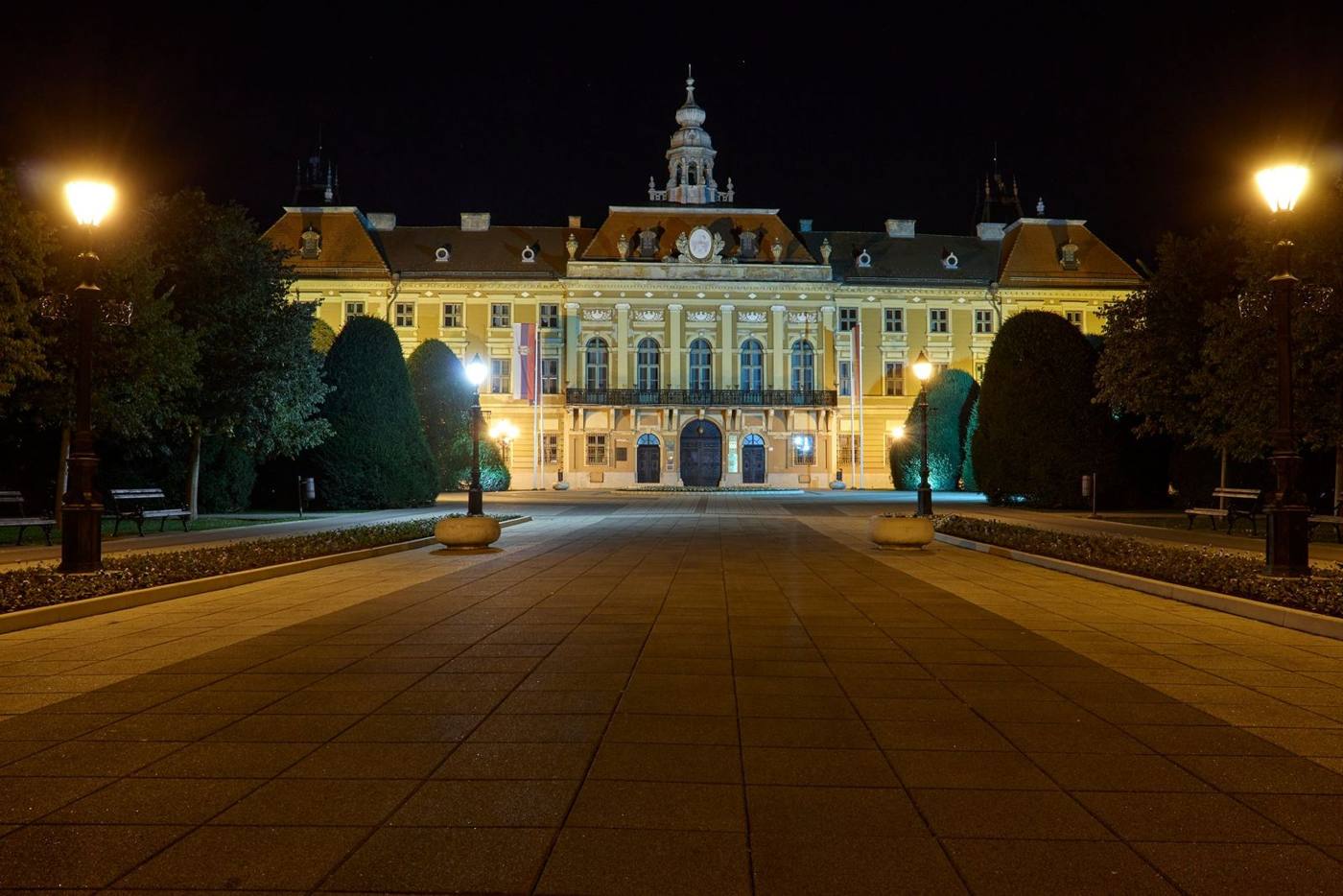
The EuroVelo 6 cycle route from the Hungarian border to Belgrade: Gornje Podunavlje nature park, Sombor, Bač and its fortress, Novi Sad and Zemun.
 4 daysEasy
Belgrade and Novi Sad
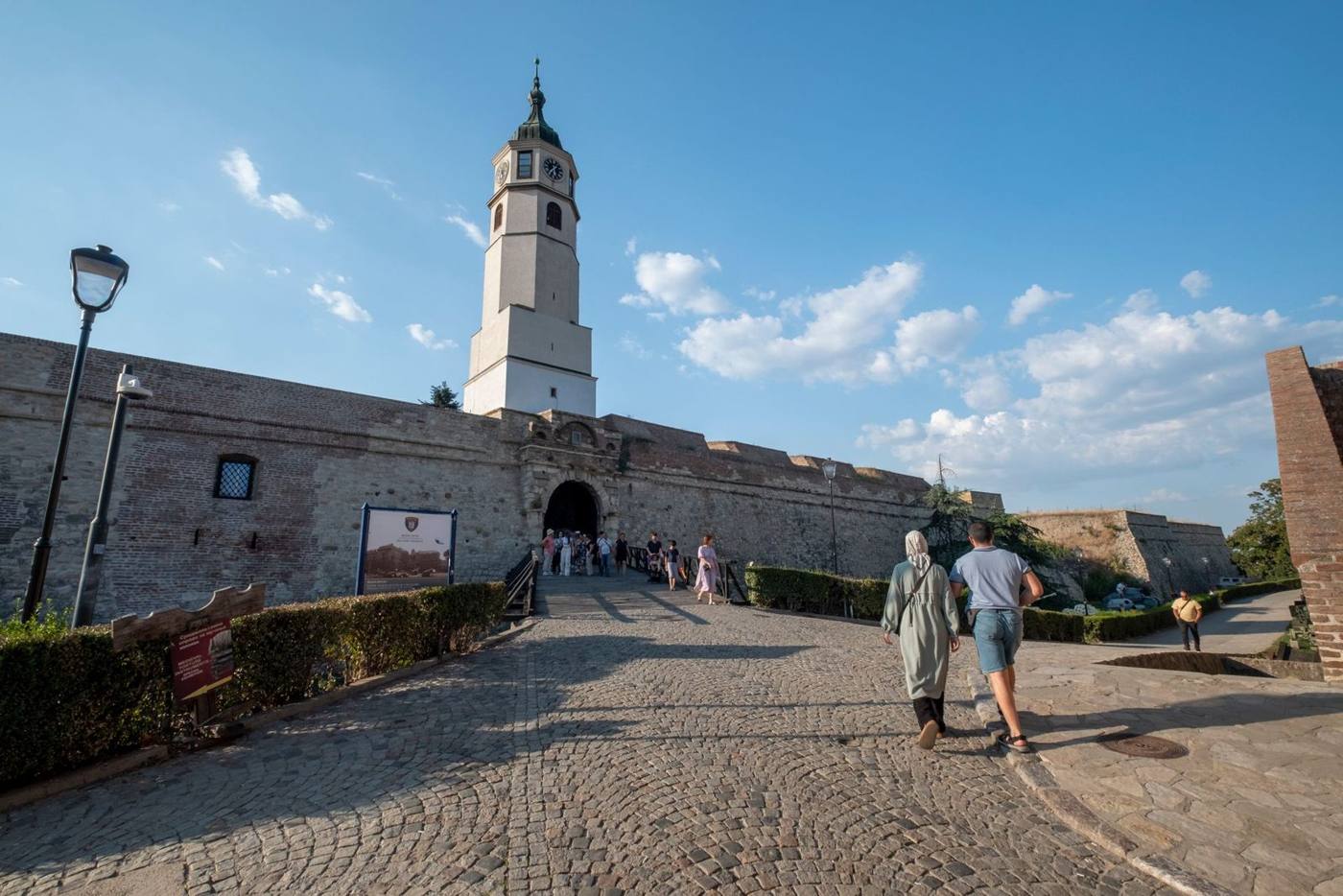
Kalemegdan fortress where the Sava meets the Danube, Zemun, nightlife on the river barges and Petrovaradin fortress in Novi Sad.
 7 daysModerate
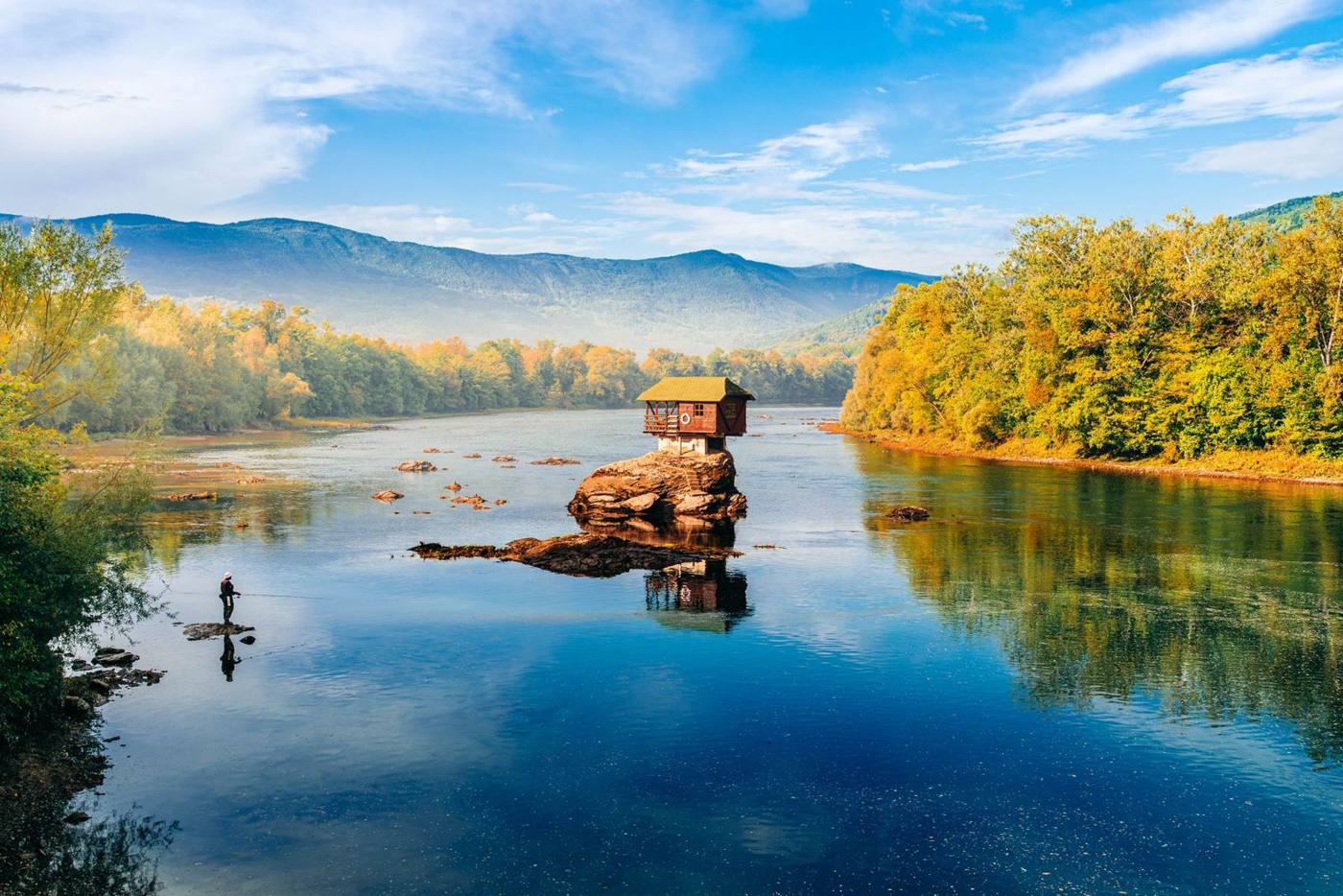
Monasteries and mountains of the south
The medieval monasteries of Studenica and Žiča, Tara National Park above the Drina, the Šargan Eight railway and the wooden village of Drvengrad.