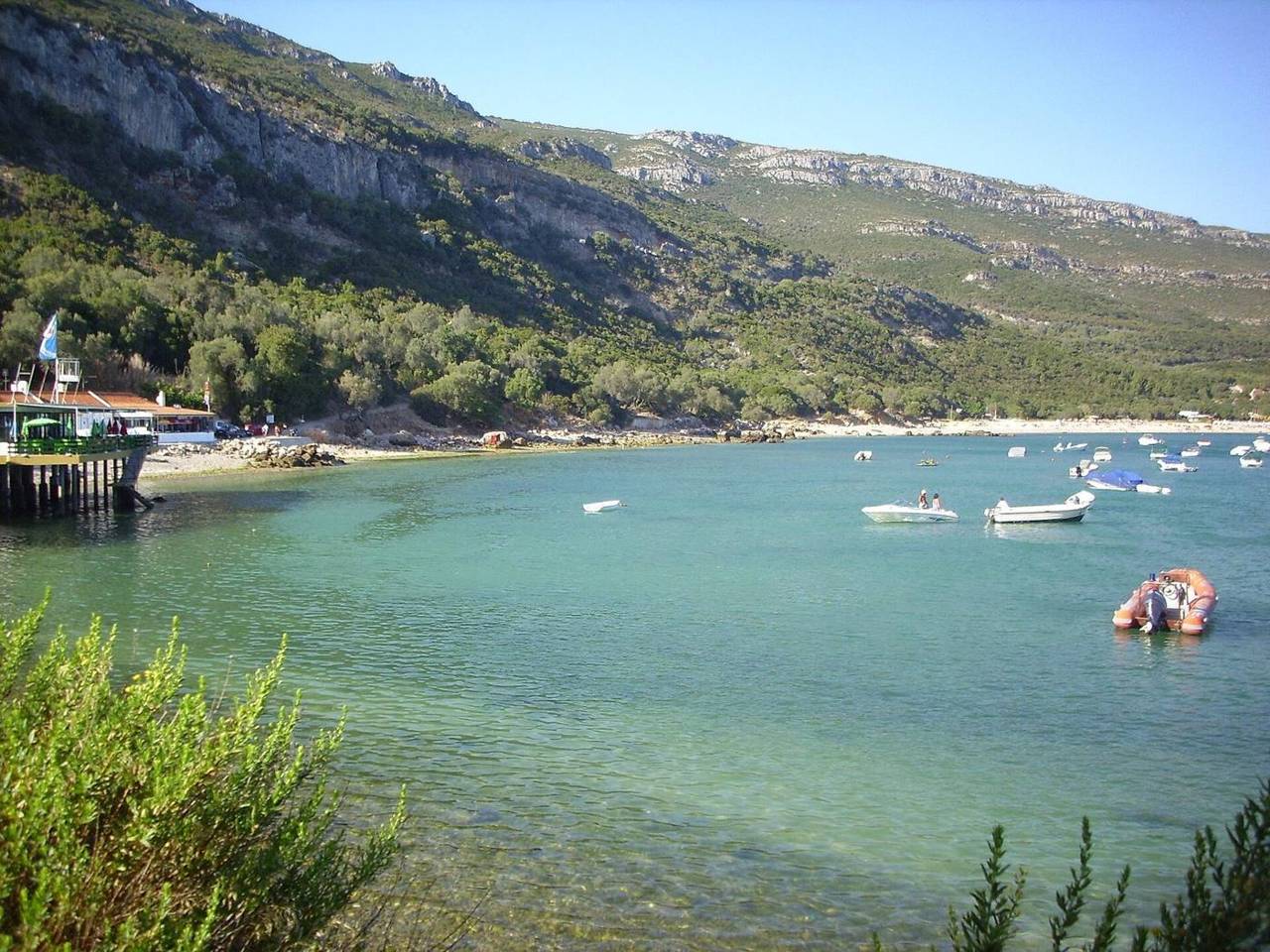
Arrábida, Setúbal and the Sado dolphins
South of Lisbon, across the bridge: the Arrábida hills with the turquoise beaches of Portinho and Galapinhos, the fishing village of Sesimbra, Setúbal and its market, the resident dolphins of the Sado estuary by boat and the dunes of the Tróia peninsula.
- Lisbon
- Sesimbra
- Arrábida
- Setúbal
- Tróia
Day by day
- Day 1
From Lisbon to Sesimbra, the castle, the harbour and Cape Espichel
The Setúbal peninsula, south of Lisbon across the Tagus, is one of Portugal's most beautiful and least known areas: a range of green limestone mountains dropping into a turquoise sea, fishing villages, Moscatel vineyards and the Sado estuary, home to a family of dolphins. Portugal is in the Schengen area; EU citizens can use a valid identity card or passport. From Lisbon it is about an hour by car, across the 25 de Abril or Vasco da Gama bridge. A car is best for this trip.
In the morning drive to Sesimbra, about fifty minutes away, a fishing town on a sheltered bay, with a long pale-sand beach, the seventeenth-century Fort of Santiago on the seafront and a harbour where boats land swordfish and black scabbardfish every day. Above the town, on a hill, stand the walls of the Moorish castle, taken by the Christians in 1165, with views over the whole bay and the coast towards Arrábida.
In the afternoon drive to Cape Espichel, about twenty minutes away, a windswept headland ending in very high cliffs above the ocean. On the cape stand the Sanctuary of Our Lady of the Cape, a Baroque church flanked by two long wings of pilgrims' lodgings, and a lighthouse. On the nearby rocks at Pedra da Mua you can see dinosaur footprints pressed into the stone, visible from a viewpoint above the cliff.
In the evening return to Sesimbra and eat the day's grilled fish or caldeirada, fish stew.
Practical tip: at Cape Espichel stay away from the cliff edge, which is crumbly and unfenced.
- Day 2
The Arrábida hills: beaches, views and the convent on the mountain
In the morning enter the Arrábida Natural Park, a limestone range about thirty-five kilometres long between Sesimbra and Setúbal, covered in dense Mediterranean scrub with holm oaks, strawberry trees and mastic, dropping straight into a turquoise sea. The scenic road along the ridge offers spectacular views of the coast, the Sado estuary and the Tróia peninsula.
Then go down to the beaches below the mountain, considered among the most beautiful in Portugal, sheltered from the north wind, with calm, clear water: Portinho da Arrábida, a small bay with fishermen's houses and a seventeenth-century fort, Galapinhos and Creiro. Next to Portinho, the Fort of Our Lady of Arrábida houses a small oceanographic museum. The Atlantic water here is still cool, even in summer.
In the afternoon see from outside the Arrábida Convent, founded in the sixteenth century by Franciscan friars on the mountainside, with the friars' tiny cells, white chapels and gardens above the sea. The convent now belongs to a foundation and can only be visited on a guided tour by appointment.
In the evening continue to Azeitão, a village at the foot of the hills, famous for its creamy sheep's cheese, queijo de Azeitão, and for Moscatel de Setúbal, a sweet amber wine.
Practical tip: in summer car access to the Arrábida beaches is often restricted, with shuttles from car parks; check the rules before you go and set off early.
- Day 3
Setúbal: the market, the Church of Jesus and a boat trip to see the Sado dolphins
In the morning visit Setúbal, a port city at the mouth of the Sado river, less touristy than Lisbon and very lively. Start with the Livramento Market, one of the finest covered markets in Portugal, its walls decorated with great panels of azulejos, blue and white tiles depicting the life of the city, and stalls of freshly caught fish: sardines, octopus, cuttlefish, sea bream and swordfish.
Then visit the fifteenth-century Church of Jesus, one of the first examples of the Manueline style, with interior columns twisted like ships' ropes, in pinkish Arrábida stone. Stroll through the historic centre with its squares and pedestrian lanes.
In the afternoon take a boat trip into the Sado estuary to see the bottlenose dolphins that live here all year round: one of the few resident dolphin populations in Europe, a few dozen animals that the operators know one by one. The trip lasts about three hours; sightings are very frequent but not guaranteed. Boats follow strict rules so as not to disturb them. From the water you also see the Arrábida hills and the Tróia dunes.
In the evening try the city's speciality, choco frito, strips of fried cuttlefish, as well as Sado sea urchins and oysters.
Practical tip: choose an operator that respects dolphin-watching rules and book the day before; in rough seas trips may be cancelled.
- Day 4
The ferry to Tróia, the Roman ruins and the dunes, then back to Lisbon
In the morning take the ferry from Setúbal to Tróia, a thin sandy peninsula closing off the Sado estuary: the crossing takes about twenty to thirty minutes, and you sometimes see dolphins from the deck. Tróia is a long strip of dunes and pines, with kilometres of white beaches on the ocean side and calm water on the river side.
Visit the Roman ruins of Tróia, one of the largest fish-salting complexes of the Roman Empire: between the first and fifth centuries salted fish and garum, a fermented fish sauce much loved by the Romans, were made here and exported all over the Mediterranean. You see the salting tanks, baths, houses and a mausoleum along the riverbank. The site has limited opening periods: check beforehand.
In the afternoon swim at one of Tróia's beaches or drive south to Comporta, with rice paddies, storks nesting on poles and the fishermen's stilt houses on the river at Carrasqueira, with crooked wooden walkways over the water.
Then return to Lisbon: from Tróia you can take the ferry back to Setúbal or drive along the coast to Lisbon in about an hour and a half.
Things to take home: queijo de Azeitão, Moscatel de Setúbal, Sado salt and flor de sal, tinned fish and azulejos.
Practical tip: check the ferry timetable for the last crossing of the day.
In summer the Arrábida coast road has restricted access and shuttles: check park rules. The Sado dolphins are a small resident population: choose operators that keep their distance. A valid identity card is enough for EU citizens.
Before you go
- Documents and visa
- EU citizens need a valid identity card or passport. Other nationalities should check the Schengen rules.
- Health and vaccines
- No vaccines required. EU citizens should bring their EHIC. Emergencies: 112.
- Money and payments
- Euro. Cards are accepted almost everywhere. Lisbon, Porto and several municipalities, including in the Algarve, charge a tourist tax per person per night.
- Power sockets
- Types C and F, 230 volts.
- Time zone
- Western European Time (UTC+0, summer UTC+1); the Azores are one hour behind the mainland.
- Safety
- A very safe country. In Lisbon watch for pickpockets on tram 28 and in the busiest areas; in summer, wildfire risk inland. Official advice: GOV.UK.
Information checked in November 2026 for Italian and EU citizens. Rules change: always check before you travel.
Variations
In 2 days from Lisbon: Sesimbra and the Arrábida hills on day one, Setúbal and the dolphins on day two.
In 6 days: add the Alentejo coast, with Comporta, Melides and Vila Nova de Milfontes.
Frequently asked questions
Will I definitely see dolphins?
It is not guaranteed, but very likely, as a small resident population lives in the Sado all year round.
Do I need a car?
Yes, it is almost essential: the Arrábida beaches, Cape Espichel and Sesimbra are poorly served by buses.
When is the best time to go?
May to October for the sea; in June and September the Arrábida beaches are less crowded.
Indicative itinerary written by World Atlas. Before booking, check timetables, seasonal openings, documents and safety.
 4 daysEasy
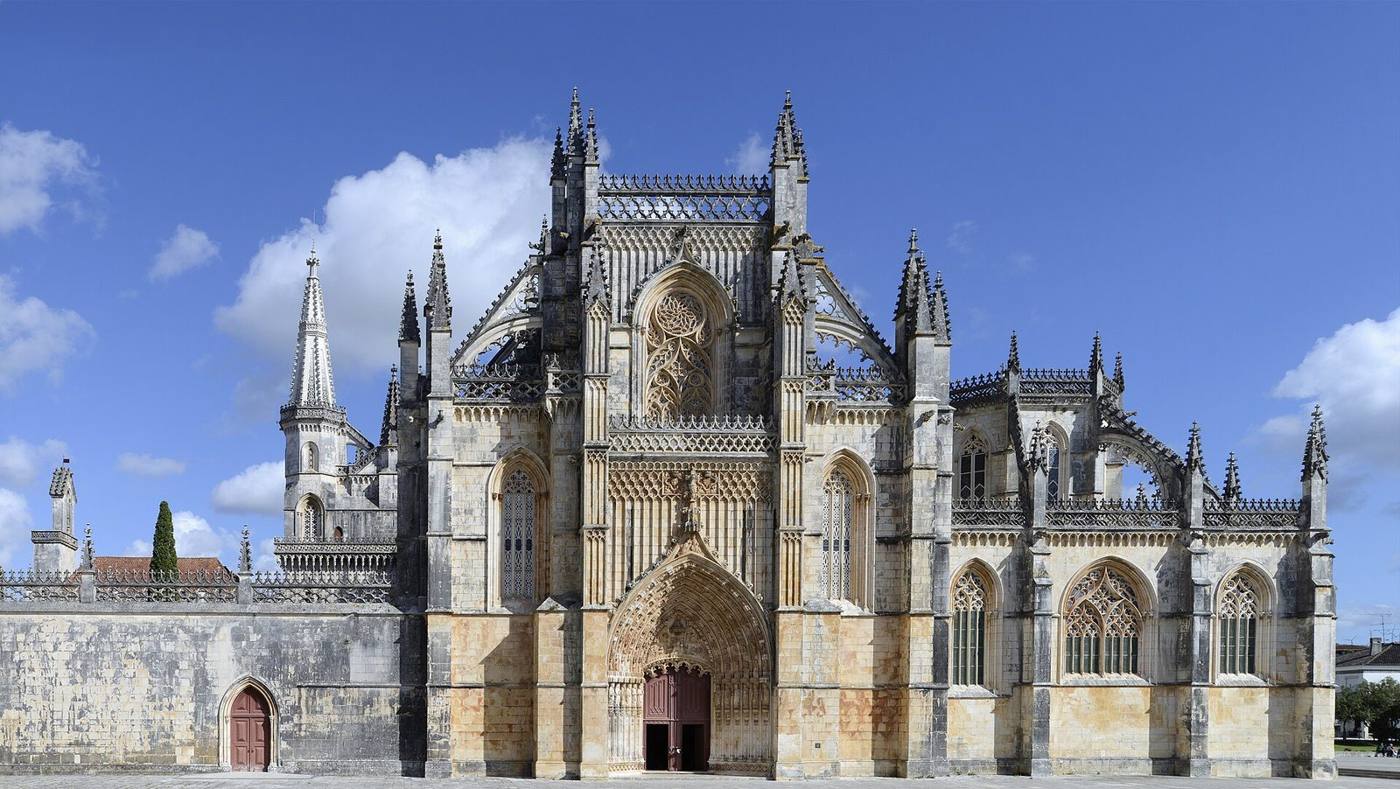
The central monasteries: Batalha, Alcobaça and Tomar
Three UNESCO monasteries a few kilometres apart: Gothic Batalha with its Unfinished Chapels, the Cistercian abbey of Alcobaça with the tombs of Pedro and Inês, the Templar convent at Tomar, then Coimbra with the university's baroque library and the fishing town of Nazaré.
 4 daysModerate
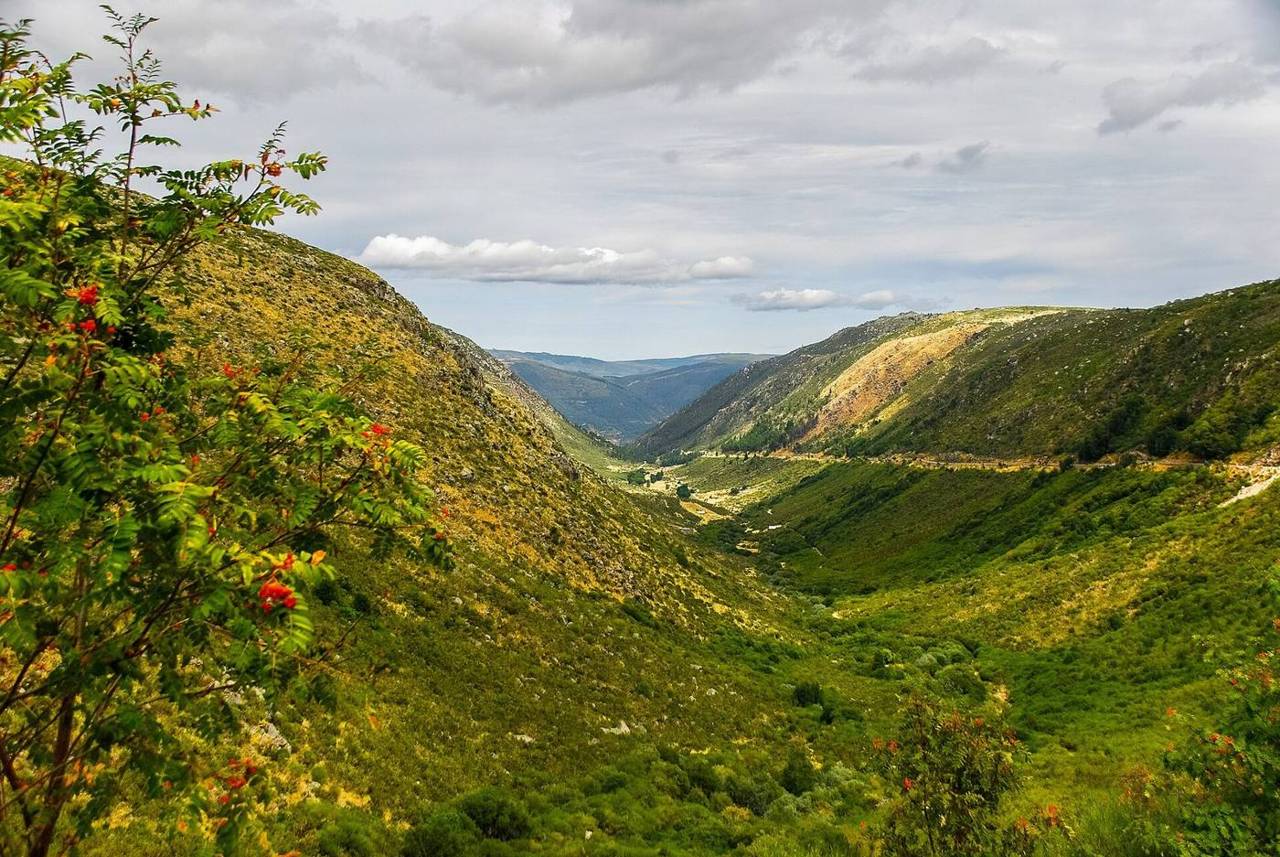
Serra da Estrela
The highest mountains in mainland Portugal: the glacial valley of the Zêzere seen from Covão d'Ametade, the high lakes and Torre at almost 2,000 metres, stone villages such as Manteigas and Linhares da Beira and the cheese of the serra.
 3 daysEasy
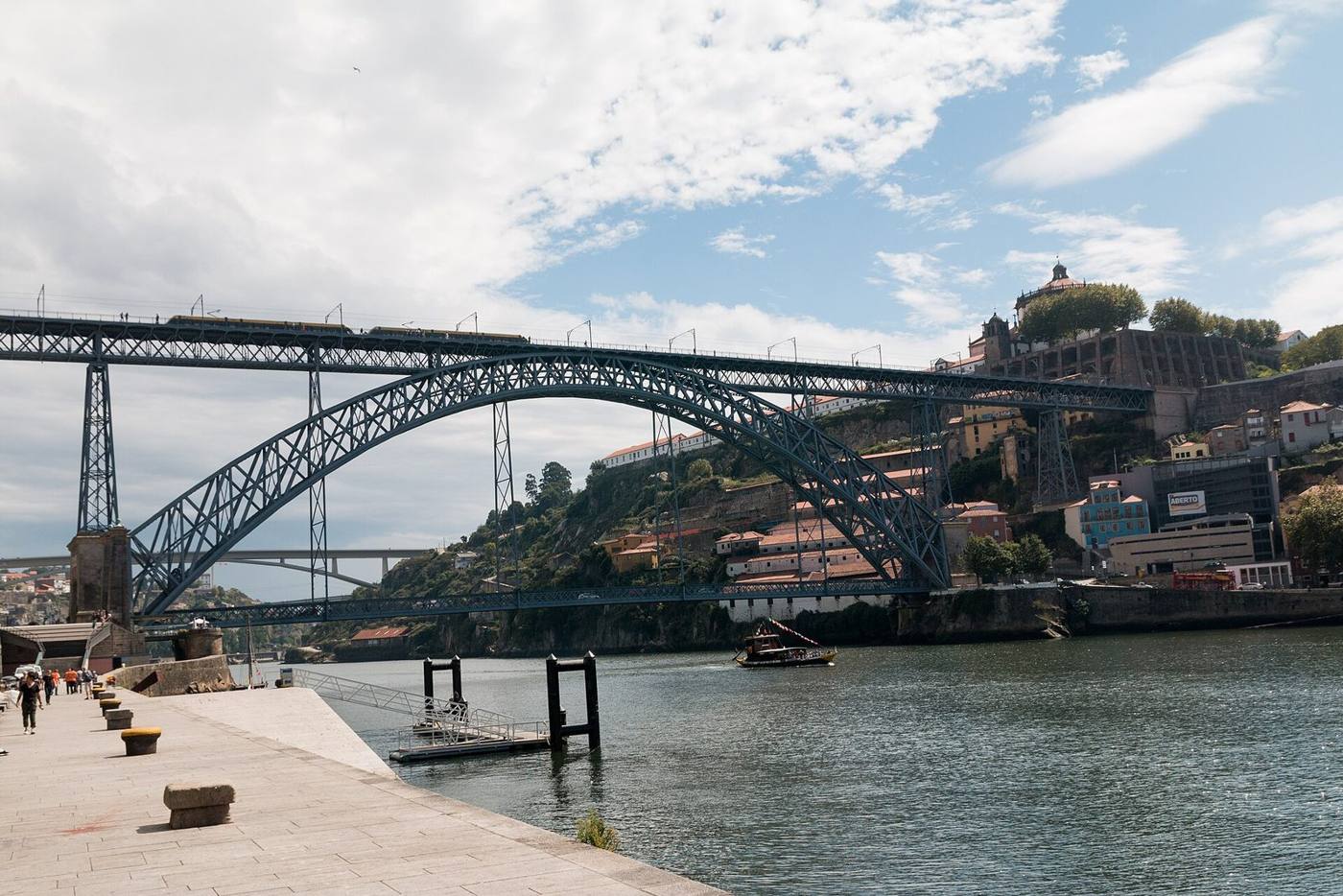
Porto in depth
The Douro city at an easy pace: São Bento station and its azulejos, the Clérigos tower, Ribeira and the Dom Luís bridge on foot, the port wine lodges of Vila Nova de Gaia, Serralves museum and Foz on the ocean.