Porto in depth
The Douro city at an easy pace: São Bento station and its azulejos, the Clérigos tower, Ribeira and the Dom Luís bridge on foot, the port wine lodges of Vila Nova de Gaia, Serralves museum and Foz on the ocean.
- Porto
- Vila Nova de Gaia
- Foz do Douro
Day by day
- Day 1
São Bento, the cathedral, Clérigos Tower and the Ribeira
Portugal is in the European Union and the Schengen area: EU citizens need only a valid identity card or passport. From Porto airport you reach the centre by metro in about half an hour. Porto charges a tourist tax per person per night, added to the price of accommodation.
Porto, Portugal's second city, is built on steep hills along the north bank of the River Douro, just before it flows into the Atlantic. Its historic centre is a UNESCO World Heritage site, with narrow houses clad in colourful tiles, Baroque churches, steep streets and river views. It gives its name to port wine and, according to tradition, to the country itself.
In the morning start at São Bento station, one of the most beautiful stations in the world: its hall is covered with around twenty thousand azulejos, blue and white tiles depicting scenes from Portuguese history and country life. Then climb to the cathedral, the Sé, a Romanesque fortress church on the highest hill, with a cloister decorated with azulejos and views over the rooftops.
In the afternoon climb Clérigos Tower, the Baroque bell tower about seventy-five metres high, the city's symbol, with more than two hundred steps to the top and a view over all of Porto. Nearby, the Lello bookshop, with its carved red wooden staircase, requires a ticket and long queues.
In the evening go down to the Ribeira, the oldest district along the river, with colourful houses and places to eat on the quay.
Practical tip: Porto is all ups and downs with slippery cobbles; wear comfortable rubber-soled shoes.
- Day 2
The Dom Luís bridge, the Gaia cellars and sunset from Serra do Pilar
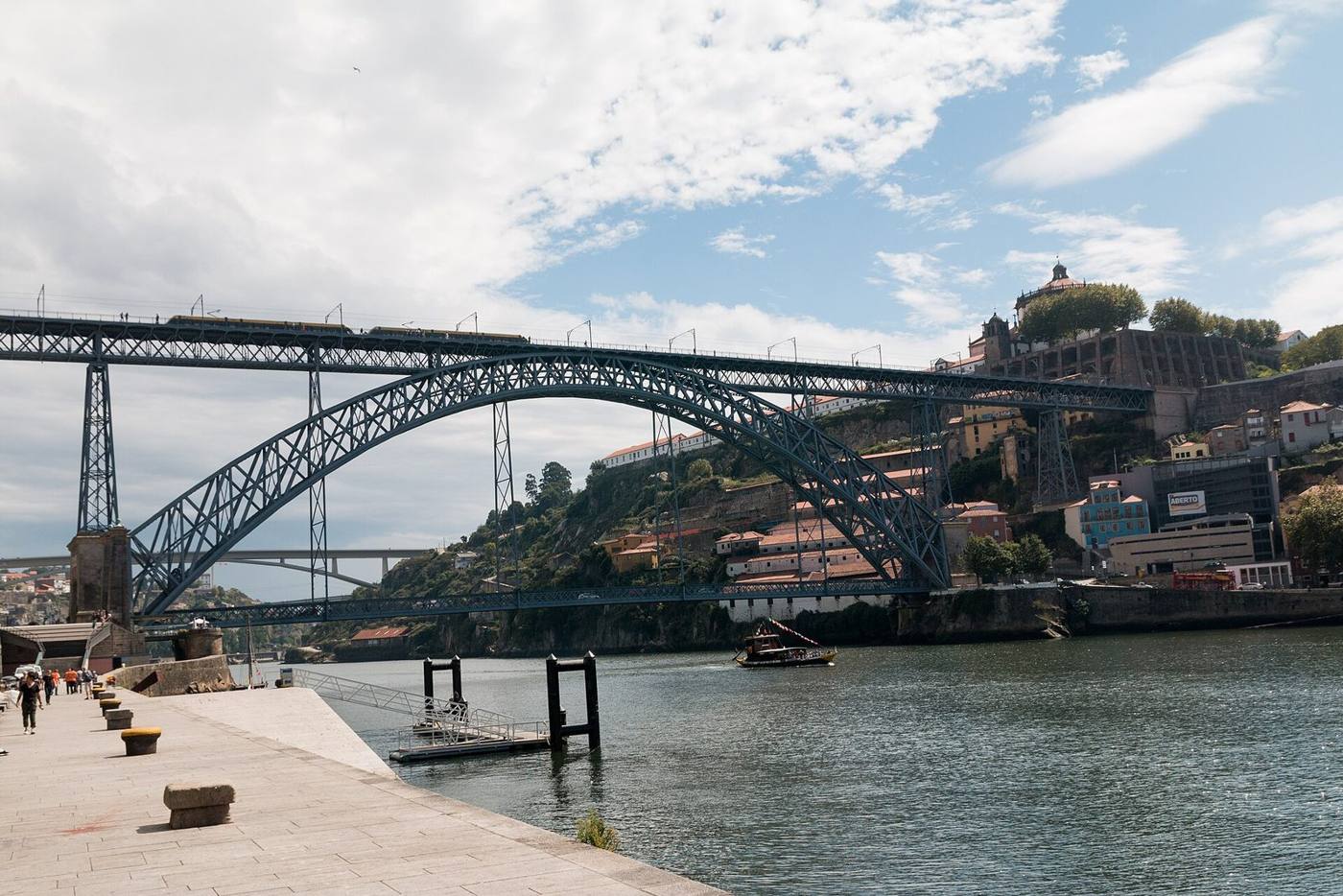
In the morning cross the Dom Luís I bridge, the great iron arch bridge over the Douro, built in 1886 by a pupil of Gustave Eiffel, with two decks: the lower for cars and pedestrians, the upper, about forty-five metres above the river, for the metro and pedestrians. Crossing on foot on the upper deck gives one of the finest views of the city.
On the other side of the river lies Vila Nova de Gaia, where port wine has been aged for centuries. The wine is made in the Douro valley about a hundred kilometres inland and once came down the river on wooden boats called rabelos, which you still see moored in front of the cellars. Along the bank and on the hills are dozens of historic cellars, called caves, many with English names, because the port trade was long in the hands of English merchants. You visit them with a guide who explains how the wine is made, adding brandy to stop fermentation, and the different styles, ruby, tawny, white and vintage, with a final tasting. Book online.
In the afternoon take the Gaia cable car or walk up to the Serra do Pilar monastery on the hill above the bridge, with its round church. From the viewpoint at sunset you see the whole old town lighting up on the hill opposite.
In the evening try a francesinha, Porto's signature sandwich with meat and sausage, covered in melted cheese and spicy sauce.
Practical tip: port is a strong wine; taste in moderation.
- Day 3
Serralves and the tram to Foz, then departure
In the morning visit the Serralves Foundation in the west of the city, a contemporary art museum in a bright white building by the Portuguese architect Álvaro Siza, surrounded by a large park with gardens, woods, a farm and a treetop walkway. The park also holds Casa de Serralves, a pink 1930s art deco villa with a formal garden.
Then take historic tram number 1, an old wooden tram running along the Douro from near São Francisco church to Foz do Douro, the district where the river meets the ocean, in about twenty minutes.
Foz is an elegant, quiet district with beaches, rocks, a palm-lined promenade and the Felgueiras lighthouse at the end of a long pier, where Atlantic waves crash hard on windy days. Walk along the seafront to São João Baptista fort and the nearby beaches.
For lunch try grilled fish, such as sardines or octopus, and bacalhau, salt cod, the national dish, cooked in hundreds of different ways.
In the afternoon return to the centre or go straight to the airport, about half an hour by metro.
Things to take home: a bottle of port, tinned fish in vintage packaging, azulejos, cork goods and scented soaps.
Practical tip: at the end of the Foz pier, keep away from the edge when the sea is rough. Check your government's travel advice before leaving.
A hilly city: wear comfortable shoes. The most famous bookshop has long queues and an entry ticket. Combines with the Douro valley. A valid identity card is enough for EU citizens.
Before you go
- Documents and visa
- EU citizens need a valid identity card or passport. Other nationalities should check the Schengen rules.
- Health and vaccines
- No vaccines required. EU citizens should bring their EHIC. Emergencies: 112.
- Money and payments
- Euro. Cards are accepted almost everywhere. Lisbon, Porto and several municipalities, including in the Algarve, charge a tourist tax per person per night.
- Power sockets
- Types C and F, 230 volts.
- Time zone
- Western European Time (UTC+0, summer UTC+1); the Azores are one hour behind the mainland.
- Safety
- A very safe country. In Lisbon watch for pickpockets on tram 28 and in the busiest areas; in summer, wildfire risk inland. Official advice: GOV.UK.
Information checked in November 2026 for Italian and EU citizens. Rules change: always check before you travel.
Variations
In 2 days: the old town, São Bento, the cathedral and the Ribeira on day one, the bridge, the Gaia cellars and sunset from Serra do Pilar on day two.
In 6 days: add two days in the Douro valley with terraced vineyards and a river cruise, or Braga and Guimarães, less than an hour by train.
Frequently asked questions
Do I need a passport for Portugal?
No: EU citizens need only a valid identity card. Portugal is in the European Union and the Schengen area.
Do I need to book the port cellars?
It is best to: many cellars in Vila Nova de Gaia are visited with a guide and a tasting, booked online, especially in summer.
When is the best time for Porto?
May to September, with drier weather. In winter it often rains, but the city is less crowded.
Indicative itinerary written by World Atlas. Before booking, check timetables, seasonal openings, documents and safety.
 6 daysModerate
The western Azores: Flores and Corvo
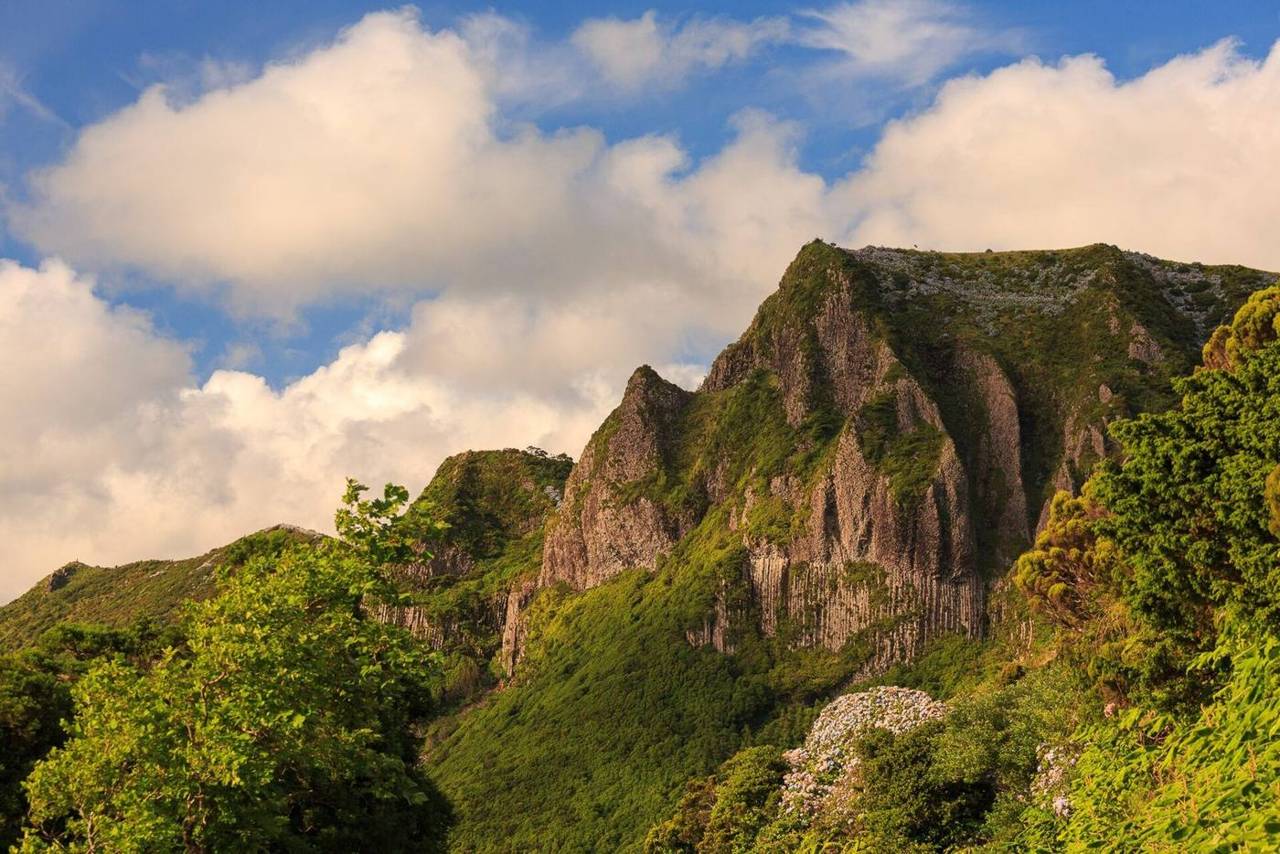
Europe's most remote islands, on the American plate: Flores with dozens of waterfalls, crater lakes and the Rocha dos Bordões, coastal trails among hydrangeas and cliffs, and by boat Corvo, the smallest, with its great Caldeirão crater.
 10 daysModerate
Madeira: Levadas, Porto Santo and the Desertas
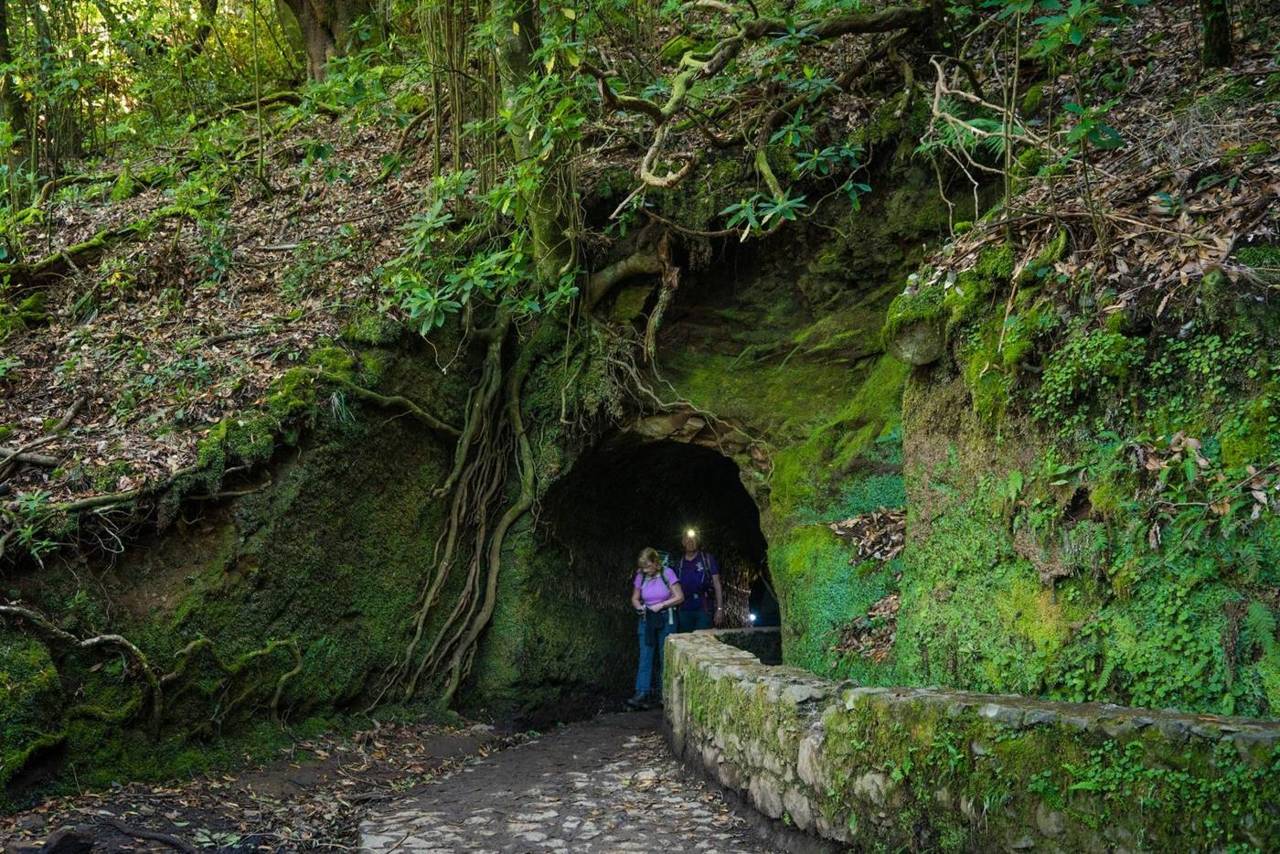
Ten days on a vertical island, walking the old irrigation channels through laurel forest, with a ferry to Porto Santo and a boat out to the monk seal islands.
 11 daysModerate
The Central Azores: Faial, Pico, São Jorge and Terceira
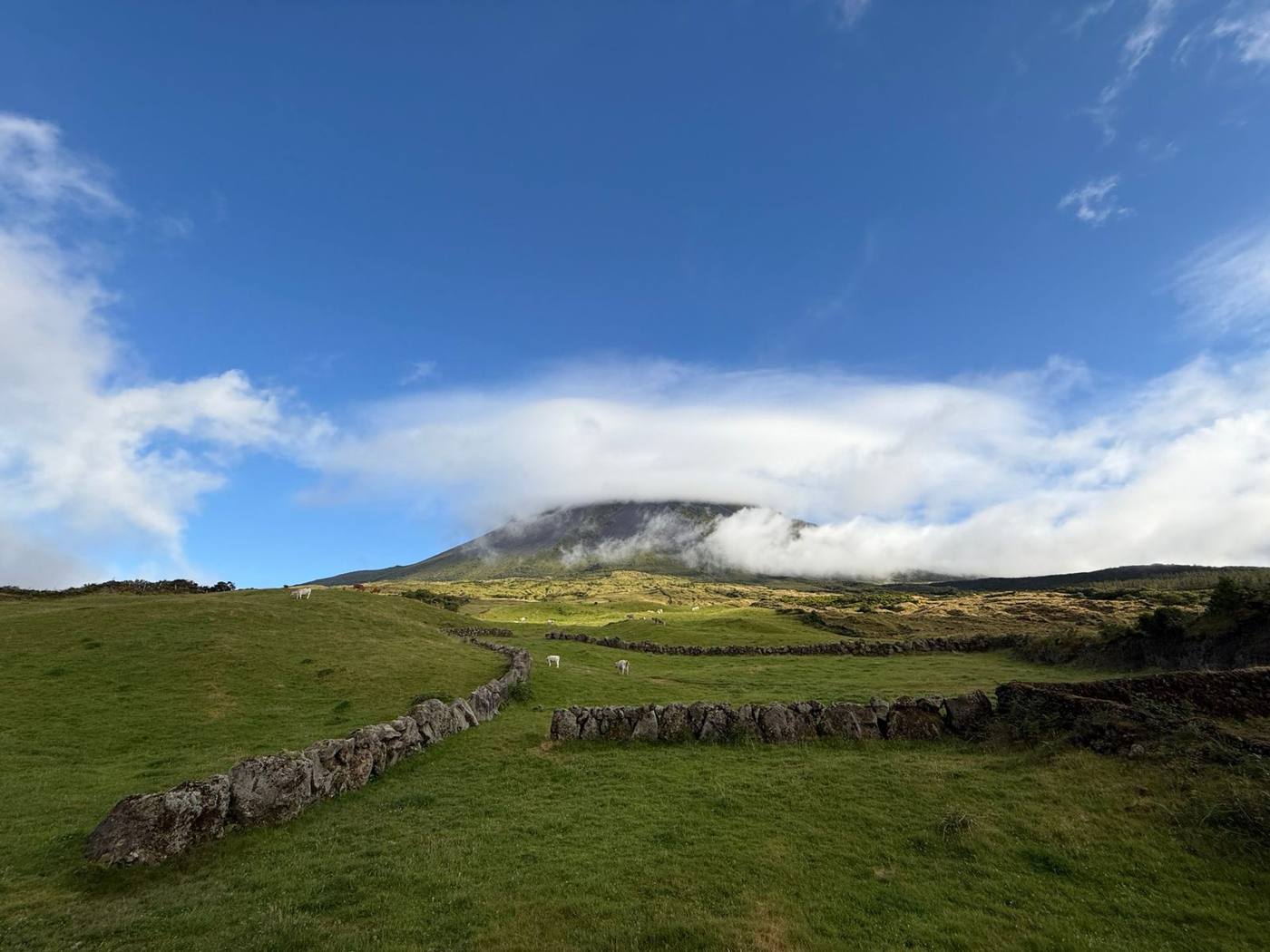
Four islands linked by ferry, from the young Capelinhos volcano to Portugal's highest peak, on to the fajãs of São Jorge and the Renaissance town of Angra.