Serra da Estrela
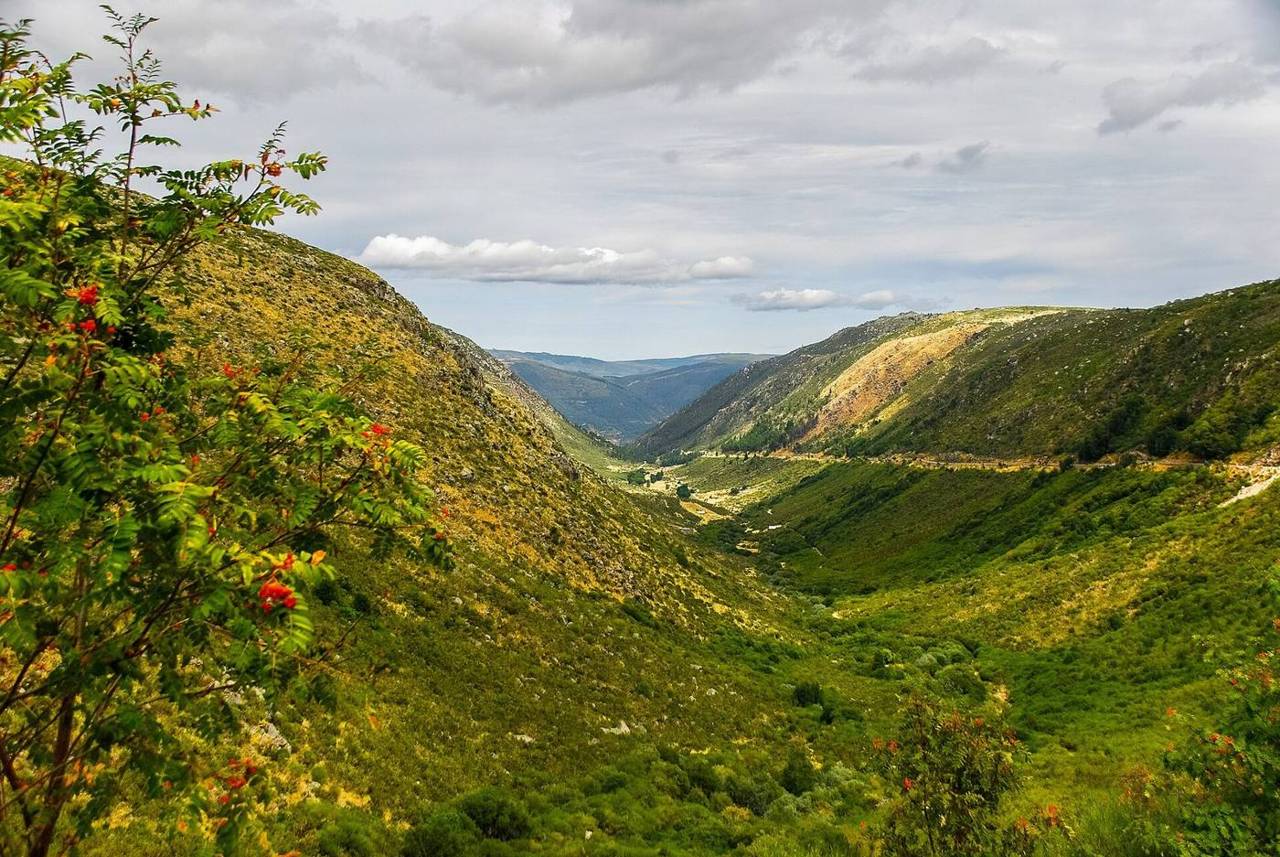
The highest mountains in mainland Portugal: the glacial valley of the Zêzere seen from Covão d'Ametade, the high lakes and Torre at almost 2,000 metres, stone villages such as Manteigas and Linhares da Beira and the cheese of the serra.
- Covilhã
- Manteigas
- Torre
- Linhares da Beira
Day by day
- Day 1
From Coimbra or Lisbon to Manteigas
To enter Portugal EU citizens can use a valid identity card or passport. Check the rules for your nationality.
The Serra da Estrela, the mountain of the star, in central Portugal, is the highest range in mainland Portugal: its summit, called Torre, reaches 1,993 metres. It is a natural park and a UNESCO Global Geopark, with glacier-carved valleys, glacial lakes, great granite boulders, woods, sheep pastures and stone villages. In winter there is often snow, and it is the only part of Portugal with a small ski area. In 2022 a large wildfire burned a significant part of the park's woods; in some areas the scars are still visible, but nature is recovering.
In the morning drive from Lisbon, about three and a half hours, or from Coimbra, about two hours, heading east. Without a car there are buses to Covilhã, Seia or Guarda, but services within the mountains are few.
In the afternoon arrive in Manteigas, a quiet town at the bottom of the Zêzere valley, surrounded by mountains, the ideal base for hikes. Visit the centre, with granite houses and churches, and walk along the river. Manteigas was famous for working the wool of mountain sheep: an old textile mill still makes traditional blankets and fabrics called burel, a heavy waterproof wool once worn by shepherds.
In the evening taste Serra da Estrela cheese, one of Portugal's most famous cheeses, made from raw sheep's milk curdled with thistle, soft and creamy, eaten with a spoon after cutting open the top of the rind.
Practical tip: in the mountains the weather changes quickly; always bring a jacket, even in summer.
- Day 2
The Zêzere glacial valley on foot
In the morning explore the Zêzere glacial valley, one of Europe's finest glacial valleys, a perfect U shape about thirteen kilometres long, carved by the glacier that covered the mountain in the last ice age. The Zêzere, one of Portugal's most important rivers, rises here near the summit and flows along the valley floor among meadows, stone walls, thatched shepherds' huts and woods of birch and oak.
A waymarked trail follows the valley from the bottom near Manteigas to the upper part, called Covão da Ametade, a small plateau with a birch wood and a stream at the foot of the great granite wall called Cântaro Magro. You can walk part of the trail or all of it, about five or six hours there and back. In autumn the yellow leaves of the birches and other valley trees are spectacular.
In the afternoon, on the way back, stop at Poço do Inferno, the well of hell, a waterfall dropping into a narrow rocky gorge in a wood a few kilometres from Manteigas, reached by a mountain road and a short path. In winter the waterfall sometimes freezes.
In the evening relax in the Manteigas thermal baths, with warm sulphurous waters used for centuries as a cure.
Practical tip: buy a trail map first at the park information centre in Manteigas; some trails are poorly marked after the fire.
- Day 3
The lakes route to the Torre
In the morning drive up onto the plateau along the road crossing the mountain to the area of glacial lakes, at about 1,600 metres, in the heart of the Serra. Here the landscape is open and almost lunar: a granite plateau with great rounded boulders, short-grass pastures, dwarf junipers and dozens of lakes and ponds, some natural and some enlarged with dams.
Walk the lakes trail, about three or four hours, linking some of the most beautiful: Lagoa Comprida, the largest lake in the Serra, Lagoa Escura, dark and deep, surrounded by granite walls, and Lagoa Redonda, round and peaceful. Along the way you see granite formations sculpted by ice and wind, with shapes resembling animals and faces, and Serra da Estrela sheepdogs, large and shaggy, an ancient breed developed here to protect flocks from wolves.
In the afternoon reach the Torre, the highest point of mainland Portugal. In the early nineteenth century, so the story goes, a stone tower was built on the summit by order of King John VI so that the mountain would reach two thousand metres. Today the top has a few shops, the white domes of an old radar station and a view over the whole of central Portugal. Descending towards Covilhã you pass the Cântaro Magro and a statue of the Virgin carved into the rock.
Practical tip: in winter the road to the Torre may close for snow; check before setting out.
- Day 4
Linhares da Beira and the return
In the morning drive north-west to Linhares da Beira, about an hour from Manteigas, one of the Historic Villages of Portugal, a group of restored and protected medieval frontier villages. The grey granite village climbs the mountainside, with stone lanes, houses with Manueline windows, the church, the pillory, the stone post where the condemned were displayed, and the twelfth-century castle at the top, with two towers and walls overlooking the whole Mondego valley.
Linhares is also one of Portugal's most famous paragliding spots: pilots take off from the hill above the village, and on days with the right wind colourful wings fly over the valley. If you like, you can take a tandem flight with an instructor.
In the afternoon head back towards Coimbra, about an hour and a half, or Lisbon, about three and a half hours. On the way you can stop at Seia to visit the bread museum, devoted to the history and traditions of Portuguese bread, or at Gouveia, with a small modern art museum.
Things to take home: Serra da Estrela cheese, requeijão, a sheep's milk ricotta, smoked cured meats, mountain honey, burel blankets and fabrics, and herbal liqueurs.
Practical tip: Serra da Estrela cheese keeps well in the fridge for a few weeks; ask the seller to vacuum-pack it for the journey. Check your government's travel advice before leaving.
In summer wildfires can close roads and trails; in winter it snows and the road to Torre often closes. A car is needed. A valid identity card is enough for EU citizens.
Before you go
- Documents and visa
- EU citizens need a valid identity card or passport. Other nationalities should check the Schengen rules.
- Health and vaccines
- No vaccines required. EU citizens should bring their EHIC. Emergencies: 112.
- Money and payments
- Euro. Cards are accepted almost everywhere. Lisbon, Porto and several municipalities, including in the Algarve, charge a tourist tax per person per night.
- Power sockets
- Types C and F, 230 volts.
- Time zone
- Western European Time (UTC+0, summer UTC+1); the Azores are one hour behind the mainland.
- Safety
- A very safe country. In Lisbon watch for pickpockets on tram 28 and in the busiest areas; in summer, wildfire risk inland. Official advice: GOV.UK.
Information checked in November 2026 for Italian and EU citizens. Rules change: always check before you travel.
Variations
In 2 days: Manteigas and the Zêzere valley on day one, the lakes and the Torre on day two.
In 7 days: add other Historic Villages of Portugal, such as Monsanto, Piodão and Sortelha, or the Douro Valley.
Frequently asked questions
Which document do I need for Portugal?
A valid identity card or passport for EU citizens.
When is the best time for the Serra da Estrela?
May to October for hiking; autumn for the colours; winter for snow, though some roads may close.
Do I need a car?
Yes, it is almost essential: buses reach the towns at the foot of the mountain, but not the plateau.
Indicative itinerary written by World Atlas. Before booking, check timetables, seasonal openings, documents and safety.
 3 daysEasy
Porto in depth
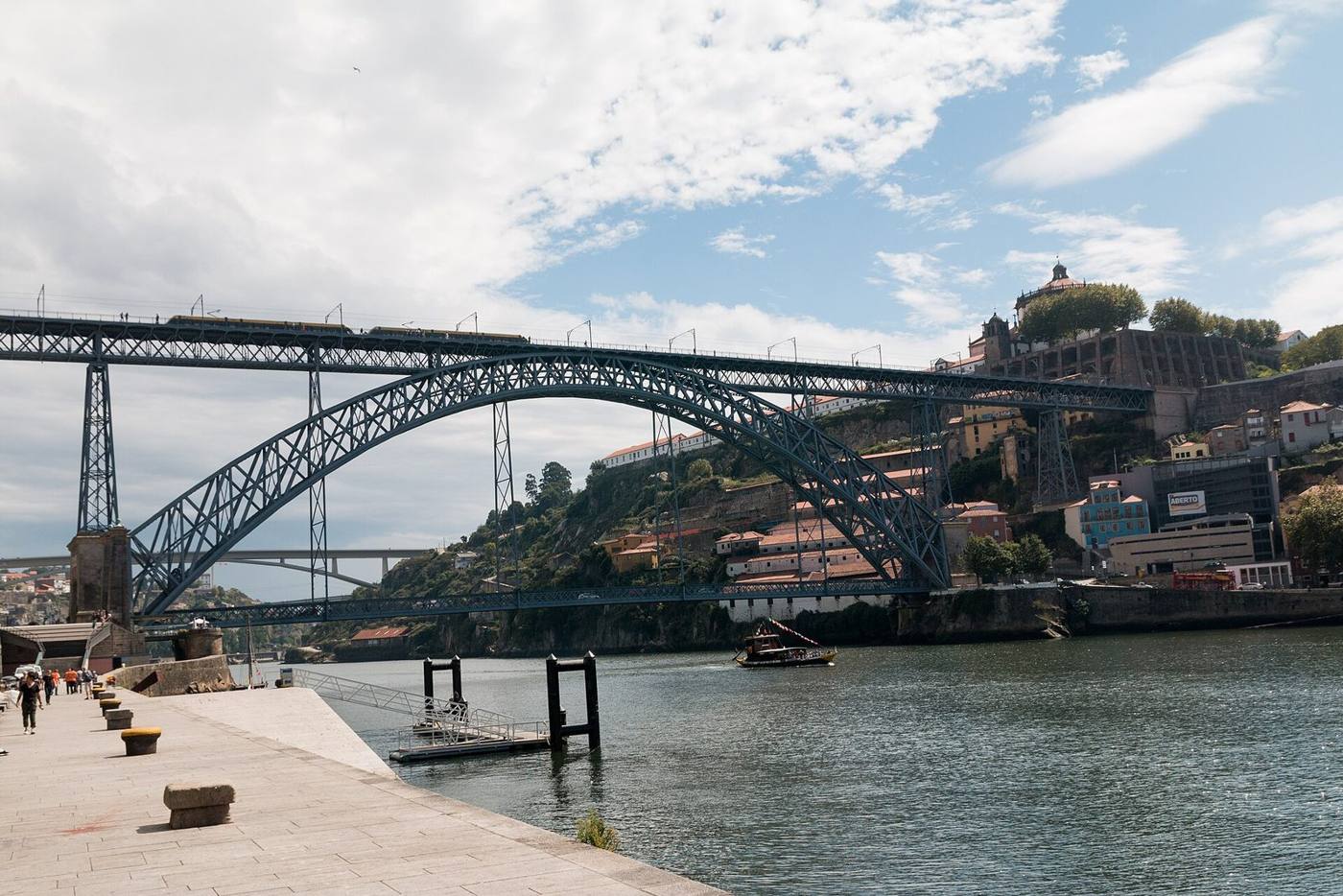
The Douro city at an easy pace: São Bento station and its azulejos, the Clérigos tower, Ribeira and the Dom Luís bridge on foot, the port wine lodges of Vila Nova de Gaia, Serralves museum and Foz on the ocean.
 6 daysModerate
The western Azores: Flores and Corvo
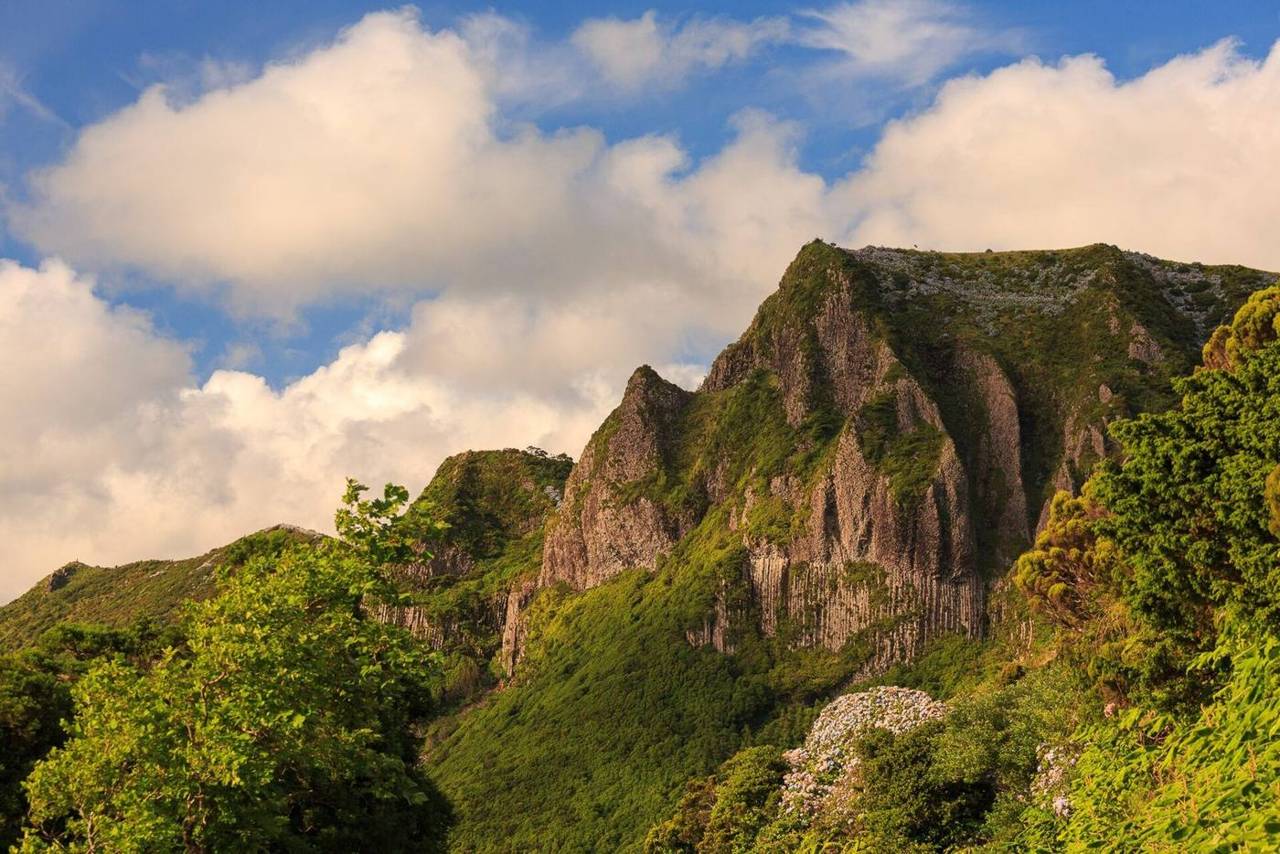
Europe's most remote islands, on the American plate: Flores with dozens of waterfalls, crater lakes and the Rocha dos Bordões, coastal trails among hydrangeas and cliffs, and by boat Corvo, the smallest, with its great Caldeirão crater.
 10 daysModerate
Madeira: Levadas, Porto Santo and the Desertas
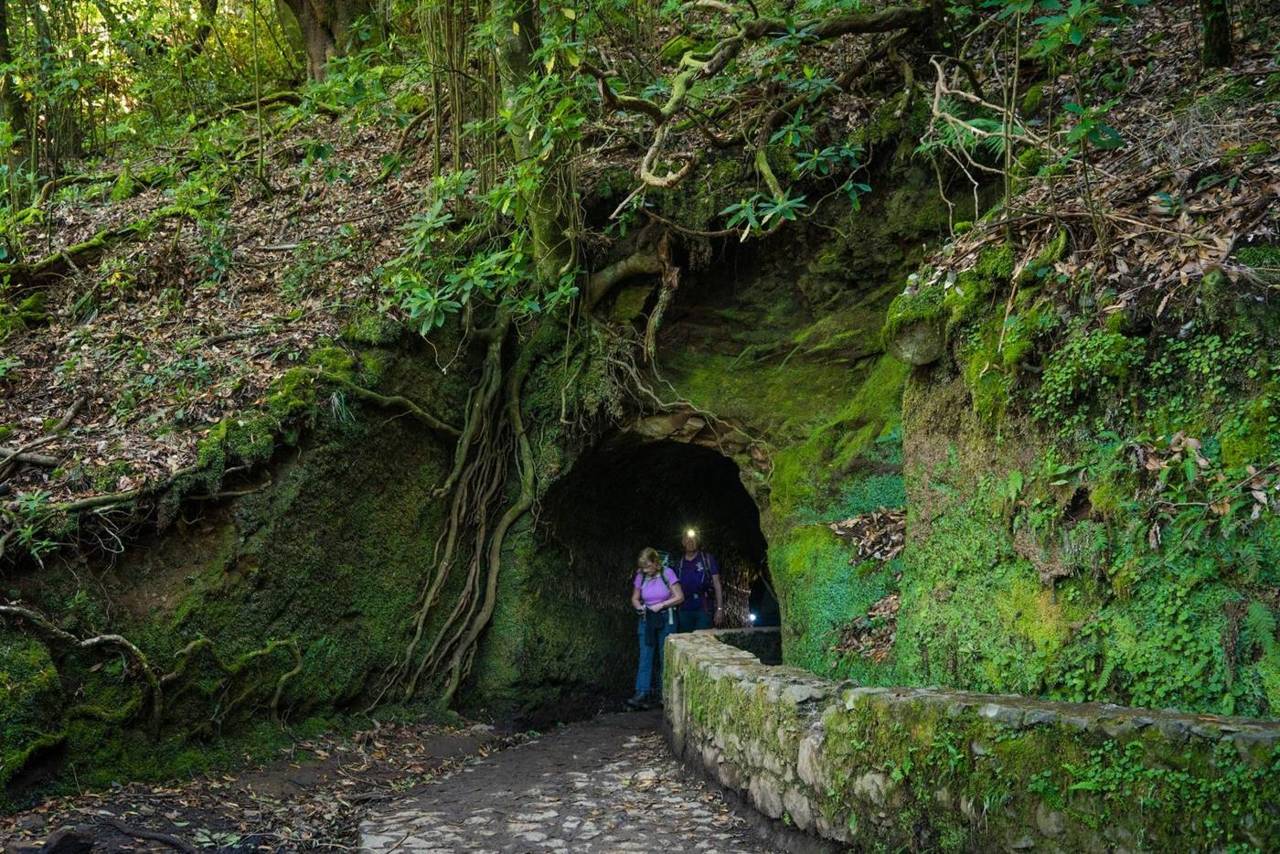
Ten days on a vertical island, walking the old irrigation channels through laurel forest, with a ferry to Porto Santo and a boat out to the monk seal islands.