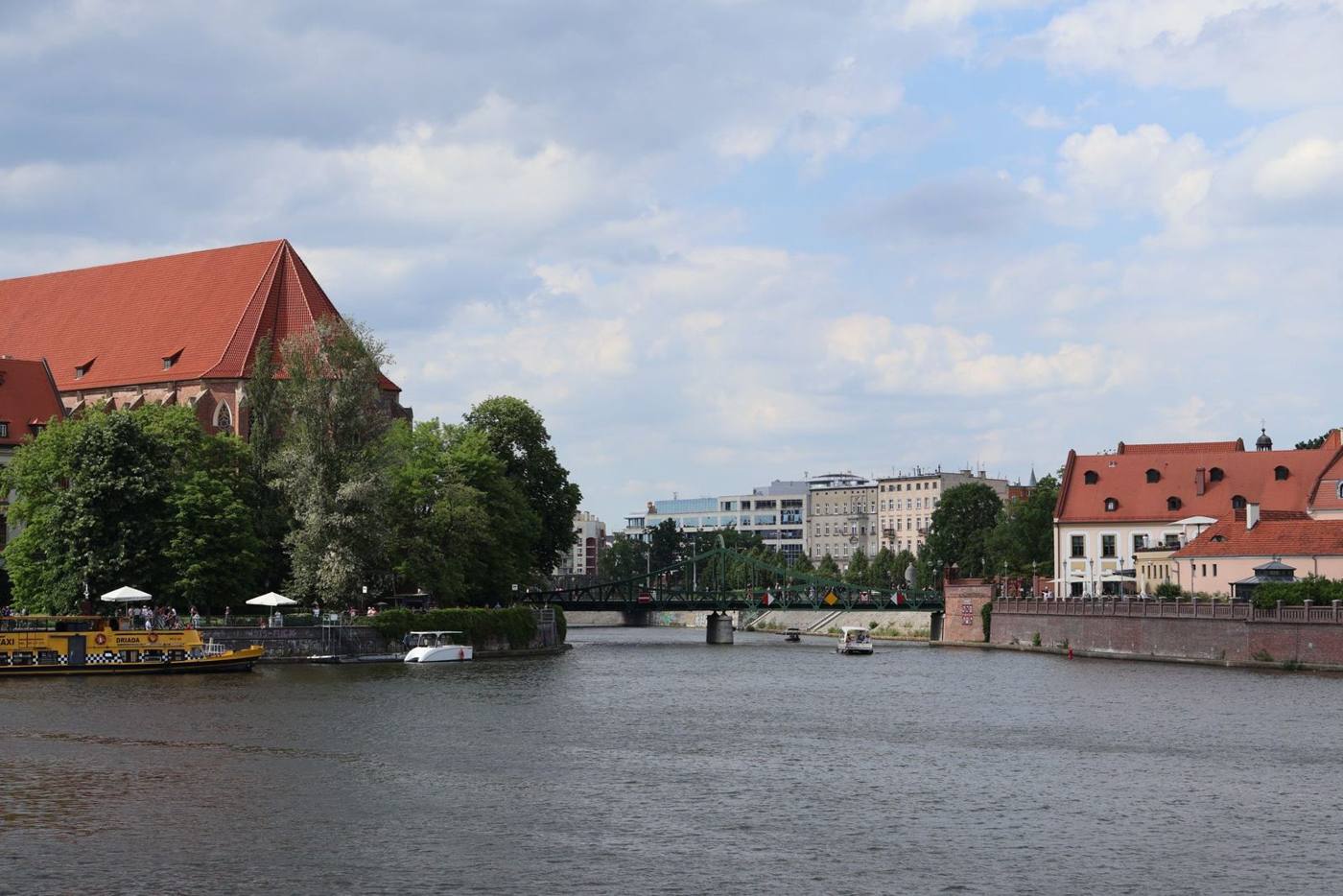
Wrocław and Lower Silesia
Wrocław and its bronze dwarfs, the UNESCO-listed wooden Churches of Peace, Książ Castle, the Chapel of Skulls and the rocks of the Table Mountains.
- Wrocław
- Świdnica
- Książ
- Kudowa-Zdrój
- Góry Stołowe
Day by day
- Day 1
Wrocław: the Market Square and the bronze dwarfs
This five-day trip takes you to Lower Silesia, in south-western Poland: Wrocław, one of the liveliest cities in the country, the Church of Peace in Świdnica, Książ Castle, the Skull Chapel in Czermna and the rocks of the Table Mountains National Park.
Before you go: Poland is part of the European Union and the Schengen area, but uses the złoty, not the euro. Italian citizens only need an electronic identity card valid for travel abroad or a passport; the paper identity card has not been valid for travel abroad since 3 August 2026. Other nationalities should check their own rules. Crime is low, but Italian travel advice warns of pickpockets at airports, stations and tourist sites and recommends using only official taxis. When you pay by card, always choose to pay in złoty.
Start from the Market Square, the Rynek, one of the largest medieval squares in Europe. In the middle stands the Gothic town hall, with its decorated façade, astronomical clock and spires. Around it, the merchants' houses have colourful Gothic, Renaissance and Baroque façades. A few steps away is Salt Square, with its flower stalls.
Then look for the bronze dwarfs, the krasnale: there are hundreds of them, small and hidden on pavements, windowsills and next to doorways. They recall the Orange Alternative, a movement that in the 1980s mocked the communist regime by painting dwarfs on walls.
In the afternoon visit the university, on the river Oder, with the Aula Leopoldina, a large Baroque hall. Check prices and times.
Sleep in Wrocław, for two nights.
Practical tip: the centre is easy to walk; for everything else take the trams and always validate your ticket, because inspections are frequent.
- Day 2
Cathedral Island and the Racławice Panorama
On the second day you discover the oldest part of the city and one of the most curious works of art in Poland.
In the morning cross the bridge to Ostrów Tumski, Cathedral Island, the first settlement of Wrocław. Here the streets are quiet, full of churches and clergy houses. Go into the Gothic Cathedral of St John the Baptist, with its two towers: you can usually take a lift up one of them to see the city's rooftops. Check prices and times. On the island the street lamps still run on gas, and in the evening a lamplighter lights them one by one, by hand.
Then go to the Racławice Panorama, a rotunda holding a huge circular painting from the late nineteenth century. It shows the Battle of Racławice in 1794, when the army of Tadeusz Kościuszko, with peasants armed with scythes, defeated the Russians. The painting used to be in Lviv, now in Ukraine; after the war it came to Wrocław, where it has been on display since the 1980s. Entry is at fixed times, with an audio guide. Check prices and times.
Next door is the National Museum, with Silesian art and Polish painting.
In the afternoon take the tram to the Centennial Hall, a large reinforced concrete building from 1913 and a UNESCO World Heritage Site. Around it there are a pergola, a Japanese garden and a fountain with water and music shows on summer evenings.
In the evening go back to the Rynek and try pierogi, Polish dumplings, and żurek, a sour soup sometimes served in a bread bowl.
Practical tip: buy your Panorama ticket for a set time, early in the morning, because at weekends the slots fill up.
- Day 3
The Church of Peace in Świdnica and Książ Castle
Today you leave Wrocław by car and head for the hills to the south. A hire car is worth it: from here on the places are far apart and public transport is slow.
After about an hour you reach Świdnica, for the Church of Peace, a UNESCO World Heritage Site together with the one in Jawor. After the Thirty Years' War, the Catholic emperor allowed the Protestants of Silesia to build only three churches, outside the city walls, in wood, clay and straw, without towers and in less than a year. That is how these huge churches came about, among the largest wooden churches in Europe. Inside you find galleries on several levels, an organ, a pulpit and painted ceilings: they could hold thousands of worshippers. Check prices and times.
Then drive about twenty kilometres to Książ Castle, near Wałbrzych, one of the largest in Poland. It was the home of the Hochberg family; in the early twentieth century Princess Daisy lived here, famous for her society life. During the Second World War the Nazis dug tunnels under the castle, linked to the secret Riese project. Visit the halls, the terraces and the gardens above the river gorge. Check prices and times.
In the late afternoon drive for about an hour and a half to Kudowa-Zdrój, a spa town on the Czech border, at the foot of the Table Mountains. Stroll in the spa park, with its spring and tree-lined paths.
Sleep in or near Kudowa-Zdrój, for two nights.
Practical tip: in the Church of Peace there is often a short recorded explanation, also in other languages; sit on the pews and listen to it before walking around.
- Day 4
The Table Mountains and the Skull Chapel
Today is a nature day: the Table Mountains National Park, Góry Stołowe, takes its name from its flat-topped mountains made of sandstone. Wind and water have carved the rock into towers, mushrooms and mazes.
Early in the morning go to Błędne Skały, the Errant Rocks, a maze of narrow passages between stone blocks. In some places you have to bend down or squeeze through sideways. In high season car access to the road up is limited and must be booked in advance; if there is no space, you can walk up. Check prices and times.
Then climb Szczeliniec Wielki, the highest peak of the Table Mountains, at about 919 metres. You get there by a staircase of hundreds of stone steps. At the top a path winds between oddly shaped rocks, with names like the Monkey or the Camel, and terraces looking over Bohemia. Entry to the park trails is charged: check prices and times.
In the afternoon go down to Czermna, part of Kudowa-Zdrój, for the Skull Chapel. It was built at the end of the eighteenth century by a local parish priest, who collected the bones of the victims of wars and epidemics. The walls and ceiling are covered with about three thousand skulls, and many more are kept in the crypt. The visit is short and silent: respect the rules on photos. Check prices and times.
In the evening relax in the spa park of Kudowa.
Practical tip: in the Table Mountains wear shoes with a good grip: the steps and the passages between the rocks are damp and slippery even in summer.
- Day 5
Kłodzko Fortress and back to Wrocław
On the last day you drive back to Wrocław, about two and a half hours away, with a stop on the way.
Halfway there is Kłodzko, a small town on the river Nysa. Above the centre stands a large fortress, enlarged by the Prussians in the eighteenth century, with bastions, courtyards and underground passages. From the walls you see the town's rooftops and the hills around. Below, cross the Gothic stone bridge, decorated with statues of saints, which looks like a small version of Charles Bridge in Prague. Check prices and times for the fortress.
In the early afternoon you reach Wrocław. If you still have time, take a walk along the Oder and on Sand Island, next to Cathedral Island, or go back to the Rynek to look for the last bronze dwarfs. Wrocław airport is close to the city and linked to the centre by bus; trains leave from the main station, a nineteenth-century building with small towers.
Trip summary: in five days you have seen Wrocław, with the Rynek, the dwarfs, Cathedral Island, the Racławice Panorama and the Centennial Hall; the Church of Peace in Świdnica; Książ Castle; the rocks of the Table Mountains and the Skull Chapel in Czermna; and Kłodzko Fortress.
When to go: from May to October. In summer the Table Mountains trails and Błędne Skały are crowded, especially at weekends; in May, June and September there are fewer people. In autumn the woods turn yellow and red. In winter Wrocław has a Christmas market on the Rynek, but the mountain roads can be snowy.
Practical tip: return your hire car in the city or at the airport after checking the office hours, because on Sundays some close early.
A lesser-known and very varied Poland, with one of the country's liveliest cities. In high season Błędne Skały requires a reservation for car access. The area is full of castles and spas. The Churches of Peace are among Europe's largest wooden religious buildings.
Before you go
- Documents and visa
- EU citizens need a valid identity card or passport: Poland is in the EU and the Schengen area. Carry a copy of your documents and keep the originals somewhere safe. Other nationalities should check the Schengen rules.
- Health and vaccines
- No compulsory vaccines. Healthcare is acceptable; Warsaw has clinics with English-speaking staff. EU citizens should bring their EHIC; take insurance covering medical costs and repatriation. Watch for ticks in the forests in summer and for ice in winter. Emergencies: 112.
- Money and payments
- Polish złoty (PLN), not the euro. Cards are accepted almost everywhere; when paying by card, choose to pay in złoty, not in your home currency.
- Power sockets
- Types C and E, 230 volts: you need an adapter for British plugs.
- Time zone
- Central European Time (UTC+1, summer UTC+2).
- Safety
- Crime is low, but watch out for pickpockets at airports, stations and tourist sites, for unofficial taxis and for scams in nightclubs. The areas near the borders with Belarus and Ukraine have restrictions and the situation changes often: do not go near the border and respect the no-entry signs. Official advice: GOV.UK.
Information checked in November 2026 for Italian and EU citizens. Rules change: always check before you travel.
Variations
In 3 days: Wrocław and one day for Świdnica and Książ.
In 7 days: add the spas and castles of the Jelenia Góra valley.
Frequently asked questions
Do I need a car for this trip?
Not for Wrocław, but for Świdnica, Książ, the Table Mountains and Czermna a hire car is much easier than public transport, which is slow and infrequent.
Do I have to book Błędne Skały?
In high season car access to the road to Błędne Skały is limited and must be booked in advance. Check prices and times on the national park website.
How many dwarfs are there in Wrocław?
There are hundreds, and new ones keep appearing. You can look for them at random while walking around the centre or follow a dedicated map.
Indicative itinerary written by World Atlas. Before booking, check timetables, seasonal openings, documents and safety.
 6 daysEasy
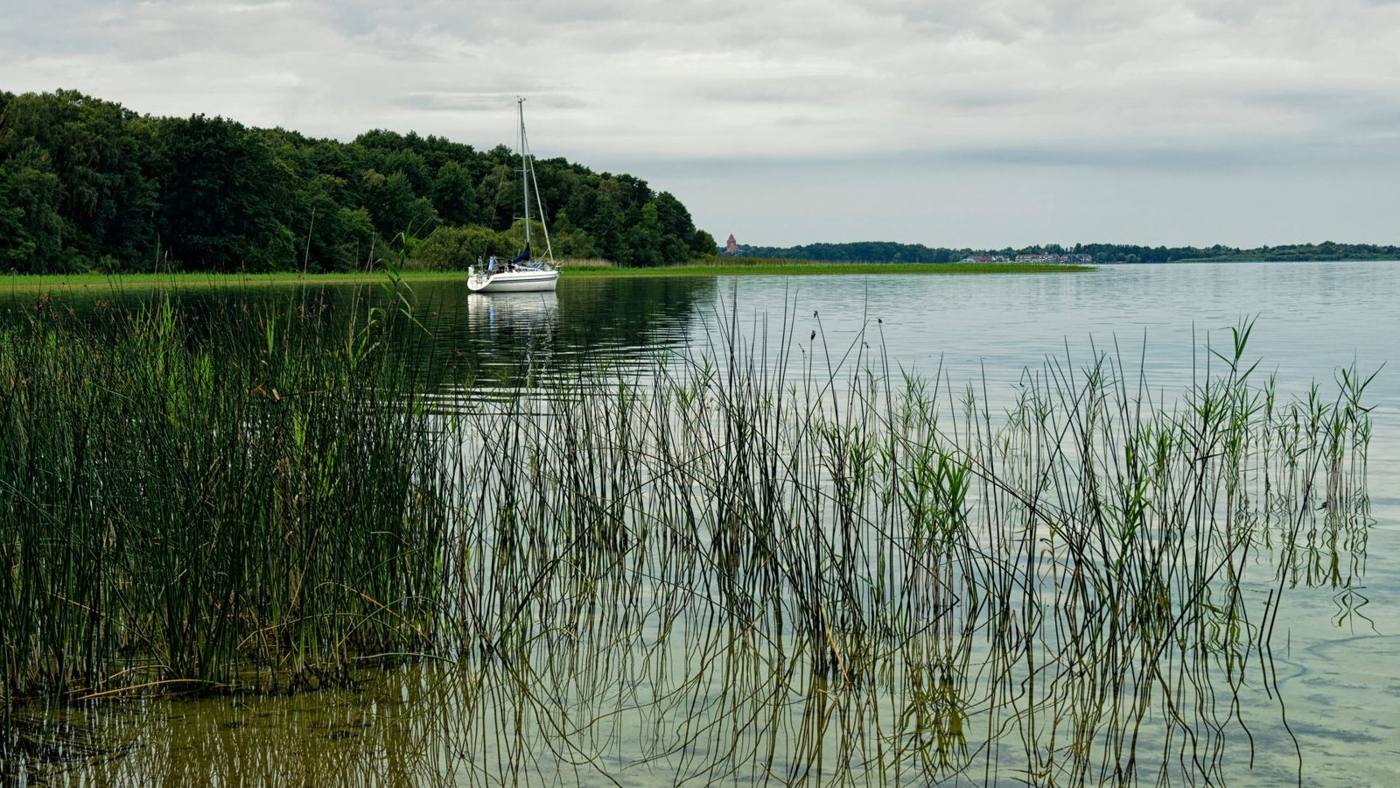
The Masurian Lakes
The land of a thousand lakes: kayaking on the Krutynia river, sailing on Lake Śniardwy, the Wolf's Lair and the baroque sanctuary of Święta Lipka.
 4 daysEasy
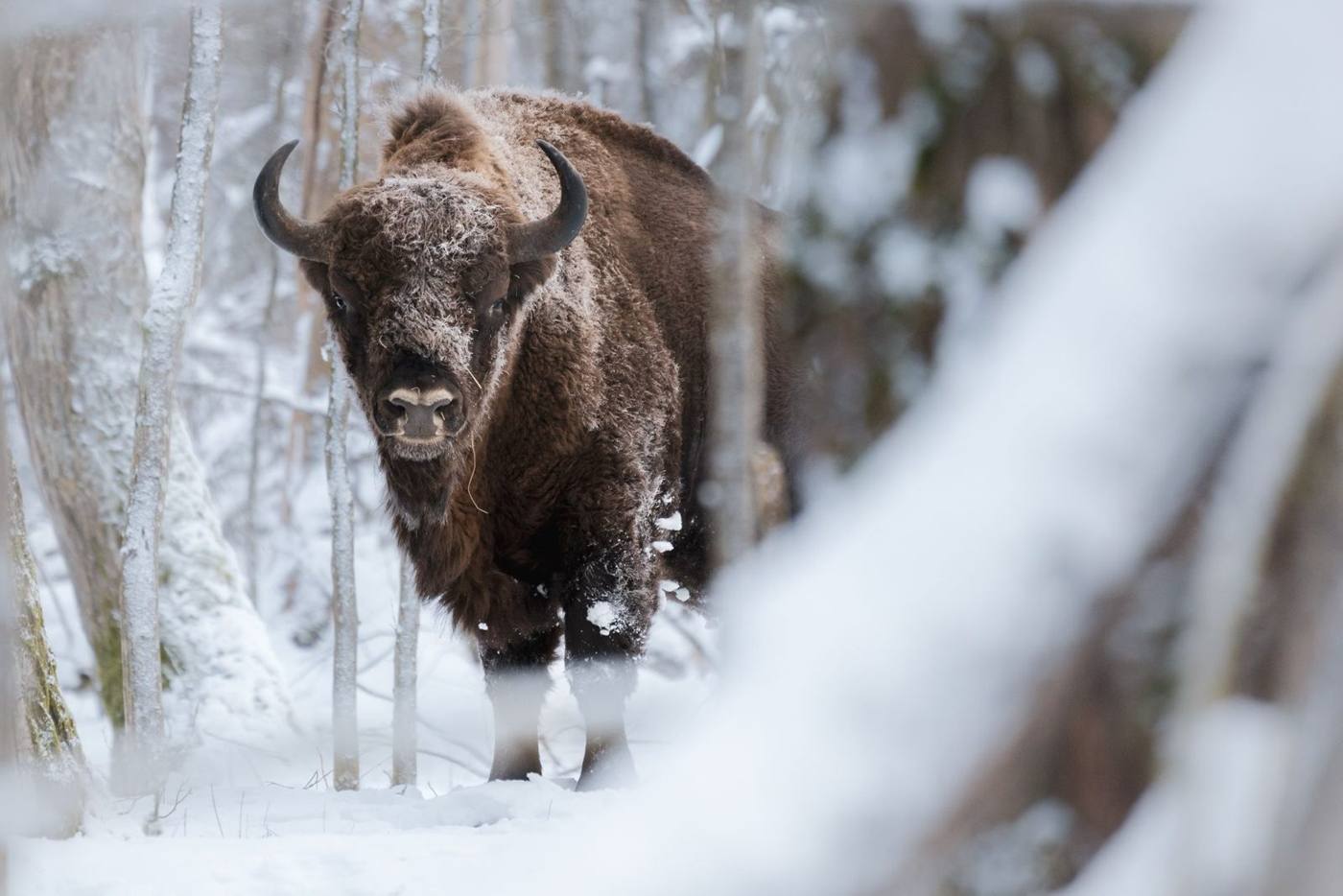
Białowieża and the bison
Europe's last primeval lowland forest, a UNESCO site, with European bison roaming wild, the strict reserve with a guide and the Biebrza marshes.
 5 daysModerate
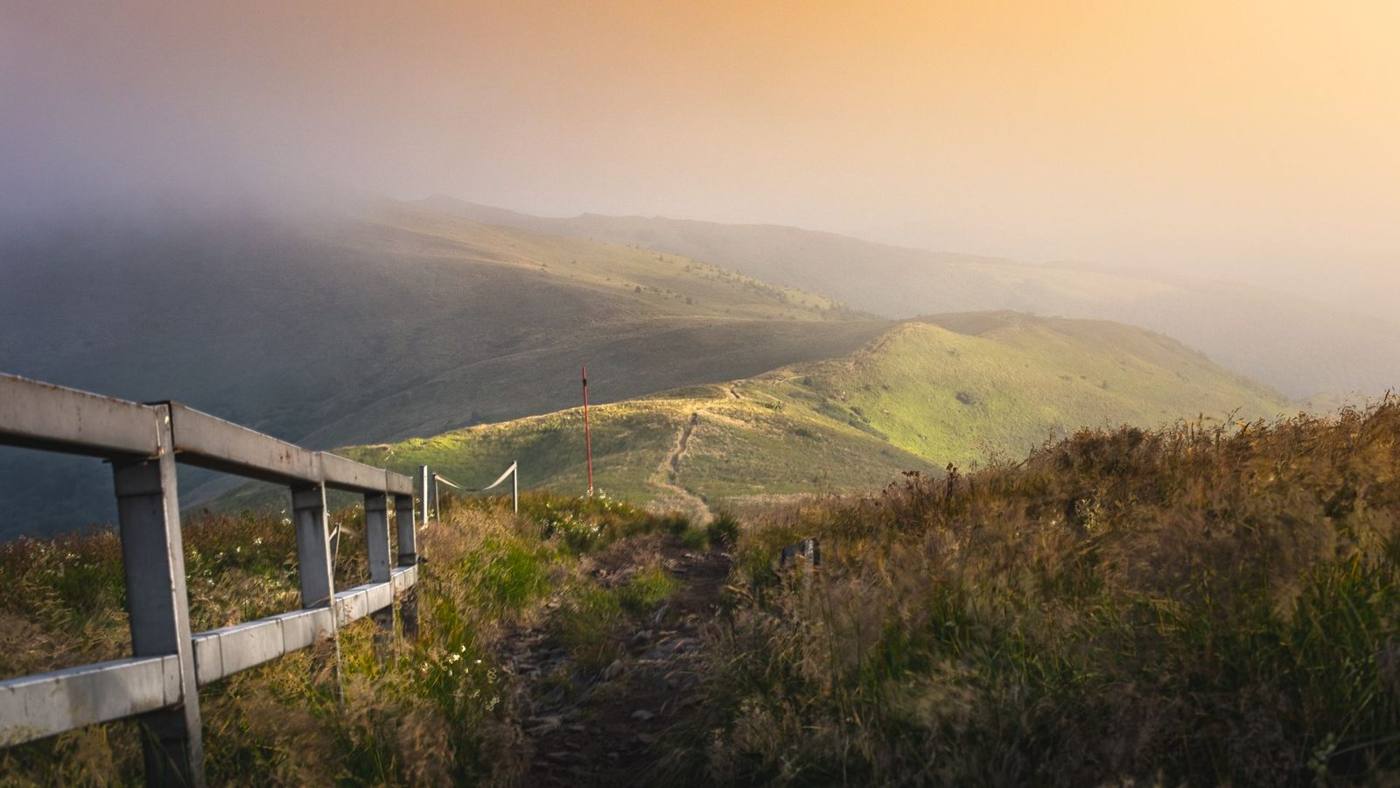
The Bieszczady Mountains
Poland's wildest corner: the high połoniny meadows, the UNESCO wooden churches, Lake Solina and the forest railway.